6061 aluminum round tube is a hollow Al-Mg-Si section specified as outside diameter × wall, at 310 MPa typical in T6. It is used where a structure needs stiffness without weight: frames, rails, manifolds, hydraulic lines, machine guarding. Order T4 or O if the tube will be bent — T6 cracks on tight radii. Not the same as pipe: pipe is nominal bore and schedule.
OD: 6–300 mm
Wall: 0.5–25 mm
Tempers: O / T4 / T6 / T6511
Standards: ASTM B221, ASTM B241, EN 755
Quality documents: MTC report with every order
6061 aluminum round tube is a hollow Al-Mg-Si section specified as outside diameter × wall thickness, heat-treatable to T6 and used where a structure needs stiffness without weight: frames, rails, manifolds, hydraulic and pneumatic lines, machine guarding. T6 gives 310 MPa typical tensile, it welds, machines and anodizes cleanly, and it resists corrosion well enough for outdoor service. Its limits are strength (about half of 7075) and the heat-affected zone, which softens when it is welded in T6. Alloy data: 6061 aluminum alloy.
| Item | Range |
|---|---|
| Outside diameter | 6 – 300 mm |
| Wall thickness | 0.5 – 25 mm |
| Length | Up to 6,000 mm, cut to size |
| Tempers | O / T4 / T6 / T6511 |
| Standards | ASTM B221, ASTM B241, EN 755, GB/T 6892 |
Tube is ordered by OD and wall, not by a nominal bore, and the wall is what carries the pressure. If you are replacing an existing pipe, measure the actual OD and wall rather than quoting the bore — a nominal 1 in pipe is 33.4 mm OD, and quoting “1 inch tube” gets you a 25.4 mm tube instead.
| Temper | Tensile (MPa) | Yield (MPa) | Elongation | Typical use |
|---|---|---|---|---|
| O | ≤ 150 | 83 – 110 | 10 – 18% | Forming and bending before heat treatment |
| T4 | 180 – 210 | ≥ 110 | 10 – 16% | Bent or formed tube that ages naturally |
| T6 | ≥ 290 (typical 310) | ≥ 240 (typical 276) | 8 – 12% | Structural and pressure tube |
| T6511 | ≥ 290 (typical 310) | ≥ 240 (typical 276) | 8 – 12% | Extruded tube, stress relieved and straightened |
Typical values; confirm against the MTC. Density 2.70 g/cm³, elastic modulus 69 GPa. On the designation: extruded tube is stress relieved to T6511, not T651 — T651 is a plate designation and has no meaning on a hollow section. If a drawing specifies T651 on tube, the certificate cannot be issued against it.
T6 is the default for structural and pressure work. T4 is the bending temper: it is softer, and a tube bent in T6 will often crack on the outside radius or distort at the wall. If the part is bent and then used, order T4 and accept the lower strength, or bend in O and age afterwards where the process allows.
T6511 matters where the tube is machined after extrusion — stress relieved and straightened so the bore stays concentric through machining. On a plain frame member it buys nothing.
| Alloy / temper | Tensile (MPa) | Yield (MPa) | Where it fits |
|---|---|---|---|
| 6061-T6 | 310 | 276 | Structural frames, manifolds, pressure lines, machine guarding |
| 6063-T5 / T6 | 185 / 240 | 145 / 215 | Architectural, handrail, decorative — better finish, less strength |
| 5052-H32 | 214 – 262 | ≥ 159 | Marine, fuel and hydraulic lines, formed tube |
6061 is the structural default. Choose 6063 when the tube is visible and will be anodized — the finish is better and the strength is adequate for handrails and trim. Choose 5052 when the tube is formed aggressively, welded, or lives in salt water.
Tube is not pipe. Tube is specified by outside diameter and wall; pipe is specified by nominal bore and schedule, with a fixed outside diameter per size. A 1 in schedule 40 aluminium pipe is 33.4 mm OD with a 3.4 mm wall; a 33 mm tube can be any wall you order. If your application is a fluid line designed to a pipe schedule, say so — we will quote to the schedule rather than guess the equivalent.
Seamless tube is extruded or drawn from a billet with no weld line; it is the correct choice for pressure, for bending, and for anything that will be machined through the wall. Welded tube is formed from coil and seam welded, which is cheaper at larger diameters and perfectly adequate for frames, guard rails and non-pressure work. The weld line limits bend radii and is the first place to fail under pressure — specify seamless if either matters.
Cutting: sawed square, cut to length as standard; deburred on request.
Bending: bend radius depends on OD, wall and temper. As a working rule, a centreline radius of 2–3 × OD is achievable in T4 or O; tighter radii need a mandrel, and T6 will usually need annealing first. Thick walls tolerate tighter radii, and the wall thins on the outside of the bend — if the tube carries pressure after bending, that thinning belongs in the calculation.
End finish: square cut, deburred, chamfered for welding, or threaded. State which; a tube cut square and a tube chamfered for a butt weld are different operations and different prices.
Structural frames and machine guarding, hydraulic and pneumatic lines, manifolds, bicycle and motorcycle frames, handrails and balustrades, antenna and mast sections, conveyor rollers, heat-exchanger shells, automotive drive shafts, general fabrication.
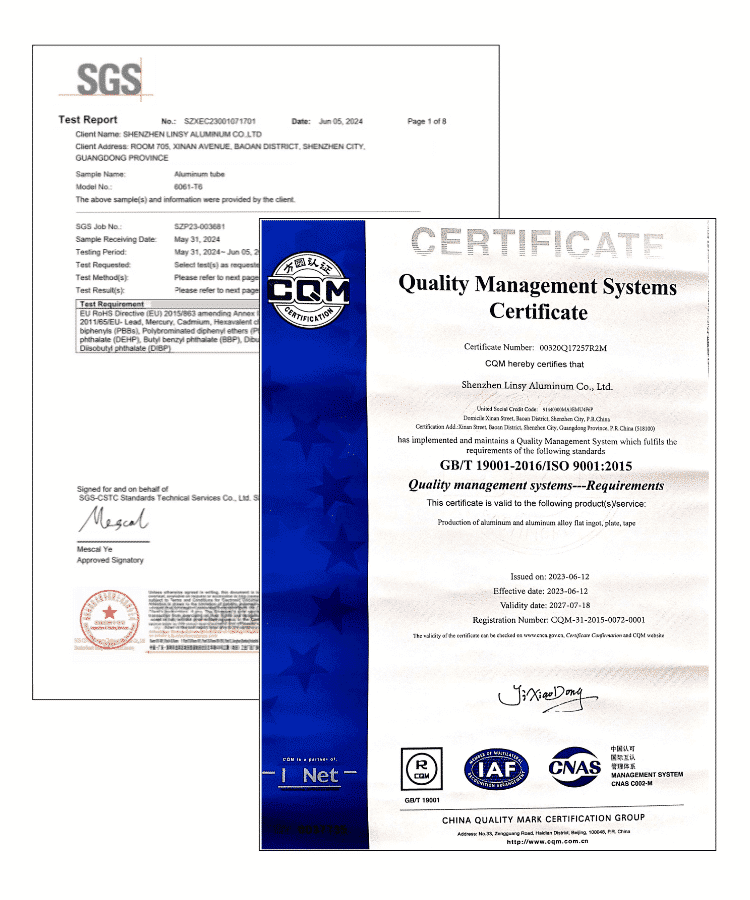
Every order ships with an MTC reporting alloy, temper, OD, wall and mechanical results against the ordered standard. For pressure service, state the test requirement on the enquiry — hydrostatic or eddy-current testing is available on request at additional cost; production runs under ISO 9001, ISO 14001 and ISO 45001 certified systems.
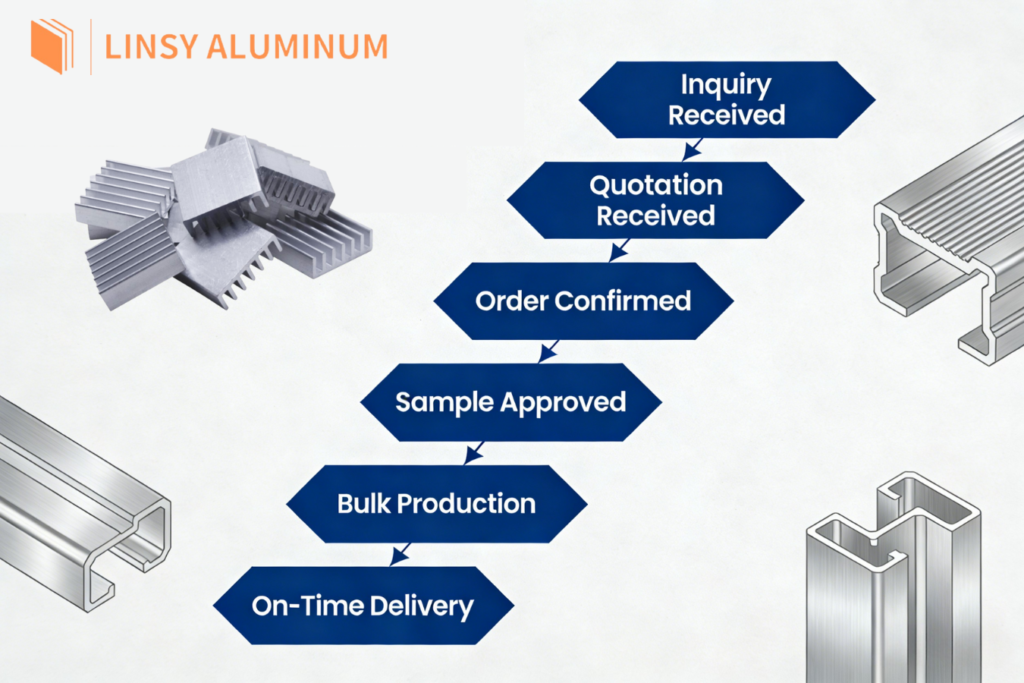
To quote in one round, send: OD × wall × length, temper (T4 if it will be bent), seamless or welded, pressure or vacuum requirement, end finish, and the destination. Sales confirm stock or custom lead time for that exact combination.
Shenzhen-based aluminum factory, more than 20 years in the industry, supplying 1000–8000 series alloys in standard specifications and custom sizes.
Q: Is tube the same as pipe?
A: No. Tube is OD × wall; pipe is nominal bore and schedule with a fixed OD per size. A 1 in schedule 40 aluminium pipe is 33.4 mm OD with a 3.4 mm wall. State which system your drawing uses.
Q: Can 6061 tube be bent?
A: Yes, but order T4 or O for tight radii — T6 will crack or distort. A centreline radius of 2–3 × OD is achievable without a mandrel in the softer tempers.
Q: Seamless or welded?
A: Seamless for pressure, bending, or machining through the wall. Welded for frames, guards and larger diameters where cost matters more than the weld line.
Q: Why T6511 rather than T651 on tube?
A: T651 is a plate designation. Extruded tube is stress relieved to T6511, and a certificate cannot be issued against T651 on a hollow section.
Q: What sizes do you hold?
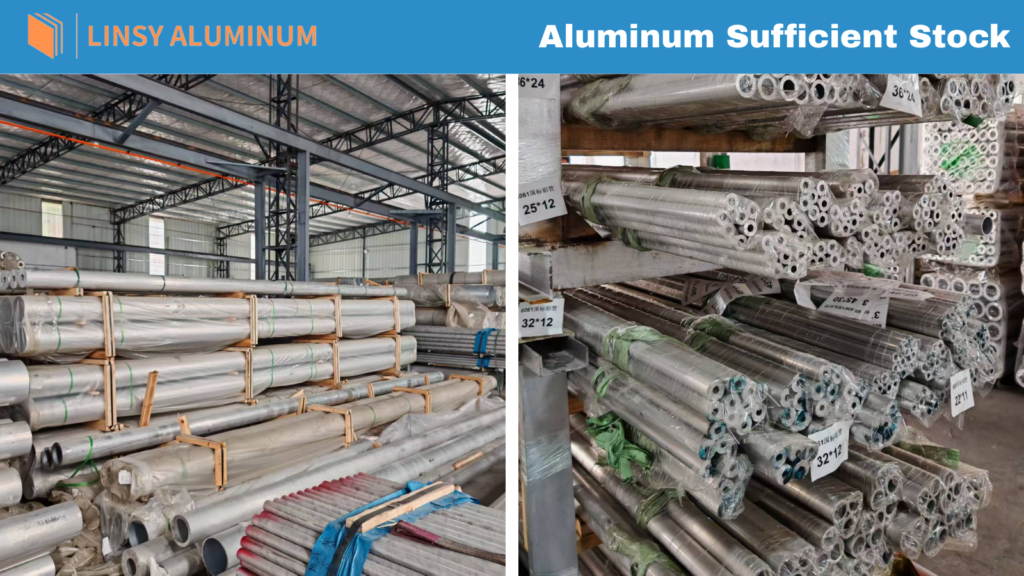
A: 6–300 mm OD, 0.5–25 mm wall, cut to length up to 6,000 mm.
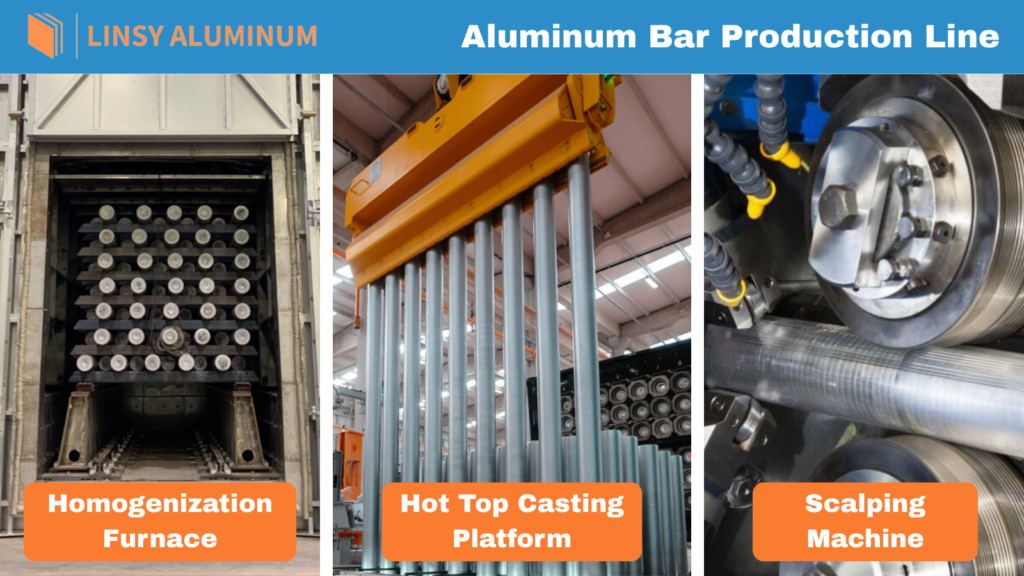
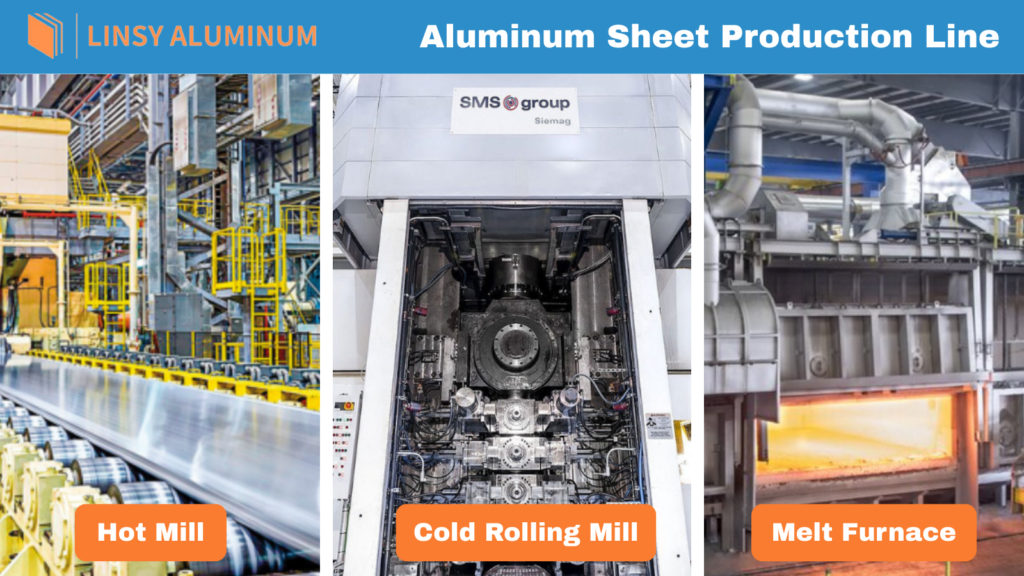
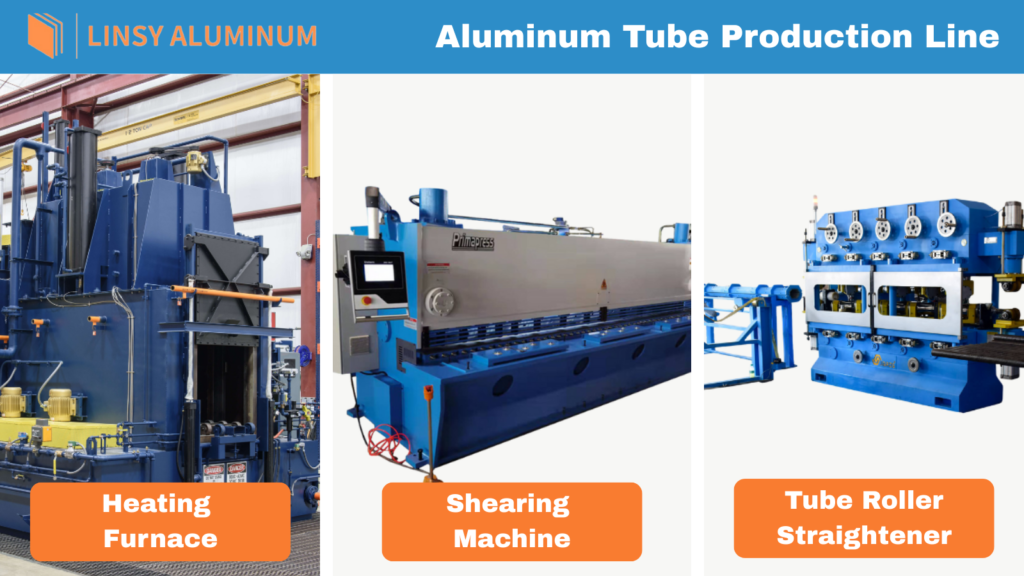
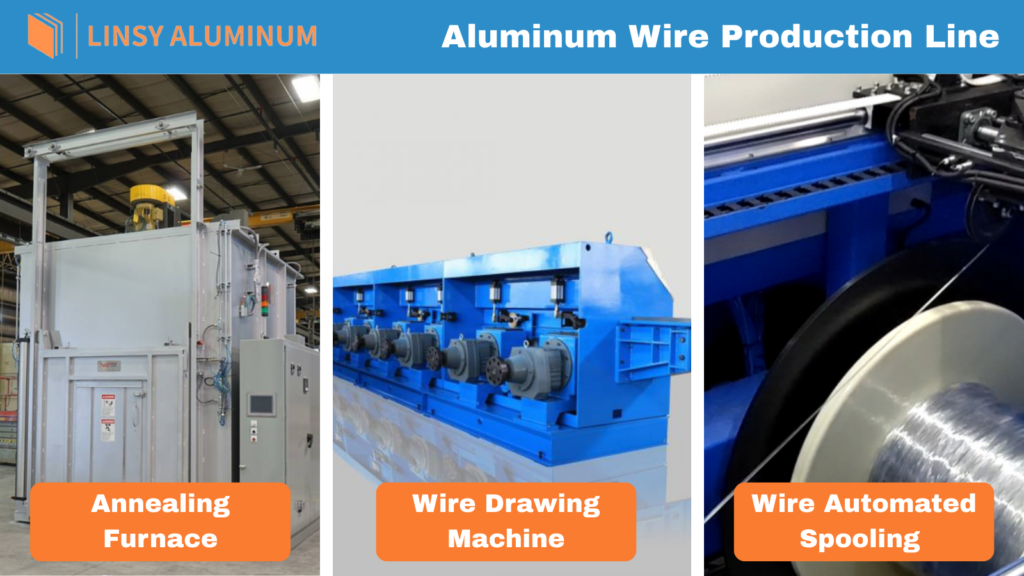
Linsy Advantages
Linsy Aluminum is a leading supplier of aluminum processing products, serving diverse industries including aerospace, general engineering, automotive, marine, shipbuilding and other specialized industrial applications.
We are committed to maintaining the highest standards of quality and environmental responsibility, as demonstrated by our certifications: ISO 9001:2008, ISO 14001:2004 and SGS.