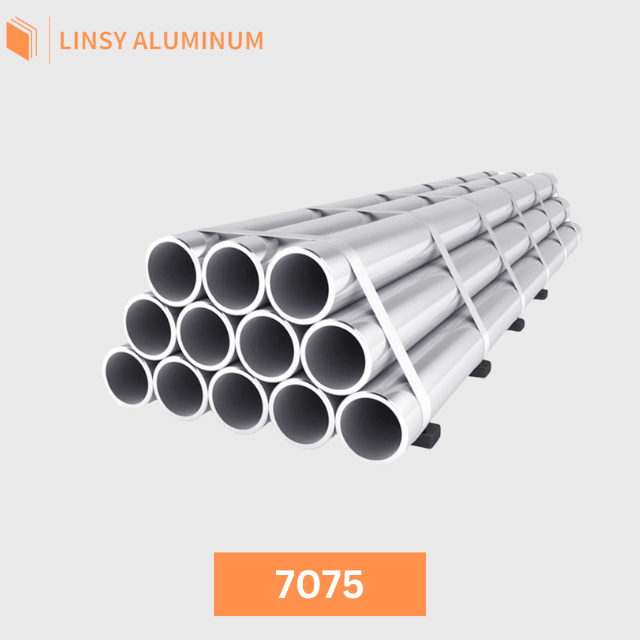


7075 aluminum round tube is seamless Al-Zn-Mg-Cu section at 570 MPa in T6 — the strongest aluminium tube in general supply. Specified when a tube must carry a load no 6xxx section can, and weight is fixed by the design: aerospace fittings, drive shafts, high-load struts. Not weldable, and the thick-wall grades carry a stress-corrosion risk that T73511 addresses.
OD: 10–400 mm
Wall: 1–40 mm
Tempers: O / T6 / T6511 / T73 / T73511
Seamless only — 7075 does not weld
Quality documents: MTC report with every order
7075 aluminum round tube is a hollow Al-Zn-Mg-Cu section at 570 MPa in T6 — the strongest aluminium tube available in general supply. It is specified rarely and for a reason: when a tube has to carry a load that no 6xxx section can, and weight is fixed by the design. Typical uses are aerospace fittings, drive shafts, high-load struts and competition components. Two limits belong on the drawing: 7075 is not weldable, and it has only moderate corrosion resistance with a stress-corrosion risk in thick walls. Alloy data: 7075 aluminum alloy.
| Item | Range |
|---|---|
| Outside diameter | 10 – 400 mm |
| Wall thickness | 1 – 40 mm |
| Length | 1,000 – 6,000 mm, custom cut |
| Tempers | O / T6 / T6511 / T73 / T73511 |
| Standards | ASTM B221, ASTM B241 |
On the designation. Tube is stress relieved to T6511 or T73511 — the extruded-tube designations. T651 and T7351 are plate designations and have no meaning on a hollow section; if a drawing specifies them on tube, the certificate cannot be issued against it.
| Temper | Tensile (MPa) | Yield (MPa) | Elongation | Shear (MPa) |
|---|---|---|---|---|
| O | 230 – 290 | 95 – 145 | 10 – 13% | 150 |
| T6 | 540 – 570 | 480 – 505 | 8 – 11% | 330 |
| T6511 | 540 – 570 | 480 – 505 | 8 – 11% | 330 |
| T73 / T73511 | 470 – 500 | 390 – 420 | 8 – 11% | 285 |
Typical AA reference figures; confirm against the MTC. Density 2.81 g/cm³, elastic modulus 71.7 GPa. Wall thickness matters more here than on a 6xxx tube: a thin wall in T6 concentrates stress at any notch, and the T73 tempers exist to reduce the cracking risk that follows.
T6 is peak strength and the default for a tube that is machined at the ends and used in dry conditions. T6511 is the same strength, stress relieved and straightened — worth ordering where the bore must stay concentric through machining, or where the tube is long and straightness matters.
T73 and T73511 are overaged on purpose, giving up about 70 MPa to buy much better resistance to stress-corrosion cracking. For a thick-walled tube in sustained tension, wet or salty service, or an aerospace application, that trade is usually correct — and it is the difference between a part that lasts and one that cracks at a stress riser.
| Alloy / temper | Tensile (MPa) | Yield (MPa) | Weldability | Where it fits |
|---|---|---|---|---|
| 7075-T6 / T6511 | 570 | 505 | Not weldable | Maximum-strength struts, shafts, aerospace fittings |
| 2024-T3 | 483 | 345 | Not weldable | Fatigue-critical tube, aerospace structure |
| 6061-T6 | 310 | 276 | Good | Structural frames, manifolds, pressure lines |
7075 is roughly 85% stronger than 6061 tube and costs more with fewer suppliers. Specify it when the load is fixed and the weight cannot grow; if a thicker 6061 tube or a larger OD would carry the same load, that is almost always cheaper, weldable and more corrosion-tolerant.
Tube is OD × wall; pipe is nominal bore and schedule with a fixed OD per size — a 1 in schedule 40 aluminium pipe is 33.4 mm OD, not 25.4 mm. State which system your drawing uses; they are not interchangeable.
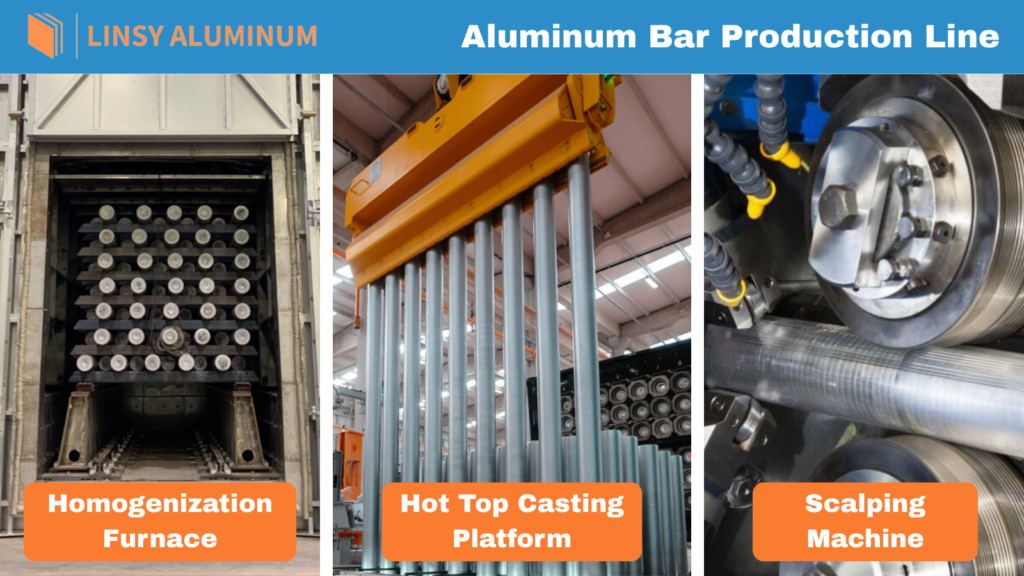
7075 tube is seamless — it is extruded or drawn, never seam welded, because 7075 does not weld. That also means the size range is limited by what can be extruded, and heavy walls in large diameters are produced to order rather than held.
Cutting: sawed square, cut to length; deburred on request. Sawing 7075 tube generates heat — use coolant and a sharp blade to avoid a hardened burr.
Bending: limited. 7075 in T6 has low elongation and will crack on tight radii; bending requires O condition followed by heat treatment, and even then the bend radius is generous compared with 6061. If the part needs a tight bend, this is the wrong alloy.
Surface: anodizing works but protects less than on 6xxx and darkens; use hard anodizing or a coating where corrosion matters, and consider T73. Welding: not recommended in any condition.
Aerospace struts and fittings, drive shafts and torque tubes, competition bicycle and motorcycle components, high-load machine members, precision instrument frames, defence equipment, gantry arms where weight is fixed by design.
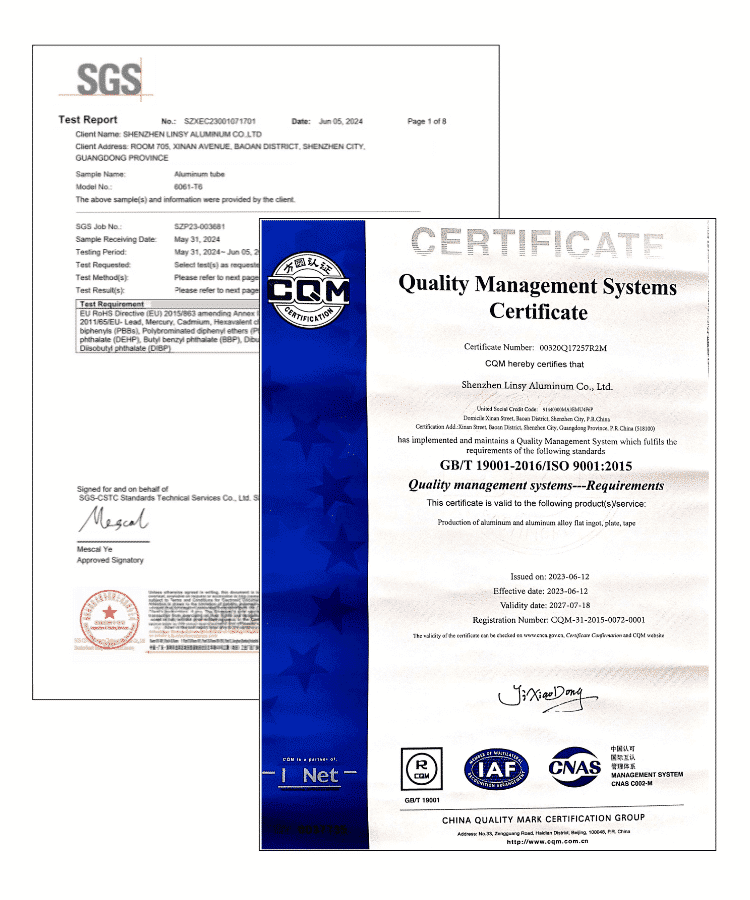
Every order ships with an MTC reporting alloy, temper, OD, wall and mechanical results against ASTM B221 or B241. For pressure or aerospace work, state the test requirement and the certification standard on the enquiry. Third-party testing is available on request at additional cost; production runs under ISO 9001, ISO 14001 and ISO 45001 certified systems.
To quote in one round, send: OD × wall × length, temper (T6511 for machining, T73511 for thick walls or wet service), pressure or load requirement, end finish, and the destination.
Shenzhen-based aluminum factory, more than 20 years in the industry, supplying 1000–8000 series alloys in standard specifications and custom sizes.
Q: Is 7075 tube welded or seamless?
A: Seamless. 7075 does not weld, so any seam-welded product sold as 7075 should be questioned. It is extruded or drawn, which also limits the size range.
Q: T6511 or T651?
A: T6511. T651 is a plate designation and cannot appear on a tube certificate. The same applies to T7351 versus T73511.
Q: Can 7075 tube be bent?
A: Only with difficulty. In T6 it cracks on tight radii; bending needs O condition and heat treatment afterwards, and the radius is much more generous than 6061.
Q: When should I use T73511?
A: Thick walls, sustained tensile load, or wet and salty service — wherever stress-corrosion cracking is a real risk. It gives up about 70 MPa for that resistance.
Q: What sizes do you supply?
A: 10–400 mm OD, 1–40 mm wall, cut to length from 1,000 to 6,000 mm.
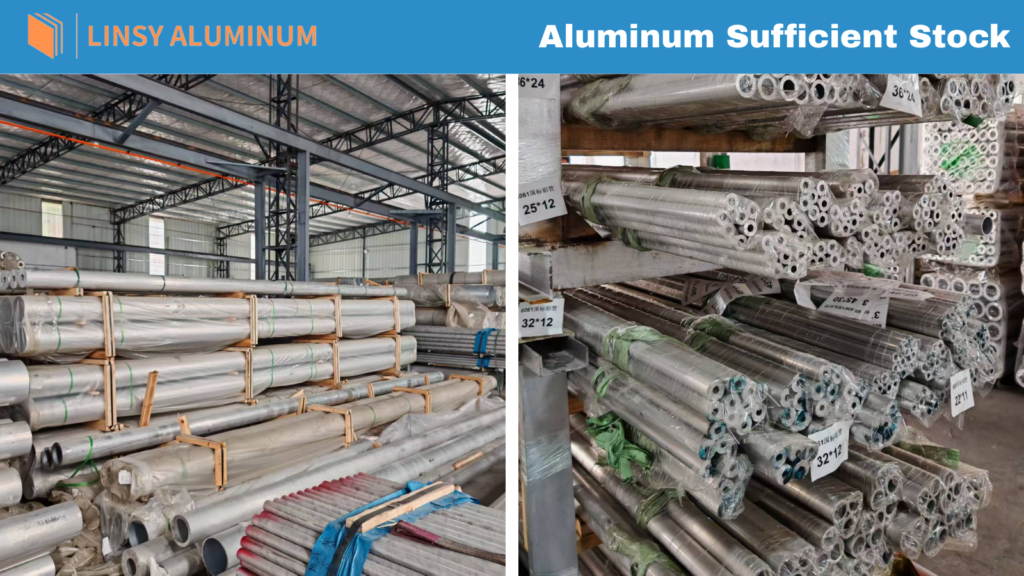
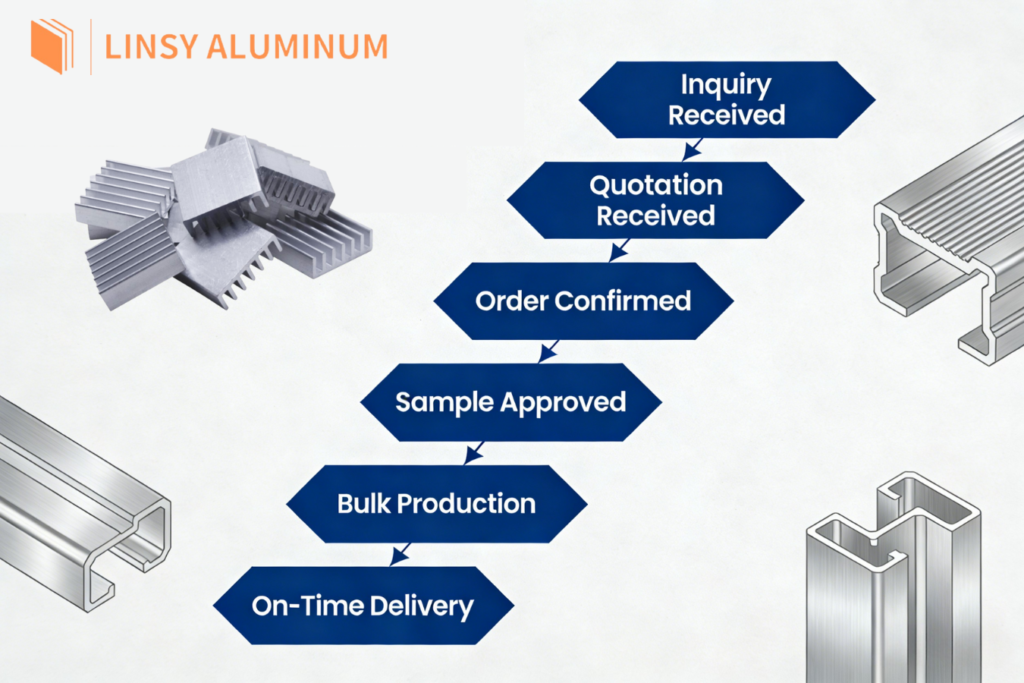
Linsy Advantages
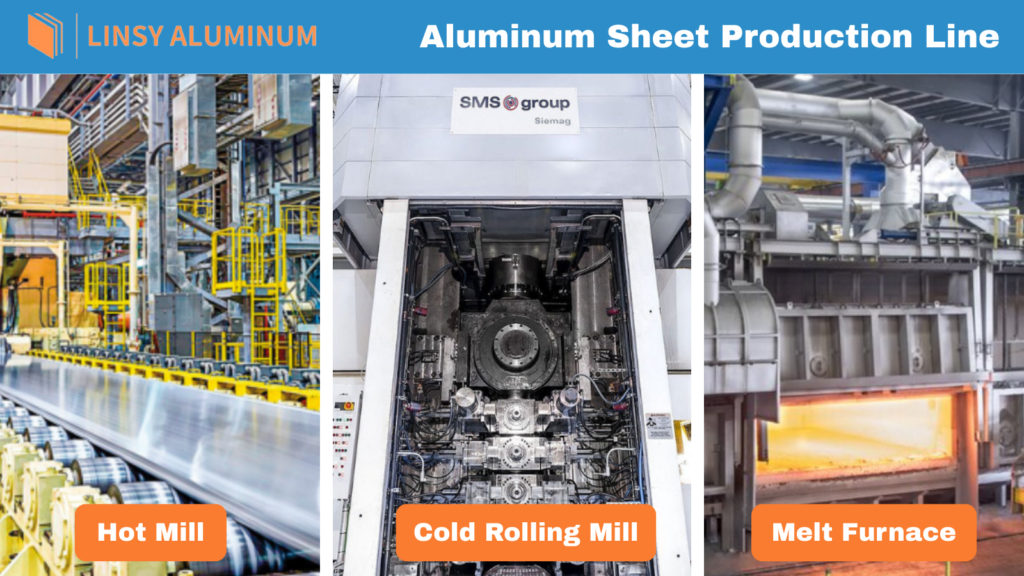
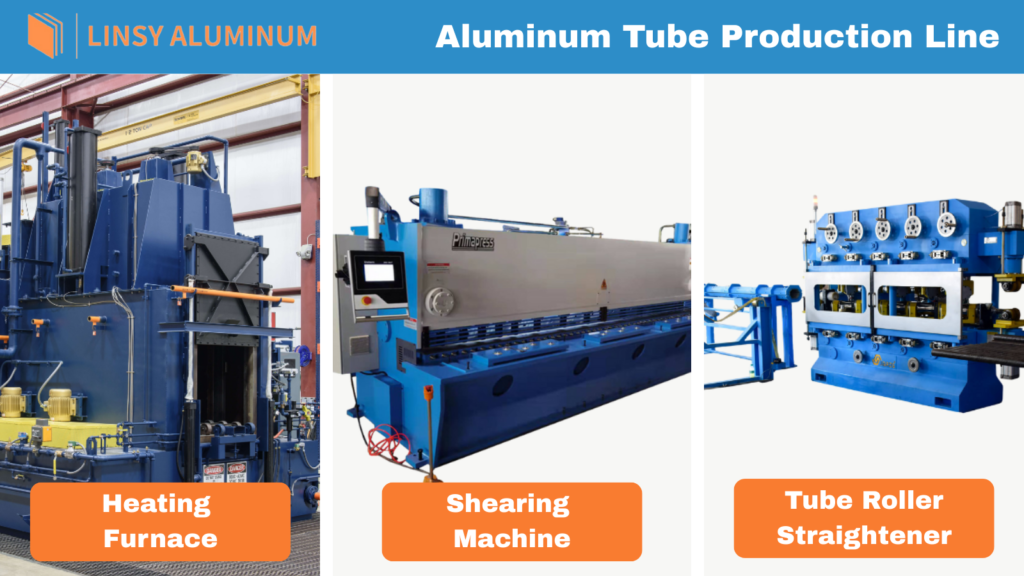
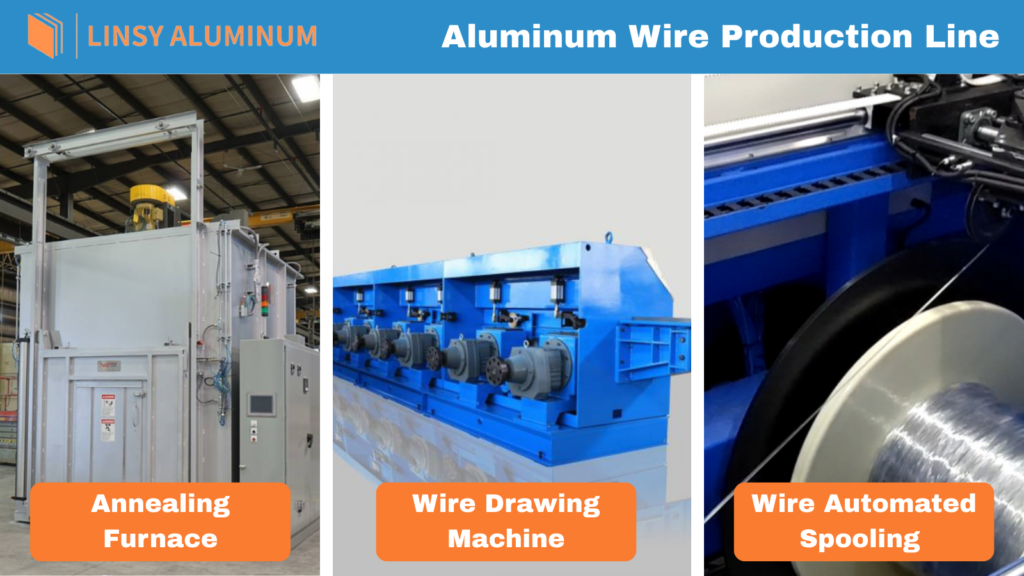
Linsy Aluminum is a leading supplier of aluminum processing products, serving diverse industries including aerospace, general engineering, automotive, marine, shipbuilding and other specialized industrial applications.
We are committed to maintaining the highest standards of quality and environmental responsibility, as demonstrated by our certifications: ISO 9001:2008, ISO 14001:2004 and SGS.