7075 aluminum round bar is a solid Al-Zn-Mg-Cu bar for machining, supplied in T6 and T6511 at 570 MPa tensile — one of the strongest aluminium alloys in commercial use. It is specified for shafts, gears, moulds, jigs and high-stress components where strength decides the design. Not weldable in practice, and it needs coating or the T73 tempers for corrosive service.
Diameter: 6–400 mm
Length: 1,000–6,000 mm, cut to length
Tempers: O / T6 / T6511 / T73 / T73511
Tolerance: ASTM B211 / EN 755
Quality documents: EN 10204 3.1 mill certificate with every order
7075 aluminum round bar is a solid Al-Zn-Mg-Cu bar supplied for machining, not for fabrication. With a zinc content of 5.1–6.1% and T6 tensile strength of 570 MPa, it is one of the strongest aluminium alloys in commercial use — close to mild steel at roughly a third of the weight. Buyers specify it when the part has to be strong in service and is cut from solid: shafts, gears, moulds and tooling, jigs, and high-stress machined components. Two limits belong on the drawing from the start: 7075 is not weldable in practice, and bare 7075 has only moderate corrosion resistance. Alloy data: 7075 aluminum alloy.
| Item | Range |
|---|---|
| Diameter | 6 – 400 mm |
| Length | 1,000 – 6,000 mm, cut to your length |
| Tempers (extruded bar) | O / T6 / T6511 / T73 / T73511 |
| Form | Extruded round bar to ASTM B221; at large diameters, bar cut from rolled plate to ASTM B209 |
| Tolerance | To ASTM B211 / EN 755 as standard; tighter drawn tolerance quoted on request |
On the designation. T6511 and T73511 are the stress-relieved tempers for extruded bar: stretched after quenching, then straightened. T651 and T7351 are the matching designations for rolled plate. Where a large-diameter bar is sawn from plate the plate designation is the correct one, and the certificate will say so. The distinction matters because the two are not interchangeable on a mill certificate — a drawing that calls for T651 on an extruded bar cannot be met, and a supplier who quotes it has not read the specification.
Smaller and larger diameters are quoted on request rather than held. If the bar feeds a bar feeder or runs on a lathe with a collet, say so — straightness and diameter tolerance matter more than the nominal size, and that is where a cheap bar usually fails.
| Temper | Tensile (MPa) | Yield (MPa) | Elongation | Shear (MPa) |
|---|---|---|---|---|
| O | 230 | 105 | 10% | — |
| T6 | 570 | 505 | 11% | 330 |
| T6511 | 570 | 505 | 11% | 330 |
| T73 | 525 | 470 | 11% | — |
| T73511 | 525 | 455 | 11% | — |
Typical AA reference figures; confirm the exact values on the mill certificate for the lot you receive. Density 2.81 g/cm³, elastic modulus 71.7 GPa.
T6 is peak strength and the default for general high-stress parts. T6511 is T6 with the residual stress removed by stretching — identical strength, but the bar does not move when you machine it. For anything cut from bar and then milled on more than one face, order T6511: the price difference is small and the scrap you avoid is not.
T73 and T73511 are overaged on purpose. They give up about 45 MPa of tensile to buy much better resistance to stress-corrosion cracking, which is 7075’s real weakness in thick sections and in wet or salty service. T73511 is the stress-relieved, straightened version of the same idea — the correct choice for a thick section that will also be machined. The rule of thumb: thin part in a dry shop, T6511; thick section or aggressive environment, T73511.
| Alloy / temper | Tensile (MPa) | Yield (MPa) | Weldability | Where it fits |
|---|---|---|---|---|
| 7075-T6 / T6511 | 570 | 505 | Not weldable | Maximum-strength machined parts, moulds, jigs, tooling |
| 2024-T351 / T3511 | 462 | 324 | Limited | Fatigue-critical structures; better toughness than 7075 |
| 6061-T6 | 310 | 276 | Good | Weldments, corrosion-exposed parts, general machining |
The gap is real: 7075 delivers roughly 85% more tensile strength than 6061 in the same size. But it costs more, cannot be welded, and needs coating or the T73 temper for corrosive service. Specify 7075 when strength is the binding constraint — when the part is already as big as it can be and still fails. If a 6061 bar of the next size up would carry the load, that is usually the cheaper answer. Comparison pages: 2024 aluminum round bar and 6061 aluminum round bar.
Machining: excellent in T6 and T6511. Use sharp carbide, climb-mill where finish matters, and keep coolant flowing — 7075 work-hardens at the cut if the tool rubs. Order T6511 for multi-face work so the bar does not relieve stress as material comes off.
Anodizing: possible, but the film on 7075 is less protective than on 6xxx because of the copper and zinc content, and it darkens. Where corrosion protection is the point, use hard anodizing or a coating rather than decorative anodizing, and consider T73 as well.
Welding: not recommended. Fusion welding of 7075 causes hot cracking and destroys the temper in the heat-affected zone. Design for mechanical fastening or adhesive bonding instead — this is a design decision, not a workshop preference.
Aircraft fittings and structural components, high-stress machine parts, injection and blow moulds, jigs and fixtures, gears and shafts, defence equipment, archery risers and climbing hardware, precision components and fasteners, automation tooling where weight matters.
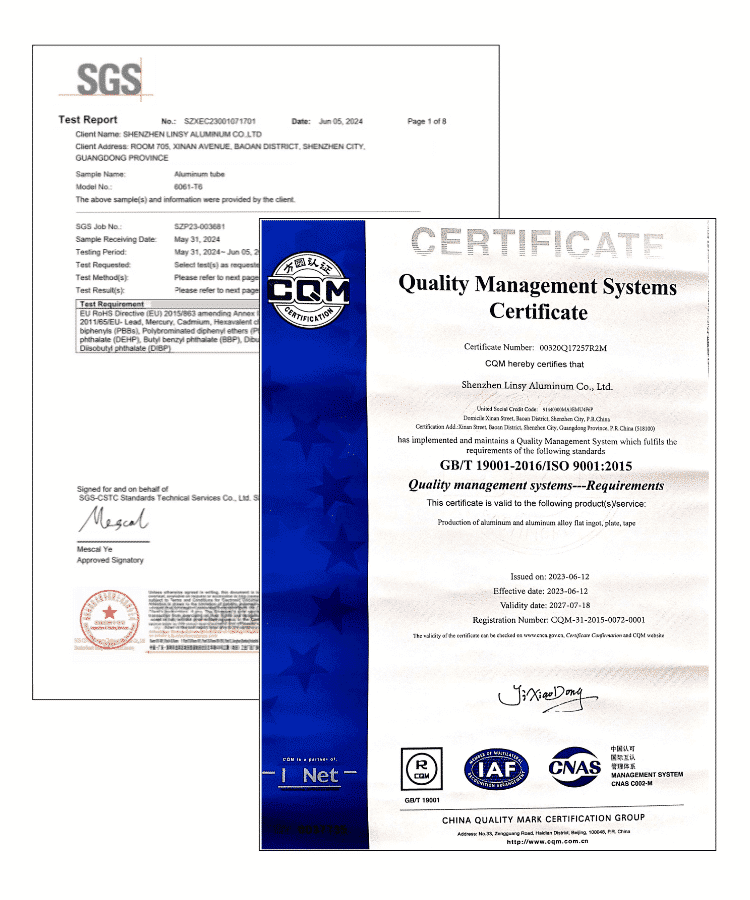
Every order ships with a Mill Test Certificate to EN 10204 3.1, reporting chemical composition and mechanical properties against the specified temper. In-process checks cover dimensional tolerance, surface condition and straightness. Third-party testing is available on request at additional cost; production runs under ISO 9001, ISO 14001 and ISO 45001 certified systems.
Sales confirm stock or custom lead time for that exact combination.
Shenzhen-based aluminum factory, more than 20 years in the industry, supplying 1000–8000 series alloys in standard specifications and custom sizes.
Q: Which temper should I order for machining?
A: T6511 for general machining — same strength as T6 with the residual stress removed, so the part does not move after the first cut. Move to T73511 when the section is thick or the service environment is corrosive.
Q: Can 7075 round bar be welded?
A: No. Fusion welding causes hot cracking and destroys the temper in the heat-affected zone. Design for mechanical fastening or adhesive bonding.
Q: Is 7075 worth it over 2024 or 6061?
A: Only when strength is the binding constraint. 7075-T6 gives 570 MPa against 462 MPa for 2024-T351 and 310 MPa for 6061-T6, but it costs more and cannot be welded. If a larger 6061 bar would carry the load, that is usually cheaper.
Q: What sizes do you hold?
A: Diameter 6–400 mm in O, T6, T6511, T73 and T73511, cut to length from 1,000 to 6,000 mm. Tell us the diameter and quantity and sales will confirm what is in stock against what is produced to order.
Q: Can it be anodized?
A: Yes, but the film is less protective than on 6xxx because of the copper and zinc content, and it darkens. Use hard anodizing or a coating where corrosion protection is the objective.
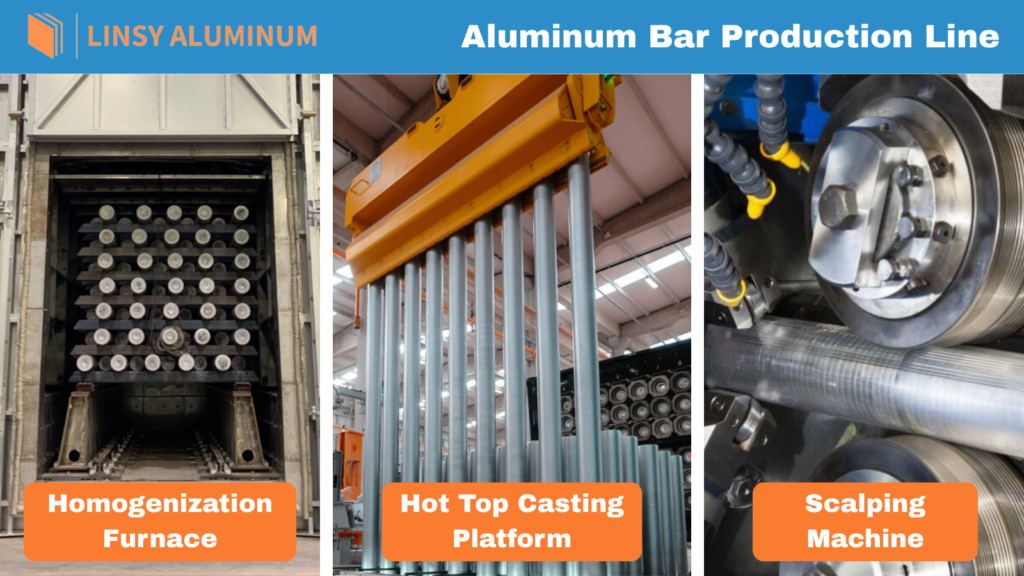
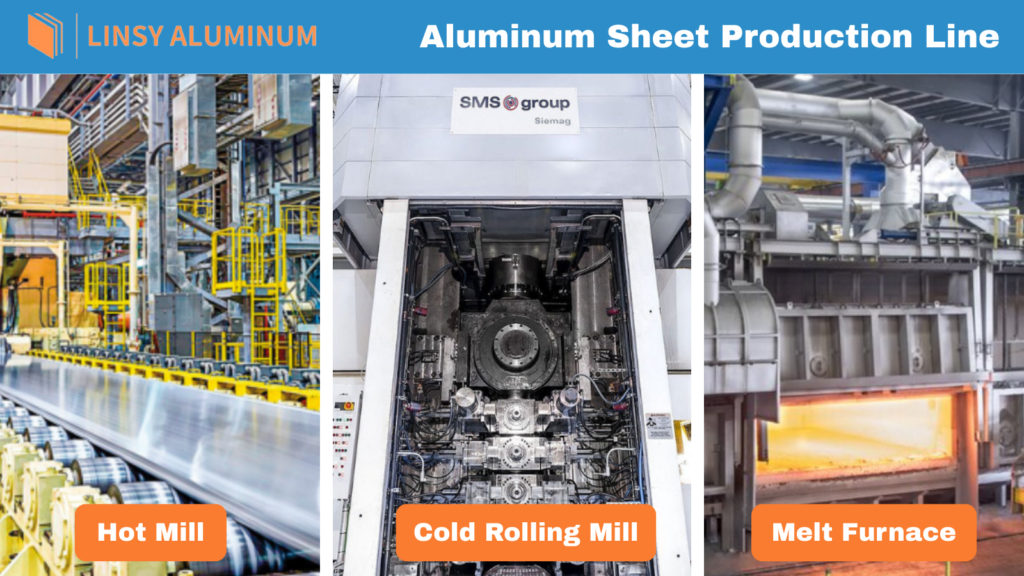
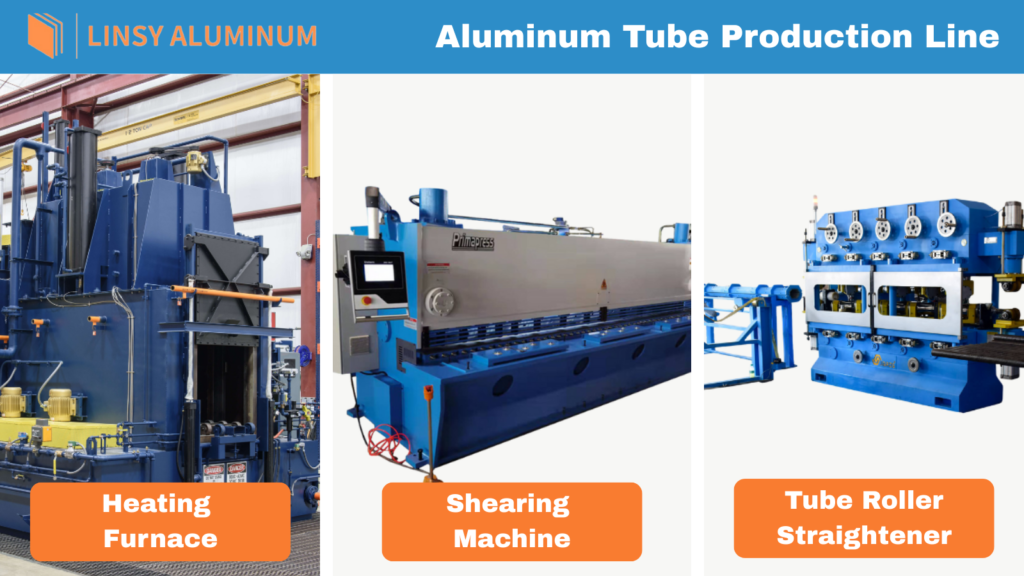
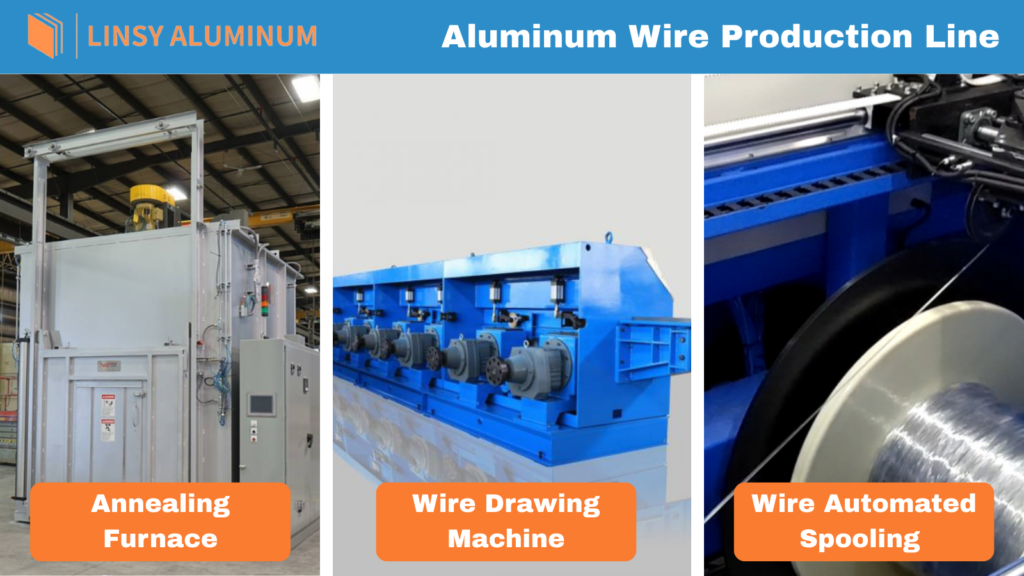
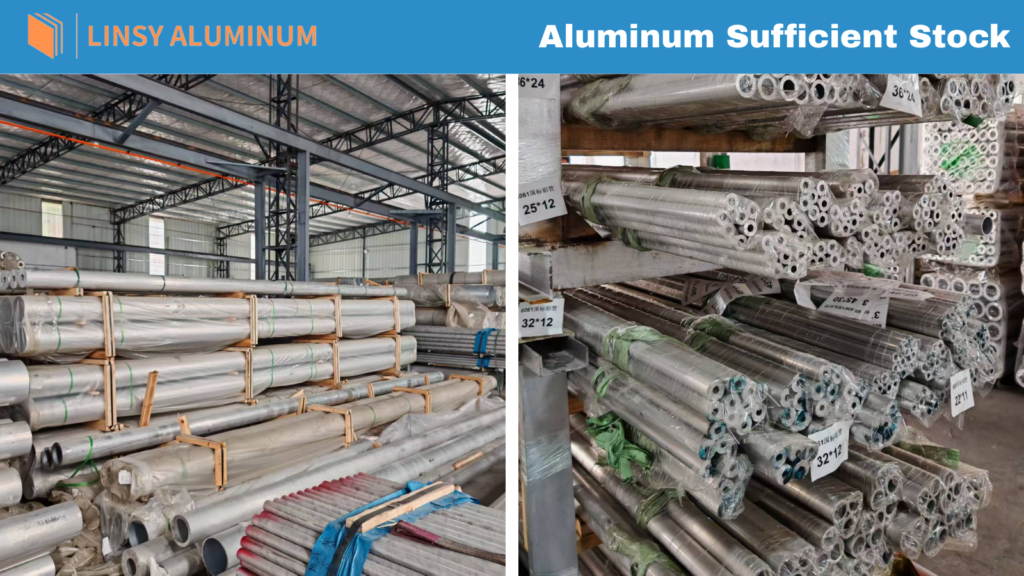
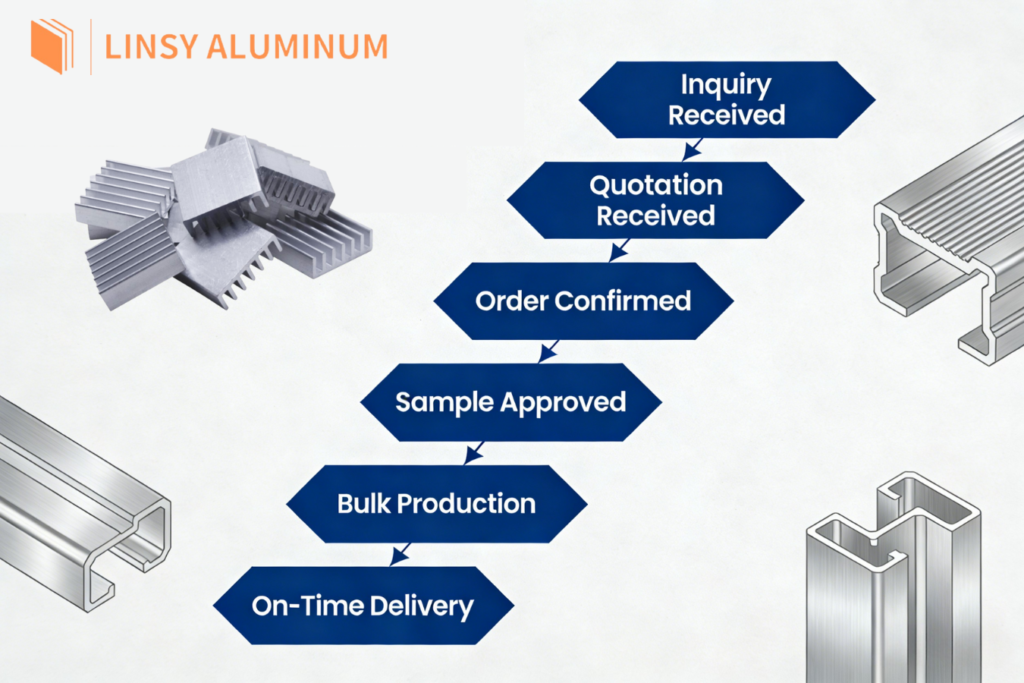
Linsy Advantages
Linsy Aluminum is a leading supplier of aluminum processing products, serving diverse industries including aerospace, general engineering, automotive, marine, shipbuilding and other specialized industrial applications.
We are committed to maintaining the highest standards of quality and environmental responsibility, as demonstrated by our certifications: ISO 9001:2008, ISO 14001:2004 and SGS.