5083 aluminum round bar is a non-heat-treatable Al-Mg bar with 4.0–4.9% magnesium — the strongest grade that cannot be heat treated, and the alloy specified for hulls, pressure vessels and cryogenic tanks. Strength comes from strain hardening and from the stabilising tempers that control how the magnesium sits in the structure. H116 and H321 are the marine tempers a surveyor will look for on the certificate.
Diameter: 6–400 mm
Length: 1,000–6,000 mm, cut to length
Tempers: O / H111 / H116 / H321 (H32 on request)
Standards: ASTM B221, ASTM B209
Quality documents: MTC report with every order
5083 aluminum round bar is a non-heat-treatable Al-Mg bar with 4.0–4.9% magnesium — the highest magnesium content in common structural use, and consequently the strongest grade that cannot be heat treated. It is the alloy specified for marine structures, pressure vessels and cryogenic tanks, where 5052 is not strong enough and a 6xxx would lose its corrosion margin. Strength comes from strain hardening and from the stabilising tempers that control how the magnesium sits in the structure. Alloy data: 5083 aluminum alloy.
| Item | Range |
|---|---|
| Diameter | 6 – 400 mm |
| Length | 1,000 – 6,000 mm, cut to length |
| Tempers | O / H111 / H116 / H321 (H32 quoted on request) |
| Standards | ASTM B221 (extruded bar), ASTM B209 (plate) |
| Designation | UNS A95083 / EN AW-5083 / AlMg4.5Mn0.7 |
On the designation. H111 is annealed and lightly strain hardened, which is the general-purpose condition. H116 and H321 are the marine tempers: they are produced to a controlled microstructure that resists exfoliation corrosion and stress-corrosion cracking, and they are what a classification society will expect to see on the certificate for hull and tank work.
| Temper | Tensile (MPa) | Yield (MPa) | Elongation | Hardness (HB) | Condition |
|---|---|---|---|---|---|
| O | 275 | 125 | 16% | 75 | Annealed |
| H111 | 290 | 165 | 14% | 80 | Annealed and lightly strain hardened |
| H116 | 305 | 215 | 12% | 95 | Stabilised for marine service |
| H321 | 305 | 215 | 12% | 95 | Stabilised, strain hardened |
| H32 | 315 | 235 | 12% | 100 | Strain hardened and stabilised |
Typical values; confirm the lot on the MTC. Density 2.66 g/cm³, elastic modulus 71 GPa. 5083 keeps useful toughness down to cryogenic temperature, which is why it appears in LNG and liquid-gas service rather than the 6xxx grades.
H116 and H321 are the marine choice and the two are close: both are stabilised to resist exfoliation and stress-corrosion cracking, H321 being the strain-hardened version more commonly specified for plate. For hull structure, tanks and anything surveyed, order one of these — not H111.
H111 is the general-purpose condition, easier to form and adequate where the service is not aggressive. O is for forming before any hardening, and it is the condition to start from if the part is bent or pressed. H32 gives the highest strength in the list and is quoted on request rather than held across all diameters.
| Alloy / temper | Tensile (MPa) | Yield (MPa) | Marine SCC resistance | Where it fits |
|---|---|---|---|---|
| 5083-H116 / H321 | 305 | 215 | Best | Hulls, pressure vessels, cryogenic tanks, heavy marine structure |
| 5052-H32 | 214 – 262 | ≥ 159 | Good | Marine hardware, fuel and hydraulic lines, formed parts |
| 6061-T6 | 310 | 276 | Moderate | Higher strength and machinable, but less corrosion margin |
5083 and 6061-T6 are close on tensile strength, and the choice is not about strength at all: 5083 is chosen when the part is welded, exposed to salt water, or both. A welded 6061-T6 structure loses strength in the heat-affected zone and has a smaller corrosion margin; 5083 loses less of both. Where the part is machined and kept dry, 6061 is cheaper and machines faster.
Machining: 5083 is gummier than 6061 because of the magnesium content. Use sharp polished carbide, high rake, generous coolant and a firm feed — light cuts cause built-up edge and a poor finish. Tapping can be difficult; use form taps where the design allows.
Finishing: anodizing gives a dense film and is used on marine fittings, though the alloy is often left mill finish or painted on larger structures. Polishing and powder coating both work.
Welding: excellent, and the main reason the alloy exists. Weld with 5356 filler; 5183 is used where higher weld strength is required. The heat-affected zone softens but recovers more of its properties than a 6xxx would, and the marine tempers retain their corrosion resistance across the weld far better than H111 does.
Ship hulls, decks and superstructures, pressure vessels, LNG and cryogenic tanks, road tankers and silos, marine fittings and offshore structures, dump truck bodies, armour plate, structural frames in salt-water environments, welded fabrications exposed to chemical or marine attack.
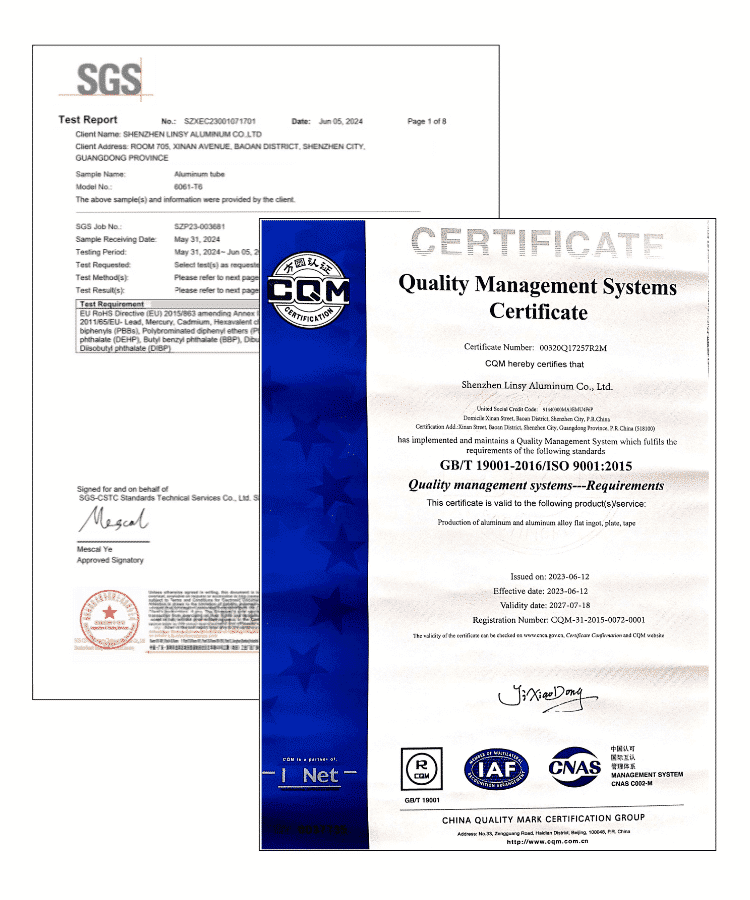
Every order ships with an MTC reporting alloy, temper, chemical composition and mechanical results. For marine and classified work, state the temper (H116 or H321) and the standard on the enquiry so the certificate matches what the surveyor expects. Third-party and classification-society testing is available on request at additional cost; production runs under ISO 9001, ISO 14001 and ISO 45001 certified systems.
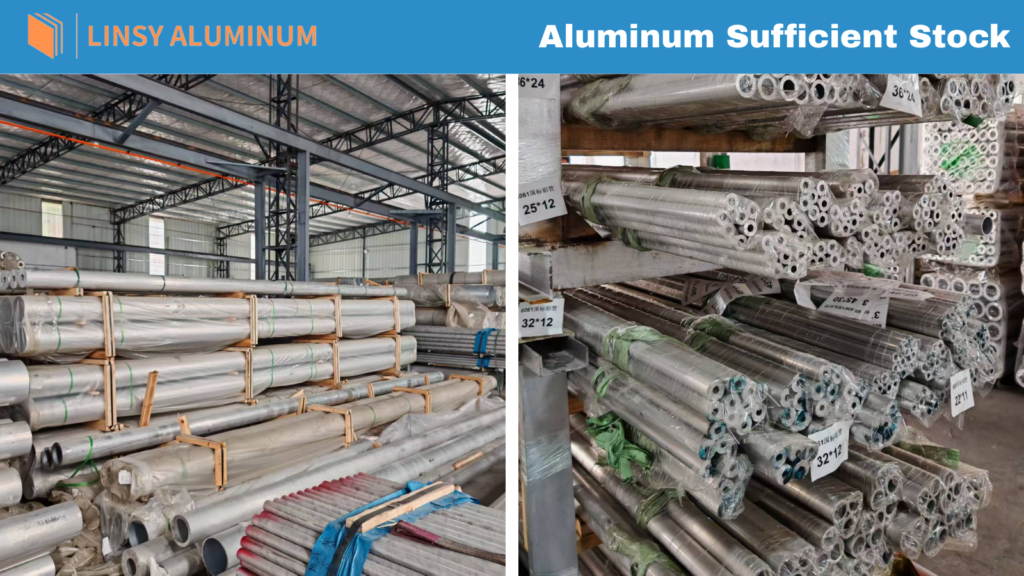
Sales confirm stock or custom lead time for that exact combination.
Shenzhen-based aluminum factory, more than 20 years in the industry, supplying 1000–8000 series alloys in standard specifications and custom sizes.
Q: H116 or H321 for marine work?
A: Both are stabilised marine tempers and both are accepted; H321 is the strain-hardened version more often specified for plate. What matters is that you do not substitute H111 — it is not the marine condition and a surveyor will reject it.
Q: Can 5083 be heat treated?
A: No. It is non-heat-treatable; strength comes from strain hardening and from the stabilising treatment. There is no ageing step to raise it after welding or forming.
Q: Why 5083 instead of 6061 for a welded structure?
A: Because 5083 holds its corrosion resistance and more of its strength across the weld in salt-water service. 6061-T6 is stronger unwelded, but the heat-affected zone softens and the corrosion margin is smaller.
Q: What filler for welding 5083?
A: 5356 as standard, or 5183 where higher weld strength is required. Do not use 4043 — the silicon reacts with the magnesium in this alloy.
Q: What sizes do you hold?
A: Diameter 6–400 mm in O, H111, H116 and H321, cut to length from 1,000 to 6,000 mm; H32 is quoted on request.
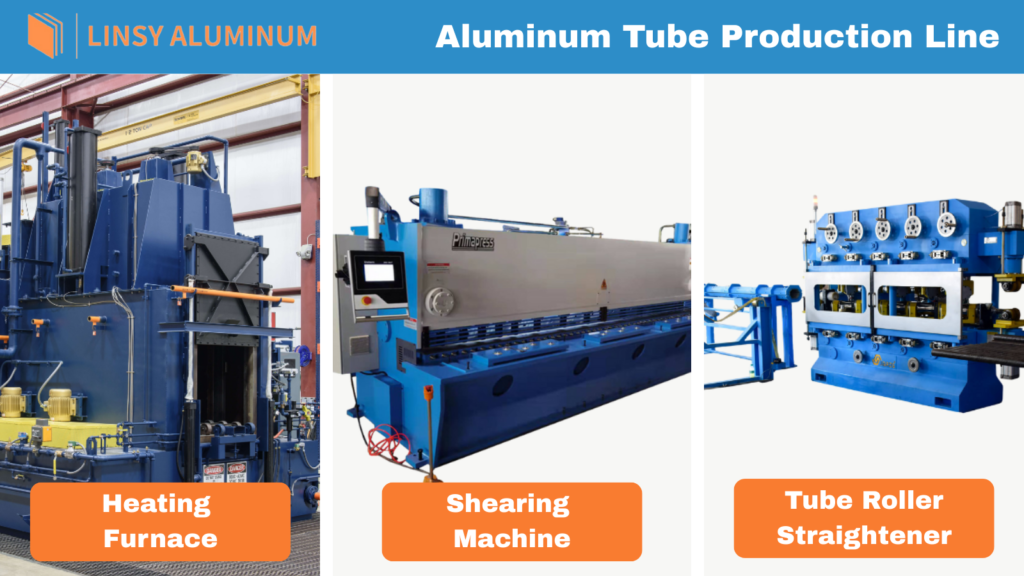
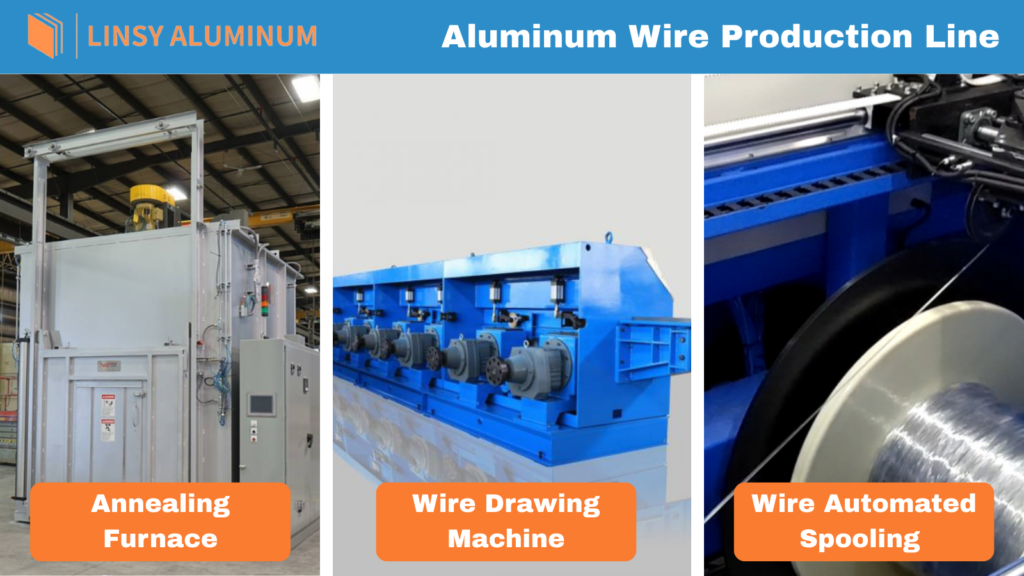
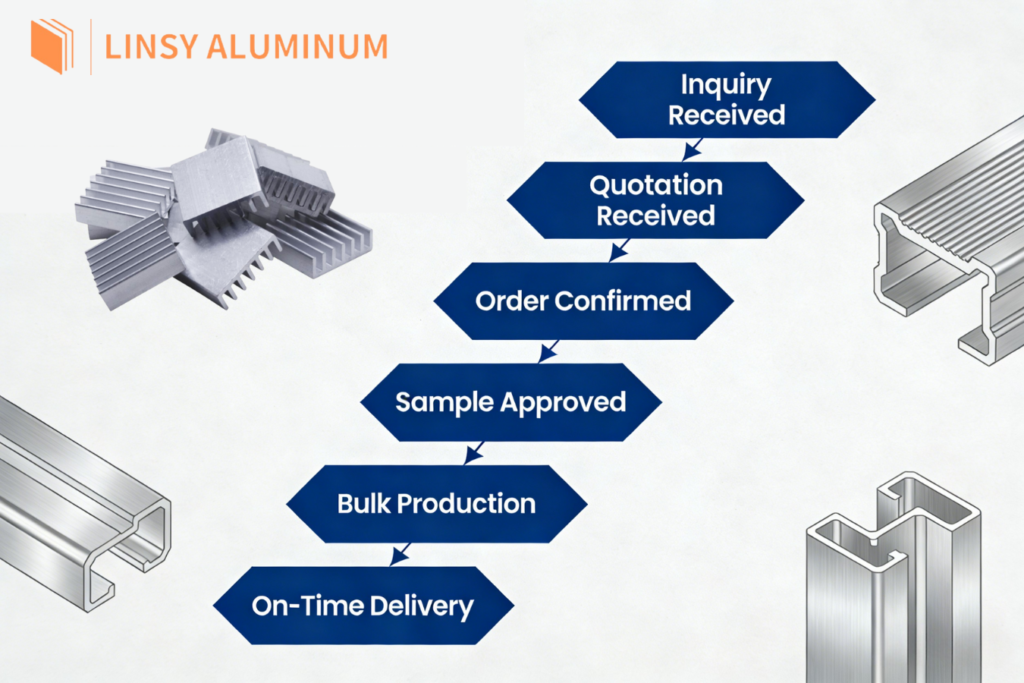
Linsy Advantages
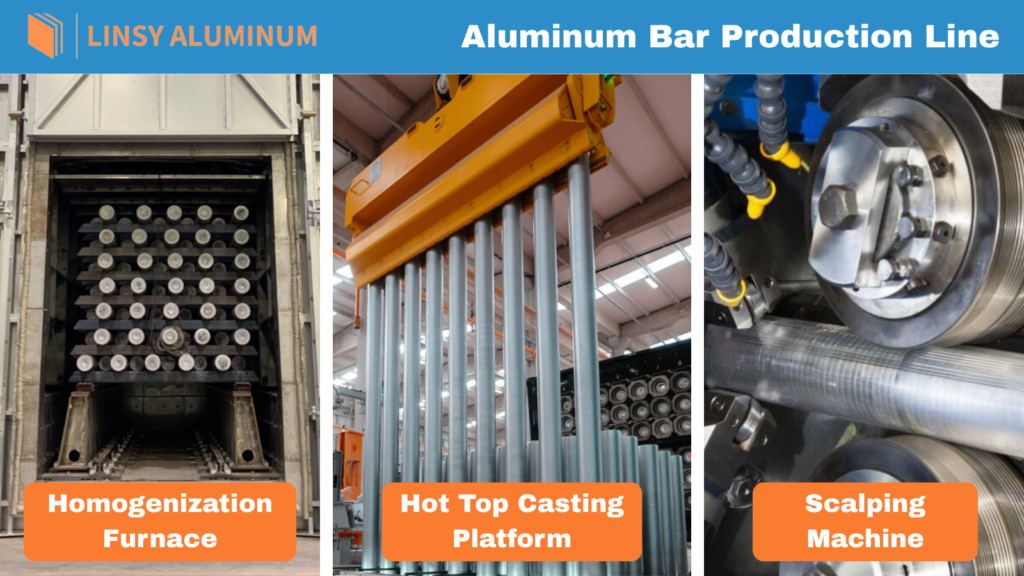
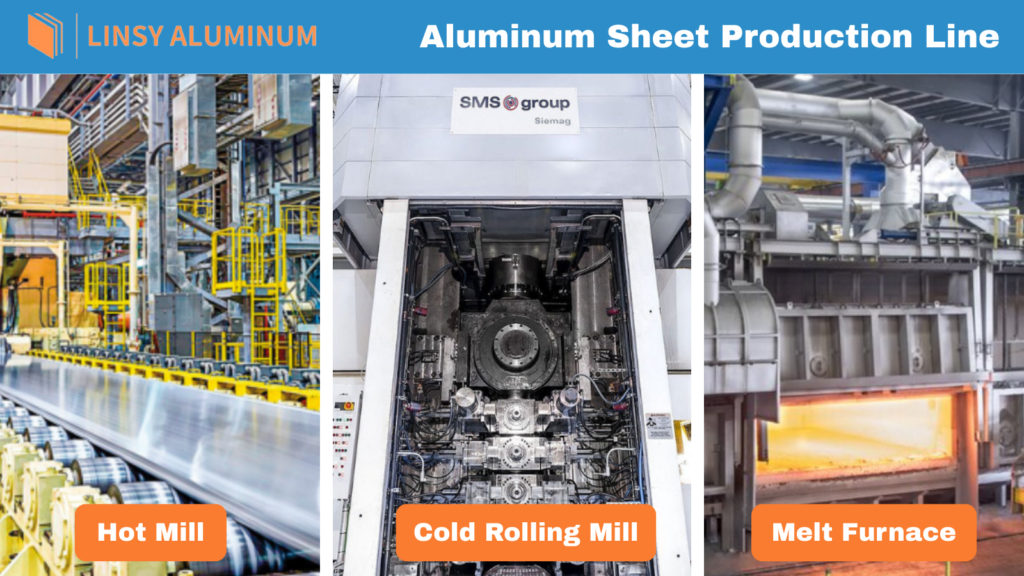
Linsy Aluminum is a leading supplier of aluminum processing products, serving diverse industries including aerospace, general engineering, automotive, marine, shipbuilding and other specialized industrial applications.
We are committed to maintaining the highest standards of quality and environmental responsibility, as demonstrated by our certifications: ISO 9001:2008, ISO 14001:2004 and SGS.