5052 aluminum round bar is a non-heat-treatable Al-Mg bar with 2.2–2.8% magnesium, chosen above all for corrosion resistance and formability. It is the default for marine hardware, fuel and hydraulic lines and chemical service. Strength comes from strain hardening, not heat treatment — so the temper matters more here than on a 6xxx bar, and welding softens it with no way to restore it.
Diameter: 6–300 mm
Length: 1,000–6,000 mm, cut to length
Tempers: O / H32 / H34
Standards: ASTM B221, GB/T 3190, JIS H4000, AMS 4015
Quality documents: MTC report with every order
5052 aluminum round bar is a solid Al-Mg bar with 2.2–2.8% magnesium, supplied non-heat-treatable and used above all for corrosion resistance and formability. It is the strongest of the common non-heat-treatable grades that is still easy to work, and it is the default choice for marine hardware, fuel and hydraulic lines, and anything that meets salt water or chemicals. Its strength comes from strain hardening, not heat treatment — which is why the temper matters more here than on a 6xxx bar, and why welding softens it locally with no way to restore it except reworking. Alloy data: 5052 aluminum alloy.
| Item | Range |
|---|---|
| Diameter | 6 – 300 mm |
| Length | 1,000 – 6,000 mm, cut to length |
| Tempers | O / H32 / H34 |
| Designation | UNS A95052 / EN AW-5052 / AlMg2.5 |
| Standards | ASTM B221, GB/T 3190, JIS H4000, AMS 4015 |
| Surface | Mill finish, polished, or anodized on request |
Custom diameters, lengths and tolerance grades are quoted on request, with low MOQs on made-to-order sizes. If the bar feeds a bar feeder, say so — straightness and diameter tolerance decide whether it runs.
| Temper | Tensile (MPa) | Yield (MPa) | Elongation | Condition |
|---|---|---|---|---|
| O | 172 – 214 | ≥ 66 | 18 – 20% | Annealed, fully soft |
| H32 | 214 – 262 | ≥ 159 | 5 – 9% | Strain hardened and stabilised, quarter hard |
| H34 | 234 – 283 | ≥ 179 | 4 – 7% | Strain hardened and stabilised, half hard |
Values are minimum bands to the temper designation; confirm the lot on the MTC. Density 2.68 g/cm³, elastic modulus 70 GPa. Because 5052 is not heat-treatable, there is no ageing step to improve these numbers later — the temper you buy is the strength you keep.
H32 is the workhorse and covers most machined and structural parts: enough strength to hold a thread and carry a load, enough ductility to take a bend. H34 is half hard — about 20 MPa more yield, noticeably less formability. Choose it when the part needs the strength and will not be formed after machining.
O is for forming. If the part is bent, rolled or spun before use, buy O and accept the lower strength; H32 will crack on a tight bend that O takes easily. There is no heat treatment to raise it back afterwards — that is the trade-off on this alloy, and it is worth deciding before the bar is cut rather than after.
One practical consequence: thread strength follows the temper. An H32 bar holds a thread noticeably better than O, and the difference shows up as stripped threads in service rather than on the drawing. If the part is threaded after forming, specify H32 on the blank and form before threading, not after.
| Alloy / temper | Tensile (MPa) | Yield (MPa) | Weldability | Where it fits |
|---|---|---|---|---|
| 5052-H32 | 214 – 262 | ≥ 159 | Excellent | Marine hardware, fuel and hydraulic lines, chemical service |
| 5083-H116 / H321 | 305 | 215 | Excellent | Heavier marine structures, pressure vessels, cryogenic tanks |
| 6061-T6 | 310 | 276 | Good | Higher strength, machinable and anodizable, less corrosion margin |
5052 sits below 5083 and 6061 on strength but above both on formability and salt-water tolerance. Choose 5052 when the part is formed, welded, or exposed to salt and chemicals rather than heavily loaded. Step up to 5083 when the same corrosion resistance is needed at higher stress, and to 6061 when machinability and strength matter more than corrosion margin.
Machining: 5052 is softer and gummier than 6061 and will build up on the tool edge if the feed is too light. Use sharp polished carbide, generous coolant, and do not dwell. Threads cut cleanly; deep holes benefit from peck drilling and good chip evacuation.
Tolerance work: where the diameter has to be held tight, centerless grinding gives a precision diameter and a better surface finish than turning alone; bar peeling removes the surface oxide and scale from the as-supplied bar. Both are available on this material and are usually specified together with the cutting operation rather than ordered separately.
Finishing: anodizes well, brighter and whiter than 2xxx or 7xxx, and is often chosen for visible marine parts for that reason. Polishing also works well. Powder coating is straightforward.
Welding: excellent — one of the easiest alloys to weld. Use 5356 filler for strength and colour match on anodized work, or 4043 where fluidity and gap tolerance matter more. Note the weld and heat-affected zone come back near O condition, with no heat treatment available to recover them.
Marine hardware, boat fittings and railings, fuel and hydraulic lines, pressure vessels and tanks, chemical processing equipment, sheet-metal assemblies welded from bar stock, anodized decorative components, appliance panels and trim, brackets and fittings, truck and trailer components, refrigeration and air-conditioning parts, nameplates and signage.
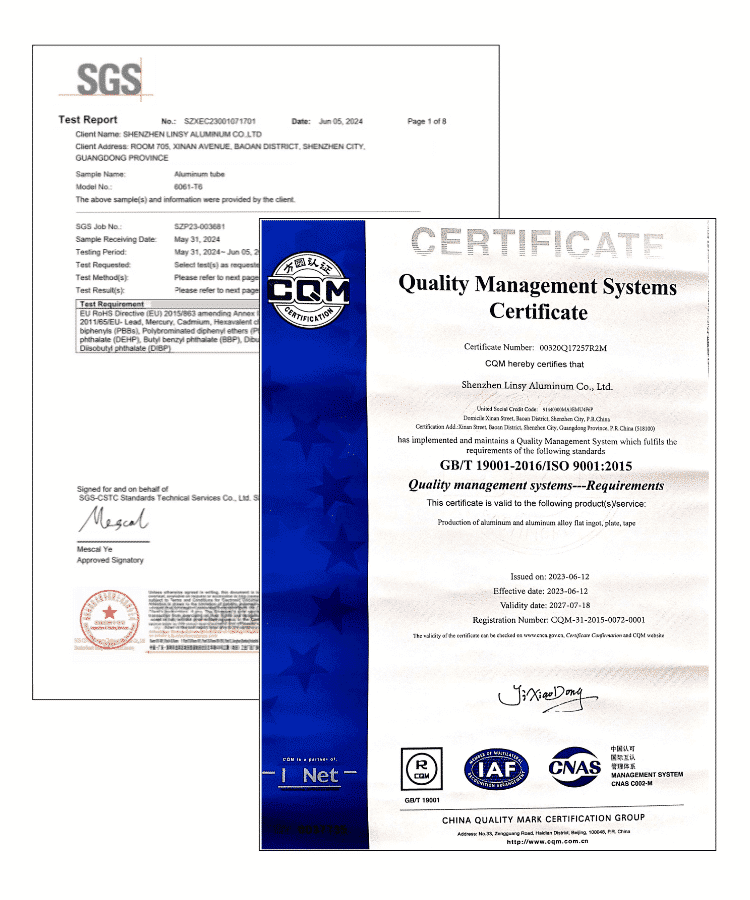
Every order ships with an MTC reporting alloy, temper, chemical composition and mechanical results against ASTM B221. Third-party testing is available on request at additional cost; production runs under ISO 9001, ISO 14001 and ISO 45001 certified systems.
Sales confirm stock or custom lead time for that exact combination.
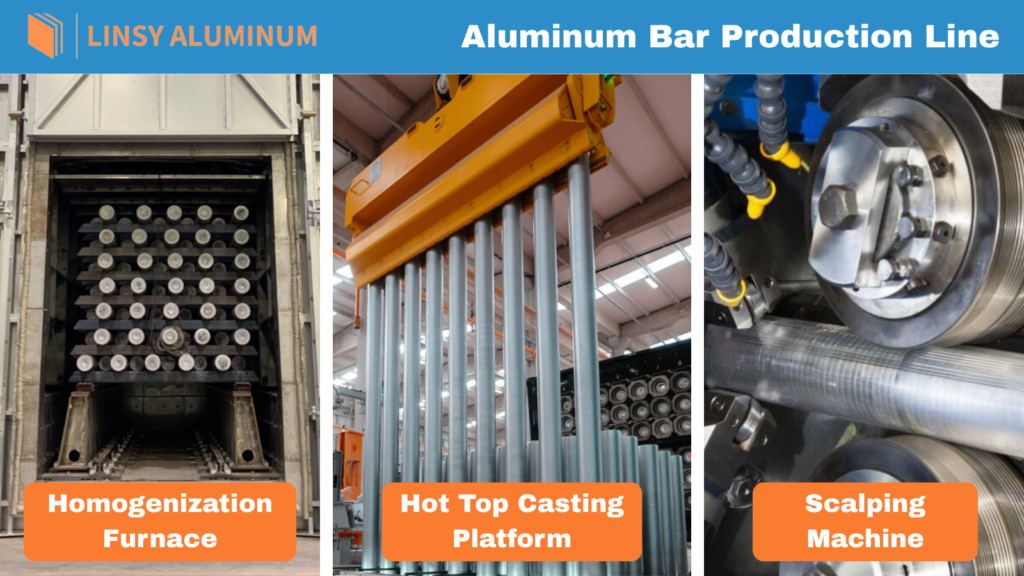
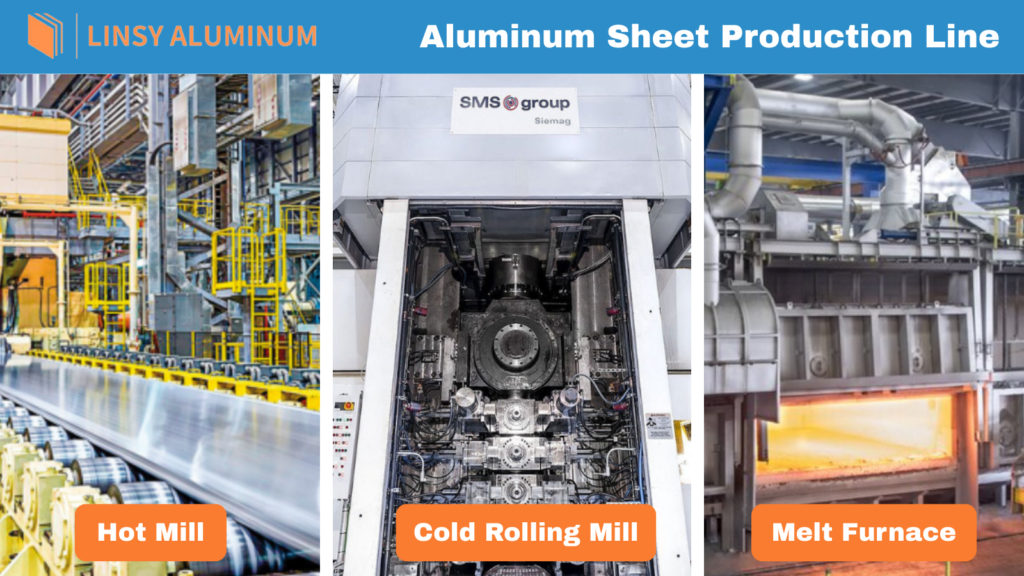
Shenzhen-based aluminum factory, more than 20 years in the industry, supplying 1000–8000 series alloys in standard specifications and custom sizes.
Q: Can 5052 round bar be heat treated for higher strength?
A: No. 5052 is non-heat-treatable — strength comes from strain hardening only. To get more strength you buy a harder temper (H34 instead of H32), and you lose formability in exchange.
Q: H32 or O for a part that gets bent?
A: O. H32 will crack on a tight bend that annealed stock takes easily, and there is no heat treatment afterwards to restore strength. Decide the forming route before the bar is cut.
Q: Is 5052 good for marine use?
A: Yes — it is one of the standard marine alloys, with good resistance to salt water and marine atmosphere. For higher stress in the same environment, 5083-H116 or H321 is the next step up.
Q: What sizes do you hold?
A: Diameter 6–300 mm in O, H32 and H34, cut to length from 1,000 to 6,000 mm. Custom diameters and tolerance grades are quoted on request with low MOQ.
Q: How does 5052 compare with 6061?
A: 6061-T6 is stronger (310 against 214–262 MPa) and machines better; 5052 is more formable, welds more easily, and has more corrosion margin. Choose 5052 for formed and welded parts in wet service, 6061 for machined structural parts.
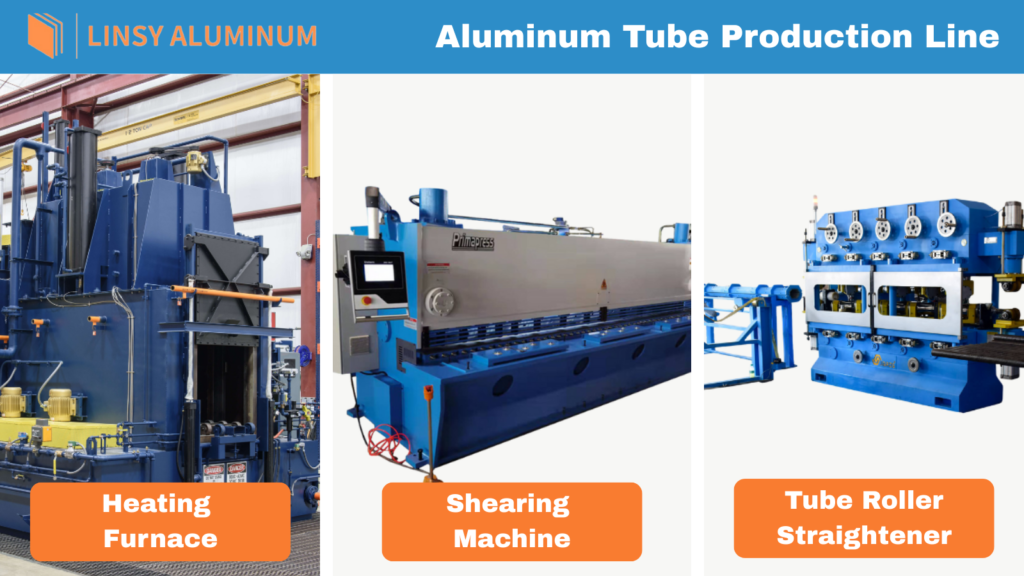
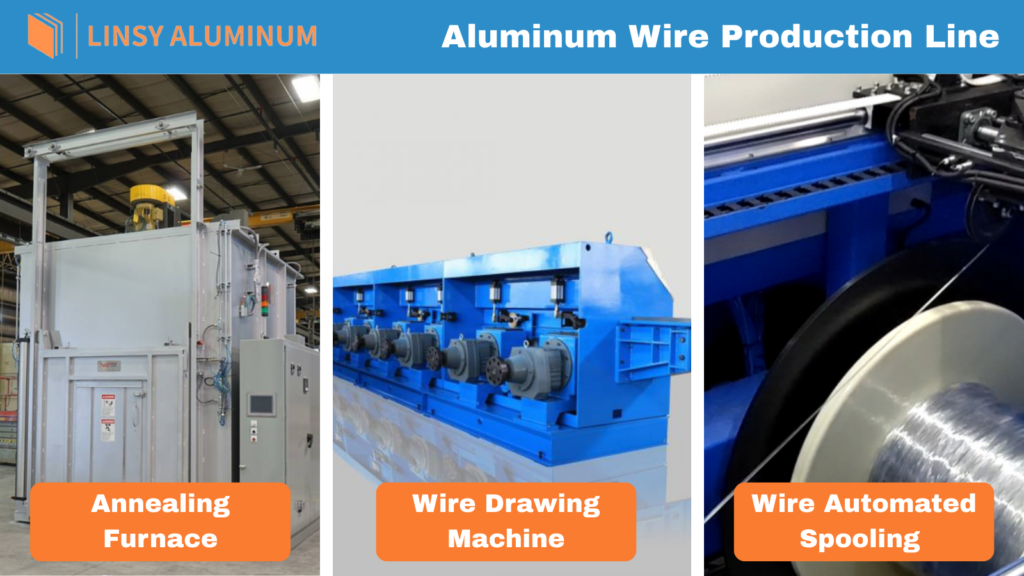
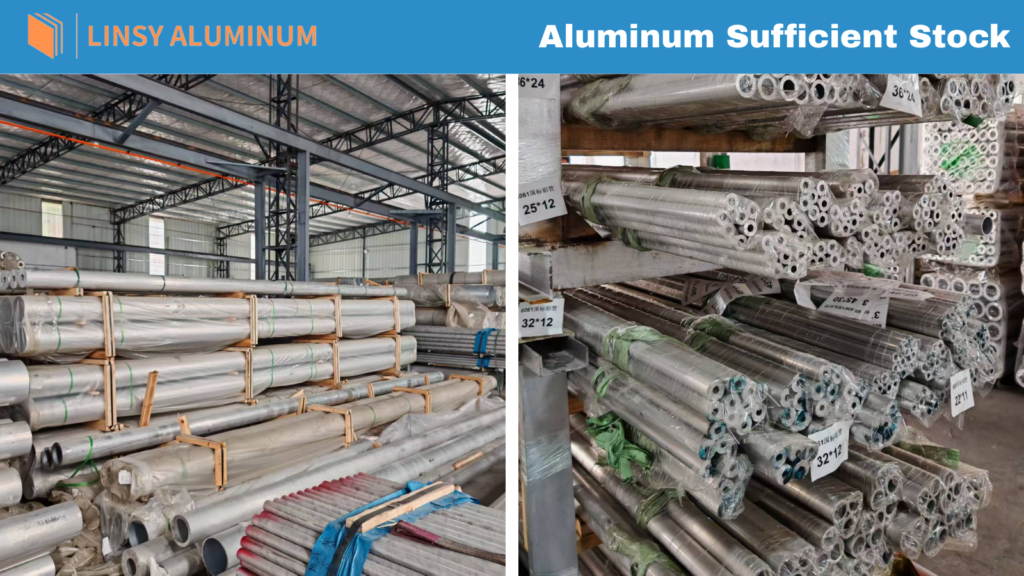
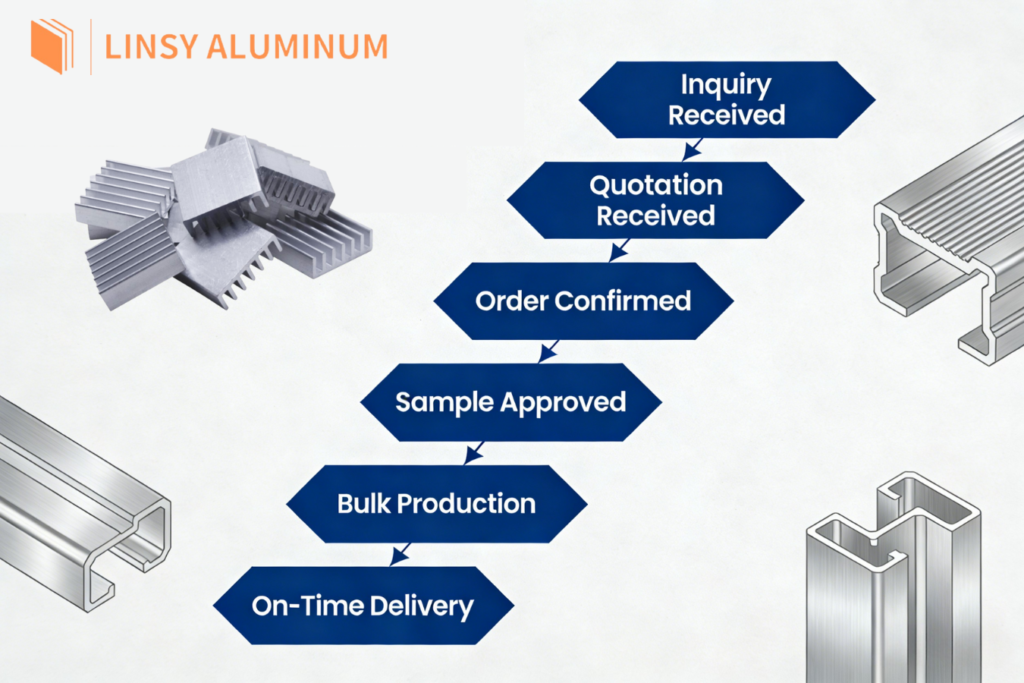
Linsy Advantages
Linsy Aluminum is a leading supplier of aluminum processing products, serving diverse industries including aerospace, general engineering, automotive, marine, shipbuilding and other specialized industrial applications.
We are committed to maintaining the highest standards of quality and environmental responsibility, as demonstrated by our certifications: ISO 9001:2008, ISO 14001:2004 and SGS.