5083 aluminum round tube is seamless Al-Mg section with 4.0–4.9% magnesium — the strongest grade that cannot be heat treated, and the tube for hull piping, vessel internals and cryogenic lines. H116 and H321 are the marine tempers a surveyor expects; H111 is not a substitute. Keeps useful toughness to cryogenic temperature.
OD: 6–400 mm
Wall: 0.5–40 mm
Tempers: O / H111 / H112 / H116 / H321
Standards: ASTM B221, ASTM B241
Quality documents: MTC report with every order
5083 aluminum round tube is a hollow Al-Mg section with 4.0–4.9% magnesium — the strongest grade that cannot be heat treated, and the tube specified for marine and cryogenic piping where 5052 is not strong enough. It is used for hull piping, tank and vessel internals, heat-exchanger shells, offshore fabrication and low-temperature lines. Strength comes from strain hardening and from the stabilising tempers that control how the magnesium sits in the structure, which is why H116 and H321 matter as much as wall thickness. Alloy data: 5083 aluminum alloy.
| Item | Range |
|---|---|
| Outside diameter | 6 – 400 mm |
| Wall thickness | 0.5 – 40 mm |
| Length | 1,000 – 6,000 mm, custom cut |
| Tempers | O / H111 / H112 / H116 / H321 |
| Standards | ASTM B221, ASTM B241, EN 755, GB/T 6893 |
On the marine tempers. H111 is annealed and lightly strain hardened — general purpose. H116 and H321 are produced to a controlled microstructure resisting exfoliation corrosion and stress-corrosion cracking, and they are what a classification society expects on the certificate for hull and tank piping. Substituting H111 on surveyed work is a rejection waiting to happen, not a saving.
| Temper | Tensile (MPa) | Yield (MPa) | Elongation | Hardness (HB) |
|---|---|---|---|---|
| O | 275 | 125 | 16% | 75 |
| H111 | 290 | 165 | 14% | 80 |
| H112 | 275 | 125 | 12% | 75 |
| H116 | 305 | 215 | 12% | 95 |
| H321 | 305 | 215 | 12% | 95 |
Typical values; confirm against the MTC. Density 2.66 g/cm³, elastic modulus 71 GPa. 5083 keeps useful toughness down to cryogenic temperature, which is why it appears in LNG and liquid-gas piping rather than the 6xxx grades.
H116 and H321 are the marine answers, close in practice: both stabilised, both accepted for surveyed work. Order one of these for anything permanently wet or classed.
H111 is general purpose — easier to form and bend, adequate in dry or mildly aggressive service. O is the bending and forming condition, and on tube that is often the deciding factor: a bend in H116 will crack where O takes it cleanly. H112 appears at heavy walls produced by hot working without a controlled hardening step.
| Alloy / temper | Tensile (MPa) | Yield (MPa) | Marine SCC | Where it fits |
|---|---|---|---|---|
| 5083-H116 / H321 | 305 | 215 | Best | Hull piping, vessel internals, cryogenic lines, offshore |
| 5052-H32 | 214 – 262 | ≥ 159 | Good | Fuel and hydraulic lines, lighter marine fittings |
| 6061-T6 | 310 | 276 | Moderate | Structural frames, manifolds, dry service |
5083 and 6061-T6 are near-equal on tensile strength, and the choice is not about strength: 5083 is chosen when the tube is welded, exposed to salt water, or runs cold. A welded 6061-T6 joint loses strength in the heat-affected zone and has a smaller corrosion margin; 5083 loses less of both and keeps its toughness at cryogenic temperature, which 6061 does not.
Tube is OD × wall; pipe is nominal bore and schedule with a fixed OD per size — a 1 in schedule 40 aluminium pipe is 33.4 mm OD, not 25.4 mm. If the drawing is a pipe schedule, say so and we quote to the schedule.
5083 tube is normally seamless, extruded or drawn. Seamless matters here more than on a decorative tube: these lines carry fluid, are often bent, and are surveyed — a weld seam limits the bend radius and is the first point of failure under pressure.
Cutting: sawed square, cut to length; deburred on request.
Bending: 5083 is less formable than 5052 at the same temper because of the magnesium content. Bend in O, or accept generous radii in H116. Wall thinning on the outside radius is significant on thin walls and belongs in the pressure calculation.
Welding: excellent — the main reason for specifying the alloy. 5356 filler as standard, 5183 where higher weld strength is required. The marine tempers retain corrosion resistance across the weld far better than H111.
Surface: mill finish; anodizing is more common on fittings than on surveyed piping, where the mill surface and the certificate are what matter.
Marine hull and deck piping, tank and vessel internals, heat-exchanger shells, cryogenic and LNG lines, offshore fabrication, desalination plant piping, dump truck and trailer tube, welded frames in salt-water service.
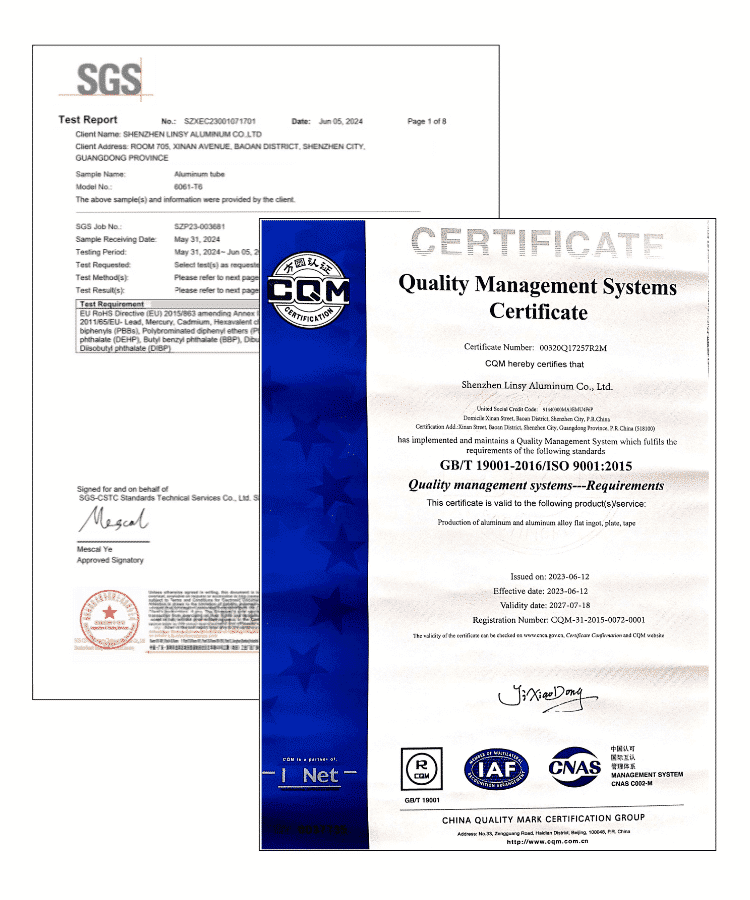
Every order ships with an MTC reporting alloy, temper, OD, wall and mechanical results. For marine and classified work, state H116 or H321 and the standard on the enquiry so the certificate matches what the surveyor expects. Third-party and classification-society testing is available on request at additional cost; production runs under ISO 9001, ISO 14001 and ISO 45001 certified systems.
To quote in one round, send: OD × wall × length, temper (H116 or H321 for surveyed work, O if it will be bent), working pressure or temperature, survey requirement, end finish, and the destination.
Shenzhen-based aluminum factory, more than 20 years in the industry, supplying 1000–8000 series alloys in standard specifications and custom sizes.
Q: H116 or H321 for marine piping?
A: Both are stabilised marine tempers and both are accepted. What matters is not substituting H111 — it is not the marine condition and a surveyor will reject it.
Q: Why 5083 for cryogenic lines?
A: Because it keeps useful toughness down to low temperature, which 6xxx grades do not. That is the reason it appears in LNG and liquid-gas service.
Q: What filler for 5083 tube?
A: 5356 as standard, 5183 where higher weld strength is needed. Do not use 4043 — the silicon reacts with the magnesium in this alloy.
Q: Seamless or welded?
A: Seamless, extruded or drawn. These lines carry fluid, are often bent and are surveyed, so a weld seam — which limits bend radius and fails first under pressure — is not acceptable.
Q: What sizes do you hold?
A: 6–400 mm OD, 0.5–40 mm wall, cut to length from 1,000 to 6,000 mm.
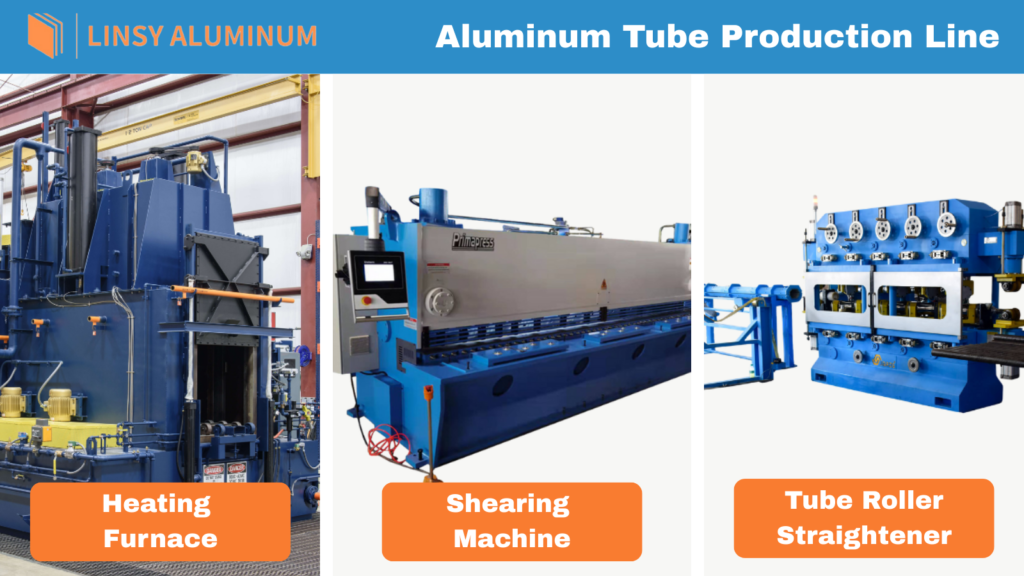
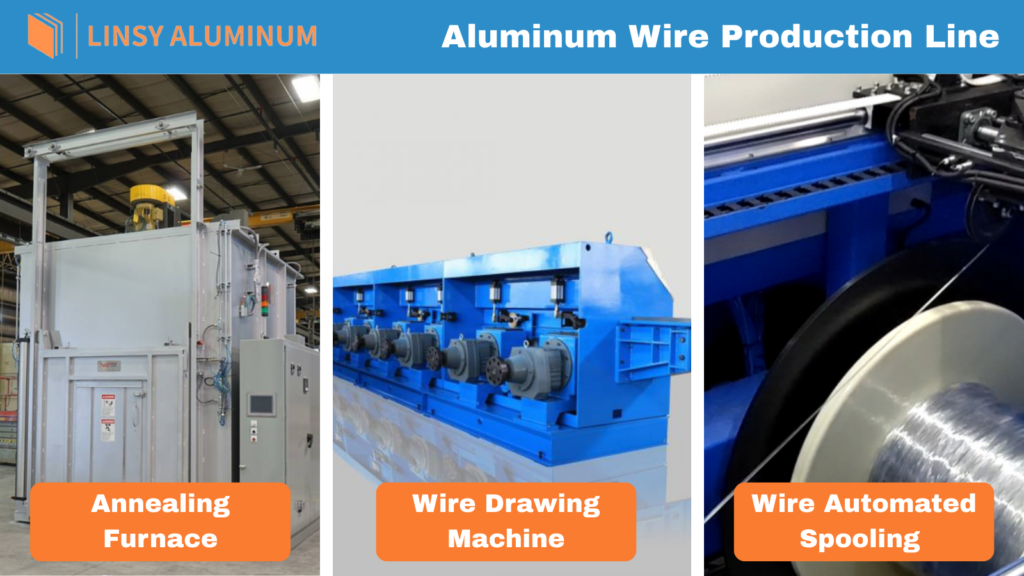
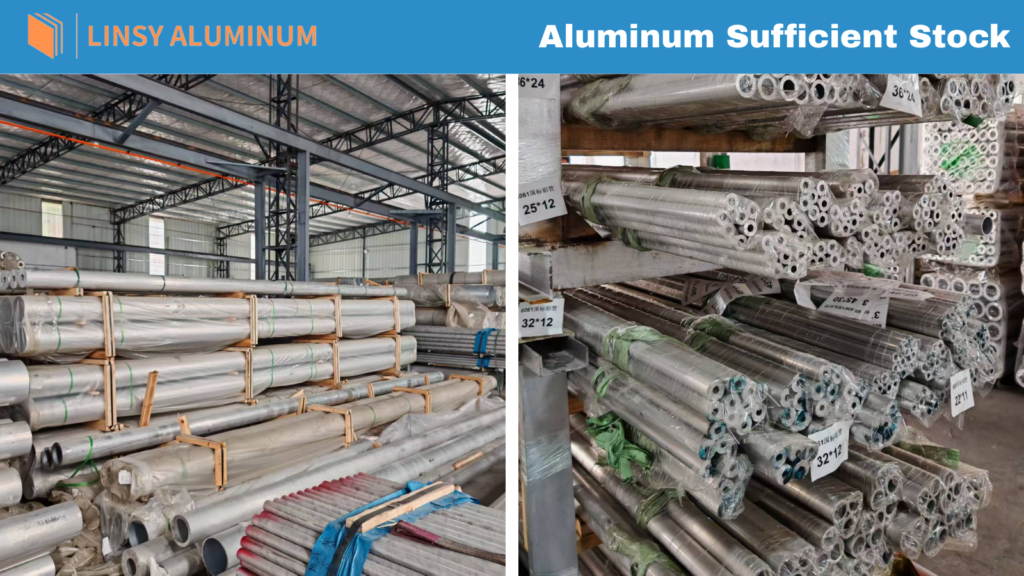
Linsy Advantages
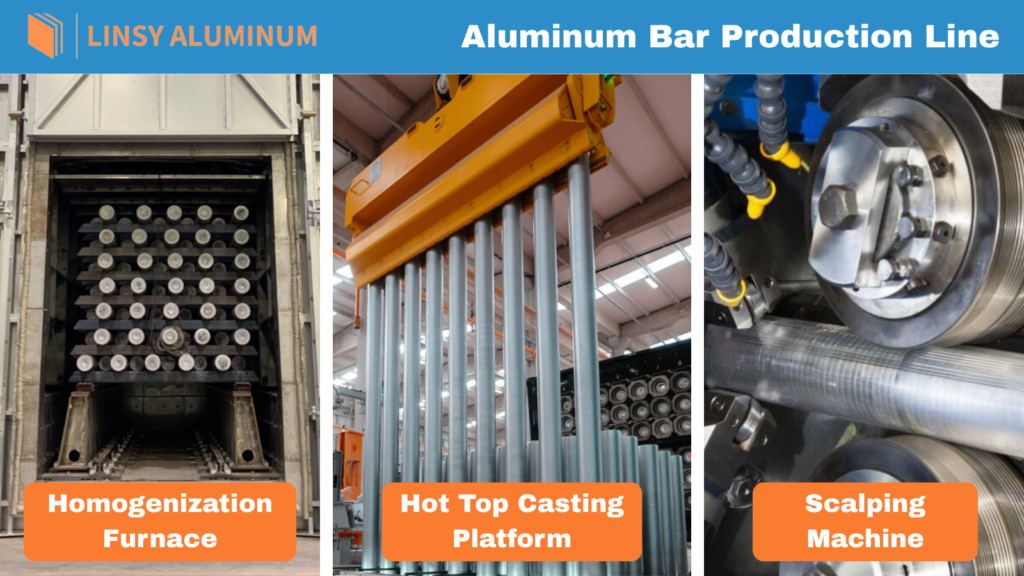
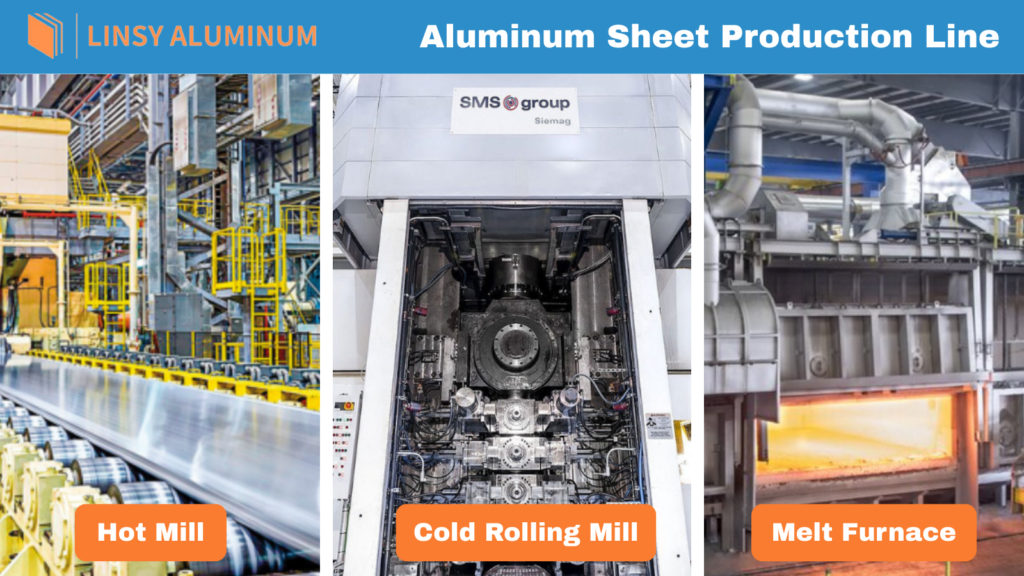
Linsy Aluminum is a leading supplier of aluminum processing products, serving diverse industries including aerospace, general engineering, automotive, marine, shipbuilding and other specialized industrial applications.
We are committed to maintaining the highest standards of quality and environmental responsibility, as demonstrated by our certifications: ISO 9001:2008, ISO 14001:2004 and SGS.