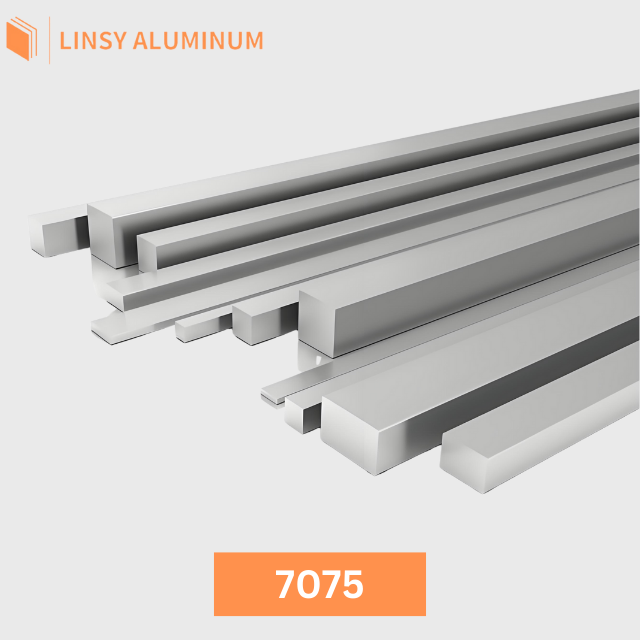


7075 aluminum flat bar is rectangular Al-Zn-Mg-Cu stock at 570 MPa in T6 — the strongest aluminium in general supply. Specified when a flat part must be as strong as the material allows and will never be welded: mould components, wear plates, high-load machine parts. Not weldable in practice, and bare 7075 carries a real stress-corrosion risk in thick sections.
Thickness: 3–150 mm
Width: 10–600 mm
Tempers: O / T6 / T651 / T73 / T7351
Route: sawn from rolled plate
Quality documents: MTC report with every order
7075 aluminum flat bar is rectangular solid stock in Al-Zn-Mg-Cu, the strongest aluminium in general commercial supply at 570 MPa in T6. It is specified when a flat part has to be as strong as the material allows and will never be welded: mould and die components, wear plates in high-load tooling, machine parts where a thicker 6061 section will not fit. Two limits belong on the drawing: 7075 is not weldable in practice, and bare 7075 has only moderate corrosion resistance with a real stress-corrosion risk in thick sections. Alloy data: 7075 aluminum alloy.
| Item | Range |
|---|---|
| Thickness | 3 – 150 mm |
| Width | 10 – 600 mm |
| Length | 1,000 – 6,000 mm, custom cut |
| Tempers | O / T6 / T651 / T73 / T7351 |
| Standard | ASTM B209 (plate), ASTM B221 (extruded bar) |
7075 flat bar is normally sawn from rolled plate rather than extruded, because 7075 does not extrude well and the plate route gives the stress-relieved T651 condition that machining needs. That has a practical consequence: the available thickness and width are the plate’s, and the edges are sawn rather than as-extruded — sharper and squarer, which is usually what a wear plate or a die component wants.
| Temper | Tensile (MPa) | Yield (MPa) | Elongation | Shear (MPa) |
|---|---|---|---|---|
| O | 230 – 290 | 95 – 145 | 10 – 13% | 150 |
| T6 | 540 – 570 | 480 – 505 | 8 – 11% | 330 |
| T651 | 540 – 570 | 480 – 505 | 8 – 11% | 330 |
| T73 / T7351 | 470 – 500 | 390 – 420 | 8 – 11% | 285 |
Typical AA reference figures; confirm against the MTC. Density 2.81 g/cm³, elastic modulus 71.7 GPa. The T6-to-T73 gap is roughly 70 MPa of tensile — that is the price of stress-corrosion resistance on this alloy.
T651 is the default for flat bar and it is not a technicality: flat bar is frequently machined, and a T6 plate-sawn bar carries residual stress that will bow as material is removed. T651 is stretched after quenching, so the bar stays straight.
T73 and T7351 are overaged on purpose, giving up about 70 MPa to buy much better resistance to stress-corrosion cracking. Choose T7351 for thick sections, wet or salty service, or where the part is loaded in sustained tension. On a thin dry bracket T651 is right; on a 100 mm wear block in a wet environment it is the wrong choice.
| Alloy / temper | Tensile (MPa) | Yield (MPa) | Weldability | Where it fits |
|---|---|---|---|---|
| 7075-T6 / T651 | 570 | 505 | Not weldable | Maximum-strength machined parts, wear plates, tooling |
| 2024-T351 | 462 | 324 | Not weldable | Fatigue-critical parts, aerospace structure |
| 6061-T6 / T651 | 310 | 276 | Good | Brackets, frames, general structural flat bar |
7075 is about 85% stronger than 6061 and costs more for it. Specify 7075 when the section is already as large as the design allows and still fails — that is the honest trigger. If a thicker 6061 flat bar would carry the load, it is cheaper, weldable and more corrosion-tolerant.
Cutting: sawn to length and width; cut-to-size is standard. Sawn edges are square and can be milled on request where the edge is a functional surface.
Machining: excellent in T6 and T651. Use sharp carbide and keep the tool engaged — 7075 work-hardens if it rubs. Order T651 rather than T6 for anything machined on both faces.
Surface: anodizing works but protects less than on 6xxx because of the copper and zinc content, and it darkens. For corrosion protection use hard anodizing or a coating, and consider T73. PVC film is available for plate-sawn bar handled before machining.
Mould and die components, wear plates and gibs in tooling, high-load machine parts, gantry and cantilever components, aircraft fittings and brackets, defence equipment, sporting goods hardware, precision fixtures where a 6061 section would be too thick.
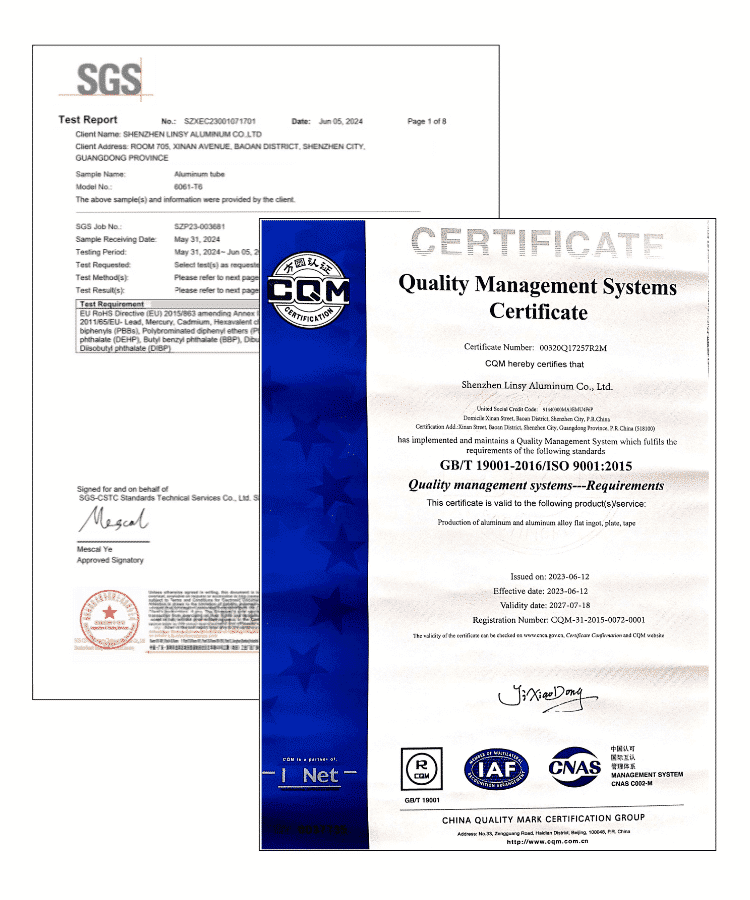
Every order ships with an MTC reporting alloy, temper, chemical composition and mechanical results against ASTM B209. Flatness and thickness tolerance can be certified to the class ordered. Third-party testing is available on request at additional cost; production runs under ISO 9001, ISO 14001 and ISO 45001 certified systems.
Sales confirm stock or custom lead time for that exact combination.
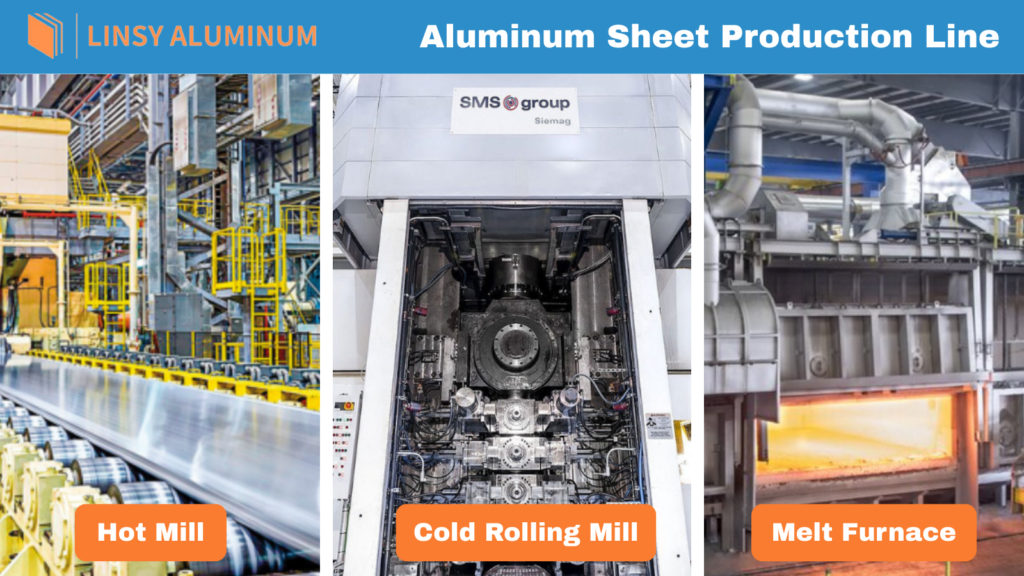
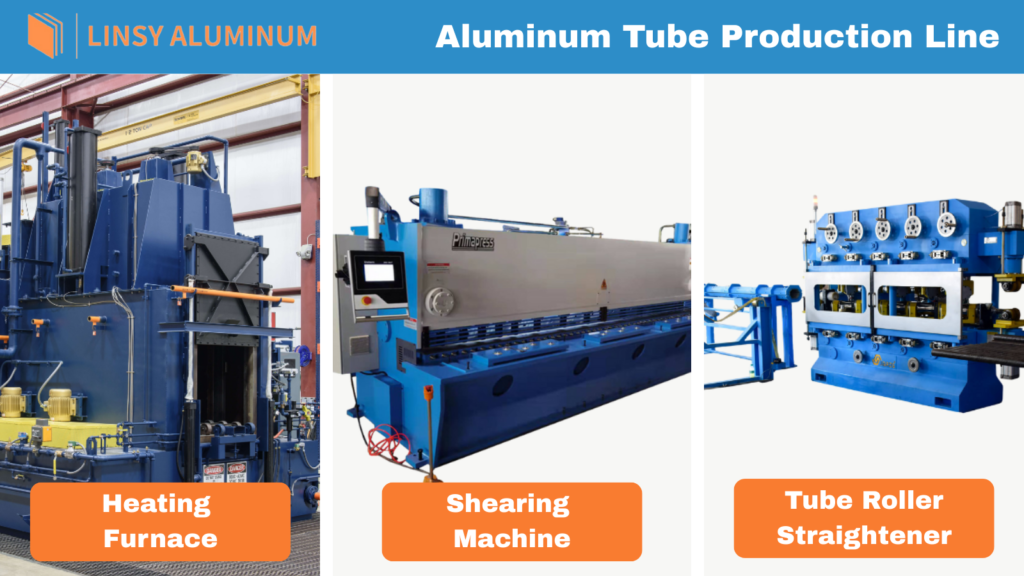
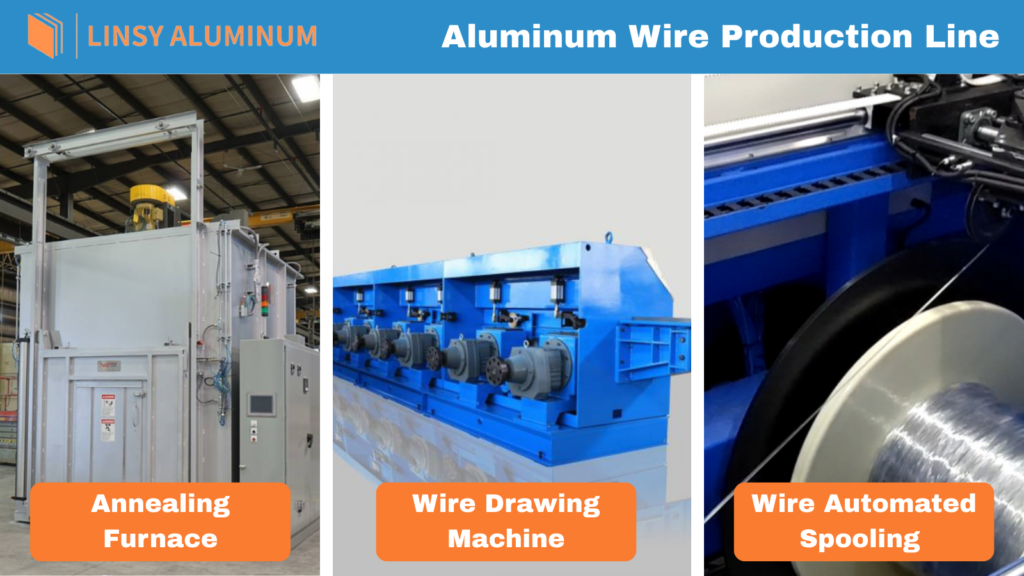
Shenzhen-based aluminum factory, more than 20 years in the industry, supplying 1000–8000 series alloys in standard specifications and custom sizes.
Q: Is 7075 flat bar extruded or sawn from plate?
A: Sawn from rolled plate, almost always. 7075 does not extrude well, and the plate route gives the T651 stress-relieved condition that machining needs, with square sawn edges.
Q: T651 or T7351?
A: T651 for thin parts in dry service; T7351 for thick sections, sustained tensile load, or wet and salty environments. T7351 gives up about 70 MPa to resist stress-corrosion cracking.
Q: Why not T6?
A: Because plate-sawn flat bar is usually machined, and T6 plate bows when material is removed. The strength is identical; only the residual stress differs.
Q: Can 7075 flat bar be welded?
A: No. Fusion welding causes hot cracking and destroys the temper in the heat-affected zone. Design for mechanical fastening.
Q: Can 7075 flat bar be anodized?
A: It can, but the film protects less than on 6xxx because of the copper and zinc content, and it darkens. Use hard anodizing or a coating where corrosion protection is the goal.
Q: What sizes do you supply?
A: 3–150 mm thick, 10–600 mm wide, cut to length from 1,000 to 6,000 mm.
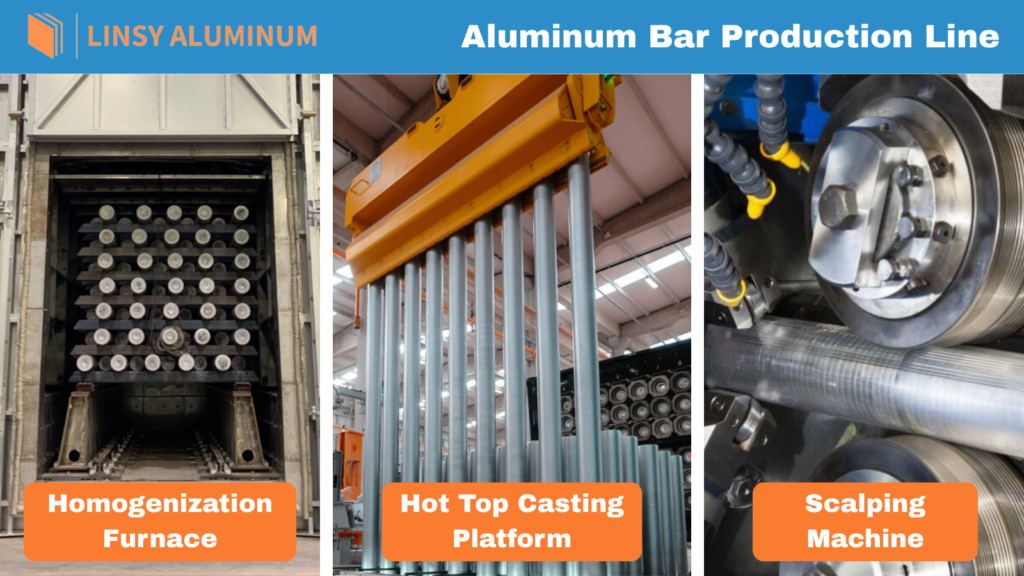
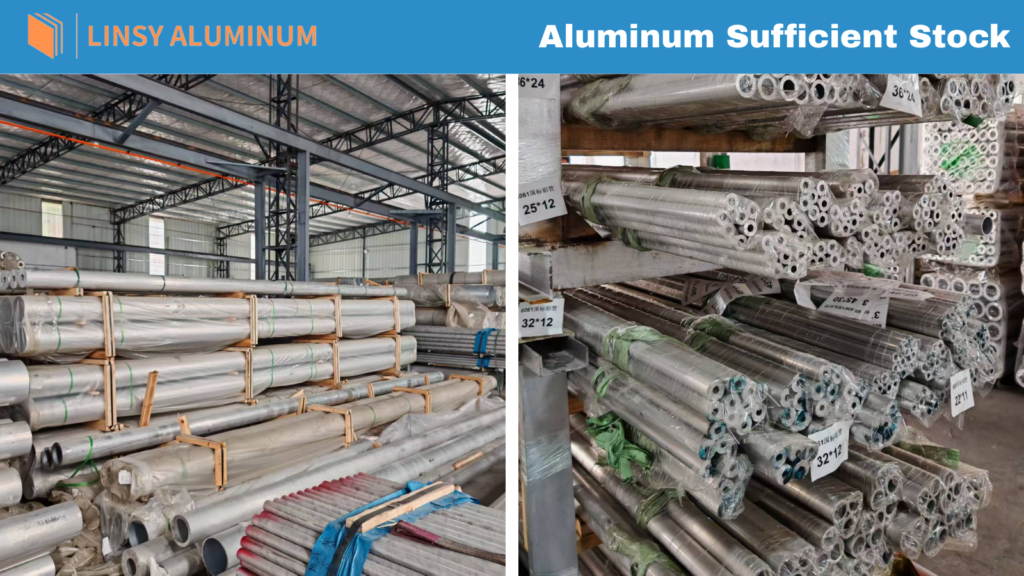
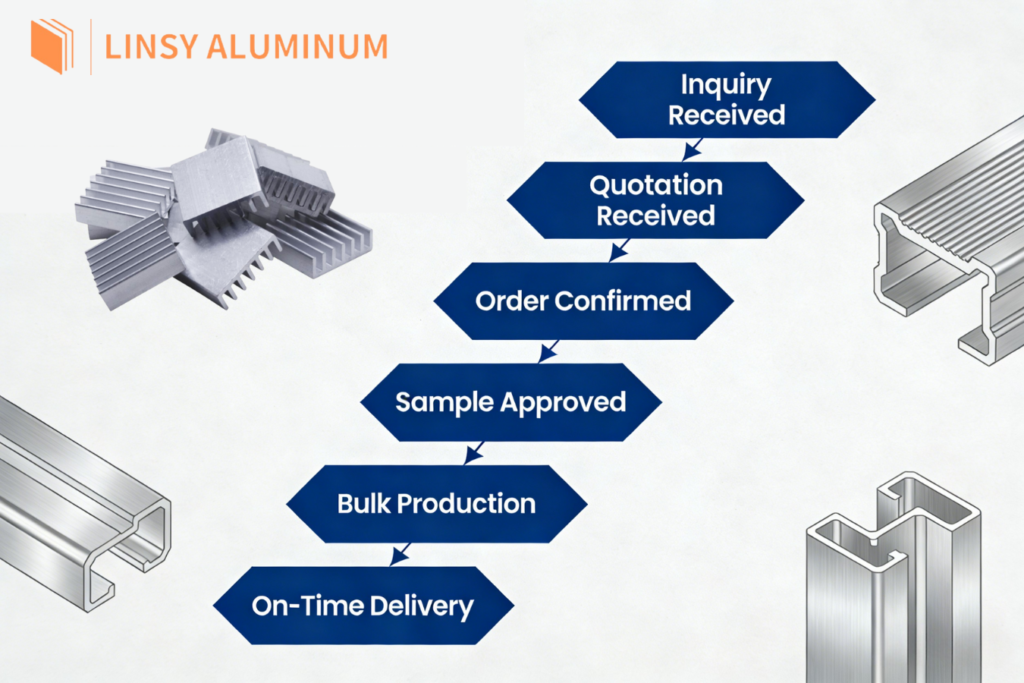
Linsy Advantages
Linsy Aluminum is a leading supplier of aluminum processing products, serving diverse industries including aerospace, general engineering, automotive, marine, shipbuilding and other specialized industrial applications.
We are committed to maintaining the highest standards of quality and environmental responsibility, as demonstrated by our certifications: ISO 9001:2008, ISO 14001:2004 and SGS.