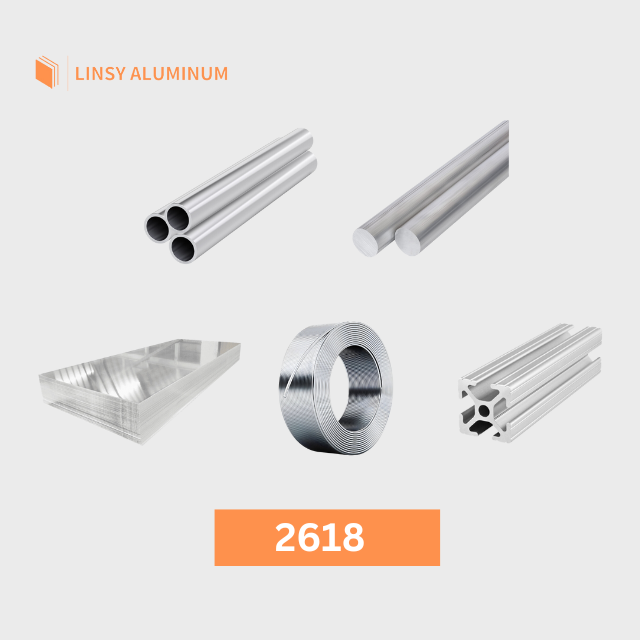


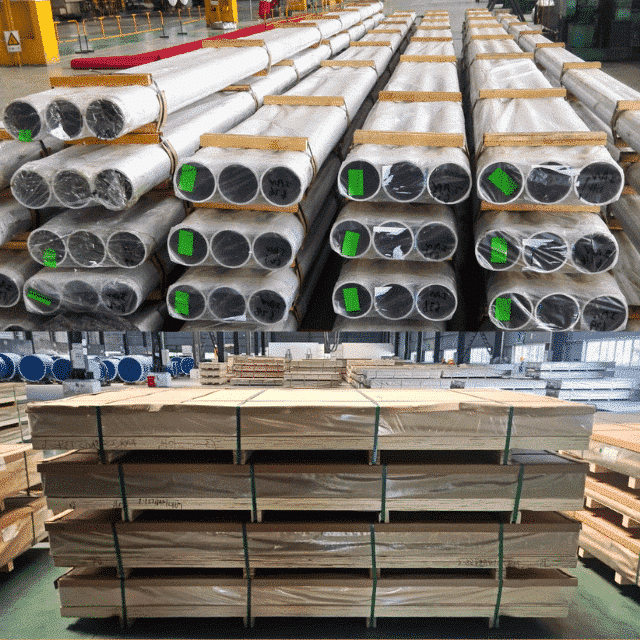

2618 alüminyum alaşımı (AlCu2Mg1.5Ni), öncelikli olarak bakır, magnezyum ve nikel ile alaşımlanmış, ısıl işlem uygulanabilir 2000 serisi dövme alüminyum alaşımıdır. Yüksek sıcaklıklarda mukavemetin korunmasını gerektiren uygulamalar için özel olarak tasarlanmıştır — bu özellik, benzersiz Ni-Fe intermetalik dispersiyon sertleşmesinden kaynaklanır. Yaygın olarak piston alaşımı olarak bilinen 2618, mükemmel dövülebilirlik, iyi işlenebilirlik ve yaklaşık 250 °C'ye (480 °F) kadar güvenilir mekanik stabilite sunar. Linsy, O, T6, T61 ve T6511 temperlerinde 2618 alüminyum levha, plaka, çubuk, boru, dövme stoku ve tel tedarik etmektedir; özel boyutlar, işleme desteği ve MTC raporları mevcuttur.
Mevcut formlar: levha / plaka / çubuk / boru / dövme stoku / tel
Yaygın temperler: O / T6 / T61 / T6511
İşleme desteği: CNC işleme / dövme / kesme / yüzey finisajı
Kalite belgeleri: Her siparişle birlikte MTC raporu, talep üzerine SGS test raporları mevcuttur
2618 alüminyum alaşımı (UNS A92618), özellikle yüksek sıcaklık hizmeti için tasarlanmış, ısıl işlem uygulanabilir 2000 serisi dövme alüminyum alaşımıdır. Bileşimi, nikel (Ni) ilavesi ve daha yüksek demir (Fe) içeriği ile ayırt edilir — birlikte yüksek sıcaklıklarda kabalaşmaya direnç gösteren stabil Ni-Fe intermetalik bileşiklerini (Al₉FeNi) oluştururlar. Bu dispersiyon sertleşmesi mekanizması, 2618'i 2014 ve 2024 gibi diğer 2xxx alaşımlarından ayıran özelliktir.
Ana alaşım elementleri bakır (%1,9–2,7), magnezyum (%1,3–1,8) ve nikeldir (%0,9–1,2); demir (%0,9–1,3) yüksek sıcaklık mukavemet fazına katkıda bulunur. T61 temperinde (çözelti ısıl işlemi ve suni yaşlandırma uygulanmış), 2618, geleneksel alüminyum alaşımlarının hızla yumuşayacağı hizmet sıcaklıklarında kullanışlı mekanik mukavemetini korur — bu da onu havacılık pistonları, yüksek hızlı kompresör rotorları, plastik enjeksiyon kalıpları ve dövme otomotiv biyel kolları için tercih edilen malzeme haline getirir.
2618 tipik olarak sıcak dövme ile şekillendirilir, ancak ekstrüde çubuk, haddelenmiş plaka ve çekilmiş boru olarak da temin edilebilir. Yüksek sıcaklık stabilitesi bazı ödünlerle gelir: yalnızca orta düzeyde korozyon direncine sahiptir (5xxx ve 6xxx serisi seviyelerinin altında), sıcak çatlama hassasiyeti nedeniyle geleneksel füzyon yöntemleriyle kaynaklanması zordur ve anodize yüzey finisajı gerektiren uygulamalar için dikkatli değerlendirilmelidir. Alaşım, AMS 4132 ve ASTM B247 (dövme stoku ve dövmeler) kapsamındadır; Avrupa tedariki için EN 573-3 / EN 4613 kapsamında ek teminat sağlanmaktadır.
Linsy, 2618 alüminyum alaşımını çeşitli standart ve özel ürün formlarında tedarik etmektedir. Uzunluk, genişlik, çap ve boyutsal toleranslar proje gereksinimlerinize göre uyarlanabilir.
| Form | Temper | Kalınlık (mm) | Genişlik (mm) | Uzunluk (mm) |
|---|---|---|---|---|
| 2618 Levha / Bobin | O, T4, T61, T651 | 0.3 – 6.0 | 500 – 2600 | 500 – 16000 |
| Form | Temper | Kalınlık (mm) | Genişlik (mm) | Uzunluk (mm) |
|---|---|---|---|---|
| 2618 Plaka | O, T61, T651 | 6.0 – 200 | 500 – 2600 | 500 – 12000 |
| Form | Temper | Çap (mm) | Uzunluk (mm) |
|---|---|---|---|
| 2618 Çubuk (Yuvarlak) | T6, T61, T6511 | 10 – 500 | 1000 – 6000 |
| Form | Temper | Dış Çap (mm) | İç Çap (mm) | Uzunluk (mm) |
|---|---|---|---|---|
| 2618 Boru | T6, T61, T6511 | 10 – 500 | 5 – 450 | 1000 – 6000 |
| Form | Temper | Çap (mm) | Uzunluk (mm) |
|---|---|---|---|
| 2618 Dövme Stoku | O, T61 | 20 – 600 | 500 – 6000 |
| Form | Temper | Çap (mm) | Ağırlık / Bobin |
|---|---|---|---|
| 2618 Tel | T61, T6511 | 0.8 – 30 | Min 50 kg |
Uzunluk, genişlik, çap ve boyutsal toleranslar özelleştirilebilir. 2618 alüminyum profiller, özel dövme preformları veya sıkı kompozisyon kontrollerine sahip mühendislik plakaları için çizim veya şartnamenizle bizimle iletişime geçin.
| Element | Bileşim (ağırlıkça %) |
|---|---|
| Bakır (Cu) | 1.9 – 2.7 |
| Magnezyum (Mg) | 1.3 – 1.8 |
| Nikel (Ni) | 0.9 – 1.2 |
| Demir (Fe) | 0.9 – 1.3 |
| Silisyum (Si) | 0.10 – 0.25 |
| Titanyum (Ti) | 0.04 – 0.10 |
| Manganez (Mn) | 0,15 Maks |
| Krom (Cr) | 0,10 Maks |
| Çinko (Zn) | 0,15 Maks |
| Diğerleri, Her Biri | 0,05 Maks |
| Diğerleri, Toplam | 0,15 Maks |
| Alüminyum (Al) | Denge |
Aşağıdaki değerler, yaygın temperlerdeki 2618 alüminyum için tipik değerlerdir. Gerçek özellikler; ürün formuna, kesit kalınlığına ve işleme geçmişine bağlıdır. Spesifik siparişiniz için şartname sınıfı veriler için Linsy ile iletişime geçin.
| Mülkiyet | Tipik Değer |
|---|---|
| Çekme Dayanımı, Nihai | ~200 MPa |
| Çekme Mukavemeti, Akma (%0,2 ofset) | ~100 MPa |
| Uzama | ~14% |
| Sertlik (HB) | ~55 |
| Mülkiyet | Tipik Değer |
|---|---|
| Çekme Dayanımı, Nihai | ≥ 400 MPa |
| Çekme Mukavemeti, Akma (%0,2 ofset) | ≥ 310 MPa |
| Uzama | ~8% |
| Sertlik (HB) | ~115 |
| Mülkiyet | Tipik Değer |
|---|---|
| Çekme Dayanımı, Nihai | ≥ 400 MPa |
| Çekme Mukavemeti, Akma (%0,2 ofset) | ≥ 310 MPa |
| Uzama | ~8% |
| Sertlik (HB) | ~115 |
| Temper | İçin En İyisi | Tipik Uygulamalar |
|---|---|---|
| 2618-O | Dövme için başlangıç durumu, ısıl işlem öncesi yeniden işleme veya maksimum süneklik gerektiren uygulamalar. | Dövme taslakları, şekillendirme operasyonları, çökelme sertleşmesi öncesi işleme stoku |
| 2618-T61 | Tepe yüksek sıcaklık mukavemeti gerektiren dövme parçalar. Standart T6'ya kıyasla yüksek sıcaklıkta çözelti ısıl işlemi ve suni yaşlandırma uygulanmıştır. | Havacılık pistonları, kompresör rotorları, yüksek sıcaklık yapısal dövmeleri, plastik enjeksiyon kalıpları |
| 2618-T6511 | İşleme sırasında boyutsal stabilite için gerilim giderme ile tepe mukavemet gerektiren ekstrüde çubuklar ve borular. | Hassas işlenmiş bileşenler, otomotiv biyel kolları, sıkı tolerans gerektiren motor bileşenleri |
| Standart | Tanımlama |
|---|---|
| UNS | A92618 |
| EN / Avrupa | EN AW-2618 / AlCu2Mg1.5Ni |
| AMS (Havacılık Malzeme Spesifikasyonu) | AMS 4132 (dövmeler) |
| ASTM | ASTM B247 (dövme stoku ve dövmeler) |
| Dövmeler için EN Standardı | EN 4613 |
2618 alüminyumun tanımlayıcı özelliği, yaklaşık 250 °C'ye (480 °F) kadar sıcaklıklarda mekanik mukavemeti koruyabilmesidir. 150 °C'nin üzerinde hızla aşırı yaşlanan ve mukavemet kaybeden standart yaşlandırma sertleşmeli alüminyum alaşımlarının aksine, 2618'deki Ni-Fe intermetalik dispersiyonu termal çevrim altında kabalaşmaya direnç gösterir — bu da 2618'i pistonlar, kompresör rotorları ve ısıya maruz kalan diğer havacılık ve otomotiv bileşenleri için tercih edilen alaşım haline getirir.
2618, sıcak dövme için tasarlanmıştır ve çözelti tavlaması (O-temper) durumunda mükemmel dövülebilirlik sunar. Dövme sonrasında, 2618 çözelti ısıl işlemi ve ardından suni yaşlandırma (T61 temperi) ile tam mukavemetine ulaşır. T6/T61 durumunda, 2618 diğer 2xxx serisi alaşımlarla karşılaştırılabilir iyi işlenebilirlik sunar — standart işleme parametrelerinde karbür takımlarla iyi kırılan talaşlar üretir.
Çoğu 2000 serisi alüminyum alaşımında olduğu gibi, 2618 sınırlı kaynaklanabilirliğe sahiptir. Yüksek bakır içeriği, füzyon kaynağı (TIG, MIG) sırasında sıcak çatlama ve katılaşma kusurlarına karşı hassasiyet oluşturur. Ark kaynağı genellikle yapısal uygulamalar için önerilmez. Sürtünme karıştırma kaynağı, kontrollü üretim ortamlarında uygulanabilir olabilir. Çoğu montaj uygulaması için mekanik bağlantı elemanları veya pres geçme entegrasyonu tercih edilen birleştirme yöntemidir.
2618 alüminyum, yüksek bakır içeriği nedeniyle yalnızca orta düzeyde korozyon direncine sahiptir — 5xxx ve 6xxx serisi alaşımların altında. Koruyucu kaplamalar olmadan deniz veya kimyasal maruziyet ortamları için önerilmez. Korozyon koruması gerektiğinde, sert anodizasyon veya dönüşüm kaplama değerlendirilmelidir; ancak alaşımın intermetalik fazları nedeniyle anodizasyon tepkisi orta düzeydedir.
| Endüstri | Tipik Uygulamalar | 2618 Neden Kullanılır |
|---|---|---|
| Havacılık ve Uzay | Motor pistonları, kompresör çarkları, türbin kanatları, yüksek sıcaklık yapısal braketleri, helikopter rotor bileşenleri | 250 °C'ye kadar çalışma sıcaklıklarına uzun süreli maruziyetten sonra mukavemeti korur; havacılık dövmesi için AMS 4132 kalifikasyonludur. |
| Otomotiv ve Motor Sporları | Yüksek performanslı pistonlar, biyel kolları, turboşarj kompresör çarkları, yarış motorları için silindir kafaları | Termal çevrim altında mükemmel mukavemet-ağırlık oranı; Formula 1, WRC ve diğer yüksek performanslı motorlarda yaygın olarak kullanılır. |
| Plastik Kalıplama | Enjeksiyon kalıp çekirdekleri ve boşlukları, şişirme kalıp takımları, termoform takımları | Yüksek ısı iletkenliği ve iyi yüksek sıcaklık mukavemeti; çelik takımlara kıyasla daha hızlı çevrim süreleri. |
| Petrol ve Gaz / Enerji Üretimi | Kompresör bileşenleri, yüksek hızlı dönen parçalar, yüksek sıcaklık contaları | Sünme kaynaklı boyutsal değişiklikler olmadan sürekli yüksek sıcaklıklarda güvenilir performans. |
| Genel Endüstri Mühendisliği | Yüksek sıcaklık fikstürleri ve bağlama aparatları, ısı eşanjörü bileşenleri, fırın parçaları | Çalışma sıcaklığının 250 °C'nin altında olduğu durumlarda titanyuma maliyet etkin alüminyum alternatifi. |
| Süreç | Uygunluk | Notlar |
|---|---|---|
| CNC İşleme | İyi | Karbür takımlarla iyi performans gösterir. Pozitif talaş açıları ve yeterli soğutma sıvısı beslemesi önerilir. T6511 mizaç, hassas işleme için en iyi boyutsal stabiliteyi sağlar. |
| Sıcak Dövme | Mükemmel | Bu, 2618 için birincil şekillendirme yöntemidir. 380–450 °C'de dövün. Dövme işleminin ardından T61 mizaç özelliklerini elde etmek için çözeltiye alma ve yaşlandırma uygulanır. |
| Kaynak (Ark / Füzyon) | Önerilmez | Yüksek bakır içeriği sıcak çatlama hassasiyetine neden olur. Yapısal kaynaklardan kaçınılmalıdır. Sürtünme karıştırma kaynağı vaka bazında değerlendirilebilir. |
| Eloksal | Orta düzeyde | Intermetalik fazlar (Ni-Fe parçacıkları) düzensiz oksit tabakası oluşumuna neden olabilir. Sert eloksal mümkündür ancak 6061 eloksalına kıyasla daha koyu ve daha az homojen bir görünüm üretebilir. |
| Parlatma | İyi | Mekanik parlatma mümkündür. Korozyonsuz ortamlarda uygun koruyucu kaplama ile yüzey kalitesi korunabilir. |
Linsy'den yapılan her 2618 alüminyum siparişi, belirli partinizin kimyasal bileşimini ve mekanik özelliklerini belgeleyen bir Değirmen Test Sertifikası (MTC) içerir. Talep üzerine ek dokümantasyon ve test hizmetleri mevcuttur:
| Mülkiyet | 2618 | 2024 |
|---|---|---|
| Birincil Alaşım Elementleri | Cu + Mg + Ni + Fe | Cu + Mg + Mn |
| Yüksek Sıcaklık Mukavemeti | Mükemmel (~250 °C'ye kadar mukavemeti korur) | Sınırlı (~150 °C'nin üzerinde önemli ölçüde yumuşar) |
| Oda Sıcaklığı Mukavemeti (T6) | ~400–440 MPa Çekme Mukavemeti | ~470 MPa Çekme Mukavemeti |
| Dövülebilirlik | Mükemmel | İyi |
| Korozyon Direnci | Orta (2024'e benzer) | Orta; genellikle koruma için Alclad uygulanır |
| Kaynaklanabilirlik | Önerilmez | Önerilmez |
| Tipik Kullanım | Pistonlar, kompresör rotorları, kalıplar — sıcak uygulamalar | Uçak yapıları, gövde kaplamaları, bağlantı parçaları — ortam/yüksek mukavemetli uygulamalar |
Mekanik özellikler, maliyet ve ürün formlarında bulunabilirlik kapsayan daha detaylı bir karşılaştırma için, 2618 alaşım rehberimizi okuyun.
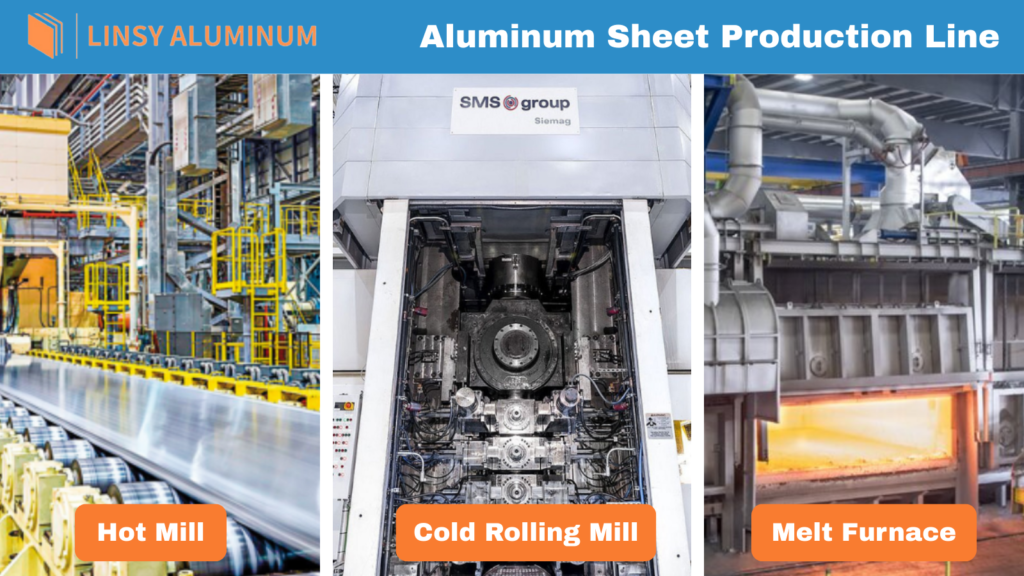
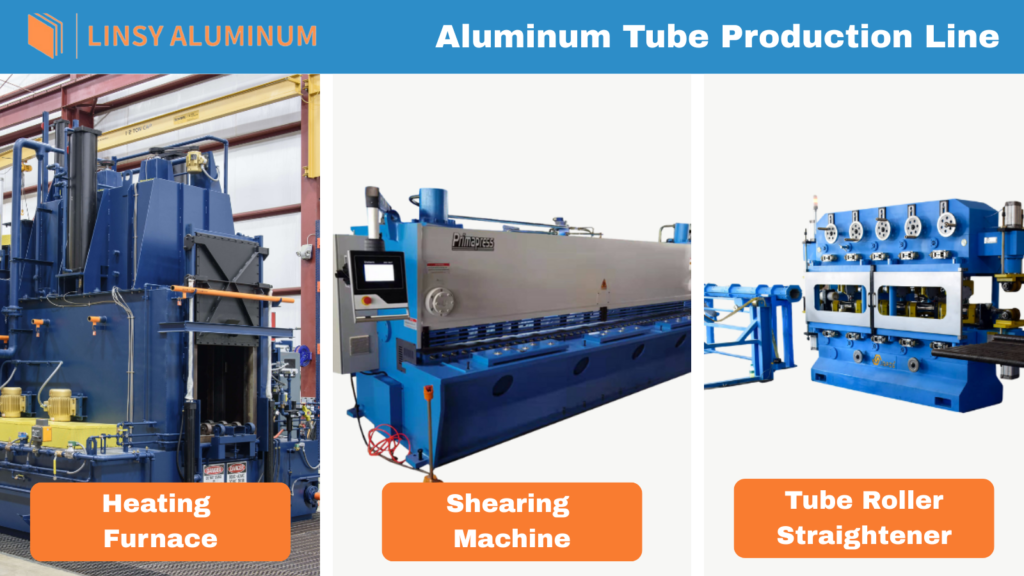
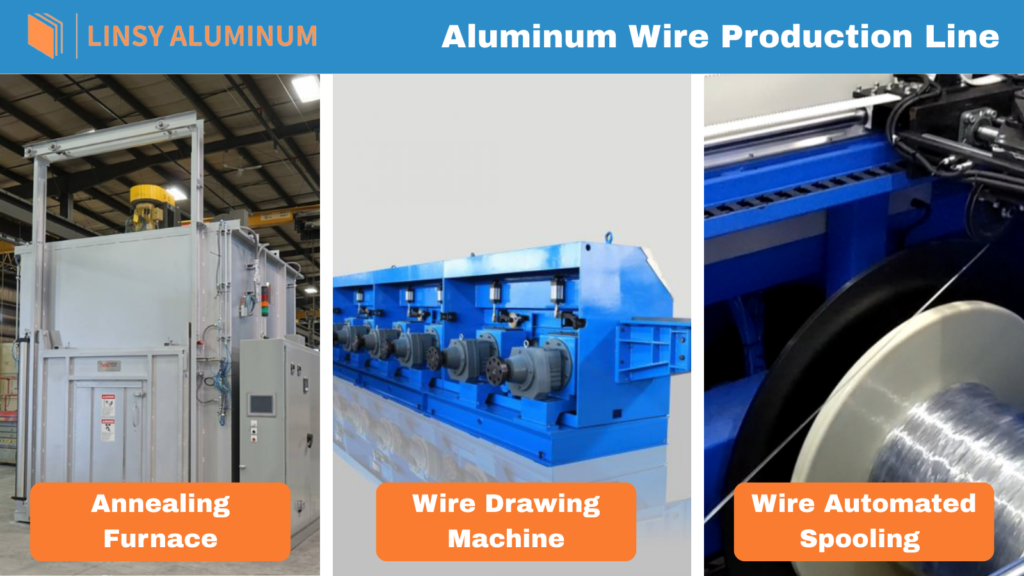
Linsy Alüminyum, Shenzhen merkezli, 1000–8000 serileri arasında tam kapsamlı alüminyum alaşımlarında uzmanlaşmış, 20 yılı aşkın sektör deneyimine sahip bir alüminyum fabrikasıdır. 2618 alüminyumu sac, levha, çubuk, boru, dövme stoku ve tel olmak üzere birden fazla ürün formunda, proje spesifikasyonlarına uygun standart ve özel boyutlarla tedarik ediyoruz.
Linsy'yi 2618 alüminyum tedarikinde ayıran özellikler:
Teklif için 2618 alüminyum spesifikasyonunuz veya çiziminizle bizimle iletişime geçin — mühendislik ekibimiz standart talepler için aynı iş günü içinde yanıt sağlar.
2618 alüminyum öncelikle yüksek sıcaklıklarda yüksek mukavemet gerektiren bileşenler için kullanılır. En yaygın uygulamaları arasında havacılık motor pistonları, kompresör rotorları, otomotiv yüksek performanslı pistonları ve biyel kolları, plastik enjeksiyon kalıp takımları ve yüksek sıcaklık fikstürleri bulunur. Alaşım, yaklaşık 250 °C (480 °F) servis sıcaklıklarına kadar mekanik özellikleri korumak üzere özel olarak tasarlanmıştır.
Temel fark yüksek sıcaklık performansındadır. 2618, termal yumuşamaya direnç gösteren stabil Ni-Fe intermetalik bileşikleri oluşturmak için nikel ve daha yüksek demir içerir — bu da 2618'e ~250 °C'ye kadar mükemmel mukavemet koruması sağlar. 2024, oda sıcaklığında biraz daha güçlü olsa da (~470 MPa vs ~440 MPa çekme mukavemeti), ~150 °C'nin üzerinde önemli ölçüde mukavemet kaybeder. 2618 sıcak uygulamalar için (dövme pistonlar, kompresör parçaları) tercih edilir; 2024 ise ortam sıcaklığındaki yapısal uygulamalar için (uçak kaplamaları, bağlantı parçaları) tercih edilir.
Linsy, 2618 alüminyumu O (tavlanmış — ısıl işlem öncesi dövme boşlukları ve işleme için), T61 (çözeltiye alma ve suni yaşlandırma — dövme havacılık parçaları için standart mizaç) ve T6511 (çözeltiye alma, gerilim giderme ve suni yaşlandırma — işleme sırasında boyutsal stabilite gerektiren ekstrüde çubuk ve boru için tercih edilir) olarak tedarik eder. Ek mizaçlar veya özel ısıl işlem spesifikasyonları için bizimle iletişime geçin.
2618 alüminyumun ark kaynağı (TIG, MIG) yapısal uygulamalar için genellikle önerilmez. Yüksek bakır içeriği, kaynak bölgesinde sıcak çatlama ve katılaşma kusurlarına yatkınlık oluşturur. Birleştirme gerekiyorsa, mekanik bağlama veya pres geçme entegrasyonu tercih edilen yöntemdir. Sürtünme karıştırma kaynağı kontrollü üretim ortamlarında uygulanabilir olabilir ve vaka bazında değerlendirilmelidir.
2618 alüminyum, yaklaşık 250 °C'ye (480 °F) kadar olan sıcaklıklarda kullanışlı mekanik özelliklerini korur. Bu, 6061-T6 (~150 °C pratik limit) veya 2024-T3 (~120 °C) gibi standart çökelme sertleşmeli alaşımlardan önemli ölçüde daha yüksektir. Ancak, 250 °C'nin üzerinde sürekli maruziyet, zamanla mikro yapısal irileşmeye ve kademeli mukavemet kaybına yol açacaktır. Performans ve servis ömrünün en iyi kombinasyonu için, belirli çalışma sıcaklığı profiliniz hakkında Linsy'nin mühendislik ekibiyle görüşün.
2618, yüksek bakır içeriği nedeniyle yalnızca orta düzeyde korozyon direncine sahiptir. Korozyonlu veya dış mekan ortamlarında koruyucu yüzey işlemi önerilir. Sert eloksal koruyucu bir oksit tabakası sağlayabilir, ancak 2618’in intermetalik bileşenleri nedeniyle kaplama tipik olarak eloksallı 6061'den daha koyu ve daha az homojen olacaktır. Estetik olmayan uygulamalar için kimyasal dönüşüm kaplaması (kromatlı veya kromatsız) yeterli koruma sağlayabilir. Korozyonsuz iç mekan veya yağlanmış ortamlarda (örneğin motor iç parçaları), kaplamasız 2618 yaygın olarak kullanılır.
Evet. Linsy, 2618 alüminyum dövme stoğunu O-mizaç koşulunda, tipik olarak 20 mm ila 600 mm çapında çubuk veya kütük formunda tedarik eder. Dövme stoğu belirttiğiniz uzunlukta kesilebilir ve MTC dokümantasyonuyla birlikte teslim edilir. Teklif için dövme ön formu boyutlarınız ve hedef mizaç spesifikasyonunuzla bizimle iletişime geçin.
Stoktaki standart 2618 alüminyum spesifikasyonları günler içinde sevk edilebilir. Özel boyutlar, standart dışı mizaçlar veya özel işlenmiş parçalar için tipik teslim süresi, alaşıma, boyutlara, işleme gereksinimlerine ve sipariş karmaşıklığına bağlı olarak 10–60 gündür. Linsy, stokta olmayan ürünler için düşük minimum sipariş adetli özel üretimi destekler; böylece projenizin gerektirdiği miktarı aşırı minimum miktarlar olmadan sipariş edebilirsiniz.
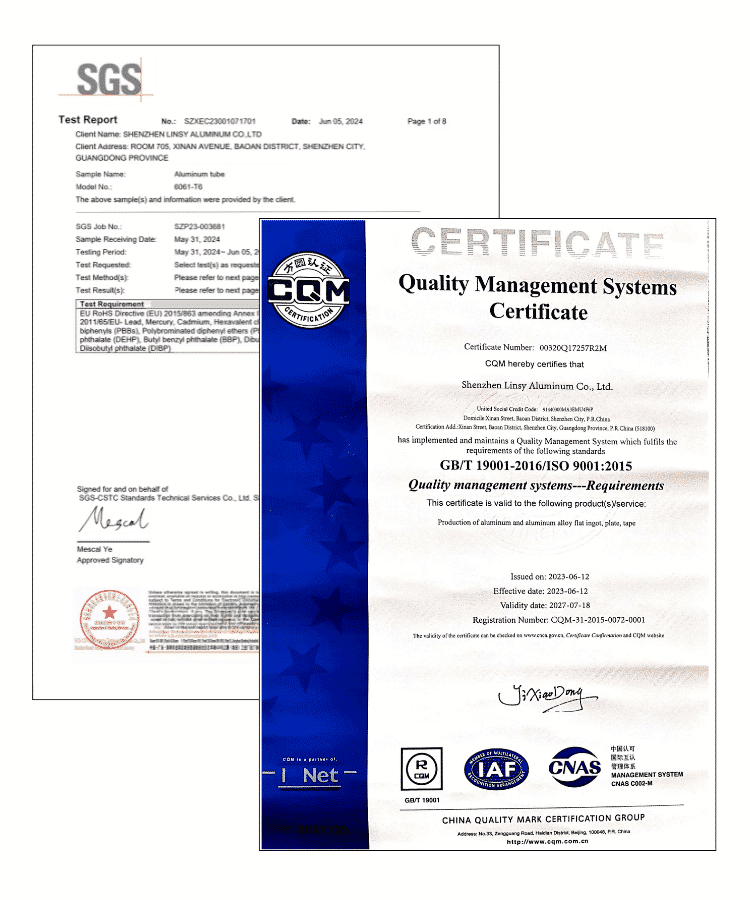
Linsy'den yapılan her 2618 alüminyum siparişi, belirli üretim partinizin kimyasal bileşimini ve mekanik özelliklerini belgeleyen bir Değirmen Test Sertifikası (MTC) içerir. Talep üzerine mevcut ek dokümantasyon şunları içerir: SGS test raporları (kimyasal bileşim, mekanik özellikler, kalın levha ve dövme stoğu için ultrasonik muayene, RoHS/REACH uyumluluğu ve boyutsal doğrulama raporları).
Evet. AlCu2Mg1.5Ni, EN 573-3 adlandırma konvansiyonuna göre 2618 alüminyum alaşımının Avrupa tanımıdır. Bu tanım, birincil alaşım elementlerini ifade eder: alüminyum-bakır-magnezyum-nikel. UNS karşılığı A92618'dir ve alaşım ayrıca AMS 4132 (dövmeler) ve ASTM B247 altında da belirtilmiştir. Tüm adlandırmalar aynı malzemeyi ifade eder.
Linsy hem büyük hacimli hem de düşük minimum sipariş adetli siparişleri destekler. Standart spesifikasyonlar stoktan küçük miktarlarda sipariş edilebilir. Özel spesifikasyonlar için, proje bazlı ihtiyaçları ve prototiplemeyi desteklemek üzere düşük minimum sipariş adetli üretim sunuyoruz. Belirli 2618 alüminyum gereksinimleriniz için stok durumunu ve minimum miktarları doğrulamak üzere spesifikasyonunuzla bizimle iletişime geçin.
Evet, değerlendirme için numuneler mevcuttur. Standart numune boyutları ücretsiz olarak sağlanır; müşteri, Shenzhen tesisimizden yapılan sevkiyatın navlun masrafını karşılar. Özel boyutlu numuneler nominal bir hazırlık ücreti gerektirebilir. Numune gereksinimlerinizle ekibimizle iletişime geçin.
T/T (banka havalesi) ve L/C (Akreditif) kabul ediyoruz. Standart ödeme koşulları teklif sırasında görüşülür. Yeni müşteri ilişkileri için, uzun vadeli tedarik ortaklıkları kurmaya yardımcı olmak amacıyla esnek koşullar sunuyoruz.
Linsy, alüminyum ürünlerini Avrupa, Kuzey Amerika, Güney Afrika, Brezilya, Singapur, Türkiye, Japonya, Güney Kore ve diğer bölgelerdeki pazarlara ihraç etmektedir. Uluslararası navlunu büyük taşıyıcılarla ayarlıyor ve tercihinize bağlı olarak CIF, FOB ve EXW teslim koşullarını karşılayabiliyoruz.
Spesifikasyonunuzu — alaşım, temper, ürün formu, boyutlar ve miktar — iletiş.
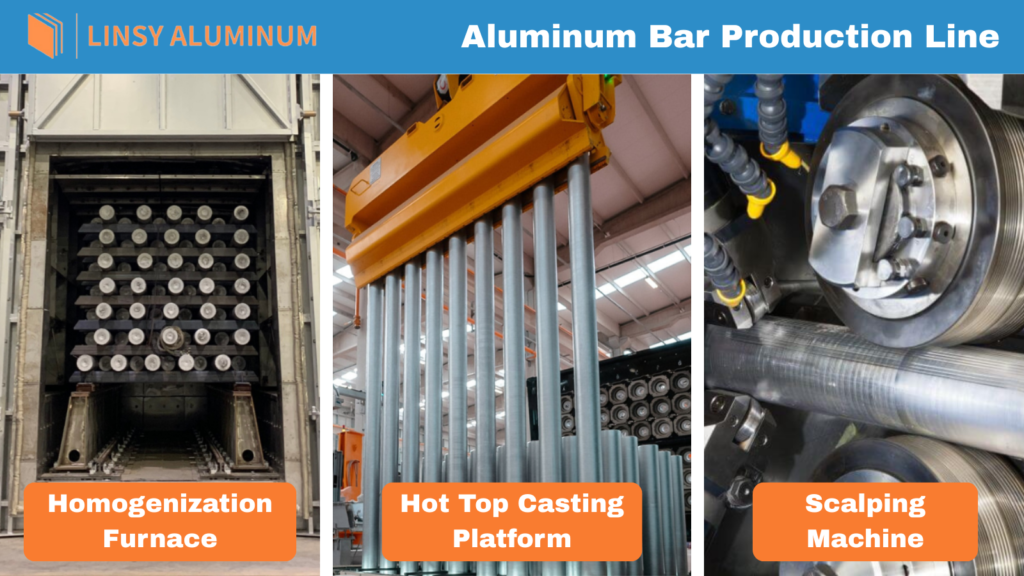
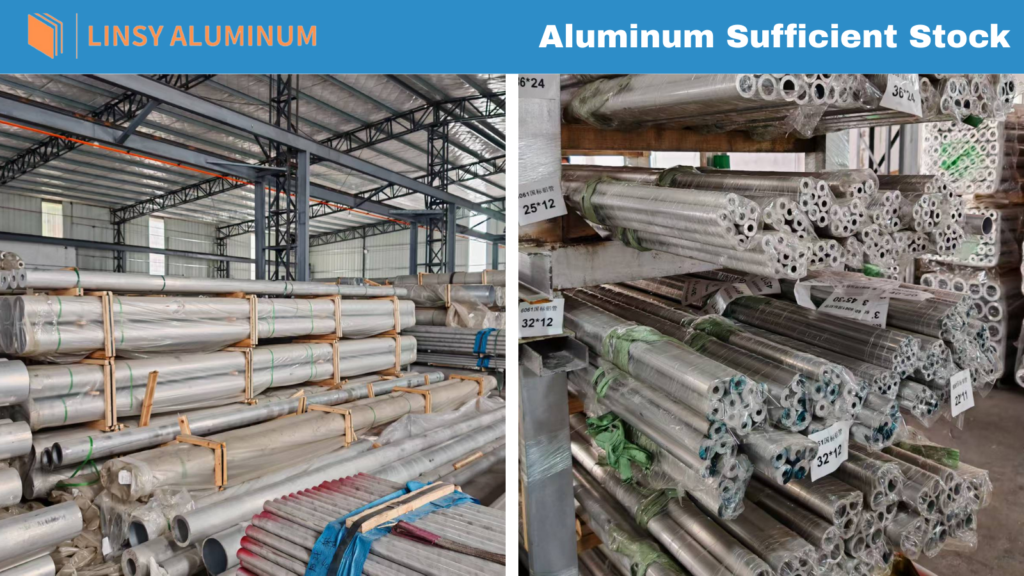
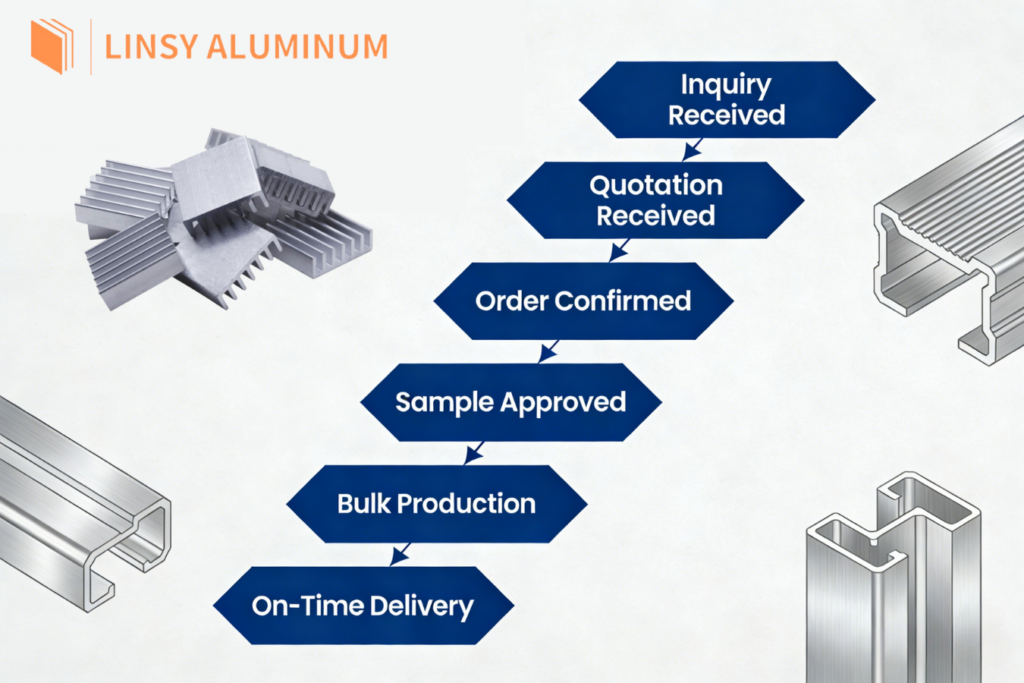
Linsy Avantajları
Linsy Alüminyum, havacılık, genel mühendislik, otomotiv, denizcilik, gemi yapımı ve diğer özel endüstriyel uygulamalar dahil olmak üzere çeşitli endüstrilere hizmet veren lider bir alüminyum işleme ürünleri tedarikçisidir.
Sertifikalarımızın da gösterdiği gibi, en yüksek kalite ve çevresel sorumluluk standartlarını sürdürmeye kararlıyız: ISO 9001:2008 , ISO 14001:2004 ve SGS.