Úvod
5356 je standardní slitina s obsahem 5% hořčíku hliník přídavný materiál pro svařování základních kovů řady 5xxx — nejedná se o konstrukční tvářenou jakost, ale o přídavný drát, tyč a elektrodovou slitinu. Vysoký obsah Mg (4,5–5,5%) odpovídá chemickému složení slitin 5083, 5086, 5056 a 5456, čímž je zajištěna kompatibilita svarové zóny z hlediska koroze a mechanických vlastností odpovídajících základnímu kovu. Tento průvodce pokrývá specifikaci, varianty tempery a způsob volby mezi 5356 a 4043 pro různé základní kovy a provozní podmínky.
Chemické složení
- Hořčík: 4,5–5,5%
- Mangan: 0,05–0,2 %
- Železo: ≤0,4 %
- Křemík: ≤0,25%
- Měď: ≤0,1 %
- Chrom: 0,05–0,2 %
- Zinek: ≤0,1 %
- Titan: 0,06–0,2%
- Zbytek: Hliník
Klíčové vlastnosti
Výkon přídavného materiálu
Slitina 5356 je navržena tak, aby se tavila, tekla a tuhla do svarové housenky odpovídající chemickému složení a koroznímu potenciálu základního kovu řady 5xxx. Úroveň přibližně 5% Mg poskytuje pevnost v tahu ve stavu po svaření odpovídající slitinám 5083 a 5086 v nenormalizovaném stavu — typicky 240–290 MPa meze pevnosti v tahu v závislosti na naředění a parametrech svařování. Nízký obsah křemíku zabraňuje vzniku křehkých intermetalických fází, které se mohou tvořit v systémech Mg-Si.
Korozní kompatibilita
Hlavním důvodem pro volbu 5356 namísto univerzálních přídavných materiálů, jako je 4043, je elektrochemická kompatibilita: svarové spoje slitin 5xxx svařené materiálem 5356 odolávají galvanické korozi ve slané vodě, protože přídavný materiál a základní kov mají podobný korozní potenciál. Použití 4043 pro svařování slitiny 5083 v námořním provozu například vytváří anodičtější svarovou housenku, která koroduje přednostně — to představuje reálné riziko porušení při stavbě lodí a člunů.
Smyková pevnost
Typická pevnost ve smyku napříč je přibližně 180–190 MPa (26 ksi) — nad hodnotou přídavného materiálu 4043 (typicky ~140 MPa) a dostatečná pro většinu konstrukčních svarů v námořních a automobilových aplikacích, kde návrhové zatížení prochází průřezem svaru.
Reakce na eloxování
Spoje svařené materiálem 5356 vykazují rovnoměrnější vzhled po eloxování než spoje svařené materiálem 4043, protože svarová housenka bohatá na Mg reaguje na eloxování podobně jako základní kov bohatý na Mg. Pro architektonické a dekorativní svařování hliníku, kde záleží na vzhledu, poskytuje slitina 5356 lepší konzistenci barevného odstínu.
5356 vs. přídavný materiál 4043
Toto je nejčastější rozhodnutí o volbě přídavného materiálu při svařování hliníku:
- 5356: Pro základní kovy řady 5xxx (5083, 5086, 5052, 5454, 5456), kde záleží na korozní kompatibilitě, pevnosti svaru a shodě eloxování. Standardní námořní a konstrukční přídavný materiál.
- 4043: Pro základní kovy řady 6xxx (6061, 6063) a všeobecnou výrobu hliníkových konstrukcí. Nižší bod tání, lepší tekutost a nižší riziko vzniku trhlin za horka — ale nižší pevnost a horší korozní kompatibilita se základními kovy řady 5xxx.
Pravidlo: přizpůsobte obsah Mg v přídavném materiálu základnímu kovu. Základní kov 5xxx → přídavný materiál 5356. Základní kov 6xxx → 4043 nebo 5356 v závislosti na eloxování a provozních podmínkách. Nikdy nepoužívejte 4043 pro svařování námořních konstrukcí z 5xxx — nesoulad galvanické koroze je známým režimem porušení.
Běžné stavy zpracování
- O: Žíháno — maximální tvářitelnost pro podávání drátu a navíjení na cívky. Nejměkčí stav.
- H18: Plně tvrdé — stav s nejvyšší pevností, běžně používaný pro drát, který bude protahován svařovací hořákem bez nadměrné deformace před obloukem.
- H32: Čtvrtina tvrdá a stabilizovaná — vyvažuje podavatelnost se střední úrovní pevnosti, preferovaná pro ruční tyče TIG, kde svářeč podává drát ručně.
Kritéria použití / nepoužití
Použijte tuto rychlou referenci k rozhodnutí, zda je 5356 správným přídavným materiálem pro danou práci.
Použijte — použijte 5356, když:
- Základním kovem je slitina řady 5xxx (5083, 5086, 5052, 5454, 5056, 5456) — 5356 odpovídá obsahu Mg a zachovává korozní kompatibilitu ve svarové zóně. Typické aplikace: lodní panely, námořní palivové nádrže, konstrukce člunů a jachet.
- Provozními podmínkami je expozice slané vodě nebo námořní atmosféře — elektrochemická shoda mezi přídavným materiálem 5356 a základním kovem 5xxx zabraňuje přednostní korozi svarové zóny.
- Plánováno je eloxování po svaření a záleží na barevné jednotnosti svaru — 5356 poskytuje lepší shodu eloxování než 4043 u základních kovů 5xxx a mnoha 6xxx.
- Je požadována vyšší pevnost ve smyku po svaření (~190 MPa), než jakou může poskytnout 4043 (~140 MPa) — konstrukční svary, kde zatěžovací dráha prochází průřezem svaru, těží z vyšší pevnosti přídavného materiálu.
Nepoužívejte — nepoužívejte 5356, když:
- Základním kovem je slévárenská slitina řady 6xxx (např. 356, 319) s vysokým obsahem křemíku — 4043 je standardní přídavný materiál pro opravy odlitků a složení bohaté na Si zabraňuje vzniku trhlin za horka u odlitků.
- Jedná se o vysoce objemové automatizované svařování extrudovaných profilů 6061, kde záleží více na tekutosti a odolnosti proti trhlinám než na korozní kompatibilitě — obsah křemíku v 4043 poskytuje lepší tekutost svarové lázně a nižší náchylnost k trhlinám za horka pro výrobní svařování 6xxx.
- Přídavný materiál bude primárním konstrukčním nosným materiálem mimo svarový spoj — 5356 není tvářená konstrukční slitina a neměla by být specifikována jako základní deska, plech nebo tyč.
Aplikace
- Námořní — konstrukční svařování lodí a člunů, opláštění trupu, výroba palivových a vodních nádrží
- Automobilový průmysl — nákladní přívěsy, cisternové nástavby, svary hliníkových rámů
- Tlakové nádoby — svarové spoje nádob z 5083 a 5454 vyžadující korozní kompatibilitu
- Architektura — svařované hliníkové konstrukce, kde je shoda odstínu eloxování specifikačním požadavkem
Závěr
5356 hliník není konstrukční slitina — je standardním přídavným materiálem pro svařování základních kovů 5xxx, zvoleným proto, že jeho chemické složení s přibližně 5% Mg poskytuje stejný korozní potenciál, podobnou pevnost po svaření a lepší shodu eloxování ve srovnání s univerzálními přídavnými materiály, jako je 4043. Kompromisem je, že se jedná pouze o přídavný materiál — volba základního kovu řídí konstrukční rozhodnutí a 5356 následuje, aby svarová zóna fungovala jako zbytek součásti.
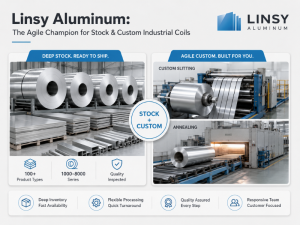
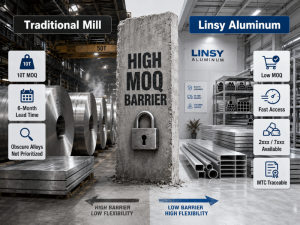
Společnost Linsy Aluminum dodává 5356 ve formě drátu (na cívkách pro MIG a nařezaných délek pro TIG), tyčí a elektrod, s možností vlastních specifikací průměru a balení při nízkém minimálním množství objednávky. MTC a certifikace chemického složení jsou standardem u každé objednávky. Pokud projekt zahrnuje specifický průměr přídavného materiálu nebo hmotnost cívky, zašlete svařovací specifikaci k technickému posouzení.
Často kladené otázky
Jaký je rozdíl mezi přídavnými materiály 5356 a 4043?
5356 je přídavný materiál Al-5%Mg pro svařování základních kovů 5xxx — odpovídá chemickému složení a koroznímu potenciálu slitin 5083, 5052, 5454 a podobných slitin. 4043 je přídavný materiál Al-5%Si pro svařování základních kovů 6xxx — lepší tekutost, ale nižší pevnost a není korozně kompatibilní s námořními slitinami 5xxx. Pravidlo: základní kov 5xxx → 5356; základní kov 6xxx → 4043 (nebo 5356, pokud záleží na shodě eloxování).
Lze použít 5356 pro svařování hliníku 6061?
Ano — 5356 lze použít na 6061 a typicky poskytuje lepší shodu odstínu eloxování než 4043. Nicméně 4043 je často preferován pro vysoce objemové výrobní svařování 6061, protože obsah křemíku snižuje riziko trhlin za horka a zlepšuje tekutost svarové lázně. Pro konstrukční svary 6061 závisí volba na tom, zda záleží více na vzhledu eloxování nebo odolnosti proti trhlinám.
Je 5356 tepelně zpracovatelná?
Ne — 5356, stejně jako všechny běžné hliníkové přídavné slitiny, není tepelně zpracovatelná. Pevnost svaru pochází z obsahu Mg v tuhém roztoku. Tepelné zpracování sestavy po svaření ovlivní základní kov, ale nezpůsobí precipitační vytvrzení samotného přídavného materiálu 5356.
Jaké svařovací procesy jsou kompatibilní s přídavným materiálem 5356?
5356 je kompatibilní s metodami GTAW (TIG), GMAW (MIG) a plazmovým obloukovým svařováním. Je dodáván jako drát na cívce pro MIG a tyče nařezané na délku pro TIG. Standardním ochranným plynem je argon nebo směs argonu a hélia. Ověřte, že průměr drátu a tempera (O, H18 nebo H32) odpovídají svařovací hořáku a podávacímu systému.
Je 5356 vhodná pro námořní svařování?
Ano — pro svařování slitin 5xxx v námořním provozu (trupy a nádrže z 5083, 5086, 5052) je 5356 standardním přídavným materiálem. Obsah Mg vytváří elektrochemickou shodu se základním kovem, takže svarová zóna se nestává místem přednostní koroze ve slané vodě. Použití 4043 pro námořní svary 5xxx představuje riziko galvanické koroze zóny přídavného materiálu — známý režim porušení při stavbě lodí.