Klíčové informace
- 1100 je komerčně čistá hliníková slitina s vynikající tvářitelností, odolností proti korozi a vysokou tepelnou vodivostí.
- Nabízí vynikající svařitelnost, ale není tepelně zpracovatelná pro dosažení vyšší pevnosti.
- Její pomalá rychlost zpevňování za studena je vhodná pro aplikace vyžadující hluboké a složité tváření.
- Mezi běžná použití patří chemický a potravinářský průmysl, balení a dekorativní lišty.
- Její odolnost proti korozi z ní činí silnou volbu pro tepelné výměníky a reflexní povrchy.

Úvod
Hliníková slitina 1100 Je široce používanou komerčně čistou hliníkovou třídou, ceněnou pro svou tvářitelnost a odolnost proti korozi. Tento průvodce pokrývá její složení, mechanické a fyzikální vlastnosti a typické aplikace, s praktickými specifikacemi pro podporu výběru materiálu. Od tepelných výměníků po hluboce tažené díly, níže uvedené části vysvětlují, proč je 1100 univerzální volbou napříč průmyslovými odvětvími.
Co je to hliník 1100?
Hliník 1100 je komerčně čistá hliníková slitina s vynikající tvářitelností a odolností proti korozi. Běžně se používá v chemickém a potravinářském průmyslu a v aplikacích, kde je tažnost důležitější než pevnost. Jelikož je tažná a svařitelná, vyskytuje se v tepelných výměnících, kuchyňských nádobách a reflektorech.

Složení prvků slitiny 1100
Slitina 1100 obsahuje nejméně 99,0 % hliníku, což jí dodává lehkost a odolnost proti korozi typickou pro čistý hliník. Stopové železo a křemík pocházejí z výroby, zatímco malý obsah mědi přináší mírný nárůst pevnosti.
Toto složení vytváří slitinu, která se dobře obrábí, dobře svařuje a odolává korozi, což z ní činí běžnou volbu napříč průmyslovými odvětvími.
Klíčové fyzikální a mechanické vlastnosti hliníkové slitiny 1100
| Majetek | Hodnota | Co to znamená |
|---|---|---|
| Hustota | 2,71 g/cm³ | Nízká hmotnost; snadná manipulace a přeprava. |
| Bod tání | ~643–657 °C (1 190–1 215 °F) | Zůstává pevná při běžných zpracovatelských teplotách. |
| Pevnost v tahu | ~90–120 MPa (žíháno) | Nízká pevnost; není určena pro konstrukční zatížení. |
| Tepelná vodivost | 218–225 W/m·K | Efektivní odvod tepla pro výměníky a žebra. |
| Elektrická vodivost | 59–62 % IACS | Dobrý vodič pro přípojnice a elektrické vedení. |
| Odolnost proti korozi | Vynikající | Vhodná pro venkovní a vlhká prostředí. |
| Tažnost | Velmi vysoká | Snadno se tvaruje a táhne bez praskání. |
Slitina 1100 kombinuje užitečné fyzikální a mechanické vlastnosti pro nekonstrukční aplikace. Její elektrická vodivost dosahuje 59–62 % IACS, což je přibližně 60 % vodivosti mědi, a je tak praktickou volbou pro elektrické aplikace, kde záleží na hmotnosti a nákladech.
Mechanicky není 1100 vysoce pevnou slitinou, ale její tažnost a kujnost ji odlišují. Snadno se tvaruje za studena i za tepla a podporuje složité tvarování bez ztráty integrity.
Její přirozená odolnost proti korozi zvyšuje její atraktivitu v aplikacích, kde jsou díly vystaveny náročným nebo vlhkým podmínkám. Tato kombinace vlastností činí slitinu 1100 vhodnou pro širokou škálu průmyslových a komerčních použití.
Použití slitiny 1100 v různých průmyslových odvětvích
Slitina 1100 je lehká a měkká, s dobrou tvářitelností, odolností proti korozi a tepelnou a elektrickou vodivostí. Slouží v následujících odvětvích:

- Elektrotechnický průmysl
- Používá se pro dráty a vodiče díky své dobré vodivosti (59–62 % IACS). Je lehčí a levnější než měď, proto je běžná v elektrických vedeních a kabelech.
- Balení
- Vhodná pro fólie jako jsou potravinářské fólie a víčka nádob. Snadno se tvaruje, odolává korozi a těsně uzavírá bez přidané hmotnosti.
- Stavebnictví
- Používá se v ozdobné obložení, blikajícía světelné panely. Dobře odolává povětrnostním vlivům a snadno se tvaruje podle stavebních potřeb.
- Přenos tepla
- Vyskytuje se v výměníky tepla a žebra chladiče protože rychle přenáší teplo (218–225 W/m·K). Je standardní volbou pro chladicí systémy ve vozidlech a klimatizacích.
Srovnání slitiny 1100 s jinými slitinami hliníku
Pochopení toho, jak si 1100 stojí ve srovnání s jinými třídami, vám pomůže vybrat správný materiál. Níže uvedená srovnání ukazují, kde 1100 vyniká a kde může být vhodnější jiná slitina.
Hliníková slitina 1100 vs. 1050

| Funkce | Hliníková slitina 1100 | Slitina hliníku 1050 |
|---|---|---|
| Hlavní líčení | 99 % hliníku + malé množství mědi | 99.5% Hliník (čistší) |
| Síla | ~90–120 MPa | ~75–110 MPa |
| Odolnost proti korozi | Vynikající | Vynikající |
| Elektrická vodivost | 59–62 % IACS | 61–63 % IACS |
| Zpracovatelnost | Snadno se ohýbá a tvaruje | Snadno se ohýbá a tvaruje |
| Typické použití | Drát, fólie, lehké díly | Pánve na vaření, reflektory |
1100 a 1050 Hliník jsou obě téměř čisté hliníkové třídy s vynikající tvářitelností. Slitina 1100 obsahuje malé množství mědi, které jí dává mírně vyšší pevnost (90–120 MPa vs. 75–110 MPa), zatímco 1050 je čistší (99,5 %) a nepatrně vodivější (61–63 % IACS vs. 59–62 %). Obě dobře odolávají korozi. Zvolte 1100 pro drát nebo fólii, kde pomůže o něco vyšší pevnost; zvolte 1050 pro pánve a reflektory, kde záleží na čistotě a vodivosti.
Hliníková slitina 1100 vs. 3003

| Funkce | Hliníková slitina 1100 | Slitina hliníku 3003 |
|---|---|---|
| Hlavní líčení | 99 % hliníku + malé množství mědi | Al + 1% Mangan |
| Síla | ~90–120 MPa | ~110–145 MPa |
| Odolnost proti korozi | Vynikající | Velmi dobré |
| Elektrická vodivost | 59–62 % IACS | 40–50 % IACS |
| Zpracovatelnost | Snadno se ohýbá, velmi tvářitelná | Snadno se ohýbá, je trochu tužší |
| Typické použití | Drát, fólie, lehké díly | Nádobí, nádrže, obklady |
1100 a Hliník 3003 jsou obě lehké a odolné proti korozi. Slitina 1100 je čistší (99 %) a měkčí, s nižší pevností (90–120 MPa vs. 110–145 MPa) než slitina 3003 s obsahem manganu. Slitina 1100 lépe vede (59–62 % vs. 40–50 % IACS) a snadněji se tvaruje. Použijte 1100 pro vodivé, flexibilní díly, jako jsou dráty a fólie; použijte 3003 pro nádobí, nádrže a obklady, kde je potřeba vyšší pevnost.
Hliníková slitina 1100 vs. 5052

| Funkce | Hliníková slitina 1100 | Hliníková slitina 5052 |
|---|---|---|
| Hlavní líčení | 99 % hliníku + malé množství mědi | Al + 2.5% Hořčík |
| Síla | ~90–120 MPa | ~190–260 MPa |
| Odolnost proti korozi | Vynikající | Vynikající (dobrá ve slané vodě) |
| Elektrická vodivost | 59–62 % IACS | 30–35 % IACS |
| Zpracovatelnost | Velmi snadno se ohýbá a tvaruje | Dobrý, ale tužší než 1100 |
| Typické použití | Drát, fólie, lehké díly | Trupy lodí, panely, silnější díly |
1100 a Hliník 5052 slouží různým potřebám. Slitina 1100 je měkká a lehká (90–120 MPa) a vysoce tvářitelná, s dobrou vodivostí (59–62 % IACS). Slitina 5052 s obsahem hořčíku je mnohem pevnější (190–260 MPa) a dobře funguje ve slané vodě, takže je běžná v námořních a panelových aplikacích. Slitina 1100 se ohýbá snadněji; 5052 je tužší, ale odolnější. Zvolte 1100 pro lehké, flexibilní elektrické díly; zvolte 5052 pro pevnější a těžší komponenty.
Kdy zvolit hliníkovou slitinu 1100: Rychlý kontrolní seznam
| Faktor | Proč na tom záleží | Zvolte 1100, pokud… |
|---|---|---|
| Potřeby síly | Nízká pevnost omezuje nosné použití. | Potřebujete pouze nízkou pevnost (~90–120 MPa). |
| Zpracovatelnost | Vynikající tvářitelnost za studena. | Chcete tvarovat složité geometrie. |
| Odolnost proti korozi | Dobře funguje ve vlhkém nebo venkovním prostředí. | Díl je vystaven povětrnostním vlivům nebo vlhkosti. |
| Elektrická vodivost | Dobrá proudová zatížitelnost. | Potřebujete dráty nebo vodiče (59–62 % IACS). |
| Přenos tepla | Efektivní tepelná vodivost. | Potřebujete chladiče nebo radiátory. |
| Náklady | Nižší náklady než u pevnějších slitin. | Chcete kontrolovat náklady na materiál. |
| Hmotnost | Nízká hustota, 2,71 g/cm³. | Nízká hmotnost je prioritou. |
Hlavička nahoru: Pokud váš projekt vyžaduje vysokou pevnost nebo houževnatost, například u konstrukčních nebo těžkých dílů, vynechte slitinu 1100 a zvažte slitiny jako 5052 nebo 6061.
Závěr
Slitina 1100 je vynikající volbou pro tváření, odolnost proti korozi a vodivost, ale její nízká pevnost (přibližně 90–120 MPa) znamená, že nemůže nahradit konstrukční slitiny jako 5052 nebo 6061 tam, kde záleží na nosnosti. Pro kupující, kteří potřebují slitinu 1100 v konkrétních formách, temperách a objemech, je společnost Linsy Aluminum praktickým dodavatelem.
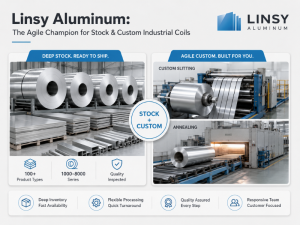
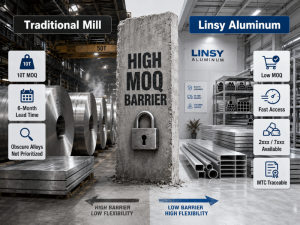
Společnost Linsy Aluminum je hliníková továrna se sídlem v Shenzhenu s více než 20 lety zkušeností v oboru, dodávající plechy, desky, tyče, trubky, dráty, svitky, profily a bloky v řadách 1000–8000. Její model kombinuje přímé dodávky z výroby, skladové zásoby a zakázkovou výrobu s nízkým minimálním množstvím objednávky, s dodacími lhůtami 10–60 dní. Každá objednávka je dodávána s certifikátem MTC, zprávy SGS jsou k dispozici na vyžádání a provoz je držitelem certifikací ISO 9001, ISO 14001 a ISO 45001. Vlastní CNC obrábění, svařování TIG a MIG, laserové řezání a povrchové úpravy (eloxování, leštění, válcovaný povrch, práškový nástřik RAL 9016, PVC fólie) podporují výrobu hotových dílů.
Kontaktujte společnost Linsy Aluminum ještě dnes a prodiskutujte své požadavky na hliník 1100 a vyžádejte si cenovou nabídku.
Často kladené otázky
Proč je slitina 1100 preferována pro použití v potravinářském průmyslu?
Odolnost slitiny 1100 proti korozi pomáhá předcházet kontaminaci a slitina je netoxická, což ji činí vhodnou pro předměty přicházející do styku s potravinami, jako je nádobí a obaly. Její tvářitelnost také podporuje tenké povrchy, které se snadno čistí.
Lze slitinu Alloy 1100 používat ve venkovním prostředí?
Ano. Její odolnost proti korozi a trvanlivost jsou vhodné pro venkovní použití a odolává běžným povětrnostním podmínkám, což ji činí spolehlivou pro venkovní součásti a lišty.
Jaká je vodivost slitiny 1100 ve srovnání s jinými slitinami?
Slitina 1100 má vysokou elektrickou a tepelnou vodivost. Její elektrická vodivost je 59–62 % IACS (přibližně 60 % mědi), zatímco její tepelná vodivost 218–225 W/m·K převyšuje mnoho jiných hliníkových slitin, což ji činí nákladově efektivní volbou pro efektivní přenos energie.
Jaké techniky svařování jsou vhodné pro slitinu 1100?
Slitina 1100 má vynikající svařitelnost a snadno se spojuje běžnými metodami, jako je TIG (GTAW) a MIG (GMAW). Její dobrá obrobitelnost a nízká pevnost činí svařování jednoduchým bez zvláštního předběžného ošetření.
Existují nějaká omezení při použití slitiny Alloy 1100 pro námořní aplikace?
Přestože slitina 1100 dobře odolává korozi, její nižší pevnost v tahu může omezit použití v konstrukčních námořních dílech vystavených vysokému namáhání. Pro větší nebo nosné námořní součásti je obvykle lepší pevnější třída, například 5052.