Önemli Noktalar
- 1100, mükemmel şekillendirilebilirlik, korozyon direnci ve yüksek termal iletkenliğe sahip ticari olarak saf bir alüminyum alaşımıdır.
- Üstün kaynaklanabilirlik sunar ancak daha yüksek mukavemet için ısıl işlem uygulanamaz.
- Yavaş sertleşme oranı, derin ve karmaşık şekillendirme gerektiren uygulamalar için uygundur.
- Yaygın kullanım alanları arasında kimya ve gıda işleme, ambalajlama ve dekoratif kaplamalar yer alır.
- Korozyon direnci, onu ısı eşanjörleri ve yansıtıcı yüzeyler için güçlü bir seçim haline getirir.

Giriş
Alüminyum Alaşım 1100 1100, şekillendirilebilirliği ve korozyon direnciyle değer verilen, yaygın olarak kullanılan ticari saf alüminyum kalitesidir. Bu kılavuz; bileşimini, mekanik ve fiziksel özelliklerini ve tipik uygulamalarını, malzeme seçimini destekleyecek pratik spesifikasyonlarla birlikte kapsar. Isı eşanjörlerinden derin çekilmiş parçalara kadar aşağıdaki bölümler, 1100'ü endüstriler arasında çok yönlü bir seçim yapan özellikleri açıklamaktadır.
1100 alüminyum nedir?
1100 alüminyum, mükemmel şekillendirilebilirlik ve korozyon direncine sahip ticari olarak saf bir alüminyum alaşımıdır. Kimya ve gıda işleme alanlarında ve sünekliliğin mukavemetten daha önemli olduğu uygulamalarda yaygın olarak kullanılır. Sünek ve kaynaklanabilir olduğundan ısı eşanjörlerinde, pişirme kaplarında ve reflektörlerde kullanılır.

Alaşım 1100'ün Element Bileşimi
Alaşım 1100, en az ,0 alüminyum içerir ve bu da ona saf alüminyumun karakteristik hafiflik ve korozyon direnci özelliğini kazandırır. Üretim sırasında eser miktarda demir ve silisyum bulunurken, küçük bir bakır içeriği mütevazı bir mukavemet avantajı sağlar.
Bu bileşim, kabul edilebilir düzeyde işlenebilen, iyi kaynaklanan ve korozyona dirençli bir alaşım ortaya çıkarır ve bu da onu endüstriyel sektörlerde yaygın bir tercih haline getirir.
1100 Alüminyum Alaşımının Temel Fiziksel ve Mekanik Özellikleri
| Mülkiyet | Değer | Ne anlama geliyor |
|---|---|---|
| Yoğunluk | 2,71 g/cm³ | Düşük ağırlık; taşıma ve nakliye kolaylığı sağlar. |
| Erime Noktası | ~643–657°C (1.190–1.215°F) | Normal işleme sıcaklıklarında katı halde kalır. |
| Çekme Dayanımı | ~90–120 MPa (tavlama durumunda) | Düşük mukavemet; yapısal yükler için uygun değildir. |
| Termal İletkenlik | 218–225 W/m·K | Eşanjörler ve kanatçıklar için verimli ısı dağılımı sağlar. |
| Elektriksel İletkenlik | –62 IACS | Baralar ve kablolama için iyi bir iletkendir. |
| Korozyon Direnci | Mükemmel | Dış mekan ve nemli ortamlar için uygundur. |
| Süneklik | Çok yüksek | Çatlama olmadan kolayca şekillenir ve derin çekim yapılabilir. |
1100, yapısal olmayan işler için faydalı fiziksel ve mekanik özellikleri birleştirir. Elektrik iletkenliği –62 IACS'ye ulaşır; bu, bakırın iletkenliğinin yaklaşık 'ıdır ve ağırlık ile maliyetin önemli olduğu elektrik uygulamaları için pratik bir seçim haline getirir.
Mekanik olarak 1100 yüksek mukavemetli bir alaşım değildir, ancak sünekliliği ve dövülebilirliği onu farklı kılar. Hem soğuk hem de sıcak koşullarda kolayca şekillenir ve bütünlüğünü kaybetmeden karmaşık şekillendirmeyi destekler.
Doğal korozyon direnci, parçaların zorlu veya nemli koşullarla karşı karşıya kaldığı durumlarda çekiciliğini artırır. Bu özellik kombinasyonu, 1100'ü geniş bir endüstriyel ve ticari kullanım yelpazesi için uygun kılar.
Alaşım 1100'ün Çeşitli Sektörlerdeki Uygulamaları
1100 hafif ve yumuşaktır; iyi şekillendirilebilirlik, korozyon direnci ile ısı ve elektrik iletkenliğine sahiptir. Aşağıdaki sektörlere hizmet verir:

- Elektrik Endüstrisi
- İçin kullanılır teller ve iletkenler iyi iletkenliği nedeniyle (–62 IACS). Bakırdan daha hafif ve daha ucuzdur, bu nedenle enerji hatlarında ve kablolarda yaygındır.
- Paketleme
- Uygundur folyo gıda ambalajları ve kapakları gibi. Kolayca şekillenir, korozyona direnç gösterir ve ağırlık eklemeden sıkıca kapanır.
- İnşaat
- İçinde kullanılır dekoratif kaplama, yanıp sönüyorve ışık panelleri. Hava koşullarına iyi dayanır ve bina ihtiyaçlarına göre çok az çabayla şekillendirilir.
- Isı Transferi
- Şu alanlarda bulunur: ısı eşanjörleri ve radyatör kanatçıkları ısıyı hızlı ilettiği için (218–225 W/m·K). Araçlarda ve klimalarda soğutma sistemleri için standart bir seçimdir.
Alaşım 1100'ün Diğer Alüminyum Alaşımları ile Karşılaştırılması
1100'ün diğer kalitelerle karşılaştırılmasını anlamak, doğru malzemeyi seçmenize yardımcı olur. Aşağıdaki karşılaştırmalar, 1100'ün üstün olduğu alanları ve başka bir alaşımın daha uygun olabileceği durumları vurgular.
1100 vs. 1050 Alüminyum Alaşım

| Özellik | 1100 Alüminyum Alaşım | 1050 Alüminyum Alaşım |
|---|---|---|
| Ana Makyaj | Alüminyum + küçük bakır | 99,5% Alüminyum (daha saf) |
| Güç | ~90–120 MPa | ~75–110 MPa |
| Korozyon Direnci | Mükemmel | Mükemmel |
| Elektriksel İletkenlik | –62 IACS | –63 IACS |
| İşlenebilirlik | Bükülmesi ve şekillendirilmesi kolay | Bükülmesi ve şekillendirilmesi kolay |
| Tipik Kullanım | Tel, folyo, hafif parçalar | Pişirme tavaları, reflektörler |
1100 ve 1050 Alüminyum her ikisi de mükemmel şekillendirilebilirliğe sahip safa yakın alüminyum kaliteleridir. 1100, biraz daha yüksek mukavemet sağlayan (–120 MPa'ya karşı –110 MPa) küçük bir bakır içeriği taşırken, 1050 daha saftır (,5) ve marjinal olarak daha iletkendir (–63 IACS'ye karşı –62 IACS). Her ikisi de korozyona iyi direnç gösterir. Biraz daha fazla mukavemetin yardımcı olduğu tel veya folyo için 1100'ü seçin; saflık ve iletkenliğin önemli olduğu tencere ve reflektörler için 1050'yi seçin.
1100 vs. 3003 Alüminyum Alaşım

| Özellik | 1100 Alüminyum Alaşım | 3003 Alüminyum Alaşım |
|---|---|---|
| Ana Makyaj | Alüminyum + küçük bakır | Al + 1% Manganez |
| Güç | ~90–120 MPa | ~110–145 MPa |
| Korozyon Direnci | Mükemmel | Çok iyi |
| Elektriksel İletkenlik | –62 IACS | –50 IACS |
| İşlenebilirlik | Bükülmesi kolay, çok şekillendirilebilir | Bükülmesi kolay, biraz daha sert |
| Tipik Kullanım | Tel, folyo, hafif parçalar | Tencere, tanklar, dış cephe kaplaması |
1100 ve 3003 Alüminyum her ikisi de hafif ve korozyona dayanıklıdır. 1100, manganez içeren 3003'ten daha saftır () ve daha yumuşaktır; mukavemeti daha düşüktür (–120 MPa'ya karşı 0–145 MPa). 1100 daha iyi iletir (–62'ye karşı –50 IACS) ve daha kolay şekillenir. Tel ve folyo gibi iletken, esnek parçalar için 1100 kullanın; daha fazla mukavemet gereken tencere, tank ve kaplama için 3003 kullanın.
1100 vs. 5052 Alüminyum Alaşım

| Özellik | 1100 Alüminyum Alaşım | 5052 Alüminyum Alaşım |
|---|---|---|
| Ana Makyaj | Alüminyum + küçük bakır | Al + 2,5% Magnezyum |
| Güç | ~90–120 MPa | ~190–260 MPa |
| Korozyon Direnci | Mükemmel | Mükemmel (tuzlu suda iyi) |
| Elektriksel İletkenlik | –62 IACS | –35 IACS |
| İşlenebilirlik | Bükülmesi ve şekillendirilmesi çok kolay | İyi, ancak 1100'den daha sert |
| Tipik Kullanım | Tel, folyo, hafif parçalar | Tekne gövdeleri, paneller, daha güçlü parçalar |
1100 ve 5052 Alüminyum farklı ihtiyaçlara hizmet eder. 1100 yumuşak ve hafiftir (–120 MPa), yüksek şekillendirilebilirliğe ve iyi iletkenliğe (–62 IACS) sahiptir. Magnezyum içeren 5052 çok daha güçlüdür (0–260 MPa) ve tuzlu suda iyi performans gösterir, bu nedenle denizcilik ve panel işlerinde yaygındır. 1100 daha kolay bükülür; 5052 daha sert ancak daha dayanıklıdır. Hafif, esnek, elektrikli parçalar için 1100'ü seçin; daha güçlü, ağır hizmet bileşenleri için 5052'yi seçin.
1100 Alüminyum Alaşım Ne Zaman Seçilir: Hızlı Kontrol Listesi
| Faktör | Neden Önemli? | Şu Durumlarda 1100'ü Seçin… |
|---|---|---|
| Güç İhtiyaçları | Düşük mukavemet, yük taşıma kullanımını sınırlar. | Yalnızca hafif mukavemete ihtiyacınız varsa (~90–120 MPa). |
| İşlenebilirlik | Mükemmel soğuk şekillendirilebilirlik. | Karmaşık şekiller oluşturmak istiyorsanız. |
| Korozyon Direnci | Nemli veya dış mekan kullanımında iyi performans gösterir. | Parça hava koşullarına veya neme maruz kalıyorsa. |
| Elektriksel İletkenlik | İyi akım taşıma kapasitesi. | Tel veya iletkenlere ihtiyacınız varsa (–62 IACS). |
| Isı Transferi | Verimli termal iletim. | Isı emiciler veya radyatörler gerekiyorsa. |
| Maliyet | Daha güçlü alaşımlardan daha düşük maliyet. | Malzeme maliyetini kontrol etmek istiyorsanız. |
| Ağırlık | Düşük yoğunluk, 2,71 g/cm³. | Düşük ağırlık öncelikliyse. |
Heads-Up: Projeniz yapısal veya ağır hizmet parçaları gibi yüksek mukavemet veya tokluk gerektiriyorsa, 1100'ü atlayın ve bunun yerine 5052 veya 6061 gibi alaşımları değerlendirin.
Sonuç
Alaşım 1100, şekillendirme, korozyon direnci ve iletkenlik için mükemmel bir seçimdir; ancak düşük mukavemeti (yaklaşık 90–120 MPa), yük taşıma performansının önemli olduğu durumlarda 5052 veya 6061 gibi yapısal alaşımların yerini alamayacağı anlamına gelir. 1100'ü belirli formlarda, temperlerde ve hacimlerde satın alması gereken alıcılar için Linsy Aluminum pratik bir tedarikçidir.
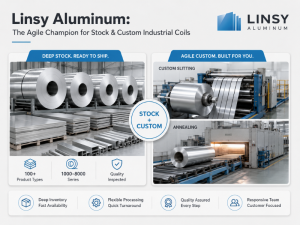
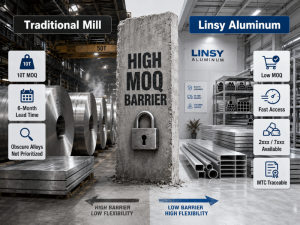
Linsy Aluminum, Shenzhen merkezli, 20 yılı aşkın sektör deneyimine sahip, 1000–8000 serilerinde plaka, sac, çubuk, boru, tel, bobin, profil ve blok tedarik eden bir alüminyum fabrikasıdır. Modeli; fabrika doğrudan tedariki, hazır stok ve düşük minimum sipariş adetli özel üretimi birleştirir; teslim süreleri 10–60 gündür. Her sipariş MTC ile sevk edilir, talep üzerine SGS test raporları sunulur ve operasyonlar ISO 9001, ISO 14001 ve ISO 45001 sertifikalarına sahiptir. Fabrika içi CNC işleme, TIG ve MIG kaynak, lazer kesim ve yüzey finisajı (anodizasyon, parlatma, haddelenmiş yüzey, RAL 9016 toz boya, PVC film) bitmiş parçaları destekler.
1100 alüminyum gereksinimlerinizi görüşmek ve fiyat teklifi almak için bugün Linsy Aluminum ile iletişime geçin.
Sıkça Sorulan Sorular
Alaşım 1100 gıda endüstrisi uygulamaları için neden tercih edilir?
1100’ün korozyon direnci kontaminasyonu önlemeye yardımcı olur ve alaşım toksik değildir; bu da onu pişirme kapları ve ambalaj gibi gıda temaslı ürünler için uygun kılar. Şekillendirilebilirliği ayrıca ince, temizlenmesi kolay yüzeyleri destekler.
Alloy 1100 dış ortamlarda kullanılabilir mi?
Evet. Korozyon direnci ve dayanıklılığı dış mekan kullanımına uygundur ve normal hava koşullarına dayanır; bu da onu dış bileşenler ve kaplamalar için güvenilir kılar.
Alaşım 1100'ün iletkenliği diğer alaşımlara kıyasla nasıldır?
1100, yüksek elektrik ve termal iletkenliğe sahiptir. Elektrik iletkenliği –61 IACS (bakırın yaklaşık 'ı) iken, termal iletkenliği 218–225 W/m·K değeri birçok diğer alüminyum alaşımını aşar ve bu da onu verimli enerji transferi için uygun maliyetli bir seçenek haline getirir.
Alaşım 1100 için uygun kaynak teknikleri nelerdir?
1100, mükemmel kaynaklanabilirliğe sahiptir ve TIG (GTAW) ile MIG (GMAW) gibi geleneksel yöntemlerle kolayca birleştirilir. İyi işlenebilirliği ve düşük mukavemeti, özel bir ön işlem gerektirmeden kaynağı basit hale getirir.
Denizcilik uygulamaları için Alloy 1100 kullanımında herhangi bir sınırlama var mı?
1100 korozyona karşı iyi direnç gösterse de, düşük çekme mukavemeti, yüksek gerilime maruz kalan yapısal denizcilik parçalarında kullanımını sınırlayabilir. Daha büyük veya yük taşıyan denizcilik bileşenleri için 5052 gibi daha güçlü bir kalite genellikle daha iyidir.