

5082 aluminum wire is a niche 5xxx grade used in two specific places rather than as a general-purpose wire: deep-drawn stock for bottle caps and closures, and special-specification woven mesh. If a drawing names it there is usually a forming or surface reason — ask what it is before substituting.
Diameter: 0.8–12 mm, ±0.05 mm
Tempers: O / H18 / H38
Coil: custom
Standard: ASTM B211
Quality documents: MTC with every order
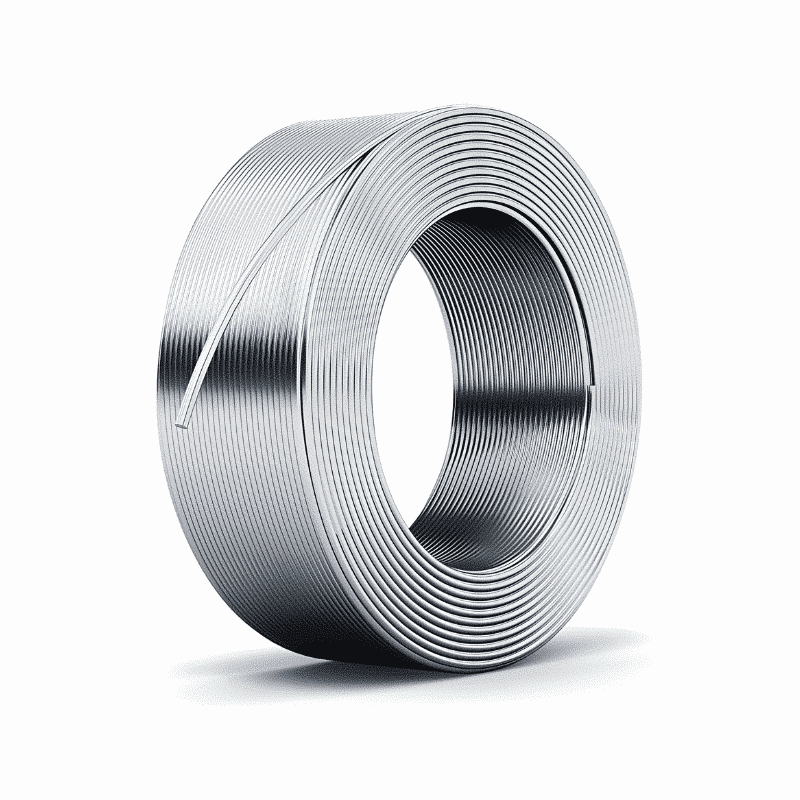
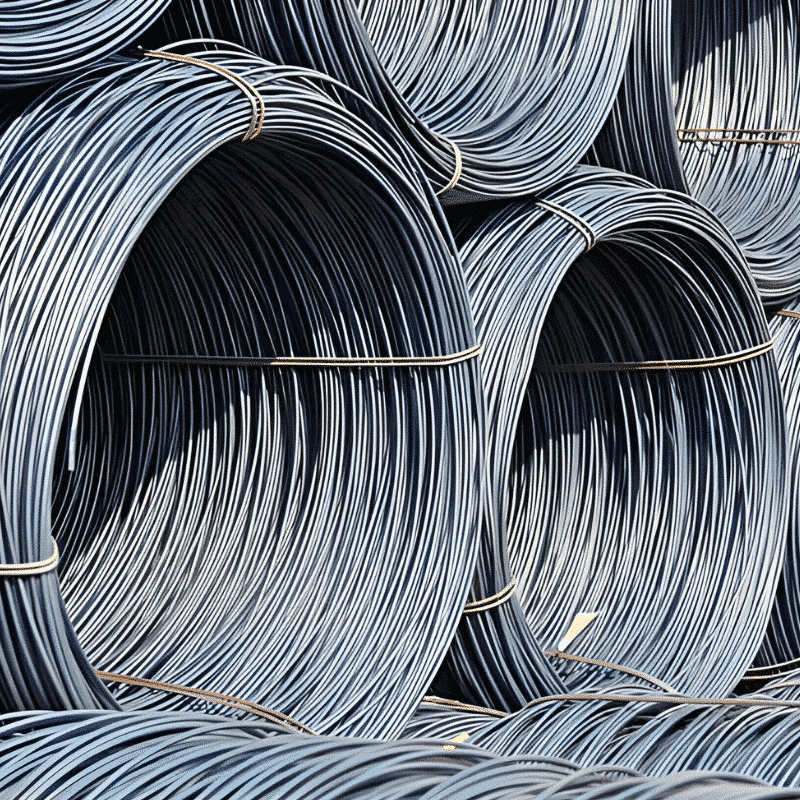
5082 aluminum wire is a niche Al-Mg wire in the 5xxx family, supplied in the hard tempers and used in two specific places rather than as a general-purpose grade: deep-drawn stock for bottle caps and closures, and special-specification woven mesh. It is not a grade you specify by default — if a drawing names it, there is usually a forming or surface reason behind it, and the honest approach is to ask what that reason is rather than to substitute a nearby alloy. Alloy data: 5082 aluminum alloy.
| Item | Range |
|---|---|
| Diameter | 0.8 – 12 mm |
| Tolerance | ±0.05 mm, tighter available on request |
| Coil weight | Custom, to your payoff |
| Tempers | O / H18 / H38 |
| Standard | ASTM B211 (bar, rod and wire) |
On closure stock the tolerance is functional: the blank volume sets the cap dimensions, so a diameter drift shows up as a gauge variation rather than a visible defect. On mesh stock the tolerance sets the opening.
| Temper | Tensile (MPa) | Condition | Typical use |
|---|---|---|---|
| O | ~170–215 | Annealed | Deep drawing, severe forming |
| H18 | ~270–310 | Full hard | Stiffer mesh and formed parts |
| H38 | ~290–330 | Full hard, stabilised | Where a stable hard temper is needed in service |
Typical values; confirm against the MTC. Density 2.67 g/cm³. As a non-heat-treatable alloy, the temper is the strength — and on a deep-drawing job the O condition is what makes the process possible at all.
O for deep drawing — that is the closure application, where the wire or strip has to flow into a cap shape without tearing. H18 and H38 for mesh and formed parts that need stiffness; H38 is stabilised, so it holds its properties better in warm service.
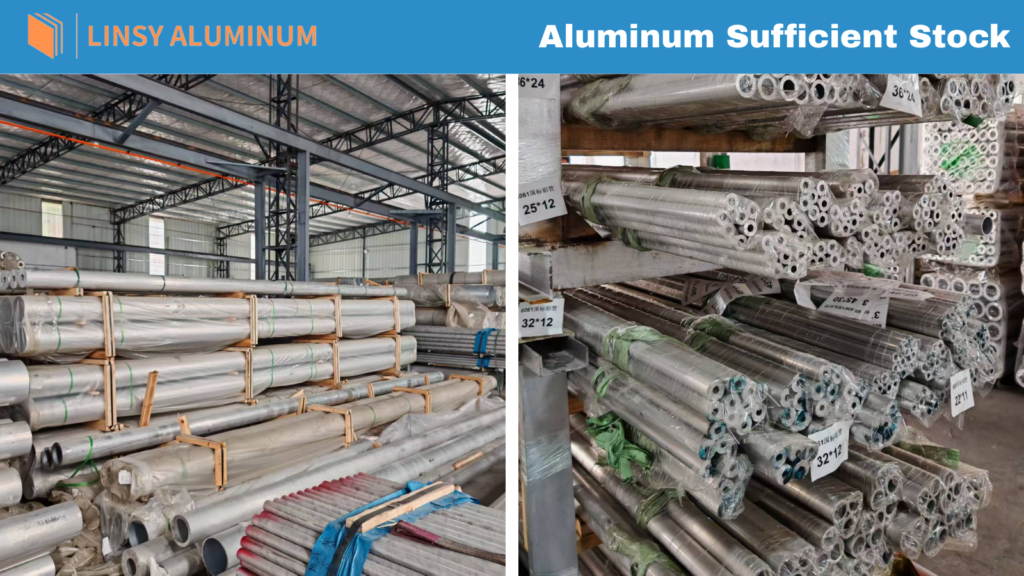
Because this is a low-volume grade, temper availability by diameter should be confirmed at enquiry rather than assumed from the table.
| Alloy / temper | Tensile (MPa) | Formability | Where it fits |
|---|---|---|---|
| 5082-O / H18 | 170 – 330 | Very good in O | Closure stock, special mesh |
| 5052-H32 | 214 – 262 | Very good | General welded structures, mesh, binding |
| 3003-H14 | 140 – 180 | Excellent | High-volume mesh and forming, lower cost |
If a drawing does not specifically name 5082, 5052 or 3003 will usually do the job and are easier to source. Ask why 5082 was chosen — if the answer is forming or surface, it is the right grade; if the answer is “that is what we always used”, it is worth costing the alternative.
This is a low-volume grade. If the enquiry is a one-off, we will tell you honestly whether the quantity justifies a run or whether a nearby alloy is the practical route.
Deep drawing: good in O, which is the closure route. Draw quality depends on surface, lubricant and grain, so the process conditions belong in the enquiry.
Weaving: H18/H38 for panels that must hold shape; O where the crimp is tight.
Joining: welds and brazes in the 5xxx manner — 5356 filler for welding. Both soften the joint with no heat treatment to recover it.
On closure stock, the specification detail that gets missed is the surface: the cap is coated and printed, so a wire with roll marks or residual lubricant produces cosmetic rejects that have nothing to do with the alloy. If the part is visible after coating, say so and we will quote a cleaned surface rather than the standard draw.
On the mesh side of this grade the requirement is usually stiffness at a given weight: H18 lets a panel hold its shape with less wire than an O-temper equivalent, which is why the hard tempers exist in this family at all.
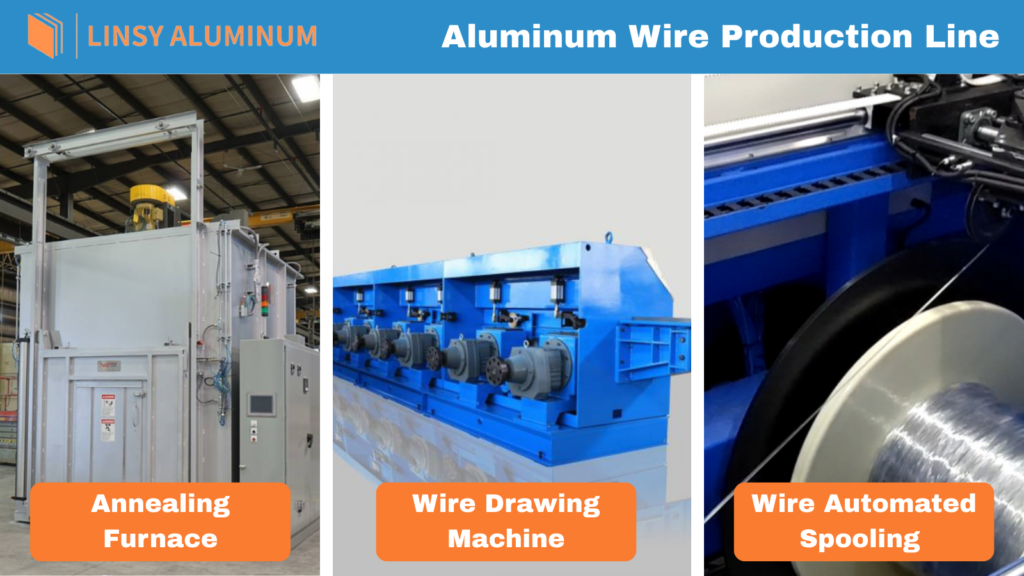
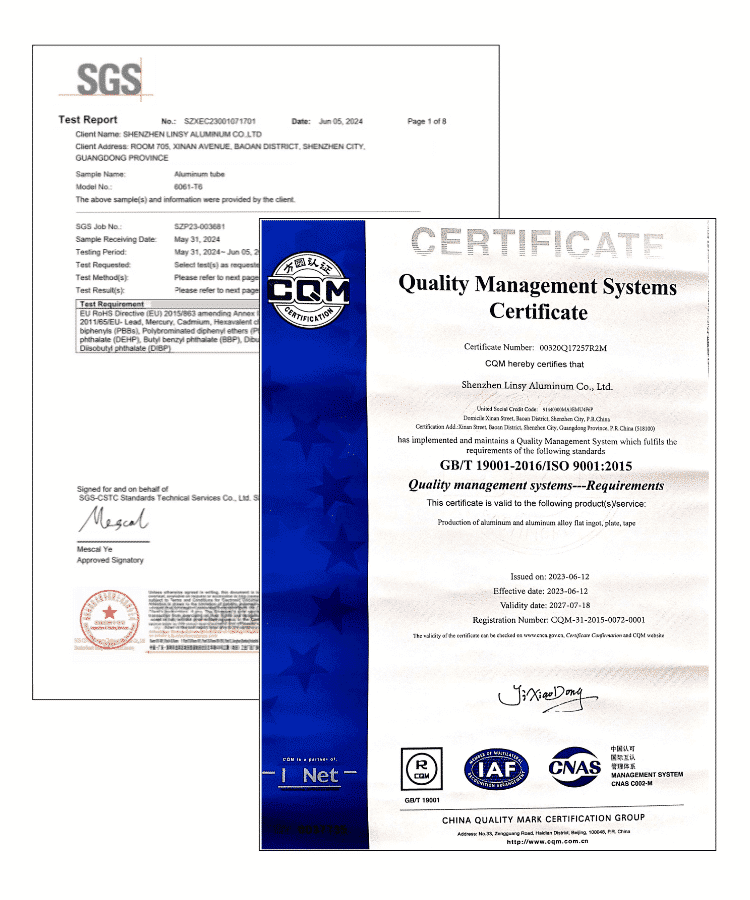
Every order ships with an MTC reporting alloy, temper, diameter and mechanical results. Because this is a niche grade, state the end use as well as the specification — it lets us confirm the temper is producible at your diameter before quoting. Third-party testing on request; production under ISO 9001, ISO 14001 and ISO 45001 certified systems.
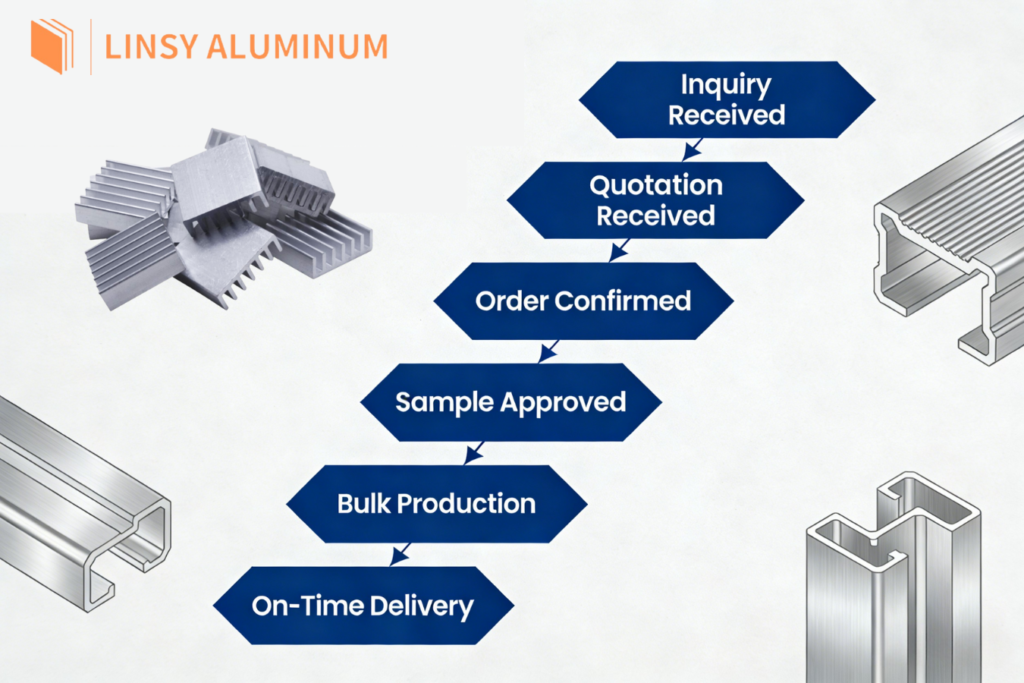
To quote in one round, send: diameter and tolerance, temper, coil weight and payoff type, the end use (closure / mesh), and the destination.
Shenzhen-based aluminum factory, more than 20 years in the industry, supplying 1000–8000 series alloys in standard specifications and custom sizes.
Q: What is 5082 wire used for?
A: Deep-drawn closure stock for bottle caps, and special-specification woven mesh. It is a niche grade rather than a general-purpose wire.
Q: Can I substitute 5052 or 3003?
A: Often yes — and they are easier to source. Ask why 5082 was specified: if it is forming or surface, keep it; if it is habit, cost the alternative.
Q: Which temper for drawing?
A: O. Deep drawing needs the annealed condition; H18 and H38 are for mesh and formed parts that need stiffness.
Q: Is there a minimum quantity?
A: It is a low-volume grade, so tell us the quantity and the end use and we will say whether a run is practical rather than quoting something we cannot make.
Q: What sizes do you supply?
A: 0.8–12 mm diameter at ±0.05 mm, tighter on request.
Linsy Advantages
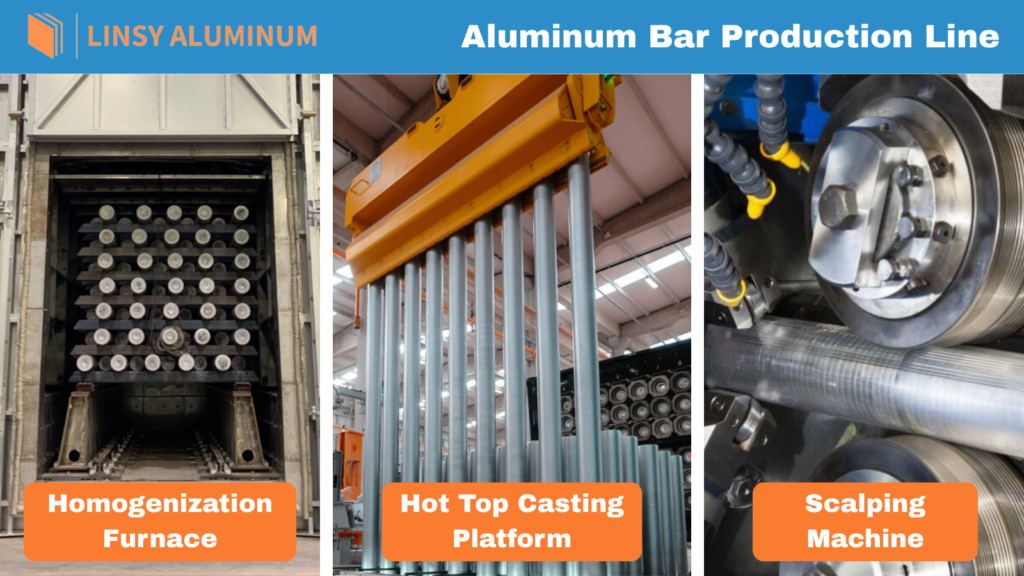
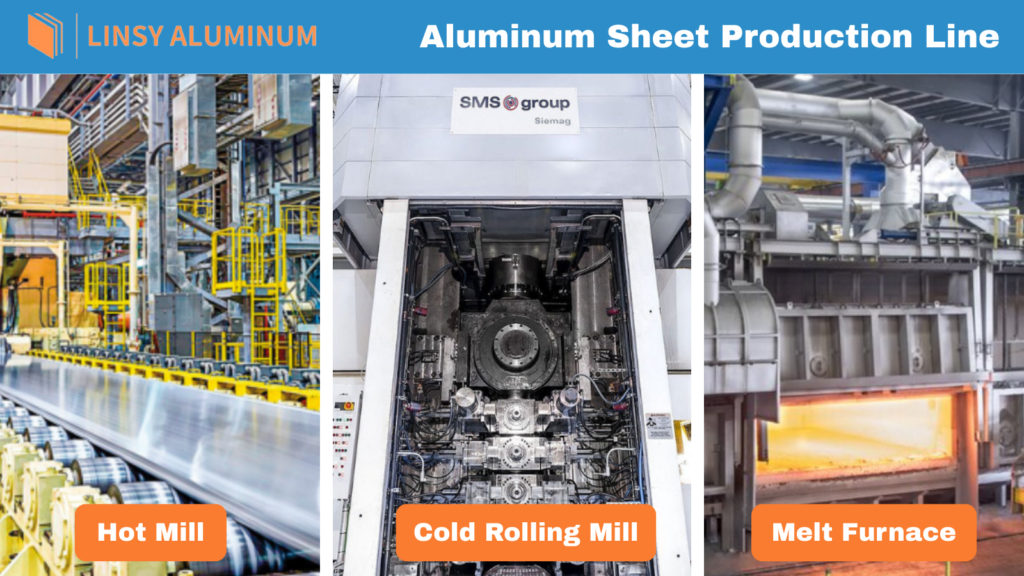
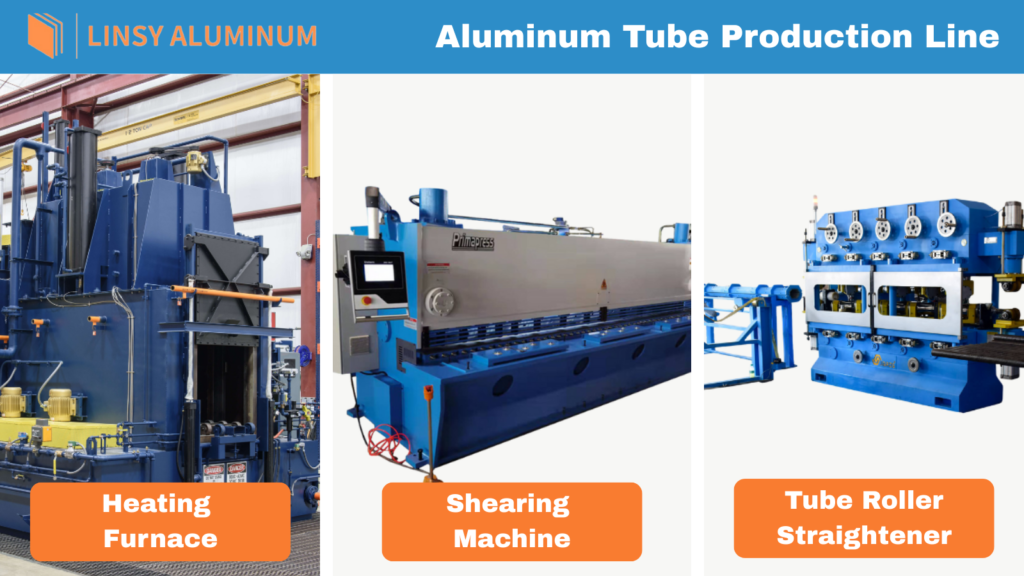
Linsy Aluminum is a leading supplier of aluminum processing products, serving diverse industries including aerospace, general engineering, automotive, marine, shipbuilding and other specialized industrial applications.
We are committed to maintaining the highest standards of quality and environmental responsibility, as demonstrated by our certifications: ISO 9001:2008, ISO 14001:2004 and SGS.