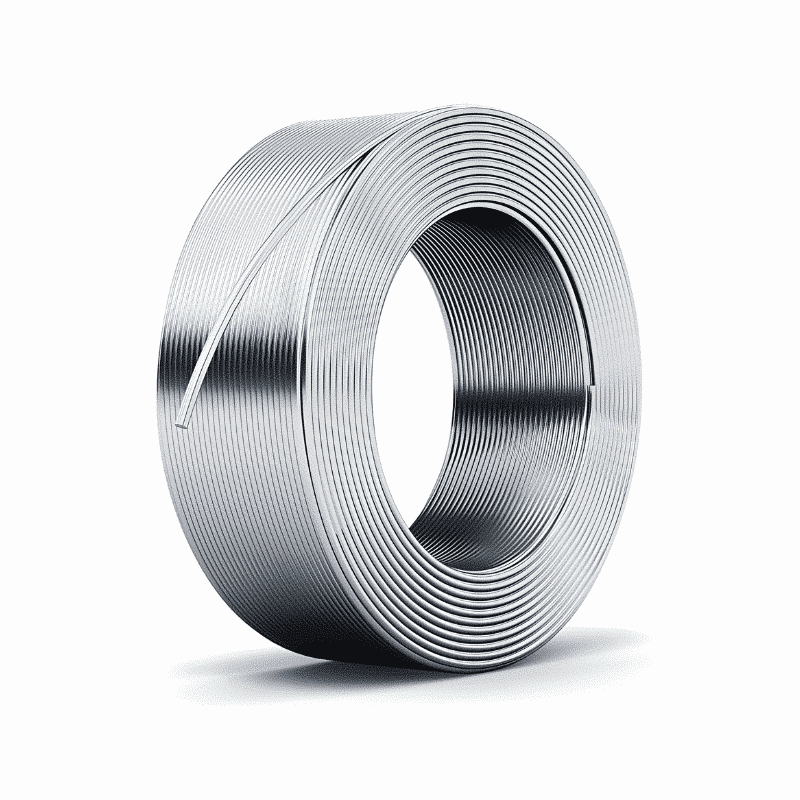
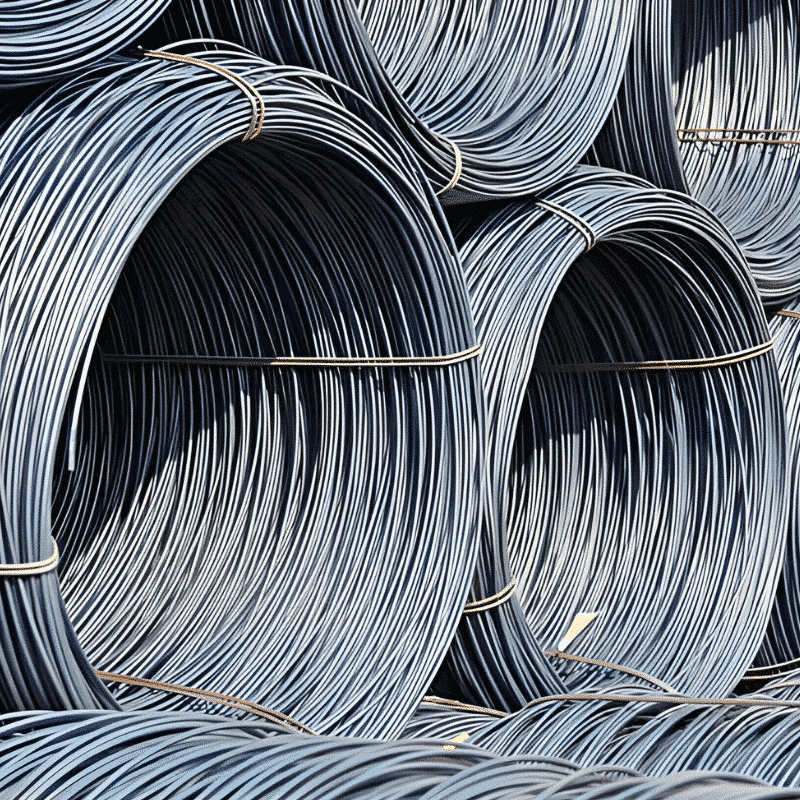


3003 aluminum wire is the 3xxx general-purpose rust-resistant wire: cheap, extremely formable, used in volume wherever the part bends or stretches rather than carrying load. Woven mesh, chemical-equipment binding, drawn parts, ordinary rivets, decorative hardware.
Diameter: 0.8–12 mm, ±0.05 mm
Tempers: O / H14 / H22 / H24
Coil: to your payoff
Standard: ASTM B211
Quality documents: MTC with every order
3003 aluminum wire is the 3xxx general-purpose rust-resistant wire: Al-Mn, cheap, extremely formable, and used in volume wherever the part has to bend or stretch rather than carry load. Woven mesh, binding for chemical equipment, drawn and formed parts, ordinary rivets, decorative hardware — it is the high-volume low-cost end of the wire market, and its strength is its plasticity rather than its tensile figure. Alloy data: 3003 aluminum alloy.
| Item | Range |
|---|---|
| Diameter | 0.8 – 12 mm |
| Tolerance | ±0.05 mm standard, tighter on request |
| Coil weight | Custom, state what your payoff accepts |
| Tempers | O / H14 / H22 / H24 |
| Standard | ASTM B211 (bar, rod and wire) |
For mesh and weaving work the tolerance and surface are what decide success: a diameter drift changes the mesh opening, and a rough surface marks the dies. State both if the wire goes on a weaving machine.
| Temper | Tensile (MPa) | Yield (MPa) | Elongation | Typical use |
|---|---|---|---|---|
| O | 95 – 130 | ≥ 35 | ≥ 25% | Deep forming, weaving, severe bending |
| H14 | 140 – 180 | ≥ 115 | ≥ 5% | Mesh, binding, general forming — the stock temper |
| H24 | ≥ 185 | ≥ 165 | ≥ 3% | Stiffer mesh and formed parts |
Typical values; confirm against the MTC. Density 2.73 g/cm³, elastic modulus 69 GPa. Because 3003 cannot be heat treated, the temper is the whole story of its strength — and O is where its reputation for formability comes from, with elongation above 25%.
H14 is the volume temper: mesh, binding, general forming, ordinary rivets. It gives enough stiffness that a woven panel holds its shape while still bending without cracking. H24 is stiffer — for mesh that has to stay flat and parts that will not be formed again.
O is for the hardest forming: deep drawing, tight weaving, wire that has to be bent repeatedly. If the customer complains that H14 mesh cracks at the crimp, the answer is usually O rather than a different alloy.
| Alloy / temper | Tensile (MPa) | Formability | Where it fits |
|---|---|---|---|
| 3003-H14 / H24 | 140 – 185 | Excellent | Woven mesh, binding, formed parts, ordinary rivets, hardware |
| 5052-H32 | 214 – 262 | Very good | General wire, welded structures, marine mesh |
| 5056-H14 / H32 | 345 – 380 | Good heading | Rivet wire, zip wire, braid |
3003 is the cheapest and most formable of the three and the weakest. Choose it when the part is formed or woven and the load is light — which covers most of the volume. Step up to 5052 when there is corrosion, welding or real load, and to 5056 when the part is headed and has to hold strength.
Forming: excellent in O, good in H14. Bending, twisting and roll forming all work; 3003 work-hardens as it forms, so a multi-stage bend sequence may need an inter-stage anneal.
Weaving and crimping: the practical constraint is the crimp radius versus the temper. H14 will crimp on a generous radius; tighter work needs O.
Joining: welds well with 4043 or 1100 filler and brazes better than it welds — the manganese content keeps it a standard brazing alloy. Both soften the joint with no heat treatment to recover it.
Two practical notes on 3003 that come up on most enquiries. First, it brazes better than it welds: a furnace braze runs below the melting point of the parent metal, so the wire and the joint keep more of their temper than a fusion weld allows — which is why 3003 appears in brazed mesh and heat-exchanger assemblies. Second, thread or crimp strength follows the temper, and on H14 an aggressive crimp will eventually show as a cracked wire at the joint rather than as a failed panel.
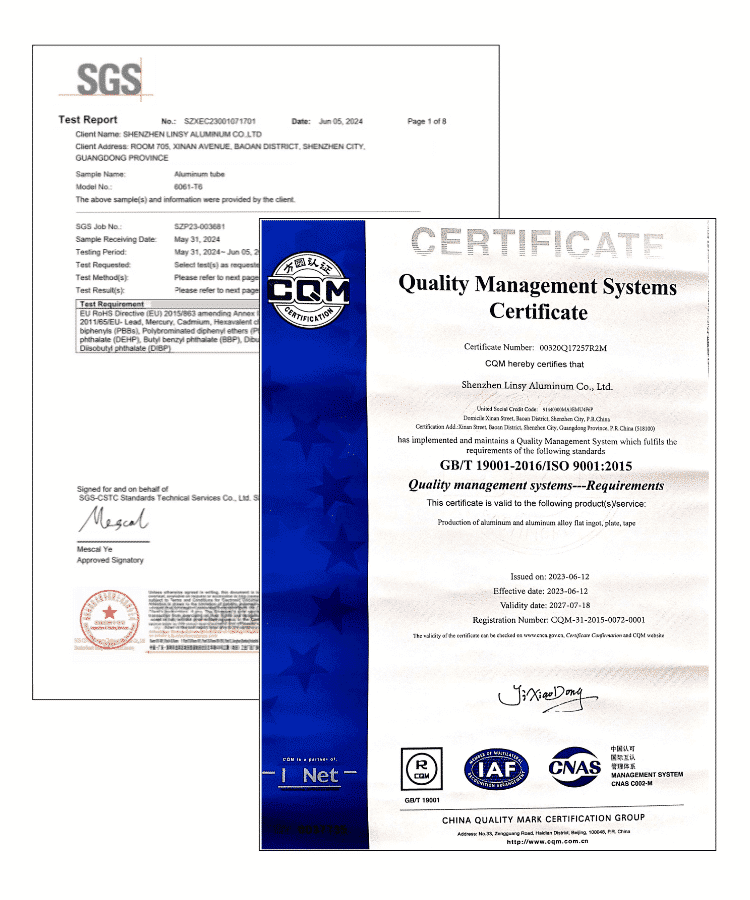
Bright drawn with lubricant removed; state if the wire is for anodizing or food-adjacent use. Every order ships with an MTC reporting alloy, temper, diameter and mechanical results; third-party testing on request; production under ISO 9001, ISO 14001 and ISO 45001 certified systems.
To quote in one round, send: diameter and tolerance, temper (H14 general, O for tight forming), coil weight and payoff type, the application (mesh / binding / rivet), and the destination.
Shenzhen-based aluminum factory, more than 20 years in the industry, supplying 1000–8000 series alloys in standard specifications and custom sizes.
Q: What is 3003 wire used for?
A: Woven mesh, chemical-equipment binding, drawn and formed parts, ordinary rivets and decorative hardware — the high-volume low-cost forming wire.
Q: H14 or O for mesh?
A: H14 for standard mesh that has to hold its shape; O where the crimp is tight and H14 cracks. If a customer reports cracking at the crimp, change the temper before changing the alloy.
Q: Can 3003 wire be heat treated?
A: No. Strength comes from strain hardening, and welding or brazing softens the joint with no way to recover it.
Q: Does it anodize evenly?
A: It anodizes well but slightly warmer than 6xxx because of the manganese — relevant if the part must colour-match a 6063 assembly.
Q: What sizes and coils do you supply?
A: 0.8–12 mm diameter at ±0.05 mm, coils to your weight and payoff type.
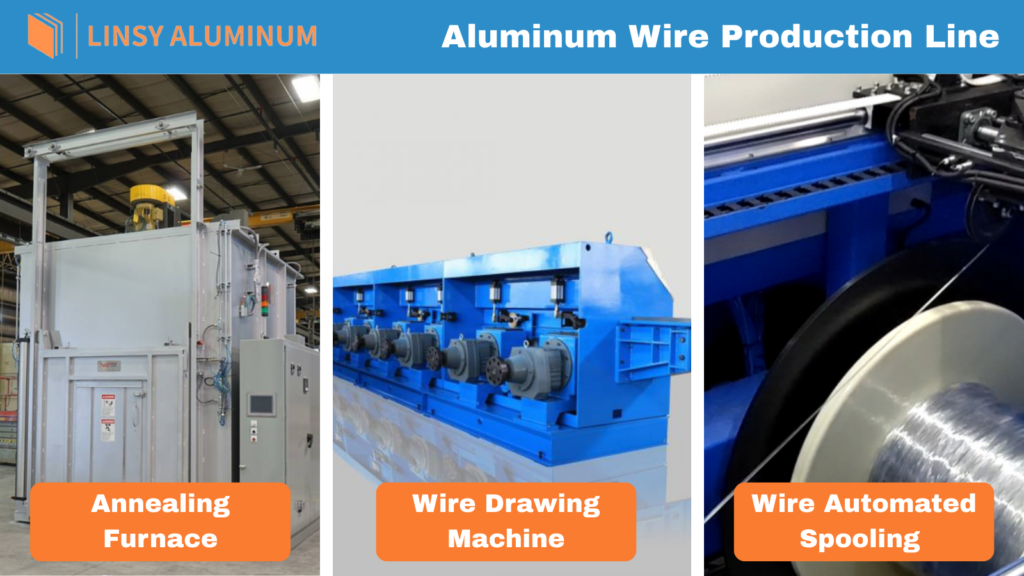
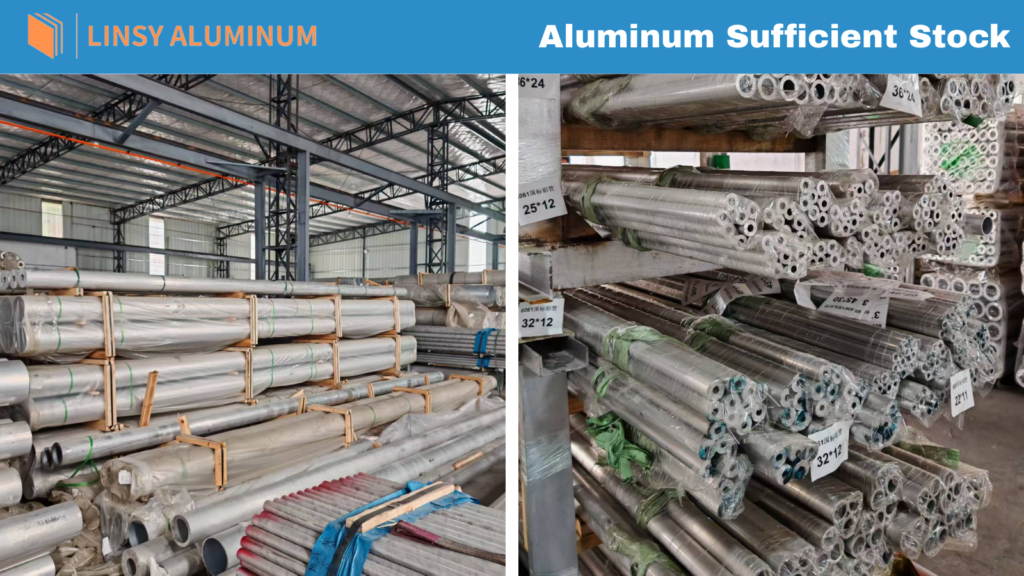
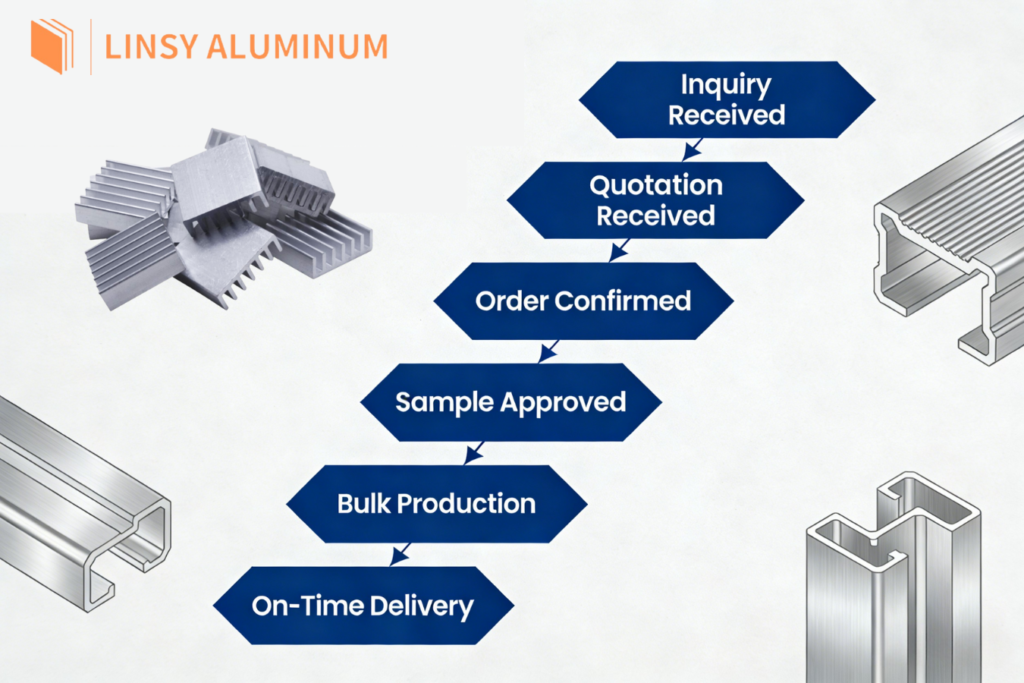
Linsy Advantages
Linsy Aluminum is a leading supplier of aluminum processing products, serving diverse industries including aerospace, general engineering, automotive, marine, shipbuilding and other specialized industrial applications.
We are committed to maintaining the highest standards of quality and environmental responsibility, as demonstrated by our certifications: ISO 9001:2008, ISO 14001:2004 and SGS.