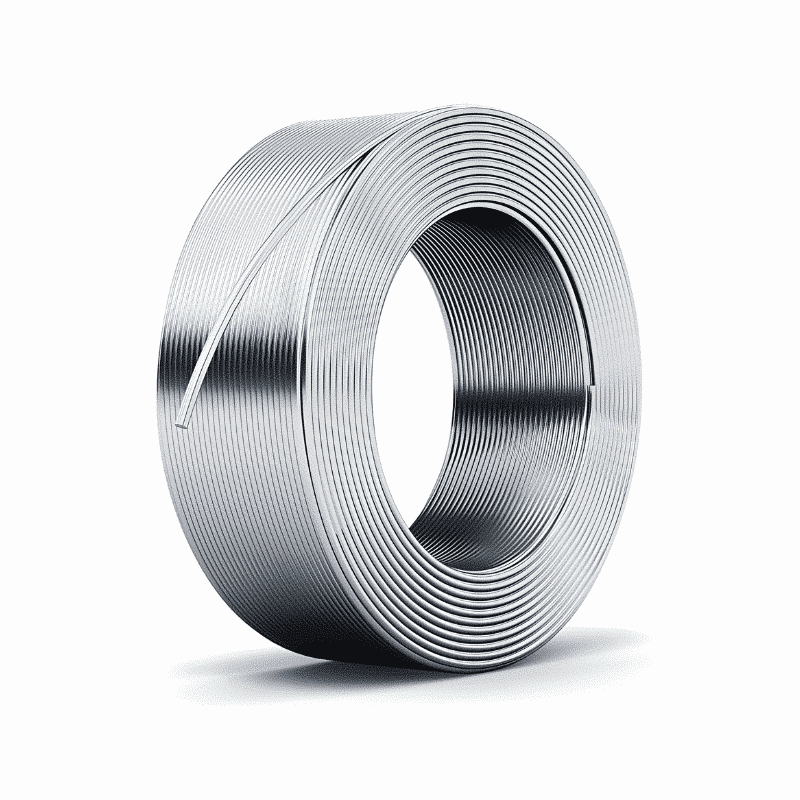
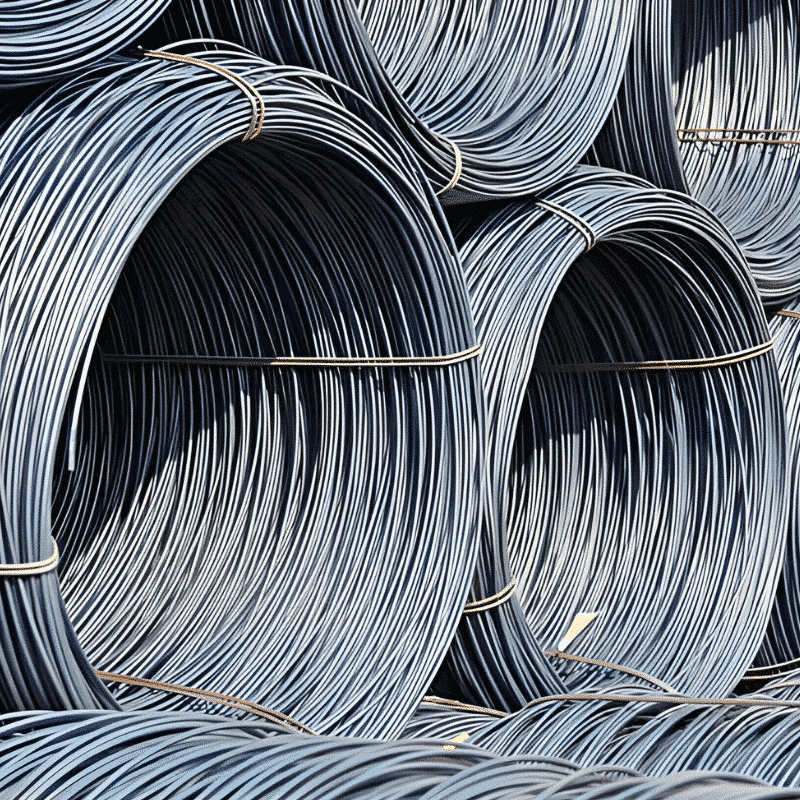


5052 aluminum wire is the most general of the 5xxx Al-Mg wires: medium strength, excellent formability, good corrosion resistance, available in the H3x tempers that suit both forming and welded structures. It covers civil and industrial work without being the specialist choice for any one of them.
Diameter: 0.8–12 mm
Tempers: O / H32 / H34
Coil: to your payoff
Standards: ASTM B211
Quality documents: MTC with every order
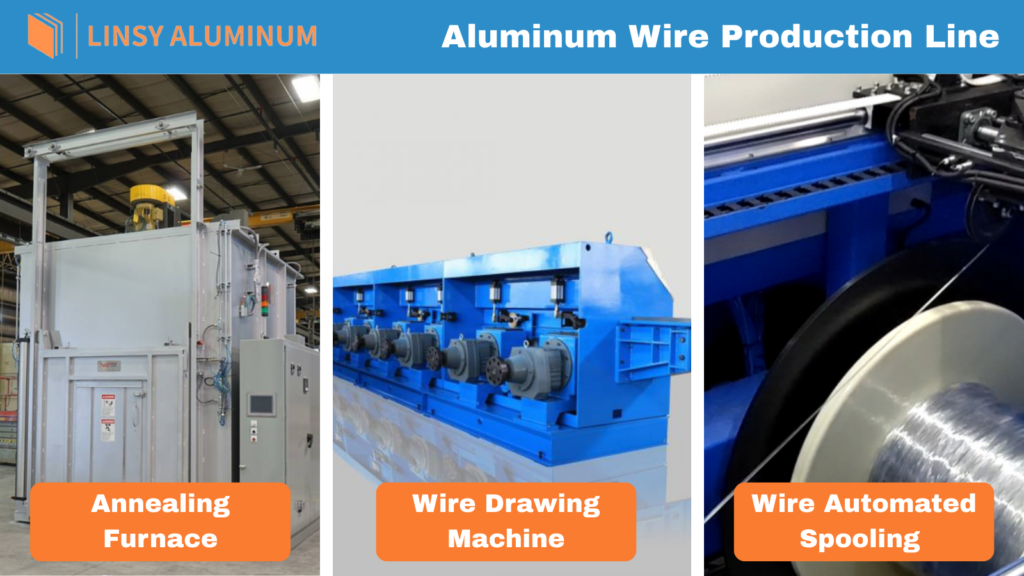
5052 aluminum wire is the most general of the 5xxx Al-Mg wires: medium strength, excellent formability, good corrosion resistance, and available in the H3x tempers that suit both forming and welded structures. It is the grade that covers civil and industrial work across the board — welded structures, protective mesh, marine binding, chemical equipment forming — without being the specialist choice for any one of them. Alloy data: 5052 aluminum alloy.
| Item | Range |
|---|---|
| Diameter | 0.8 – 12 mm |
| Tolerance | ±0.05 mm standard, tighter quoted on request |
| Coil weight | Custom; state what your payoff accepts |
| Tempers | O / H32 / H34 |
| Standards | ASTM B211 (bar, rod and wire) |
For mesh and weaving the diameter sets the opening and the surface sets die life, so state both when ordering. For welding wire and ring stock the diameter control matters more than the tolerance class on paper.
| Temper | Tensile (MPa) | Yield (MPa) | Elongation | Typical use |
|---|---|---|---|---|
| O | 172 – 214 | ≥ 66 | 18 – 20% | Severe forming and weaving |
| H32 | 214 – 262 | ≥ 159 | 5 – 9% | Mesh, binding, general forming — the workhorse |
| H34 | 234 – 283 | ≥ 179 | 4 – 7% | Stiffer mesh and formed parts |
Typical values; confirm against the MTC. Density 2.68 g/cm³, elastic modulus 70 GPa. Non-heat-treatable: strength comes from strain hardening, and welding softens the joint permanently — welded structures are designed on the annealed joint strength.
H32 is the volume temper: mesh, binding, general forming, welded structures. H34 is stiffer for mesh that has to stay flat. O is for tight crimping and severe forming — and if a customer reports cracking at a crimp, going to O is the fix.
One point specific to welded work: buying H32 and then welding the whole assembly often gains nothing, because the weld and heat-affected zone return near O condition. Design the joint on the annealed strength and the temper choice becomes about the unwelded portions.
| Alloy / temper | Tensile (MPa) | Corrosion | Where it fits |
|---|---|---|---|
| 5052-H32 | 214 – 262 | Good, incl. marine | Welded structures, protective mesh, marine binding, chemical forming |
| 5083-H116 / H321 | 305 | Best | Marine, offshore, tanks — higher strength in the same environment |
| 3003-H14 | 140 – 180 | Good, cheaper | High-volume mesh and forming where load is light |
5052 is the middle answer and the one that fits most jobs. Step up to 5083 when the same job needs more strength in salt water, and down to 3003 when the load is light and cost decides.
Tell us which of these you are running; the temper and surface follow from it rather than from the grade name.
Forming: excellent in O, good in H32. Bending, crimping and roll forming all work; keep the bend line across the rolling direction where possible.
Welding: very good with 5356 filler, or 4043 where fluidity matters more than colour. The weld zone returns near O condition.
Surface: bright drawn; 5052 anodizes bright and white, which suits visible marine and decorative work.
Filler choice decides how the finished assembly looks. 5356 gives the highest weld strength and holds colour through anodizing; 4043 is more fluid and tolerates poor fit-up, but it anodizes to a dark grey line that no amount of polishing removes. On a welded structure that will be anodized, that single choice matters more than the temper. On a structure that will be painted, it does not matter at all.
Mesh tension behaves the same way: 5052-H32 holds tension well because it is already strain hardened, whereas O-temper mesh keeps stretching for days after installation. If a customer complains that woven panels sag, the temper is usually the reason — and the fix is H32, not a heavier wire.
Coil handling is the quiet cause of most wire complaints: a coil that has been walked, dropped or paid off badly is work-hardened before it reaches the machine, and no temper on the certificate will fix it. Ask how the coil is being handled before quoting a softer temper.
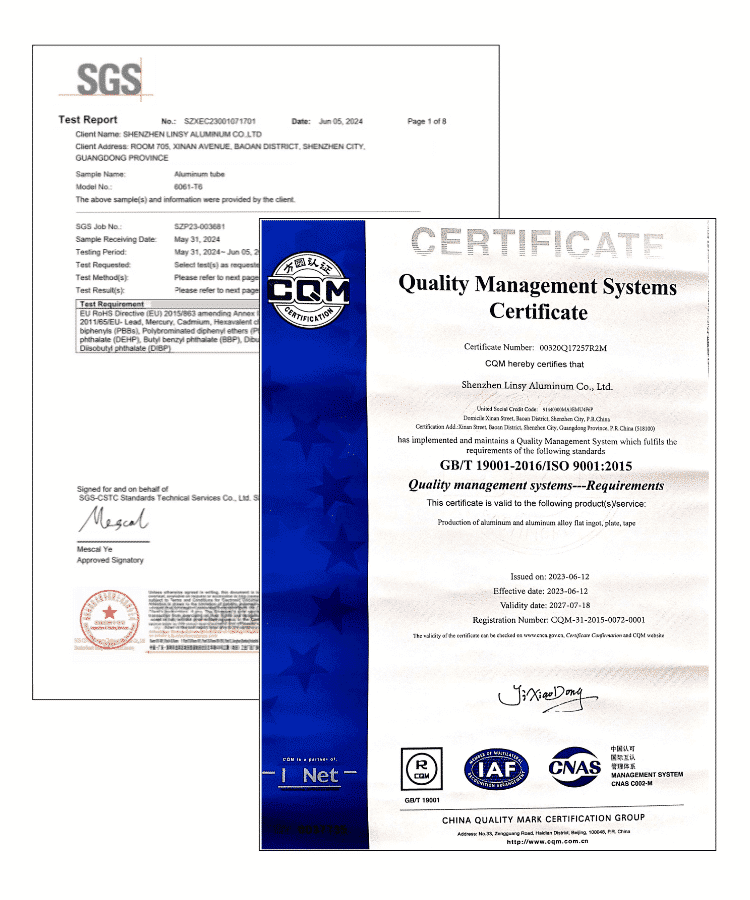
Bright drawn with lubricant removed. Every order ships with an MTC reporting alloy, temper, diameter and mechanical results; third-party testing on request; production under ISO 9001, ISO 14001 and ISO 45001 certified systems.
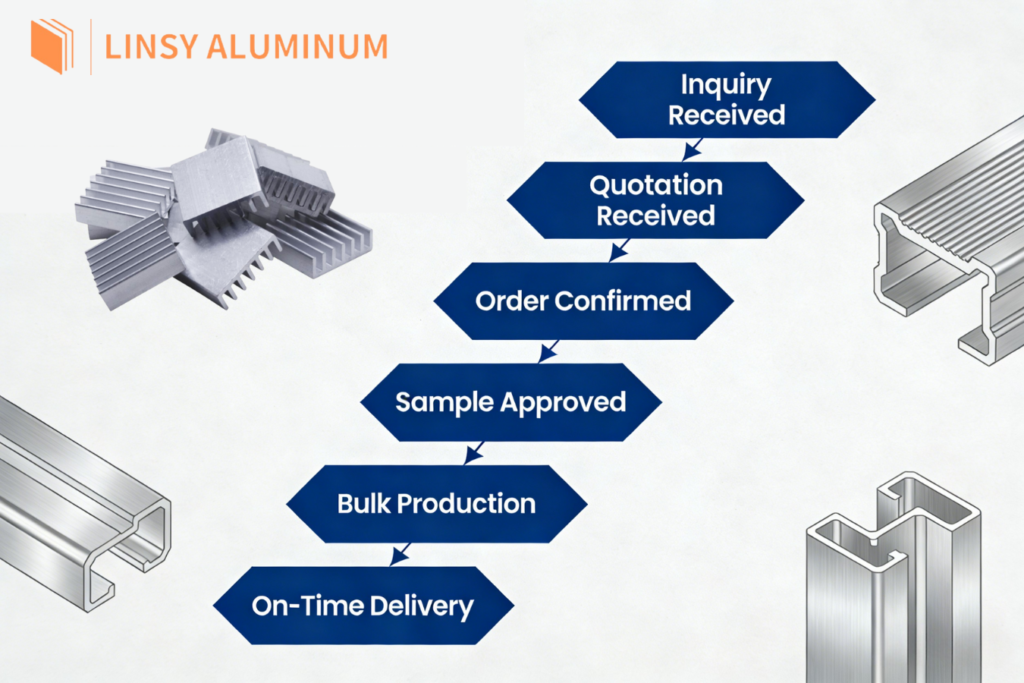
To quote in one round, send: diameter and tolerance, temper (H32 general, O for tight forming), coil weight and payoff type, the application (mesh / welding / binding), and the destination.
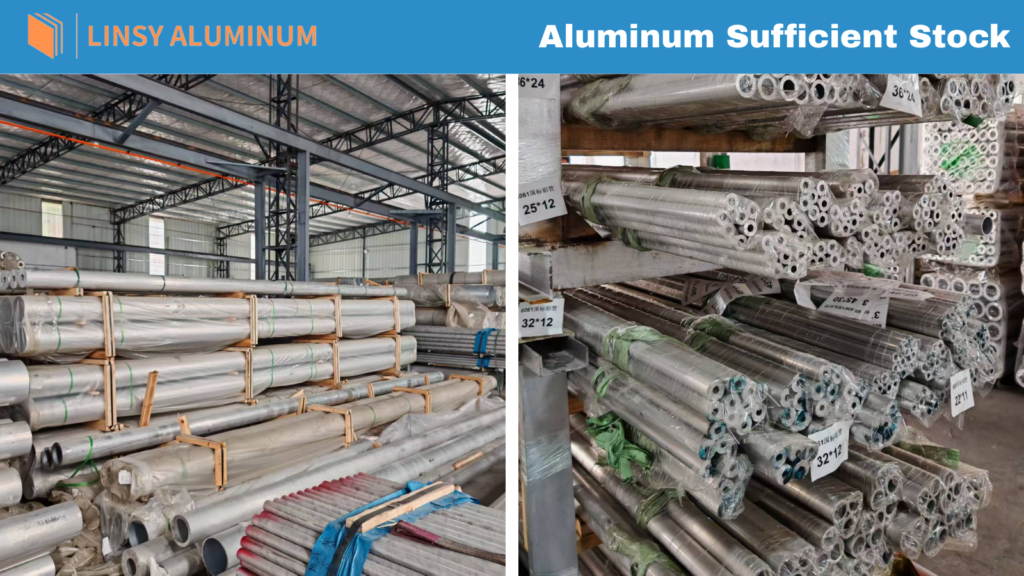
Shenzhen-based aluminum factory, more than 20 years in the industry, supplying 1000–8000 series alloys in standard specifications and custom sizes.
Q: What is 5052 wire used for?
A: Welded structures, protective and woven mesh, marine binding and chemical-equipment forming wire — the general-purpose 5xxx wire.
Q: H32 or O for mesh?
A: H32 for standard panels that hold shape; O where the crimp is tight and H32 cracks.
Q: Can 5052 wire be heat treated?
A: No. Strength comes from strain hardening, and welding or forming softens it permanently.
Q: Why buy H32 if the assembly is fully welded?
A: Often you should not — the weld returns near O condition, so design on the annealed joint strength and choose the temper for the unwelded portions.
Q: What sizes do you supply?
A: 0.8–12 mm diameter at ±0.05 mm, coils to your weight and payoff type.
Linsy Advantages
Linsy Aluminum is a leading supplier of aluminum processing products, serving diverse industries including aerospace, general engineering, automotive, marine, shipbuilding and other specialized industrial applications.
We are committed to maintaining the highest standards of quality and environmental responsibility, as demonstrated by our certifications: ISO 9001:2008, ISO 14001:2004 and SGS.