3003 aluminum sheet is non-heat-treatable Al-Mn flat product with 1.0–1.5% manganese — about 20% stronger than 1100 with the same excellent workability. It is the general-purpose formed and brazed sheet: chemical equipment, tanks, heat-exchanger cores, cookware, roofing, signage. Strength comes from strain hardening, and it softens permanently wherever it is welded or brazed.
Sheet: 0.3–6.0 mm, 500–2,600 mm wide
Coil: 0.3–3.0 mm, min 500 kg
Tempers: O / H12 / H14 / H16 / H18 / H22
Standard: ASTM B209
Quality documents: MTC report with every order
3003 aluminum sheet is non-heat-treatable Al-Mn flat product with 1.0–1.5% manganese — about 20% stronger than 1100 with the same excellent workability. It is the general-purpose formed and brazed sheet: chemical equipment, tanks, heat-exchanger cores, cookware, roofing, signage. It cannot be heat treated, so strength comes entirely from strain hardening, and it softens permanently wherever it is welded or brazed. Alloy data: 3003 aluminum alloy.
| Form | Tempers | Thickness (mm) | Width (mm) | Length / coil weight |
|---|---|---|---|---|
| Sheet | O, H12, H14, H16, H18, H22 | 0.3 – 6.0 | 500 – 2,600 | 500 – 16,000 mm |
| Coil | O, H12, H14, H16, H18, H22 | 0.3 – 3.0 | 500 – 2,600 | Min 500 kg per coil |
On thickness: 3003 is a sheet and coil product in our range — 0.3 to 6.0 mm. For heavier gauges, ask rather than assume: 3003 plate exists in the market but is not a stock item for us, and where a customer needs something above 6 mm we would usually quote 5052 plate instead, which is stronger and easier to source.
Supplied to ASTM B209; EN 485 equivalents on request. Thickness tolerance follows the standard commercial class for the gauge — it tightens as the sheet gets thinner, so 0.5 mm carries a proportionally wider band than 3.0 mm. Cut-to-size is standard: sheet is guillotined, coil is slit to width, and both are available with the edge condition your press or brake needs.
| Temper | Tensile (MPa) | Yield (MPa) | Elongation | Hardness (HB) |
|---|---|---|---|---|
| O | 95 – 130 | ≥ 35 | ≥ 25% | 28 |
| H14 (half hard) | 140 – 180 | ≥ 115 | ≥ 5% | 40 |
| H22 | ≥ 185 | ≥ 165 | ≥ 3% | 55 |
Typical values; confirm against the MTC. Density 2.73 g/cm³, elastic modulus 69 GPa. H12 sits between O and H14 and is quoted on request rather than held; the table above lists only the tempers with published values. Note the elongation at H22 is 3% — it is a finished-strength condition, not something you form afterwards.
H14 is the general-purpose condition for formed and fabricated panels: enough strength for ducting, tanks and housings, enough ductility to flange and roll. H22 gives more strength with some ductility retained and suits parts that are lightly formed and then used. H16 and H18 are for parts that need the hardest available sheet and will not be formed afterwards — panelling, liners and wear surfaces rather than anything that has to bend.
O is for real forming — deep drawing, spinning, complex presswork — and it is also the condition brazing sheet is supplied in. That matters because 3003 brazes better than it welds: a furnace braze runs at roughly 580–600 °C with a 4xxx filler, below the melting point of the parent metal, so the core keeps most of its temper and the whole radiator or heat-exchanger assembly can be joined in one pass. A fusion weld at 660 °C cannot do that.
The construction is worth knowing if you are buying for a brazing line: brazing sheet is a 3003 core with a 4xxx cladding rolled onto one or both faces — typically 4343 or 4045 at 5–10% of thickness per side. The core gives strength and corrosion resistance, the cladding becomes the filler when the assembly goes through the furnace. If your process needs a specific cladding alloy or percentage, state it: the core alone will not braze, and the cladding ratio changes both the joint fillet and the corrosion behaviour of the finished part.
| Alloy / temper | Tensile (MPa) | Yield (MPa) | Corrosion | Where it fits |
|---|---|---|---|---|
| 3003-H14 | 140 – 180 | ≥ 115 | Good | Chemical equipment, tanks, heat exchangers, general fabrication |
| 5052-H32 | 214 – 262 | ≥ 159 | Better in salt water | Marine, fuel tanks, higher-strength formed parts |
| 1100-O / H14 | 90 – 165 | ≥ 35 – 145 | Excellent | Deep drawing, chemical handling, electrical |
3003 is the practical middle: stronger than 1100 without losing workability, cheaper and more formable than 5052. Choose it when the sheet is formed, brazed or welded and the load is modest. Move to 5052 when salt water or real stress enters, and to 1100 only where maximum formability or conductivity dominates.
Cutting: guillotine, saw or laser, cut to size as standard. Coil is slit to width for lines that blank their own parts.
Forming: excellent in O, good in H14. Bending, roll forming, spinning and deep drawing all work; 3003 work-hardens as it forms, so a multi-stage draw may need an inter-stage anneal.
Joining: brazing is the strong point, welding is good with 4043 or 1100 filler. Both soften the joint area back near O condition with no heat treatment to recover it — design the joint on the annealed strength.
Surface: mill finish, PVC film, or anodized. Anodizing gives a slightly warmer tone than 6xxx because of the manganese, which matters if the part must colour-match a 6063 assembly.
Chemical processing equipment and tanks, heat exchanger and radiator cores, brazed assemblies, pressure vessels in non-aggressive service, ducting and ventilation, cooking utensils and food-processing equipment, roofing and siding, fuel tanks, signage and nameplates, general sheet-metal fabrication.
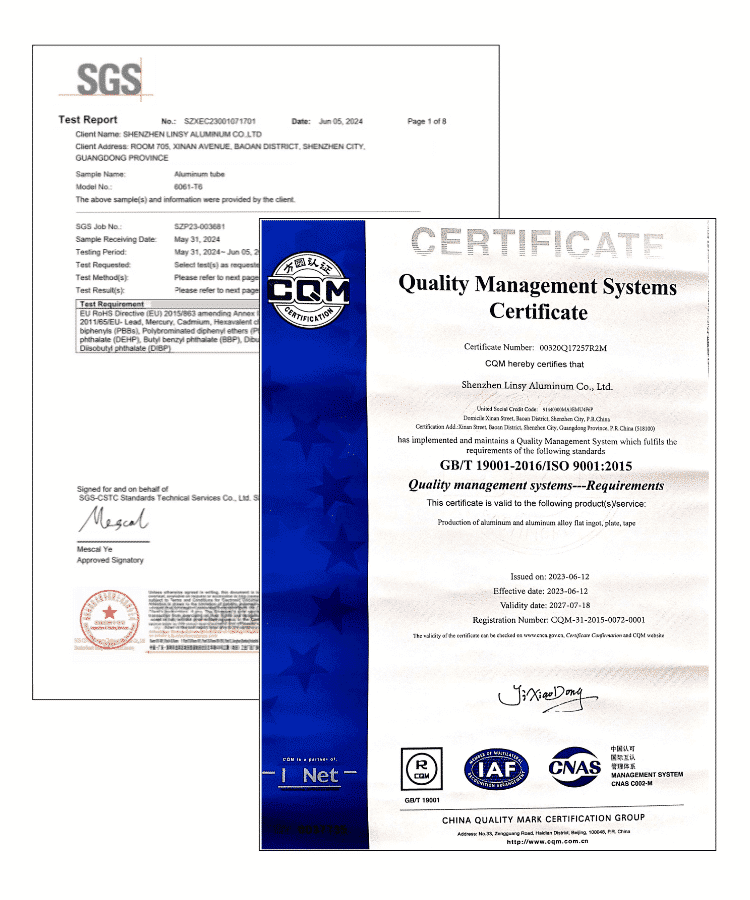
Every order ships with an MTC reporting alloy, temper, chemical composition and mechanical results against ASTM B209. For brazed or pressure assemblies, state the temper and standard on the enquiry so the certificate matches the process specification. Third-party testing is available on request at additional cost; production runs under ISO 9001, ISO 14001 and ISO 45001 certified systems.
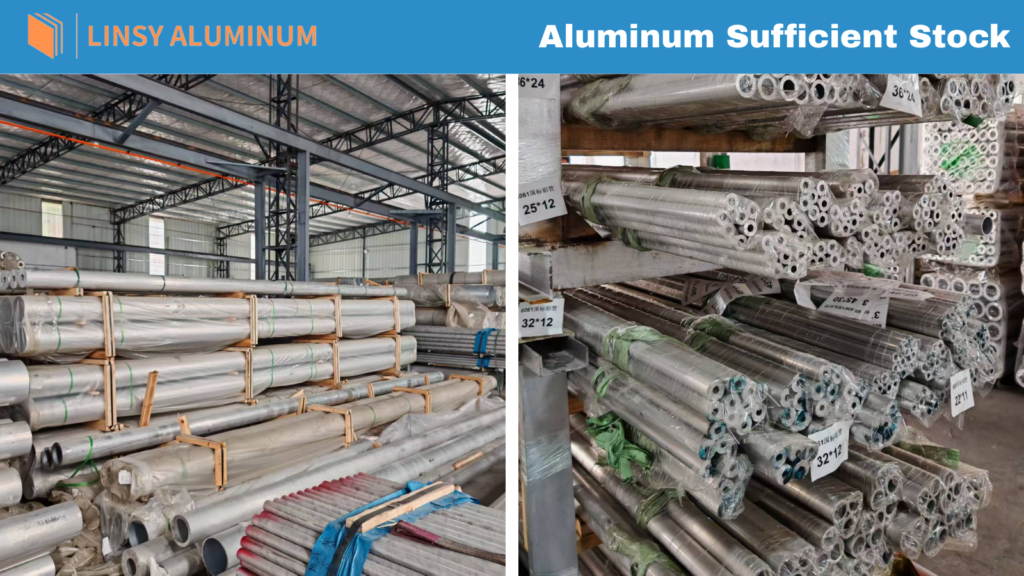
Sales confirm stock or custom lead time for that exact combination.
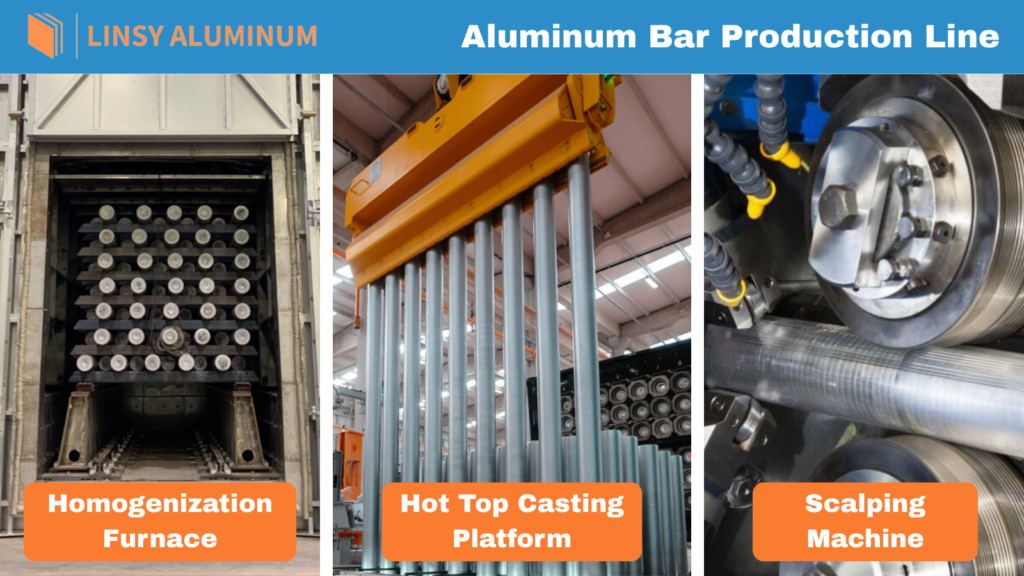
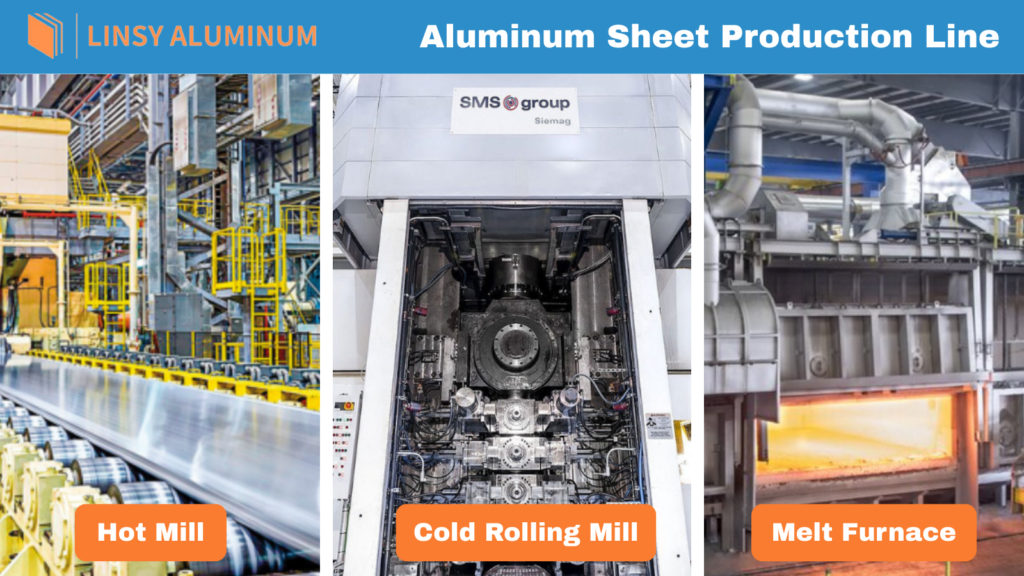
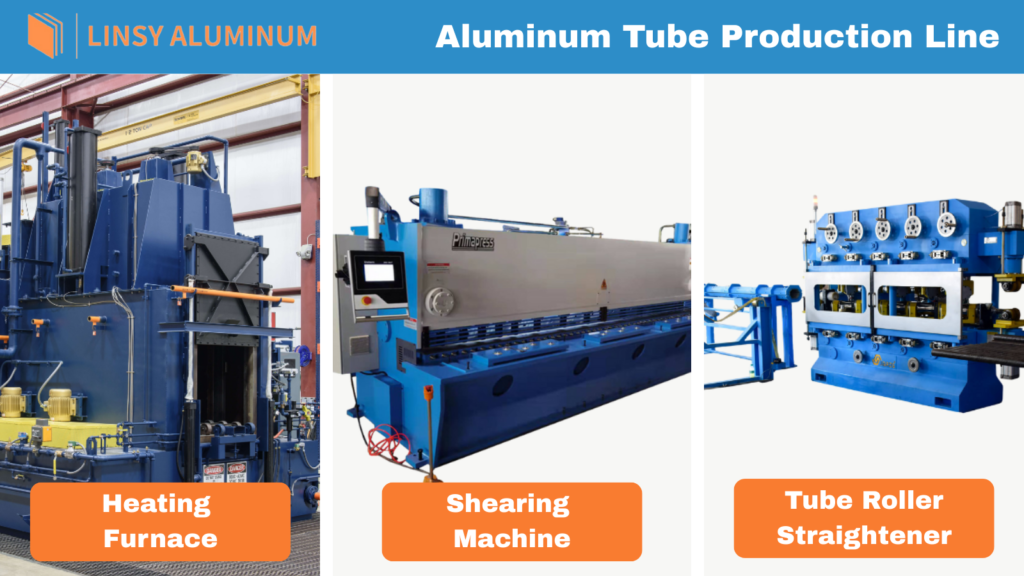
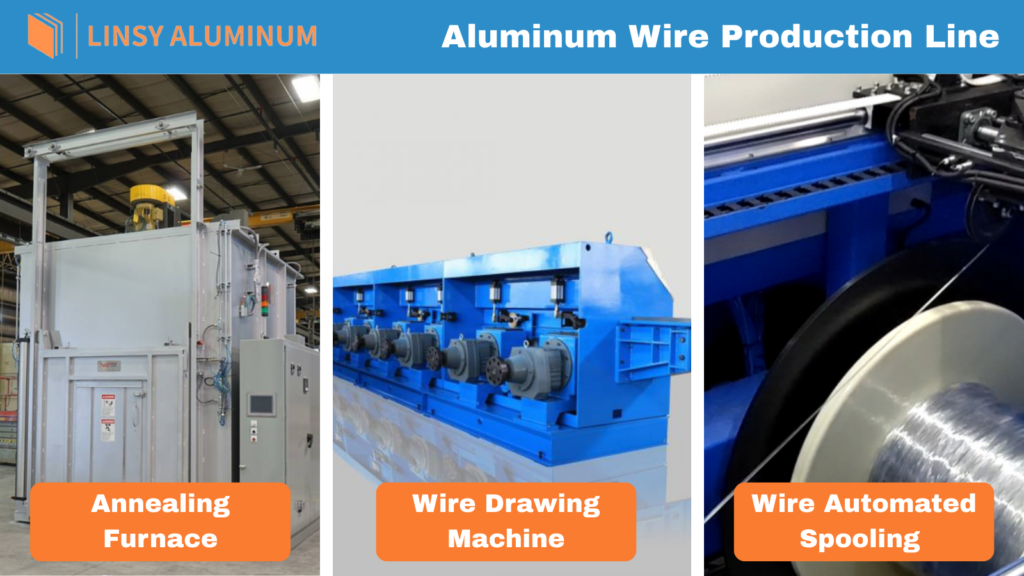
Shenzhen-based aluminum factory, more than 20 years in the industry, supplying 1000–8000 series alloys in standard specifications and custom sizes.
Q: Do you supply 3003 plate above 6 mm?
A: Not as a stock item — our 3003 range is sheet to 6.0 mm and coil to 3.0 mm. For heavier gauges ask, but in most cases 5052 plate is the better answer: stronger, more available, and equally weldable.
Q: Why is 3003 used for radiators?
A: Because it brazes. A furnace braze joins the whole core below the melting point of the parent metal, keeping most of the temper, which a fusion weld cannot do.
Q: Can 3003 be heat treated?
A: No. Strength comes from strain hardening only, and any welding or brazing returns the joint area towards annealed condition.
Q: H14 or O for a pressed panel?
A: O for anything beyond light forming. H14 handles a simple flange or a generous bend, but deep draws and tight radii need annealed stock, with an inter-stage anneal if the draw is multi-stage.
Q: Does 3003 anodize to the same colour as 6063?
A: No — it anodizes slightly warmer because of the manganese. Fine for industrial parts, a problem if a panel must match a 6063 frame.
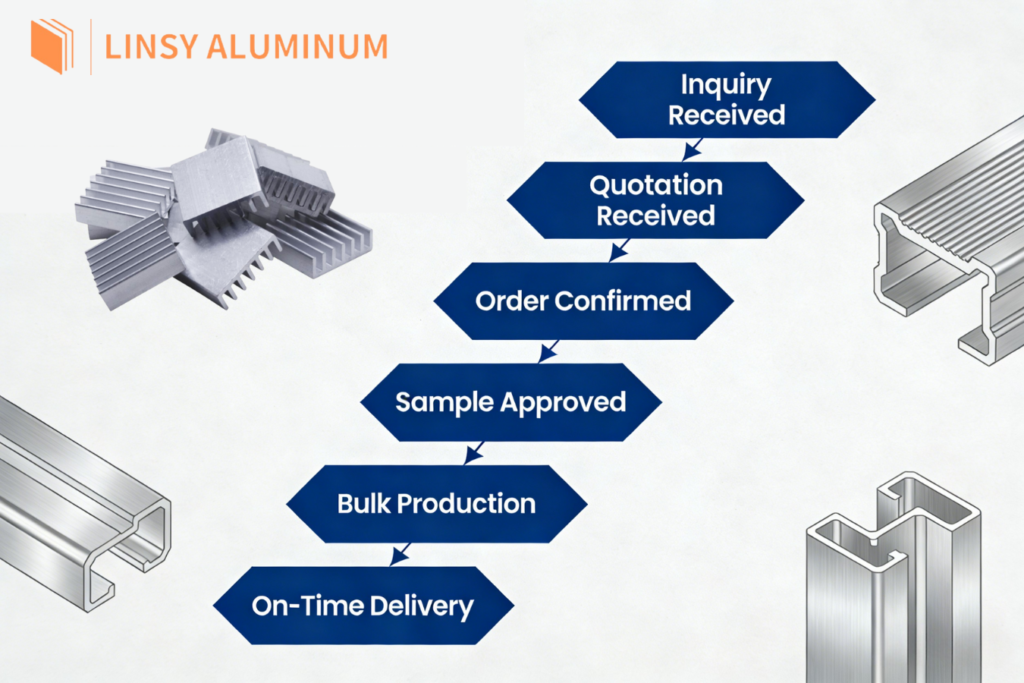
Linsy Advantages
Linsy Aluminum is a leading supplier of aluminum processing products, serving diverse industries including aerospace, general engineering, automotive, marine, shipbuilding and other specialized industrial applications.
We are committed to maintaining the highest standards of quality and environmental responsibility, as demonstrated by our certifications: ISO 9001:2008, ISO 14001:2004 and SGS.