Что такое алюминиевый сплав 5050?
5050 — это деформируемый сплав серии 5xxx, в котором магний (1,1–1,8%) является основным упрочняющим элементом. Как и все сплавы 5xxx, он не упрочняется термической обработкой: прочность обеспечивается твердорастворным упрочнением магнием в сочетании с деформационным упрочнением (наклёпом), а не выделительным старением, как в сплавах 6xxx или 2xxx.
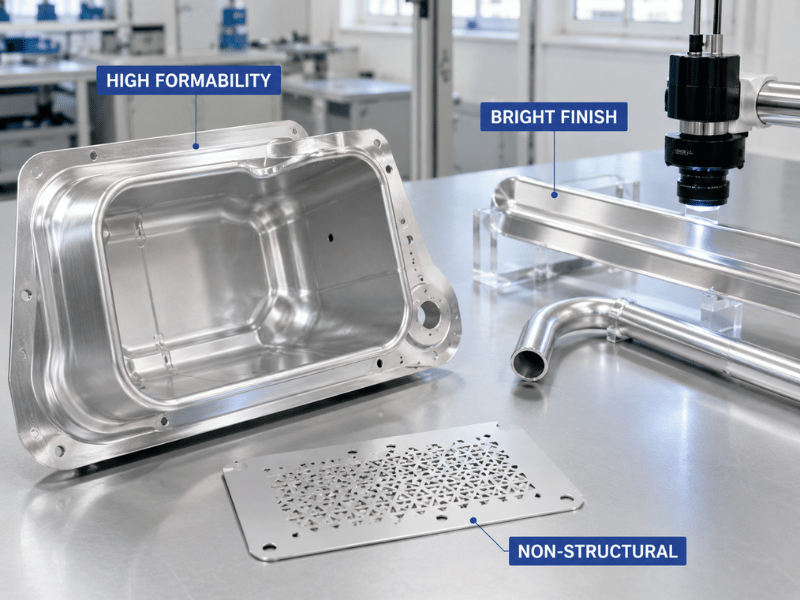
Он содержит меньше магния, чем 5052, и именно это единственное отличие определяет его характер. Более низкое содержание магния придаёт 5050 лучшую формуемость и более яркую, однородную анодированную поверхность, но ценой более низкой прочности и сопротивления усталости. Выбирайте 5050, когда деталь подвергается глубокой вытяжке, гибке или остаётся видимой, — и обращайтесь к 5052 или 6061, когда конструкция является несущей.
Химический состав алюминия 5050
В сплаве 5050 контролируются предельные содержания примесей, обеспечивающие коррозионную стойкость и качество поверхности, при этом магний задаётся как основной элемент, повышающий прочность.
| Элемент | Содержание (макс., если не указано иное) | Роль в сплаве |
|---|---|---|
| Алюминий (Al) | 97,2–98,6% (остальное) | Лёгкая коррозионностойкая основа |
| Магний (Mg) | 1.1–1.8% | Основной элемент, повышающий прочность; обеспечивает деформационное упрочнение |
| Марганец (Mn) | 0.10% | Поддерживает зеренную структуру и стойкость к межкристаллитной коррозии |
| Хром (Cr) | 0.10% | Повышает коррозионную стойкость, подавляет рост зерна |
| Железо (Fe) | 0.70% | Поддерживается на низком уровне для сохранения пластичности и качества формовки |
| Кремний (Si) | 0.40% | Ограничено для обеспечения стабильности механических свойств |
| Медь (Cu) | 0.20% | Минимальное содержание — повышенные уровни снижают коррозионную стойкость |
| Цинк (Zn) | 0.25% | Ограничен для сохранения коррозионного поведения |
| Прочие (каждый / всего) | 0.05% / 0.15% | Микропримеси контролируются для однородности сплава |
Сочетание магния и хрома придаёт 5050 хорошую стойкость к атмосферной коррозии, а низкие предельные содержания меди и кремния обеспечивают прозрачность, а не мутность анодированного слоя.
Физические и механические свойства алюминия 5050
Определяющими характеристиками 5050 являются его низкая и средняя прочность и высокая формуемость, а не электропроводность или твёрдость.
| Недвижимость | Значение |
|---|---|
| Плотность | 2,68–2,69 г/см³ |
| Интервал плавления | ~605–650 °C |
| Модуль упругости | ~69 ГПа (10 × 10⁶ psi) |
| Коэффициент теплового расширения | ~23,7 × 10⁻⁶ /К |
| Теплопроводность | ~140–160 Вт/(м·К) |
| Электропроводность | ~35% IACS |
| Устойчивость к коррозии | Очень хорошая — пригоден для морской атмосферы и влажных сред |
| Свариваемость | Хорошая — совместим с распространенными методами сварки |
| Формуемость | Хорошая в состоянии O; снижается с деформационным упрочнением |
| Предел прочности при растяжении, состояние O | 140–180 МПа |
| Предел прочности при растяжении, состояние H32 | 175–215 МПа |
| Предел прочности при растяжении, состояние H34 | 200–240 МПа |
| Предел текучести, O / H32 / H34 | 55–70 / 125–160 / 160–200 МПа |
Значения прочности зависят от состояния, поскольку 5050 упрочняется деформацией, а не термической обработкой: состояние O полностью отожжено и мягкое, тогда как H32 и H34 предполагают возрастающую степень холодной деформации. Приведённые значения типичны для проката; точные минимальные значения по ASTM B209 или GB/T 3880 зависят от толщины и формы.
Доступные состояния: O, H32 и H34
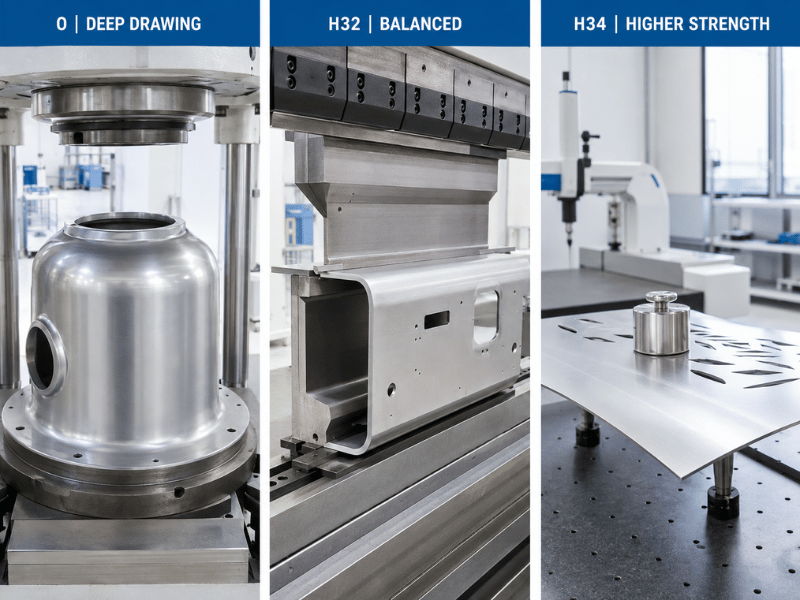
Поскольку 5050 не упрочняется термической обработкой, обозначение состояния определяет степень холодной деформации и результирующий баланс между прочностью и формуемостью.
| Темпер | Состояние | Типичный предел прочности (МПа) | Предел текучести (МПа) | Лучшее для |
|---|---|---|---|---|
| O | Полностью отожжённое, самое мягкое | 140–180 | 55–70 | Глубокая вытяжка, сложная формовка, ротационная вытяжка |
| H32 | Четвертьтвёрдое, стабилизированное | 175–215 | 125–160 | Умеренная гибка плюс некоторая прочность после формовки |
| H34 | Полутвёрдое, стабилизированное | 200–240 | 160–200 | Плоские или плавно изогнутые детали, где прочность имеет приоритет |
Выбор состояния следует за последовательностью формовки: начинайте с O, когда требуется глубокая вытяжка или крутые гибы, переходите к H32, когда детали нужна умеренная прочность, но ещё сохраняется некоторая формуемость, и используйте H34 только тогда, когда формовка минимальна, а прочность является приоритетом. H34 — это не состояние для глубокой вытяжки: его пониженное удлинение приведёт к растрескиванию при работе с малыми радиусами.
Типичные применения алюминия 5050
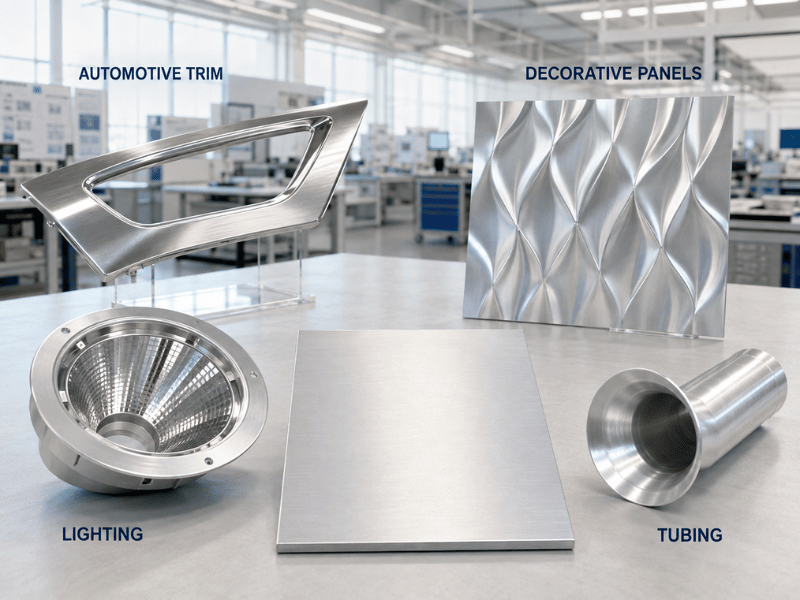
Формуемость и качество поверхности 5050 определяют его коммерческое применение в видимых и ненесущих деталях.
- Автомобильная отделка и декоративные детали: внутренняя отделка, декоративные молдинги и ненесущие кузовные панели, где лёгкость формовки важнее прочности.
- Архитектурные и декоративные панели: облицовка, профили внутренней отделки и потолочные системы, выигрывающие от коррозионной стойкости и чистого анодированного внешнего вида.
- Осветительные приборы: хорошая отражательная способность и формуемость подходят для корпусов отражателей и крышек светильников.
- Внутренние детали бытовой техники: облицовка холодильников и задние панели пультов управления, где коррозионная стойкость и качество формовки соответствуют требованиям к панелям корпусов.
- Заводские таблички и вывески: яркая анодированная отделка достижима при надлежащей подготовке поверхности.
- Трубки: гидравлические линии, трубки топливной системы и декоративные трубчатые компоненты, где формуемость сплава позволяет гибку, развальцовку и формовку концов.
5050 vs 5052 vs 3003 vs 6061
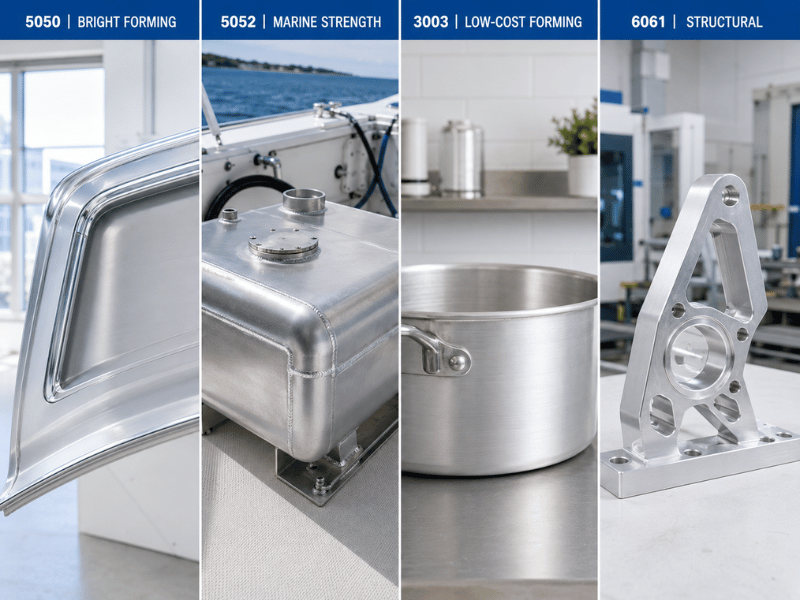
5050 занимает определённую нишу в серии 5000: прочность ниже, чем у 5052, но лучше качество поверхности и формуемость для декоративных тонколистовых работ.
| Сплав | Ключевые характеристики | Прочность | Коррозия | Свариваемость | Типичное применение |
|---|---|---|---|---|---|
| 5050 | Не упрочняемый термической обработкой, высокая формуемость, яркая отделка | Низкая–умеренная (~140–240 МПа) | Очень хорошая | Хорошо | Листовой металл, автомобильная отделка, трубки, вывески |
| 5052 | Не упрочняемый термической обработкой, высокая усталостная прочность | Умеренная (~190-260 МПа) | Превосходно | Хорошо | Морские детали, топливные баки, сосуды под давлением |
| 3003 | Не упрочняемый термической обработкой, превосходная формуемость | Низкая (~110–200 МПа) | Очень хорошая | Превосходно | Кухонная утварь, химическое оборудование, универсальный лист |
| 6061 | Упрочняемый термической обработкой, сбалансированная прочность | Умеренная (T6 ~310 МПа) | Очень хорошая | Хорошо | Конструкционные компоненты, морская арматура |
Резюме выбора: выбирайте 5050 для декоративного и тонколистового материала, где формуемость и яркая отделка имеют первостепенное значение; 5052 когда требуется более высокая прочность, усталостная стойкость или работа в солёной воде; 3003 когда максимальная формуемость и наименьшая стоимость важнее качества поверхности; 6061 когда деталь должна нести нагрузку.
Работа с алюминием 5050
5050 ведёт себя как типичный средне-Mg сплав серии 5xxx при обработке — легко формуется и сваривается, умеренно обрабатывается резанием.
Формовка и вытяжка. Состояние O поддерживает глубокую вытяжку, ротационную вытяжку и сложные гибы без растрескивания. По мере увеличения наклёпа от H32 к H34 минимальный радиус гиба увеличивается, а удлинение падает, поэтому при возможности формуйте деталь в состоянии O и указывайте H34 только для плоской или плавно изогнутой геометрии.
Сварка и соединение. 5050 хорошо сваривается методами GTAW (TIG) и GMAW (MIG). Поскольку дисперсионное твердение отсутствует, зона термического влияния не разупрочняется так, как в сплаве 6xxx, но деформацию всё равно необходимо фиксировать приспособлениями. Используйте присадочные материалы серии 5xxx (например, 5356 или 4043 в зависимости от требуемой прочности после сварки и цвета после анодирования) для сохранения коррозионной стойкости.
Механическая обработка. Обрабатываемость резанием умеренная — аналогична другим сплавам 5xxx и чище, чем у высокопрочных марок, но не такая свободнорежущая, как у чистого алюминия. Твёрдосплавный инструмент с положительным передним углом и хорошим отводом стружки контролирует наростообразование и наклёп вблизи поверхности.
Анодирование и отделка. 5050 известен ярким, однородным анодным слоем, поэтому он применяется в архитектурной отделке и табличках. Прокатная отделка, анодирование, полировка и защитная ПВХ-плёнка — всё применимо; подготовка поверхности под анодирование здесь важнее, чем для скрытой конструкционной детали.
Годен/Не годен: когда указывать 5050
Годен — указывайте 5050, когда:
- Деталь неконструкционная, и формуемость или глубокая вытяжка является доминирующим требованием.
- Яркая, однородная анодированная отделка является частью продукта (отделка, вывески, освещение).
- Вам нужны трубки, которые будут гнуться, развальцовываться или формоваться по концам.
- Умеренной прочности (до ~240 МПа в H34) достаточно для расчётного случая.
Не годен — избегайте 5050, когда:
- Деталь несущая, критичная по усталости или испытывает длительные конструкционные напряжения — используйте 5052 или 6061.
- Применение предполагает долговременное прямое погружение в морскую воду — более высокое содержание магния в 5052 обеспечивает лучшую долговременную коррозионную стойкость.
- Вам нужна наивысшая формуемость при наименьшей стоимости — 3003 более формуем и обычно дешевле.
- Конструкция требует термически упрочняемой прочности или износостойкости твёрдого анодирования — 6061 является конструкционным выбором.
Закупка алюминия 5050 у Linsy
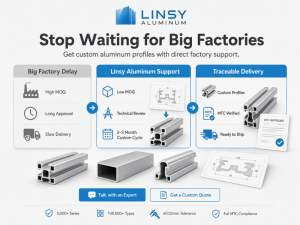
Linsy Aluminum, завод в Шэньчжэне с более чем 20-летним опытом, поставляет 5050 в виде листа, плиты, рулона, прутка, трубы и проволоки по всему диапазону сплавов серий 1000–8000, в состояниях O, H32 и H34. Материал поставляется по ASTM B209 и GB/T 3880, с возможностью химической и механической проверки через документацию MTC, выдаваемую на каждый заказ.
Отчёты SGS по химическому составу, механическим свойствам, размерному контролю и ультразвуковому тестированию доступны по запросу за дополнительную стоимость испытаний. Для нестандартных размеров Linsy поддерживает индивидуальное производство с низким MOQ и типичными сроками поставки 10–60 дней, а также внутризаводскую обработку, включая ЧПУ-обработку, лазерную резку, сварку TIG/MIG и отделку поверхности (анодирование, полировка, порошковое покрытие). Системы менеджмента ISO 9001, ISO 14001 и ISO 45001 обеспечивают стабильное качество от сырья до готовой продукции.
Заключение
Алюминий 5050 — это практичный сплав, не упрочняемый термической обработкой, который обеспечивает очень хорошую формуемость, хорошую коррозионную стойкость и яркую анодированную отделку — но его компромисс заключается в умеренной прочности, со значениями предела прочности при растяжении, достигающими лишь около 240 МПа в H34, поэтому он не является конструкционной маркой. Детали, требующие несущей способности или усталостной стойкости, должны обращаться к 5052 или 6061.
Для проектов, где формуемость, качество поверхности и коррозионная стойкость соответствуют замыслу конструкции, Linsy Aluminum поставляет 5050 в виде листа, плиты, рулона, прутка, трубы и проволоки в состояниях O, H32 и H34, с MTC на каждый заказ, отчётами SGS по запросу и индивидуальным производством с низким MOQ и сроком поставки 10–60 дней при поддержке собственных мощностей ЧПУ, лазерной обработки, сварки и отделки. Если ваша спецификация требует 5050 в определённом состоянии или форме продукта, отправьте чертёж или требование для проверки соответствия марки и расчёта стоимости.
Часто задаваемые вопросы
Можно ли подвергать алюминий 5050 термической обработке для повышения прочности?
Нет. 5050 — это сплав 5xxx, не упрочняемый термической обработкой. Вся прочность обеспечивается твёрдорастворным упрочнением магнием плюс наклёпом посредством состояния (O, H32, H34). Если вам нужна более высокая прочность в аналогичном семействе, переходите к 5052-H34 или к термически упрочняемому 6061-T6.
В чём разница между состояниями 5050 H32 и H34?
Оба являются наклёпанными и стабилизированными, но H34 получает примерно вдвое большую холодную деформацию, чем H32. H34 достигает более высокого предела прочности и текучести (около 200–240 МПа против 175–215 МПа) за счёт снижения пластичности и более жёстких ограничений по гибке. Выбирайте H32, когда предстоит ещё некоторая формовка; выбирайте H34 для плоских или плавно изогнутых деталей.
Подходит ли алюминий 5050 для наружного или морского применения?
5050 хорошо работает в морской атмосфере и влажной среде; содержание магния и хрома обеспечивает хорошую стойкость к общей коррозии без защитных покрытий. Для прямого долговременного погружения в морскую воду или агрессивного промышленного воздействия 5052 (с более высоким содержанием магния) обеспечивает лучшую долговременную коррозионную стойкость.
В каких формах продукции доступен алюминий 5050?
5050 чаще всего поставляется в виде листа и рулона для формовки и декоративной отделки, с плитой и прутком, доступными для более толстых или обрабатываемых деталей. Linsy Aluminum также поставляет 5050 в виде трубы и проволоки, с индивидуальными размерами при низком MOQ.
Как 5050 соотносится с 3003 для работ с листовым металлом?
Оба являются формуемыми сплавами, не упрочняемыми термической обработкой, но 5050 предлагает немного более высокую прочность и лучшее качество поверхности, что делает его более подходящим для декоративных деталей с яркой отделкой. 3003 немного более формуем и обычно дешевле, поэтому он доминирует в универсальном листовом металле, кухонной утвари и химическом оборудовании. Выбор зависит от того, что является приоритетом — внешний вид поверхности или максимальная формуемость.