
4043 aluminum alloy (UNS A94043 / AWS ER4043) is a silicon-aluminum (Al-Si) filler metal alloy containing approximately 5% silicon. As a non-heat-treatable alloy, 4043 provides excellent fluidity, low melting point, strong crack resistance, and good corrosion resistance in welded joints. It is the most widely used filler metal for TIG and MIG welding of 6000 series aluminum alloys and is also applied in brazing sheet and casting applications. Linsy supplies 4043 aluminum welding wire, rod, sheet, coil, bar, and tube in tempers O, H14, and H34, with custom diameters, sizes, surface finishing, and MTC reports available for every order.
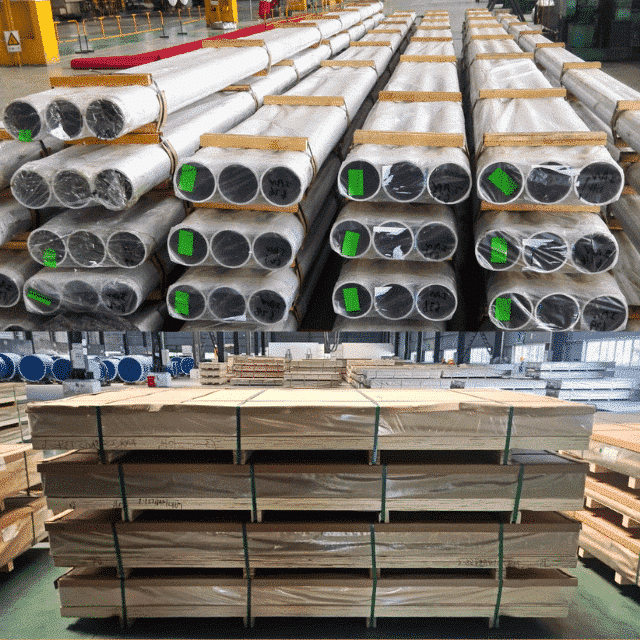
Available forms: welding wire / rod / sheet / coil / bar / tube
Common tempers: O / H14 / H34
Processing support: CNC machining / laser cutting / TIG & MIG welding / polishing / anodizing
Quality documents: MTC report with every order, SGS test reports available on request
4043 aluminum alloy (UNS A94043) is a silicon-aluminum (Al-Si) alloy containing approximately 4.5–6.0% silicon. It is classified as a non-heat-treatable wrought alloy and is primarily used as a filler metal in welding and brazing applications. The high silicon content lowers the melting point relative to the base metal, increases fluidity during welding, and reduces the risk of hot cracking in the weld bead. These characteristics make 4043 the default filler metal choice for TIG (GTAW) and MIG (GMAW) welding of 6000 series (Al-Mg-Si) aluminum alloys such as 6061, 6063, and 6082.
4043 is also widely used in brazing sheet production, where it is roll-bonded as a cladding layer onto 3003 or other aluminum alloy cores to form a brazing composite. In foundry and casting applications, 4043 serves as a remelt stock for producing Al-Si casting alloys. Under AWS A5.10, the wire classification is ER4043; under EN ISO 18273, it is designated S Al 4043 (AlSi5). 4043 aluminum meets standard specifications including ASTM B209, ASTM B316, and EN 573-3 for wrought product forms.
Linsy supplies 4043 aluminum in multiple product forms, with dimensions and packaging tailored to your welding, brazing, and remelt requirements. Contact our team for diameter options, spool configurations, and custom cut lengths.
| Form | Temper | Diameter (mm) | Packaging |
|---|---|---|---|
| 4043 MIG Wire (Spool) | H14, H18 | 0.8, 1.0, 1.2, 1.6 | Standard spools / drums |
| 4043 TIG Rod (Straight Length) | H14 | 1.6, 2.0, 2.4, 3.2, 4.0, 5.0 | 5 kg / 10 kg tube packs |
| Form | Temper | Thickness (mm) | Width (mm) | Length (mm) |
|---|---|---|---|---|
| 4043 Sheet / Coil | O, H14, H34 | 0.3 – 6.0 | 500 – 2600 | 500 – 16000 |
| Form | Temper | Diameter (mm) | Length (mm) |
|---|---|---|---|
| 4043 Bar | O, H14, H34 | 6 – 300 | 1000 – 6000 |
| Form | Temper | Outer Diameter (mm) | Wall Thickness (mm) | Length (mm) |
|---|---|---|---|---|
| 4043 Tube | O, H14, H34 | 6 – 300 | 0.5 – 20 | 1000 – 6000 |
| Standard | Designation |
|---|---|
| UNS Number | A94043 |
| AWS A5.10 (Filler Wire) | ER4043 / R4043 |
| EN 573-3 (Wrought Alloy) | EN AW-AlSi5 |
| EN ISO 18273 (Welding Consumables) | S Al 4043 (AlSi5) |
| ISO 209 | AlSi5 |
| DIN | AlSi5 |
| Relevant ASTM Standards | ASTM B209 (Sheet & Plate), ASTM B316 (Wire), ASTM B211 (Bar) |
| Element | Content (%) |
|---|---|
| Silicon (Si) | 4.5 – 6.0 |
| Iron (Fe) | 0.8 Max |
| Copper (Cu) | 0.30 Max |
| Manganese (Mn) | 0.05 Max |
| Magnesium (Mg) | 0.05 Max |
| Zinc (Zn) | 0.10 Max |
| Titanium (Ti) | 0.20 Max |
| Others (Each) | 0.05 Max |
| Others (Total) | 0.15 Max |
| Aluminum (Al) | Remainder |
| Property | Value |
|---|---|
| Tensile Strength (Ultimate) | 170 – 190 MPa |
| Elongation at Break | 17 – 23% |
Note: Mechanical properties of 4043 in weld deposit form are measured from all-weld-metal tensile specimens per AWS A5.10. Actual joint strength depends on base metal selection, welding parameters, and post-weld treatment. 4043 is a non-heat-treatable alloy and derives its strength primarily from silicon content and work hardening where applicable.
| Property | Value |
|---|---|
| Density | ~2.68 g/cm³ |
| Melting Range | 575 – 630 °C |
| Solidus Temperature | ~575 °C |
| Liquidus Temperature | ~630 °C |
| Thermal Conductivity | ~160 W/m·K |
| Electrical Conductivity | ~42% IACS |
| Coefficient of Thermal Expansion | ~22.5 x 10⁻⁶ /K (20–100 °C) |
| Temper | Condition | Typical Use |
|---|---|---|
| O | Annealed (softest) | Deep drawing, forming applications, brazing sheet core |
| H14 | Strain-hardened, 1/2 hard | General-purpose sheet and rod with moderate strength |
| H34 | Strain-hardened and stabilized, 1/2 hard | Applications requiring dimensional stability after forming |
| H18 | Strain-hardened, full hard | MIG welding wire requiring consistent feeding stiffness |
The 4.5–6.0% silicon content in 4043 creates a near-eutectic composition that promotes low melting point and excellent molten pool fluidity. This reduces the risk of incomplete fusion and allows good wetting action on 6000 series base metals. 4043 is suitable for TIG (AC or DCEN), MIG (DCEP), oxy-fuel, and plasma arc welding processes.
The silicon content suppresses the formation of brittle intermetallic phases during solidification, making 4043 highly resistant to hot cracking and solidification cracking in the weld metal. This makes it suitable for welding crack-sensitive base alloys, including many 6000 series grades.
Due to its narrow melting range and excellent flow characteristics, 4043 is widely used as a cladding layer on brazing sheets (typically clad on 3003 or 3005 core). The Al-Si system forms a eutectic at approximately 577 °C, enabling reliable brazing joint formation below the melting point of most aluminum base metals.
4043 offers good general corrosion resistance and performs well in industrial and marine environments. When used as filler metal for welding 6000 series alloys, the resulting weld joint typically retains corrosion resistance comparable to the base metal. Note that anodized 4043 weld beads may appear darker (grayish) compared to 5356 filler — a cosmetic consideration for architectural applications.
When using 4043 filler metal to weld 6000 series aluminum alloys:
4043 sheet and bar in O temper are suitable for bending, drawing, and forming operations. In H14 temper, moderate formability is maintained while offering improved handling strength. Machining 4043 produces continuous chips; use sharp carbide tooling with adequate lubrication for best finish quality.
When 4043 is used as filler metal and the weldment is subsequently anodized, the 4043-rich weld zone typically develops a darker gray or black appearance due to the high silicon content. Where uniform anodized appearance is critical, 5356 filler metal is recommended instead.
Linsy provides a Material Test Certificate (MTC) with every 4043 order, issued under Linsy Aluminum after production. The MTC includes:
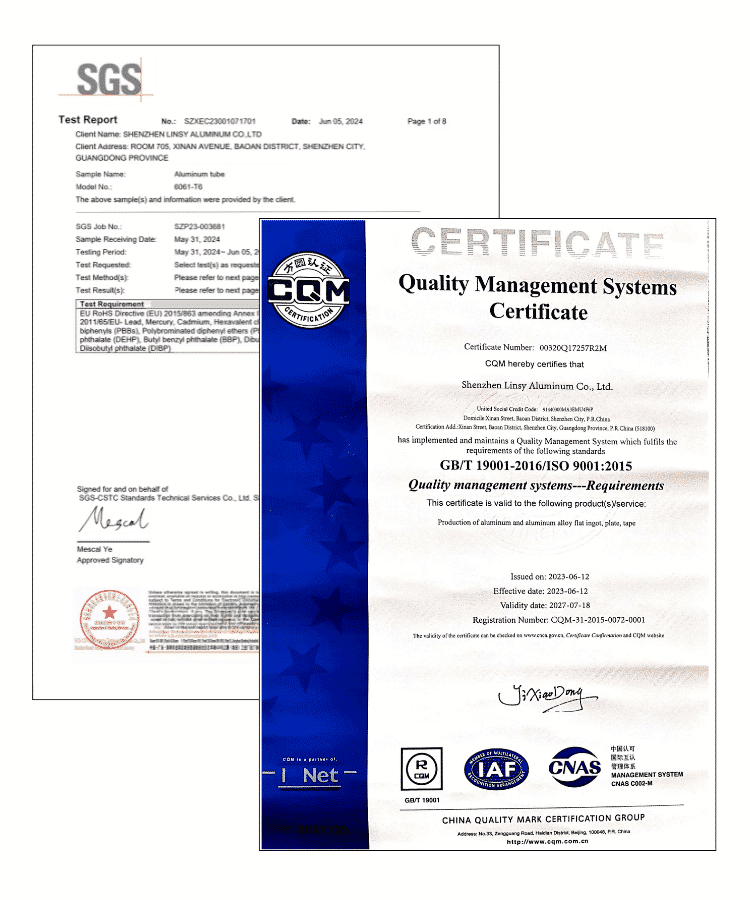
For customers requiring third-party verification, SGS test reports are available on request at additional testing cost. Available SGS report types include chemical composition, mechanical properties, dimensional inspection, and RoHS + REACH compliance testing. Our management system follows ISO 9001, ISO 14001, and ISO 45001 standards.
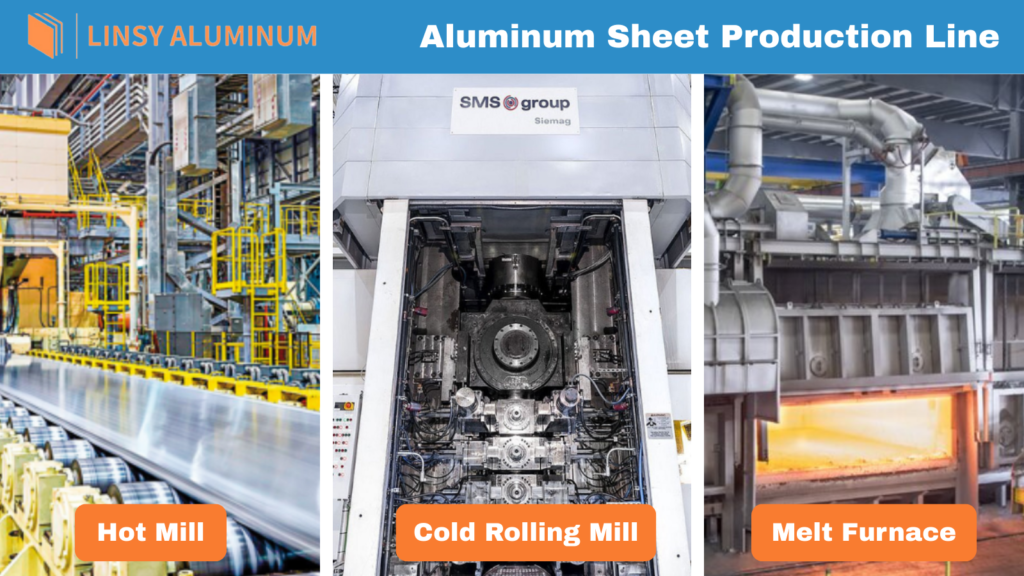
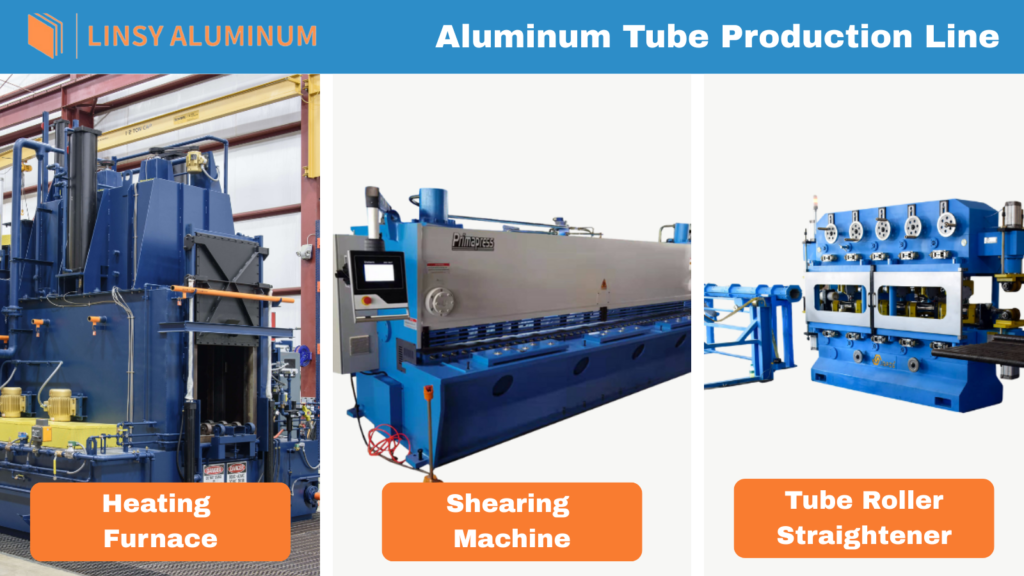
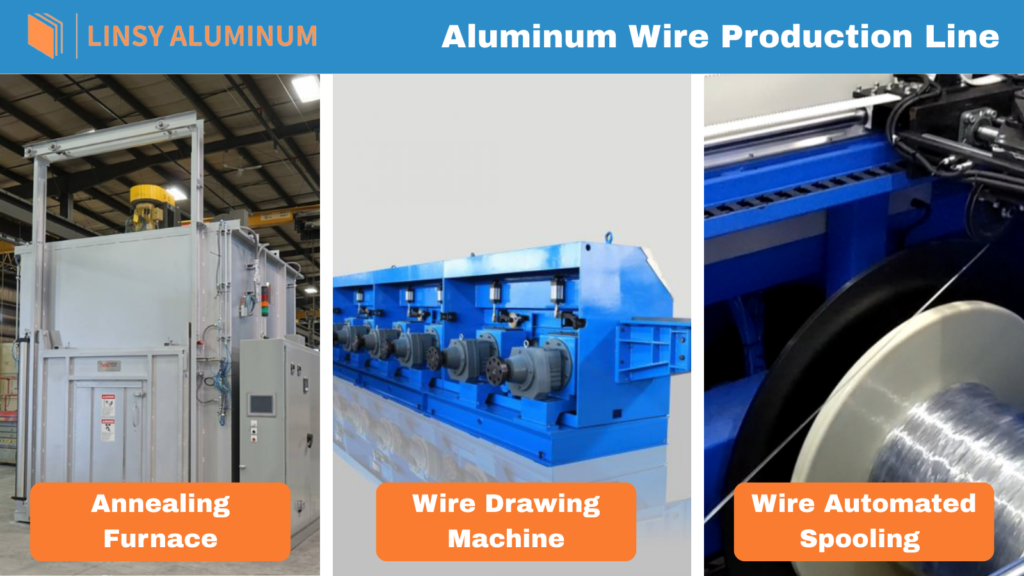
Linsy Aluminum is a Shenzhen-based aluminum factory with more than 20 years of industry experience. We specialize in factory-direct aluminum supply with broad alloy coverage across 1000–8000 series grades, including 4043 aluminum alloy for welding, brazing, and casting applications.
Q: What is 4043 aluminum used for?
4043 aluminum is primarily used as a filler metal for TIG and MIG welding of 6000 series aluminum alloys. It is also used in brazing sheet production and as remelt stock for Al-Si casting alloys.
Q: What is the difference between 4043 and 5356 filler metal?
4043 is an Al-Si filler with excellent fluidity, good crack resistance, and a lower melting point than 5356. It produces softer, more ductile weld deposits. 5356 is an Al-Mg filler that produces higher-strength welds and offers a better color match after anodizing. The choice depends on the base alloy, required strength, service temperature, and cosmetic requirements.
Q: Can 4043 be heat treated?
No, 4043 is a non-heat-treatable alloy. It does not respond to solution heat treatment or precipitation hardening. Its mechanical properties are determined by silicon content and limited work hardening.
Q: Why does the 4043 weld bead turn dark after anodizing?
The high silicon content (~5%) in 4043 forms silicon-rich phases that react differently to the anodizing process compared to the surrounding base metal. This produces a darker gray or black appearance in the weld zone. For cosmetic welds where uniform anodized color is required, 5356 Al-Mg filler is recommended instead.
Q: Is 4043 suitable for welding 2000 or 7000 series aluminum alloys?
4043 is not recommended for most 2000 series (Al-Cu) or 7000 series (Al-Zn-Mg) aluminum alloys due to potential hot cracking and reduced joint strength. For 2000 series alloys, 4145 filler is typically used; for 7000 series, 5356 or 5183 fillers are preferred.
Q: What gas should I use when welding with 4043 filler?
Pure argon (99.99%) is the standard shielding gas for TIG and MIG welding with 4043 filler. Argon-helium mixtures (e.g., 75% Ar / 25% He) can improve penetration and weld pool fluidity on thicker sections. Avoid CO&sub2;-containing mixes, which react with aluminum.
Q: Can I order 4043 welding wire in small quantities?
Yes, Linsy supports low-MOQ orders for standard 4043 MIG wire and TIG rod. Contact us with your required diameter, spool size, and quantity.
Q: Do you provide custom wire diameters or packaging?
Custom wire diameters and packaging configurations are available for volume orders. Standard diameters (0.8–5.0 mm) are typically stocked. Contact our sales team for custom requirements.
Q: What quality documents come with the order?
Every 4043 order ships with an MTC (Material Test Certificate) showing chemical composition and mechanical test results. SGS third-party test reports are available on request.
Q: What is the lead time for custom 4043 specifications?
Typical lead time for custom production is 10–60 days, depending on the product form, sizes, processing requirements, and order volume. Stock items ship faster — contact us for current availability.
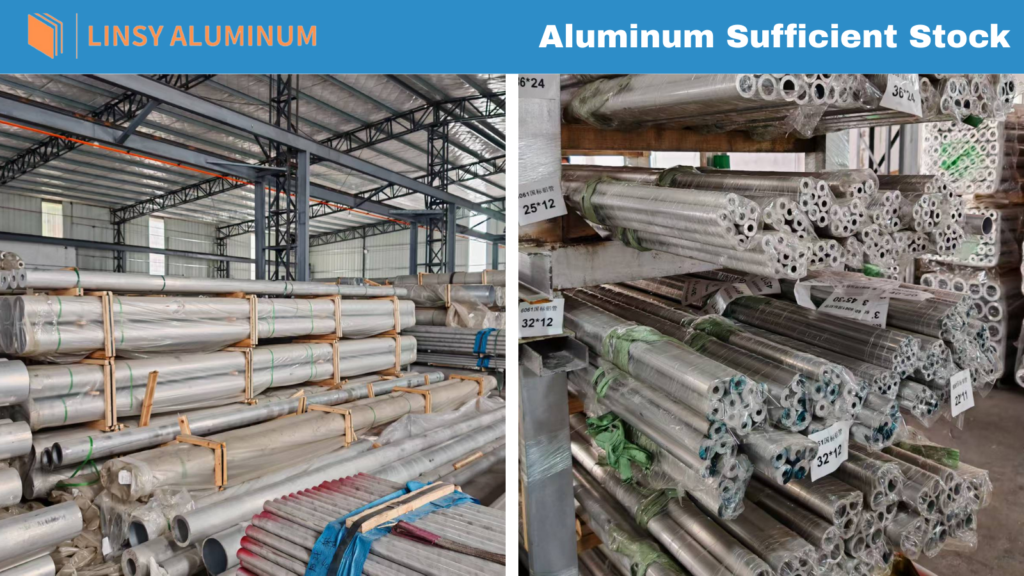
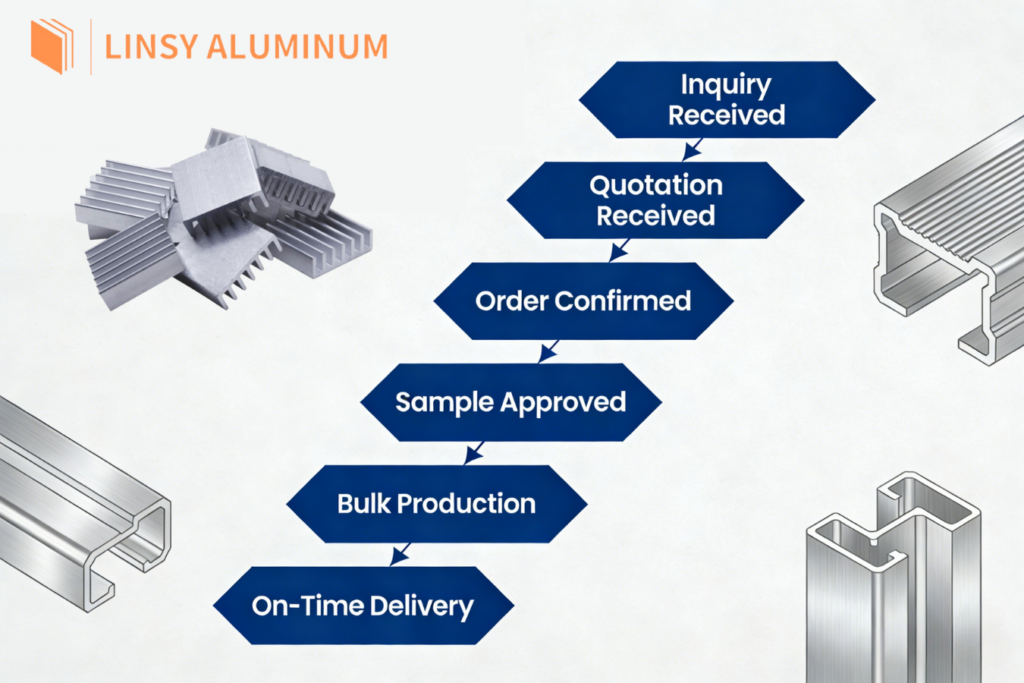
Linsy Advantages
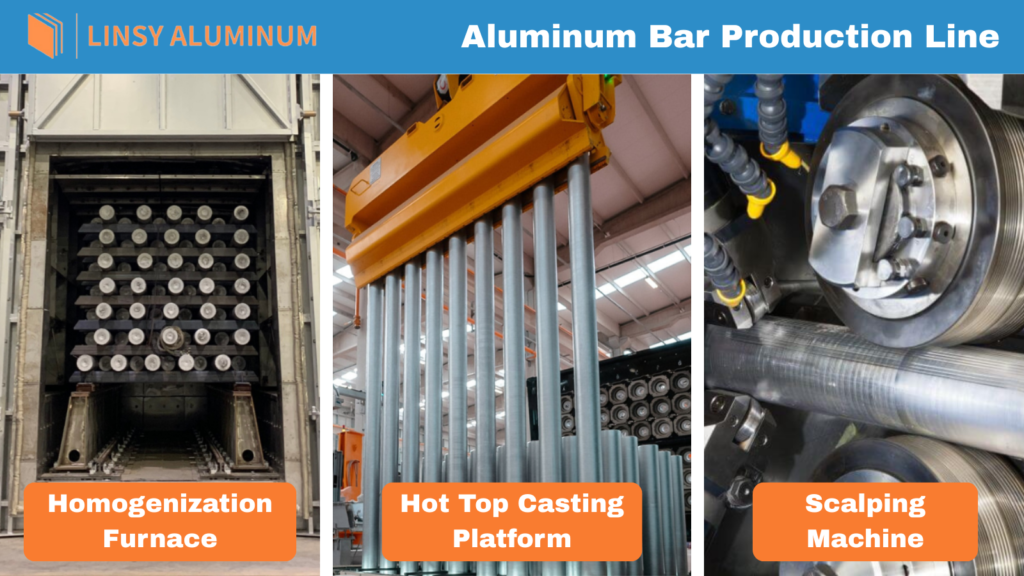
Linsy Aluminum is a leading supplier of aluminum processing products, serving diverse industries including aerospace, general engineering, automotive, marine, shipbuilding and other specialized industrial applications.
We are committed to maintaining the highest standards of quality and environmental responsibility, as demonstrated by our certifications: ISO 9001:2008, ISO 14001:2004 and SGS.