7075 aluminum square bar is solid square stock at 570 MPa in T6 — the strongest aluminium bar in general supply. Specified for high-load keys, wear blocks, die components and tooling where a keyway or a flat has to be machined into the face. Not weldable, and thick sections carry a stress-corrosion risk that T73511 addresses.
Side: 5–200 mm
Length: up to 16,000 mm
Tempers: O / T6 / T6511 / T73 / T73511
Standards: ASTM B221, ASTM B211
Quality documents: MTC report with every order
7075 aluminum square bar is solid square stock in Al-Zn-Mg-Cu at 570 MPa in T6 — the strongest aluminium bar in general supply. It is specified when a square part has to be as strong as the material allows and will never be welded: machine keys under high load, wear blocks, die components, jigs and tooling, competition components. Square solid is also what you machine a keyway or a flat into, which is why the profile and the alloy often appear together in tooling work. Two limits belong on the drawing: 7075 is not weldable, and bare 7075 has only moderate corrosion resistance with a real stress-corrosion risk in thick sections. Alloy data: 7075 aluminum alloy.
| Item | Range |
|---|---|
| Side length | 5 – 200 mm |
| Length | Up to 16,000 mm, custom cut |
| Tempers | O / T6 / T6511 / T73 / T73511 |
| Standards | ASTM B221, ASTM B211 |
On the designation. Extruded square bar is stress relieved to T6511 or T73511; T651 and T7351 belong to plate. Where a large square is sawn from plate rather than extruded, the plate designation is the correct one and the certificate will say so — tell us the size and we will confirm which route applies.
| Temper | Tensile (MPa) | Yield (MPa) | Elongation | Shear (MPa) |
|---|---|---|---|---|
| O | 230 – 290 | 95 – 145 | 10 – 13% | 150 |
| T6 | 540 – 570 | 480 – 505 | 8 – 11% | 330 |
| T6511 | 540 – 570 | 480 – 505 | 8 – 11% | 330 |
| T73 / T73511 | 470 – 500 | 390 – 420 | 8 – 11% | 285 |
Typical AA reference figures; confirm against the MTC. Density 2.81 g/cm³, elastic modulus 71.7 GPa. The T6-to-T73 gap is roughly 70 MPa — that is what stress-corrosion resistance costs on this alloy.
T6511 is the machining default on solid square bar. A solid section removes a lot of material, and T6 carries residual stress that will bow the bar as it comes off; T6511 is stretched after quenching so it stays straight. On a key or a wear block that has to be flat, this is not a technicality.
T73 and T73511 are overaged on purpose, giving up about 70 MPa for much better resistance to stress-corrosion cracking. Choose them for thick sections, sustained tensile load, or wet and salty service.
| Alloy / temper | Tensile (MPa) | Yield (MPa) | Weldability | Where it fits |
|---|---|---|---|---|
| 7075-T6 / T6511 | 570 | 505 | Not weldable | High-load keys, wear blocks, die and tooling components |
| 2024-T351 | 462 | 324 | Not weldable | Fatigue-critical parts, aerospace structure |
| 6061-T6 / T6511 | 310 | 276 | Good | Machine parts, spacers, jigs, tapped posts |
7075 is about 85% stronger than 6061 and costs more for it. Specify 7075 when the section is already as large as the design allows and still fails; if a bigger 6061 bar would carry the load, it is cheaper, weldable and more corrosion-tolerant.
Solid versus tube: tube gives more stiffness per kilogram, but there is no wall to hold a keyway, a thread or a clamp load. A key, a gib, a die insert or a tapped post has to be solid; a frame member should be tube.
Route: small and medium square bar is extruded; large squares are sawn from plate, which is why the designation changes with size on this alloy. Ask for the route to be confirmed on the quotation — it decides the corner radius, the tolerance and the certificate designation together.
On a solid square bar, check straightness before you start machining: put it on a surface plate and look for rock. A bar that has already bowed will machine to a taper no matter how the vice is set, and the cause is residual stress rather than the saw. That check takes a minute and saves a scrapped part.
Cutting: sawn to length; 7075 saws hot, so use coolant and a sharp blade to avoid a hardened burr.
Machining: excellent in T6 and T6511. Sharp carbide, climb-mill where finish matters, and order T6511 so the bar does not relieve stress as material comes off. 7075 work-hardens at the cut if the tool rubs.
Surface: anodizing protects less than on 6xxx and darkens; use hard anodizing or a coating where corrosion matters, and consider T73. PVC film on plate-sawn bar protects the faces before machining.
High-load machine keys and gibs, wear blocks, die and mould components, jig and fixture blocks, competition and motorsport parts, aerospace fittings, precision spacers, defence equipment.
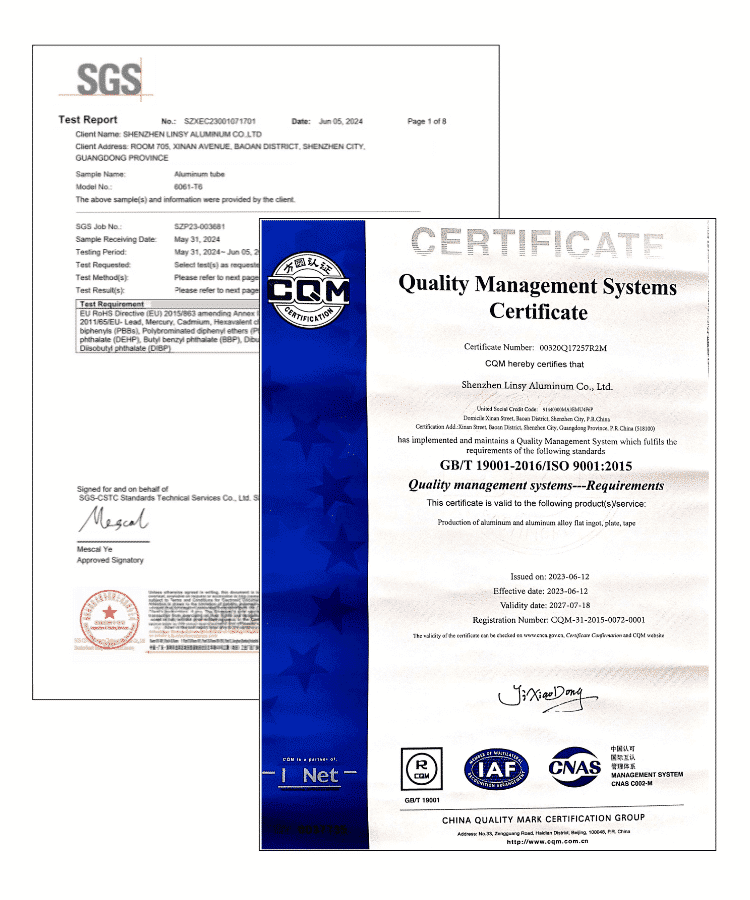
Every order ships with an MTC reporting alloy, temper, side and mechanical results against ASTM B221 or B211. Third-party testing is available on request at additional cost; production runs under ISO 9001, ISO 14001 and ISO 45001 certified systems.
To quote in one round, send: side × length, temper (T6511 for machining, T73511 for thick or wet service), route if the size is near the extruded limit, end finish, and the destination.
Shenzhen-based aluminum factory, more than 20 years in the industry, supplying 1000–8000 series alloys in standard specifications and custom sizes.
Q: Why T6511 rather than T6?
A: Because a solid square bar removes a lot of material when machined, and T6 carries residual stress that bows the bar. T6511 is stretched to relieve it — same strength, different stability.
Q: Can I get T651 or T7351 on square bar?
A: Only where the bar is sawn from plate, which happens at larger sizes. Give us the side and we will confirm which route and designation apply.
Q: Can 7075 square bar be welded?
A: No. Fusion welding causes hot cracking and destroys the temper in the heat-affected zone. Design for mechanical fastening.
Q: When should I use T73511?
A: Thick sections, sustained tensile load, or wet and salty service — wherever stress-corrosion cracking is a real risk. It gives up about 70 MPa for that resistance.
Q: What sizes do you supply?
A: 5–200 mm side, up to 16,000 mm length, cut to size.
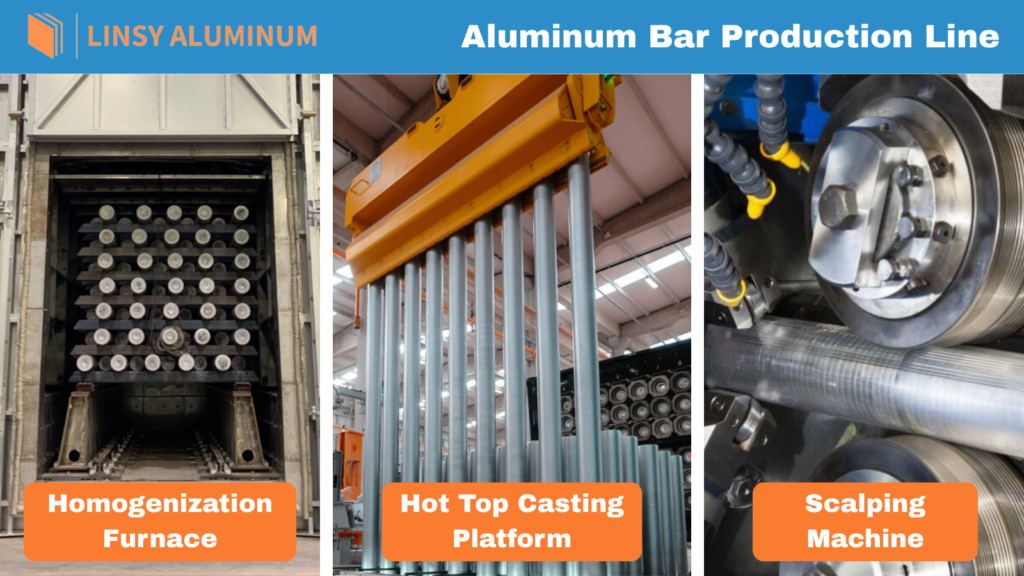
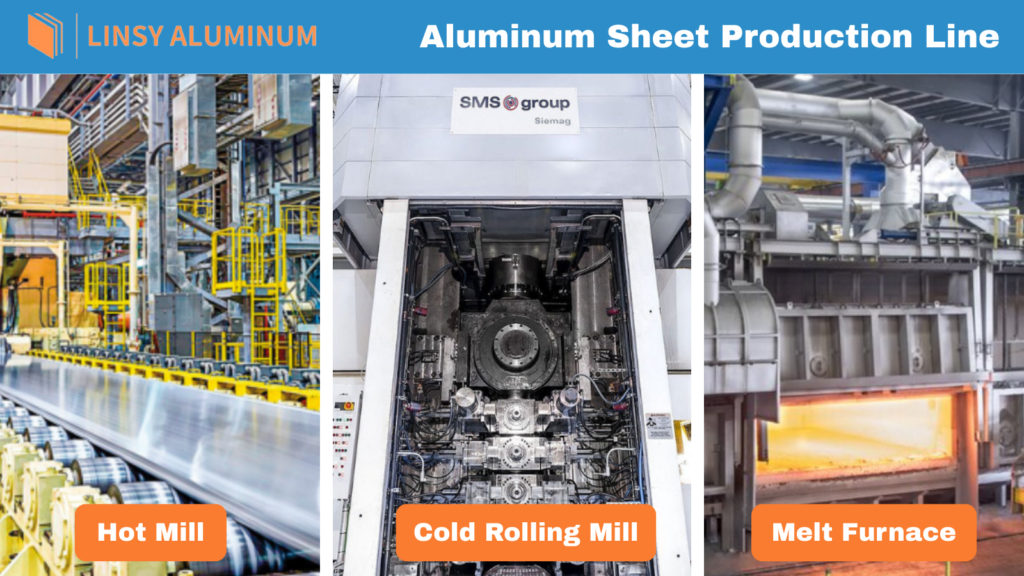
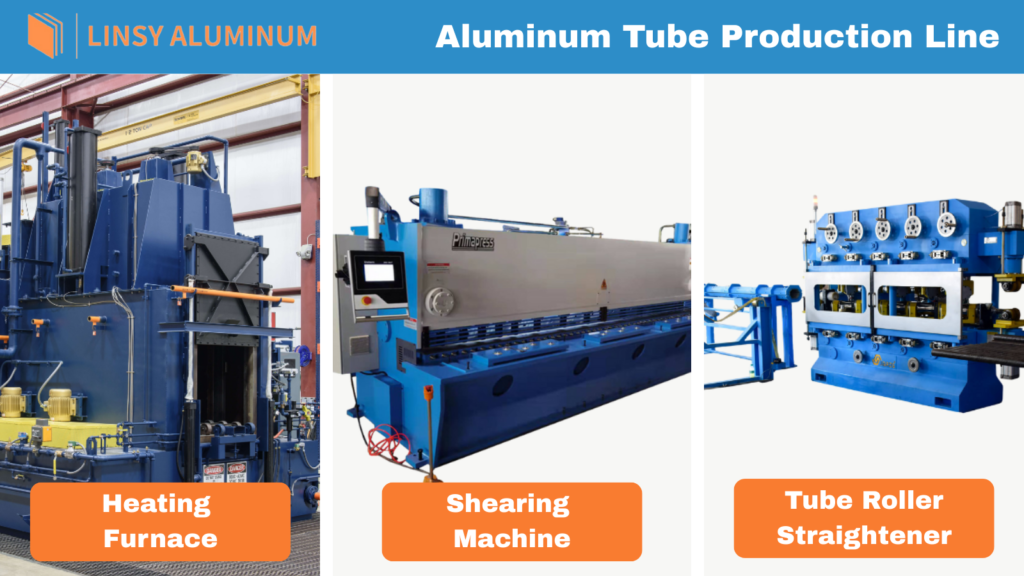
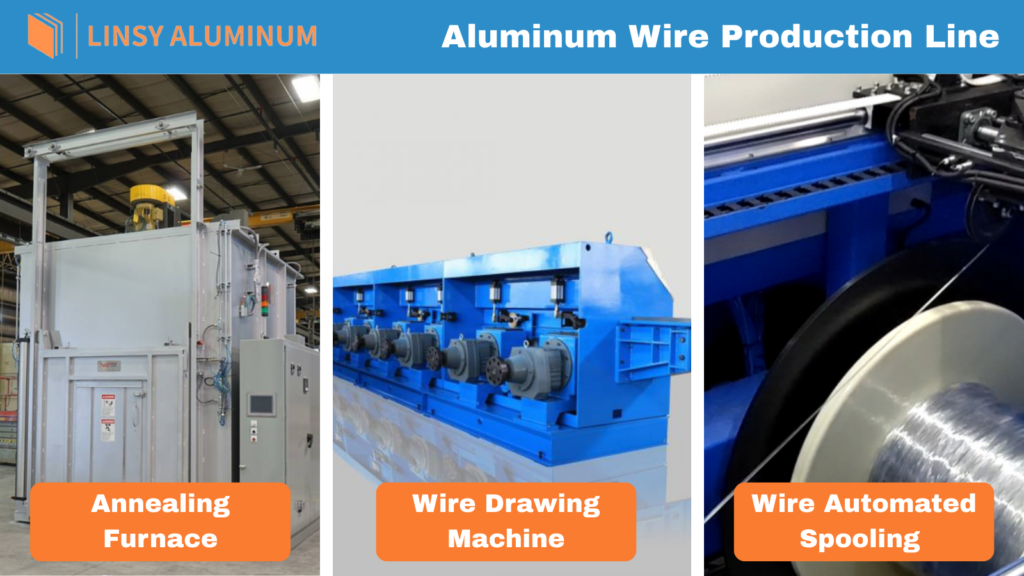
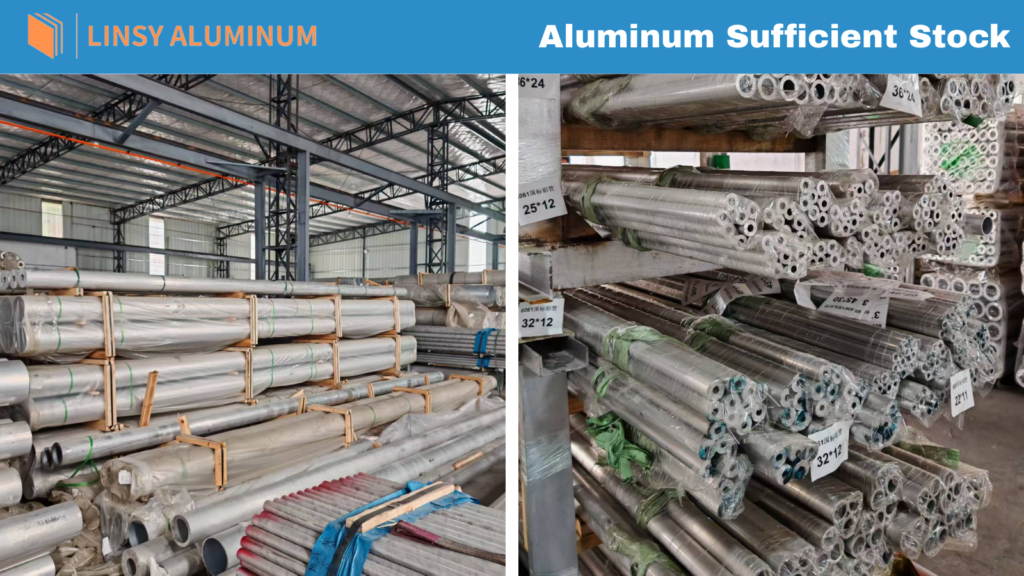
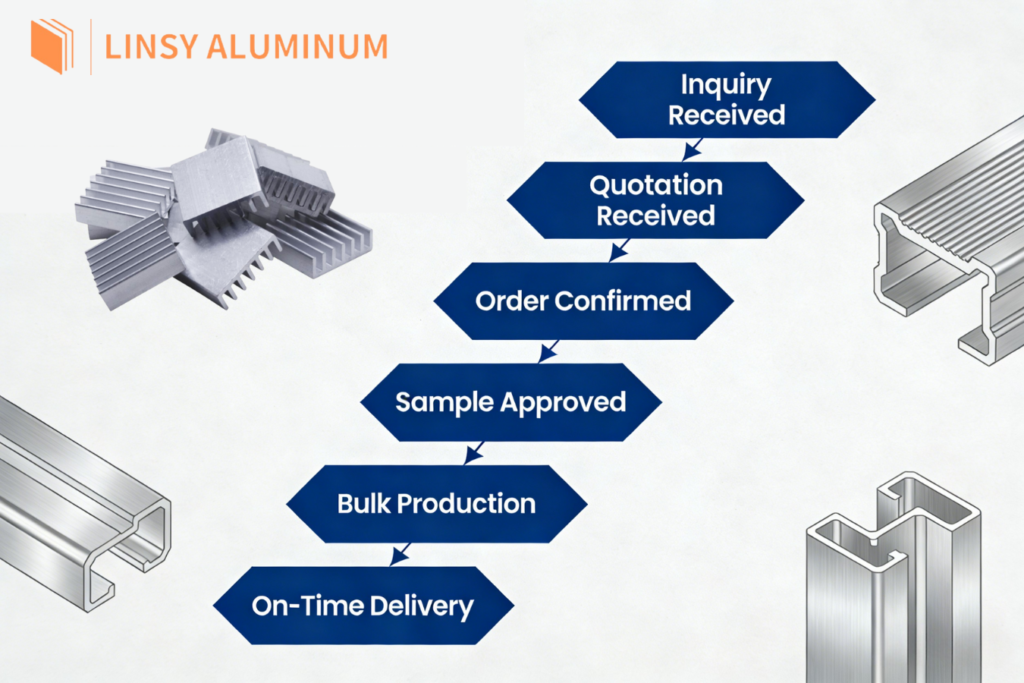
Linsy Advantages
Linsy Aluminum is a leading supplier of aluminum processing products, serving diverse industries including aerospace, general engineering, automotive, marine, shipbuilding and other specialized industrial applications.
We are committed to maintaining the highest standards of quality and environmental responsibility, as demonstrated by our certifications: ISO 9001:2008, ISO 14001:2004 and SGS.