2024 aluminum sheet is heat-treatable Al-Cu-Mg flat product, the classic aerospace skinning alloy, supplied bare or Alclad from 0.3 mm. It is chosen for fatigue resistance: where 7075 wins on peak strength, 2024 wins on how long a part lasts under repeated load. Bare 2024 corrodes readily and is not reliably weldable.
Sheet: 0.3–6.0 mm bare, 0.4–6.0 mm Alclad
Width: 500–2,600 mm
Tempers: O / T3 / T4 / T6 / T72 / T81 / T361
Alclad: T3 / T4 / T81, 1.5–5% per side
Quality documents: MTC report with every order
2024 aluminum sheet is heat-treatable Al-Cu-Mg flat product, the classic aerospace skinning alloy, supplied bare or Alclad from 0.3 mm up. It is chosen for one property above all: fatigue resistance. Where 7075 wins on peak strength, 2024 wins on how long a part lasts under repeated load, which is why aircraft skins have been 2024 for eighty years. Two limits decide most jobs: bare 2024 corrodes readily and needs cladding, anodizing or paint, and it is not reliably weldable. Alloy data: 2024 aluminum alloy.
| Form | Tempers | Thickness (mm) | Width (mm) | Length (mm) |
|---|---|---|---|---|
| Sheet / coil | O, T3, T4, T6, T72, T81, T361 | 0.3 – 6.0 | 500 – 2,600 | 1,000 – 6,000 |
| Alclad sheet | T3, T4, T81 | 0.4 – 6.0 | 500 – 2,600 | 1,000 – 6,000 |
Alclad, and why it exists. Alclad 2024 carries a thin layer of commercially pure aluminium rolled onto one or both faces — 1.5–5% of thickness per side. The pure layer corrodes preferentially and protects the core, which is what makes 2024 usable as an unpainted airframe skin. It is a different product from bare 2024: softer surface, slightly lower fatigue strength, and a cladding thickness that belongs on the drawing.
Thin sheet 0.3–1.5 mm is skinning stock; 1.5–3.0 mm is structural covering. Above that the product becomes plate and is usually ordered in T351 or T851 rather than as sheet.
| Temper | Tensile (MPa) | Yield (MPa) | Elongation | Fatigue (MPa) |
|---|---|---|---|---|
| O | 186 | 76 | 20% | 90 |
| T3 | 483 | 345 | 18% | 138 |
| T81 | 483 | 393 | 10% | 138 |
| T351 | 462 | 324 | 17% | 138 |
| T851 | 517 | 455 | 7% | 159 |
Typical AA reference figures for the tempers with published values — T4 is a valid sheet temper but is quoted per order rather than tabled here. Confirm against the MTC. Density 2.78 g/cm³, elastic modulus 73 GPa. Note the fatigue strength barely moves across tempers while elongation collapses — on this alloy, ductility is the number that changes.
T3 is the sheet temper: solution treated, cold worked, naturally aged. It gives the best combination of strength and formability for skinning and structural sheet, and it is the temper most 2024 sheet is sold in.
T4 omits the cold work and is used where the part must be formed after heat treatment — slightly lower strength, more ductility. T81 is stretched and artificially aged: higher yield, much lower elongation, used where strength at temperature matters. T351 and T851 belong to plate, not sheet — if your drawing specifies them on 0.5 mm material, the form and the temper do not match.
| Alloy / temper | Tensile (MPa) | Yield (MPa) | Fatigue | Where it fits |
|---|---|---|---|---|
| 2024-T3 | 483 | 345 | Best in class | Aircraft skin, fatigue-critical structure |
| 7075-T6 / T651 | 570 | 505 | Lower | Peak strength, tooling, non-welded structural parts |
| 6061-T6 | 310 | 276 | Moderate | Weldable, corrosion-resistant general sheet |
The distinction that matters: 7075 is stronger, 2024 lasts longer under cyclic load. A part that sees a million cycles should be specified on fatigue data. Both need corrosion protection and neither should be welded; if the sheet is welded or exposed bare, 6061 is the answer regardless of the strength numbers.
Cutting: guillotine, router or laser; sheet is supplied cut to size. Alclad sheet scratches easily — keep the protective film on until fabrication.
Forming: good in T3 for shallow forming and contour rolling; T4 is better where more deformation is needed. 2024 work-hardens quickly, so multi-stage forming may require an anneal, and 2024 cannot be formed after artificial ageing.
Finishing: the weak point. Bare 2024 corrodes in damp air and is prone to intergranular attack at cut edges. Specify Alclad where the design allows it, or anodizing (it darkens), a conversion coating, or paint. Never leave cut edges bare in a humid shop.
Welding: not recommended. Fusion welding causes hot cracking and property loss in the heat-affected zone. Design for riveting, bonding or mechanical fastening — which is how airframes have always been built in this alloy.
Aircraft skins and fuselage panels, wing structure, Alclad airframe covering, fatigue-critical machine parts, truck and trailer panels, hydraulic components, structural fittings, riveted assemblies, racing and motorsport panels, high-load tooling where fatigue governs.
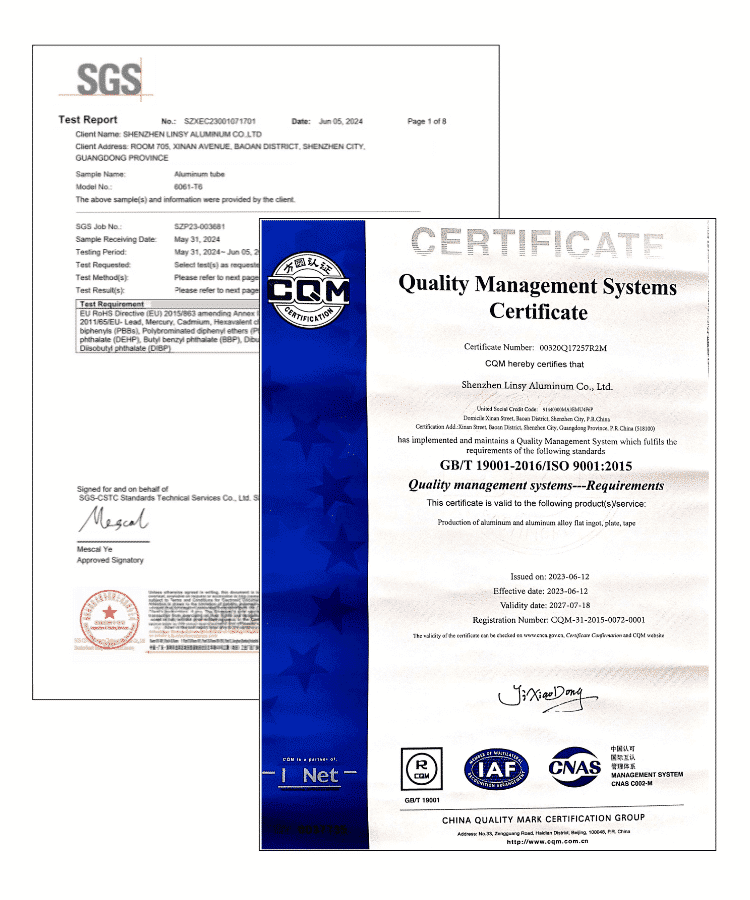
Every order ships with an MTC reporting alloy, temper, chemical composition and mechanical results against ASTM B209 or the ordered standard; Alclad material is certified with the cladding thickness. Third-party testing is available on request at additional cost; production runs under ISO 9001, ISO 14001 and ISO 45001 certified systems.
Sales confirm stock or custom lead time for that exact combination.
Shenzhen-based aluminum factory, more than 20 years in the industry, supplying 1000–8000 series alloys in standard specifications and custom sizes.
Q: Bare or Alclad — which should I order?
A: Alclad where the surface will be left unpainted in service, which is why airframe skins use it. Bare 2024 needs anodizing, a conversion coating or paint, and its cut edges corrode first.
Q: 2024 or 7075 sheet — which is stronger?
A: 7075 (570 against 483 MPa), but 2024 has better fatigue resistance. On a cyclically loaded part, specify by fatigue data rather than tensile strength.
Q: Can 2024 sheet be welded?
A: No, not reliably. It hot-cracks and loses properties in the heat-affected zone. Airframes in this alloy are riveted and bonded, not welded.
Q: Why T351 or T851 on a sheet order?
A: Because those are plate tempers produced by stretching, and sheet is not stretched that way. If a drawing calls T351 on 1 mm material, the form and the temper do not match — use T3 or T4.
Q: What does the cladding thickness mean?
A: Alclad sheet carries 1.5–5% of its thickness per side as pure aluminium. It protects the core at the cost of some fatigue strength, and the thickness belongs on the drawing and on the certificate.
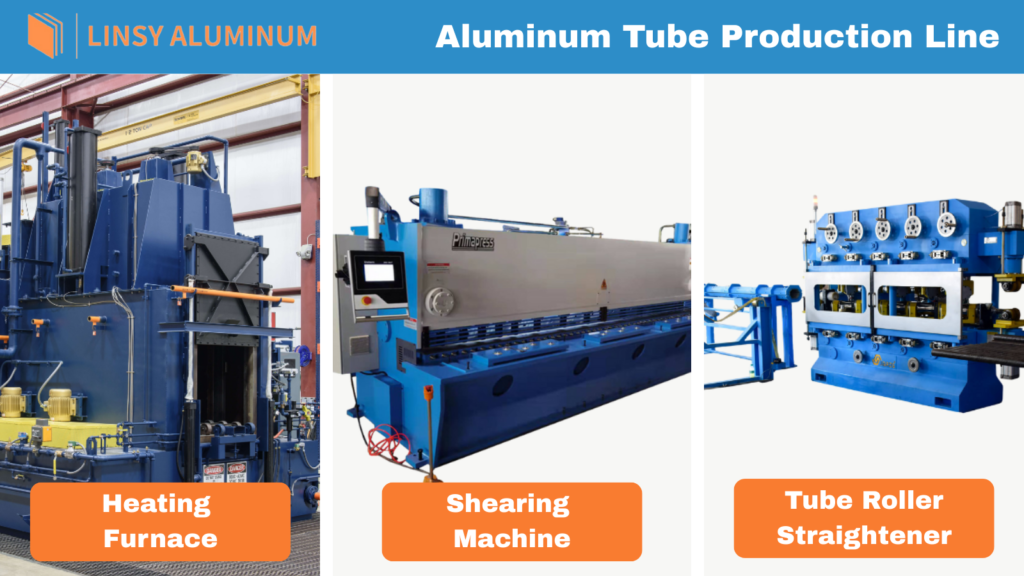
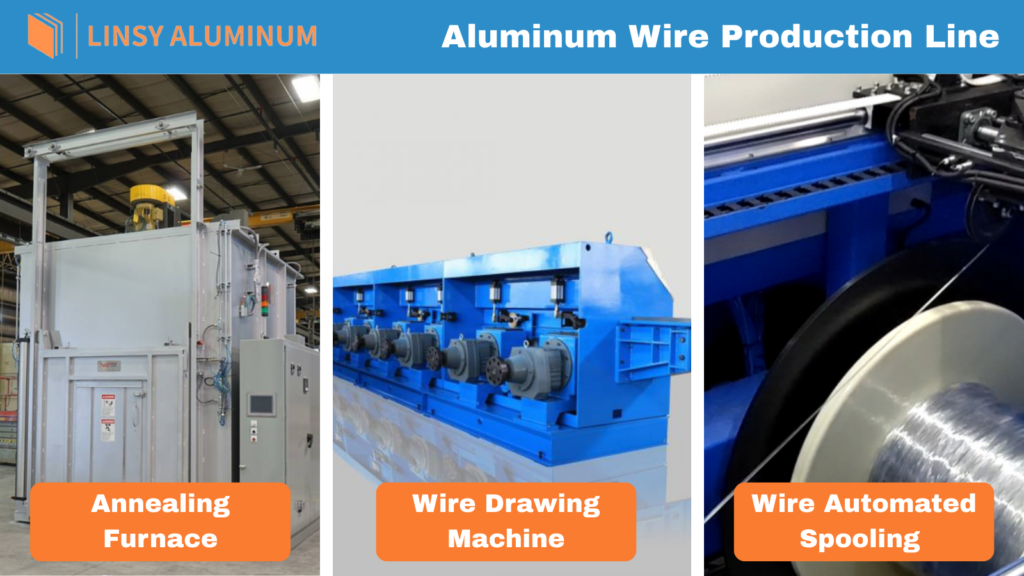
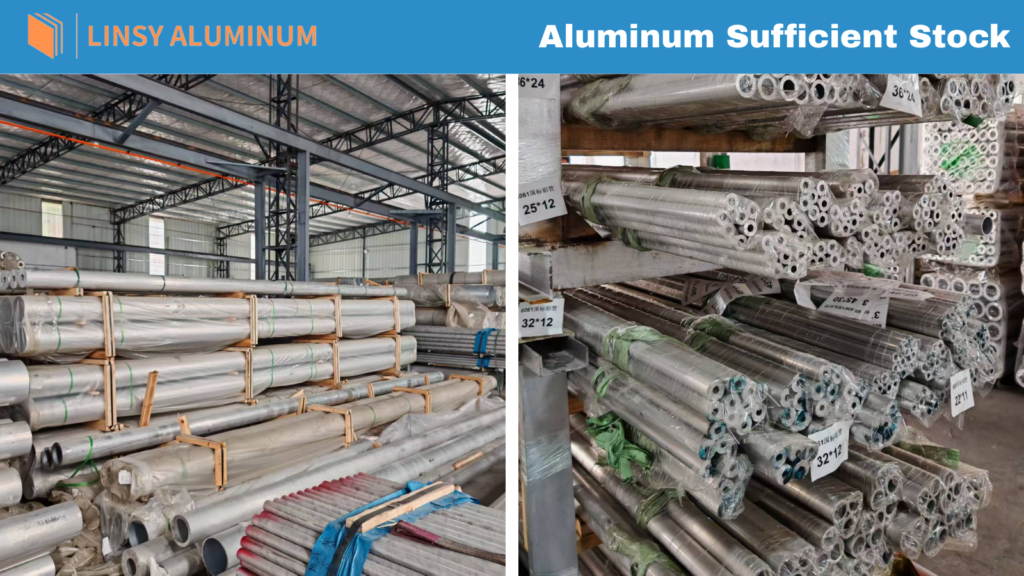
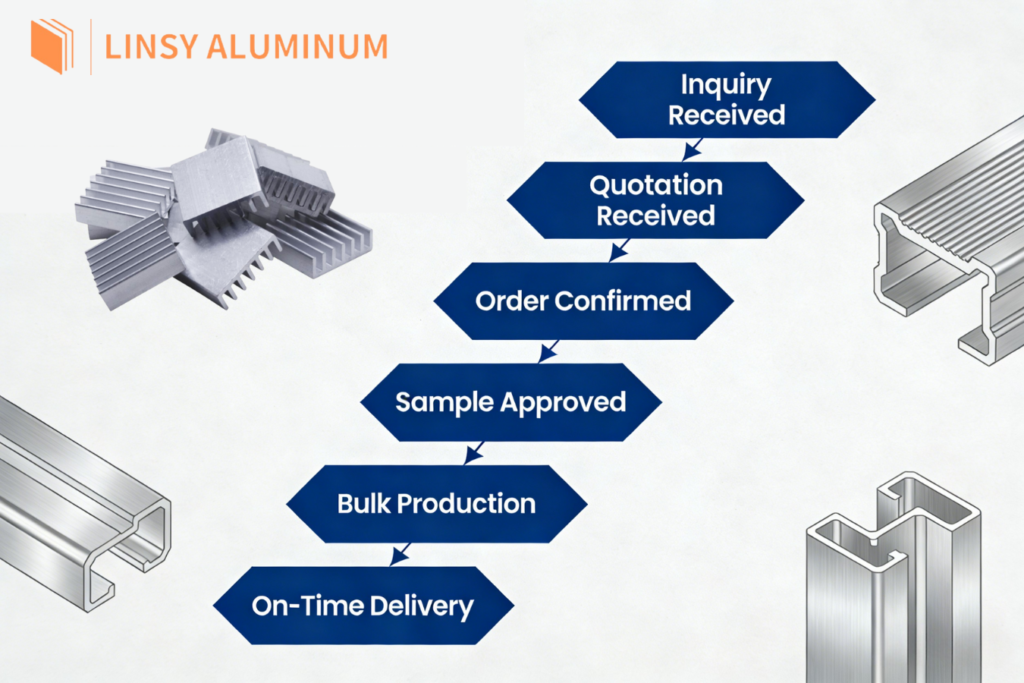
Linsy Advantages
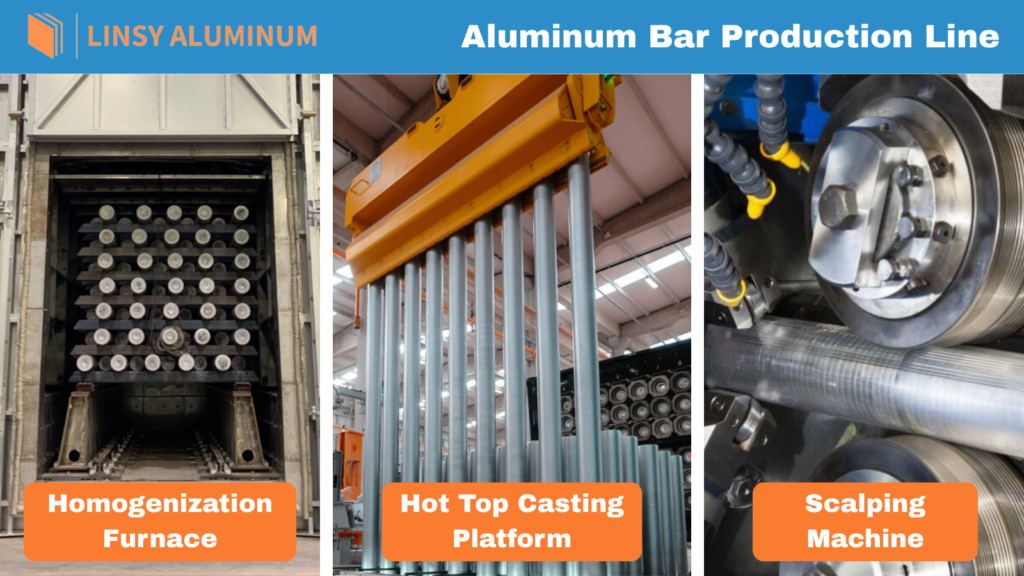
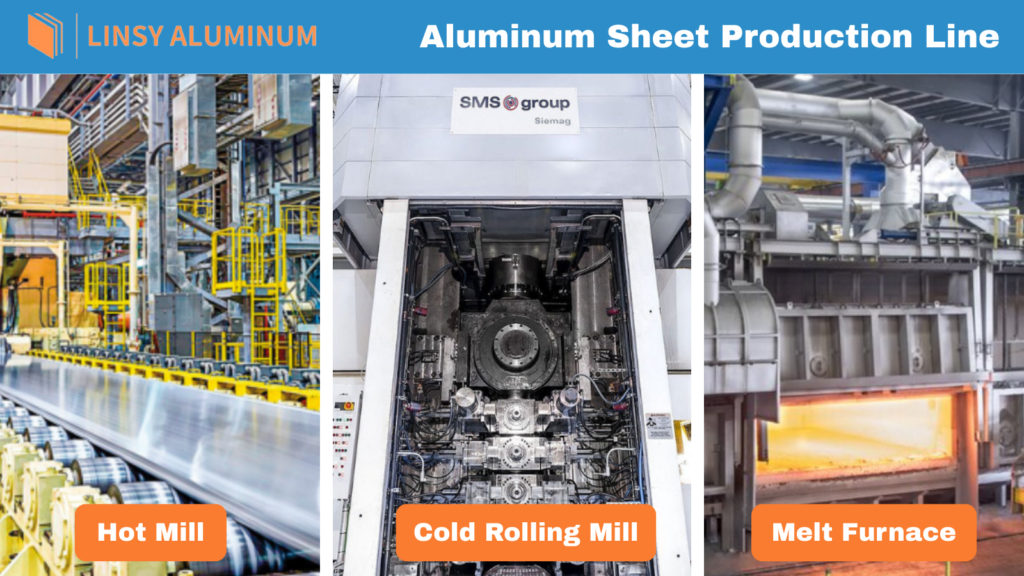
Linsy Aluminum is a leading supplier of aluminum processing products, serving diverse industries including aerospace, general engineering, automotive, marine, shipbuilding and other specialized industrial applications.
We are committed to maintaining the highest standards of quality and environmental responsibility, as demonstrated by our certifications: ISO 9001:2008, ISO 14001:2004 and SGS.