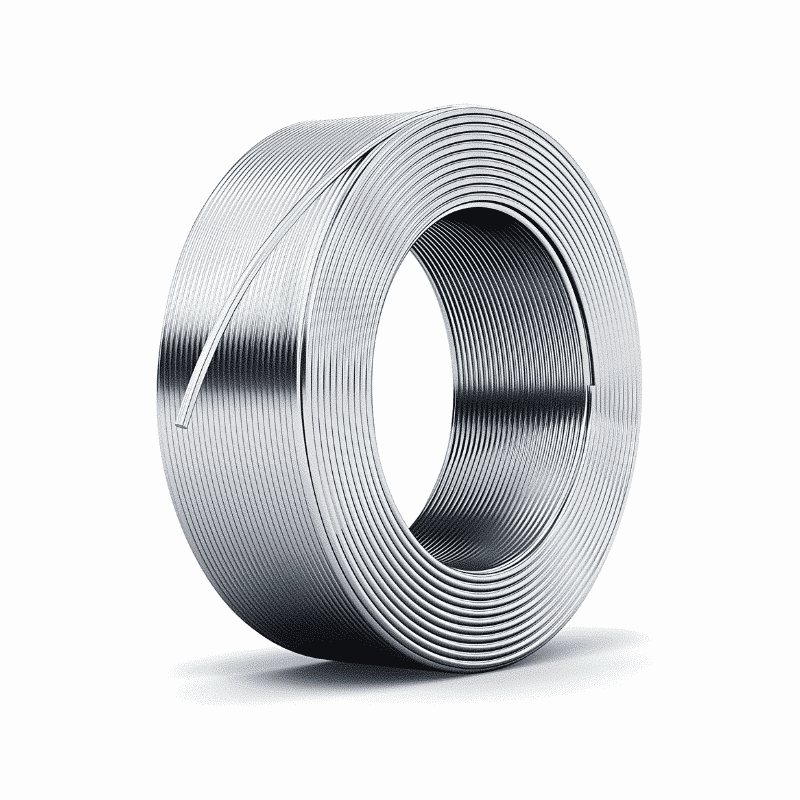
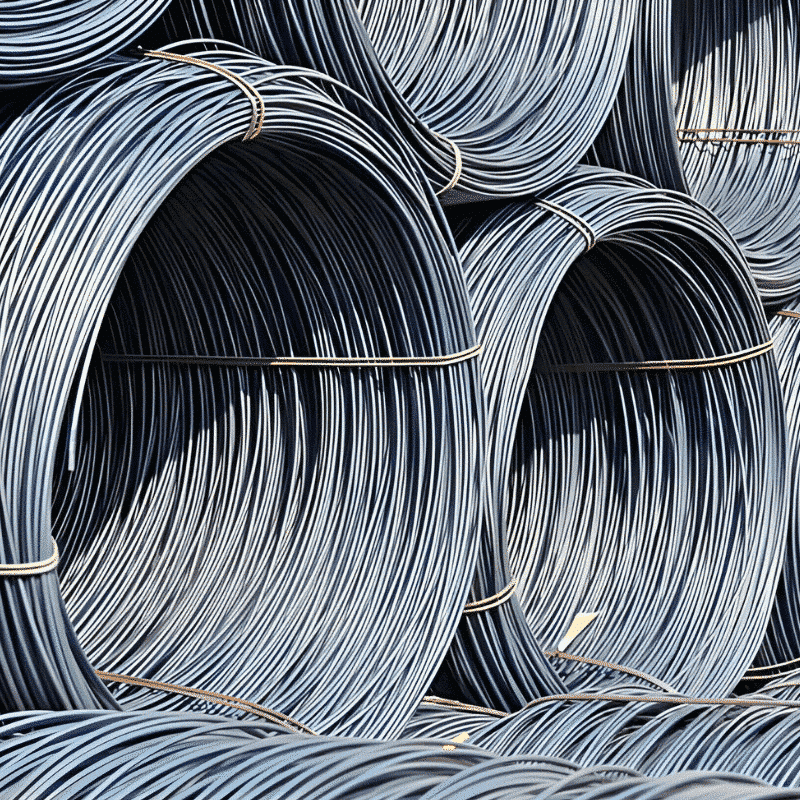


3003-aluminiumdraad is een niet-warmtebehandelbaar product van een Al-Mn-legering dat wordt gewaardeerd om zijn uitstekende vervormbaarheid, corrosiebestendigheid en matige sterkte. 3003-draad wordt geleverd in de hardheden O (gegloeid), H14 (halfhard) en H22 (door vervorming gehard en gedeeltelijk gegloeid) en is geschikt voor diverse toepassingen, waaronder lasvuldraad, klinknagels, gaas, bevestigingsmiddelen en algemene fabricage. Met een sterkte die ongeveer 20% hoger ligt dan die van 1100-aluminiumdraad, biedt 3003 een kosteneffectief alternatief wanneer puur aluminium onvoldoende is, maar hoogsterkte legeringen uit de 5xxx- of 6xxx-serie niet nodig zijn. Linsy levert 3003-aluminiumdraad in diameters van 0,8 mm tot 30 mm, verkrijgbaar op spoel, haspel of in rechte lengtes, afgestemd op uw productieapparatuur. Elke bestelling wordt verzonden met een volledig Mill Test Certificate (MTC), en SGS-testrapporten van derden zijn op verzoek beschikbaar. Onze fabriek in Shenzhen ondersteunt flexibele bestelhoeveelheden — van spoelen voor prototypes tot rollen voor volledige productie — met eigen faciliteiten voor het tekenen, opspoelen en oppervlaktebehandeling.
Beschikbare formulieren: draad (diameter 0,8–30 mm)
Veelvoorkomende temperamenten: O / H14 / H18 / H22
Verpakking: spoel / rol / op lengte gesneden stukken
Ondersteuning bij de verwerking: precisietekenen / opspoelen / gloeien
Kwaliteitsdocumenten: Bij elke bestelling een MTC-rapport
3003 aluminium draad is een vervaardigd Al-Mn-legeringsproduct dat 1,0–1,5% mangaan als primair legeringselement bevat. Als een niet-warmtebehandelbare legering ontleent 3003-draad zijn mechanische eigenschappen volledig aan koudvervorming tijdens het draadtrekproces, wat leverters produceert van volledig gegloeid (O) tot volledig hard (H18). De legering biedt ongeveer 20% hogere treksterkte dan commercieel zuiver 1100 aluminiumdraad, terwijl uitstekende corrosiebestendigheid, elektrische geleidbaarheid (ongeveer 44% IACS) en uitstekende vervormbaarheid behouden blijven. Deze eigenschappen maken 3003-draad tot een veelzijdige keuze voor toepassingen variërend van lasvulmetaal, koudgekopte klinknagels en bevestigingsmiddelen, geweven draadgaas en zeven, en elektrische geleiders waar een balans tussen geleidbaarheid en mechanische duurzaamheid vereist is. De zeer goede lasbaarheid van de legering — compatibel met TIG-, MIG- en weerstandlassen — maakt het ook een voorkeurskwaliteit aluminium vuldraad voor het verbinden van 1xxx-, 3xxx- en middelsterke 5xxx-serie basismaterialen.
Linsy levert 3003 aluminiumdraad in meerdere leveringstoestanden en diameters, met flexibele verpakkingsopties die geschikt zijn voor verschillende productieopstellingen. Standaardafmetingen staan hieronder vermeld. Aangepaste diameters en specifieke spoel- of haspelconfiguraties zijn op aanvraag verkrijgbaar.
| Alloy | Temper | Diameter (mm) | Verpakking | Rolgewicht (kg) | Standaard |
|---|---|---|---|---|---|
| 3003 | O | 0.8–12 | Spoel / Rol | 5–200 | ASTM B233 / GB/T 3195 |
| 3003 | H14 | 0.8–25 | Haspel / Spoel / Lengte op maat | 5–500 | ASTM B233 / GB/T 3195 |
| 3003 | H16 | 1.0–20 | Haspel / Spoel / Lengte op maat | 5–300 | ASTM B233 / GB/T 3195 |
| 3003 | H18 | 1.0–16 | Haspel / Spoel / Lengte op maat | 5–200 | ASTM B233 / GB/T 3195 |
| 3003 | H22 | 0.8–12 | Spoel / Rol | 5–200 | ASTM B233 / GB/T 3195 |
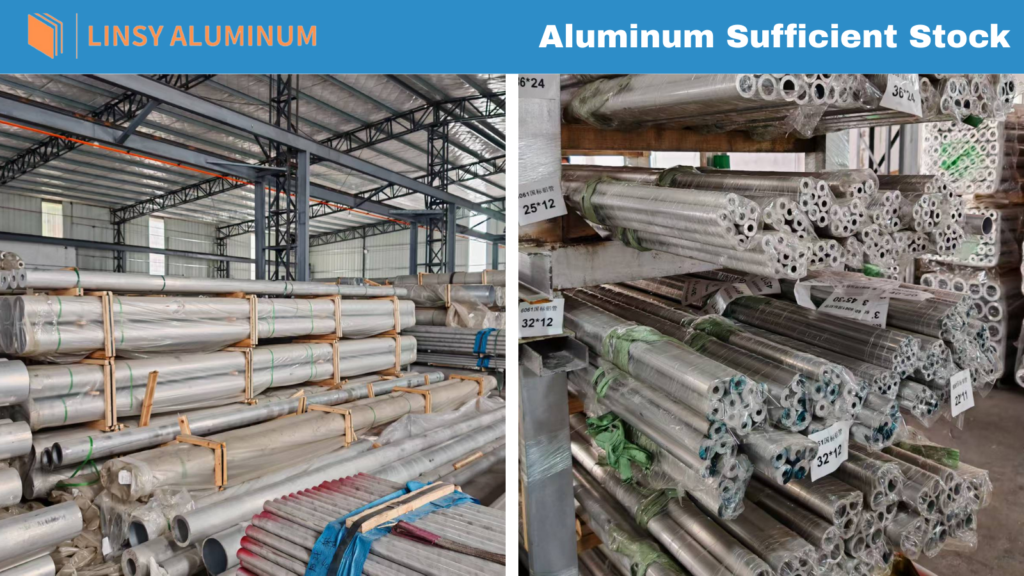
Standaard spoelgewichten variëren van 5 kg (prototypespoelen) tot 500 kg (productiespoelen). Diameters boven 12 mm worden doorgaans geleverd als rechte lengtes op maat in plaats van opgerold, vanwege de hogere buigstijfheid van zwaardere draad. De H18-leveringstoestand is de hardste commercieel verkrijgbare conditie en wordt aanbevolen voor toepassingen die maximale treksterkte vereisen in een niet-warmtebehandelbare draad. Aangepaste toleranties, specifieke spoelafmetingen (binnen-/buitendiameter) en precisie-laaggewonden haspels voor geautomatiseerde voedingsapparatuur zijn op aanvraag verkrijgbaar. Typische levertijd voor standaardafmetingen is 7–15 dagen; aangepaste diameters 20–40 dagen.
3003 aluminiumdraad wordt geproduceerd volgens erkende internationale normen. De onderstaande tabel vermeldt veelgebruikte draadspecifieke specificaties en kruisverwijzingen voor wereldwijde inkoop.
| Norm / Regio | Benaming |
|---|---|
| ASTM (VS) | 3003 (ASTM B233) |
| EN (Europa) | EN AW-3003 / EN AW-Al Mn1Cu |
| GB/T (China) | 3003 (GB/T 3195) |
| JIS (Japan) | A3003 |
| ISO | AlMn1Cu |
Opmerking: ASTM B233 is de toepasselijke norm voor aluminium 1350 en aluminiumlegering trekstaaf en draad. De oorspronkelijke pagina verwees naar ASTM B209 en GB/T 3880, die van toepassing zijn op plaat en band, niet op draadproducten. Onze 3003-draad wordt geproduceerd in overeenstemming met ASTM B233 en GB/T 3195. Als uw project naleving van een specifieke nationale norm vereist, vermeld dit dan bij het aanvragen van een offerte, zodat wij dit kunnen bevestigen en de juiste documentatie kunnen verstrekken.
De chemische samenstelling van 3003 aluminiumdraad voldoet aan de eisen van ASTM B233 en EN 573-3. De onderstaande tabel vermeldt de nominale grenswaarden voor elk element.
| Element | Inhoud (%) |
|---|---|
| Silicium (Si) | 0,6 max |
| IJzer (Fe) | 0,7 max |
| Koper (Cu) | 0.05–0.20 |
| Mangaan (Mn) | 1.0–1.5 |
| Zink (Zn) | 0,10 max |
| Anderen, elk | 0,05 max |
| Overige, totaal | 0,15 max |
| Aluminium (Al) | Saldo |
Mangaan is het voornaamste legeringselement met 1,0–1,5% en zorgt voor het karakteristieke sterktevoordeel van de legering ten opzichte van 1100 aluminium. Koper (0,05–0,20%) draagt een klein extra verstevigingseffect bij. Silicium en ijzer zijn aanwezig als gecontroleerde onzuiverheden. Magnesium, chroom, zink en titanium worden niet opzettelijk toegevoegd aan 3003 en vallen binnen de limiet voor “Overige, elk” van maximaal 0,05% volgens EN 573-3. Elke productiecharge wordt geverifieerd tegen deze samenstellingsgrenzen en gedocumenteerd in het MTC dat bij uw bestelling wordt geleverd.
De mechanische eigenschappen van 3003 aluminiumdraad variëren aanzienlijk met de leveringstoestand. Als niet-warmtebehandelbare legering worden de eigenschappen ontwikkeld door koudvervorming tijdens het draadtrekken. De O-leveringstoestand biedt maximale ductiliteit en de hoogste elektrische geleidbaarheid, terwijl geleidelijk hardere leveringstoestanden een hogere treksterkte leveren ten koste van rek. H18 (volledig hard) vertegenwoordigt het maximaal commercieel verkrijgbare sterkteniveau voor 3003-draad.
| Temper | Treksterkte (MPa) | Opbrengststerkte (MPa) | Rek (%) | Elektrische geleidbaarheid (% IACS) |
|---|---|---|---|---|
| O | 95–130 | 35 min | 23–30 | 50 |
| H12 | 120–155 | 85 min | 10–20 | 47 |
| H14 | 140–180 | 115 min | 8–16 | 46 |
| H16 | 165–205 | 145 min | 5–14 | 45 |
| H18 | 185 min | 165 min | 4–10 | 44 |
| H22 | 120–155 | 85 min | 10–20 | 47 |
Getoonde waarden zijn typisch voor 3003 aluminiumdraad volgens ASTM B233. De oorspronkelijke bronpagina bevatte omgekeerde gegevens (vloeigrens hoger vermeld dan treksterkte). Deze tabel is gecorrigeerd om de juiste relatie weer te geven waarbij treksterkte de vloeigrens overschrijdt voor alle leveringstoestanden. Elektrische geleidbaarheid neemt licht af bij toenemende koudvervorming. Neem contact op met ons team voor gegarandeerde mechanische eigenschappen voor uw specifieke draaddiametervereiste.
Thermische geleidbaarheid voor 3003 aluminiumdraad is ongeveer 160–193 W/(m·K), variërend met leveringstoestand en temperatuur. Bij 20°C vertoont de O-leveringstoestand doorgaans ongeveer 193 W/(m·K).
De keuze van de leveringstoestand voor 3003 aluminiumdraad hangt sterk af van wat er met de draad gebeurt nadat u deze ontvangt. Wordt het koudgekopte klinknagels, getrokken door een laspistool, gevormd tot veren, of geweven tot gaas? De onderstaande gids helpt bij het afstemmen van de leveringstoestand op uw vervolgproces.
| Temper | Toestand | Beste voor |
|---|---|---|
| O | Volledig gegloeid, zachtst | Maximale ductiliteit voor ernstige koudvervorming, dieptrekken en kopbewerkingen. Hoogste elektrische geleidbaarheid. Het beste voor klinknagelblanco's die aanzienlijke vervorming ondergaan tijdens het zetten. Ook gebruikt wanneer draad intern opnieuw moet worden getrokken naar een kleinere diameter. |
| H14 | Rekverstevigd, halfhard | De meest veelzijdige en standaard op voorraad gehouden draadleveringstoestand. Goede balans tussen sterkte en vervormbaarheid. Geschikt voor algemene bevestigingsmiddelen, draadvormen, lasvulmetaal en lichte veertoepassingen. Voedt betrouwbaar door geautomatiseerde draadverwerkingsapparatuur. |
| H16 | Rekverstevigd, 3/4-hard | Hogere sterkte voor veerdraad, stijve draadvormen en bevestigingsmiddelen die betere aandrijfkoppelweerstand vereisen. Verminderde vervormbaarheid — niet aanbevolen voor ernstige kop- of buigbewerkingen. |
| H18 | Rekverstevigd, volledig hard | Maximale treksterkte verkrijgbaar in 3003-draad. Het beste voor veerdraad, hogesterktebevestigingsmiddelen en toepassingen waar stijfheid belangrijker is dan vervormbaarheid. Niet specificeren voor toepassingen met buigen of koppen na ontvangst. |
| H22 | Rekverstevigd & gedeeltelijk gegloeid | Bijna dezelfde sterkte als H14 maar met verbeterde ductiliteit door gedeeltelijk gloeien. De voorkeursleveringstoestand wanneer draad na het op lengte knippen moet worden gevormd of gekopt. Goede keuze voor klinknageldraad dat in automatische machines koudgekopte wordt. |
Als uw proces koudkoppen omvat, overweeg dan sterk O of H22. Voor lasvulmetaal zijn H14 of H16 gebruikelijk. Voor veer- en hogesterktetoepassingen biedt H18 de hoogste mechanische eigenschappen.
3003 aluminiumdraad weerstaat atmosferische corrosie, vocht en veel chemische omgevingen zonder dat beschermende coatings nodig zijn. Het presteert betrouwbaar in binnenomgevingen, beschutte buitenomgevingen en milde chemische blootstellingsomstandigheden. Dit maakt 3003-draadgaas en draadvormen geschikt voor architecturale, voedselverwerkende en chemische apparatuurtoepassingen waar corrosiebestendigheid een primaire ontwerpeis is.
In de O- en H22-leveringstoestanden kan 3003-draad uitgebreid koudgekopte, gebogen, getrokken en gevormd worden zonder scheuren of splijten. Dit is essentieel voor de productie van klinknagels en bevestigingsmiddelen, waar draadblanco's aanzienlijke plastische vervorming ondergaan tijdens het koudkoppen. De hoge verstevigingssnelheid van de legering betekent ook dat gevormde onderdelen een hogere sterkte bereiken dan de oorspronkelijke draadleveringstoestand, een gunstig kenmerk voor koudgekopte bevestigingsmiddelen.
3003-draad is een uitstekende keuze als vulmateriaal voor TIG- (GTAW) en MIG- (GMAW) lassen van 1xxx-, 3xxx- en compatibele 5xxx-serie aluminiumlegeringen. De draad voert soepel door lasapparatuur en de resulterende lasafzettingen behouden goede corrosiebestendigheid zonder dat warmtebehandeling na het lassen nodig is. Voor het verbinden van 3003-basismateriaal wordt ook vaak 1100-vuldraad gebruikt; voor gemengde legeringsverbindingen biedt 4043-vulmateriaal betere vloeibaarheid.
Hoewel het niet de geleidbaarheid van zuiver aluminium (1350, ~61% IACS) of koper evenaart, biedt 3003-draad in de O-leveringstoestand ongeveer 50% IACS elektrische geleidbaarheid — voldoende voor veel algemene elektrische geleidertoepassingen waar een hogere mechanische sterkte dan 1350 gewenst is. Thermische geleidbaarheid van ongeveer 193 W/(m·K) in de gegloeide toestand maakt 3003-draad ook geschikt voor warmtewisselaar-draadgaas en thermische beheercomponenten. Koudvervorming vermindert de geleidbaarheid enigszins: H18-draad meet ongeveer 44% IACS.
3003-draad biedt ongeveer 20% hogere sterkte dan 1100 aluminiumdraad, terwijl het een van de meest economische aluminiumlegering-draadkwaliteiten op de markt blijft. Voor toepassingen waar 1100 te zacht is maar 5052- of 6061-sterkteniveaus onnodig zijn, vult 3003 de kloof met de beste kosten-prestatieverhouding in zijn klasse.
Als niet-warmtebehandelbare legering kan 3003-draad niet worden versterkt door oplossingsgloeien of precipitatieharding. Alle mechanische eigenschappen komen voort uit koudvervorming tijdens het draadtrekken. Dit heeft implicaties: 3003-draad zal verzachten bij langdurige blootstelling aan temperaturen boven ongeveer 340°C (645°F). Als uw toepassing gebruik bij verhoogde temperaturen omvat, overweeg dan 5052- of 6061-draad. Gedeeltelijk gloeien (resulterend in H2x-leveringstoestanden) wordt gebruikt om de ductiliteit bij een bepaald sterkteniveau te verbeteren wanneer nodig.
3003 aluminiumdraad dient een breed scala aan industriële en commerciële toepassingen waar vervormbaarheid, corrosiebestendigheid en matige sterkte de primaire vereisten zijn:
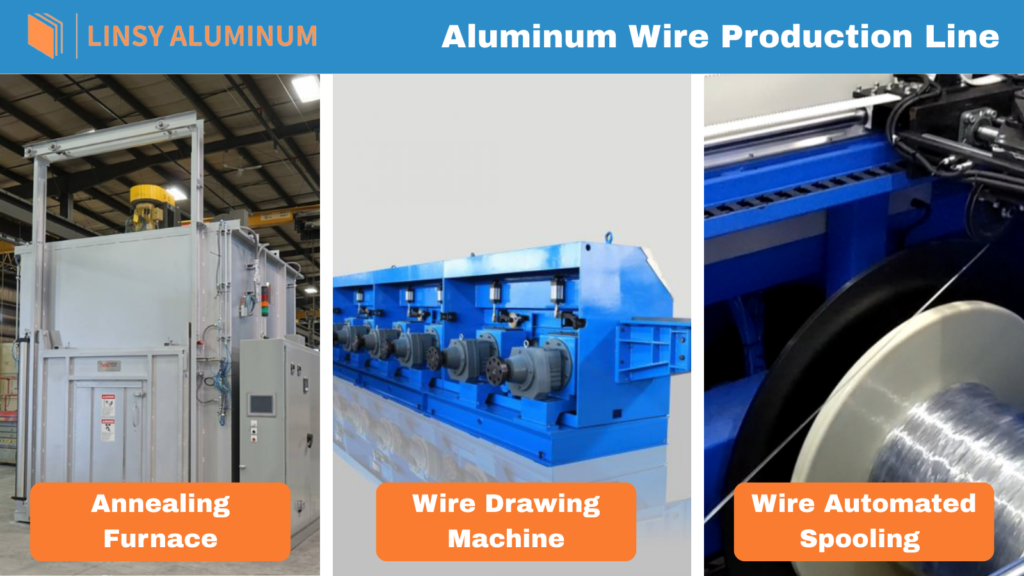
3003 aluminiumdraad wordt geproduceerd door middel van meerpassig koudtrekken vanuit staafmateriaal. Elke trekpassage vermindert de doorsnede met ongeveer 15–35%, met tussentijdse gloeistappen bij de productie van O- of H2x-temperatuurmaterialen. Linsy’s draadtrekcapaciteit ondersteunt diameters van 0,8 mm (fijne draad) tot 30 mm (zwaar kaliber draad). Standaard spoelconfiguraties omvatten precisiegewonden spoelen (voor geautomatiseerde toevoerapparatuur), willekeurig gewonden rollen en rechte op lengte gesneden stukken. Spoelafmetingen (flensdiameter, traversebreedte, asgat) kunnen worden aangepast aan uw apparatuurspecificaties.
Voor koudvervormingstoepassingen (klinknagels, bevestigingsmiddelen) worden 3003-draad in O- en H22-temperatuur aanbevolen. De draad moet vrij zijn van oppervlaktedefecten die scheuren kunnen initiëren tijdens het vervormen. Een lichte fosfaat- of stearaatcoating kan worden aangebracht om de hechting van smeermiddel tijdens vervormingsbewerkingen te verbeteren. Het goede verstevigingsgedrag van de legering betekent dat gevormde bevestigingsmiddelen in de eindtoestand een hogere sterkte hebben dan de uitgangsdraadtemperatuur.
3003 lasdraad wordt doorgaans geleverd in H14- of H16-temperatuur met een helder, schoon oppervlak. Het draadoppervlak moet vrij zijn van olie, oxide en trek-smeermiddelresten om lasporositeit te voorkomen. Voor kritische lastoepassingen raden wij aan om chemisch gereinigde of precisiegereinigde oppervlakteconditie te specificeren. Draad is verkrijgbaar op standaardspoelen (D100, D200, D300) of in bulkrollen voor geautomatiseerde lassystemen met hoog volume.
Standaard oppervlakteafwerkingen voor 3003 aluminiumdraad omvatten:
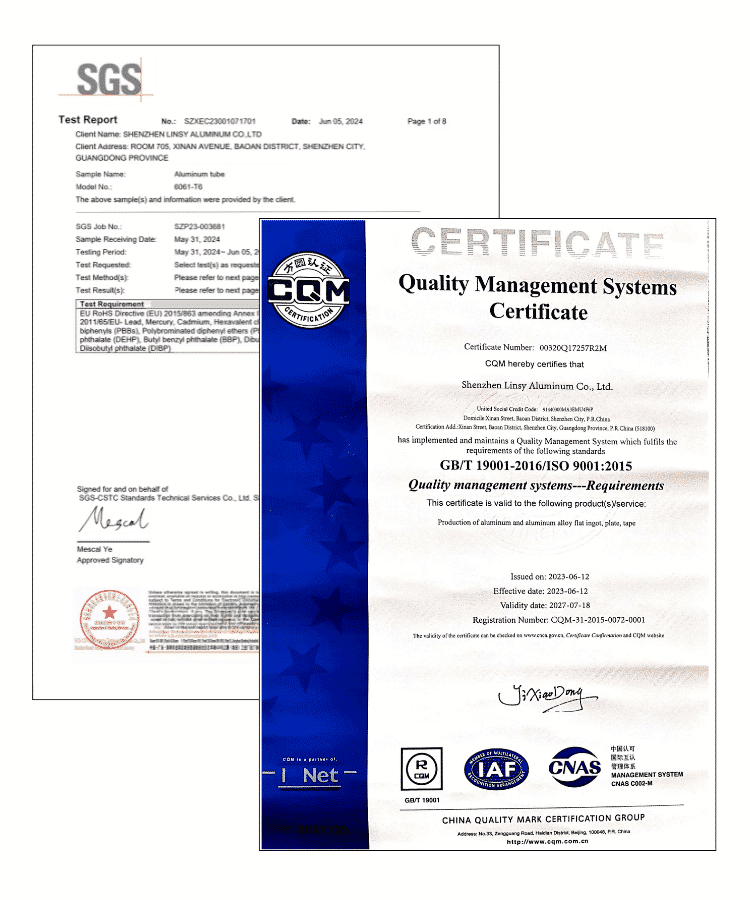
Elke zending 3003 aluminiumdraad van Linsy omvat een Fabriekscertificaat (MTC) met vermelding van het heatnummer, chemische samenstelling, mechanische eigenschappen (treksterkte, vloeigrens, rek) en diametermetingen voor uw specifieke partij. Ons kwaliteitsmanagementsysteem is gecertificeerd volgens ISO 9001, wat volledige traceerbaarheid garandeert van knuppel tot afgewerkte draad.
Extra kwaliteitsdiensten beschikbaar:
Linsy Aluminum is een aluminiumfabriek gevestigd in Shenzhen met meer dan 20 jaar ervaring in het leveren van aluminiumproducten aan klanten in meer dan 20 landen. Ons 3003-draadprogramma is gebouwd op consistente kwaliteit, flexibele service en concurrerende levertijden:
Voor diepere technische informatie over 3003 aluminiumlegering en vergelijkingen met andere kwaliteiten, raadpleeg de volgende artikelen uit de Linsy Knowledge Hub:
V: Wat is het verschil tussen 3003-H14 en 3003-H22 draad?
A: Beide temperaturen leveren vergelijkbare trek- en vloeisterkte, maar via verschillende verwerking. H14 is alleen rekverstevigd (halfhard), terwijl H22 rekverstevigd en vervolgens gedeeltelijk gegloeid is. Het gedeeltelijk gloeien geeft H22-draad aanzienlijk betere vervormbaarheid, waardoor het de voorkeurskeuze is wanneer draad na ontvangst koudvervormd, gevormd of gebogen wordt. H14 voert iets consistenter door geautomatiseerde richtapparatuur en is vaker op voorraad.
V: Kan 3003 aluminiumdraad worden gebruikt als MIG-lasdraad?
A: Ja. 3003-draad wordt veel gebruikt als lasdraad voor MIG (GMAW) en TIG (GTAW) lassen van 1xxx- en 3xxx-serie aluminiumlegeringen. Het is ook compatibel met veel 5xxx-serie basismaterialen. Voor het lassen van 3003 aan 6061 of andere 6xxx-serie legeringen heeft 4043 lasdraad over het algemeen de voorkeur vanwege betere scheurweerstand. Specificeer chemisch gereinigde oppervlakteconditie voor kritische lastoepassingen.
V: Welke draaddiameters zijn beschikbaar op spoelen?
A: Draaddiameters van 0,8 mm tot ongeveer 8 mm worden doorgaans op spoelen geleverd. Grotere diameters (boven 8–10 mm) worden normaal gesproken geleverd als rollen of rechte op lengte gesneden stukken vanwege de verhoogde stijfheid die opspoelen onpraktisch maakt. Precisiegewonden spoelen met aangepaste flensafmetingen zijn beschikbaar voor geautomatiseerde toevoersystemen.
V: Hoe verhoudt 3003-draad zich tot 1100 aluminiumdraad?
A: 3003 biedt ongeveer 20% hogere treksterkte dan 1100 vanwege het mangaangehalte (1,0–1,5% Mn versus vrijwel zuiver aluminium voor 1100). De afweging is een iets lagere elektrische geleidbaarheid (44–50% IACS versus ~61% IACS voor 1100) en een bescheiden prijsopslag. Kies 3003 wanneer hogere mechanische sterkte nodig is; kies 1100 wanneer maximale geleidbaarheid of de laagste kosten prioriteit hebben.
V: Kan 3003-draad worden geanodiseerd?
A: Anodiseren van 3003-draad is technisch mogelijk maar wordt niet vaak toegepast vanwege hanteringsuitdagingen met continue draad. Voor draad dat wordt gevormd tot afgewerkte componenten (draadvormen, maaspanelen) is anodiseren van de complete assemblage praktischer. Let op: het mangaangehalte van 3003 kan geanodiseerde oppervlakken een licht grijsachtige tint geven vergeleken met 6063. Voor decoratieve geanodiseerde draadcomponenten overweeg 6063 als uiterlijkconsistentie kritisch is.
V: Wat is uw minimale bestelhoeveelheid (MOQ) voor 3003 aluminiumdraad?
A: MOQ varieert per diameter en temperatuur. Voor standaard voorraadmaten accommoderen wij kleine spoelbestellingen voor prototyping en testen. Neem contact op met ons verkoopteam met uw diameter, temperatuur en verpakkingsvoorkeuren voor een specifieke MOQ-bevestiging.
V: Hoe lang duurt de levering?
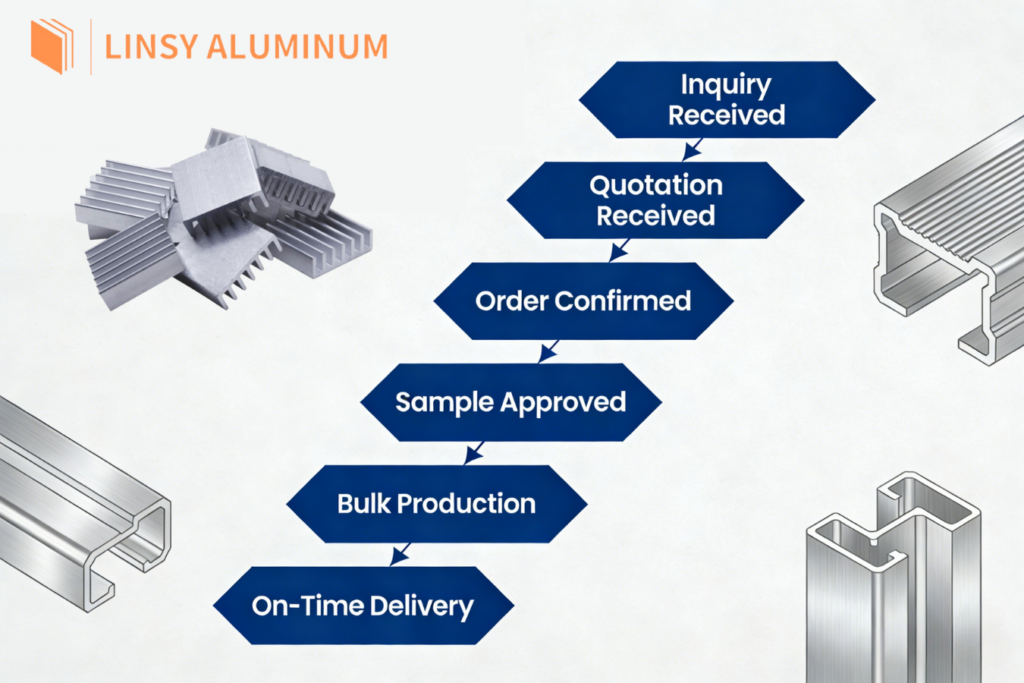
A: Voorraadmaten in gangbare temperaturen worden doorgaans verzonden binnen 7–15 dagen. Aangepaste diameters of niet-standaard temperaturen vereisen 20–40 dagen afhankelijk van het walsprogramma. Grote productiebestellingen kunnen oplopen tot 60 dagen. Wij verstrekken een bevestigd leveringsschema bij elke offerte.
V: Levert u internationaal?
A: Ja. Wij verzenden naar klanten in Noord-Amerika, Europa, Zuidoost-Azië, het Midden-Oosten en Australië. Wij verstrekken volledige exportdocumentatie, waaronder commerciële facturen, paklijsten, certificaten van oorsprong en alle bestemmingsspecifieke papieren. Zowel zeevracht als luchtvracht zijn beschikbaar.
V: Welke documentatie wordt bij de bestelling geleverd?
A: Elke bestelling omvat een Mill Test Certificate (MTC) met de chemische samenstelling, mechanische eigenschappen en maatvoering. Aanvullende documenten zoals testrapporten van derden (SGS, TÜV), geleidbaarheidscertificaten of oppervlakte-inspectierapporten zijn op verzoek verkrijgbaar.
V: Kunt u 3003-draad leveren in aangepaste spoelmaten voor mijn geautomatiseerde apparatuur?
A: Ja. Wij kunnen precisiegewikkelde spoelen leveren met uw gespecificeerde flensdiameter, traversebreedte, asgatmaat en totaal draadgewicht per spoel. Dit elimineert de noodzaak voor herspoelen bij uw faciliteit en garandeert compatibiliteit met uw geautomatiseerde aanvoer-, kop- of lasapparatuur.
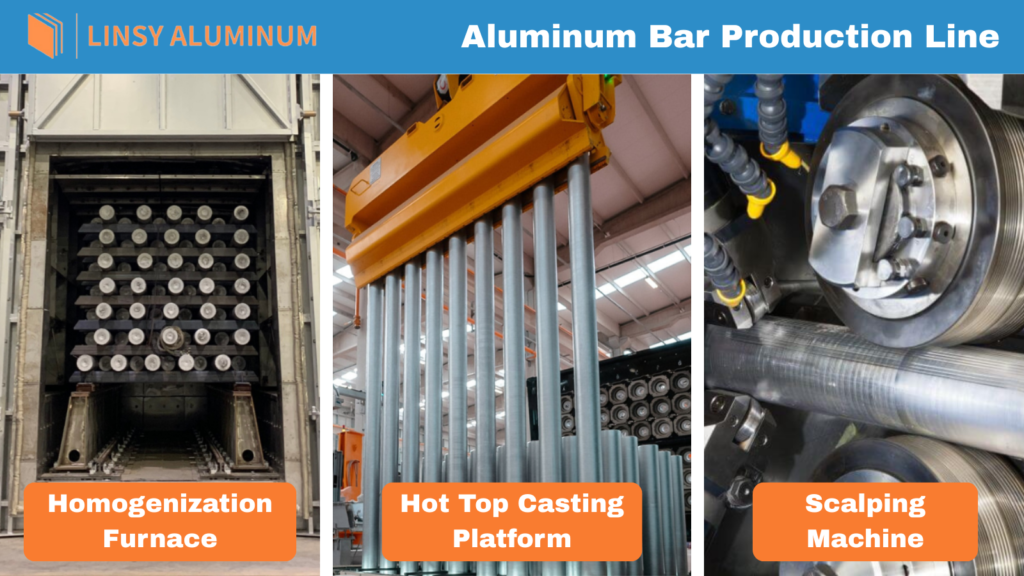
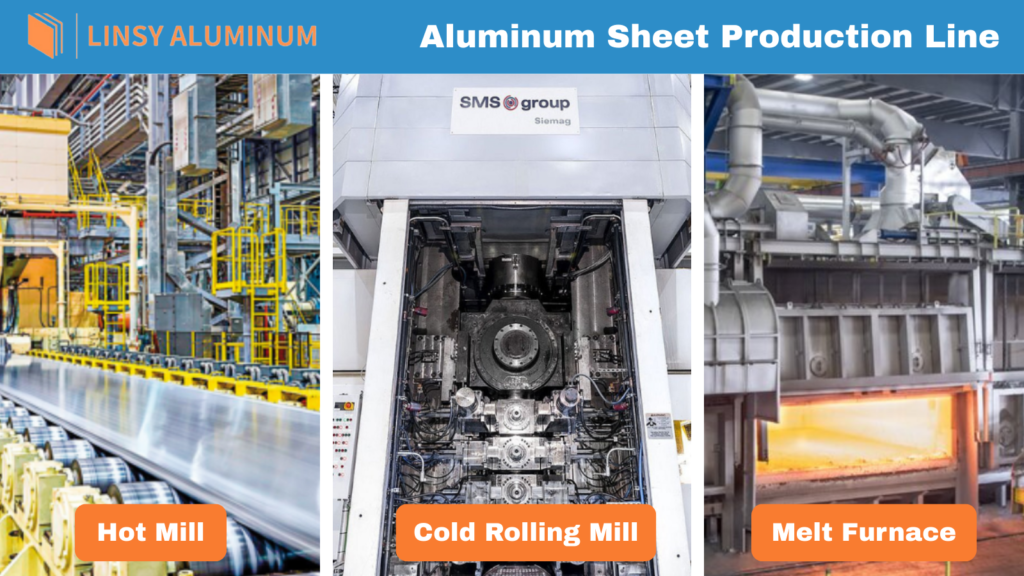
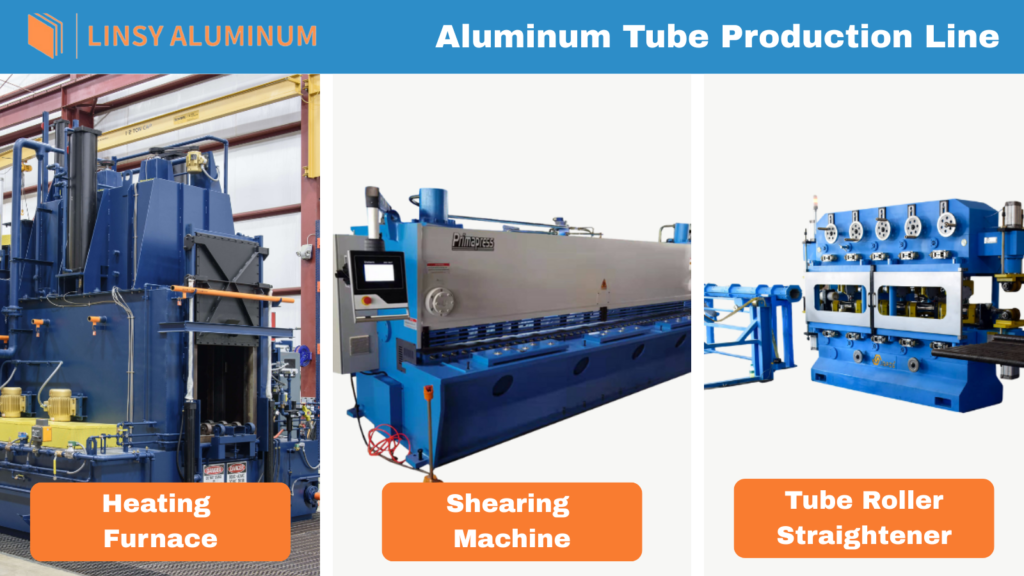
Linsy Voordelen
Linsy Aluminum is een toonaangevende leverancier van aluminiumverwerkingsproducten en levert aan diverse industrieën, waaronder de ruimtevaart, algemene machinebouw, automobielindustrie, scheepvaart, scheepsbouw en andere gespecialiseerde industriële toepassingen.
We zetten ons in om de hoogste kwaliteits- en milieunormen te handhaven, zoals blijkt uit onze certificeringen: ISO 9001:2008, ISO 14001:2004 en SGS.