Key Highlights
- High Strength: The 5356 aluminum alloy offers exceptional strength with a typical yield of 40 ksi, making it ideal for demanding applications.
- Excellent Corrosion Resistance: Its magnesium content ensures superior durability against harsh marine environments.
- Versatile Welding Performance: As a widely used filler alloy, it works seamlessly in general-purpose welding, especially for aluminum structures like truck trailers and small boats.
- Improved Shear Strength: The alloy provides 26 ksi transverse shear strength, surpassing many alternatives.
- Superior Anodizing Results: It delivers an excellent color match after anodizing compared to other alloys.
Introduction
The 5356 aluminum alloy is a robust choice for welding applications, renowned for its excellent corrosion resistance and high strength. As a filler alloy containing 5% magnesium, it guarantees reliable performance in both general-purpose and specialized tasks. Whether you’re constructing ship panels or working in marine environments, its adaptability makes it a preferred option. Throughout this guide, we’ll unveil the specifications and applications of this versatile aluminium alloy to help you understand its capabilities more thoroughly.
Now, let’s dive into its key technical specifications.
Key Specifications of 5356 Aluminum Alloy
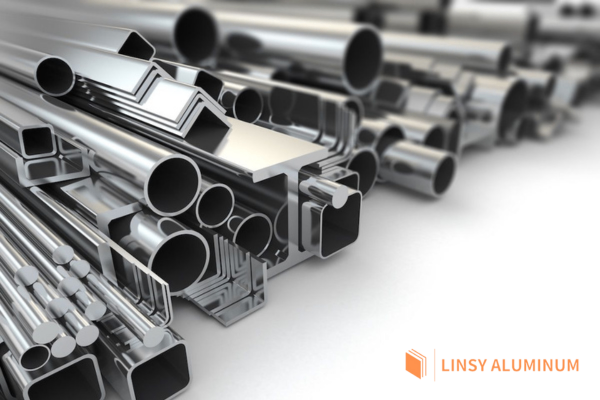
The 5356 aluminum alloy is distinguished by its unique chemical composition and properties. Its 5% magnesium content significantly boosts strength, offering a tensile yield of 40 ksi. The alloy exhibits a balanced combination of ductility, toughness, and excellent corrosion resistance, making it compatible with various structural applications.
As a widely utilized filler alloy, 5356 stands out for its reliable performance in welding aluminum base materials. With benefits such as improved feedability during Gas Metal Arc Welding (GMAW), it is a valuable option for construction and marine projects.
Setting the stage, let’s assess its chemical makeup next.
Chemical Composition of 5356 Aluminum
5356 aluminum is a high-strength alloy in the 5000 series, widely used for welding applications due to its excellent corrosion resistance and weldability. Magnesium (4.5%–5.5%) is the primary alloying element, providing robust mechanical properties and resistance to marine environments. Small amounts of manganese and chromium enhance toughness and durability, making it ideal for structural and marine applications.
|
Element |
Composition Range (% by weight) |
Description |
|---|---|---|
|
Aluminum (Al) |
92.7 – 94.9 |
The primary component, offering a lightweight and corrosion-resistant base. |
|
Magnesium (Mg) |
4.5 – 5.5 |
Boosts strength and corrosion resistance, ideal for marine and welding applications. |
|
Manganese (Mn) |
0.05 – 0.20 |
Enhances toughness and structural stability in small amounts. |
|
Chromium (Cr) |
0.05 – 0.20 |
Improves corrosion and wear resistance for durability. |
|
Titanium (Ti) |
0.06 – 0.20 |
Refines grain structure for improved weldability and quality. |
|
Iron (Fe) |
0.4 (max) |
Kept low to maintain corrosion resistance and alloy purity. |
|
Silicon (Si) |
0.25 (max) |
Limited to ensure optimal mechanical properties. |
|
Copper (Cu) |
0.1 (max) |
Minimal to avoid impacting corrosion resistance. |
|
Zinc (Zn) |
0.1 (max) |
Limited to maintain corrosion resistance. |
|
Others (each) |
0.05 (max) |
Trace elements, controlled to ensure alloy consistency. |
|
Others (total) |
0.15 (max) |
Total minor elements, kept low to maintain performance. |
Key Properties of 5356 Aluminum
The 5356 aluminum alloy is a lightweight and highly weldable material, perfect for joining aluminum structures.
This alloy stands out with:
- Lightweight Density: At 2.66 g/cm³, it’s light, making it easy to use in welding applications.
- Excellent Corrosion Resistance: Thrives in marine and harsh environments, ensuring durability.
- Outstanding Weldability: Widely used as a filler wire for welding, creating strong and reliable joints.
- Good Formability: Easily shaped into wires or rods, ideal for welding consumables.
- Moderate Strength: With tensile strength around 240–290 MPa as welded, it supports sturdy welds.
|
Property |
Value/Description |
|---|---|
|
Density |
2.66 g/cm³ |
|
Melting Point |
~570–635°C |
|
Tensile Strength (As Welded) |
~240–290 MPa |
|
Yield Strength (As Welded) |
~120–150 MPa |
|
Corrosion Resistance |
Excellent, ideal for marine and harsh environments |
|
Thermal Conductivity |
~130–150 W/m·K |
|
Electrical Conductivity |
~33–38% IACS |
|
Weldability |
Outstanding, widely used as welding filler |
|
Formability |
Good, suitable for wire and rod forming |
|
Thermal Expansion Rate |
23.9 × 10⁻⁶ /°C |
Common Applications
The 5356 aluminum alloy is widely used across various industries because of its versatility and high performance. It is particularly favored as a filler alloy in welding, providing strong and durable bonds between aluminum parts.
Its natural corrosion resistance makes it ideal for marine uses like shipbuilding and small fishing boats. Additionally, industries use 5356 for general-purpose welding in projects such as truck trailers and rail car panels. Some notable applications include:
- Construction of aluminum truck frames
- Shipbuilding and marine panels
- Fabrication of bus structures and rail cars
- Cryogenic applications requiring structural integrity
These practical uses highlight the diverse capabilities of this alloy. Let’s now compare 5356 aluminum to other alloys in terms of performance and utility.

5356 Aluminum vs. Other Alloys
How does the 5356 aluminium alloy measure up against others? It offers higher shear strength (26 ksi transverse) and better corrosion resistance compared to 4043 and similar filler alloys. Its magnesium base composition gives it superior color match after anodizing, unlike alloys like 4043 that often discolor.
Although softer filler alloys like 4043 may provide smoother weld finishes, 5356 excels in structural applications requiring toughness, high strength, and resilience. Next, we’ll directly contrast 5356 with some popular alloys.
5356 vs. 4043 vs. 5083 vs.6061 Aluminum
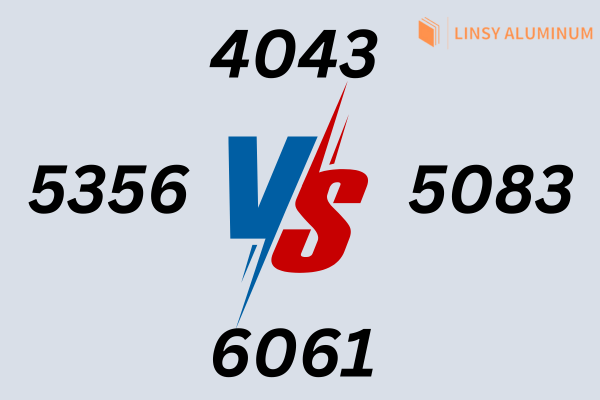
The 5356, 4043, 5083, and 6061 aluminum alloys each have distinct characteristics and uses. 5356 is a high-strength filler alloy, perfect for welding situations requiring strong corrosion resistance and high shear strength. 4043 provides good fluidity but has lower strength. 5083, known for its excellent shear strength, is often used in marine settings. 6061 is a versatile, general-purpose alloy suitable for various structural applications, with good weldability and moderate electrical conductivity. Each alloy is chosen for specific functions based on these unique properties.
Here is a comparison table:
|
Alloy |
Key Characteristics |
Strength |
Corrosion Resistance |
Weldability |
Typical Applications |
|---|---|---|---|---|---|
|
Non-heat-treatable, excellent weldability, moderate strength |
Moderate (~240 MPa) |
Excellent |
Excellent |
Weld filler for marine, automotive, structural welding |
|
|
Non-heat-treatable, high weldability, good fluidity |
Low (~170 MPa) |
Good |
Excellent |
Weld filler for casting repairs, general welding |
|
|
Exceptional strength, non-heat-treatable, superior corrosion resistance |
Very High (~330 MPa) |
Excellent |
Good |
Marine structures, shipbuilding, cryogenic tanks |
|
|
Versatile, heat-treatable, balanced strength and formability |
Moderate (T6: ~310 MPa) |
Very Good |
Excellent |
Structural components, marine fittings, general use |
In Summary:
- 5356 Aluminum: Excellent weldability for marine and structural welding.
- 4043 Aluminum: High fluidity for casting repair and general welding.
- 5083 Aluminum: Top strength and corrosion resistance for heavy-duty marine applications.
- 6061 Aluminum: Versatile, corrosion-resistant for general structural needs.
Choose 5356 for welding marine structures, 4043 for casting welds, 5083 for robust marine applications, and 6061 for flexible structural uses.
Comparing 5356 O, H18, and H32 Tempers
Understanding the temper designations for 5356 aluminum alloy offers clarity on its applications in varying service conditions.
|
Temper |
Key Characteristics |
Strength |
Corrosion Resistance |
Formability |
Typical Applications |
|---|---|---|---|---|---|
|
5356 O |
Fully annealed, soft, excellent formability |
Low (~190 MPa) |
Excellent |
Excellent |
Weld filler for marine components, flexible parts |
|
5356 H18 |
Fully strain-hardened, highest strength, reduced formability |
High (~290 MPa) |
Excellent |
Low |
Weld filler for high-strength marine welds |
|
5356 H32 |
Strain-hardened, stabilized, moderate strength |
Moderate (~240 MPa) |
Excellent |
Good |
Weld filler for marine and structural applications |
The O temper refers to the alloy’s fully annealed state, which provides excellent ductility while sacrificing some strength. This makes it a great choice for applications where high formability is key!
On the other hand, the H18 temper represents a tough state, achieving maximum strength, though it offers limited flexibility. It’s ideal for structural projects that require withstanding high stress, such as aerospace components. The H32 temper strikes a nice balance between strength and moderate ductility, making it suitable for various environments—it’s especially well-suited for welding constructions that require high reliability.
These temper variations add versatility to the alloy’s application potential. Next, let’s uncover sourcing strategies to help you maximise its benefits.
Tips for Sourcing 5356 Aluminum
- Verify Alloy Specifications: It’s crucial to confirm that the 5356 aluminum meets the relevant industry standards for welding applications. Linsy Aluminum ensures its 5356 aluminum adheres to AWS A5.10/A5.10M, guaranteeing the precise chemical composition and excellent arc stability needed for high-quality welds.
- Assess Temper Availability: Look for a supplier that offers the specific temper best suited for your welding or forming needs. Linsy Aluminum provides 5356 aluminum in various forms and tempers, including O (annealed) for maximum ductility and H18 for increased strength, giving you flexibility for different project requirements.
- Consider Application Suitability: Prioritize suppliers who understand the primary use of 5356 aluminum as a filler metal. Linsy Aluminum specializes in supplying 5356 aluminum, which is ideal for welding magnesium-containing aluminum alloys (like 5000 series), and for applications requiring high strength and good ductility after welding, such as in marine, automotive, and structural fabrication.
- Confirm Manufacturing Capabilities: Choose a supplier with advanced manufacturing processes that ensure consistent wire diameter and cleanliness. Linsy Aluminum’s state-of-the-art facilities produce high-quality 5356 aluminum welding wire and rod, minimizing impurities and ensuring smooth feeding during your welding operations.
- Evaluate Supply Chain and Support: Opt for a supplier offering flexible delivery and comprehensive customer service. Linsy Aluminum provides global delivery, technical support, and competitive lead times for your 5356 aluminum orders. Additionally, we provide free samples for quality assurance testing.
Partner with Linsy Aluminum for reliable sourcing of 5356 aluminum. Get a Free Quote Today!
Conclusion
In summary, understanding the specifications and applications of 5356 aluminum alloy is crucial for selecting the right material for your projects. With its unique chemical composition and key properties, 5356 aluminum offers significant advantages in various applications, particularly in marine environments. By comparing it with other alloys and tempers, you can make informed decisions that ensure optimal performance and durability. Whether you’re sourcing this alloy for commercial use or evaluating its suitability for specific tasks, having the right information readily available is essential. For tailored solutions, get quotes today to discover how 5356 aluminum can meet your project needs.
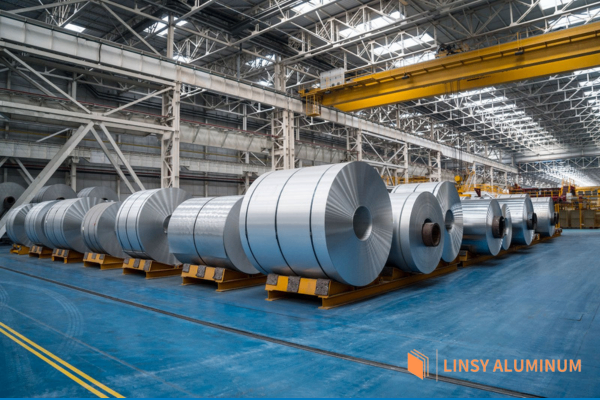
Why Choose Linsy 5356 Aluminum?
As a trusted leader in aluminum manufacturing, Linsy Aluminum offers certified 5356 aluminum, compliant with ISO 9001, ASTM B209 (for sheet/plate), AWS A5.10 (for welding filler), GB/T 3880, and EN standards. This alloy is widely recognized for its robust performance in critical applications.
With 20 years of experience and a substantial 300,000-ton annual production capacity, we maintain ample inventory of 5356 aluminum in various forms, including sheets, plates, and most notably, as high-quality welding wire/rod. We support custom dimensions and low Minimum Order Quantities (MOQs) to match your project requirements perfectly. Get a quote today!
Frequently Asked Questions
What are the primary applications of 5356 aluminum alloy?
The 5356 aluminum alloy is widely used in welding marine environments, truck frames, shipbuilding, and rail cars. As a general-purpose type filler alloy, its excellent corrosion resistance and reliable strength make it suitable for structural applications in various industries.
How does 5356 alloy compare to 4043 aluminum alloy?
5356 offers higher strength (40 ksi) and better color match after anodizing compared to 4043. While 4043 excels in smooth weld finishes and lower crack sensitivity, 5356 is preferred for higher shear strength and tougher structural applications requiring magnesium-based filler alloy.
Is 5356 aluminum alloy suitable for marine environments?
Yes, the 5356 aluminum alloy is ideal for marine environments. With its excellent corrosion resistance and high strength, it is widely utilised in shipbuilding, fishing boat fabrication, and other water-exposed applications requiring durable and reliable welding performance.
Can 5356 aluminum alloy be heat-treated?
No, the 5356 aluminum alloy cannot be heat-treated; however, its temper states like H18 and H32 allow for strength tuning suitable for specific service temperatures. These tempers provide flexibility and adaptability without compromising structural integrity.
What welding methods are recommended for 5356 aluminum alloy?
Gas Tungsten Arc Welding (GTAW) is highly recommended for 5356 aluminum alloy. Its strong feedability enhances weld consistency. As a general-purpose type filler alloy, it works effectively in many applications requiring high strength and corrosion-resistant results.