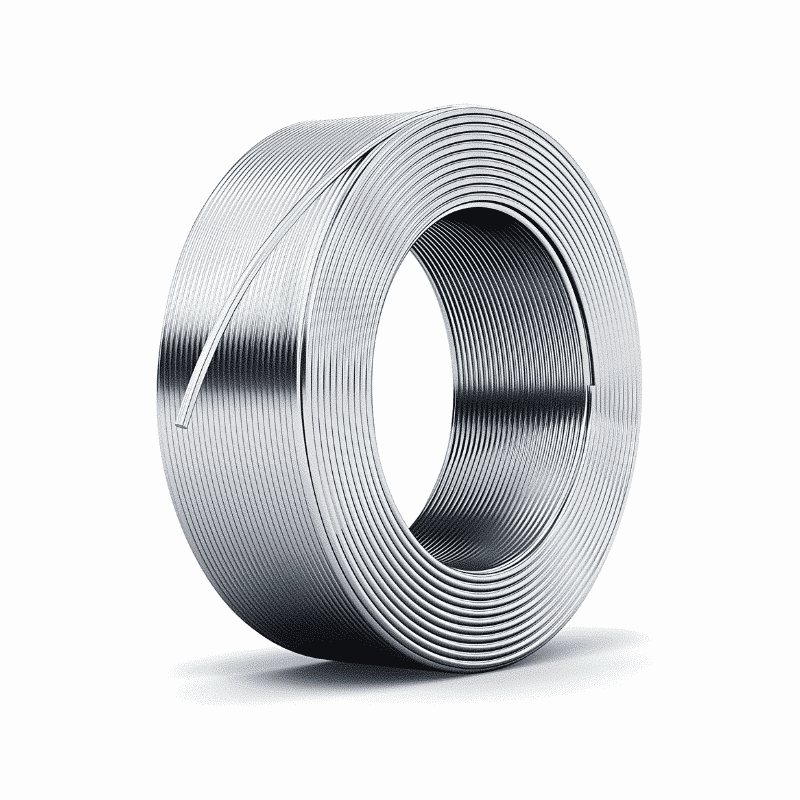
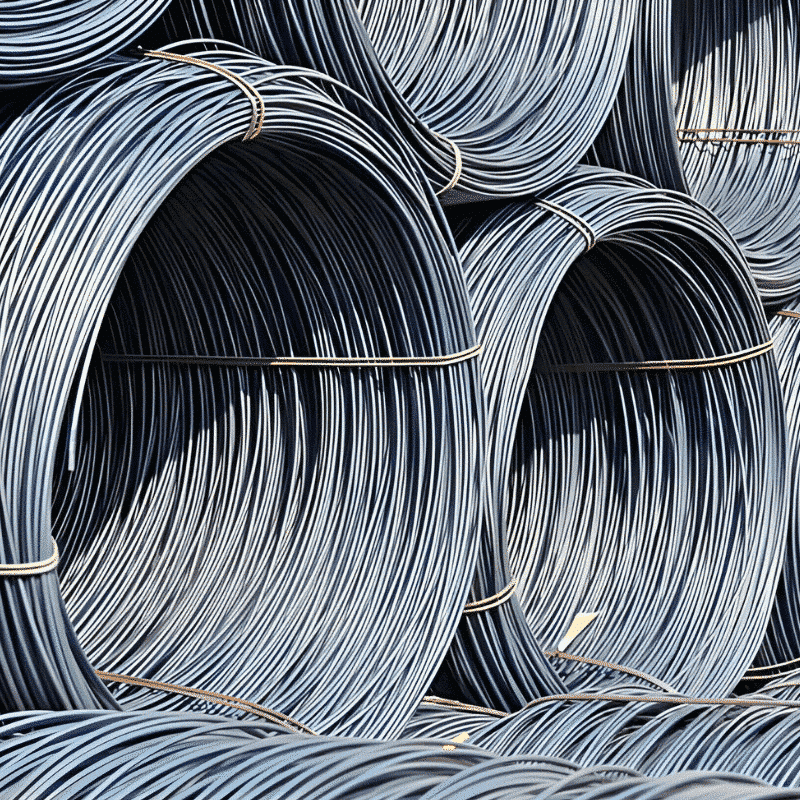


O fio de alumínio 1350 é o grau padrão da indústria para Condutor Elétrico (EC), com teor mínimo de alumínio de 99,50% e condutividade elétrica garantida de 61,8% IACS. Esta liga não tratável termicamente é projetada especificamente para máxima condutividade em transmissão de energia, fabricação de cabos e aplicações elétricas. A Linsy fornece fio de alumínio 1350 nos temperamentos O (recozido) e H19 (totalmente endurecido), com diâmetros de 0,8 mm a 30 mm, tamanhos personalizados disponíveis, relatórios MTC fornecidos e relatórios de teste SGS disponíveis mediante solicitação.
Forma disponível: fio / bobina
Temperamentos comuns: O / H19
Faixa de diâmetro: 0,8 – 30 mm
Suporte ao processamento: trefilação personalizada / embalagem em bobina / corte sob medida
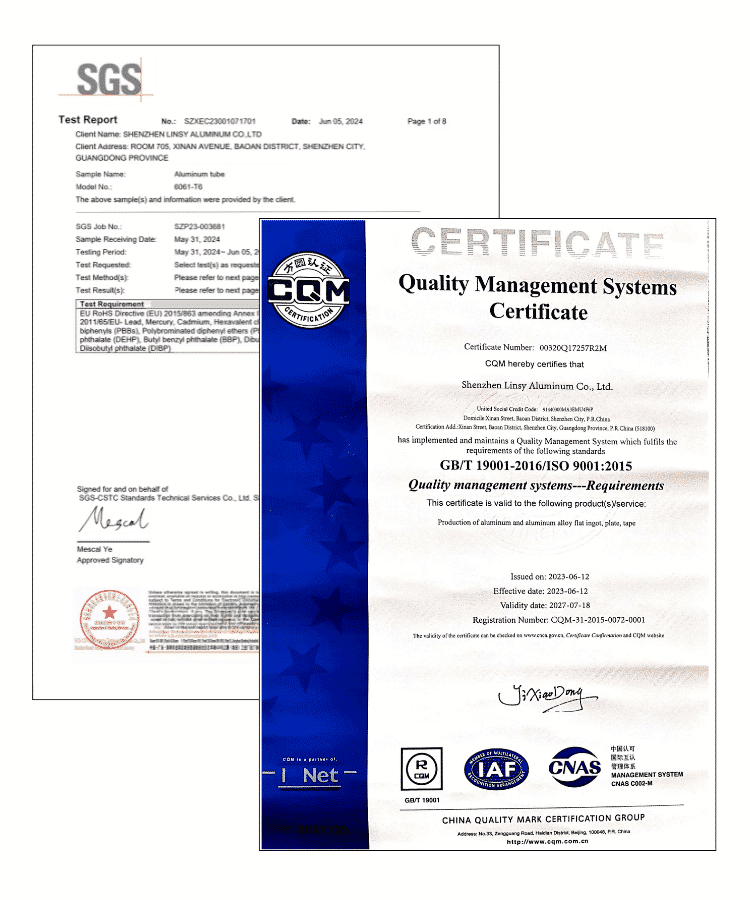
Documentos de qualidade: Relatório MTC em cada pedido, relatórios de teste SGS mediante solicitação
O fio de alumínio 1350 (UNS A91350, EN AW-1350 / Al99.5EC) é uma liga de alumínio comercialmente puro, especificamente designada como grau Condutor Elétrico (EC). Com teor mínimo de alumínio de 99,50%, o 1350 atinge uma condutividade elétrica mínima garantida de 61,8% IACS (Padrão Internacional de Cobre Recozido), tornando-se a liga de referência para aplicações de condutores elétricos em todo o mundo.
Como uma liga da série 1xxx não tratável termicamente, o 1350 deriva sua resistência mecânica inteiramente do trabalho a frio. No temperamento O (recozido), o fio 1350 é extremamente macio e dúctil—ideal para máxima conformabilidade em operações de trefilação, dobramento e enrolamento. No temperamento H19 (totalmente endurecido), o encruamento eleva a resistência à tração para aproximadamente 150–200 MPa, mantendo ainda a alta condutividade característica da liga, tornando o fio H19 adequado para condutores de linhas aéreas de energia e núcleos de cabos de alta resistência.
O fio de alumínio 1350 é regido principalmente pelas normas ASTM B230 (Fio de Alumínio 1350 para Fins Elétricos) e ASTM B233 (Fio Condutor de Barramento de Alumínio). Também é coberto pelas normas ISO 6361, EN 573-3 e diversas normas nacionais chinesas, incluindo GB/T 3190 e JB 2053. A Linsy fornece fio de alumínio 1350 em diâmetros de 0,8 mm a 30 mm, com tamanhos personalizados disponíveis mediante solicitação.
| Temperamento | Condição | Uso típico |
|---|---|---|
| O | Recozido (totalmente macio) | Máxima conformabilidade, trefilação, enrolamento de bobinas, condutores flexíveis |
| H19 | Encruado até totalmente endurecido | Condutores de linhas aéreas de energia, núcleos de cabos de alta resistência, barramentos |
| Especificação | Valor |
|---|---|
| Faixa de diâmetro | 0,8 – 30 mm |
| Tolerância de diâmetro | Conforme requisitos do grau ASTM B230 |
| Peso da bobina | Mínimo de 50 kg por bobina |
| Acabamento superficial | Acabamento de laminação / brilhante trefilado (opções disponíveis) |
| Embalagem | Bobinado, palete de madeira ou embalagem personalizada |
| Sistema de designação | Equivalente |
|---|---|
| UNS | A91350 |
| EN AW | EN AW-1350 / Al99.5EC |
| AA (Aluminum Association) | 1350 |
| JIS | A1350 |
| GB (China) | 1A35 / 1350 (conforme GB/T 3190) |
| ISO | Al 99.5EC |
| Padrão | Título / Escopo |
|---|---|
| ASTM B230 | Fio de Alumínio 1350 para Fins Elétricos |
| ASTM B233 | Fio Condutor de Barramento de Alumínio (1350) |
| ASTM B209 | Chapa e Placa de Alumínio e Ligas de Alumínio (referência geral) |
| ISO 6361 | Alumínio e Ligas de Alumínio Forjados — Chapa, Tira e Placa |
| EN 573-3 | Alumínio e Ligas de Alumínio — Composição Química e Forma de Produtos Forjados |
| GB/T 3190 | Composição Química de Alumínio e Ligas de Alumínio Forjados |
| JB 2053 | Fio de Alumínio para Fins Elétricos (norma industrial chinesa) |
| Elemento | Mín % | Máx % |
|---|---|---|
| Silício (Si) | — | 0.10 |
| Ferro (Fe) | — | 0.40 |
| Cobre (Cu) | — | 0.05 |
| Manganês (Mn) | — | 0.01 |
| Magnésio (Mg) | — | 0.01 |
| Cromo (Cr) | — | 0.01 |
| Zinco (Zn) | — | 0.05 |
| Titânio (Ti) | — | 0.02 |
| Outros: cada | — | 0.03 |
| Outros: total | — | 0.10 |
| Alumínio (Al) | 99.50 | Equilíbrio |
| Propriedade | Fio 1350-O | Fio 1350-H19 |
|---|---|---|
| Resistência à tração, limite último (MPa) | 60 – 100 | 150 – 200 |
| Resistência à tração, limite de escoamento (MPa) | 20 – 50 | 145 – 185 |
| Alongamento na ruptura (%) | ≥ 20 | ≥ 1,5 |
| Condutividade elétrica (% IACS) | ≥ 61,8 | ≥ 61,8 |
| Condutividade térmica (W/(m·K)) | 234 | 225 |
| Temperamento | Benefício Principal | Aplicações típicas | Quando Escolher |
|---|---|---|---|
| O (recozido) | Máxima ductilidade e conformabilidade; maior condutividade | Fio magnético, enrolamentos de bobinas, condutores flexíveis, trefilação de diâmetros finos | Quando você precisa do fio mais macio para trefilação, enrolamento ou dobramento em configurações apertadas |
| H19 (Totalmente Endurecido) | Alta resistência à tração com condutividade mantida | Condutores de linhas aéreas de energia (fio de núcleo ACSR), barramentos, núcleos de cabos de alta resistência | Quando você precisa de resistência para vãos aéreos ou aplicações estruturais de condutores onde a conformabilidade não é a principal preocupação |
O alumínio 1350 é o grau designado EC (Condutor Elétrico), com condutividade mínima garantida de 61,8% IACS. Isso torna o 1350 a liga de alumínio mais condutiva comumente disponível para aplicações de fios e condutores. A condutividade permanece consistente em ambos os temperamentos O e H19, garantindo que a seleção de resistência não comprometa o desempenho elétrico.
A alta pureza do 1350 (≥99,50% Al) proporciona excelente resistência à corrosão na maioria dos ambientes atmosféricos e levemente químicos. A camada de óxido de alumínio formada naturalmente na superfície protege o fio contra oxidação adicional, tornando o 1350 adequado para aplicações de condutores aéreos externos e instalações elétricas expostas sem revestimento protetor adicional.
No temperamento O, o fio 1350 é extremamente conformável—adequado para estampagem profunda, dobramento e enrolamento de bitola fina. Mesmo no temperamento H19, o 1350 mantém conformabilidade moderada para operações de enrolamento e encordoamento. O alumínio 1350 possui boa soldabilidade por soldagem por resistência (adequada para emendas de condutores) e pode ser unido por soldagem MIG/TIG com fio de adição apropriado, embora a soldagem seja incomum na fabricação padrão de condutores.
| Indústria / Aplicação | Usos Típicos | Por que a liga 1350 é utilizada |
|---|---|---|
| Transmissão e distribuição de energia | Condutores aéreos (ACSR, AAC), núcleos de cabos subterrâneos | Condutividade máxima com o menor peso; o temperamento H19 proporciona resistência para vãos |
| Fabricação de equipamentos elétricos | Fio magnético, enrolamentos de bobinas, enrolamentos de transformadores | O temperamento O permite estiramento fino e enrolamento apertado sem ruptura |
| Sistemas de barramentos condutores | Barramentos de alta tensão, condutores de painéis de manobra, fio de aterramento | Alta condutividade com resistência mecânica adequada no temperamento H19 |
| Fabricação de fios e cabos | Fio de alumínio nu, condutores encordoados, blindagem de cabos | A designação de grau EC garante conformidade com os requisitos de condutividade da norma ASTM B230 |
| Dissipação de calor | Fio para dissipadores de calor, elementos condutores térmicos | Alta condutividade térmica (225–234 W/(m·K)) transfere calor de forma eficiente |
O fio de alumínio 1350 é normalmente fornecido com acabamento de laminação ou superfície estirada brilhante. Opções adicionais de superfície incluem:
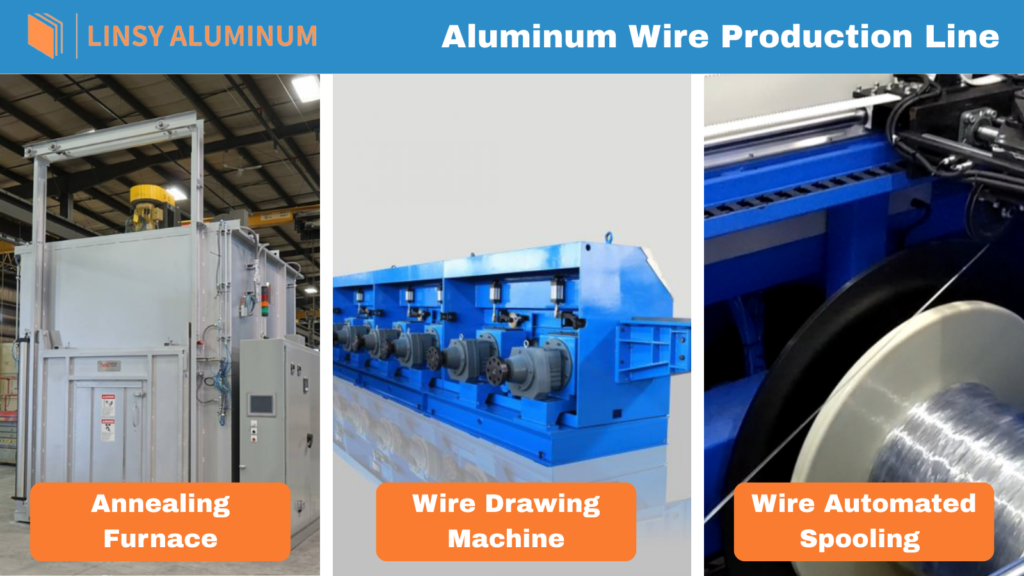
A Linsy oferece suporte a estiramento personalizado de fios para diâmetros específicos e configurações de embalagem em bobinas. Para aplicações de condutores aéreos, o fio pode ser fornecido em bobinas contínuas longas com enrolamento controlado para minimizar danos de manuseio.
Cada pedido de fio de alumínio 1350 da Linsy inclui a seguinte documentação de qualidade:
Para clientes que necessitam de verificação adicional por terceiros, Relatórios de ensaio SGS estão disponíveis mediante solicitação (com custo adicional de teste), abrangendo:
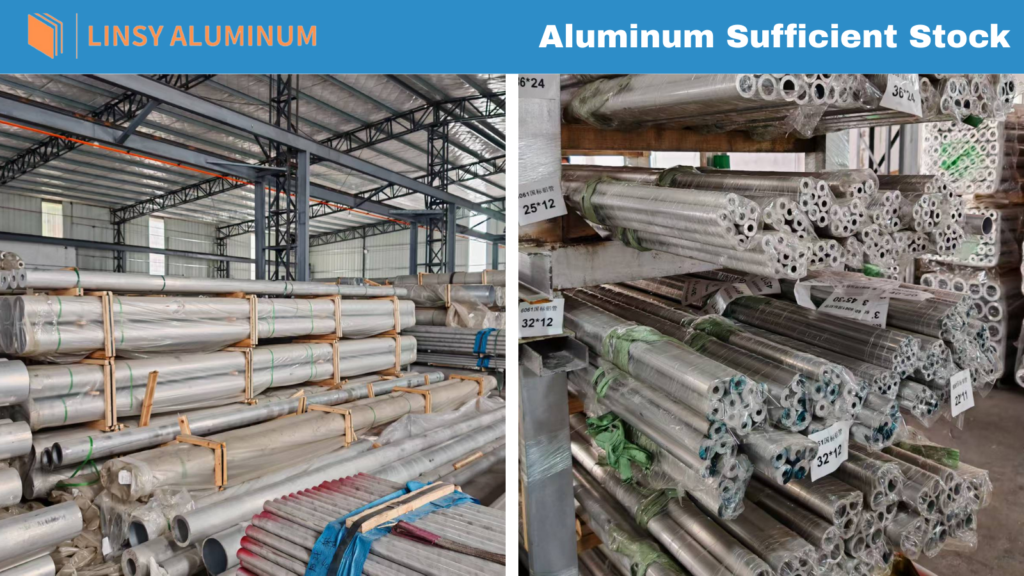
A Linsy Aluminum fornece fio de alumínio 1350 grau EC com mais de 20 anos de experiência em fabricação e fornecimento. Nosso modelo de fornecimento combina disponibilidade de estoque com produção personalizada de MOQ baixo, cobrindo tanto especificações padrão de condutores quanto requisitos específicos de projetos.
Fornecemos:
O fio de alumínio 1350 é utilizado principalmente em aplicações de condutores elétricos, incluindo condutores de transmissão de energia aérea (AAC, fio de núcleo ACSR), fio magnético para enrolamentos de transformadores e motores, sistemas de barramentos condutores e fabricação de cabos. Sua condutividade garantida de 61,8% IACS o torna a liga padrão de fio grau EC.
O fio 1350-O (recozido) é totalmente macio, com resistência à tração de 60–100 MPa e alongamento ≥20%, sendo ideal para estiramento fino e enrolamento de bobinas. O fio 1350-H19 (totalmente endurecido) possui resistência à tração de 150–200 MPa e alongamento ≥1,5%, adequado para vãos de condutores aéreos onde é necessária resistência mecânica. Ambos os temperamentos mantêm a mesma condutividade mínima de 61,8% IACS.
O alumínio 1350 possui condutividade mínima de 61,8% IACS, em comparação ao cobre puro com 100% IACS. No entanto, quando ajustado pelo peso, um condutor de alumínio pode transportar a mesma corrente que o cobre com aproximadamente metade do peso, tornando o fio de alumínio 1350 a escolha preferida para transmissão de energia aérea onde a economia de peso é crítica.
O fio de alumínio 1350 é regido principalmente pelas normas ASTM B230 (Fio de Alumínio 1350 para Fins Elétricos) e ASTM B233 (Fio Condutor de Barramento de Alumínio). Outras normas aplicáveis incluem ISO 6361, EN 573-3, GB/T 3190 e JB 2053.
O alumínio 1350 possui boa soldabilidade por soldagem por resistência (comum para emendas de condutores) e pode ser soldado por MIG/TIG com fio de adição apropriado. No entanto, a soldagem não é tipicamente necessária na fabricação padrão de condutores, onde emendas mecânicas e conectores de compressão são mais comuns.
Sim. A Linsy fornece um MTC (Certificado de Teste de Material) com cada pedido de fio de alumínio 1350, confirmando a composição química, as propriedades mecânicas e os valores de condutividade. Relatórios de teste SGS estão disponíveis mediante solicitação para verificação por terceiros.
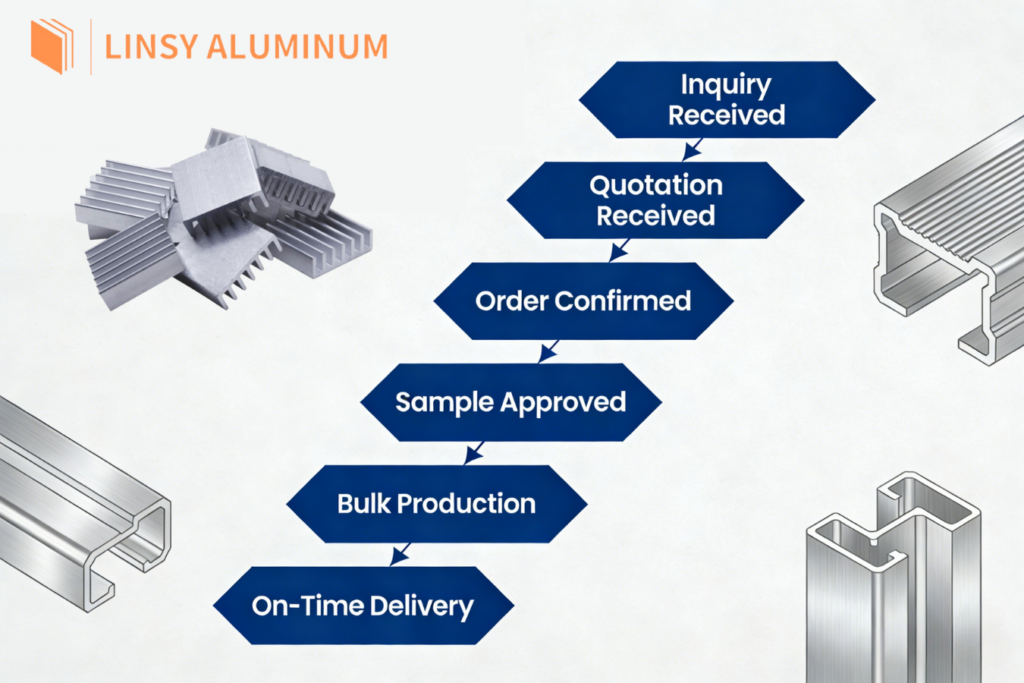
A Linsy suporta pedidos com MOQ baixo para fio de alumínio 1350, incluindo especificações personalizadas de diâmetro e bobina. Para tamanhos padrão em estoque, o MOQ é tipicamente uma bobina (mínimo de 50 kg). Para especificações personalizadas, os prazos de entrega variam de 10 a 60 dias, dependendo do diâmetro, tempera e complexidade do pedido.
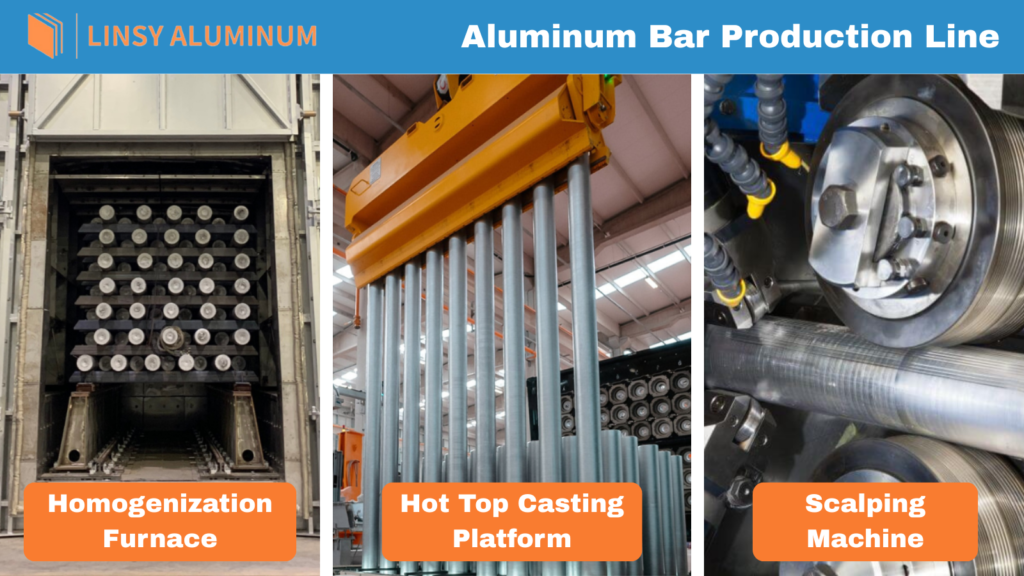
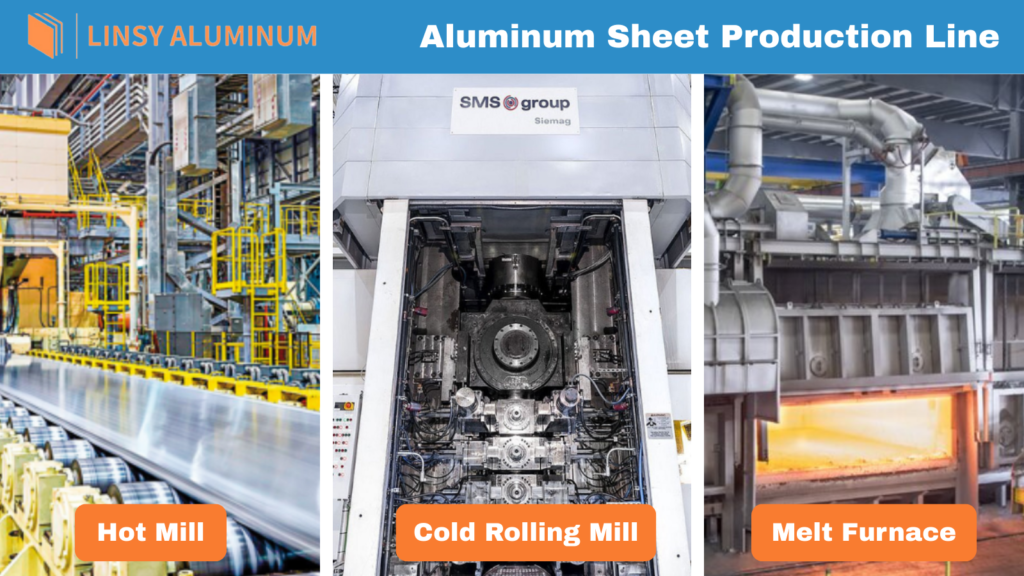
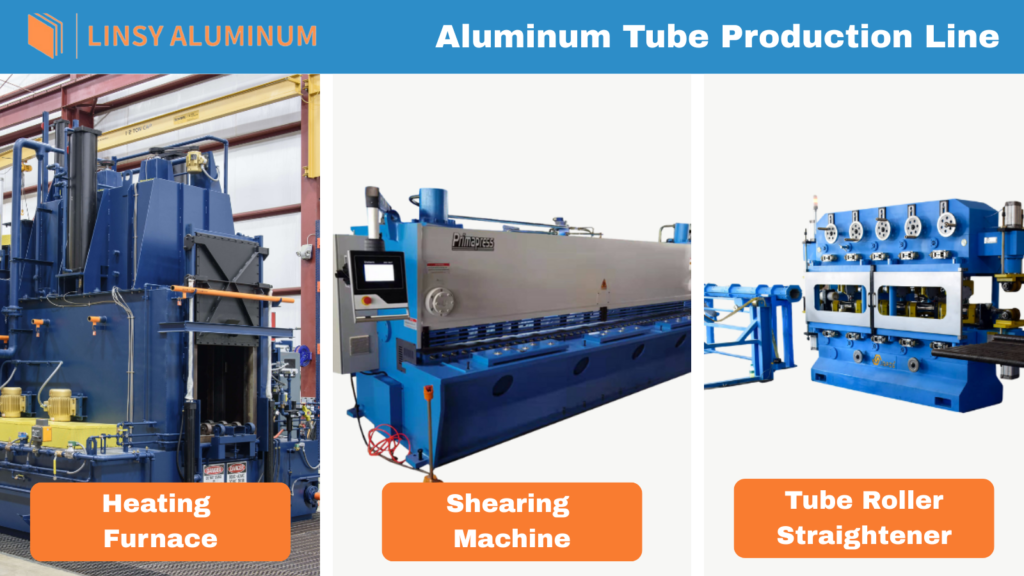
Vantagens da Linsy
A Linsy Aluminum é uma fornecedora líder de produtos de processamento de alumínio, atendendo a diversos setores, incluindo aeroespacial, engenharia geral, automotivo, marítimo, construção naval e outras aplicações industriais especializadas.
Temos o compromisso de manter os mais altos padrões de qualidade e responsabilidade ambiental, conforme demonstrado por nossas certificações: ISO 9001:2008, ISO 14001:2004 e SGS.