


2017 (AlCu4MgSi) é uma liga de alumínio da série 2xxx tratável termicamente, valorizada por sua alta resistência, boa usinabilidade e resistência moderada à corrosão. Como equivalente americano do padrão chinês 2A11, a 2017 é amplamente especificada para rebites, fixadores e componentes estruturais na indústria aeroespacial e engenharia geral — especialmente onde são exigidos tanto a conformabilidade no tempera O quanto a resistência após o tratamento térmico T4.
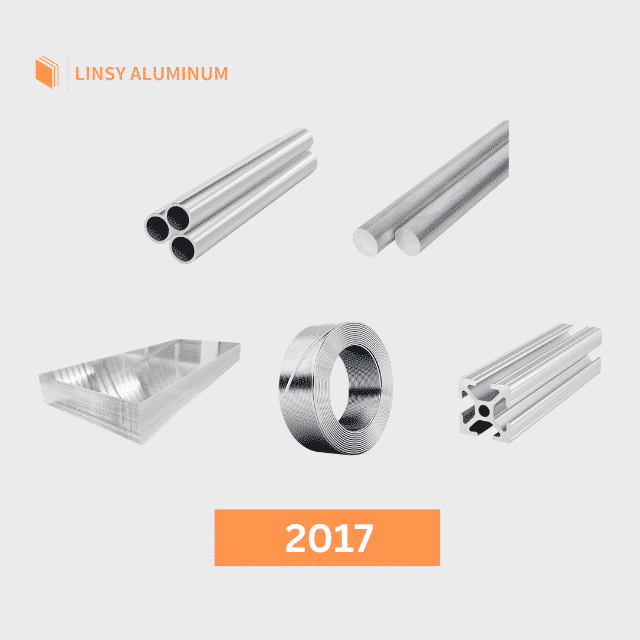
Formulários disponíveis: chapa / placa / barra / tubo / fio
Temperamentos comuns: O / T3 / T4 / T351 / T42 / T451
Suporte ao processamento: Usinagem CNC / conformação a frio / furação / anodização
Documentos de qualidade: Relatório MTC em cada pedido
A liga de alumínio 2017 (UNS A92017, EN AW-2017) é uma liga tratável termicamente à base de cobre, pertencente à série 2xxx. Sua composição nominal — aproximadamente 3,5–4,5% Cu, 0,4–1,0% Mn, 0,4–0,8% Mg e 0,2–0,8% Si — confere uma combinação de resistência e usinabilidade que a torna uma escolha prática para peças estruturais forjadas e usinadas.
Na condição recozida (O), a 2017 apresenta boa ductilidade para operações de conformação a frio, como rebitagem. Após tratamento térmico de solubilização e envelhecimento natural (T4), desenvolve resistência à tração de até aproximadamente 390 MPa — comparável a muitas ligas aeroespaciais de alta resistência, embora com resistência à corrosão um pouco inferior à de ligas 2xxx com maior teor de magnésio.
A 2017 é o equivalente americano direto das designações chinesa 2A11 (GB/T 3190) e russa D1. Às vezes é referida como AlCu4MgSi sob o sistema de designação ISO.
A Linsy Aluminum fornece a liga 2017 em uma variedade de formas de produto e temperas. Todos os produtos podem ser cortados sob medida; os prazos típicos de entrega para dimensões personalizadas são de 10 a 60 dias.
| Formulário | Temperamento | Espessura (mm) | Largura (mm) | Comprimento (mm) |
|---|---|---|---|---|
| Folha | O, T3, T351, T4, T42, T451 | 0.3–6.0 | 500–2200 | 1000–6000 |
| Placa | O, T3, T351, T4, T42, T451 | 6.0–200 | 500–2200 | 1000–6000 |
| As dimensões podem ser personalizadas conforme os requisitos do projeto | ||||
| Formulário | Temperamento | Diâmetro / Espessura (mm) | Comprimento (mm) |
|---|---|---|---|
| Barra redonda | O, T3, T351, T4, T42, T451 | 3–500 | 1000–6000 |
| Barra chata | O, T3, T351, T4, T42, T451 | 3–200 (espessura) | 1000–6000 |
| Barra quadrada | O, T3, T351, T4, T42, T451 | 3–200 | 1000–6000 |
| As dimensões podem ser personalizadas conforme os requisitos do projeto | |||
| Formulário | Temperamento | Diâmetro externo (mm) | Diâmetro interno (mm) | Comprimento (mm) |
|---|---|---|---|---|
| Tubo redondo | O, T3, T351, T4, T42, T451 | 6–350 | 4–320 | 1000–6000 |
| Tubo quadrado | O, T3, T351, T4, T42, T451 | 10–200 (lado) | — | 1000–6000 |
| As dimensões podem ser personalizadas conforme os requisitos do projeto | ||||
| Temperamento | Diâmetro (mm) | Peso Mínimo/Bobina | Tolerância |
|---|---|---|---|
| O, T3, T4, T351 | 0.8–12 | 50 kg | ±0,02 mm |
| As dimensões podem ser personalizadas conforme os requisitos do projeto | |||
| Especificação | Designação |
|---|---|
| UNS | A92017 |
| PT | EN AW-2017 |
| ISO (AlCu4MgSi) | 2017 |
| Chinês (GB/T 3190) | 2A11 |
| Russo (GOST) | D1 |
| AA (EUA) | 2017 |
Conforme ASTM B209 / EN 573-3, a composição nominal da liga de alumínio 2017:
| Elemento | Conteúdo (%) |
|---|---|
| Si | 0.20–0.80 |
| Fe | 0,70 máx. |
| Cu | 3.50–4.50 |
| Mn | 0.40–1.00 |
| Mg | 0.40–0.80 |
| Cr | 0,10 máximo |
| Zn | 0,25 máximo |
| Ti | 0,15 máximo |
| Outros, cada | 0,05 máximo |
| Outros, total | 0,15 máximo |
| Al | Equilíbrio |
Propriedades mecânicas típicas para a liga de alumínio 2017 em temperas comuns (os valores são aproximados e variam conforme a forma do produto e a espessura; verificar contra certificados de fábrica para pedidos específicos):
| Temperamento | Resistência à tração (MPa) | Limite de Escoamento (MPa) | Alongamento A50 (%) | Uso típico |
|---|---|---|---|---|
| O | ≤220 | ≤110 | 18–22 | Conformação a frio, rebitagem |
| T3 | 380–390 | 220–245 | 12–15 | Rebites aeroespaciais, fixadores |
| T4 | 380–390 | 220–245 | 12–15 | Peças estruturais, componentes usinados |
| T351 | 370–390 | 220–245 | 12–15 | Chapa/barra aliviada de tensões para usinagem de precisão |
| T42 | 370–390 | 215–240 | 12–15 | Tratada por solubilização pelo usuário a partir da tempera O |
| T451 | 370–390 | 215–240 | 12–15 | Aliviada de tensões, tratada termicamente pelo usuário |
A escolha da tempera adequada para a 2017 depende do equilíbrio entre conformabilidade e resistência que sua aplicação exige:
Observação: A 2017 não é recomendada para soldagem. Se a soldabilidade for uma prioridade, considere 5052 ou 6061 como alternativas.
Com o Cu como principal elemento de liga (~4%), a 2017 atinge alta resistência na tempera T4 (UTS ~390 MPa), mantendo boa usinabilidade. Usina facilmente com ferramentas CNC padrão e produz cavacos limpos — uma vantagem prática sobre ligas mais macias em operações de usinagem de alto volume.
A 2017 possui resistência moderada à corrosão — adequada para muitas aplicações estruturais internas e protegidas, mas menos adequada que as ligas 5xxx ou 6xxx para exposição prolongada a atmosferas marinhas ou industriais. Quando a corrosão for uma preocupação, considere tratamentos superficiais de proteção (anodização, pintura) ou a mudança para uma liga da série 5xxx.
Na tempera O, a 2017 oferece boa conformabilidade a frio — pode ser dobrada, recalçada e rebitada com ferramentas padrão. Após o tratamento térmico (T3/T4), a conformabilidade diminui significativamente; a maior parte da conformação deve ser concluída antes do tratamento de solubilização.
A 2017 não é recomendada para soldagem por arco. O alto teor de cobre promove trincas a quente e reduz a resistência da junta soldada. A soldagem por resistência (ponto, costura) é possível com parâmetros adequados. Se a soldagem for necessária, 5052, 5083 ou 6061 são melhores opções.
A liga de alumínio 2017 é especificada em indústrias que exigem alta resistência de um material usinável e tratável termicamente:
A liga 2017 responde bem aos métodos padrão de processamento de alumínio:
Cada pedido de alumínio 2017 da Linsy inclui:
A Linsy Aluminum é uma fábrica sediada em Shenzhen com mais de 20 anos de experiência no fornecimento de produtos de alumínio nas séries 1000–8000. Especificamente para a liga 2017:
Para discutir seus requisitos de alumínio 2017 ou solicitar um orçamento, entre em contato com nossa equipe de vendas.
Ambas são ligas da série 2xxx à base de Cu, mas a 2024 contém maior teor de Mg (~1,5%) e atinge maior resistência (~470 MPa de resistência à tração no T4). A 2017 tem resistência ligeiramente menor, mas melhor conformabilidade no tempera O, sendo preferida para rebites e fixadores conformados a frio.
A 2017 não é recomendada para soldagem a arco devido à suscetibilidade à trinca a quente causada pelo alto teor de Cu. A soldagem por resistência (ponto/costura) pode ser utilizada com parâmetros controlados. Para alternativas soldáveis em faixas de resistência semelhantes, considere 6061-T6 ou 5083.
T351 é recomendada para placa e barra usinadas com precisão — o estiramento de alívio de tensões após a têmpera proporciona estabilidade dimensional durante a usinagem. T4 é aceitável quando os requisitos de tolerância dimensional são menos rigorosos.
Sim. A 2017 (designação AA/UNS) e a 2A11 (designação chinesa GB/T 3190) são ligas equivalentes com a mesma composição nominal. O equivalente russo é D1.
Acabamento de laminação, polido, anodizado (tom mais escuro que ligas 6xxx) e pintura eletrostática. A qualidade da anodização é aceitável, mas não tão brilhante quanto a 6061 ou 6063.
Entre em contato com nossa equipe de vendas para detalhes sobre quantidade mínima de pedido — os mínimos variam conforme a forma do produto e a tempera.
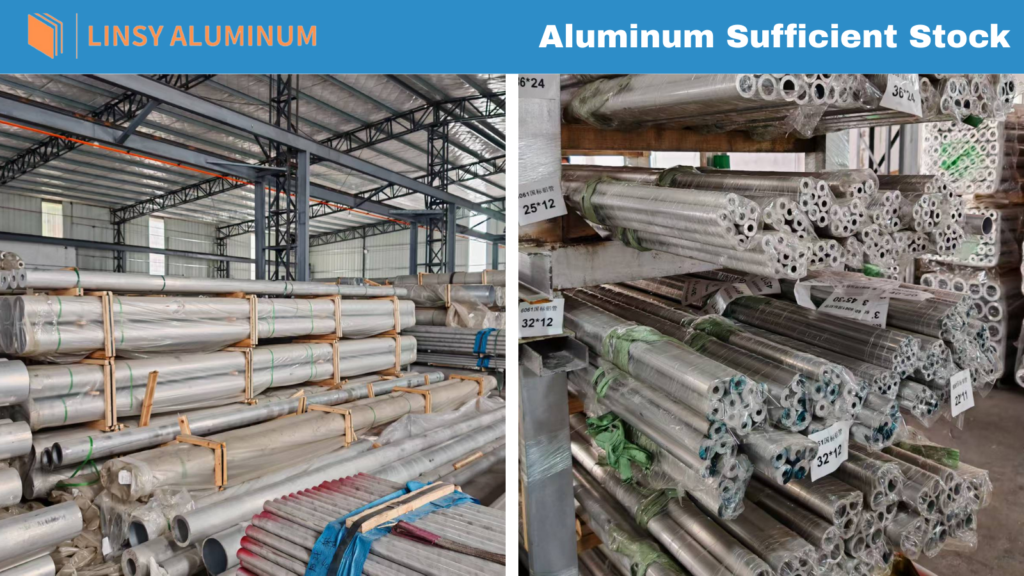
O prazo de entrega personalizado típico é de 10–60 dias, dependendo da forma do produto, tempera e dimensões. Itens em estoque podem ser enviados mais rapidamente.
Sim. Todas as formas de produto podem ser cortadas ou produzidas conforme suas dimensões especificadas. Forneça seu desenho ou especificação ao solicitar um orçamento.
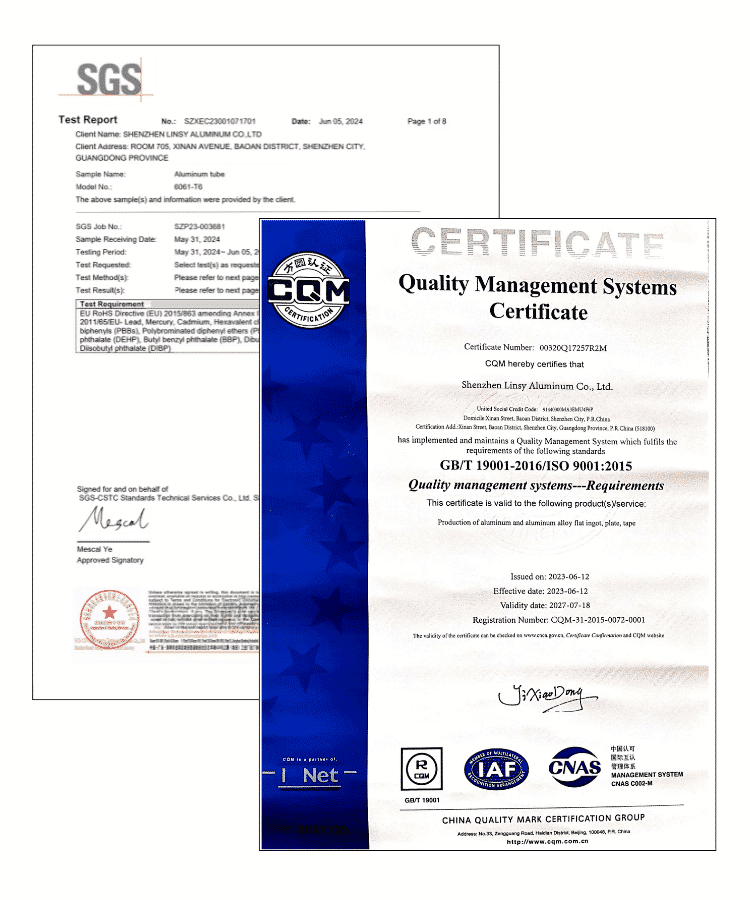
A Linsy opera sob ISO 9001 (qualidade), ISO 14001 (ambiental) e ISO 45001 (saúde e segurança ocupacional) — um sistema de gestão integrado que cobre as três áreas.
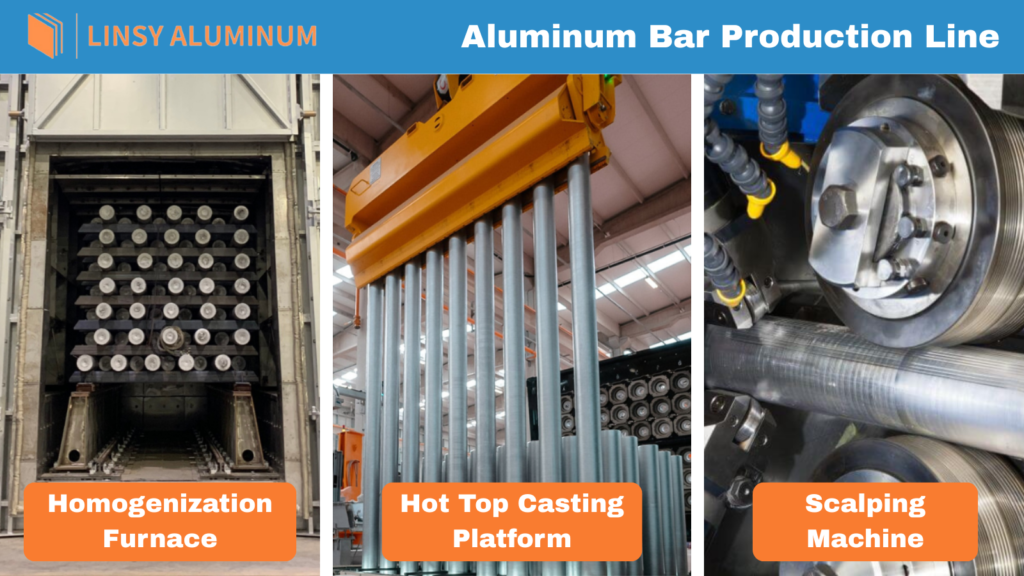
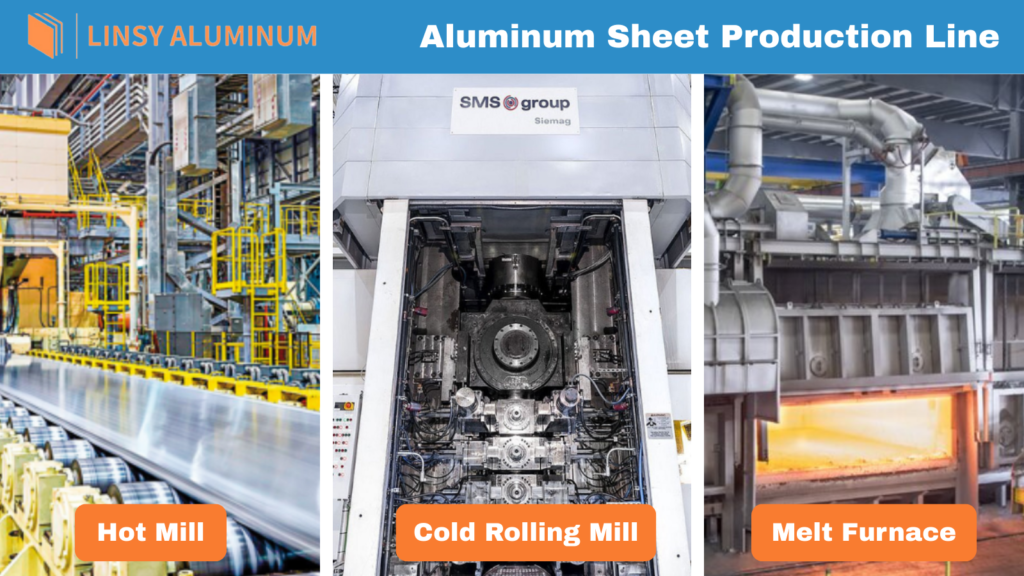
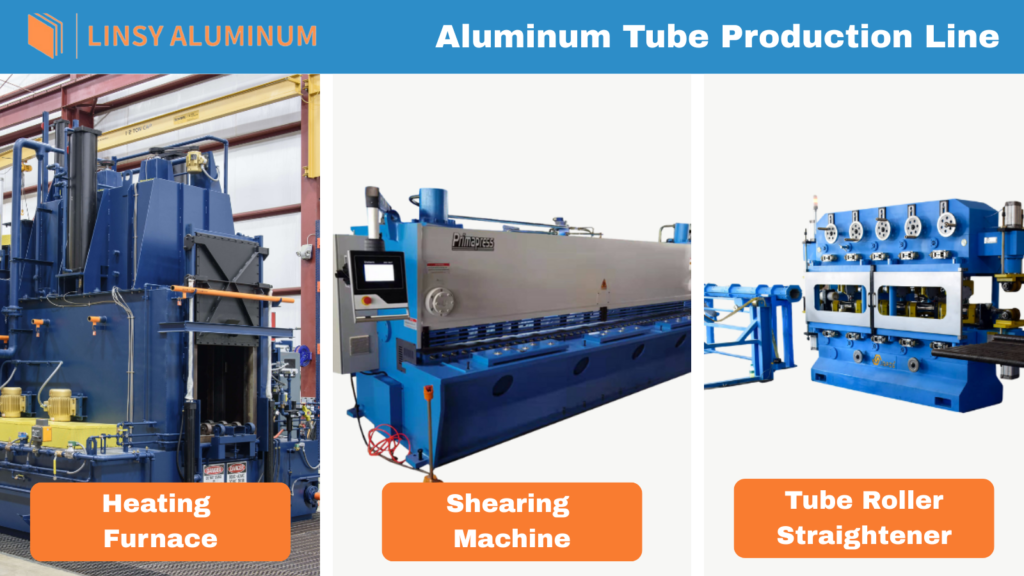
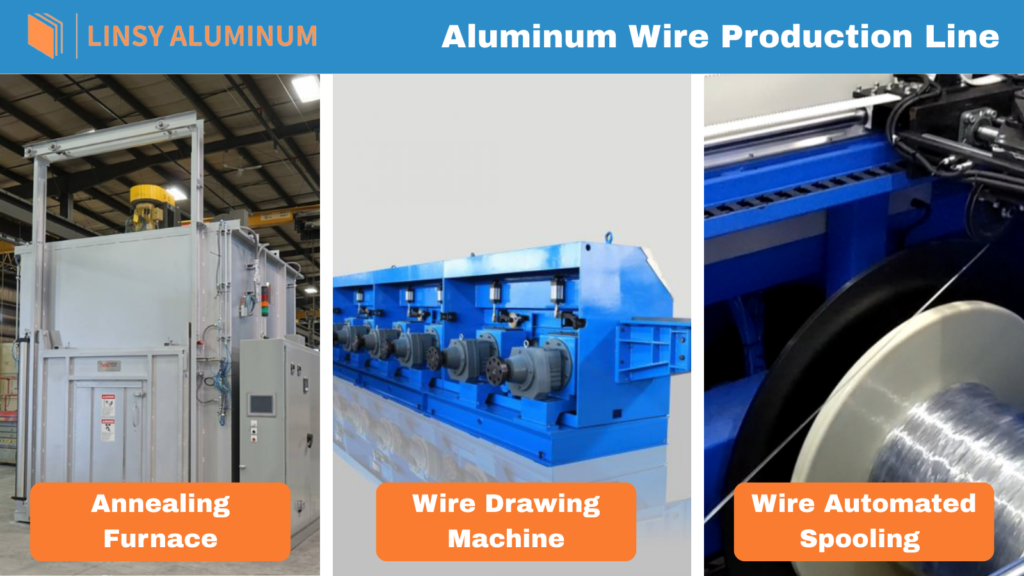
Vantagens da Linsy
A Linsy Aluminum é uma fornecedora líder de produtos de processamento de alumínio, atendendo a diversos setores, incluindo aeroespacial, engenharia geral, automotivo, marítimo, construção naval e outras aplicações industriais especializadas.
Temos o compromisso de manter os mais altos padrões de qualidade e responsabilidade ambiental, conforme demonstrado por nossas certificações: ISO 9001:2008, ISO 14001:2004 e SGS.