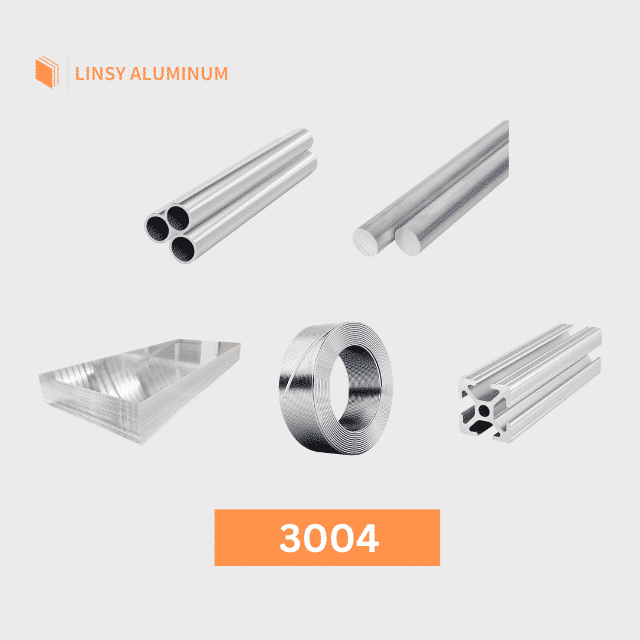



A liga de alumínio 3004 é uma liga de Al-Mn-Mg de resistência média que oferece resistência aproximadamente 20% maior do que a 3003, mantendo, ao mesmo tempo, resistência à corrosão comparável. Amplamente utilizada na fabricação de latas, produtos de construção (telhados e revestimentos) e utensílios de cozinha, a liga 3004 está disponível na Linsy nas formas de chapa, bobina, tubo, barra e fio. Fornecemos os graus de temperamento padrão O, H12, H14, H16, H18 e H19 com dimensões personalizadas, corte sob medida e relatórios MTC de acordo com a norma EN 10204. Seja para bobinas destinadas à produção de latas de bebidas ou chapas para revestimento arquitetônico, a Linsy fornece material certificado pela ISO 9001 com quantidades mínimas de pedido (MOQs) flexíveis e prazo de entrega de 10 a 60 dias.
Formulários disponíveis: chapa / bobina / tubo / barra / fio / perfil sob medida
Temperamentos comuns: O / H12 / H14 / H16 / H18 / H19
Suporte ao processamento: corte por comprimento / corte longitudinal / corte com serra de precisão / aparagem de bordas
Documentos de qualidade: MTC em cada pedido, conforme a norma EN 10204
A 3004 é uma liga de alumínio-manganês-magnésio da série 3xxx, concebida como uma alternativa de maior resistência ao amplamente utilizado liga 3003. Com uma composição nominal de Al–1,2Mn–1,0Mg, o 3004 apresenta resistência à tração e resistência ao escoamento aproximadamente 20% maiores do que o 3003, mantendo, ao mesmo tempo, resistência à corrosão comparável e excelente formabilidade no estado recozido.
Essa liga é mais conhecida como o material que compõe o corpo de lata de alumínio para bebidas — uma aplicação que exige um equilíbrio preciso entre a capacidade de conformação para estampagem profunda, a resistência à pressão interna e a qualidade da superfície para impressão e lacagem. Além de embalagens, o 3004 é amplamente utilizado em produtos para a construção civil, utensílios de cozinha, equipamentos químicos e aplicações gerais em chapas metálicas.
3004 é um liga não passível de tratamento térmico, com endurecimento por deformação. Suas propriedades mecânicas são obtidas por meio do trabalho a frio (têmperas H), e não por tratamento térmico de solução. Isso torna a escolha da têmpera fundamental: a têmpera O oferece máxima formabilidade para estampagem profunda, enquanto as têmperas H14 e H16 proporcionam a resistência estrutural necessária em aplicações como telhados, revestimentos externos e tanques de armazenamento.
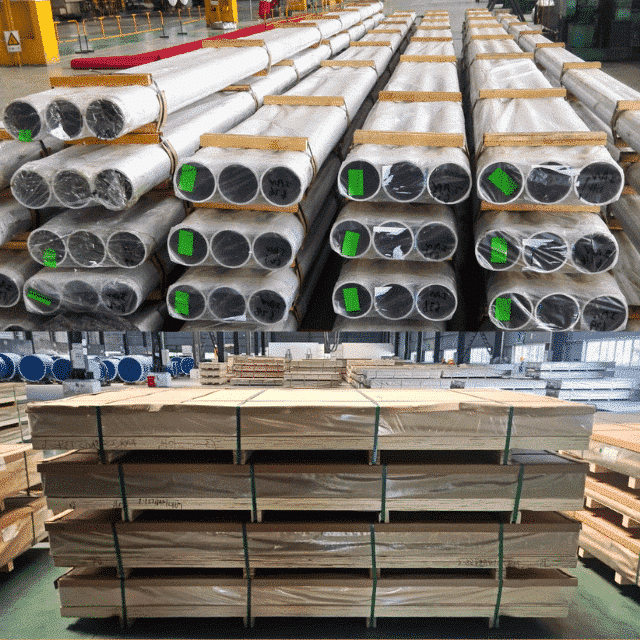
As principais formas de apresentação do produto 3004 são chapas e bobinas, que constituem o principal material para a fabricação de corpos de latas, painéis de construção e fabricação em geral. A Linsy mantém em estoque o 3004 nos graus de temperamento O, H14, H16, H18 e H19, com corte longitudinal, corte no comprimento desejado e aparagem de bordas como opções padrão de processamento.
| Formulário | Temperamento | Espessura (mm) | Largura (mm) | Comprimento (mm) |
|---|---|---|---|---|
| Folha 3004 | O, H12, H14, H16, H18, H19 | 0.3 – 6.0 | 500 – 2600 | 1000 – 6000 |
| Bobina 3004 | O, H12, H14, H16, H18, H19 | 0.3 – 4.0 | 500 – 2600 | Bobina (em peso) |
Espessura, largura e comprimento personalizados disponíveis mediante solicitação. Diâmetro interno da bobina: 508 mm (padrão).
O tubo redondo 3004 está disponível para aplicações de manuseio de fluidos, trocadores de calor e estruturas, nas quais são necessárias resistência mecânica moderada e resistência à corrosão. Fornecido nos graus de temperamento O, H14 e H16.
| Formulário | Temperamento | Diâmetro externo (mm) | Espessura da parede (mm) | Comprimento (mm) |
|---|---|---|---|---|
| 3004 Tubo redondo | O, H14, H16 | 6 – 200 | 0.5 – 20 | 1000 – 6000 |
Tubos quadrados e retangulares disponíveis sob encomenda. Entre em contato conosco com o desenho da seção.
Barra redonda 3004 para usinagem, elementos de fixação e componentes mecânicos em geral. Disponível em condições de endurecimento por deformação para aplicações que exigem resistência moderada.
| Formulário | Temperamento | Diâmetro (mm) | Comprimento (mm) |
|---|---|---|---|
| 3004 Barra redonda | O, H14, H16 | 3 – 200 | 1000 – 6000 |
Barras quadradas e planas disponíveis sob encomenda.
Fio 3004 para rebites, fixadores e aplicações gerais em forma de fio. Trefilado a frio nas condições H14, H16 ou H18 para garantir resistência.
| Formulário | Temperamento | Diâmetro (mm) | Peso da bobina | Tolerância |
|---|---|---|---|---|
| Fio 3004 | O, H14, H16, H18 | 0.8 – 10 | Mínimo de 50 kg | ±0,02 mm |
Perfis personalizados, extrusões e peças usinadas disponíveis mediante consulta. Entre em contato com nossa equipe de vendas, enviando seu desenho ou especificação, para uma avaliação de viabilidade e um orçamento.
| Padrão | Designação |
|---|---|
| EN / EN AW | EN AW-AlMn1Mg1 / EN AW-3004 |
| UNS | A93004 |
| ISO | AlMn1Mg1 |
| GB (China) | 3004 |
| JIS (Japão) | A3004 |
| AA (Aluminum Association) | 3004 |
A liga 3004 é coberta pela norma ASTM B209 (chapa e placa), EN 485 (chapas, tiras e placas), GB/T 3880 (chapas de alumínio e ligas de alumínio forjados), e normas relacionadas de formas de produto.
| Elemento | Composição (%) |
|---|---|
| Silício (Si) | 0,30 máx |
| Ferro (Fe) | 0,70 máx. |
| Cobre (Cu) | 0,25 máximo |
| Manganês (Mn) | 1.0 - 1.5 |
| Magnésio (Mg) | 0.8 – 1.3 |
| Zinco (Zn) | 0,25 máximo |
| Outros, cada | ≤0,05 |
| Outros, total | ≤0,15 |
| Alumínio (Al) | Equilíbrio |
Composição conforme ASTM B209 / EN 573-3. Os principais elementos de liga são manganês (para resistência por meio de endurecimento por solução sólida) e magnésio (para resistência adicional e resposta ao encruamento).
As propriedades mecânicas do 3004 variam significativamente com o temper. A tabela abaixo mostra valores típicos para chapas de 1,3 mm de espessura conforme ASTM B209. Os valores reais podem variar conforme a forma do produto e a espessura.
| Temperamento | Resistência à tração (MPa) | Limite de Escoamento (MPa, mín.) | Alongamento (% mín.) |
|---|---|---|---|
| O | 155 – 200 | ≥60 | ≥14 |
| H12 | 190 – 240 | ≥145 | ≥4 |
| H14 | 220 – 265 | ≥170 | ≥3 |
| H16 | 240 – 285 | ≥190 | ≥3 |
| H18 | ≥260 | ≥210 | ≥2 |
| H19 | ≥275 | ≥230 | ≥2 |
Os valores apresentados são típicos para chapas de 1,3 mm conforme ASTM B209. Materiais de menor espessura podem apresentar maior resistência e menor alongamento. Os tempers H2x (encruados e parcialmente recozidos) oferecem resistências intermediárias com ductilidade melhorada em comparação aos equivalentes H1x — entre em contato para verificar a disponibilidade de H22/H24/H26.
| Temperamento | Nível de Resistência | Formabilidade | Aplicações típicas |
|---|---|---|---|
| O | Mais baixo | Excelente — estampagem profunda, estiramento | Corpos de latas, utensílios de cozinha estampados em profundidade, estampagens complexas |
| H12 | Baixo – Médio | Boa — conformação moderada | Chapas metálicas em geral, painéis levemente conformados |
| H14 | Médio | Moderada — dobramento limitado | Telhados, revestimentos laterais, painéis de caminhões, tanques de armazenamento |
| H16 | Médio – Alto | Limitada — apenas dobramento suave | Painéis estruturais de alta resistência, revestimentos estruturais |
| H18 | Alta | Mínima — aplicações planas | Fundos de latas, painéis de reforço, blanks planos |
| H19 | Mais alto | Mínimo — somente plano | Aplicações de máxima rigidez |
O 3004 oferece excelente resistência à corrosão atmosférica, água doce e muitos ambientes químicos leves — comparável ao 3003 e outras ligas da série 3xxx. O teor de manganês contribui para uma camada de óxido superficial uniforme e protetora. Para aplicações envolvendo condições alcalinas ou fortemente ácidas, consulte nossa equipe técnica para avaliação de compatibilidade.
No temper O, o 3004 apresenta excelente conformabilidade, adequada para estampagem profunda, estiramento e dobramento — uma razão fundamental para ser a liga padrão em corpos de latas de bebidas. Os tempers encruados (H1x) reduzem progressivamente a conformabilidade, mas ainda podem ser dobrados, perfilados e estampados com ferramentas e raios de dobra adequados.
Com densidade de 2,72 g/cm³, o 3004 alcança aproximadamente 20% a mais de resistência que o 3003 sem penalidade de peso — tornando-o a atualização preferida quando a resistência do 3003 é insuficiente, mas a conformabilidade e a resistência à corrosão da série 3xxx ainda são necessárias.
O 3004 pode ser soldado por soldagem a gás e métodos de soldagem por resistência. Não é recomendado para soldagem a arco (TIG/MIG) devido ao risco de trincas a quente na zona de solda. Brasagem e soldagem branda são viáveis com fluxo adequado. A fixação mecânica (rebitagem, aparafusamento) funciona de forma confiável em todos os tempers.
Como liga não tratável termicamente, o 3004 obtém toda a sua resistência por meio de trabalho a frio. A taxa de encruamento é moderada — mais rápida que o alumínio puro, porém mais lenta que as ligas da série 5xxx. O recozimento a 345°C seguido de resfriamento lento restaura a total maciez para retrabalho.
Corte: Chapas e placas de 3004 podem ser cisalhadas, cortadas em tiras ou serradas com ferramentas padrão para alumínio. O corte de precisão com serra é recomendado para tolerâncias dimensionais rigorosas em barras e tubos. A Linsy fornece serviços de corte sob medida e corte em tiras para chapas e bobinas.
Conformação: Para estampagem profunda e conformação severa, especifique o temper O. Para perfilamento e dobramento moderado, H14 ou H16 são adequados. O raio mínimo de dobra para o temper H14 é de aproximadamente 1x a espessura para dobras de 90° — aumente para tempers mais rígidos.
Recozimento: Aquecer a 345°C, manter por tempo suficiente para garantir aquecimento uniforme, e resfriar lentamente (resfriamento em forno ou ao ar parado). Evite têmpera rápida, que pode causar distorção em chapas finas.
**Acabamento de superfície:** O acabamento de laminação é padrão. O 3004 pode ser limpo quimicamente, atacado ou revestido por conversão para melhor aderência de tinta. O acabamento mecânico (escovamento, polimento) é viável, mas a liga não é tipicamente especificada para anodização decorativa — para aplicações anodizadas, considere ligas das séries 5xxx ou 6xxx.
Cada remessa de 3004 da Linsy inclui: Certificado de Teste de Fábrica (MTC) conforme EN 10204 Tipo 3.1, documentando:
Testes adicionais disponíveis mediante solicitação: ensaio de corrosão intergranular, medição de condutividade, exame microestrutural e inspeção ultrassônica para seções mais espessas.
A Linsy Aluminum atende compradores industriais internacionais há mais de 20 anos, fornecendo ligas de alumínio para os setores de embalagens, construção, automotivo e engenharia em geral. Entendemos que os compradores de 3004 precisam de mais do que uma corrida padrão de laminação — eles precisam do temper correto, controle preciso de espessura e documentação confiável para sua linha de produção.
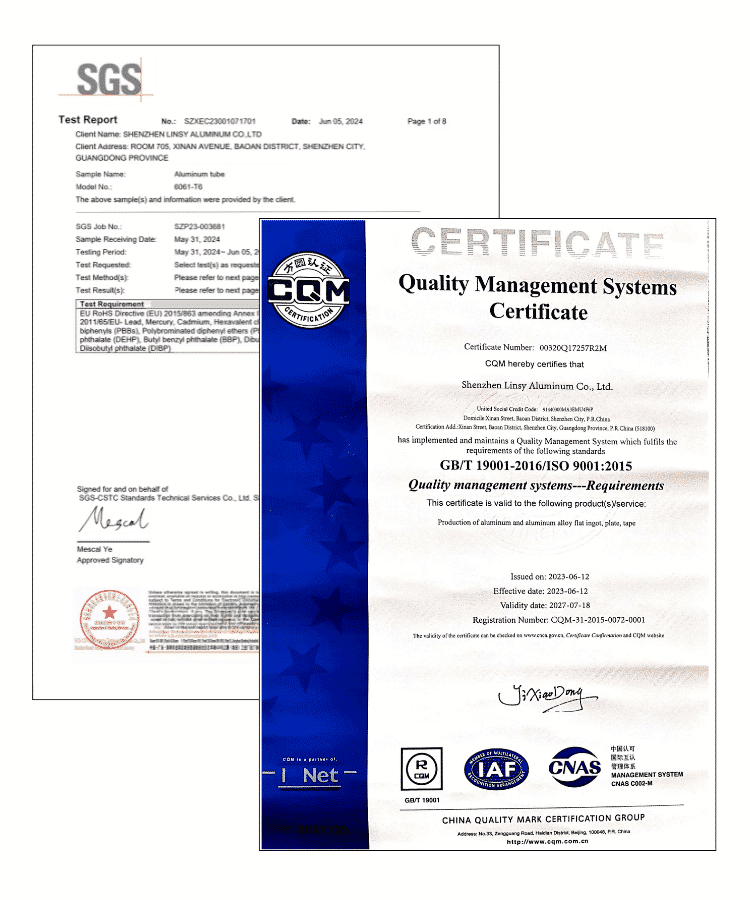
Nosso sistema de gestão da qualidade é certificado conforme ISO 9001, gestão ambiental conforme ISO 14001, e saúde e segurança ocupacional conforme ISO 45001. O material é proveniente de usinas certificadas ISO com rastreabilidade completa de lote, do lingote ao embarque.
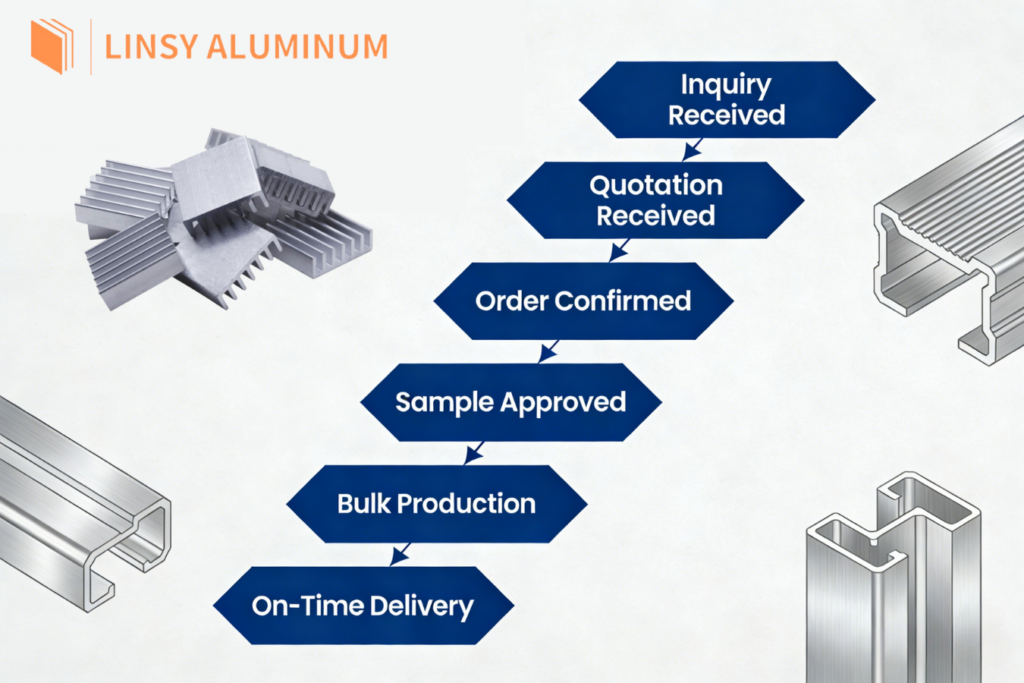
Enviamos chapas, bobinas, tubos, barras e fios de 3004 para clientes na Europa, Sudeste Asiático, Oriente Médio, América do Sul e África. Dimensões personalizadas, quantidades mínimas de pedido flexíveis e prazos de entrega de 10 a 60 dias são padrão. Entre em contato conosco com sua consulta — nossa equipe responde com uma cotação e ficha técnica dentro de um dia útil.
P: Como o 3004 se compara ao alumínio 3003?
R: O 3004 contém 0,8–1,3% de magnésio, enquanto o 3003 não contém essencialmente magnésio (~0,05%). Isso confere ao 3004 aproximadamente 20% a mais de resistência à tração e ao escoamento em comparação ao 3003. A resistência à corrosão, densidade e trabalhabilidade geral são comparáveis. Escolha o 3004 quando a resistência do 3003 for insuficiente, mas você ainda precisar da conformabilidade e resistência à corrosão da série 3xxx.
P: Qual é o uso mais comum do 3004?
R: A aplicação dominante é em corpos de latas de bebidas de alumínio, onde centenas de bilhões de latas são produzidas anualmente a partir de chapas de 3004. Produtos para construção civil (telhados, revestimentos), utensílios de cozinha e fabricação geral de chapas metálicas são os outros principais mercados.
P: O alumínio 3004 pode ser soldado?
R: A soldagem a gás e a soldagem por resistência funcionam bem com a liga 3004. A soldagem a arco (TIG/MIG) não é recomendada devido à suscetibilidade à trinca a quente, causada pelo teor de manganês e magnésio. Para estruturas soldadas, considere as ligas 5052 ou 5083. A fixação mecânica e a brasagem são alternativas confiáveis.
P: A liga 3004 é adequada para anodização?
R: A liga 3004 não é uma liga preferencial para anodização. O teor de manganês pode produzir um revestimento anódico cinza ou manchado, em vez do acabamento claro e brilhante esperado das ligas da série 5xxx ou 6xxx. Para anodização decorativa ou arquitetônica, considere as ligas 5005, 5052 ou 6063.
P: Qual é a quantidade mínima de pedido para chapas de liga 3004?
R: A Linsy opera com quantidades mínimas de pedido flexíveis. Tamanhos padrão em estoque estão disponíveis a partir de chapas individuais; dimensões personalizadas e têmperas fora de estoque podem exigir um mínimo de produção. Entre em contato conosco com sua especificação e forneceremos uma cotação em até um dia útil.
P: Vocês fornecem Certificados de Ensaio de Usina?
R: Sim. Cada pedido inclui um MTC conforme EN 10204 Tipo 3.1 com resultados completos de composição química e propriedades mecânicas rastreáveis ao número do forno.
P: Quais são os seus prazos de entrega?
R: Padrão: 10 a 60 dias, dependendo da forma do produto, têmpera, quantidade e cronograma de produção atual. Itens em estoque são enviados mais rapidamente. Entre em contato para obter uma data de entrega confirmada junto com sua cotação.
P: Vocês podem fornecer dimensões personalizadas?
R: Sim. Combinações personalizadas de espessura, largura, comprimento e têmpera estão disponíveis sob consulta. Tamanhos não padronizados podem exigir um mínimo de produção, mas atendemos à maioria dos requisitos.
P: Quais certificações a Linsy possui?
R: A Linsy é certificada conforme ISO 9001 (gestão da qualidade), ISO 14001 (gestão ambiental) e ISO 45001 (saúde e segurança ocupacional). Podemos fornecer cópias dos certificados atuais mediante solicitação.
P: Como faço para solicitar uma cotação?
R: Entre em contato conosco pelo formulário de consulta nesta página ou envie um e-mail diretamente à nossa equipe de vendas. Informe a liga, têmpera, dimensões, quantidade e destino desejados, e retornaremos uma cotação com ficha técnica em até um dia útil.
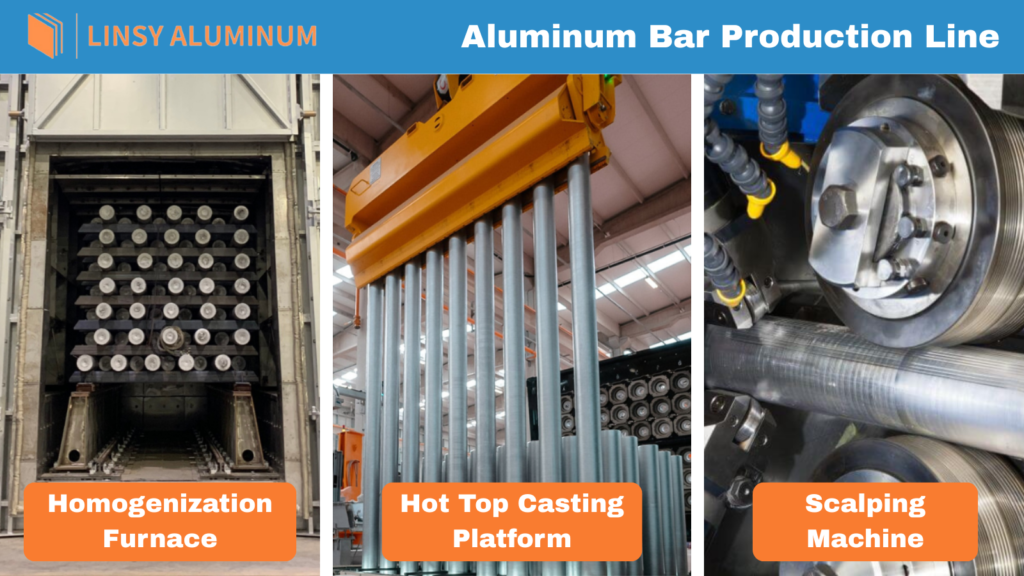
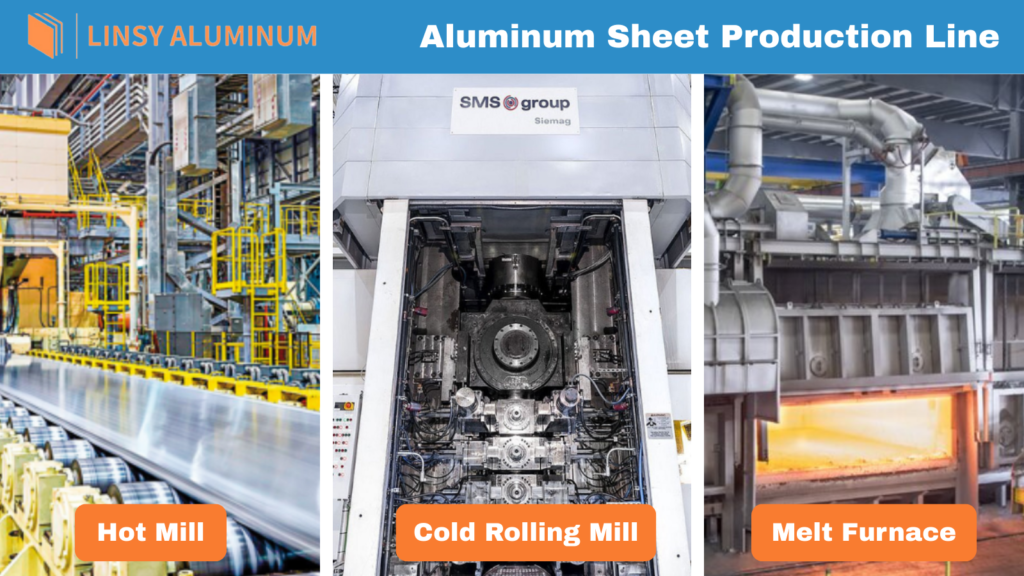
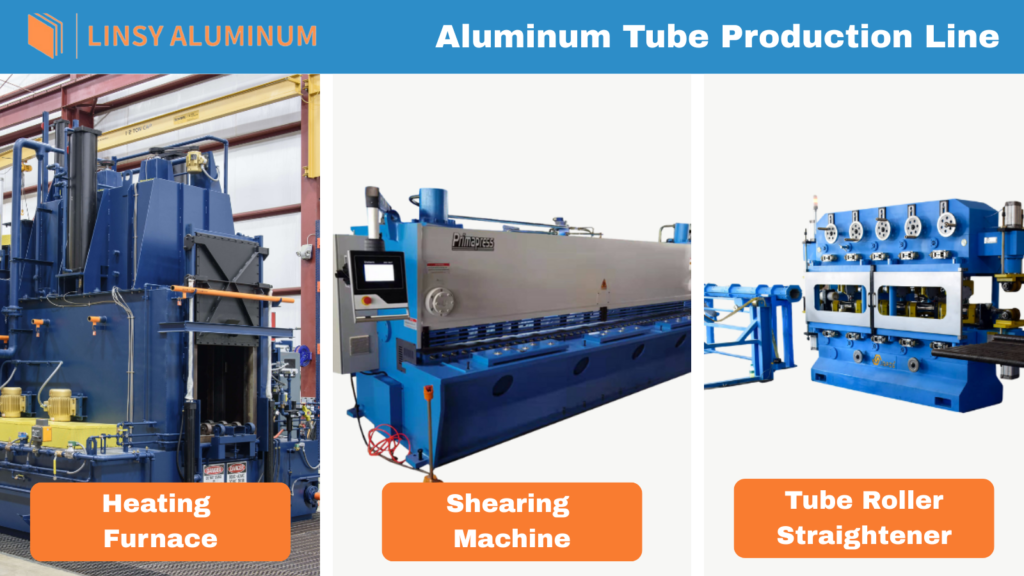
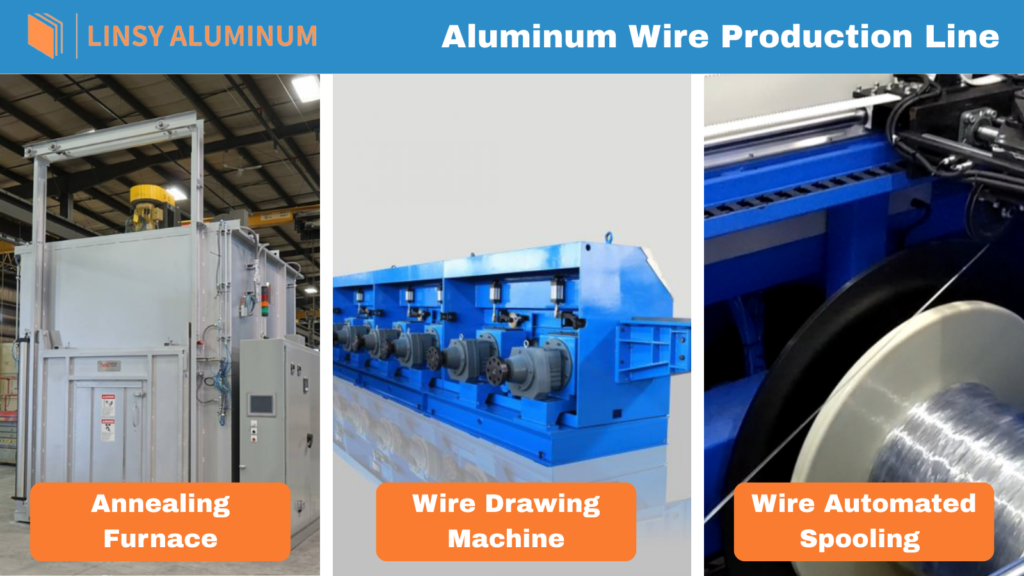
Vantagens da Linsy
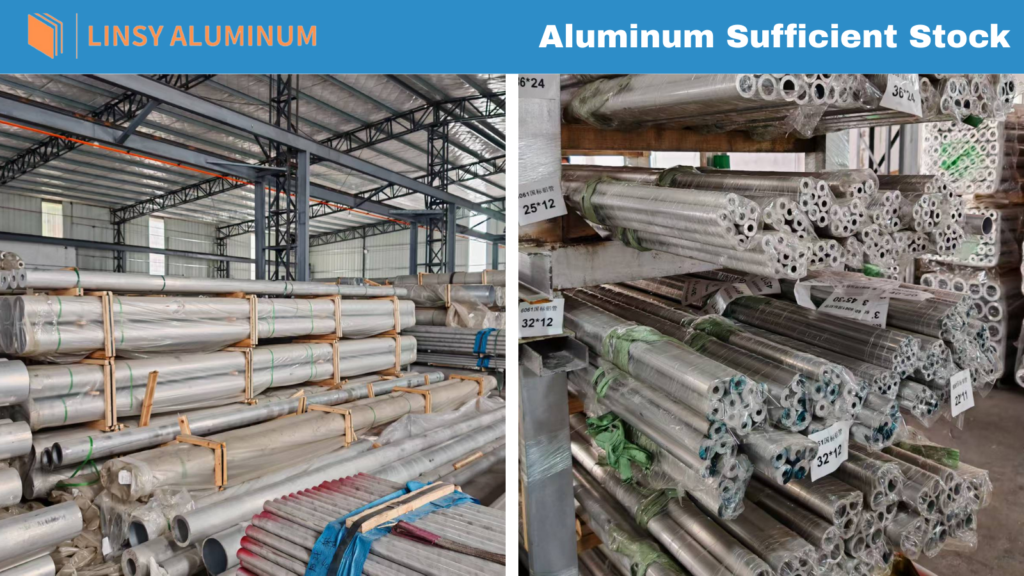
A Linsy Aluminum é uma fornecedora líder de produtos de processamento de alumínio, atendendo a diversos setores, incluindo aeroespacial, engenharia geral, automotivo, marítimo, construção naval e outras aplicações industriais especializadas.
Temos o compromisso de manter os mais altos padrões de qualidade e responsabilidade ambiental, conforme demonstrado por nossas certificações: ISO 9001:2008, ISO 14001:2004 e SGS.