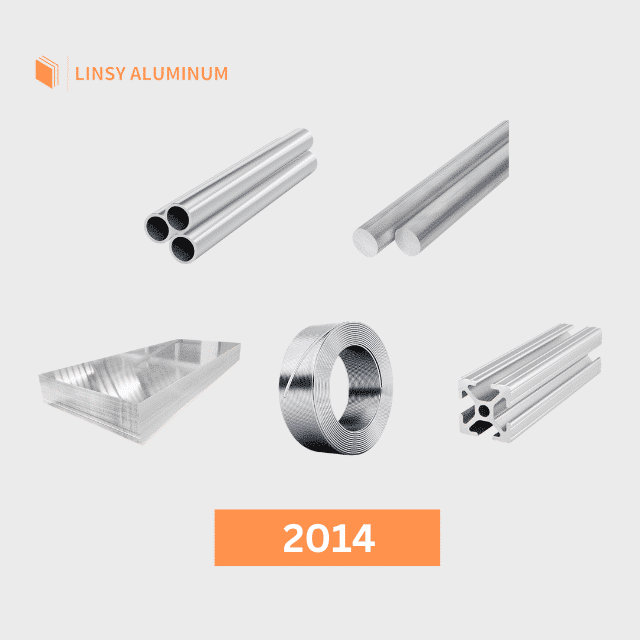
2014 alüminyum alaşımı (AlCu4SiMg), öncelikli olarak bakır, silisyum ve magnezyum ile alaşımlandırılmış, yüksek mukavemetli 2000 serisi dövme alüminyum alaşımıdır. 2xxx serisinin en güçlü alüminyum alaşımlarından biri olarak bilinen 2014, mükemmel mukavemet-ağırlık performansı, iyi dövülebilirlik ve orta düzeyde işlenebilirlik sunar. Havacılık yapısal bileşenlerinde, askeri teçhizatta ve yüksek gerilimli otomotiv uygulamalarında yaygın olarak kullanılır. Linsy, O, T4, T6, T651 ve T351 temperlerinde 2014 alüminyum levha, plaka, rulo, çubuk, boru ve dövme stok malzemesi tedarik eder; özel boyutlar, işleme desteği ve MTC raporları sunar.
Mevcut formlar: levha / plaka / rulo / çubuk / boru / dövme stok / profil
Yaygın temperler: O / T4 / T6 / T651 / T351
İşleme desteği: CNC işleme / dövme / ekstrüzyon / kesme / yüzey bitirme
Kalite belgeleri: Her siparişle birlikte MTC raporu, talep üzerine SGS test raporları mevcuttur
2014 alüminyum alaşımı (UNS A92014), öncelikli olarak bakır (Cu), silisyum (Si) ve magnezyum (Mg) ile alaşımlandırılmış, çökelme sertleşmeli 2000 serisi dövme alüminyum alaşımıdır. Avrupa standart sistemindeki tanımı EN AW-2014 / AlCu4SiMg olup, ana alaşım elementlerini yansıtır. Bakır içeriği (%3,9–5,0), çökelme sertleşmesi yoluyla yüksek mukavemet sağlarken; silisyum (%0,5–1,2) ve magnezyum (%0,2–0,8) ilave dayanım katkısı sunar ve alaşımın ısıl işleme tepkisini iyileştirir.
2014, 2xxx serisindeki en güçlü alüminyum alaşımlarından biridir ve popülerlik açısından yalnızca 2024'ün ardından gelir. Genellikle ekstrüzyon, dövme ve talaşlı işleme ile şekillendirilir; yüksek mukavemet ve orta düzeyde yorulma dayanımı gerektiren havacılık endüstrisi için yapısal bileşenler üretilir. Alaşım, T6 temperinde (çözelti ısıl işlemi ve suni yaşlandırma) en yüksek mekanik özelliklerine ulaşır; tipik çekme mukavemeti 470 MPa'yı aşar.
Bununla birlikte, 2014'ün önemli sınırlamaları vardır. Yüksek bakır içeriği, 5xxx ve 6xxx serisi alaşımlara kıyasla zayıf korozyon direncine neden olur — bunu hafifletmek için 2014, dış mekân veya aşındırıcı ortamlara maruz kalan uygulamalarda genellikle saf alüminyum kaplamalı (Alclad) olarak tedarik edilir. Alaşım ayrıca, ısıdan etkilenen bölgede sıcak çatlamaya duyarlı olduğundan konvansiyonel ark kaynak yöntemleriyle kaynaklanması zordur. Birleştirme gerektiren uygulamalarda mekanik bağlantı elemanları veya sürtünme karıştırma kaynağı tercih edilir.
2014 alüminyum, ASTM B209 (levha/plaka), B211 (çubuk), B221 (ekstrüde profiller) ve EN 573-3 / EN 755 (Avrupa çubuk ve profil standartları) dahil olmak üzere birden fazla uluslararası standart kapsamında yer alır.
Linsy, 2014 alüminyum alaşımını çeşitli standart ve özel ürün formlarında tedarik etmektedir. Uzunluk, genişlik, çap ve boyutsal toleranslar proje gereksinimlerinize göre uyarlanabilir.
| Form | Temper | Kalınlık (mm) | Genişlik (mm) | Uzunluk (mm) |
|---|---|---|---|---|
| 2014 Levha / Bobin | O, T4, T6, T351 | 0.3 – 6.0 | 500 – 2600 | 500 – 16000 |
| 2014 Alclad Levha | T4, T6 | 0.5 – 6.0 | 500 – 2600 | 500 – 16000 |
| Form | Temper | Kalınlık (mm) | Genişlik (mm) | Uzunluk (mm) |
|---|---|---|---|---|
| 2014 Plaka | O, T6, T651, T351 | 6.0 – 150 | 500 – 2600 | 500 – 16000 |
| Form | Temper | Çap / Boyut (mm) | Uzunluk (mm) |
|---|---|---|---|
| 2014 Yuvarlak Çubuk | T4, T6, T651, T351 | 5 – 300 | 1000 – 6000 |
| 2014 Altıgen / Kare Çubuk | T4, T6, T651 | 5 – 100 | 1000 – 6000 |
| Form | Temper | Dış Çap (mm) | Et Kalınlığı (mm) | Uzunluk (mm) |
|---|---|---|---|---|
| 2014 Dikişsiz Boru | T4, T6 | 6 – 300 | 1 – 50 | 1000 – 6000 |
| 2014 Ekstrüde Boru | T4, T6, T351 | 10 – 250 | 2 – 40 | 1000 – 6000 |
| Form | Temper | Çap / Boyut (mm) | Notlar |
|---|---|---|---|
| Dövme Kütüğü | F, O | 50 – 400 | Özel uzunluklar mevcuttur |
| Dövme Halka / Disk | T6, T651 | Dış Çap 100 – 1500 | Müşteri çizimine göre |
2014 alüminyum ekstrüde profiller, tel ve özel şekiller talep üzerine temin edilebilir. Özel fiyat teklifi için çizimleriniz veya boyutsal gereksinimlerinizle ekibimizle iletişime geçin.
2014 alüminyum alaşımı, birden fazla uluslararası tanımlama sistemi altında kabul görmektedir. Aşağıdaki tablo, en sık referans verilen eşdeğerleri ve geçerli standartları listelemektedir.
| Standart / Sistem | Tanımlama |
|---|---|
| UNS | A92014 |
| EN (Avrupa) | EN AW-2014 / AlCu4SiMg |
| Werkstoff (Almanya) | 3.1255 |
| BS (İngiliz) | 2014 |
| ISO | AlCu4SiMg |
| JIS (Japonya) | A2014 |
| A-M1 | 2A14 |
Geçerli standartlar: ASTM B209 (levha/plaka), ASTM B211 (çubuk), ASTM B221 (ekstrüde profiller), ASTM B247 (dövmeler), EN 573-3, EN 755 (ekstrüde çubuk/çubuk/profil)
Aşağıdaki tablo, ASTM B209 / EN 573-3'e göre 2014 alüminyum alaşımının kimyasal bileşim sınırlarını göstermektedir. Değerler ağırlık yüzdesi (%%) olarak ifade edilmiştir.
| Element | Kimyasal Sembol | Min (%) | Maks (%) |
|---|---|---|---|
| Silikon | Si | 0.50 | 1.20 |
| Demir | Fe | — | 0.70 |
| Bakır | Cu | 3.90 | 5.00 |
| Manganez | Mn | 0.40 | 1.20 |
| Magnezyum | Mg | 0.20 | 0.80 |
| Krom | Cr | — | 0.10 |
| Çinko | Zn | — | 0.25 |
| Titanyum | Ti | — | 0.15 |
| Diğer Elementler (Her Biri) | — | — | 0.05 |
| Diğer Elementler (Toplam) | — | — | 0.15 |
| Alüminyum | Al | Denge | |
2014 alüminyum alaşımının mekanik özellikleri, temper durumuna göre önemli ölçüde değişir. Aşağıdaki tablo, yaygın olarak tedarik edilen temperler için referans değerler sunmaktadır. Gerçek değerler; ürün formuna, boyutlara ve üretim koşullarına bağlıdır — tasarım amaçları için siparişinize ait MTC raporundaki temsili değerler kullanılmalıdır.
| Temper | Durum | Çekme Mukavemeti Rm (MPa) | Akma Mukavemeti Rp0.2 (MPa) | Uzama A50 (%) |
|---|---|---|---|---|
| O | Tavlanmış (yumuşak) | ≤ 220 | ≤ 100 | ≥ 12 |
| T4 | Çözelti ile ısıl işlem görmüş, doğal yaşlandırılmış | ≥ 370 | ≥ 230 | ≥ 10 |
| T6 | Çözelti ile ısıl işlem görmüş, yapay olarak yaşlandırılmış | ≥ 440 | ≥ 380 | ≥ 7 |
| T651 | Çözelti ısıl işlemi, germe ile gerilim giderme, yapay yaşlandırma | ≥ 450 | ≥ 390 | ≥ 7 |
| T351 | Çözelti ile ısıl işlem görmüş, gerdirme ile gerilimi giderilmiş, doğal yaşlandırılmış | ≥ 380 | ≥ 240 | ≥ 10 |
Not: T651 ve T351 temperleri, germe yoluyla gerilim giderme işlemi içerir; bu sayede iç kalıntı gerilimler azaltılır ve işleme sırasında boyutsal stabilite iyileştirilir. Bu temperler, hassas işlenmiş bileşenler ve kalın plaka uygulamaları için önerilir. Yukarıdaki mekanik özellik aralıkları, ASTM B209 / B211 esas alınarak verilen referans değerlerdir. Projeye özel MTC verileri için ekibimizle iletişime geçin.
Aşağıdaki tablo, en yaygın tedarik edilen 2014 alüminyum temperlerinin temel özelliklerini ve önerilen kullanım alanlarını özetlemektedir.
| Temper | Temel Özellikler | İçin En İyisi |
|---|---|---|
| O | Tavlanmış, en yumuşak durum. Yüksek süneklik, düşük mukavemet. İyi şekillendirilebilirlik. | Isıl işlem öncesi şekillendirme, bükme ve derin çekme işlemleri |
| T4 | Çözelti ısıl işlemi uygulanmış ve doğal olarak yaşlandırılmış. İyi mukavemet ve süneklik kombinasyonu. | Orta düzeyde mukavemet gerektiren yapısal bileşenler, daha fazla şekillendirilecek parçalar |
| T6 | Çözelti ısıl işlemi uygulanmış ve yapay olarak yaşlandırılmış. 2014 için maksimum mukavemet durumu. | Havacılık yapısal parçaları, yüksek gerilimli bileşenler, askeri ekipmanlar |
| T651 | T6 ile aynı ancak germe yoluyla gerilim giderilmiş. Azaltılmış kalıntı gerilim, iyileştirilmiş boyutsal stabilite. | Hassas işlenmiş plaka bileşenleri, kalın kesitli parçalar, havacılık bağlantı elemanları |
| T351 | T4'ün gerilim giderilmiş versiyonu. T4'ten daha iyi boyutsal stabilite. | Orta düzeyde mukavemet ve sıkı tolerans gerektiren işlenmiş bileşenler |
T6 temperindeki 2014 alüminyum alaşımı, 440 MPa'yı aşan çekme mukavemetine ulaşır ve bu da onu ticari olarak temin edilebilen en güçlü alüminyum alaşımlarından biri yapar. Bu yüksek mukavemet-ağırlık oranı, yapısal bütünlükten ödün vermeden ağırlık azaltımının kritik olduğu havacılık ve savunma uygulamaları için tercih edilen bir malzeme olmasını sağlar.
2014, O ve F koşullarında iyi dövülebilirlik sergiler; bu sayede yapısal bağlantı parçaları, braketler ve halkalar gibi karmaşık dövme şekillerin üretimi mümkün olur. T6 veya T651'e ısıl işlem sonrası dövme işlemi, yüksek mekanik özelliklere ve uygun tane yapısına sahip bileşenler üretir. Dövülebilirlik ve ısıl işlem sonrası mukavemetin bu kombinasyonu, 2014'ü dövme havacılık bileşenleri için standart bir seçim haline getirir.
Yüksek bakır içeriği (%3,9–5,0) nedeniyle, 2014 alüminyumun korozyon direnci 5xxx, 6xxx ve 7xxx serisi alaşımlardan önemli ölçüde düşüktür. Bakırca zengin fazlar, alüminyum matrise göre anodiktir ve klorür içeren ortamlarda lokal oyuklanma korozyonuna yol açar. Dış mekan veya korozif hizmet koşulları için 2014, Alclad (saf alüminyum kaplama), eloksal, boya veya kimyasal dönüşüm kaplamaları ile korunmalıdır. Dış mekan koşullarına maruz kalan kaplamasız 2014 her zaman boyanmalı veya kaplanmalıdır.
2014 alüminyum, konvansiyonel ark kaynak yöntemleriyle (TIG / MIG) kaynaklanması zor olarak sınıflandırılır. Yüksek bakır içeriği ve alaşım kimyası, kaynak ısı tesiri altındaki bölgede sıcak çatlamayı teşvik eder ve kaynaklı bağlantılar tipik olarak önemli ölçüde azaltılmış mekanik özellikler sergiler. Kaynağın kaçınılmaz olduğu durumlarda, özel dolgu telleri (4043 veya 4145 gibi) ve dikkatle kontrol edilen prosedürler gereklidir. Çoğu yapısal uygulama için mekanik bağlantı elemanları (cıvata, perçin) veya sürtünme karıştırma kaynağı (FSW) tercih edilen birleştirme yöntemleridir.
T6 ve T651 temperlerinde 2014, kabul edilebilir talaş oluşumu ve yüzey kalitesi ile iyi işlenebilirlik sunar. 2011 veya 2007 gibi serbest işlenebilir alaşımlar kadar kolay işlenebilir olmasa da, 2014 orta düzey kesme hızlarında karbür takımlarla iyi işlenir. Alaşım, CNC frezeleme, tornalama ve delme işlemlerine olumlu yanıt verir.
2014 alüminyum alaşımı, yüksek mukavemet, dövülebilirlik ve orta düzeyde yorulma direncinin kritik olduğu endüstrilerde yaygın olarak kullanılır. Aşağıdaki tablo, yaygın uygulama alanlarını ve 2014'ün seçilme nedenlerini özetlemektedir.
| Endüstri | Tipik Uygulamalar | 2014'ün Kullanılma Nedenleri |
|---|---|---|
| Havacılık ve Uzay | Kanat çekme elemanları, gövde kaplamaları, yapısal bağlantı parçaları, bölmeler, kamyon jantları | Yüksek mukavemet-ağırlık oranı, iyi dövülebilirlik, kanıtlanmış havacılık hizmet geçmişi |
| Savunma & Askeri | Zırhlı araç bileşenleri, silah platformları, askeri uçak parçaları | T6 temperinde yüksek mukavemet, alüminyum için iyi balistik özellikler |
| Otomotiv | Dövme süspansiyon bileşenleri, kontrol kolları, jantlar, yapısal braketler | Bazı çeliklere kıyasla üçte bir ağırlıkta mukavemet |
| Ağır Ekipman | Hidrolik silindir bileşenleri, takım tezgahı parçaları, ağır hizmet braketleri | Yüksek basma mukavemeti, dövme durumda iyi aşınma direnci |
| Spor Ekipmanları | Bisiklet kadroları, beyzbol sopaları, yüksek mukavemetli spor bileşenleri | Yüksek mukavemet, düşük ağırlık, iyi yorulma direnci |
| Su taşıtları | Deniz yapısal bileşenleri, tekne bağlantı parçaları (korozyon korumalı) | Yapısal yükleme için yüksek mukavemet; korozyon koruması için Alclad veya kaplama gereklidir |
2014, T6 ve T651 temperlerinde orta ila yüksek kesme hızlarında karbür takımlarla iyi işlenir. Talaşlar orta derecede kısa ve yönetilebilirdir. Derin delme ve ağır frezeleme işlemlerinde ısıyı yönetmek ve yüzey kalitesini iyileştirmek için soğutma sıvısı veya kesme yağı önerilir. Hassas parçalar için, düşük kalıntı gerilimi ve işleme sırasında iyileştirilmiş boyutsal stabilitesi nedeniyle T651 plaka önerilir.
2014, en dövülebilir yüksek mukavemetli alüminyum alaşımlarından biridir. Dövme işlemi tipik olarak O veya F koşulunda 380–440°C'de gerçekleştirilir, ardından T6 veya T651'e çözelti ısıl işlemi ve yaşlandırma uygulanır. Alaşımın iyi dövülebilirliği, uygun mekanik özelliklere sahip karmaşık şekillerin üretilmesine olanak tanır. Dövme 2014 bileşenleri havacılık ve askeri uygulamalarda yaygındır.
2014, standart ve özel profillere ekstrüde edilebilir; ancak yüksek sıcaklıklardaki yüksek mukavemeti nedeniyle 6061 veya 6063'ten daha yüksek ekstrüzyon basınçları gerektirir. Ekstrüde 2014 profilleri tipik olarak çözelti ısıl işlemi ve yaşlandırma sonrasında T4, T6 veya T351 temperlerinde tedarik edilir.
Zayıf korozyon direnci nedeniyle, dış mekan veya korozif ortamlara yönelik 2014 alüminyum bileşenler korunmalıdır. Yaygın yüzey işlemleri şunları içerir:
2014, sıcak çatlama eğilimi ve ısı tesiri altındaki bölgede mukavemet kaybı nedeniyle konvansiyonel TIG ve MIG prosesleriyle kaynaklanması zor olarak sınıflandırılır. Birleştirme gerektiğinde mekanik bağlantı elemanları (cıvata, perçin), yapıştırıcı bağlama veya sürtünme karıştırma kaynağı (FSW) kullanın. Ark kaynağı kaçınılmazsa, sıkı prosedür kontrolü ve kaynak sonrası ısıl işlem ile 4043 veya 4145 dolgu teli kullanın.
Linsy'den yapılan her 2014 alüminyum alaşımı siparişi, tedarik edilen malzemenin ısı numarasını, kimyasal bileşimini, mekanik özelliklerini ve boyutsal toleranslarını belgeleyen bir Değirmen Test Sertifikası (MTC) içerir.
Mevcut kalite belgeleri:
Linsy, ISO 9001, ISO 14001 ve ISO 45001 yönetim sistemi standartlarına göre faaliyet gösterir; kalite kontrol, hammadde seçiminden bitmiş ürün muayenesine kadar tüm süreci kapsar.
Linsy Aluminum, Shenzhen merkezli, 20 yılı aşkın sektör deneyimine sahip bir alüminyum fabrikasıdır. Standart ve özel spesifikasyonlarda 2014 alüminyum alaşımı levha, plaka, çubuk, boru ve dövme stoku tedarik ediyoruz; hem stok envanteri hem de düşük MOQ'lu özel üretim seçenekleri sunuyoruz.
2014'ü Linsy'den tedarik ettiğinizde elde edecekleriniz:
Alüminyum alaşım seçimi, 2xxx serisi karşılaştırmaları ve havacılık sınıfı alüminyum hakkında daha fazla bilgi için teknik blogumuzu ziyaret edin:
2014'e özel karşılaştırma ve uygulama içerikleri için ekibimizle iletişime geçin veya 2xxx serisi yüksek mukavemetli alaşımlar hakkında güncel teknik makaleler için Linsy blogunu ziyaret edin.
2014 alüminyum alaşımı ne için kullanılır?
2014 alüminyum öncelikli olarak havacılık, savunma ve otomotiv endüstrilerindeki yüksek mukavemetli yapısal uygulamalarda kullanılır. Tipik uygulamalar arasında uçak kanadı çekme elemanları, gövde yapısal bileşenleri, dövme bağlantı parçaları, kamyon jantları, askeri araç parçaları ve yüksek gerilimli spor ekipmanları yer alır. Yüksek mukavemet-ağırlık oranı ve iyi dövülebilirliği, onu dövme ve işlenmiş yapısal bileşenler için ideal kılar.
2014 ve 2024 alüminyumları arasındaki fark nedir?
Hem 2014 (AlCu4SiMg) hem de 2024 (AlCu4Mg1.5), havacılıkta kullanılan yüksek mukavemetli 2xxx serisi bakır alaşımlarıdır. 2014, geliştirilmiş mukavemet ve dövülebilirlik için silikon (%0,5–1,2) içerirken, 2024 daha iyi yorulma direnci ve hasar toleransı için daha yüksek magnezyum içeriğine sahiptir. 2014 genellikle daha yüksek basma akma mukavemeti ve daha iyi dövülebilirlik sunarken, 2024 çekme kritik uygulamalarda üstün yorulma performansı sağlar.
2014 alüminyum kaynaklanabilir mi?
Hayır, 2014, yüksek bakır içeriği nedeniyle geleneksel TIG ve MIG prosesleriyle kaynaklanması zor olarak sınıflandırılır; bu durum ısıdan etkilenen bölgede sıcak çatlamayı teşvik eder. Mekanik bağlantı elemanları (cıvata, perçin), yapıştırıcı bağlama veya sürtünme karıştırma kaynağı (FSW) tercih edilen birleştirme yöntemleridir. Ark kaynağı kaçınılmazsa, sıkı prosedür kontrolü ile 4043 veya 4145 dolgu teli kullanın.
2014-T6 ve 2014-T651 arasındaki fark nedir?
Her ikisi de çözelti ısıl işlemi görmüş ve yapay olarak yaşlandırılmıştır. T651, su verme sonrası germe (%1–3 kalıcı deformasyon) ile ek bir gerilim giderme adımı içerir; bu, iç kalıntı gerilimi azaltır ve işleme sırasında boyutsal stabiliteyi iyileştirir. T651, sıkı toleranslar gerektiren kalın plaka ve hassas işlenmiş bileşenler için önerilir.
2014 alüminyum eloksallanabilir mi?
Evet, ancak eloksallı görünüm 6xxx serisi alaşımlardan farklı olacaktır. Yüksek bakır içeriği nedeniyle, 2014 eloksal filmleri sarımsı veya grimsi görünme eğilimindedir ve 6061 veya 5052 üzerindekilere göre daha az şeffaftır. Korozyon koruması için Alclad, sert eloksal veya kimyasal dönüşüm kaplamaları standart sülfürik asit eloksalından daha etkili olabilir.
2014 alüminyum neden zayıf korozyon direncine sahiptir?
2014'teki yüksek bakır içeriği (%3,9–5,0), alüminyum matrise göre katodik olan bakırca zengin intermetalik fazlar oluşturur. Korozyonlu ortamlarda bu fazlar lokalize oyuklanma ve galvanik korozyonu hızlandırır. Dış mekan veya korozyonlu hizmet için 2014, Alclad (saf alüminyum kaplama), boyama, eloksal veya kimyasal dönüşüm kaplamaları ile korunmalıdır.
Linsy, 2014 alüminyum için MTC sağlıyor mu?
Evet. Linsy'den her 2014 alüminyum siparişi, ısı numarasını, kimyasal kompozisyon analizini, mekanik test sonuçlarını ve boyutsal muayene verilerini belgeleyen bir Fabrika Test Sertifikası (MTC) içerir.
Hangi ebatlarda 2014 alüminyum plaka sipariş edebilirim?
Linsy, 6,0 mm ila 150 mm kalınlığında, 2600 mm'ye kadar genişlikte ve 16000 mm'ye kadar uzunlukta 2014 plaka tedarik eder. Özel ebatlar ve standart dışı toleranslar talep üzerine, tipik teslim süresi 10–60 gün olarak mevcuttur.
2014 alüminyum için minimum sipariş miktarı (MOQ) nedir?
Linsy düşük MOQ'lu siparişleri destekler. Standart stok ürünleri küçük miktarlarda sevk edilebilir ve özel üretim partileri, spesifikasyona bağlı olarak esnek minimumlara sahiptir. Teklif için parça çiziminiz veya gereksinimlerinizle iletişime geçin.
2014 alüminyum siparişleri için tipik teslim süresi nedir?
Stok ürünler birkaç iş günü içinde sevk edilir. Özel üretim siparişleri, alaşım, ebatlar, işleme gereksinimleri ve sipariş miktarına bağlı olarak genellikle 10–60 gün sürer.
Hangi ödeme ve sevkiyat koşullarını kabul ediyorsunuz?
Uluslararası B2B alıcılar için esnek ödeme ve sevkiyat koşulları sunuyoruz. Ödeme yöntemleri (T/T, L/C), sevkiyat seçenekleri (FOB, CIF, DAP) ve bölgenize teslimat hakkında görüşmek için satış ekibimizle iletişime geçin.
2014 alüminyum parçaları çizimlerime göre işleyebilir misiniz?
Evet. Kendi CNC işleme tesisimiz, teknik çizimlerinize göre 2014 plaka, çubuk veya dövme stoktan bitmiş parçalar üretebilir. İşleme teklifi için çiziminizi veya 3D modelinizi gönderin.
2014'ü ihracat pazarlarına tedarik ediyor musunuz?
Evet. Linsy, Avrupa, Amerika, Güneydoğu Asya, Orta Doğu ve diğer bölgelere alüminyum ürünleri ihraç etmektedir. ISO 9001 kalite sistemimiz ve MTC dokümantasyonumuz, uluslararası tedarik ve uyumluluk gereksinimlerini destekler.
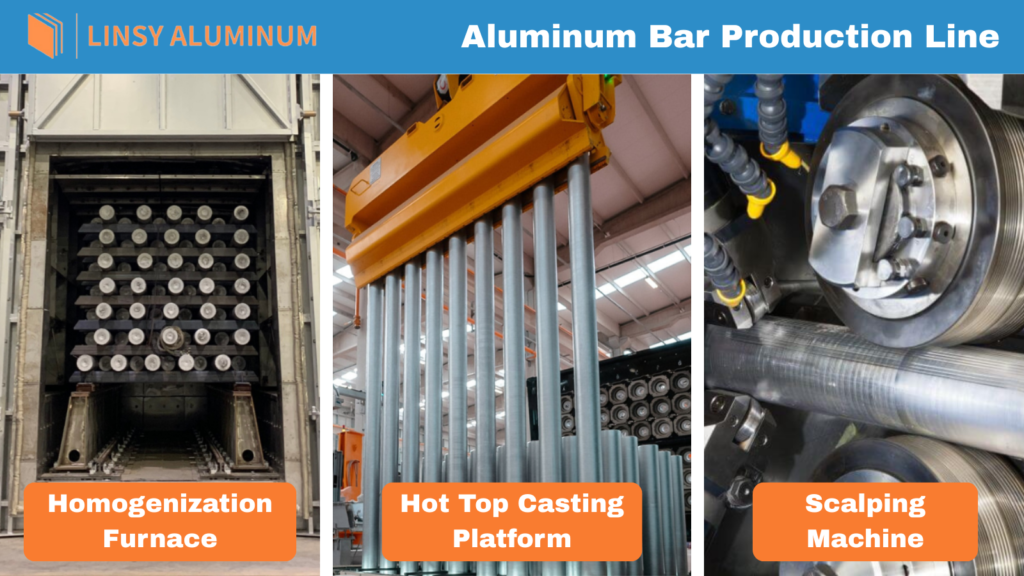
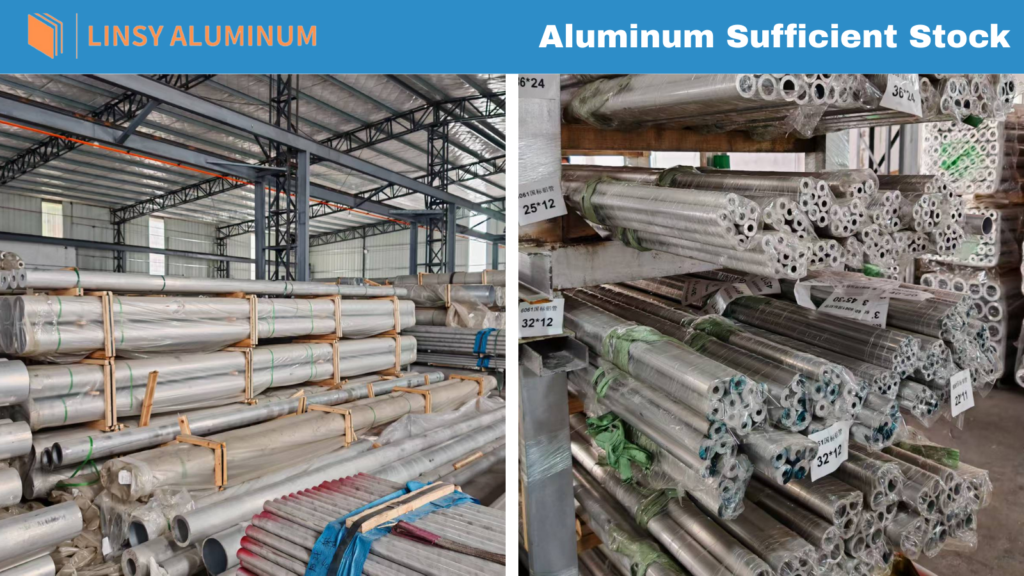
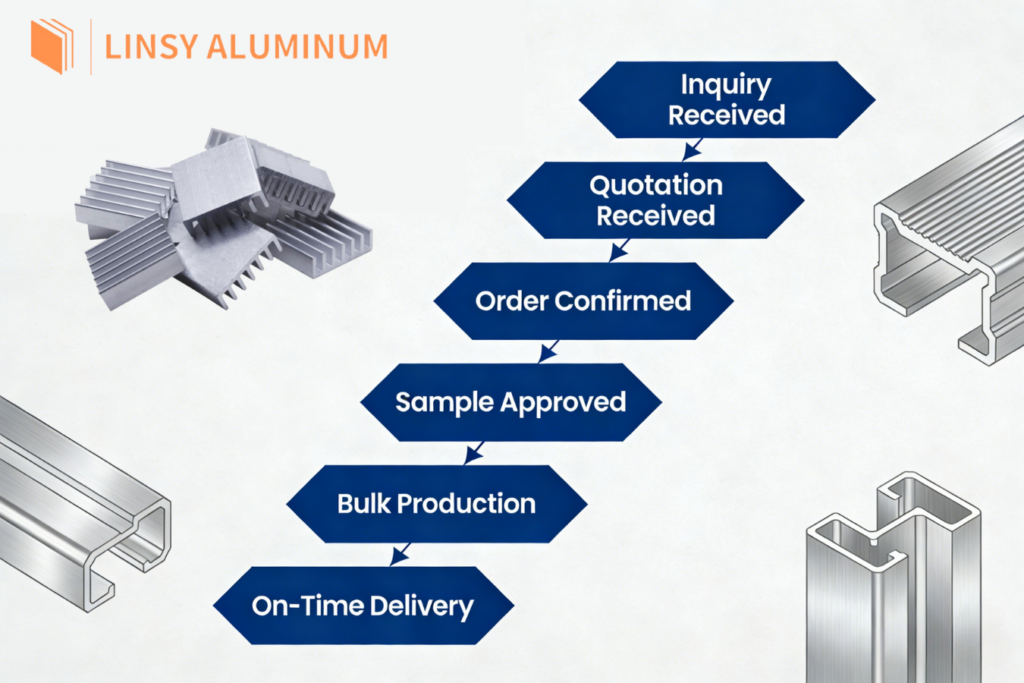
Linsy Avantajları
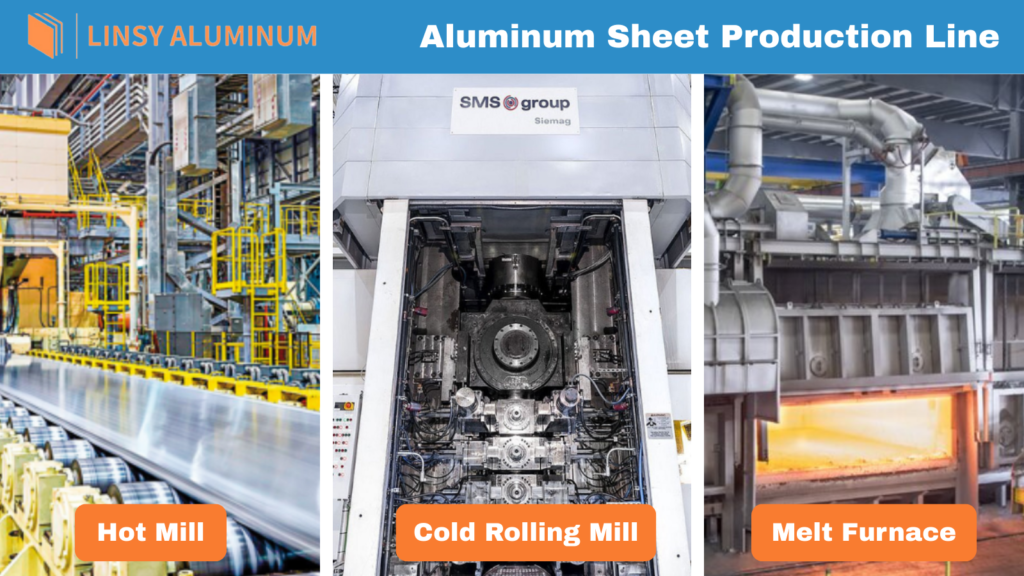
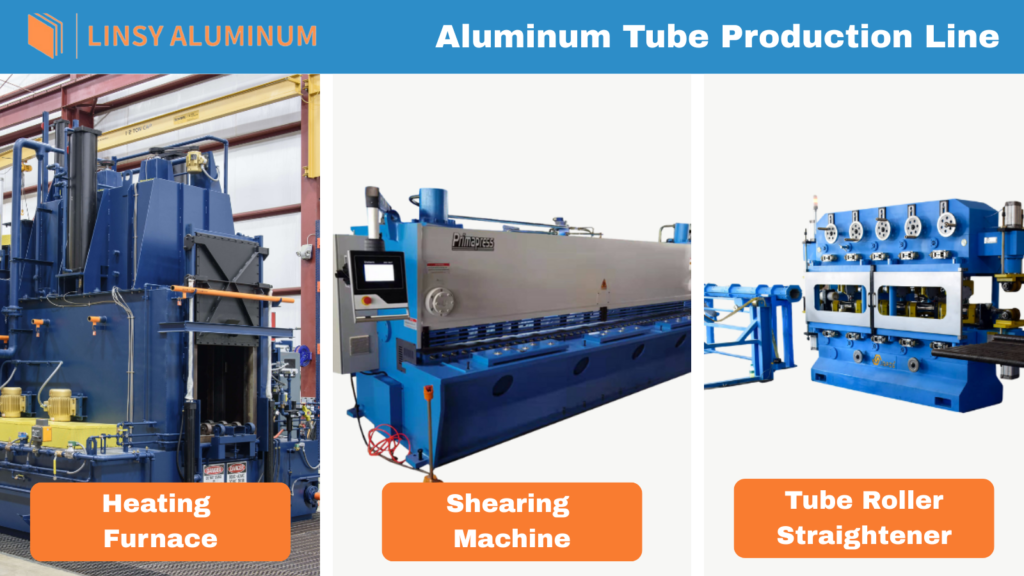
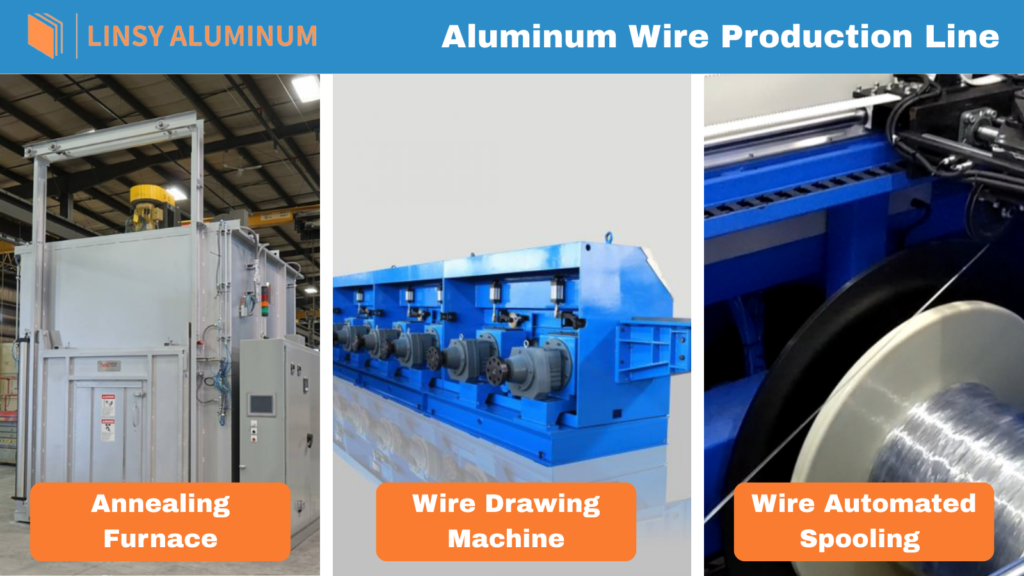
Linsy Alüminyum, havacılık, genel mühendislik, otomotiv, denizcilik, gemi yapımı ve diğer özel endüstriyel uygulamalar dahil olmak üzere çeşitli endüstrilere hizmet veren lider bir alüminyum işleme ürünleri tedarikçisidir.
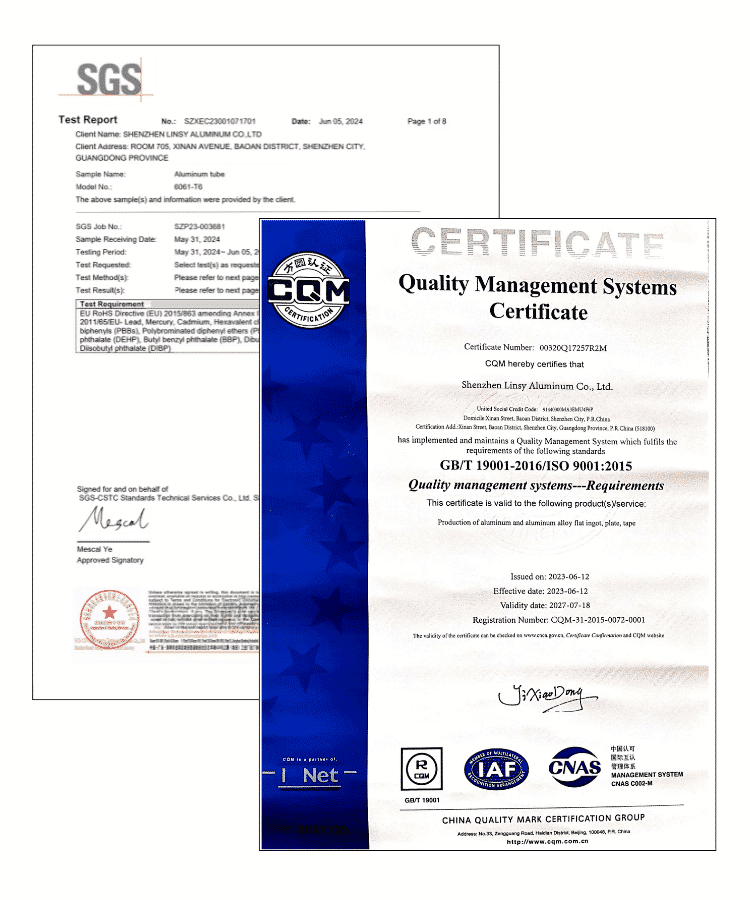
Sertifikalarımızın da gösterdiği gibi, en yüksek kalite ve çevresel sorumluluk standartlarını sürdürmeye kararlıyız: ISO 9001:2008 , ISO 14001:2004 ve SGS.