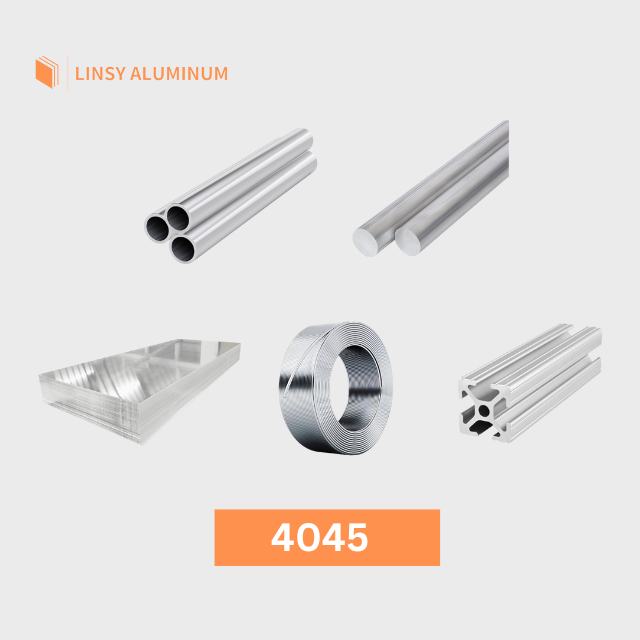



4045 alüminyum alaşımı (UNS A94045, EN AW-AlSi10), öncelikli olarak silisyumla (%9–11) alaşımlandırılmış 4000 serisi dövme alüminyum alaşımıdır. Yüksek silisyum içeriği mükemmel akışkanlık ve düşük katılaşma büzülmesi sağlar; bu da onu lehimleme ve kaynak uygulamaları için tercih edilen bir dolgu ve kaplama alaşımı yapar. Linsy, 4045 alüminyumu O ve F temperlerinde lehimleme levhası, bobin, dolgu teli, folyo ve çubuk formlarında; özel ebatlar, yüzey işleme ve MTC raporları ile tedarik etmektedir.
Mevcut formlar: lehimleme levhası / bobin / dolgu teli / folyo / çubuk
Yaygın temperler: O / F
İşleme desteği: CNC işleme / lazer kesim / yarma / yüzey işleme
Kalite belgeleri: Her siparişte MTC raporu, talep üzerine SGS testi
4045 alüminyum alaşımı (UNS A94045, EN AW-4045 / AlSi10), 4000 serisinde yer alan, öncelikli olarak %9–11 oranında silisyumla alaşımlandırılmış ısıl işlem uygulanabilir bir dövme alüminyum alaşımıdır. Yüksek silisyum içeriği erime aralığını düşürür ve lehimleme sırasında mükemmel akışkanlık sağlarken katılaşma büzülmesini azaltır — bu özellikler 4045'i en yaygın kullanılan alüminyum lehimleme ve dolgu alaşımlarından biri yapar.
6061 veya 7075 gibi yapısal alaşımların aksine 4045, yük taşıyan uygulamalar için tasarlanmamıştır. Değeri, bir dolgu malzemesi olarak metalurjik davranışında yatar: birleşim yerlerine temiz bir şekilde akar, alüminyum alt tabakaları iyi ıslatır ve minimum çatlakla sağlam lehimli montajlar üretir. 4045 genellikle lehimleme levhası (çoğunlukla 3003, 3005 veya 6951 çekirdek alaşımları üzerinde kaplama katmanı olarak), gaz kaynağı ve lehimleme için dolgu teli ve ısı eşanjörü imalatı için folyo olarak tedarik edilir.
4045, ASTM B209 (levha ve plaka), ASTM B211 (çubuk, mil ve tel), ISO 6361 ve EN 573-3 dahil olmak üzere başlıca uluslararası standartlar kapsamındadır. Avrupa tanımı EN AW-4045 / AlSi10(A)'dır.
Linsy, lehimleme, kaynak ve ısı eşanjörü uygulamalarına yönelik standart ve özel ürün formlarında 4045 alüminyum tedarik etmektedir. Ebatlar ve toleranslar proje gereksinimlerinize göre özelleştirilebilir.
| Form | Temper | Kalınlık (mm) | Genişlik (mm) | Uzunluk (mm) |
|---|---|---|---|---|
| 4045 Lehimleme Levhası / Bobini | F, O | 0.1 – 4.0 | 500 – 1600 | 500 – 6000 |
4045 lehimleme levhası, ısı eşanjörü imalatı için sıklıkla kaplamalı kompozit (3xxx veya 6xxx serisi çekirdek üzerine 4045 kaplama) olarak tedarik edilir. Tek taraflı ve çift taraflı kaplamalı konstrüksiyonlar talep üzerine teklif edilebilir.
| Parametre | Şartname |
|---|---|
| Çap | 0,8 – 5,0 mm |
| Temper | F, O |
| Bobin Ağırlığı | Min 20 kg |
| Boyut Toleransı | ± 0,03 mm |
| Yüzey | Temiz, kuru, makaralı veya düzleştirilmiş |
4045 dolgu teli, iyi akış ve birleşim dolgusu gerektiren alüminyum montajların lehimlenmesi ve gaz kaynağında kullanılır. Biraz daha geniş bir erime aralığının kabul edilebilir olduğu durumlarda 4047'ye (daha yüksek silisyum, daha düşük erime aralığı) bir alternatiftir.
| Form | Temper | Kalınlık (mm) | Genişlik (mm) |
|---|---|---|---|
| 4045 Folyo | O | 0.05 – 0.3 | 50 – 1200 |
| Form | Temper | Çap (mm) | Uzunluk (mm) |
|---|---|---|---|
| 4045 Yuvarlak Çubuk | F, O | 3 – 100 | 1000 – 6000 |
4045 çubuk, levha veya telden daha az yaygındır ancak işleme stoku veya lehimleme preformları gerektiren uygulamalar için mevcuttur. Gerekli ebat aralığınız için stok durumunu teyit etmek üzere Linsy ile iletişime geçin.
4045 boru ve özel profiller, özel lehimleme montajları veya preform uygulamaları için talep üzerine teklif edilebilir. 4045 öncelikli olarak bir dolgu ve kaplama alaşımı olduğundan, boru bulunabilirliği yapısal kalitelere kıyasla sınırlıdır. Fizibilite değerlendirmesi için çiziminizi veya şartnamenizi paylaşmanızı rica ederiz.
| Standart Sistemi | Tanımlama |
|---|---|
| UNS | A94045 |
| EN AW | EN AW-4045 / AlSi10(A) |
| ISO | Al Si10 |
| AA / SAE | 4045 |
| JIS (Japonya) | A4045 |
| GB / Çin | 4045 |
Geçerli başlıca standartlar:
ASTM / EN standartlarına göre bileşim limitleri (ağırlık %):
| Element | Min % | Maks % |
|---|---|---|
| Silisyum (Si) | 9.0 | 11.0 |
| Demir (Fe) | — | 0.8 |
| Bakır (Cu) | — | 0.30 |
| Manganez (Mn) | — | 0.30 |
| Magnezyum (Mg) | — | 0.30 |
| Çinko (Zn) | — | 0.20 |
| Titanyum (Ti) | — | 0.20 |
| Diğerleri, her biri | — | 0.05 |
| Diğerleri, toplam | — | 0.15 |
| Alüminyum (Al) | Geri kalan (≈ ,0 – 89,5) | |
Yüksek silisyum içeriği 4045'in tanımlayıcı özelliğidir. Silisyum, erime aralığını yaklaşık 577–632 °C'ye (1071–1170 °F) düşürür; bu sayede 4045, lehimli montajlarda çekirdek alaşımdan önce erir ve akar — bu nedenle kaplama ve dolgu malzemesi olarak yaygın şekilde kullanılır.
4045 bir dolgu ve lehimleme alaşımıdır, yapısal bir kalite değildir. Mekanik özellikler mütevazıdır ve nadiren birincil seçim kriteridir. Tavlanmış (O) durumdaki 4045 için tipik değerler aşağıda gösterilmiştir.
| Mülkiyet | Tipik Değer (O temperi) |
|---|---|
| Çekme Dayanımı (Nihai) | ≈ 124 MPa (≈ 18 ksi) |
| Akma Mukavemeti (%0,2) | ≈ 60–80 MPa (yaklaşık) |
| Kopma Uzaması | ≈ |
| Sertlik (Brinell) | ≈ 40–50 HB (yaklaşık) |
| Yoğunluk | 2,67 g/cm³ (0,096 lb/in³) |
| Erime Aralığı | 577 – 632 °C (1071 – 1170 °F) |
| Elastisite Modülü | ≈ 70 GPa (10.150 ksi) |
Gösterilen değerler tavlanmış 4045 için tipiktir. Akma dayanımı ve sertlik gösterge niteliğindedir — 4045 tipik olarak yapısal yük taşıma amaçlı spesifiye edilmez. Mekanik performansın kritik olduğu uygulamalar için 6061, 5052 veya diğer yapısal alaşımları değerlendirin.
4045, bir dolgu alaşımı olduğu ve çökelme sertleşmesinden faydalanan yapısal bir kalite olmadığı için sınırlı sayıda temperde tedarik edilir.
| Temper | İçin En İyisi | Notlar |
|---|---|---|
| 4045-O (Tavlanmış) | Maksimum süneklik gerektiren lehimleme levhası, folyo, dolgu teli | En yumuşak durum. En iyi şekillendirilebilirlik ve lehim akışı. 4045 ürünleri için en yaygın temper. |
| 4045-F (İmalat Durumunda) | Son tavlama spesifiye edilmemiş çubuk, mil ve tel | Özellikler üretim yöntemine bağlıdır. Tavlanmış durumun gerekli olmadığı durumlarda kullanılır. |
2xxx, 6xxx veya 7xxx alaşımlarının aksine 4045, serviste çökelme sertleşmesi ile güçlendirilmediği için T tipi temperler (T4, T6 vb.) kullanmaz. Metalurjik rolü, lehimleme sırasında erimek ve akmaktır; yapısal yük taşımak değildir.
%9–11 silisyum içeriği, 4045'e düşük ve dar bir ergime aralığı (577–632 °C) kazandırır. Bu sayede lehimleme sırasında birleşim boşluklarına temiz bir şekilde akar ve dolar; alüminyum alt tabakaları aşırı aşındırmadan ıslatır. 4045, ısı eşanjörü üretiminde alüminyum lehimleme için standart dolgu alaşımlarından biridir.
Yüksek silisyum içeriği, saf alüminyuma kıyasla katılaşma büzülmesini azaltır. Bu, lehimli birleşimlerde büzülme çatlaklarını ve gözenekliliği en aza indirmeye yardımcı olur; özellikle uzun lehim dikişlerinde ve karmaşık ısı eşanjörü çekirdeklerinde daha sağlam montajlar üretir.
Silisyum ilavesi, eriyik akışkanlığını artırarak 4045'in dar birleşim boşluklarını ve karmaşık lehim bağlantılarını doldurmasını sağlar. Bu özellik, ince kesitlerin veya karmaşık geometrilerin söz konusu olduğu döküm ve dökümhane uygulamaları için de uygun hale getirir.
4045, tipik lehimli montaj servis ortamlarında kabul edilebilir korozyon direnci sunar. Ancak genellikle açıkta kalan yüzey yerine kaplama veya dolgu metali olarak kullanıldığından, nihai montajın korozyon performansı genellikle 4045 katmanından ziyade çekirdek alaşıma (ör. 3003 veya 6951) bağlıdır.
4045, düşük ila orta mukavemetli bir alaşımdır. Tavlanmış durumda çekme mukavemeti yaklaşık 124 MPa'dır — 6061-T6 (≈ 310 MPa) veya 7075-T6 (≈ 572 MPa) gibi yapısal kalitelerin oldukça altındadır. Yük taşıyan uygulamalar için belirlenmemelidir. Seçimi mekanik mukavemetten değil, lehim/dolgu performansından kaynaklanır.
4045, alüminyum lehimleme, kaynak dolgu metali veya kaplama performansı gereken her yerde tercih edilir:
4045, yapısal alaşımlardan farklı bir işleme yaklaşımı gerektirir. Birincil işlevi lehimleme sırasında erimek ve akmaktır — taşıma ve imalat, yüzey temizliğini ve boyutsal doğruluğu korumalıdır.
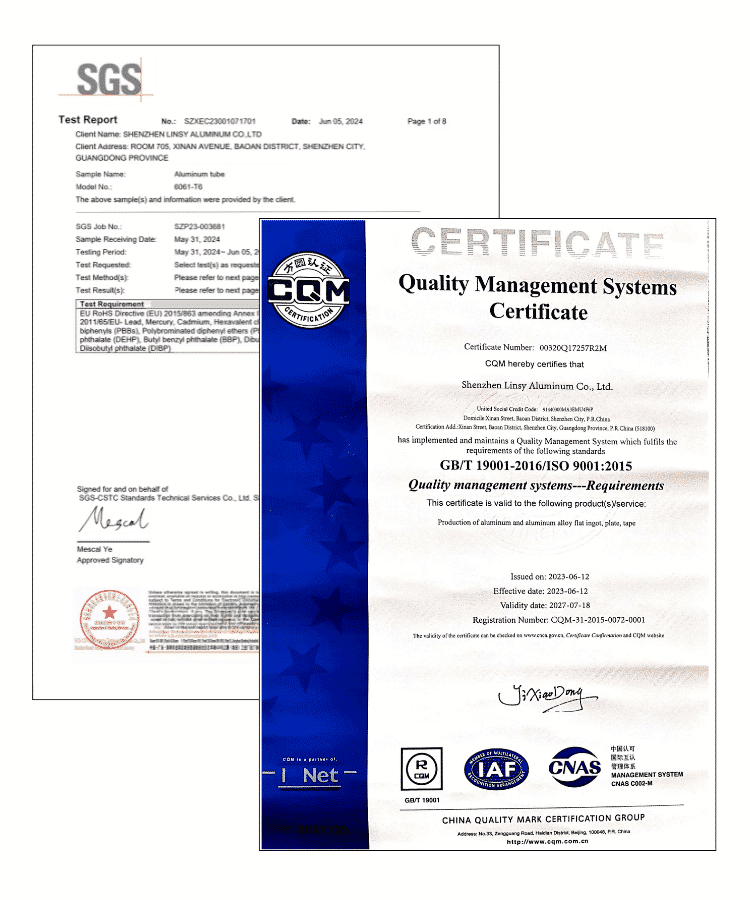
Linsy'de kalite kontrol, hammadde seçiminden bitmiş ürün muayenesine kadar uzanır. Her sipariş, üretim sonrasında Linsy Alüminyum tarafından düzenlenen ve fiili partiye ait kimyasal kompozisyon sonuçlarını içeren bir MTC (Malzeme Test Sertifikası) ile teslim edilir.
Üçüncü taraf doğrulaması gerektiren müşteriler için, ek test ücreti karşılığında talep üzerine SGS test raporları sunulabilir. Mevcut SGS raporları şunları içerir:
Linsy Alüminyum, Shenzhen merkezli, 20 yılı aşkın sektör deneyimine sahip bir alüminyum fabrikasıdır; otomotiv termal yönetimi, HVAC, genel mühendislik, imalat ve güç elektroniği alanlarındaki müşterilere 4045 ve diğer 1000–8000 serisi alaşımlar tedarik etmektedir.
4045 tedarikiniz için bu şu anlama gelir:
4045, özel bir lehimleme ve dolgu alaşımıdır. Özel 4045 uygulama kılavuzları yayınlandıkça buraya bağlanacaktır. Bu arada, aşağıdaki ilgili kaynaklar alaşım seçiminde yardımcı olabilir:
4045 öncelikle bir lehimleme dolgu ve kaplama alaşımı olarak kullanılır. Başlıca uygulamaları lehimli alüminyum ısı eşanjörleri (radyatörler, kondenserler, evaporatörler), gaz kaynağı ve lehimleme için dolgu teli ve fırında lehimlenen montajlar için kaplamalı sacdır. Yapısal yük taşıyan bir alaşım değildir.
Her ikisi de 4xxx serisi alüminyum-silisyum dolgu alaşımlarıdır. 4045, %9–11 silisyum içerir; 4047 ise –13 silisyum içerir. 4047'deki daha yüksek silisyum, biraz daha düşük ve daha dar bir ergime aralığı sağlayarak dar birleşimlerde lehim akışını iyileştirebilir. 4045, biraz daha geniş bir ergime aralığının kabul edilebilir olduğu durumlarda sıklıkla kullanılır.
4043, %4,5–6,0 silisyum içerirken, 4045 %9–11 silisyum içerir. 4043, orta düzey silisyum içeriğine sahip genel amaçlı bir kaynak dolgu telidir. 4045 daha yüksek silisyuma sahiptir; daha iyi akışkanlık ve daha düşük ergime aralığı sunar — bu da onu lehimleme uygulamaları için daha uygun hale getirir. 4043, genel gaz kaynağı ve GTAW dolgu uygulamaları için daha yaygın kullanılır.
4045, bazı referans standartlarında ısıl işlem uygulanabilir bir alaşım olarak sınıflandırılır, ancak pratik kullanımda çökelme sertleşmesi ile güçlendirilmez. T4, T6 veya diğer T-tipi temperler kullanmaz. Metalurjik rolü, ısıl işlemle mukavemet sağlamak değil, lehimleme sırasında erimek ve akmaktır.
Hayır. 4045 düşük ila orta mukavemete sahiptir (tavlanmış durumda çekme mukavemeti ≈ 124 MPa). Bir dolgu ve lehimleme alaşımıdır, yapısal bir kalite değildir. Yük taşıyan uygulamalar için mukavemet, kaynaklanabilirlik ve korozyon gereksinimlerinize bağlı olarak 6061, 6063, 5052 veya 7075'i değerlendirin.
4045 lehimleme sacı, lehimli ısı eşanjörü imalatında kullanılan alüminyum sacdır (genellikle ince ölçü, 0,1–4,0 mm). Genellikle kaplamalı kompozit olarak tedarik edilir — 4045, 3003, 3005 veya 6951 çekirdek alaşımın bir veya her iki yüzeyine kaplanmıştır. Fırın lehimleme sırasında, 4045 kaplama erir ve lehim bağlantısını oluştururken, daha yüksek ergime noktalı çekirdek şeklini korur.
Linsy, 4045'i kaplama levha (brazing sheet) ve bobin, dolgu teli, folyo ve çubuk formlarında tedarik etmektedir. Boru ve özel profiller talep üzerine fiyatlandırılabilir. 4045 özel bir dolgu alaşımı olduğundan, bazı formlarda bulunabilirlik 6061 gibi yapısal kalitelere kıyasla daha sınırlıdır.
4045'in ergime aralığı yaklaşık olarak 577–632 °C'dir (1071–1170 °F). Silisyum ilavesi, ergime noktasını saf alüminyumun (660 °C) altına düşürür; bu nedenle 4045, lehimli montajlarda çekirdek alaşımdan önce ergir ve akar.
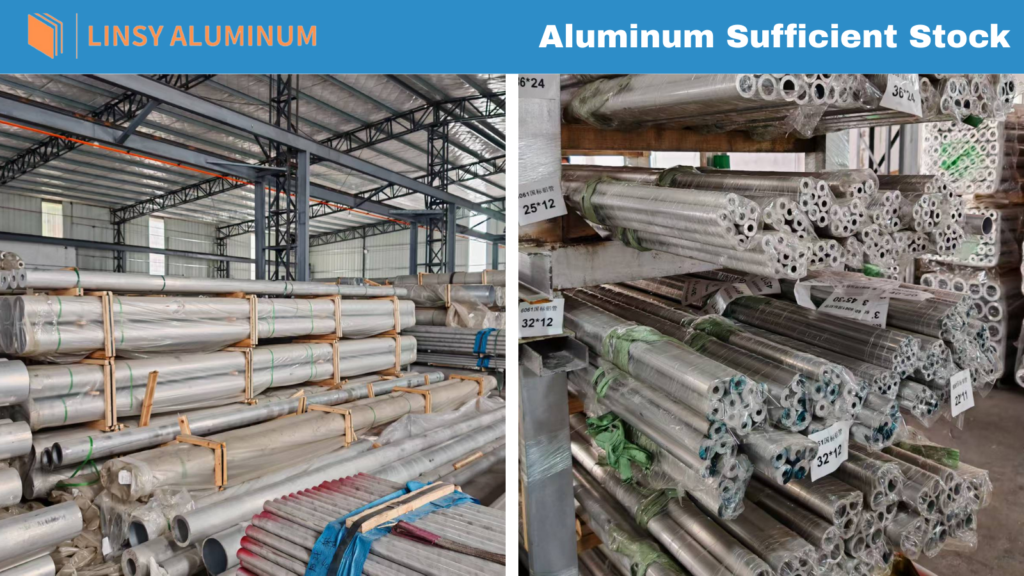
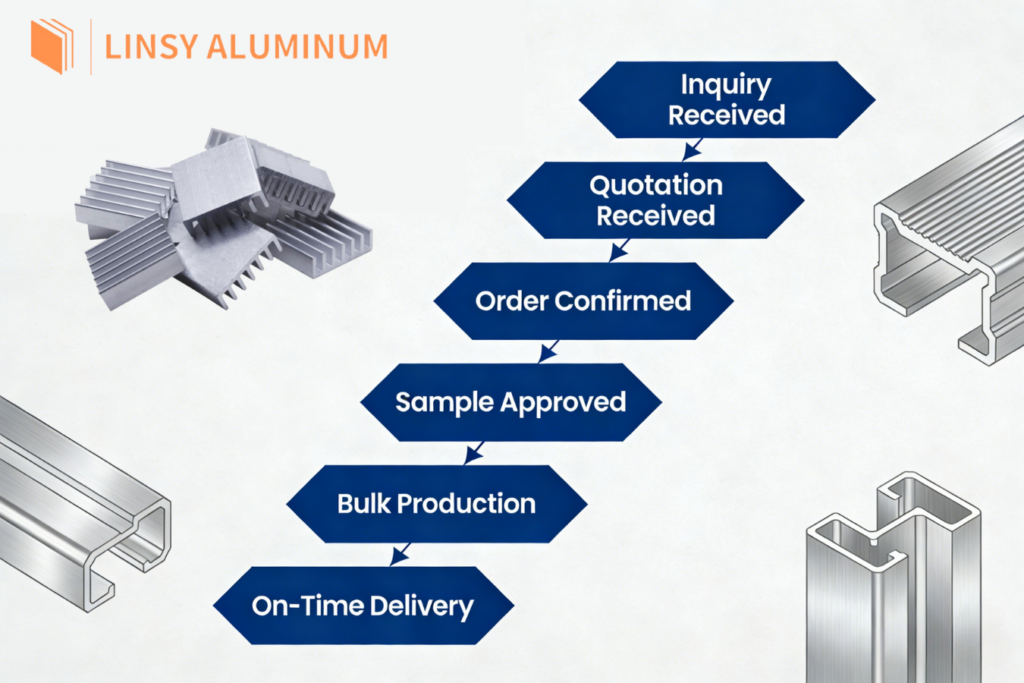
Stokta olmayan ebatlar veya özel spesifikasyonlar için tipik teslim süresi; alaşım, boyutlar, işleme gereksinimleri ve sipariş karmaşıklığına bağlı olarak 10–60 gündür. Stokta bulunan standart spesifikasyonlar daha hızlı sevk edilebilir — spesifik fiyat teklifi için ekibimizle iletişime geçin.
Linsy, stokta olmayan 4045 ürünleri için düşük minimum sipariş adetli (MOQ) özel üretimi desteklemektedir. MOQ; forma, boyuta ve işleme kapsamına göre değişiklik gösterir; gereksinimlerinizi paylaşmanız halinde fizibiliteyi teyit edeceğiz.
Her sipariş, üretim sonrasında Linsy Aluminum tarafından düzenlenen bir MTC (Malzeme Test Sertifikası) ile sevk edilir. Talep üzerine, ek test ücreti karşılığında isteğe bağlı SGS üçüncü taraf test raporları temin edilebilir.
Evet, çoğu standart ve özel spesifikasyon için numune temin edilebilir. Numune maliyeti ve teslim süresi, boyut ve işleme gereksinimlerine bağlıdır.
Linsy küresel olarak sevkiyat yapmakta olup; Avrupa, Güney Afrika, Brezilya, Singapur, Türkiye, Japonya, Güney Kore ve Güney Asya'da yerleşik tedarik kapsamına sahiptir.
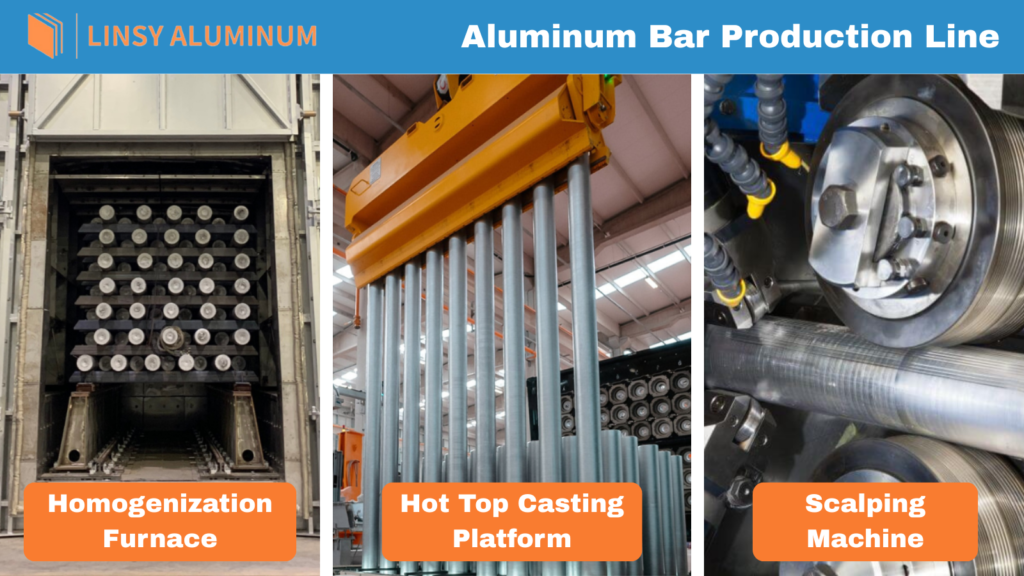
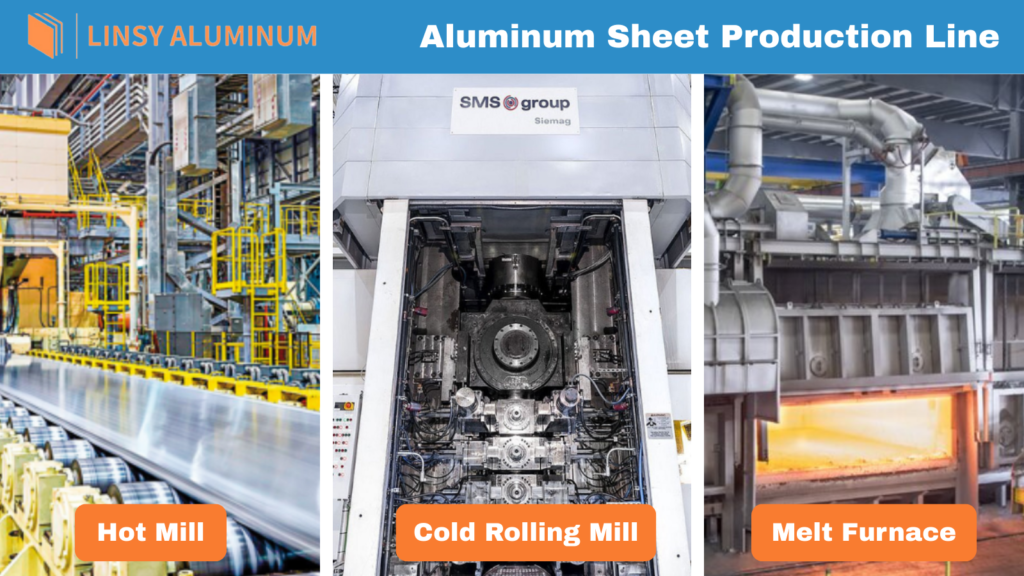
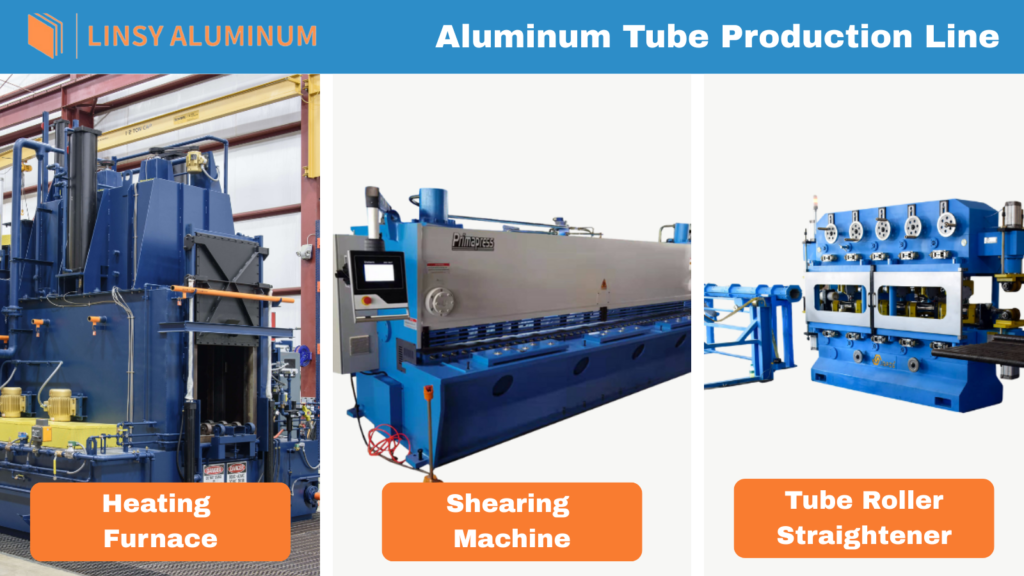
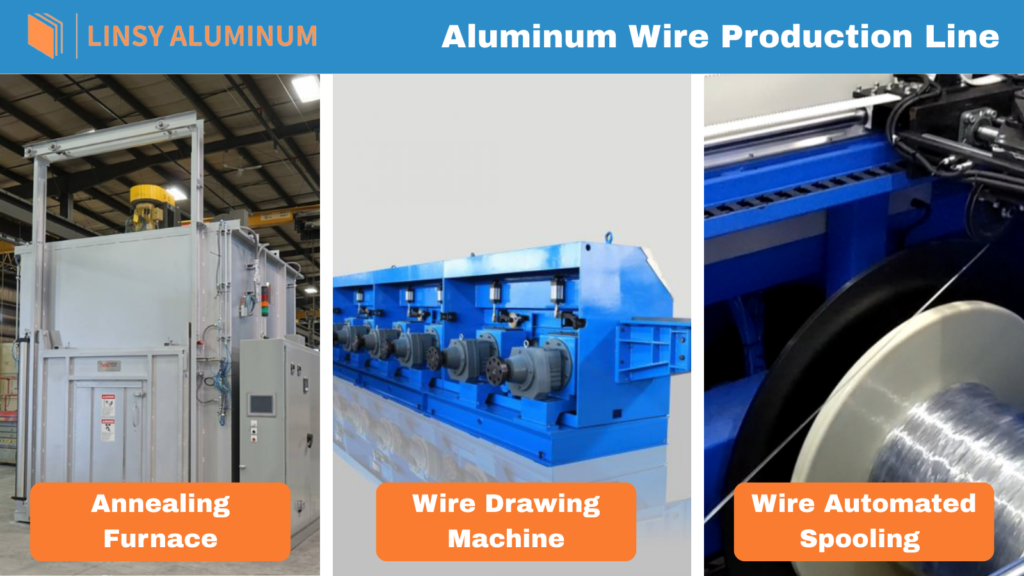
Linsy Avantajları
Linsy Alüminyum, havacılık, genel mühendislik, otomotiv, denizcilik, gemi yapımı ve diğer özel endüstriyel uygulamalar dahil olmak üzere çeşitli endüstrilere hizmet veren lider bir alüminyum işleme ürünleri tedarikçisidir.
Sertifikalarımızın da gösterdiği gibi, en yüksek kalite ve çevresel sorumluluk standartlarını sürdürmeye kararlıyız: ISO 9001:2008 , ISO 14001:2004 ve SGS.