A chapa de alumínio 3003 é uma liga Al-Mn (série 3000) não tratável termicamente, amplamente utilizada para telhados, revestimentos laterais, utensílios de cozinha, equipamentos químicos, tanques de combustível e fabricação geral de chapas metálicas. Oferece excelente resistência à corrosão, boa conformabilidade e aproximadamente 20% maior resistência que o alumínio 1100. A Linsy fornece chapa e bobina de alumínio 3003 nos temperos O, H14, H22, H12, H16 e H18, com espessura personalizada, serviço de corte sob medida, opções de acabamento de superfície e relatórios MTC incluídos em cada pedido.
Formulários disponíveis: chapa / bobina
Temperamentos comuns: O / H14 / H22 / H12 / H16 / H18
Suporte ao processamento: corte sob medida / usinagem CNC / corte a laser / soldagem TIG & MIG / anodização / polimento / pintura eletrostática
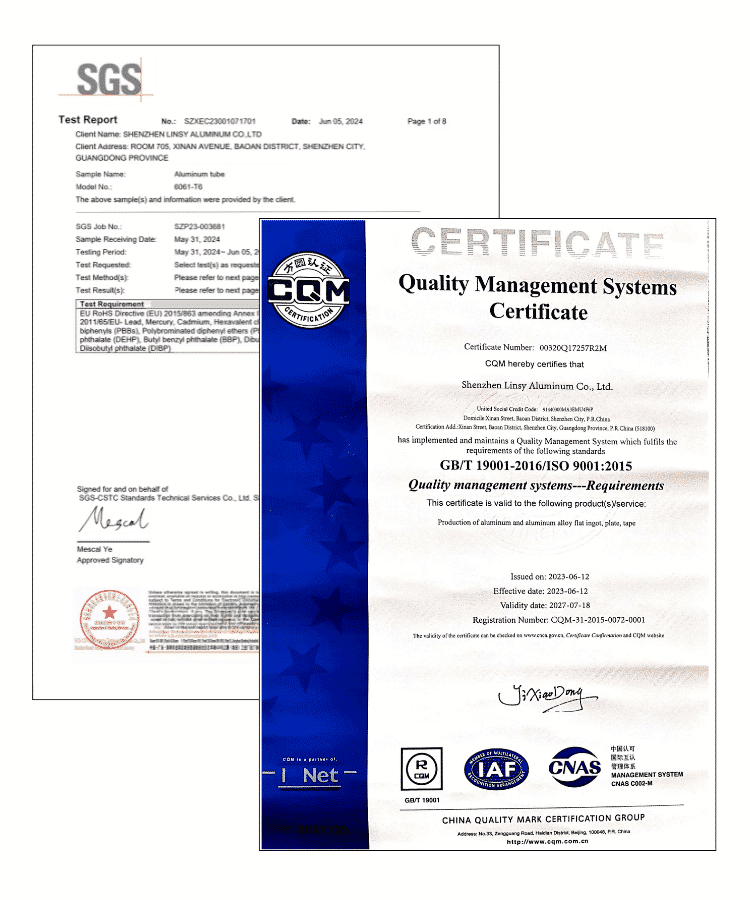
Documentos de qualidade: Relatório MTC com cada pedido, teste SGS mediante solicitação
A chapa de alumínio 3003 é um dos produtos forjados de Al-Mn (alumínio-manganês) mais amplamente utilizados na indústria do alumínio. Como liga não tratável termicamente, a 3003 deriva suas propriedades mecânicas do trabalho a frio — não do tratamento térmico de solução como a 6061 ou 7075. A resistência de uma chapa 3003 é controlada pelo grau de redução a frio durante a laminação, expresso pela designação de tempero H: H12 (quarto duro), H14 (meio duro), H16 (três quartos duro) e H18 (totalmente duro). A recristalização (recozimento) retorna o material ao tempero O totalmente macio.
Com 1,0–1,5% de manganês como principal elemento de liga, a chapa 3003 oferece aproximadamente 20% maior resistência que a chapa de alumínio 1100 (comercialmente puro), mantendo excelente resistência à corrosão, conformabilidade e soldabilidade. É a liga de chapa de alumínio de uso geral mais comumente estocada e é aprovada pelas principais normas internacionais, incluindo ASTM B209, EN 485, ISO 6361 e EN 573-3.
A chapa 3003 é fornecida tanto na forma de chapa plana quanto em bobina. O material em bobina é adequado para operações contínuas de perfilagem, estampagem e corte em tiras. As espessuras comuns variam de 0,3 mm a 6,0 mm, com larguras padrão de até 2.600 mm. Para material com espessura superior a 6,0 mm, consulte nossa chapa de alumínio 3003 (placa) oferta ou a página completa de Liga de alumínio 3003 página do produto.
A Linsy fornece chapa e bobina de alumínio 3003 nos temperos e faixas dimensionais listados abaixo. Espessura, largura e comprimento personalizados podem ser especificados para pedidos baseados em projetos. Estão disponíveis opções de acabamento de fábrica e tratamento de superfície.
| Formulário | Temperamento | Espessura (mm) | Largura (mm) | Comprimento / Peso da Bobina |
|---|---|---|---|---|
| Chapa 3003 | O, H12, H14, H16, H18, H22 | 0.3 – 6.0 | 500 – 2600 | 500 – 16000 |
| Bobina 3003 | O, H12, H14, H16, H18, H22 | 0.3 – 3.0 | 500 – 2600 | Mín. 500 kg por bobina |
Personalização: Comprimento, largura e espessura podem ser adaptados aos requisitos do seu projeto. Corte sob medida, bobina slit (fendida) e aparamento de bordas estão disponíveis como serviços de valor agregado.
Os seguintes limites de composição química se aplicam à chapa e bobina de alumínio 3003 conforme ASTM B209 e EN 573-3. Todos os valores estão em percentual de peso (%).
| Elemento | Mín % | Máx % |
|---|---|---|
| Silício (Si) | — | 0.6 |
| Ferro (Fe) | — | 0.7 |
| Cobre (Cu) | 0.05 | 0.20 |
| Manganês (Mn) | 1.0 | 1.5 |
| Magnésio (Mg) | — | 0.05 |
| Cromo (Cr) | — | 0.05 |
| Zinco (Zn) | — | 0.10 |
| Titânio (Ti) | — | 0.05 |
| Outros Cada | — | 0.05 |
| Outros Total | — | 0.15 |
| Alumínio (Al) | — | Equilíbrio |
As propriedades mecânicas da chapa de alumínio 3003 variam significativamente com o tempero. O trabalho a frio (temperos H1x) aumenta a resistência à tração e ao escoamento, reduzindo o alongamento. Os valores abaixo são típicos para chapa conforme ASTM B209. Utilize-os para selecionar o tempero adequado aos seus requisitos de conformação e resistência.
O tempero totalmente macio, que oferece máxima ductilidade e conformabilidade. Ideal para estampagem profunda, repuxo e operações de conformação complexas.
| Propriedade | Valor típico |
|---|---|
| Resistência à tração (MPa) | 95 – 130 |
| Resistência ao escoamento (MPa) | ≥ 35 |
| Alongamento (%) | ≥ 25 |
| Dureza (Brinell) | ~28 |
O tempero mais comumente estocado para chapa 3003 de uso geral. Oferece o melhor equilíbrio entre resistência e conformabilidade para telhados, revestimentos laterais, utensílios de cozinha e fabricação de chapas metálicas.
| Propriedade | Valor típico |
|---|---|
| Resistência à tração (MPa) | 140 – 180 |
| Resistência ao escoamento (MPa) | ≥ 115 |
| Alongamento (%) | ≥ 5 |
| Dureza (Brinell) | ~40 |
Resistência máxima para chapa 3003. Adequado para painéis planos, peças estruturais não conformadas e aplicações onde a resistência é priorizada em detrimento da conformabilidade.
| Propriedade | Valor típico |
|---|---|
| Resistência à tração (MPa) | ≥ 185 |
| Resistência ao escoamento (MPa) | ≥ 165 |
| Alongamento (%) | ≥ 3 |
| Dureza (Brinell) | ~55 |
Oferece resistência intermediária controlada com melhor conformabilidade que o H14 para aplicações que necessitam de dobramento ou estampagem moderada após a conformação.
| Propriedade | Valor típico |
|---|---|
| Resistência à tração (MPa) | 130 – 170 |
| Resistência ao escoamento (MPa) | ≥ 105 |
| Alongamento (%) | ≥ 8 |
| Dureza (Brinell) | ~35 |
O tempero escolhido determina o desempenho da sua chapa 3003 em conformação, resistência e qualidade superficial. O guia abaixo cobre os temperos de chapa mais comumente solicitados. Para detalhes completos de temperos em nível de liga (incluindo H12, H16 e H112 para tubo, barra e placa), consulte nossa Liga de alumínio 3003 página do hub comercial.
| Temperamento | Descrição | Principal Benefício para Chapa | Aplicações Típicas de Chapa |
|---|---|---|---|
| O | Recozido — totalmente macio | Máxima conformabilidade e capacidade de estampagem profunda | Utensílios de cozinha estampados profundamente, peças repuxadas, estampagens complexas, tampos de tanques químicos |
| H14 | Endurecido por deformação, 1/2 duro | Melhor equilíbrio entre resistência e conformabilidade (tempero mais estocado) | Painéis de telhado, revestimentos laterais, utensílios de cozinha, tanques de combustível, chapas metálicas em geral |
| H22 | Endurecido por deformação e parcialmente recozido | Melhor conformabilidade que H14 com resistência comparável | Conformação moderada, dobramento, estampagem rasa, dutos de ventilação |
| H18 | Endurecido por deformação, totalmente duro | Resistência máxima — conformabilidade mínima | Painéis planos, peças estruturais não conformadas, acabamentos, sinalização, chapas de suporte |
A chapa 3003 oferece excelente resistência à corrosão atmosférica, incluindo ambientes marinhos, industriais e rurais. O teor de manganês suprime a corrosão intergranular, e a 3003 apresenta bom desempenho em contato com produtos alimentícios, produtos químicos leves, água doce e fluidos à base de petróleo. É comumente utilizada sem revestimentos de proteção em telhados, revestimentos laterais, equipamentos de processamento de alimentos e aplicações de armazenamento químico. Para imersão em água salgada ou exposição a produtos químicos agressivos, considere a chapa 5052.
A chapa 3003 apresenta excelente conformabilidade a frio — pode ser estampada profundamente, repuxada, estampada, perfilada, texturizada e dobrada em raios apertados sem trincas. No tempero O, a 3003 é uma das ligas de alumínio mais conformáveis disponíveis, tornando-a a primeira escolha para utensílios de cozinha (panelas, frigideiras, assadeiras) e invólucros complexos de chapas metálicas. Mesmo no tempero H14, a 3003 mantém ductilidade suficiente para a maioria das operações gerais de conformação de chapas metálicas. O tempero H18 deve ser reservado para peças planas ou minimamente conformadas.
A chapa 3003 é classificada como altamente soldável utilizando TIG (GTAW), MIG (GMAW), oxiacetileno e soldagem por resistência. O metal de adição 4043 ou 1100 é tipicamente recomendado para soldagem por fusão. Observe que a soldagem recristalizará a zona afetada pelo calor (ZAC), reduzindo a resistência local a níveis próximos ao tempero O em temperos encruados (H14, H18, H22). Para aplicações estruturais onde a resistência pós-soldagem é importante, esse amolecimento deve ser considerado no projeto.
| Setor | Aplicações Típicas de Chapa | Por Que a Chapa 3003 É Selecionada |
|---|---|---|
| Construção Civil | Telhas, painéis de revestimento lateral, calhas, condutores de água pluvial, rufos, forros, acabamentos arquitetônicos | Resistência à corrosão atmosférica, conformabilidade, leveza, custo-benefício versus aço revestido |
| Alimentação e Cozinha | Panelas e frigideiras, assadeiras, bandejas de processamento de alimentos, revestimentos internos de refrigeradores, espelhos de cozinha | Seguro para alimentos, excelente capacidade de estampagem profunda, boa condutividade térmica, não tóxico, fácil de limpar |
| Químico e Industrial | Cascos de tanques de armazenamento, equipamentos de processamento químico, corpos de vasos de pressão, chapas para tambores e barris, dutos | Resistência a produtos químicos leves e derivados de petróleo, soldabilidade, não gera faíscas |
| HVAC e Térmico | Aletas de trocadores de calor, aletas de condensadores de ar condicionado, tubos de radiadores, painéis evaporadores | Condutividade térmica, capacidade de ser laminada em calibres muito finos (0,3 mm e abaixo), conformabilidade |
| Transporte | Tanques de combustível, cárteres de óleo, dutos de admissão de ar, revestimentos laterais de reboques, painéis de carroceria não estruturais | Resistência à corrosão, conformabilidade, soldabilidade, menor custo versus série 5000 |
| Fabricação geral | Invólucros de chapas metálicas, gabinetes elétricos, chapas para sinalização, placas de identificação, chapas para móveis, painéis decorativos | Facilidade de fabricação, aceitação de pintura, resistência moderada a baixo custo |
A chapa de alumínio 3003 suporta uma ampla gama de opções de processamento e tratamento de superfície na fábrica da Linsy em Shenzhen:
Todo pedido de chapa e bobina de alumínio 3003 da Linsy inclui documentação de qualidade para apoiar seus requisitos de aquisição e conformidade:
A Linsy Aluminum é uma fábrica de alumínio sediada em Shenzhen com mais de 20 anos de experiência no setor. Fornecemos chapa e bobina de alumínio 3003 em toda a gama de temperos — O, H14, H22, H12, H16 e H18 — com estoque padrão e opções de produção personalizada para atender aos requisitos do seu pedido.
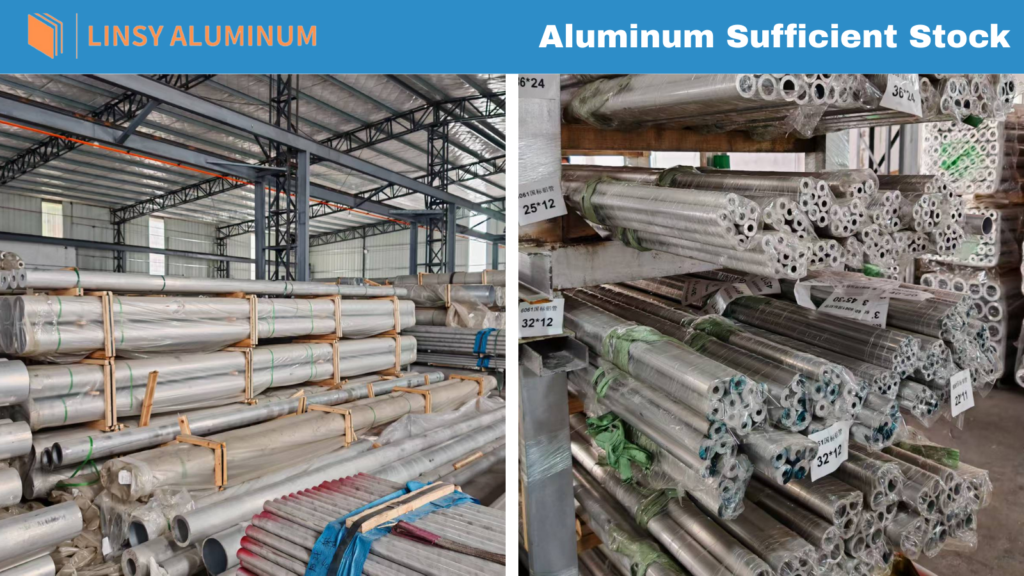
Nosso inventário cobre chapa 3003 em espessuras e temperos comuns para atendimento rápido, com produção personalizada de MOQ baixo disponível para tamanhos fora de estoque, temperos especiais ou pedidos com especificações mistas baseados em projetos. Os prazos de entrega personalizados geralmente variam de 10 a 60 dias, dependendo das dimensões, tempero, requisitos de processamento e complexidade do pedido.
Com capacidades de processamento internas, incluindo corte sob medida, corte a laser, usinagem CNC, soldagem TIG e MIG, anodização, polimento e pintura eletrostática a pó, você pode adquirir tanto o material de chapa 3003 quanto o processamento downstream de um único fornecedor. Todo pedido é enviado com um MTC emitido pela fábrica, e relatórios de teste SGS de terceiros estão disponíveis mediante solicitação.
Atendemos compradores em todo o mundo a partir de nossa base em Shenzhen, oferecendo preços diretos de fábrica e qualidade rastreável da matéria-prima ao produto acabado. Para preços de chapa 3003, disponibilidade ou cotação personalizada, entre em contato com nossa equipe de vendas com sua especificação.
R: A chapa de alumínio 3003 é mais comumente usada para painéis de telhado e revestimento, utensílios de cozinha e equipamentos de processamento de alimentos, tanques de armazenamento químico, aletas de trocadores de calor, tanques de combustível e fabricação geral de chapas metálicas. Sua combinação de resistência à corrosão, conformabilidade e resistência moderada a torna ideal para aplicações que exigem estampagem profunda, repuxo, conformação por rolos ou desempenho estrutural moderado sem tratamento térmico.
R: H14 (meio duro) é o tempero mais comumente estocado e pedido para chapa de alumínio 3003. Ele fornece o melhor equilíbrio entre resistência e conformabilidade, tornando-o adequado para telhados, revestimentos, utensílios de cozinha, tanques e a maioria dos trabalhos gerais de chapas metálicas. O tempero O é preferido quando é necessária máxima estampabilidade profunda, e H18 é especificado para painéis planos que exigem a maior resistência.
R: 3003-H14 é endurecido por deformação até a condição de meio duro apenas por laminação a frio (série H1x). 3003-H22 é endurecido por deformação além da resistência final desejada e, em seguida, parcialmente recozido de volta a um nível intermediário (série H2x). O resultado é resistência quase equivalente, mas com conformabilidade ligeiramente melhor no H22 em comparação ao H14. Ambos são comumente usados para trabalhos gerais de chapas metálicas.
R: Sim. A chapa 3003 é classificada como altamente soldável usando TIG (GTAW), MIG (GMAW), oxiacetileno e soldagem por resistência. Os metais de adição recomendados são 4043 ou 1100. No entanto, a soldagem recozerá a zona afetada pelo calor, reduzindo a resistência local para níveis próximos ao tempero O nos temperos H14, H18 e H22. Esse amolecimento deve ser considerado no projeto estrutural de conjuntos soldados.
R: Sim. A chapa de alumínio 3003 tem excelente resistência à corrosão atmosférica, incluindo ambientes marinhos, industriais e rurais. É amplamente utilizada sem revestimentos de proteção para telhados, revestimentos, calhas e condutores de água pluvial. Em ambientes costeiros ou industriais pesados, a chapa 3003 pode desenvolver uma pátina cinza natural ao longo do tempo, mas não enferrujará nem se degradará estruturalmente como o aço.
R: Sim, mas com limitações. A chapa 3003 pode ser anodizada — no entanto, o acabamento terá um tom acinzentado ou amarelado, em vez de uma aparência brilhante e clara. Isso é causado pelo teor de manganês e ferro da liga. A chapa 3003 anodizada é aceitável para aplicações de proteção ou decoração onde um acabamento brilhante e com cor combinada não é necessário. Para anodização brilhante, considere chapa 1100 ou 6063.
R: A Linsy fornece chapa 3003 em espessuras de 0,3 mm a 6,0 mm, com larguras padrão de até 2.600 mm. Bobinas estão disponíveis até 3,0 mm. Para material mais espesso que 6,0 mm, oferecemos placa de alumínio 3003 — consulte nossa Liga de alumínio 3003 página para especificações de placa. Espessuras personalizadas entre valores de calibre padrão podem ser produzidas para pedidos baseados em projetos.
R: Sim. A Linsy emite um Certificado de Teste de Fábrica (MTC) com cada pedido de chapa e bobina de alumínio 3003, documentando a composição química, propriedades mecânicas e resultados de inspeção dimensional do material específico enviado. Relatórios de teste SGS de terceiros também estão disponíveis mediante solicitação, com custo adicional.
R: A chapa 5052 (liga Al-Mg) oferece aproximadamente 40% maior resistência e resistência superior à corrosão por água salgada em comparação à chapa 3003. A chapa 3003 tem menor custo, é mais conformável e amplamente disponível. Escolha chapa 3003 para chapas metálicas gerais sensíveis ao custo, utensílios de cozinha, telhados e equipamentos químicos. Escolha chapa 5052 para ambientes marinhos, requisitos estruturais mais elevados ou aplicações que necessitem de melhor aparência anodizada.
R: A Linsy suporta MOQ baixo para itens padrão de chapa 3003 em estoque e pedidos de produção personalizada. O MOQ varia de acordo com espessura, tempero e tamanho da chapa. Entre em contato com nossa equipe de vendas com sua especificação para uma cotação de MOQ específica.
R: Itens padrão de chapa 3003 em estoque normalmente são enviados em 3–7 dias. Pedidos de produção personalizada (tamanhos fora de estoque, temperos especiais ou requisitos de processamento) geralmente exigem 10–60 dias, dependendo das especificações e complexidade do pedido.
R: Sim, fornecemos pequenas amostras de chapa 3003 para avaliação de qualidade e testes de conformação. A disponibilidade de amostras depende do estoque e da especificação. Entre em contato conosco com seus requisitos.
A: Aceitamos T/T (transferência bancária) e L/C (carta de crédito). As condições de pagamento padrão são 30% de adiantamento no pedido e 70% antes do embarque. Condições personalizadas podem ser discutidas para parcerias de longo prazo.
R: Sim. Enviamos para todo o mundo, incluindo Europa, América do Sul, África, Oriente Médio e Ásia. As opções de frete incluem marítimo, aéreo e serviços de courier, dependendo do tamanho do pedido e da urgência.
R: Sim. O corte sob medida está disponível como um serviço de valor agregado padrão. Basta fornecer suas dimensões finais ao solicitar uma cotação, e forneceremos chapa 3003 cortada exatamente de acordo com seus requisitos de tamanho.
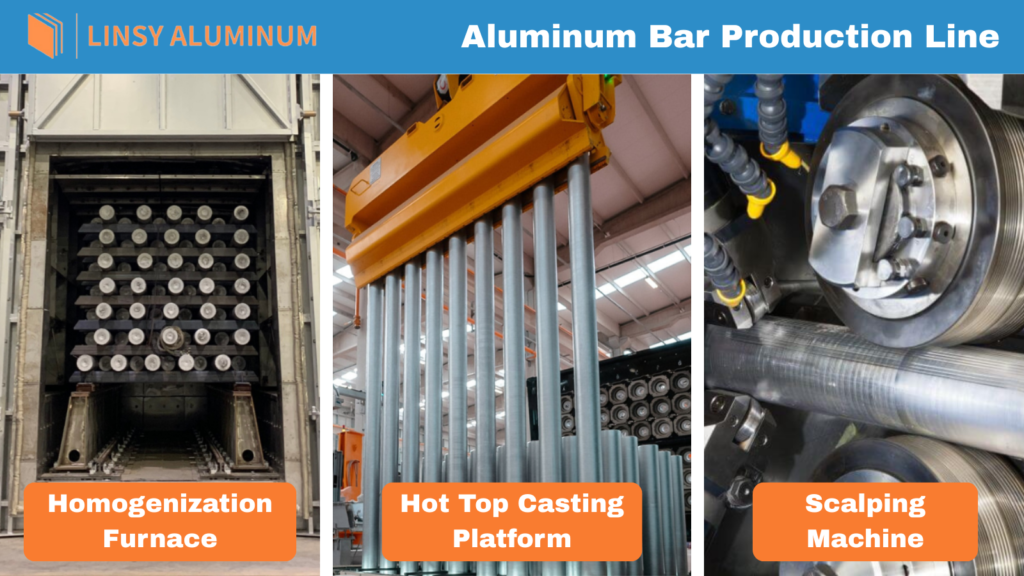
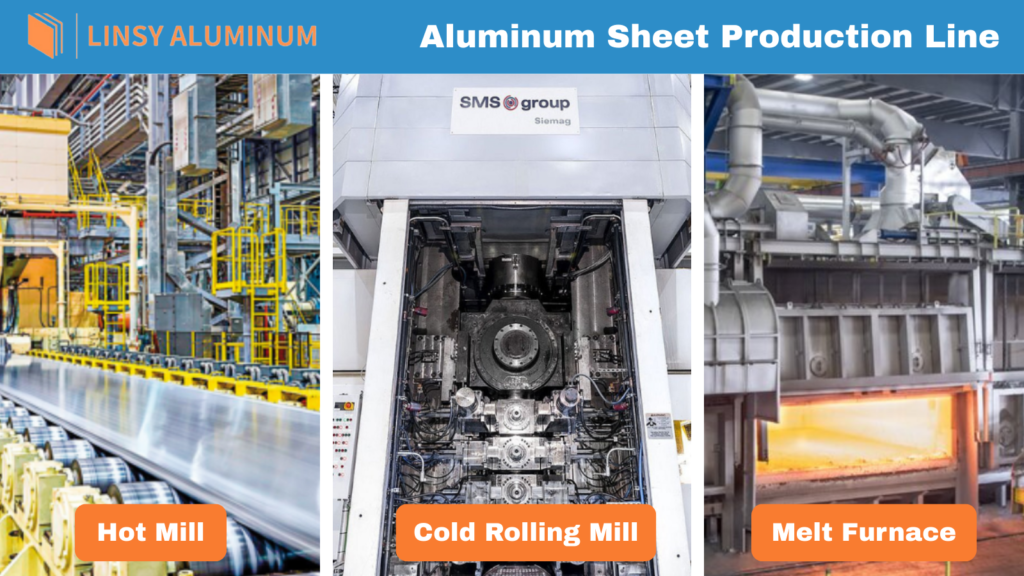
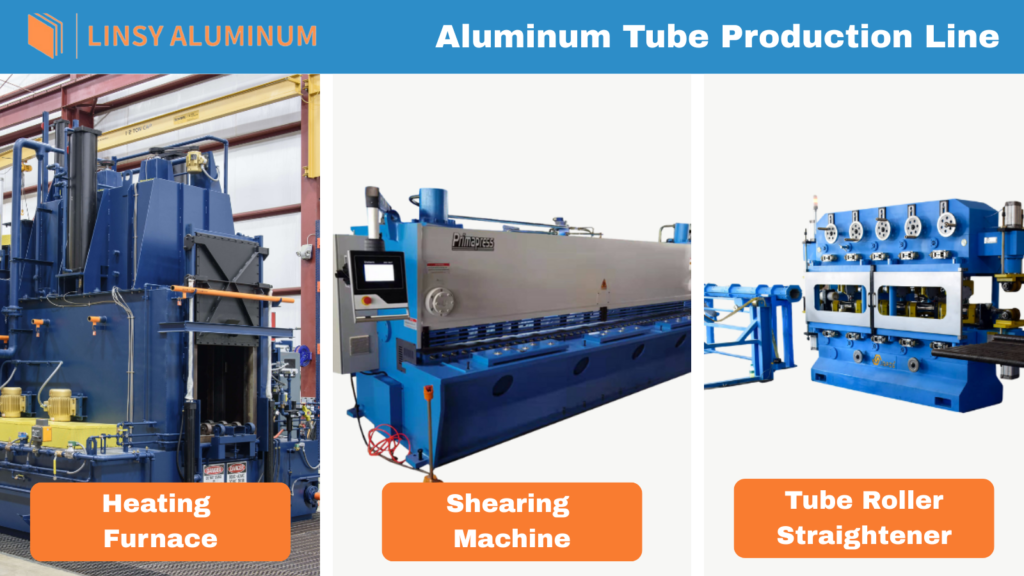
Vantagens da Linsy
A Linsy Aluminum é uma fornecedora líder de produtos de processamento de alumínio, atendendo a diversos setores, incluindo aeroespacial, engenharia geral, automotivo, marítimo, construção naval e outras aplicações industriais especializadas.
Temos o compromisso de manter os mais altos padrões de qualidade e responsabilidade ambiental, conforme demonstrado por nossas certificações: ISO 9001:2008, ISO 14001:2004 e SGS.