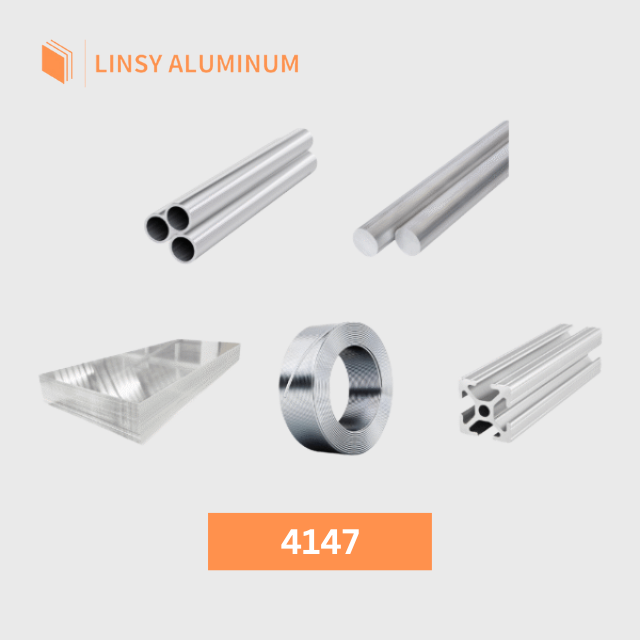



Алюминиевый сплав 4147 (AlSi12 / EN AW-4147) — это высококремнистый, не упрочняемый термической обработкой алюминиевый сплав серии 4000, разработанный преимущественно в качестве присадочного металла для пайки и плакирующего материала. С содержанием кремния 11–13% он обеспечивает узкий интервал плавления, превосходную текучесть и надежное формирование соединений при вакуумной и печной пайке. Компания Linsy поставляет алюминиевую проволоку 4147, присадочные прутки, листы и рулоны в состояниях O, H14 и H24, с возможностью изготовления нестандартных размеров и предоставлением сертификатов MTC.
Доступные формы: проволока / присадочный пруток / лист / рулон
Распространенные типы характера: O / H14 / H24
Поддержка обработки: Обработка на станках с ЧПУ / лазерная резка / финишная обработка поверхности
Документы по качеству: Протокол MTC с каждым заказом, испытания SGS по запросу
Алюминиевый сплав 4147 (UNS A94147) — это высококремнистый, не упрочняемый термической обработкой алюминиевый сплав серии 4000, содержащий приблизительно 11–13% кремния (AlSi12). В отличие от конструкционных сплавов, таких как 6061 или 7075, сплав 4147 разработан преимущественно в качестве присадочного материала для пайки и сварки. Высокое содержание кремния снижает температуру плавления до узкого интервала вблизи алюминиево-кремниевой эвтектики (приблизительно 577–582°C), обеспечивая превосходную текучесть, чистое растекание и герметичные соединения при пайке.
Сплав 4147 тесно связан со сплавом 4047 (оба относятся к типу AlSi12) и выполняет ту же основную функцию: обеспечение надежного присадочного металла для соединения алюминиевых компонентов при вакуумной пайке, печной пайке и сварке плавлением. Сплав обычно поставляется в состояниях O (отожженный) или серии H и широко используется в производстве теплообменников, автомобильных системах охлаждения и системах HVAC.
Компания Linsy поставляет алюминий 4147 в формах, наиболее актуальных для пайки и присадочных применений. Размеры и допуски могут быть адаптированы под требования вашего проекта.
| Форма | Темпер | Диаметр (мм) | Длина |
|---|---|---|---|
| Проволока 4147 (катушка) | O, H14 | 1.2 – 5.0 | Бухта / Катушка |
| Присадочный пруток 4147 (прямой) | O, H14 | 1.6 – 5.0 | 500 – 1000 мм |
| Форма | Темпер | Толщина (мм) | Ширина (мм) | Длина (мм) |
|---|---|---|---|---|
| Лист / рулон 4147 | O, H14, H24 | 0.3 – 6.0 | 500 – 2600 | 500 – 16000 |
Лист и рулон 4147 обычно используются в качестве плакирующего материала — тонкий слой 4147 накатывается на основной сплав (такой как 3003 или 6951) для создания паяного листа. При нагреве плакирующий слой 4147 плавится и растекается, образуя паяное соединение, в то время как основной сплав сохраняет свою структурную целостность.
| Стандартная система | Наименование |
|---|---|
| UNS | A94147 |
| EN AW | EN AW-4147 / AlSi12 |
| ISO | Al Si12 |
| AA / SAE | 4147 |
| DIN (Германия) | 3.2581 / AlSi12 |
Применимые стандарты общего характера:
Типичные пределы состава (по стандартам Алюминиевой ассоциации / EN, вес %):
| Элемент | Мин. % | Макс. % |
|---|---|---|
| Кремний (Si) | 11.0 | 13.0 |
| Железо (Fe) | — | 0.8 |
| Медь (Cu) | — | 0.3 |
| Марганец (Mn) | — | 0.15 |
| Магний (Mg) | — | 0.10 |
| Цинк (Zn) | — | 0.20 |
| Прочие, каждый | — | 0.05 |
| Прочие, всего | — | 0.15 |
| Алюминий (Al) | Баланс | |
Сплав 4147 является присадочным, а не конструкционным сплавом. Значения, приведенные ниже, представляют собой типичные свойства для 4147 в отожженном состоянии (O). Поскольку 4147 не упрочняется термической обработкой, механические свойства существенно не различаются между состояниями — основным критерием выбора является формуемость и характеристики пайки, а не предел прочности при растяжении.
| Недвижимость | Типичное значение |
|---|---|
| Прочность на разрыв (предельная) | 130 – 160 МПа |
| Предел текучести (0,2%) | 55 – 90 МПа |
| Удлинение при разрыве | 5 – 15 % |
| Модуль упругости | ≈ 69 ГПа |
| Плотность | ≈ 2,66 г/см³ |
| Интервал плавления (солидус – ликвидус) | ≈ 577 – 582 °C |
При содержании кремния 11–13% сплав 4147 очень близок к эвтектическому составу алюминий-кремний (12,6% Si, 577°C). Это обеспечивает чрезвычайно узкий интервал плавления приблизительно 577–582°C, что означает быстрый переход сплава из твердого состояния в жидкое. При пайке узкий интервал плавления обеспечивает чистое и контролируемое растекание и минимизирует риск эрозии основного сплава или деформации.
Высокое содержание кремния придает сплаву 4147 превосходную текучесть в расплавленном состоянии. Это позволяет присадке проникать в узкие зазоры соединений, растекаться по швам за счет капиллярного эффекта и формировать равномерные герметичные соединения — что критически важно для трубок теплообменников и ребер радиаторов, где целостность соединений напрямую влияет на удержание давления.
В паяных листах сплав 4147 накатывается в виде тонкого плакирующего слоя (обычно 5–15% от общей толщины листа) на конструкционный основной сплав, такой как 3003, 3005 или 6951. Во время печной или вакуумной пайки плакирующий слой 4147 плавится и растекается, образуя соединения между слоями, в то время как основной сплав с более высокой температурой плавления сохраняет свою форму и структурные свойства.
Сплав 4147 может использоваться в качестве присадочной проволоки для GTAW (TIG) или GMAW (MIG) сварки алюминиевых компонентов. Он обеспечивает хорошую стойкость к трещинообразованию по сравнению с присадками с более низким содержанием кремния, особенно при сварке основных сплавов серий 4xxx или 6xxx. Однако он не рекомендуется для сварки сплавов серии 5xxx (содержащих магний), поскольку сочетание высокого содержания кремния и магния может привести к образованию хрупких выделений Mg₂Si на границе сварного шва.
Сплав 4147 в основном используется в качестве присадочного металла для пайки и плакирующего сплава. Его применение сосредоточено в отраслях, которые полагаются на соединение алюминия с алюминием для систем терморегулирования:
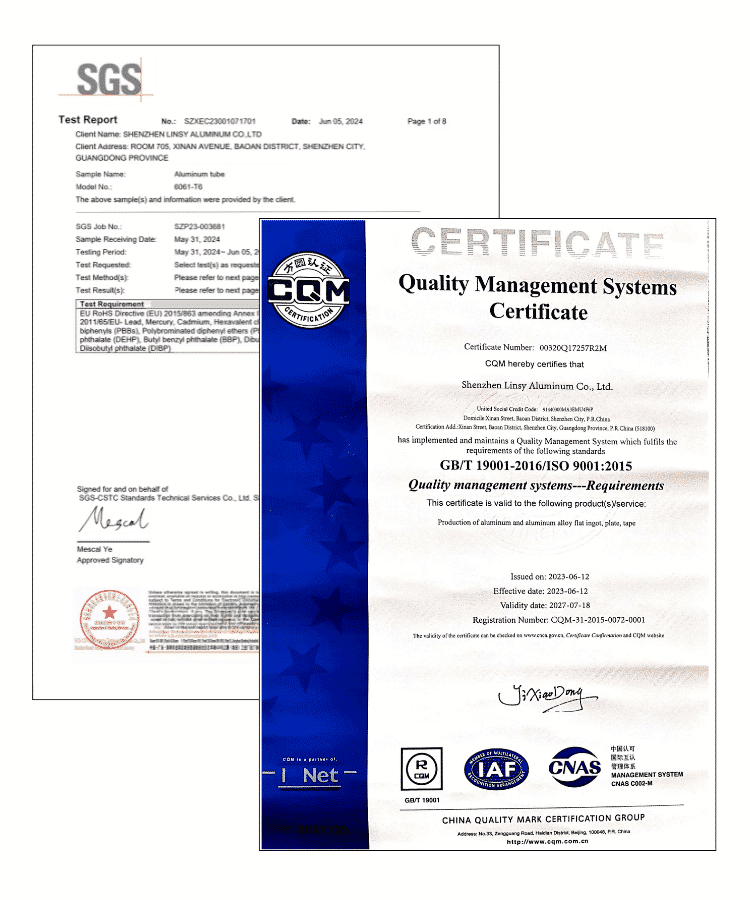
Контроль качества на Linsy осуществляется от выбора сырья до проверки готовой продукции. Каждый заказ поставляется с сертификатом MTC (Material Test Certificate), выданным Linsy Aluminum после производства, включающим химический состав и результаты механических испытаний для конкретной партии.
Для клиентов, требующих сторонней проверки, отчёты SGS доступны по запросу за дополнительную плату. Доступные отчёты SGS включают:
Linsy Aluminum — алюминиевый завод из Шэньчжэня с более чем 20-летним опытом работы в отрасли, поставляющий сплавы 4147 и другие серии 1000–8000 клиентам в автомобильной, HVAC, производственной и промышленной сферах.
Для ваших закупок 4147 это означает:
Используйте эти руководства, чтобы узнать больше о присадочных сплавах для алюминиевой пайки:
Алюминий 4147 в основном используется в качестве присадочного металла для пайки и плакирующего сплава для теплообменников, радиаторов и компонентов систем HVAC. Он также используется в качестве присадочной проволоки TIG/MIG для сварки алюминия серий 4xxx и 6xxx, где важна стойкость к растрескиванию.
4147 и 4047 — оба являются сплавами типа AlSi12 с практически идентичным химическим составом (11–13% кремния). 4047 является более распространённым обозначением в стандартах сварки и пайки (например, AWS ER4047 / BAlSi-4), тогда как 4147 — это обозначение деформируемого изделия. На практике эти два сплава часто взаимозаменяемы для пайки и присадочных применений.
Нет. 4147 — это присадочный и паяльный сплав, а не конструкционный. Его предел прочности при растяжении (130–160 МПа) значительно ниже, чем у конструкционных марок, таких как 6061-T6 (290+ МПа). 4147 не следует использовать для несущих применений — его ценность заключается в паяльных и соединительных характеристиках.
Нет, 4147 — это сплав, не упрочняемый термической обработкой. Он поставляется в состоянии O (отожжённый) или деформационно-упрочнённом (H14, H24). Прочность не может быть повышена путём закалки из раствора и старения.
Обычные состояния: O (отожжённый) для максимальной пластичности и формуемости, H14 (полутвёрдый) для умеренной прочности и H24 (полутвёрдый, отожжённый после деформационного упрочнения) для баланса прочности и формуемости.
4147 имеет узкий интервал плавления приблизительно 577–582°C, что близко к эвтектической температуре алюминий-кремний. Именно этот узкий интервал делает его отличным присадочным материалом для пайки — он плавится и растекается быстро, без чрезмерного теплового воздействия на основной сплав.
Это не рекомендуется. Сварка сплавов 5xxx (содержащих магний) присадочным материалом 4147 может привести к образованию хрупких выделений Mg₂Si на границе сварного шва. Для основных металлов серии 5xxx обычно предпочтительна присадочная проволока 5356 или 5183.
К распространённым стандартам относятся ASTM B209 (лист и плита), ISO 6361 (деформируемые алюминиевые лист/лента/плита), EN 573-3 (химический состав) и AWS A5.10/A5.10M (сварочные материалы, смежное обозначение ER4047).
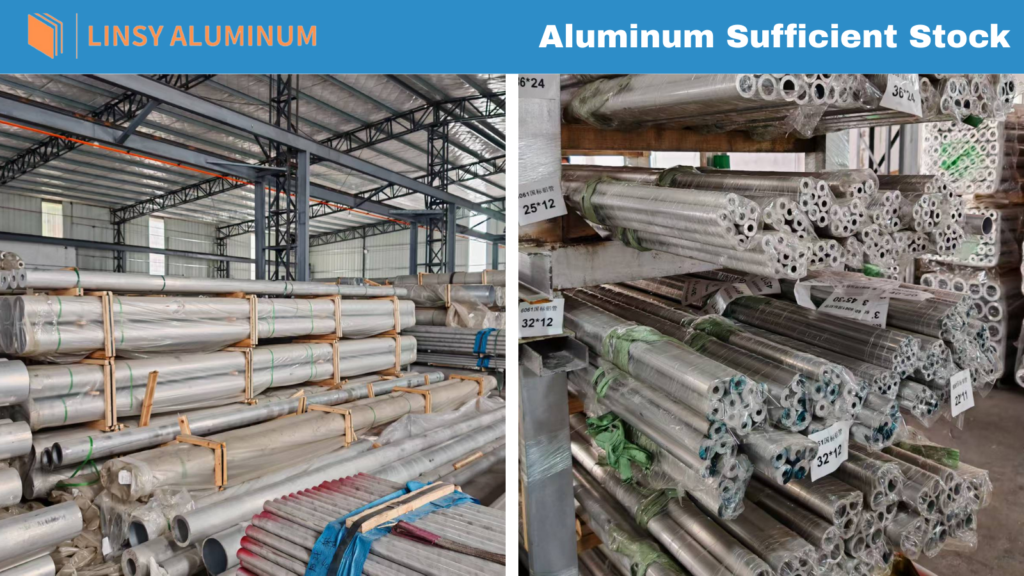
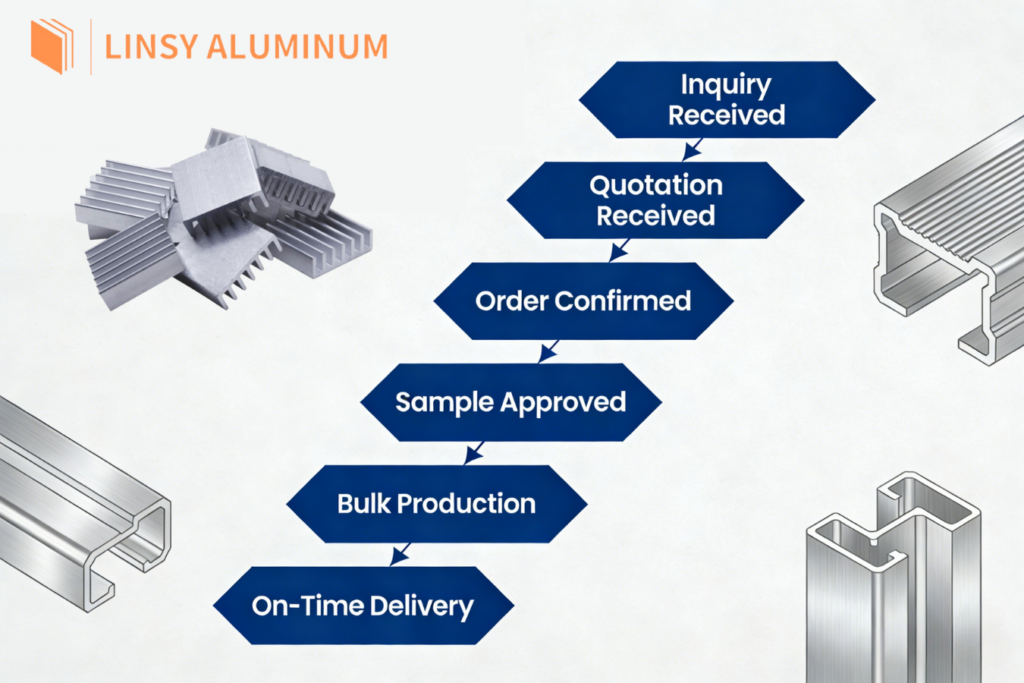
Для нестандартных размеров или индивидуальных спецификаций типичный срок поставки составляет 10–60 дней в зависимости от сплава, размеров, требований к обработке и сложности заказа. Стандартные спецификации со склада могут быть отгружены быстрее — свяжитесь с нашей командой для получения конкретного предложения.
Linsy поддерживает нестандартное производство с низким минимальным объёмом заказа (MOQ) для позиций 4147, отсутствующих на складе. MOQ зависит от формы, размера и объёма обработки; пожалуйста, сообщите ваши требования, и мы подтвердим возможность выполнения.
Каждый заказ отгружается с сертификатом MTC (Сертификат испытаний материалов), выданным компанией Linsy Aluminum после производства. По запросу доступны дополнительные отчеты сторонних испытаний SGS за отдельную плату за проведение испытаний.
Да, образцы могут быть организованы для большинства стандартных и индивидуальных спецификаций. Стоимость образцов и срок поставки зависят от размера и требований к обработке.
Linsy осуществляет глобальные поставки с налаженным покрытием в Европе, Южной Африке, Бразилии, Сингапуре, Турции, Японии, Южной Корее и Южной Азии.
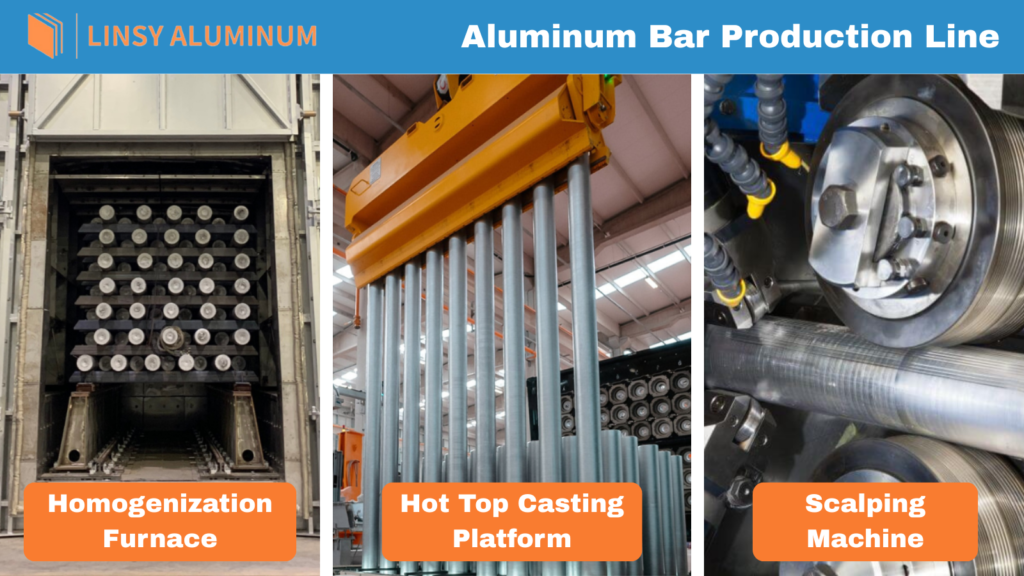
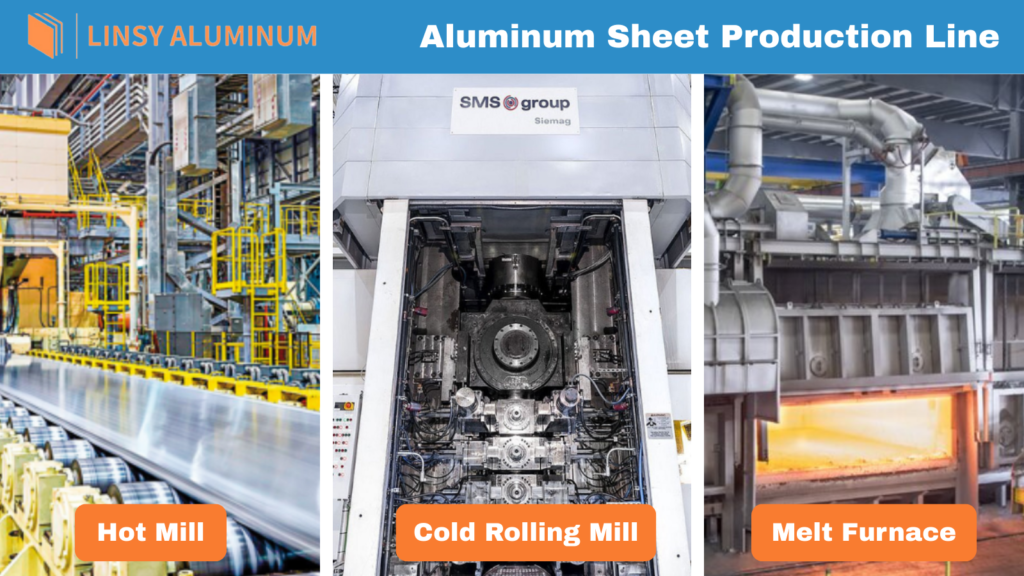
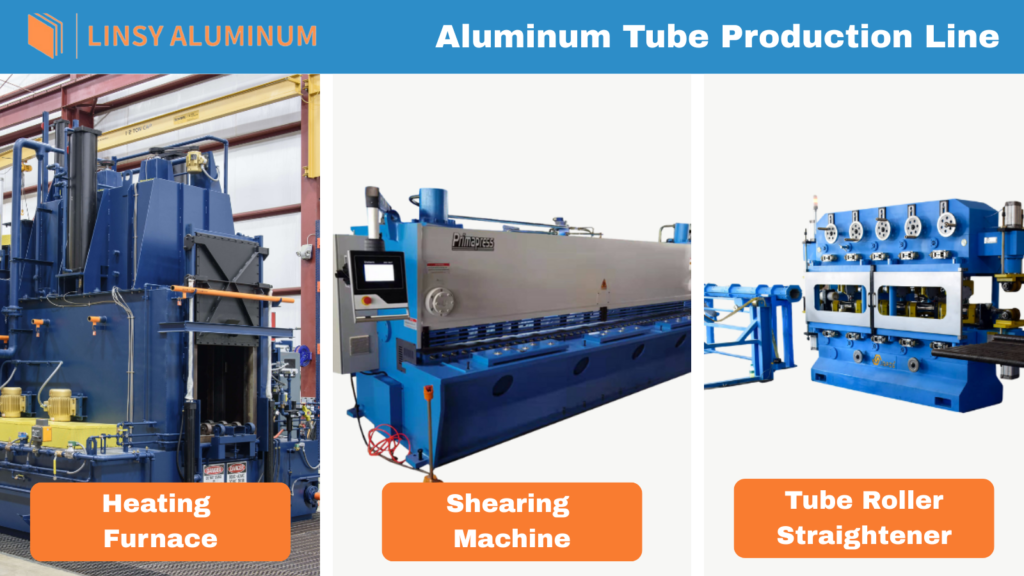
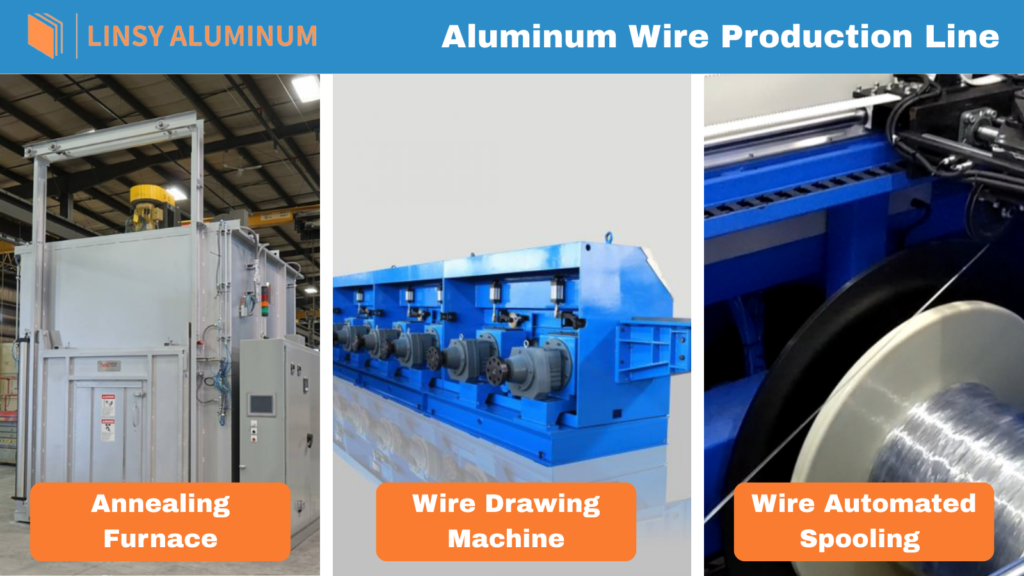
Преимущества Linsy
Linsy Aluminum - ведущий поставщик продукции для обработки алюминия, обслуживающий различные отрасли промышленности, включая аэрокосмическую, общее машиностроение, автомобильную, морскую, судостроительную и другие специализированные промышленные приложения.
Мы стремимся поддерживать самые высокие стандарты качества и экологической ответственности, о чем свидетельствуют наши сертификаты: ISO 9001:2008, ISO 14001:2004 и SGS.