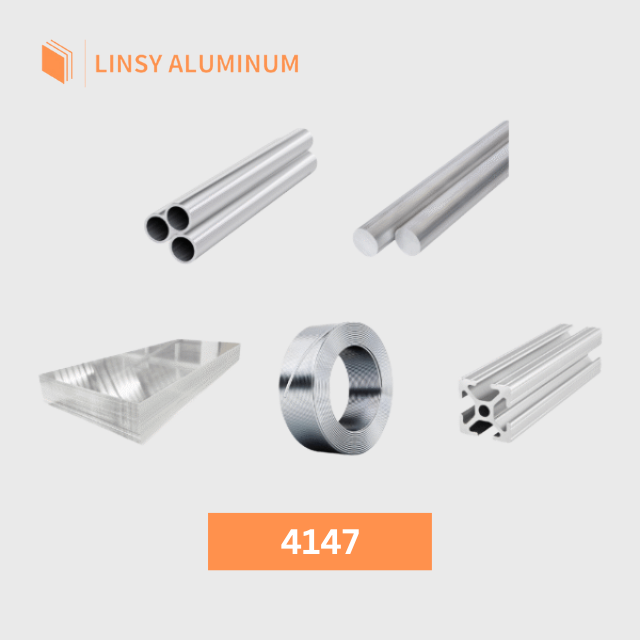


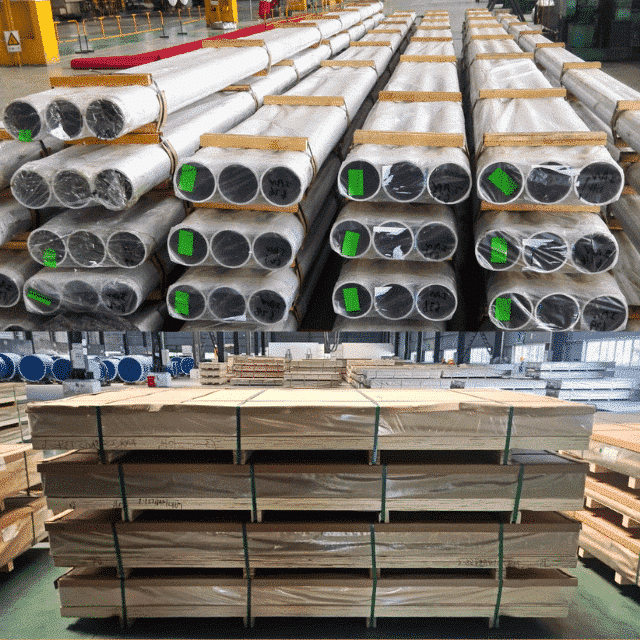

La lega di alluminio 4147 (AlSi12 / EN AW-4147) è una lega di alluminio della serie 4000 ad alto contenuto di silicio, non trattabile termicamente, progettata principalmente come metallo d'apporto per brasatura e materiale di rivestimento. Con un contenuto di silicio dell'11–13%, offre un intervallo di fusione ristretto, un'eccellente fluidità e una formazione affidabile dei giunti per applicazioni di brasatura sotto vuoto e in forno. Linsy fornisce filo di alluminio 4147, barre d'apporto, lamiere e bobine nelle tempere O, H14 e H24, con dimensioni personalizzate e certificati MTC disponibili.
Moduli disponibili: filo / barra d'apporto / lamiera / bobina
Temperamenti comuni: O / H14 / H24
Supporto per l'elaborazione: Lavorazione CNC / taglio laser / finitura superficiale
Documenti di qualità: Rapporto MTC allegato a ogni ordine, test SGS su richiesta
La lega di alluminio 4147 (UNS A94147) è una lega di alluminio ad alto contenuto di silicio, non trattabile termicamente, appartenente alla serie 4000, contenente circa 11–13% di silicio (AlSi12). A differenza delle leghe strutturali come la 6061 o la 7075, la 4147 è progettata principalmente come materiale d'apporto per brasatura e saldatura. L'elevato contenuto di silicio abbassa il punto di fusione a un intervallo ristretto vicino all'eutettico alluminio-silicio (circa 577–582°C), garantendo un'ottima fluidità, un flusso pulito e giunti a tenuta stagna durante la brasatura.
La 4147 è strettamente correlata alla 4047 (entrambe sono leghe di tipo AlSi12) e svolge la stessa funzione principale: fornire un metallo d'apporto affidabile per l'unione di componenti in alluminio nella brasatura sotto vuoto, nella brasatura in forno e nella saldatura per fusione. La lega viene generalmente fornita in tempera O (ricotta) o serie H ed è ampiamente utilizzata nella produzione di scambiatori di calore, sistemi di raffreddamento automobilistici e applicazioni HVAC.
Linsy fornisce alluminio 4147 nelle forme di prodotto più rilevanti per applicazioni di brasatura e metallo d'apporto. Dimensioni e tolleranze possono essere personalizzate in base ai requisiti del progetto.
| Forma | Temperamento | Diametro (mm) | Lunghezza |
|---|---|---|---|
| Filo 4147 (bobina) | O, H14 | 1.2 – 5.0 | Bobina / Rocchetto |
| Barra d'apporto 4147 (diritta) | O, H14 | 1.6 – 5.0 | 500 – 1000 mm |
| Forma | Temperamento | Spessore (mm) | Larghezza (mm) | Lunghezza (mm) |
|---|---|---|---|---|
| Lamiera / Bobina 4147 | O, H14, H24 | 0.3 – 6.0 | 500 – 2600 | 500 – 16000 |
La lamiera e la bobina 4147 sono comunemente utilizzate come materiale di rivestimento — un sottile strato di 4147 viene laminato a caldo su una lega nucleo (come 3003 o 6951) per creare lamiera per brasatura. Durante il riscaldamento, il rivestimento in 4147 fonde e fluisce per formare il giunto brasato, mentre la lega nucleo mantiene la sua integrità strutturale.
| Sistema standard | Denominazione |
|---|---|
| UNS | A94147 |
| EN AW | EN AW-4147 / AlSi12 |
| ISO | Al Si12 |
| AA / SAE | 4147 |
| DIN (Germania) | 3.2581 / AlSi12 |
Norme comunemente applicabili:
Limiti di composizione tipici (secondo Aluminum Association / norme EN, peso %):
| Elemento | Min % | Max % |
|---|---|---|
| Silicio (Si) | 11.0 | 13.0 |
| Ferro (Fe) | — | 0.8 |
| Rame (Cu) | — | 0.3 |
| Manganese (Mn) | — | 0.15 |
| Magnesio (Mg) | — | 0.10 |
| Zinco (Zn) | — | 0.20 |
| Altri, ciascuno | — | 0.05 |
| Altri, totale | — | 0.15 |
| Alluminio (Al) | Equilibrio | |
La 4147 è una lega d'apporto, non una lega strutturale. I valori seguenti rappresentano le proprietà tipiche della 4147 nella condizione ricotta (O). Poiché la 4147 non è trattabile termicamente, le proprietà meccaniche non variano significativamente tra le tempere — il criterio di selezione principale è la formabilità e le prestazioni di brasatura, non la resistenza a trazione.
| Proprietà | Valore tipico |
|---|---|
| Resistenza alla trazione (finale) | 130 – 160 MPa |
| Limite di snervamento (0,2%) | 55 – 90 MPa |
| Allungamento a rottura | 5 – 15 % |
| Modulo di elasticità | ≈ 69 GPa |
| Densità | ≈ 2,66 g/cm³ |
| Intervallo di fusione (Solidus – Liquidus) | ≈ 577 – 582 °C |
Con l'11–13% di silicio, la 4147 è molto vicina alla composizione eutettica alluminio-silicio (12,6% Si, 577°C). Ciò le conferisce un intervallo di fusione estremamente ristretto di circa 577–582°C, il che significa che la lega passa rapidamente dallo stato solido a quello liquido. Nella brasatura, un intervallo di fusione ristretto produce un flusso pulito e controllato e minimizza il rischio di erosione o deformazione della lega nucleo.
L'elevato contenuto di silicio conferisce alla 4147 un'ottima fluidità allo stato fuso. Ciò consente al metallo d'apporto di penetrare in spazi ristretti del giunto, di propagarsi lungo le giunzioni per azione capillare e di formare legami uniformi e a tenuta stagna — fondamentale per i tubi degli scambiatori di calore e le alette dei radiatori, dove l'integrità del giunto influisce direttamente sulla tenuta alla pressione.
Nelle applicazioni di lamiera per brasatura, la 4147 viene laminata a caldo come sottile strato di rivestimento (tipicamente il 5–15% dello spessore totale della lamiera) su una lega nucleo strutturale come 3003, 3005 o 6951. Durante la brasatura in forno o sotto vuoto, il rivestimento in 4147 fonde e fluisce per formare giunti tra gli strati, mentre la lega nucleo con punto di fusione più elevato mantiene la sua forma e le sue proprietà strutturali.
La 4147 può essere utilizzata come filo d'apporto GTAW (TIG) o GMAW (MIG) per la saldatura di componenti in alluminio. Offre una buona resistenza alla criccatura rispetto ai metalli d'apporto a basso contenuto di silicio, in particolare quando si saldano leghe base della serie 4xxx o 6xxx. Tuttavia, non è raccomandata per la saldatura di leghe della serie 5xxx (contenenti magnesio), poiché la combinazione di elevato silicio e magnesio può formare precipitati fragili di Mg₂Si all'interfaccia di saldatura.
La 4147 è utilizzata principalmente come metallo d'apporto per brasatura e lega di rivestimento. Le sue applicazioni sono concentrate in settori che si affidano all'unione alluminio-alluminio per sistemi di gestione termica:
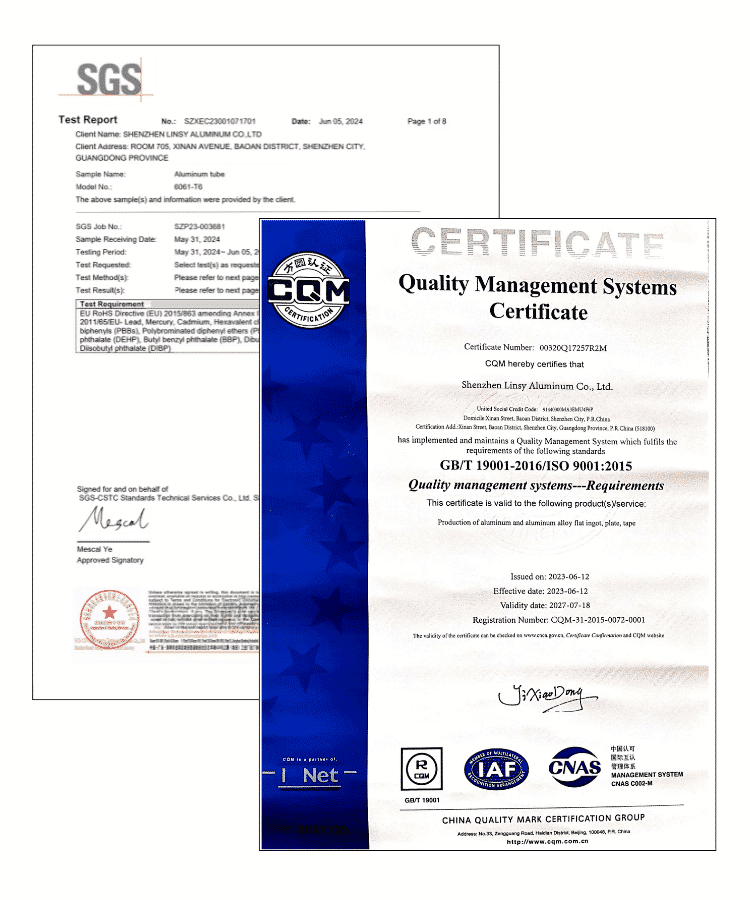
Il controllo qualità presso Linsy va dalla selezione delle materie prime fino al collaudo del prodotto finito. Ogni ordine viene accompagnato da un MTC (Certificato di analisi dei materiali) rilasciato da Linsy Aluminum al termine della produzione, che riporta i risultati relativi alla composizione chimica e alle proprietà meccaniche del lotto specifico.
Per i clienti che necessitano di una verifica da parte di terzi, i rapporti di prova SGS sono disponibili su richiesta a un costo aggiuntivo. I rapporti SGS disponibili includono:
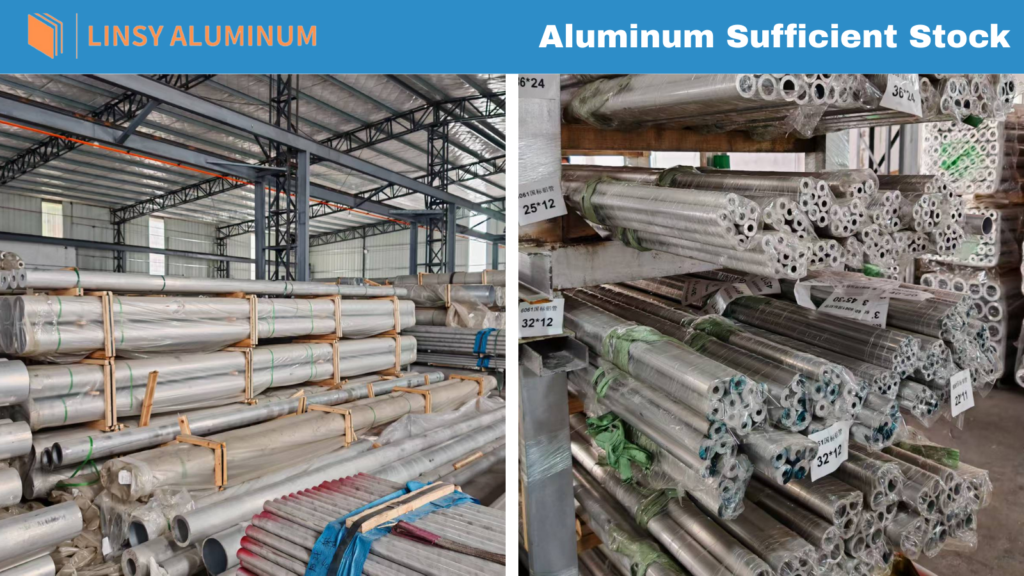
Linsy Aluminum è una fabbrica di alluminio con sede a Shenzhen con oltre 20 anni di esperienza nel settore, che fornisce la 4147 e altre leghe delle serie 1000–8000 a clienti nei settori automobilistico, HVAC, manifatturiero e industriale.
Per il vostro approvvigionamento di 4147, questo significa:
Utilizzare queste guide per saperne di più sulle leghe d'apporto per brasatura dell'alluminio:
L'alluminio 4147 è utilizzato principalmente come metallo d'apporto per brasatura e lega di rivestimento per scambiatori di calore, radiatori e componenti HVAC. È inoltre utilizzato come filo d'apporto TIG/MIG per la saldatura di alluminio delle serie 4xxx e 6xxx dove la resistenza alla criccatura è importante.
La 4147 e la 4047 sono entrambe leghe di tipo AlSi12 con composizione chimica quasi identica (11–13% di silicio). La 4047 è la designazione più comunemente riferita negli standard di saldatura e brasatura (ad es., AWS ER4047 / BAlSi-4), mentre la 4147 è la designazione del prodotto lavorato. Nella pratica, le due leghe sono spesso utilizzate in modo intercambiabile per applicazioni di brasatura e metallo d'apporto.
No. La 4147 è una lega d'apporto e per brasatura, non una lega strutturale. La sua resistenza a trazione (130–160 MPa) è significativamente inferiore a quella dei gradi strutturali come la 6061-T6 (290+ MPa). La 4147 non deve essere utilizzata per applicazioni portanti — il suo valore risiede nelle prestazioni di brasatura e giunzione.
No, la 4147 è una lega non trattabile termicamente. Viene fornita in tempera O (ricotta) o incrudita (H14, H24). La resistenza non può essere aumentata mediante trattamento termico di solubilizzazione e invecchiamento.
Le tempere comuni sono O (ricotta) per la massima duttilità e formabilità, H14 (semiduro) per una resistenza moderata e H24 (semiduro, ricotto dopo incrudimento) per un equilibrio tra resistenza e formabilità.
Il 4147 ha un intervallo di fusione ristretto di circa 577–582°C, vicino alla temperatura eutettica alluminio-silicio. Questo intervallo ristretto è ciò che lo rende un eccellente materiale di brasatura: fonde e scorre rapidamente senza un'eccessiva esposizione termica alla lega base.
Non è raccomandato. La saldatura di leghe 5xxx (contenenti magnesio) con apporto di 4147 può produrre precipitati fragili di Mg₂Si all'interfaccia di saldatura. Per metalli base della serie 5xxx, si preferisce tipicamente il filo d'apporto 5356 o 5183.
Le norme comuni includono ASTM B209 (lamiere e piastre), ISO 6361 (lamiere, nastri e piastre di alluminio lavorato), EN 573-3 (composizione chimica) e AWS A5.10/A5.10M (consumabili per saldatura, designazione correlata ER4047).
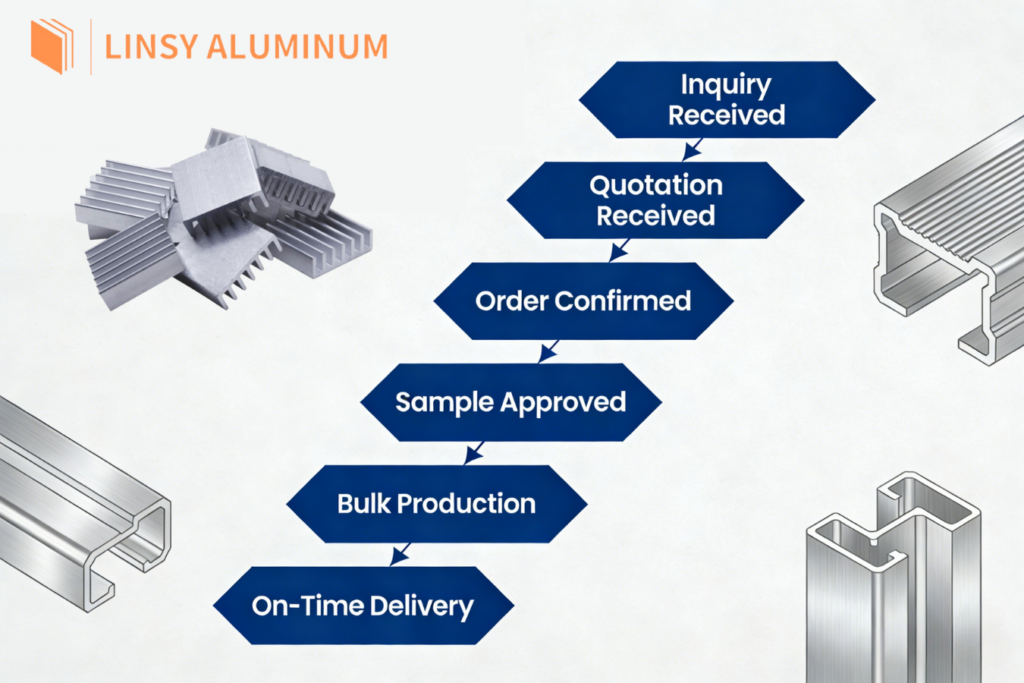
Per dimensioni non standard o specifiche personalizzate, il tempo di consegna tipico è di 10–60 giorni a seconda della lega, delle dimensioni, dei requisiti di lavorazione e della complessità dell'ordine. Le specifiche standard in magazzino possono essere spedite più rapidamente — contattare il nostro team per una quotazione specifica.
Linsy supporta la produzione personalizzata con MOQ ridotto per articoli in 4147 non standard. Il MOQ varia in base a forma, dimensioni e ambito di lavorazione; si prega di condividere i propri requisiti e confermeremo la fattibilità.
Ogni ordine viene spedito con un MTC (Material Test Certificate) emesso da Linsy Aluminum dopo la produzione. Rapporti di prova di terze parti SGS opzionali sono disponibili su richiesta a un costo aggiuntivo per le prove.
Sì, i campioni possono essere organizzati per la maggior parte delle specifiche standard e personalizzate. Il costo del campione e il tempo di consegna dipendono dalle dimensioni e dai requisiti di lavorazione.
Linsy effettua spedizioni in tutto il mondo, con una rete di distribuzione consolidata in Europa, Sudafrica, Brasile, Singapore, Turchia, Giappone, Corea del Sud e Asia meridionale.
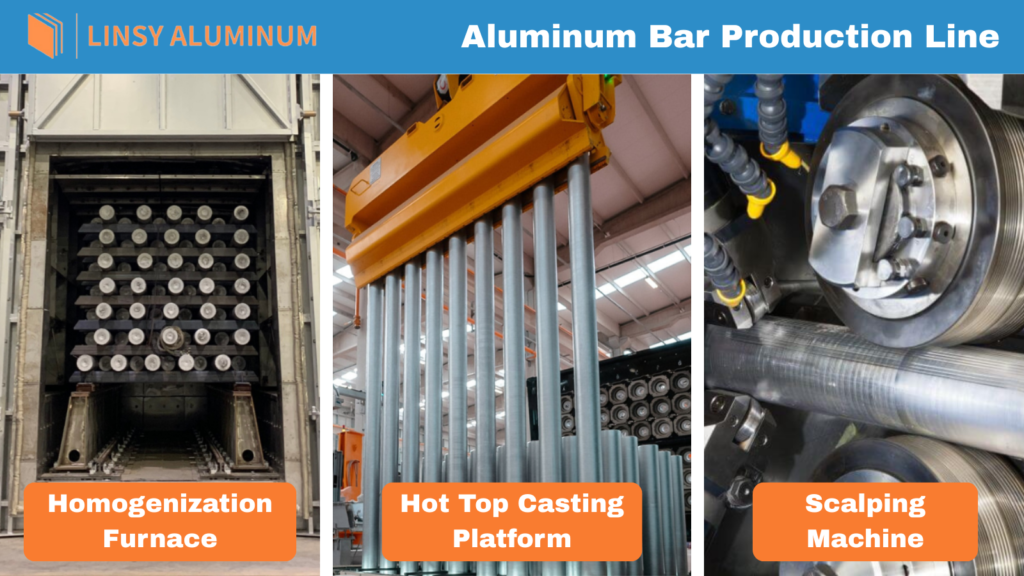
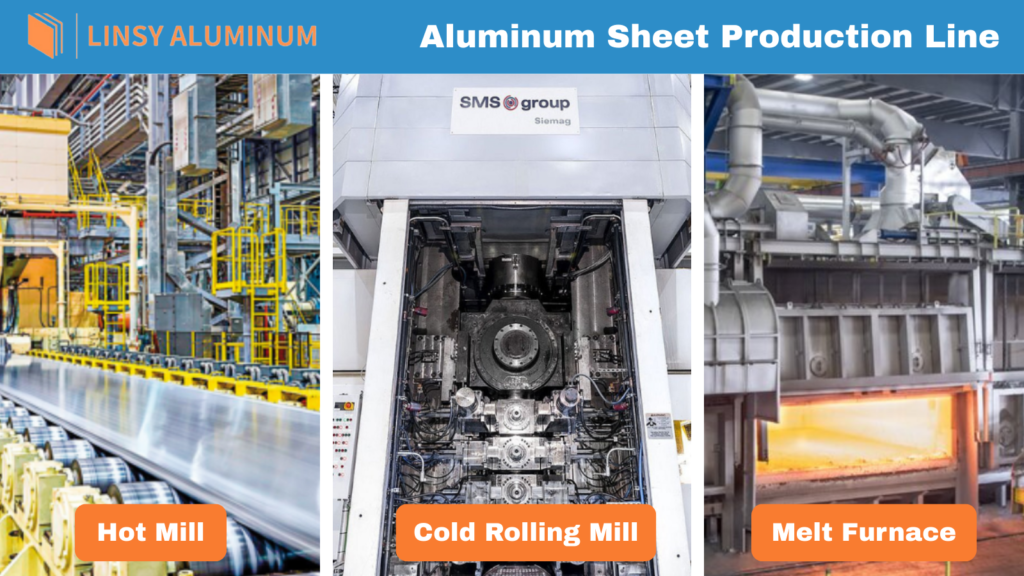
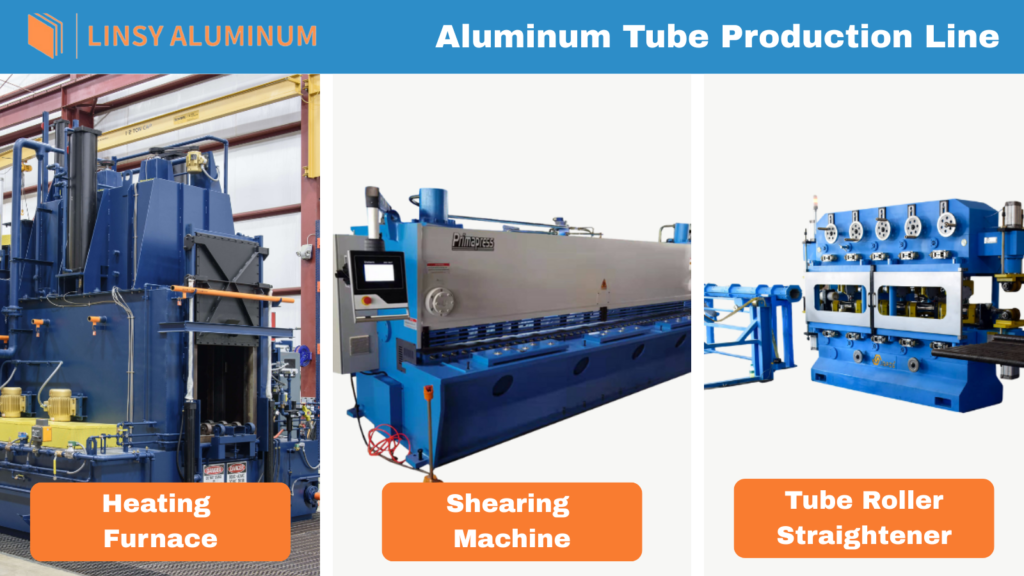
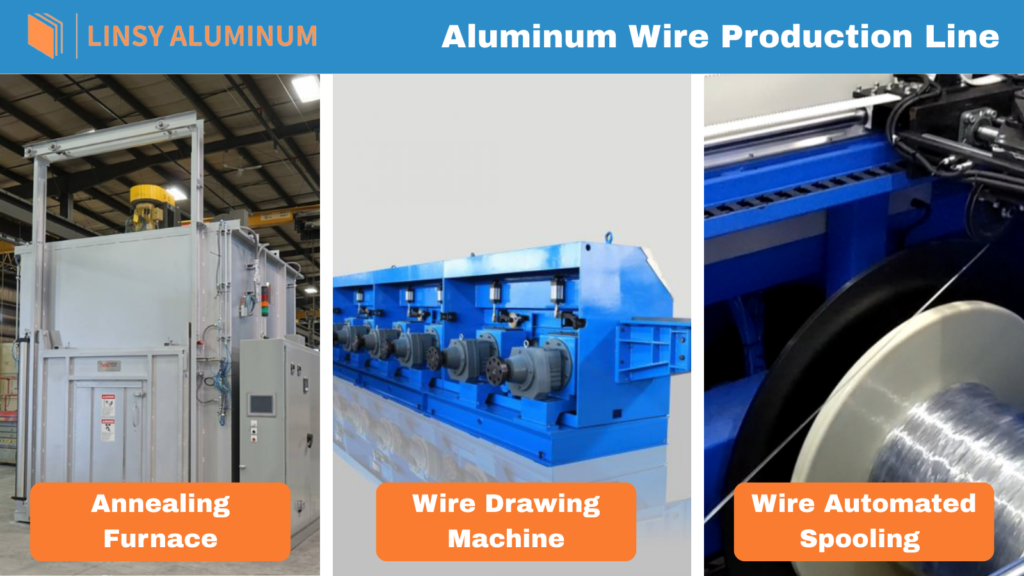
Vantaggi Linsy
Linsy Aluminum è un fornitore leader di prodotti per la lavorazione dell'alluminio, che serve diversi settori, tra cui quello aerospaziale, dell'ingegneria generale, automobilistico, marittimo, navale e altre applicazioni industriali specializzate.
Ci impegniamo a mantenere i più alti standard di qualità e responsabilità ambientale, come dimostrano le nostre certificazioni: ISO 9001:2008, ISO 14001:2004 e SGS.