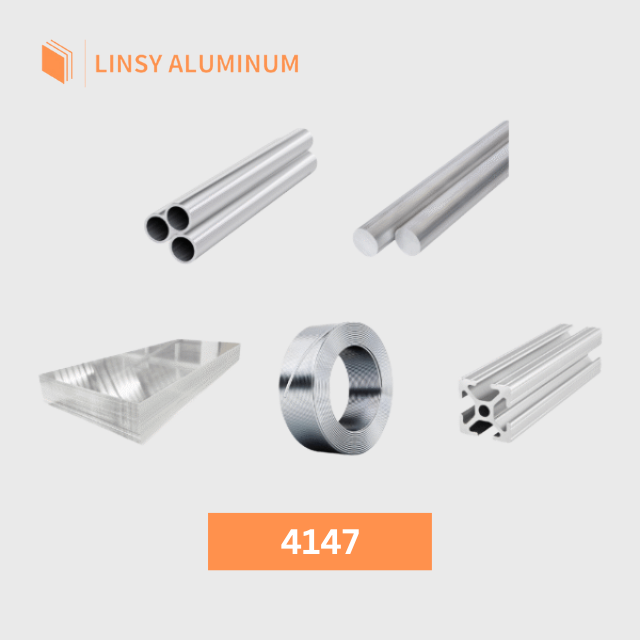



La aleación de aluminio 4147 (AlSi12 / EN AW-4147) es una aleación de aluminio de la serie 4000, de alto contenido de silicio y no tratable térmicamente, diseñada principalmente como metal de aporte para soldadura fuerte y material de revestimiento. Con un contenido de silicio del 11–13%, ofrece un intervalo de fusión estrecho, excelente fluidez y formación de juntas confiable para aplicaciones de soldadura fuerte al vacío y en horno. Linsy suministra alambre de aluminio 4147, varilla de aporte, lámina y rollo en temple O, H14 y H24, con tamaños personalizados e informes MTC disponibles.
Formularios disponibles: alambre / varilla de aporte / lámina / rollo
Temperamentos habituales: O / H14 / H24
Asistencia técnica: Mecanizado CNC / corte por láser / acabado superficial
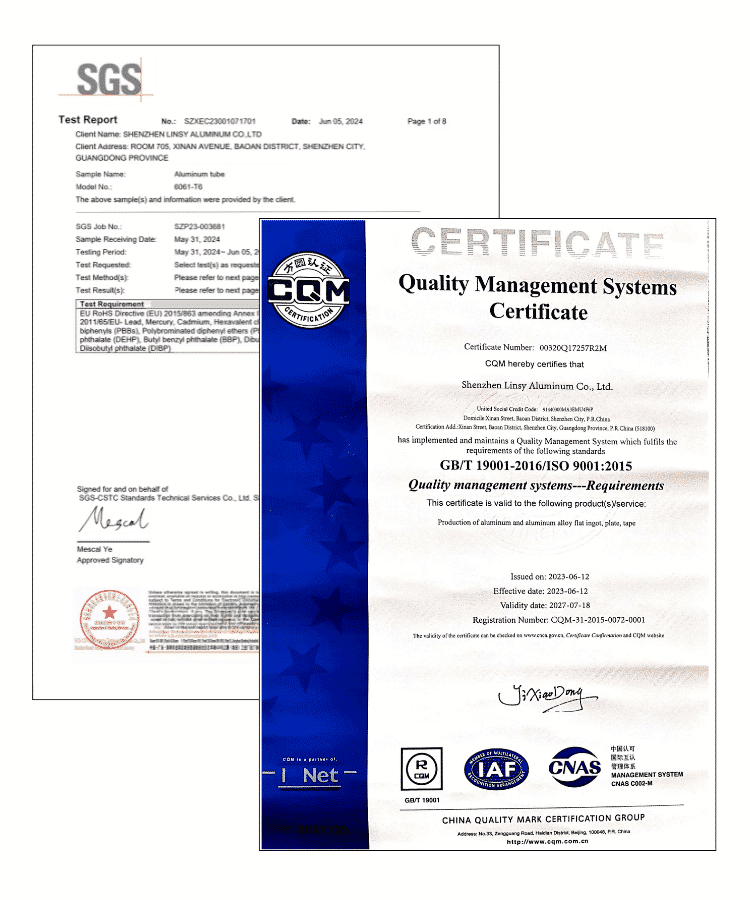
Documentos de calidad: Informe MTC con cada pedido; ensayos de SGS bajo petición
La aleación de aluminio 4147 (UNS A94147) es una aleación de aluminio de la serie 4000, de alto contenido de silicio y no tratable térmicamente, que contiene aproximadamente 11–13% de silicio (AlSi12). A diferencia de aleaciones estructurales como la 6061 o la 7075, la 4147 está diseñada principalmente como material de aporte para soldadura fuerte y soldadura. Su alto contenido de silicio reduce el punto de fusión a un intervalo estrecho cercano al eutéctico de aluminio-silicio (aproximadamente 577–582°C), lo que produce una fluidez excelente, flujo limpio y juntas herméticas durante la soldadura fuerte.
La 4147 está estrechamente relacionada con la 4047 (ambas son aleaciones tipo AlSi12) y cumple la misma función principal: proporcionar un metal de aporte confiable para unir componentes de aluminio en soldadura fuerte al vacío, soldadura fuerte en horno y soldadura por fusión. La aleación se suministra típicamente en temple O (recocido) o de la serie H y se utiliza ampliamente en la fabricación de intercambiadores de calor, sistemas de refrigeración automotriz y aplicaciones de HVAC.
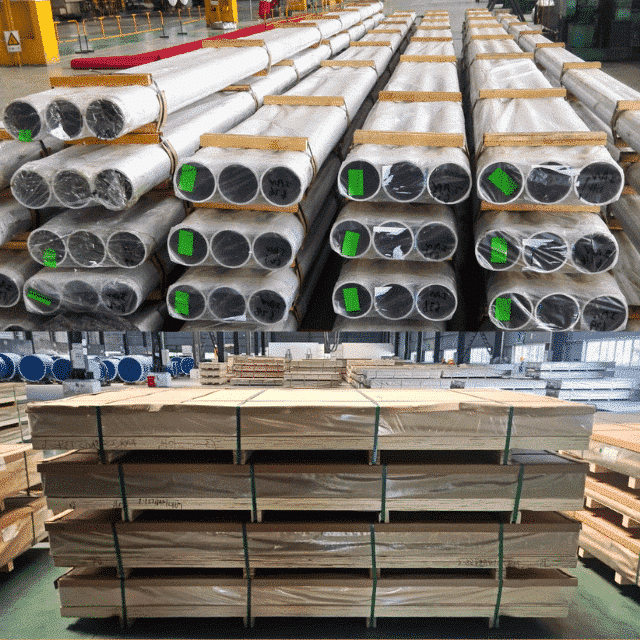
Linsy suministra aluminio 4147 en las formas de producto más relevantes para aplicaciones de soldadura fuerte y material de aporte. Las dimensiones y tolerancias pueden adaptarse a los requisitos de su proyecto.
| Formulario | Temple | Diámetro (mm) | Longitud |
|---|---|---|---|
| Alambre 4147 (carrete) | O, H14 | 1.2 – 5.0 | Bobina / Carrete |
| Varilla de aporte 4147 (recta) | O, H14 | 1.6 – 5.0 | 500 – 1000 mm |
| Formulario | Temple | Espesor (mm) | Anchura (mm) | Longitud (mm) |
|---|---|---|---|---|
| Lámina / rollo 4147 | O, H14, H24 | 0.3 – 6.0 | 500 – 2600 | 500 – 16000 |
La lámina y el rollo de 4147 se utilizan comúnmente como material de revestimiento: una capa delgada de 4147 se lamina por unión en frío sobre una aleación núcleo (como 3003 o 6951) para crear lámina de soldadura fuerte. Al calentarse, el revestimiento de 4147 se funde y fluye para formar la junta soldada, mientras que la aleación núcleo conserva su integridad estructural.
| Sistema estándar | Denominación |
|---|---|
| UNS | A94147 |
| EN AW | EN AW-4147 / AlSi12 |
| ISO | Al Si12 |
| AA / SAE | 4147 |
| DIN (Alemania) | 3.2581 / AlSi12 |
Normas comunes aplicables:
Límites de composición típicos (según normas de la Aluminum Association / EN, % en peso):
| Elemento | Mín. % | Máx. % |
|---|---|---|
| Silicio (Si) | 11.0 | 13.0 |
| Hierro (Fe) | — | 0.8 |
| Cobre (Cu) | — | 0.3 |
| Manganeso (Mn) | — | 0.15 |
| Magnesio (Mg) | — | 0.10 |
| Zinc (Zn) | — | 0.20 |
| Otros, cada uno | — | 0.05 |
| Otros, total | — | 0.15 |
| Aluminio (Al) | Saldo | |
La 4147 es una aleación de aporte, no una aleación estructural. Los valores a continuación representan propiedades típicas de la 4147 en condición recocida (O). Debido a que la 4147 no es tratable térmicamente, las propiedades mecánicas no varían significativamente entre temples — el criterio principal de selección es la formabilidad y el rendimiento de soldadura fuerte, no la resistencia a la tracción.
| Propiedad | Valor típico |
|---|---|
| Resistencia a la tracción (última) | 130 – 160 MPa |
| Límite elástico (0,2%) | 55 – 90 MPa |
| Alargamiento a la rotura | 5 – 15 % |
| Módulo de elasticidad | ≈ 69 GPa |
| Densidad | ≈ 2.66 g/cm³ |
| Intervalo de fusión (Solidus – Liquidus) | ≈ 577 – 582 °C |
Con un 11–13% de silicio, la 4147 está muy cerca de la composición eutéctica de aluminio-silicio (12.6% Si, 577°C). Esto le confiere un intervalo de fusión extremadamente estrecho de aproximadamente 577–582°C, lo que significa que la aleación transita rápidamente de sólido a líquido. En la soldadura fuerte, un intervalo de fusión estrecho produce un flujo limpio y controlado y minimiza el riesgo de erosión o distorsión de la aleación núcleo.
El alto contenido de silicio confiere a la 4147 una fluidez excelente cuando está fundida. Esto permite que el material de aporte penetre en espacios de junta estrechos, se extienda a lo largo de las uniones por acción capilar y forme uniones uniformes y herméticas — crítico para tubos de intercambiadores de calor y aletas de radiadores donde la integridad de la junta afecta directamente la retención de presión.
En aplicaciones de lámina de soldadura fuerte, la 4147 se lamina por unión en frío como una capa de revestimiento delgada (típicamente 5–15% del espesor total de la lámina) sobre una aleación núcleo estructural como 3003, 3005 o 6951. Durante la soldadura fuerte en horno o al vacío, el revestimiento de 4147 se funde y fluye para formar juntas entre capas, mientras que la aleación núcleo de mayor punto de fusión mantiene su forma y propiedades estructurales.
La 4147 puede utilizarse como alambre de aporte GTAW (TIG) o GMAW (MIG) para soldar componentes de aluminio. Ofrece buena resistencia a la fisuración en comparación con materiales de aporte de menor contenido de silicio, particularmente al soldar aleaciones base de las series 4xxx o 6xxx. Sin embargo, no se recomienda para soldar aleaciones de la serie 5xxx (con magnesio), ya que la combinación de alto silicio y magnesio puede formar precipitados frágiles de Mg₂Si en la interfaz de soldadura.
La 4147 se utiliza principalmente como metal de aporte para soldadura fuerte y aleación de revestimiento. Sus aplicaciones se concentran en industrias que dependen de la unión aluminio-aluminio para sistemas de gestión térmica:
El control de calidad en Linsy abarca desde la selección de la materia prima hasta la inspección del producto acabado. Cada pedido va acompañado de un MTC (Certificado de Ensayo de Materiales) expedido por Linsy Aluminum tras la producción, en el que se incluyen los resultados de la composición química y las propiedades mecánicas del lote en cuestión.
Para los clientes que necesiten una verificación por parte de terceros, los informes de ensayo de SGS están disponibles previa solicitud, con un coste adicional por los ensayos. Los informes de SGS disponibles incluyen:
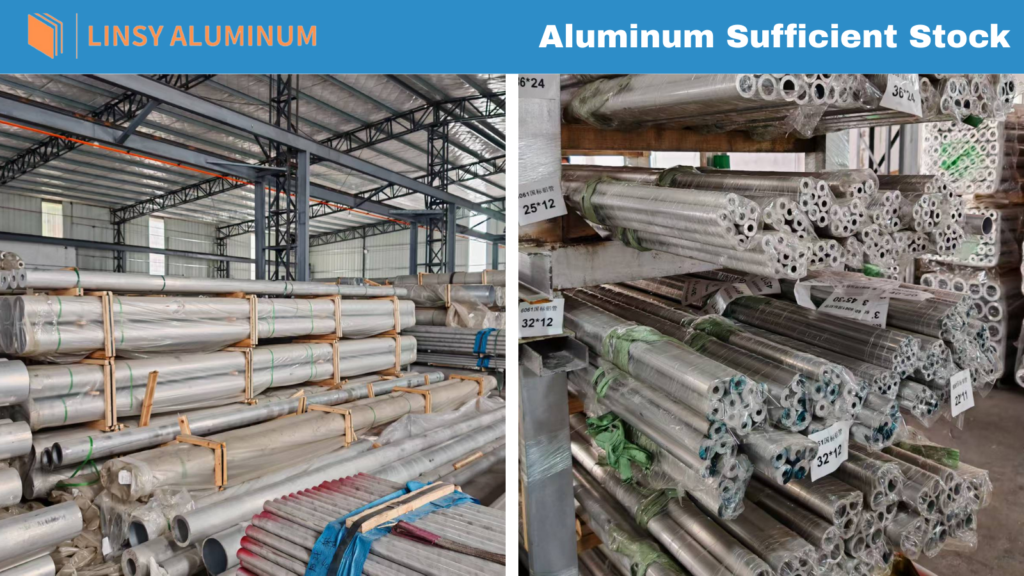
Linsy Aluminum es una fábrica de aluminio con sede en Shenzhen con más de 20 años de experiencia en la industria, que suministra aleaciones 4147 y otras series 1000–8000 a clientes en aplicaciones automotrices, HVAC, manufactureras e industriales.
Para su abastecimiento de 4147, esto significa:
Utilice estas guías para obtener más información sobre las aleaciones de aporte para soldadura fuerte de aluminio:
El aluminio 4147 se utiliza principalmente como metal de aporte para soldadura fuerte y aleación de revestimiento en intercambiadores de calor, radiadores y componentes de HVAC. También se utiliza como alambre de aporte TIG/MIG para soldar aluminio de las series 4xxx y 6xxx donde la resistencia al agrietamiento es importante.
Tanto el 4147 como el 4047 son aleaciones tipo AlSi12 con una composición química casi idéntica (11–13% de silicio). El 4047 es la designación más comúnmente referenciada en normas de soldadura y soldadura fuerte (por ejemplo, AWS ER4047 / BAlSi-4), mientras que el 4147 es la designación de producto forjado. En la práctica, ambas aleaciones se utilizan a menudo de manera intercambiable para aplicaciones de soldadura fuerte y aporte.
No. El 4147 es una aleación de aporte y soldadura fuerte, no una aleación estructural. Su resistencia a la tracción (130–160 MPa) es significativamente menor que la de grados estructurales como el 6061-T6 (290+ MPa). El 4147 no debe utilizarse en aplicaciones de carga estructural — su valor reside en su rendimiento de soldadura fuerte y unión.
No, el 4147 es una aleación no tratable térmicamente. Se suministra en temple O (recocido) o endurecido por deformación (H14, H24). La resistencia no puede aumentarse mediante tratamiento térmico de solución y envejecimiento.
Los temples comunes son O (recocido) para máxima ductilidad y conformabilidad, H14 (semiduro) para resistencia moderada, y H24 (semiduro, recocido después del endurecimiento por deformación) para un equilibrio entre resistencia y conformabilidad.
El 4147 tiene un rango de fusión estrecho de aproximadamente 577–582°C, que está cerca de la temperatura eutéctica de aluminio-silicio. Este rango estrecho es lo que lo convierte en un excelente metal de aporte para soldadura fuerte — se funde y fluye rápidamente sin exposición excesiva al calor de la aleación base.
No se recomienda. Soldar aleaciones 5xxx (que contienen magnesio) con aporte 4147 puede producir precipitados frágiles de Mg₂Si en la interfaz de soldadura. Para metales base de la serie 5xxx, generalmente se prefiere alambre de aporte 5356 o 5183.
Las normas comunes incluyen ASTM B209 (lámina y placa), ISO 6361 (lámina/cinta/placa de aluminio forjado), EN 573-3 (composición química) y AWS A5.10/A5.10M (consumibles de soldadura, designación relacionada ER4047).
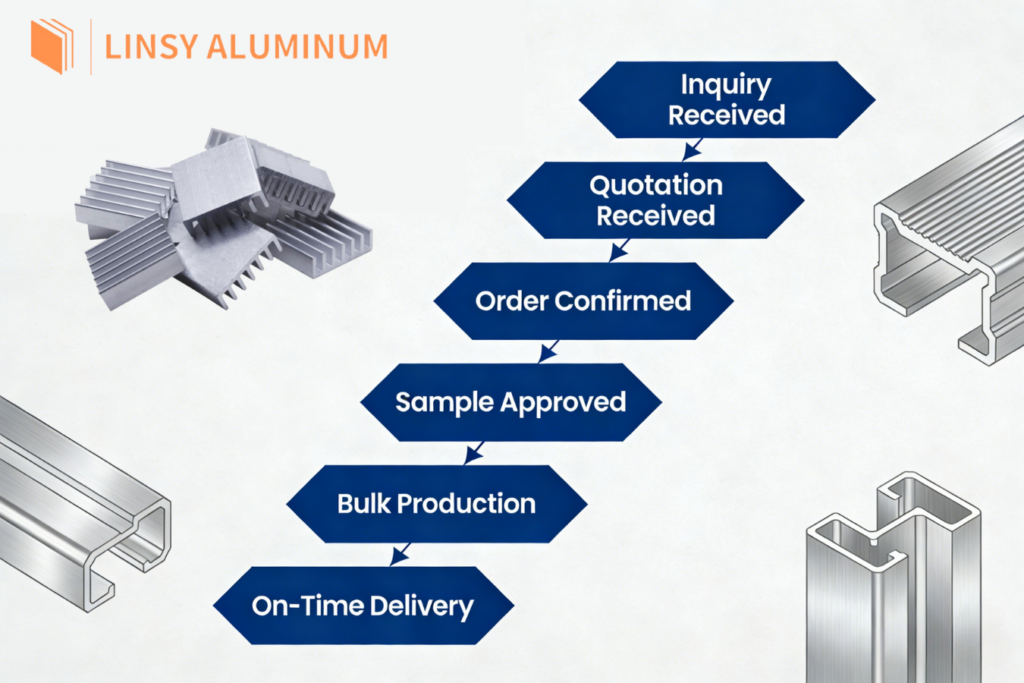
Para tamaños no estándar o especificaciones personalizadas, el plazo de entrega típico es de 10–60 días dependiendo de la aleación, dimensiones, requisitos de procesamiento y complejidad del pedido. Las especificaciones estándar en stock pueden enviarse más rápido — contacte a nuestro equipo para una cotización específica.
Linsy admite producción personalizada con MOQ bajo para artículos 4147 no estándar. El MOQ varía según la forma, el tamaño y el alcance del procesamiento; comparta sus requisitos y confirmaremos la viabilidad.
Cada pedido se envía con un MTC (Certificado de Ensayo de Material) emitido por Linsy Aluminum después de la producción. Informes de prueba de terceros SGS opcionales están disponibles bajo solicitud con un costo adicional de prueba.
Sí, las muestras pueden organizarse para la mayoría de las especificaciones estándar y personalizadas. El costo y plazo de entrega de las muestras dependen del tamaño y los requisitos de procesamiento.
Linsy realiza envíos a todo el mundo y cuenta con una red de distribución consolidada en Europa, Sudáfrica, Brasil, Singapur, Turquía, Japón, Corea del Sur y el sur de Asia.
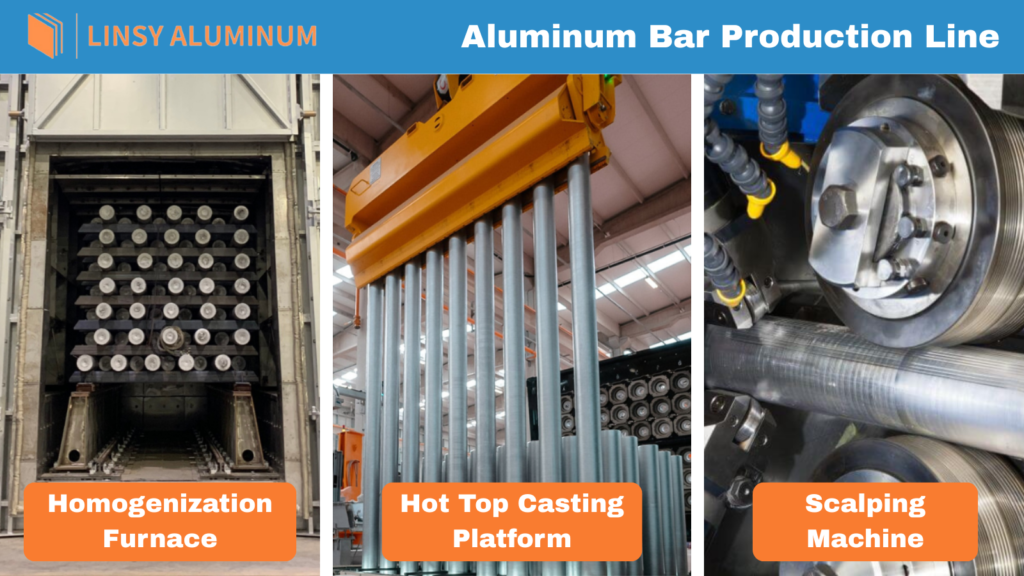
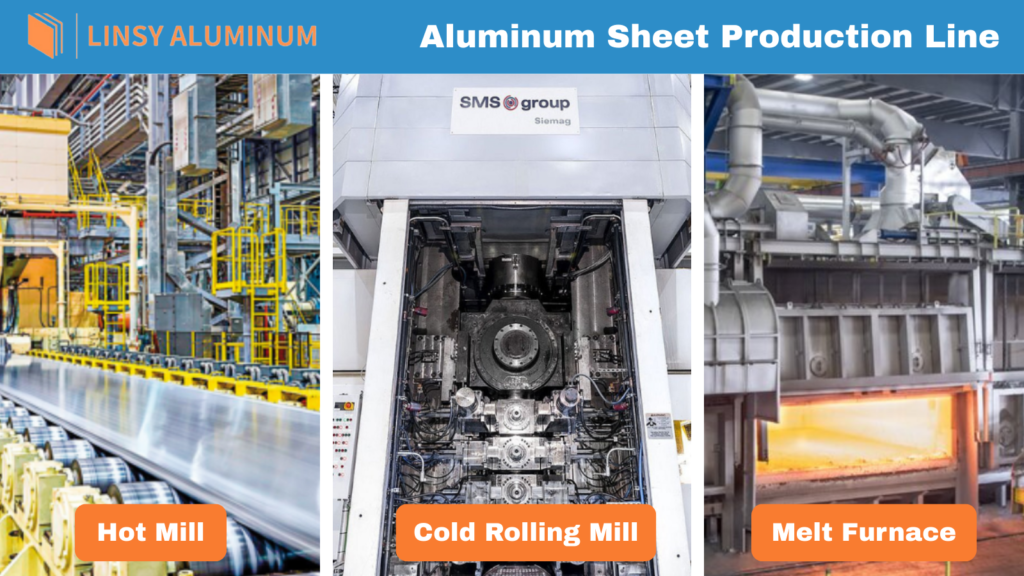
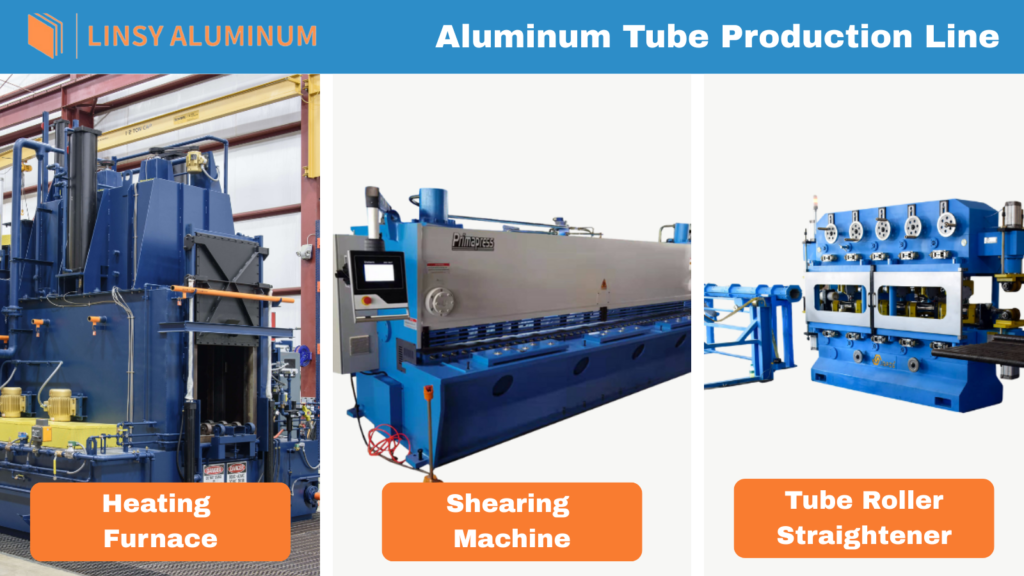
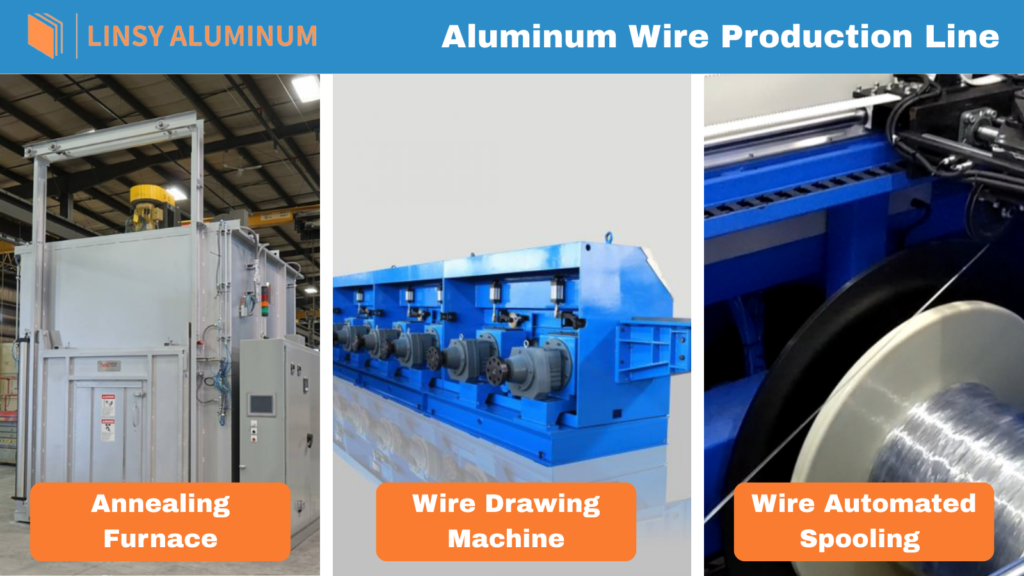
Ventajas de Linsy
Linsy Aluminum es un proveedor líder de productos de procesamiento de aluminio, que presta servicio a diversas industrias, como la aeroespacial, la ingeniería general, la automoción, la marina, la construcción naval y otras aplicaciones industriales especializadas.
Nos comprometemos a mantener los más altos estándares de calidad y responsabilidad medioambiental, como demuestran nuestras certificaciones: ISO 9001:2008, ISO 14001:2004 y SGS.