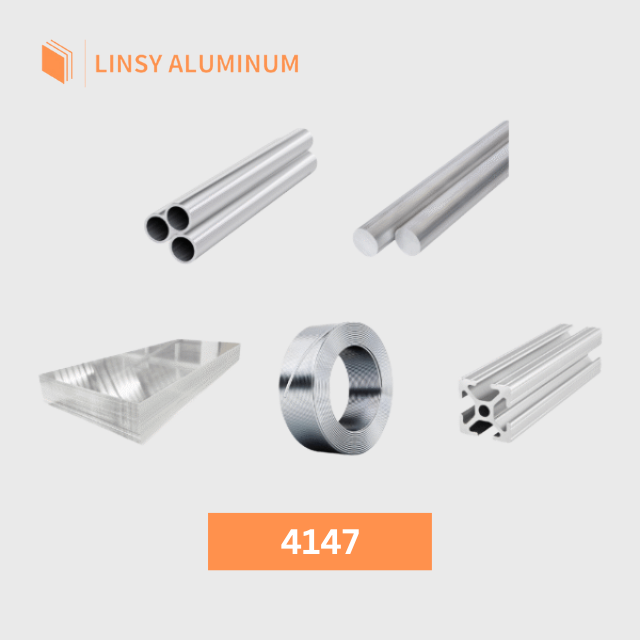



4147 aluminiumlegering (AlSi12 / EN AW-4147) is een hoog-silicium, niet-warmtebehandelbare aluminiumlegering uit de 4000-serie, voornamelijk ontwikkeld als vulmetaal voor hard solderen en als bekledingsmateriaal. Met een siliciumgehalte van 11–13 gew.% biedt het een smal smelttraject, uitstekende vloeibaarheid en betrouwbare verbindingsvorming voor vacuüm- en ovensoldeertoepassingen. Linsy levert 4147 aluminiumdraad, vulstaaf, plaat en rol in de hardheden O, H14 en H24, met aangepaste afmetingen en MTC-rapporten op aanvraag.
Beschikbare formulieren: draad / vulstaaf / plaat / rol
Veelvoorkomende temperamenten: O / H14 / H24
Ondersteuning bij de verwerking: CNC-bewerking / laserbewerking / oppervlakteafwerking
Kwaliteitsdocumenten: MTC-rapport bij elke bestelling, SGS-keuring op verzoek
4147 aluminiumlegering (UNS A94147) is een hoog-silicium, niet-warmtebehandelbare aluminiumlegering uit de 4000-serie, met ongeveer 11–13 gew.% silicium (AlSi12). In tegenstelling tot constructielegeringen zoals 6061 of 7075, is 4147 voornamelijk ontwikkeld als vulmateriaal voor hard solderen en lassen. Het hoge siliciumgehalte verlaagt het smeltpunt tot een smal traject nabij het aluminium-silicium eutecticum (ongeveer 577–582°C), wat zorgt voor uitstekende vloeibaarheid, schone vloei en lekdichte verbindingen tijdens het solderen.
4147 is nauw verwant aan 4047 (beide zijn AlSi12-type legeringen) en vervult dezelfde kernfunctie: het bieden van een betrouwbaar vulmetaal voor het verbinden van aluminiumcomponenten bij vacuümsolderen, ovensolderen en smeltlassen. De legering wordt doorgaans geleverd in de hardheid O (gegloeid) of H-serie en wordt veelvuldig gebruikt bij de vervaardiging van warmtewisselaars, autokoelsystemen en HVAC-toepassingen.
Linsy levert 4147 aluminium in de productvormen die het meest relevant zijn voor soldeer- en vu ltoepassingen. Afmetingen en toleranties kunnen worden aangepast aan uw projectvereisten.
| Formulier | Temper | Diameter (mm) | Lengte |
|---|---|---|---|
| 4147 draad (spoel) | O, H14 | 1.2 – 5.0 | Spoel / haspel |
| 4147 vulstaaf (recht) | O, H14 | 1.6 – 5.0 | 500 – 1000 mm |
| Formulier | Temper | Dikte (mm) | Breedte (mm) | Lengte (mm) |
|---|---|---|---|---|
| 4147 plaat / rol | O, H14, H24 | 0.3 – 6.0 | 500 – 2600 | 500 – 16000 |
4147 plaat en rol worden vaak gebruikt als bekledingsmateriaal — een dunne laag 4147 wordt rolgeplakt op een kernlegering (zoals 3003 of 6951) om soldeerplaat te creëren. Bij verhitting smelt de 4147 bekleding en vloeit deze om de soldeerverbinding te vormen, terwijl de kernlegering zijn structurele integriteit behoudt.
| Standaardsysteem | Benaming |
|---|---|
| UNS | A94147 |
| EN AW | EN AW-4147 / AlSi12 |
| ISO | Al Si12 |
| AA / SAE | 4147 |
| DIN (Duitsland) | 3.2581 / AlSi12 |
Algemeen geldende normen:
Typische samenstellingsgrenzen (volgens Aluminum Association / EN-normen, gew.%):
| Element | Min % | Max % |
|---|---|---|
| Silicium (Si) | 11.0 | 13.0 |
| IJzer (Fe) | - | 0.8 |
| Koper (Cu) | - | 0.3 |
| Mangaan (Mn) | - | 0.15 |
| Magnesium (Mg) | - | 0.10 |
| Zink (Zn) | - | 0.20 |
| Anderen, elk | - | 0.05 |
| Overige, totaal | - | 0.15 |
| Aluminium (Al) | Saldo | |
4147 is een vullegering, geen constructielegering. De onderstaande waarden vertegenwoordigen typische eigenschappen voor 4147 in de gegloeide (O) toestand. Omdat 4147 niet warmtebehandelbaar is, variëren de mechanische eigenschappen niet significant tussen de hardheden — het primaire selectiecriterium is vervormbaarheid en soldeerprestatie, niet treksterkte.
| Eigendom | Typische waarde |
|---|---|
| Treksterkte (Ultieme) | 130 – 160 MPa |
| Vloeigrens (0,2%) | 55 – 90 MPa |
| Rek bij breuk | 5 – 15 % |
| Elasticiteitsmodulus | ≈ 69 GPa |
| Dichtheid | ≈ 2,66 g/cm³ |
| Smelttraject (Solidus – Liquidus) | ≈ 577 – 582 °C |
Met 11–13 gew.% silicium ligt 4147 zeer dicht bij de aluminium-silicium eutectische samenstelling (12,6 gew.% Si, 577°C). Dit geeft een extreem smal smelttraject van ongeveer 577–582°C, wat betekent dat de legering snel overgaat van vast naar vloeibaar. Bij solderen zorgt een smal smelttraject voor een schone, gecontroleerde vloei en minimaliseert het risico op erosie of vervorming van de kernlegering.
Het hoge siliciumgehalte geeft 4147 een uitstekende vloeibaarheid in gesmolten toestand. Hierdoor kan het vulmetaal in nauwe verbindingsspleten doordringen, langs naden vloeien via capillaire werking en uniforme, lekdichte verbindingen vormen — cruciaal voor warmtewisselaarbuizen en radiateurvinnen waar de verbindingsintegriteit direct van invloed is op de drukretentie.
Bij soldeerplaattoepassingen wordt 4147 als dunne bekledingslaag (typisch 5–15 gew.% van de totale plaatdikte) rolgeplakt op een structurele kernlegering zoals 3003, 3005 of 6951. Tijdens oven- of vacuümsolderen smelt de 4147 bekleding en vloeit deze om verbindingen tussen lagen te vormen, terwijl de kernlegering met hoger smeltpunt zijn vorm en structurele eigenschappen behoudt.
4147 kan worden gebruikt als GTAW (TIG) of GMAW (MIG) vuldraad voor het lassen van aluminiumcomponenten. Het biedt een goede scheurweerstand vergeleken met vulmaterialen met lager siliciumgehalte, met name bij het lassen van 4xxx- of 6xxx-basismaterialen. Het wordt echter niet aanbevolen voor het lassen van 5xxx-serie (magnesiumhoudende) legeringen, omdat de combinatie van hoog silicium en magnesium brosse Mg₂Si-precipitaten kan vormen op het lasvlak.
4147 wordt voornamelijk gebruikt als soldeervulmetaal en bekledingslegering. De toepassingen zijn geconcentreerd in industrieën die afhankelijk zijn van aluminium-op-aluminium verbindingen voor thermische beheersystemen:
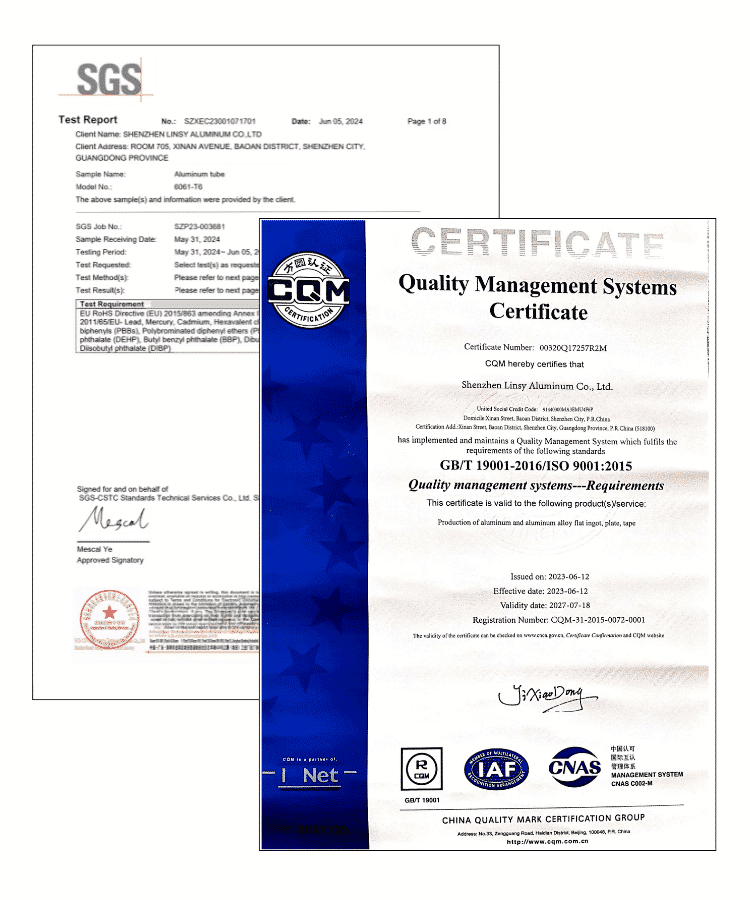
De kwaliteitscontrole bij Linsy omvat het hele proces, van de selectie van grondstoffen tot de inspectie van het eindproduct. Elke bestelling wordt geleverd met een MTC (Material Test Certificate) dat na de productie door Linsy Aluminum wordt afgegeven en waarin de resultaten van de chemische samenstelling en de mechanische eigenschappen van de betreffende partij zijn opgenomen.
Voor klanten die verificatie door een derde partij nodig hebben, zijn SGS-testrapporten op verzoek verkrijgbaar tegen extra testkosten. Beschikbare SGS-rapporten zijn onder meer:
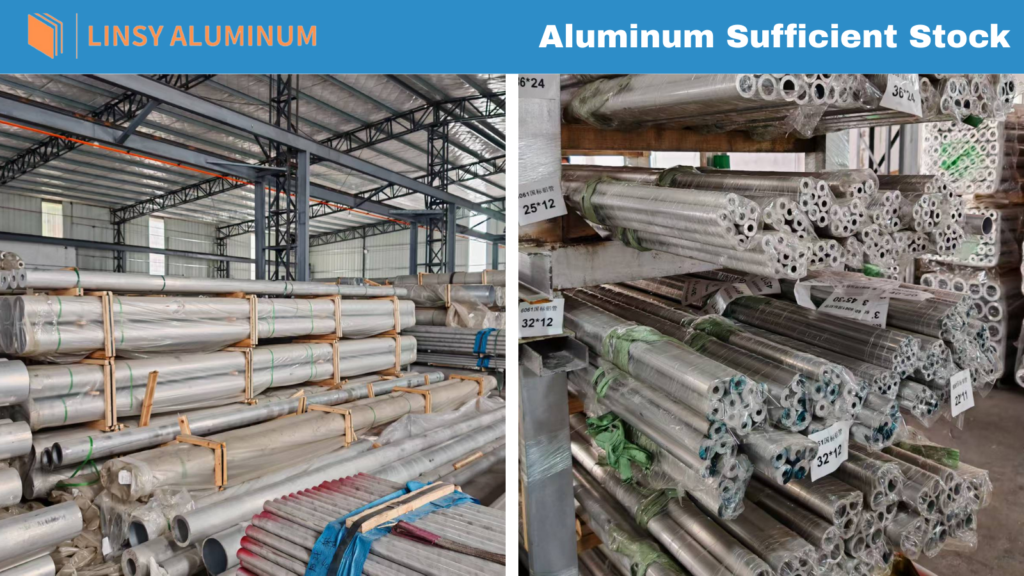
Linsy Aluminum is een in Shenzhen gevestigde aluminiumfabriek met meer dan 20 jaar industriële ervaring, die 4147 en andere legeringen uit de 1000–8000-serie levert aan klanten in de automobiel-, HVAC-, productie- en industriële sector.
Voor uw 4147 inkoop betekent dit:
Gebruik deze handleidingen om meer te leren over aluminium soldeervulmetalen:
4147 aluminium wordt voornamelijk gebruikt als soldeervulmetaal en bekledingslegering voor warmtewisselaars, radiatoren en HVAC-componenten. Het wordt ook gebruikt als TIG/MIG-vuldraad voor het lassen van 4xxx- en 6xxx-serie aluminium waar scheurweerstand belangrijk is.
4147 en 4047 zijn beide AlSi12-type legeringen met vrijwel identieke chemische samenstelling (11–13 gew.% silicium). 4047 is de meer gangbare aanduiding in las- en soldeernormen (bijv. AWS ER4047 / BAlSi-4), terwijl 4147 de aanduiding voor gewalste producten is. In de praktijk worden de twee legeringen vaak onderling uitwisselbaar gebruikt voor soldeer- en vu ltoepassingen.
Nee. 4147 is een vul- en hardsoldeerlegering, geen constructielegering. De treksterkte (130–160 MPa) is aanzienlijk lager dan die van constructiekwaliteiten zoals 6061-T6 (290+ MPa). 4147 mag niet worden gebruikt voor dragende toepassingen — de waarde ervan ligt in de soldeer- en verbindingseigenschappen.
Nee, 4147 is een niet-warmtebehandelbare legering. Het wordt geleverd in de O (gegloeid) of koudverstevigde toestand (H14, H24). De sterkte kan niet worden verhoogd door oplossingsgloeien en verouderen.
Veelvoorkomende toestanden zijn O (gegloeid) voor maximale ductiliteit en vervormbaarheid, H14 (halfhard) voor matige sterkte, en H24 (halfhard, na koudversteviging gegloeid) voor een balans tussen sterkte en vervormbaarheid.
4147 heeft een smal smelttraject van ongeveer 577–582°C, dicht bij de eutectische temperatuur van aluminium-silicium. Dit smalle traject maakt het een uitstekend hardsoldeermateriaal — het smelt en vloeit snel zonder overmatige warmteblootstelling aan de kernlegering.
Dit wordt niet aanbevolen. Het lassen van 5xxx-legeringen (met magnesium) met 4147 als toevoegmateriaal kan brosse Mg₂Si-precipitaten veroorzaken op het lasgrensvlak. Voor 5xxx-reeks basismetalen heeft men doorgaans de voorkeur voor 5356 of 5183 lasdraad.
Veelvoorkomende normen zijn ASTM B209 (plaat en rol), ISO 6361 (gewalst aluminium plaat/strip/rol), EN 573-3 (chemische samenstelling) en AWS A5.10/A5.10M (lasverbruiksartikelen, gerelateerde aanduiding ER4047).
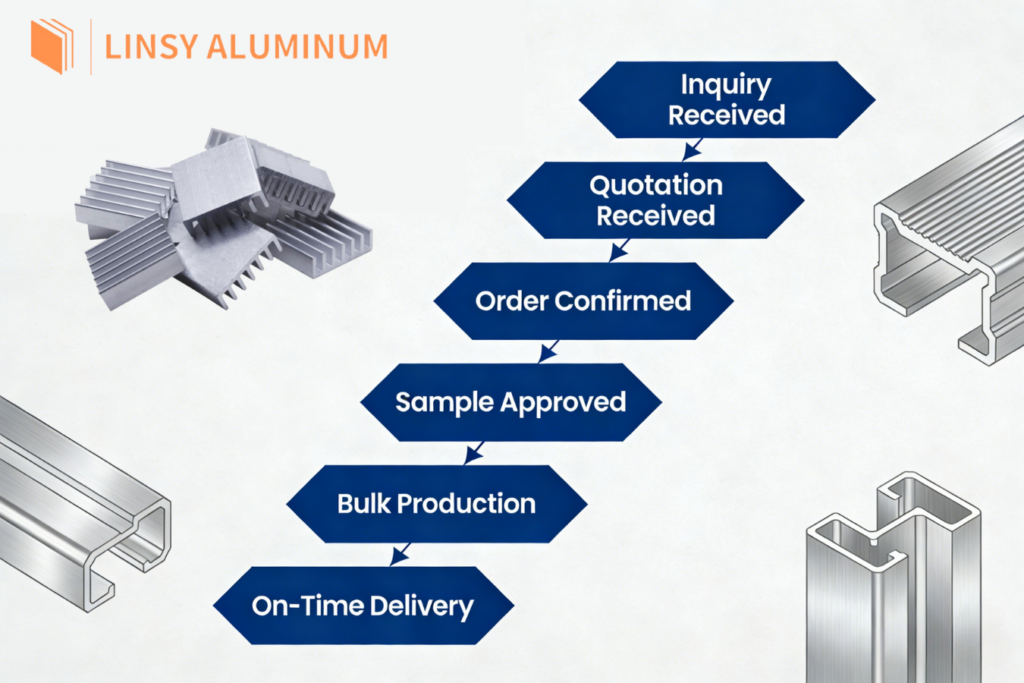
Voor niet-standaard maten of maatwerkspecificaties is de typische levertijd 10–60 dagen, afhankelijk van legering, afmetingen, verwerkingseisen en ordercomplexiteit. Standaardspecificaties uit voorraad kunnen sneller worden verzonden — neem contact op met ons team voor een specifieke offerte.
Linsy ondersteunt maatwerkproductie met lage minimale afnamehoeveelheid (MOQ) voor niet-standaard 4147 artikelen. De MOQ varieert per vorm, afmeting en verwerkingsomvang; deel uw vereisten en wij bevestigen de haalbaarheid.
Elke bestelling wordt verzonden met een MTC (Materiaal Test Certificaat), afgegeven door Linsy Aluminum na productie. Optionele SGS-testrapporten van derden zijn op verzoek beschikbaar tegen extra testkosten.
Ja, monsters kunnen worden geregeld voor de meeste standaard- en maatwerkspecificaties. De monstercost en levertijd zijn afhankelijk van de grootte en verwerkingseisen.
Linsy verzendt wereldwijd en heeft een gevestigd distributienetwerk in Europa, Zuid-Afrika, Brazilië, Singapore, Turkije, Japan, Zuid-Korea en Zuid-Azië.
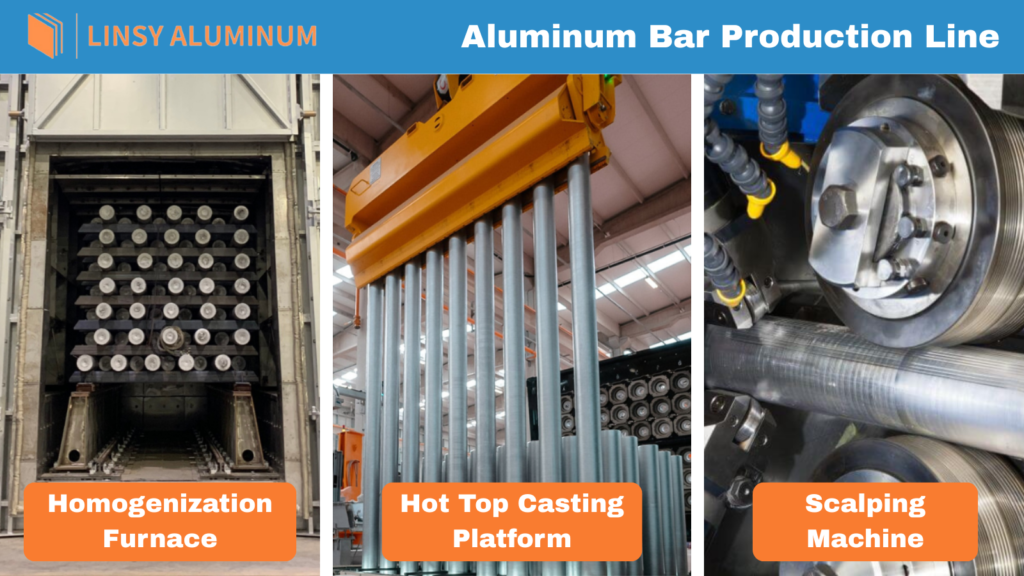
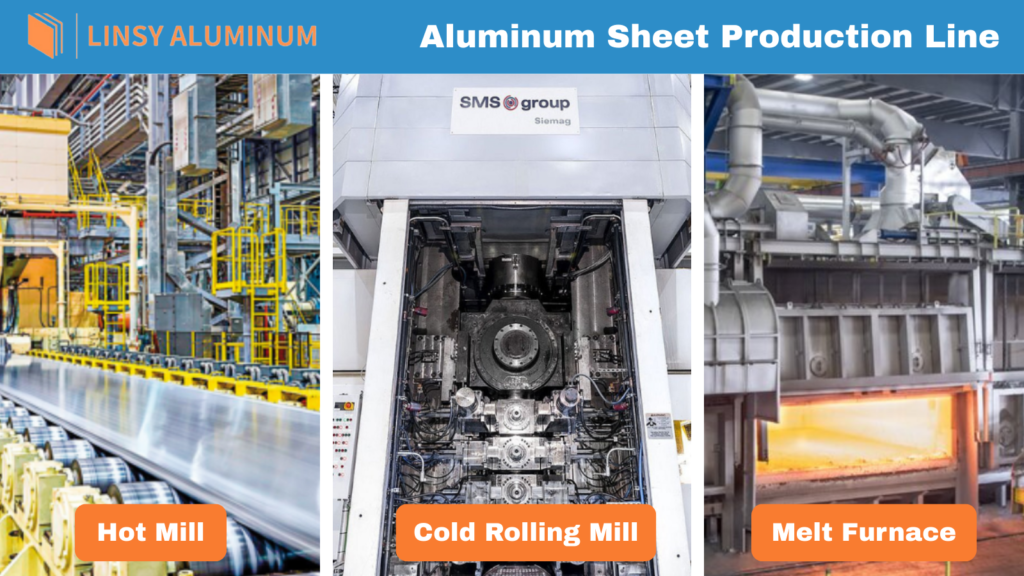
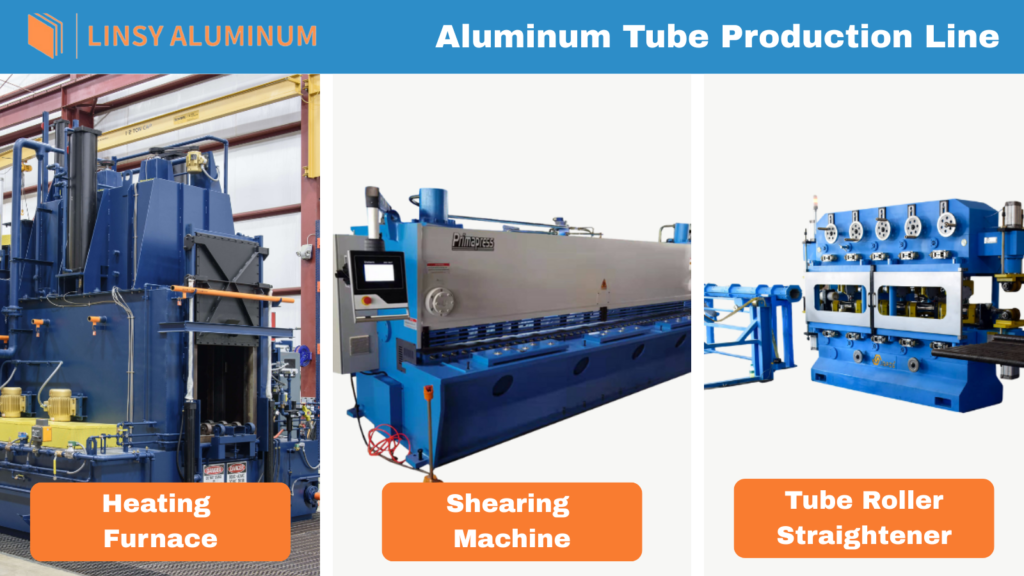
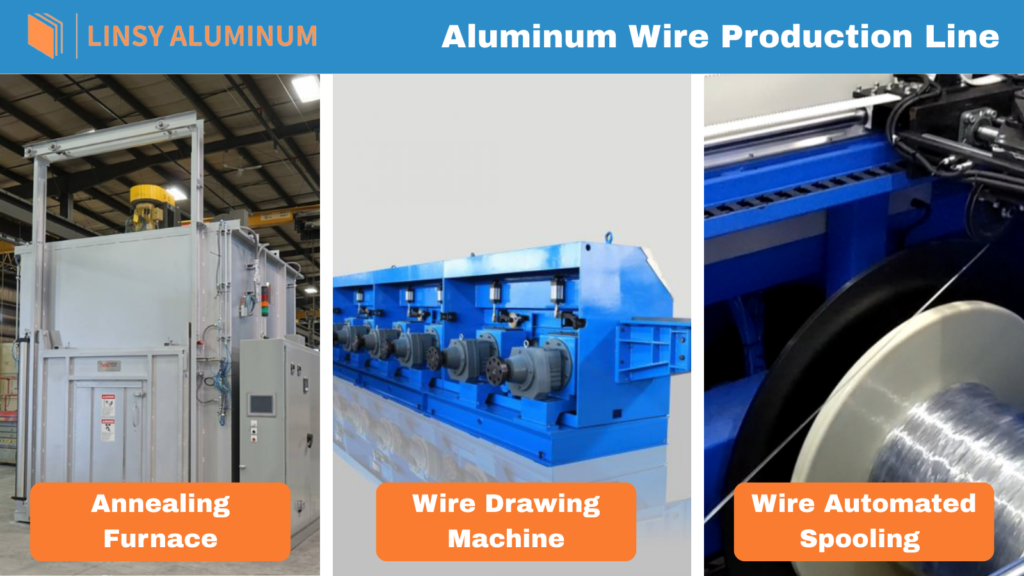
Linsy Voordelen
Linsy Aluminum is een toonaangevende leverancier van aluminiumverwerkingsproducten en levert aan diverse industrieën, waaronder de ruimtevaart, algemene machinebouw, automobielindustrie, scheepvaart, scheepsbouw en andere gespecialiseerde industriële toepassingen.
We zetten ons in om de hoogste kwaliteits- en milieunormen te handhaven, zoals blijkt uit onze certificeringen: ISO 9001:2008, ISO 14001:2004 en SGS.