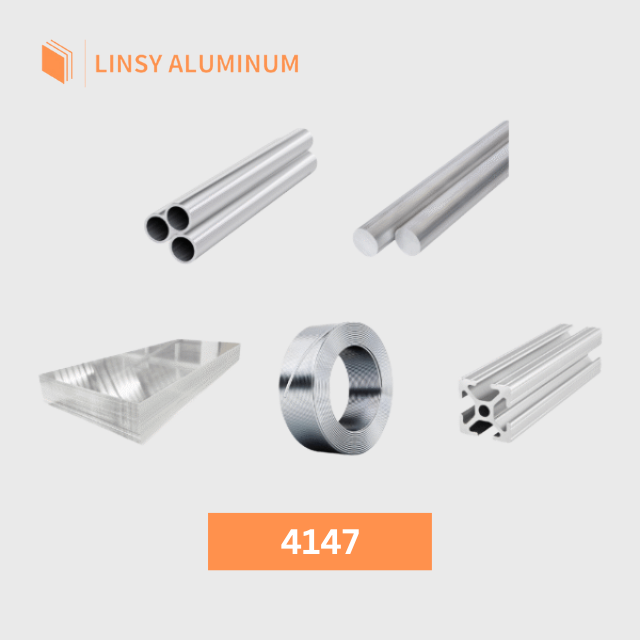



Stop aluminium 4147 (AlSi12 / EN AW-4147) to wysokokrzemowy, nieutwardzalny cieplnie stop aluminium z serii 4000, zaprojektowany przede wszystkim jako materiał wypełniający do lutowania twardego oraz materiał platerujący. Przy zawartości krzemu wynoszącej 11–13% oferuje wąski zakres temperatur topnienia, doskonałą płynność oraz niezawodne tworzenie połączeń w procesach lutowania próżniowego i piecowego. Firma Linsy dostarcza drut aluminiowy 4147, pręt wypełniający, blachę oraz taśmę w stanach O, H14 i H24, z możliwością dostosowania wymiarów oraz dostępnymi raportami MTC.
Dostępne formularze: drut / pręt wypełniający / blacha / taśma
Typowe temperamenty: O / H14 / H24
Wsparcie w zakresie przetwarzania: Obróbka CNC / cięcie laserowe / wykańczanie powierzchni
Dokumenty dotyczące jakości: Raport MTC dołączany do każdego zamówienia, badania SGS na życzenie
Stop aluminium 4147 (UNS A94147) to wysokokrzemowy, nieutwardzalny cieplnie stop aluminium z serii 4000, zawierający około 11–13% krzemu (AlSi12). W przeciwieństwie do stopów konstrukcyjnych, takich jak 6061 czy 7075, stop 4147 jest zaprojektowany przede wszystkim jako materiał wypełniający do lutowania twardego i spawania. Wysoka zawartość krzemu obniża temperaturę topnienia do wąskiego zakresu w pobliżu eutektyki aluminium-krzem (około 577–582°C), zapewniając doskonałą płynność, czysty przepływ oraz szczelne połączenia podczas lutowania twardego.
Stop 4147 jest ściśle powiązany ze stopem 4047 (oba są stopami typu AlSi12) i pełni tę samą podstawową funkcję: zapewnia niezawodny materiał wypełniający do łączenia elementów aluminiowych w procesach lutowania próżniowego, lutowania piecowego oraz spawania topiącego. Stop jest zazwyczaj dostarczany w stanie O (wyżarzony) lub w stanach z serii H i jest szeroko stosowany w produkcji wymienników ciepła, układach chłodzenia samochodowego oraz w zastosowaniach HVAC.
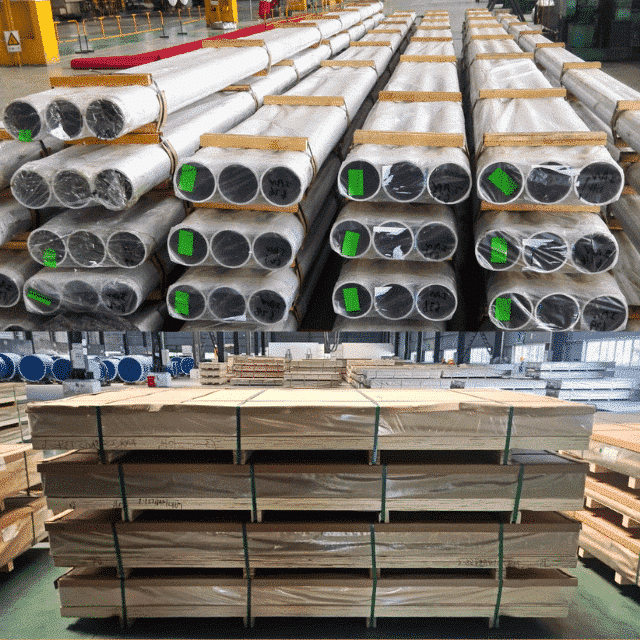
Firma Linsy dostarcza aluminium 4147 w formach produktowych najbardziej istotnych dla zastosowań lutowania twardego i wypełniania. Wymiary i tolerancje mogą być dostosowane do wymagań projektu.
| Formularz | Temperament | Średnica (mm) | Długość |
|---|---|---|---|
| Drut 4147 (szpula) | O, H14 | 1.2 – 5.0 | Zwój / Szpula |
| Pręt wypełniający 4147 (prosty) | O, H14 | 1.6 – 5.0 | 500 – 1000 mm |
| Formularz | Temperament | Grubość (mm) | Szerokość (mm) | Długość (mm) |
|---|---|---|---|---|
| Blacha / taśma 4147 | O, H14, H24 | 0.3 – 6.0 | 500 – 2600 | 500 – 16000 |
Blacha i taśma 4147 są powszechnie stosowane jako materiał platerujący — cienka warstwa stopu 4147 jest walcowana platerująco na rdzeń ze stopu (takiego jak 3003 lub 6951) w celu utworzenia blachy do lutowania twardego. Po podgrzaniu warstwa platerująca 4147 topi się i płynie, tworząc połączenie lutowane, podczas gdy stop rdzenia zachowuje swoją integralność strukturalną.
| System standardowy | Oznaczenie |
|---|---|
| UNS | A94147 |
| EN AW | EN AW-4147 / AlSi12 |
| ISO | Al Si12 |
| AA / SAE | 4147 |
| DIN (Niemcy) | 3.2581 / AlSi12 |
Powszechnie stosowane normy:
Typowe granice składu (wg Aluminum Association / norm EN, % wag.):
| Element | Min % | Maks. % |
|---|---|---|
| Krzem (Si) | 11.0 | 13.0 |
| Żelazo (Fe) | — | 0.8 |
| Miedź (Cu) | — | 0.3 |
| Mangan (Mn) | — | 0.15 |
| Magnez (Mg) | — | 0.10 |
| Cynk (Zn) | — | 0.20 |
| Inni, każdy | — | 0.05 |
| Pozostałe, ogółem | — | 0.15 |
| Aluminium (Al) | Równowaga | |
Stop 4147 jest stopem wypełniającym, a nie stopem konstrukcyjnym. Poniższe wartości przedstawiają typowe właściwości stopu 4147 w stanie wyżarzonym (O). Ponieważ stop 4147 nie jest utwardzalny cieplnie, właściwości mechaniczne nie różnią się znacząco między stanami — głównym kryterium wyboru jest podatność do formowania i wydajność lutowania twardego, a nie wytrzymałość na rozciąganie.
| Nieruchomość | Typowa wartość |
|---|---|
| Wytrzymałość na rozciąganie (Ultimate) | 130 – 160 MPa |
| Granica plastyczności (0,2%) | 55 – 90 MPa |
| Wydłużenie przy zerwaniu | 5 – 15 % |
| Moduł sprężystości | ≈ 69 GPa |
| Gęstość | ≈ 2,66 g/cm³ |
| Zakres topnienia (solidus – likwidus) | ≈ 577 – 582 °C |
Przy zawartości krzemu 11–13% stop 4147 jest bardzo zbliżony do składu eutektycznego aluminium-krzem (12,6% Si, 577°C). Daje to niezwykle wąski zakres temperatur topnienia wynoszący około 577–582°C, co oznacza, że stop przechodzi szybko ze stanu stałego w ciekły. Podczas lutowania twardego wąski zakres topnienia zapewnia czysty, kontrolowany przepływ i minimalizuje ryzyko erozji lub odkształcenia stopu rdzenia.
Wysoka zawartość krzemu zapewnia stopowi 4147 doskonałą płynność w stanie ciekłym. Pozwala to materiałowi wypełniającemu penetrować wąskie szczeliny połączeń, wnikać w spoiny na zasadzie działania kapilarnego i tworzyć jednolite, szczelne połączenia — co jest kluczowe dla rur wymienników ciepła i żeber chłodnic, gdzie integralność połączeń bezpośrednio wpływa na utrzymanie ciśnienia.
W zastosowaniach blach do lutowania twardego stop 4147 jest walcowany platerująco jako cienka warstwa (typowe 5–15% całkowitej grubości blachy) na konstrukcyjny stop rdzenia, taki jak 3003, 3005 lub 6951. Podczas lutowania piecowego lub próżniowego warstwa platerująca 4147 topi się i płynie, tworząc połączenia między warstwami, podczas gdy stop rdzenia o wyższej temperaturze topnienia zachowuje swój kształt i właściwości strukturalne.
Stop 4147 może być stosowany jako drut wypełniający do spawania GTAW (TIG) lub GMAW (MIG) elementów aluminiowych. Oferuje dobrą odporność na pękanie w porównaniu z materiałami wypełniającymi o niższej zawartości krzemu, szczególnie podczas spawania stopów bazowych z serii 4xxx lub 6xxx. Nie jest jednak zalecany do spawania stopów z serii 5xxx (zawierających magnez), ponieważ połączenie wysokiej zawartości krzemu i magnezu może prowadzić do tworzenia kruchych wydzieleń Mg₂Si na granicy spoiny.
Stop 4147 jest stosowany przede wszystkim jako materiał wypełniający do lutowania twardego oraz stop platerujący. Jego zastosowania koncentrują się w branżach opierających się na łączeniu aluminium z aluminium w systemach zarządzania termicznego:
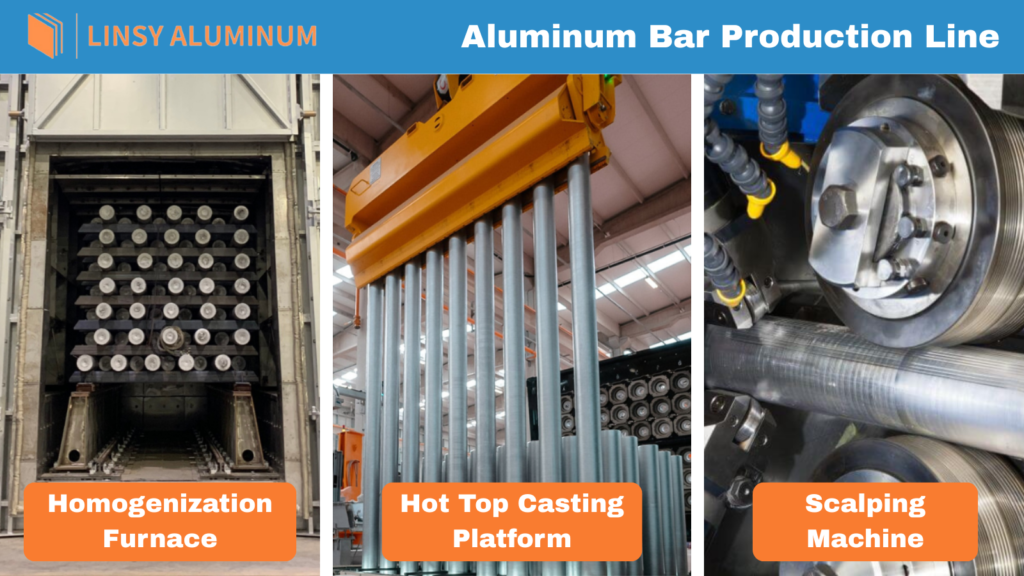
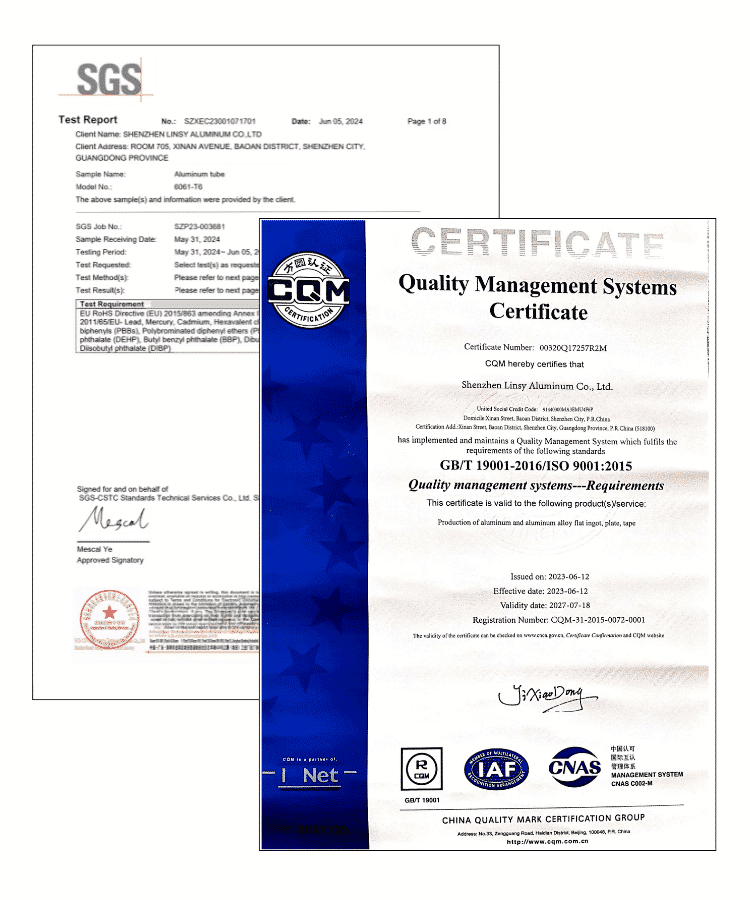
Kontrola jakości w firmie Linsy obejmuje cały proces — od wyboru surowców po kontrolę gotowego produktu. Do każdego zamówienia dołączany jest certyfikat badania materiału (MTC) wydany przez firmę Linsy Aluminum po zakończeniu produkcji, zawierający wyniki badań składu chemicznego i właściwości mechanicznych konkretnej partii.
Dla klientów, którzy wymagają weryfikacji przez niezależną jednostkę, raporty z badań SGS są dostępne na żądanie za dodatkową opłatą za badania. Dostępne raporty SGS obejmują:
Linsy Aluminum to huta aluminium z siedzibą w Shenzhen, z ponad 20-letnim doświadczeniem branżowym, dostarczająca stopy serii 4147 oraz innych serii 1000–8000 klientom z sektora motoryzacyjnego, HVAC, produkcyjnego i przemysłowego.
Dla Twoich zakupów stopu 4147 oznacza to:
Skorzystaj z tych przewodników, aby dowiedzieć się więcej o stopach wypełniających do lutowania aluminium:
Aluminium 4147 jest stosowane przede wszystkim jako materiał wypełniający do lutowania oraz stop platerujący do wymienników ciepła, chłodnic i elementów HVAC. Jest również używane jako drut wypełniający TIG/MIG do spawania aluminium serii 4xxx i 6xxx, gdzie istotna jest odporność na pękanie.
4147 i 4047 to oba stopy typu AlSi12 o niemal identycznym składzie chemicznym (11–13% krzemu). 4047 jest częściej przywoływanym oznaczeniem w normach spawalniczych i lutowniczych (np. AWS ER4047 / BAlSi-4), natomiast 4147 to oznaczenie wyrobu przerobionego plastycznie. W praktyce oba stopy są często stosowane zamiennie do lutowania i jako materiały wypełniające.
Nie. 4147 jest stopem wypełniającym i lutowniczym, a nie konstrukcyjnym. Jego wytrzymałość na rozciąganie (130–160 MPa) jest znacznie niższa niż w przypadku gatunków konstrukcyjnych, takich jak 6061-T6 (290+ MPa). Stopu 4147 nie należy stosować do zastosowań nośnych — jego wartość leży w wydajności lutowania i łączenia.
Nie, 4147 jest stopem nieutwardzalnym cieplnie. Dostarczany jest w stanie O (wyżarzony) lub umocnionym odkształceniowo (H14, H24). Wytrzymałości nie można zwiększyć poprzez przesycanie i starzenie.
Typowe stany to O (wyżarzony) dla maksymalnej ciągliwości i podatności do formowania, H14 (półtwardy) dla umiarkowanej wytrzymałości oraz H24 (półtwardy, wyżarzony po umocnieniu odkształceniowym) dla równowagi między wytrzymałością a podatnością do formowania.
Stop 4147 ma wąski zakres topnienia wynoszący około 577–582°C, co jest zbliżone do temperatury eutektycznej aluminium-krzem. Ten wąski zakres sprawia, że jest to doskonały materiał wypełniający do lutowania — topi się i płynie szybko, bez nadmiernego nagrzewania rdzenia stopu.
Nie jest to zalecane. Spawanie stopów serii 5xxx (zawierających magnez) z użyciem wypełniacza 4147 może prowadzić do powstawania kruchych wydzieleń Mg₂Si na granicy spoiny. W przypadku metali rodzimych serii 5xxx zazwyczaj preferowany jest drut wypełniający 5356 lub 5183.
Typowe normy obejmują ASTM B209 (blacha i płyta), ISO 6361 (przerobione plastycznie aluminium — blacha, taśma, płyta), EN 573-3 (skład chemiczny) oraz AWS A5.10/A5.10M (materiały spawalnicze, oznaczenie pokrewne ER4047).
Dla wymiarów niestandardowych lub specyfikacji specjalnych typowy czas realizacji wynosi 10–60 dni, w zależności od stopu, wymiarów, wymagań przetwarzania i złożoności zamówienia. Standardowe specyfikacje dostępne z magazynu mogą być wysyłane szybciej — skontaktuj się z naszym zespołem w celu uzyskania konkretnej wyceny.
Linsy wspiera produkcję niestandardową o niskim MOQ dla pozycji 4147 niedostępnych w magazynie. MOQ różni się w zależności od formy, wymiarów i zakresu obróbki; prosimy o przesłanie wymagań, a my potwierdzimy możliwość realizacji.
Każde zamówienie jest wysyłane z świadectwem MTC (Material Test Certificate) wystawionym przez Linsy Aluminum po produkcji. Opcjonalnie dostępne są raporty z badań niezależnej firmy SGS na życzenie klienta, za dodatkową opłatą.
Tak, próbki mogą być zorganizowane dla większości standardowych i niestandardowych specyfikacji. Koszt próbek i czas realizacji zależą od rozmiaru i wymagań przetwarzania.
Firma Linsy realizuje wysyłki na całym świecie, a jej sieć dystrybucji obejmuje Europę, Afrykę Południową, Brazylię, Singapur, Turcję, Japonię, Koreę Południową oraz Azję Południową.
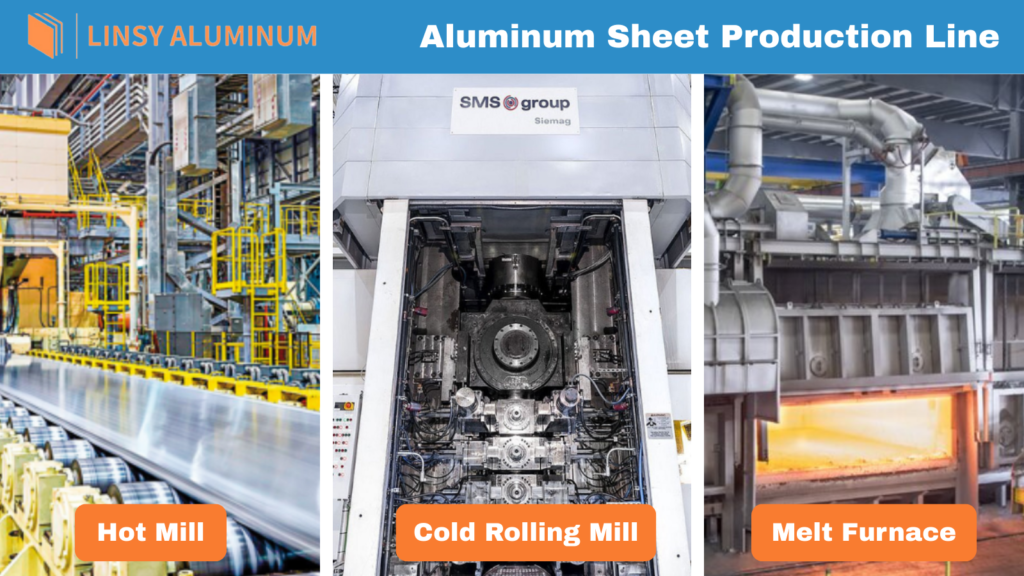
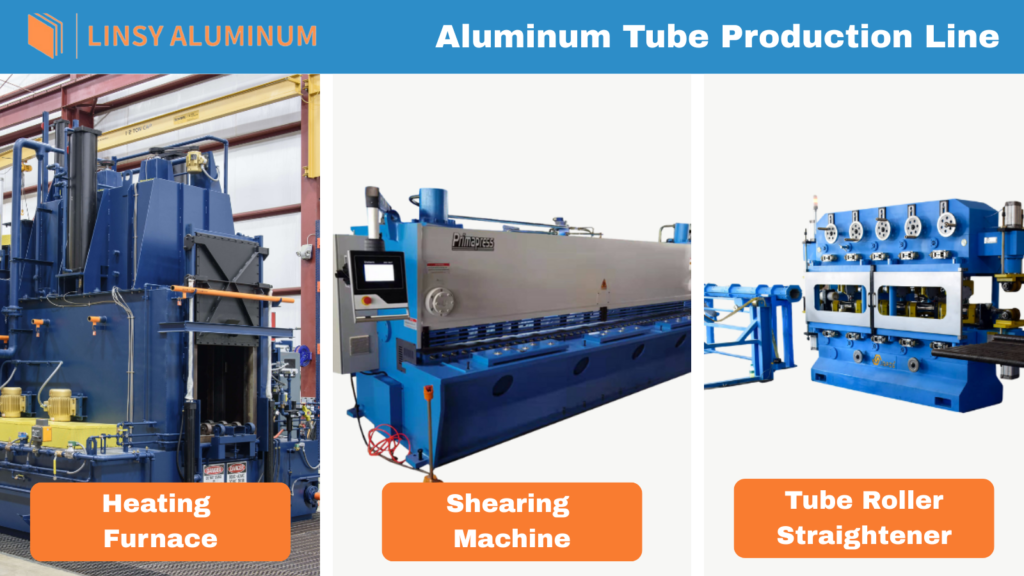
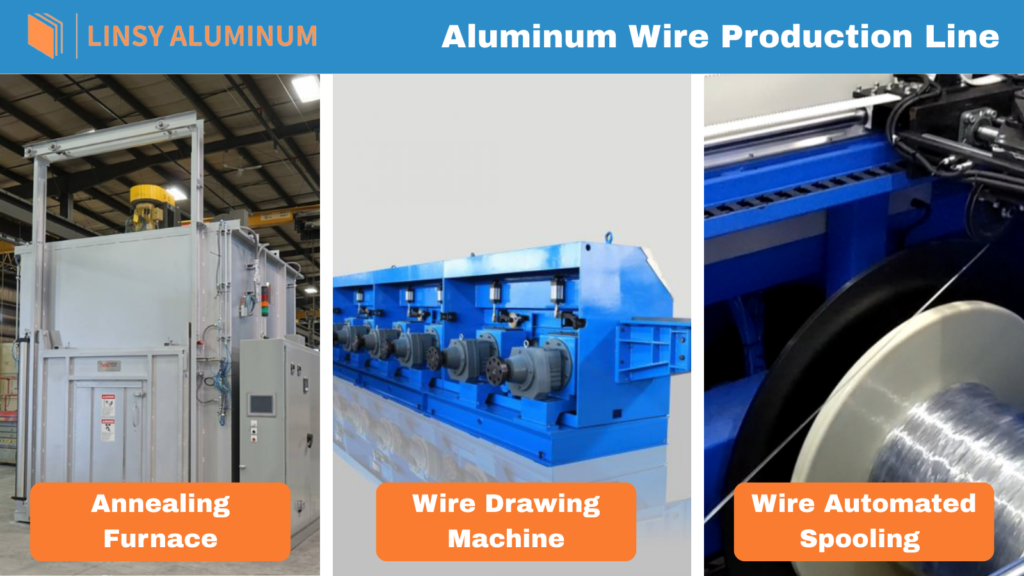
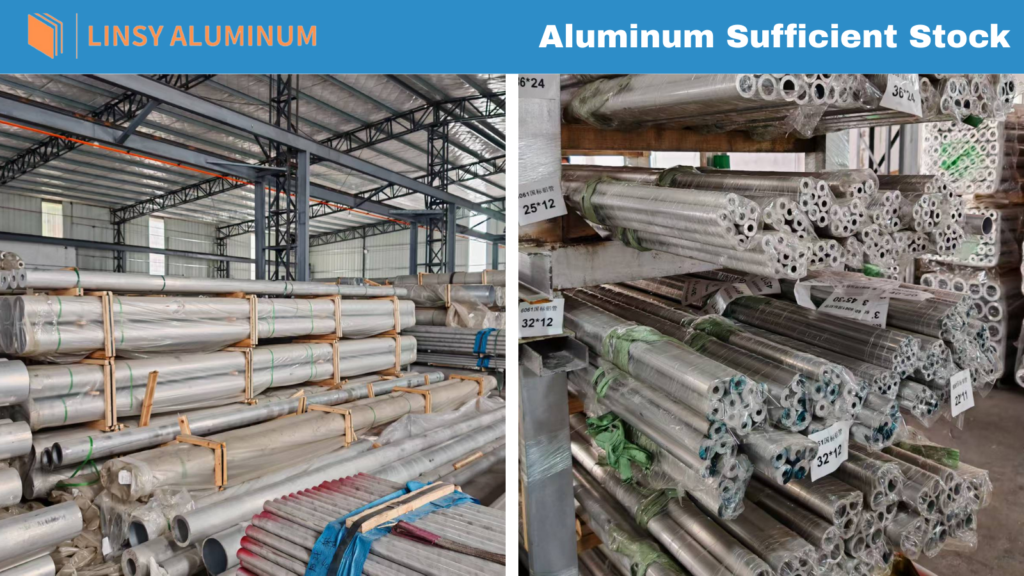
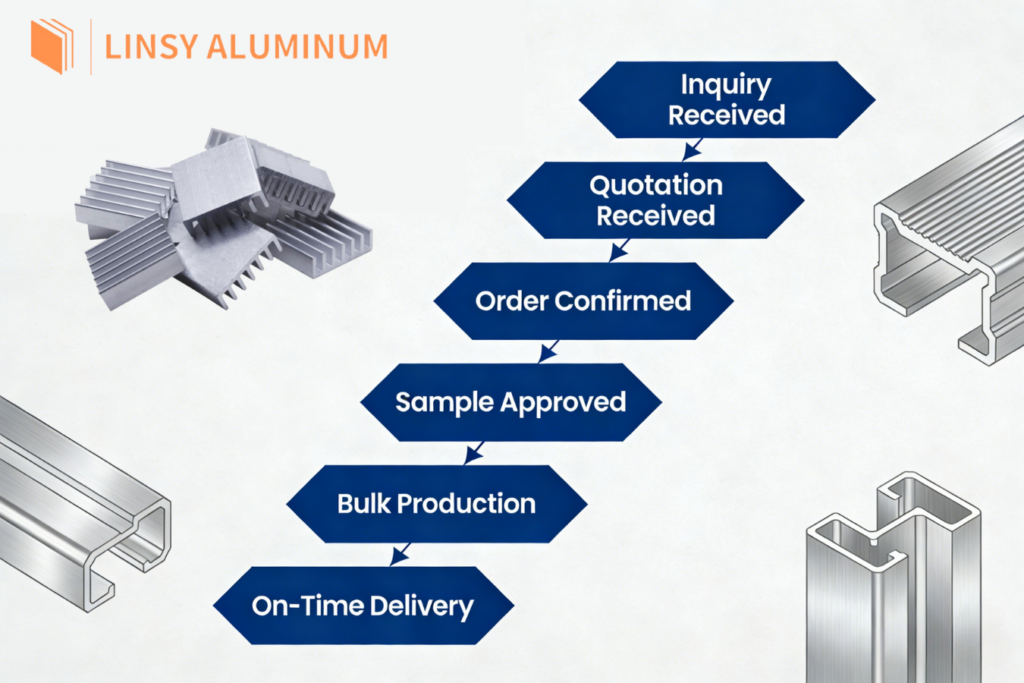
Zalety Linsy
Linsy Aluminium jest wiodącym dostawcą produktów do obróbki aluminium, obsługującym różne branże, w tym lotnictwo, inżynierię ogólną, motoryzację, przemysł morski, stoczniowy i inne specjalistyczne zastosowania przemysłowe.
Dążymy do utrzymania najwyższych standardów jakości i odpowiedzialności za środowisko, o czym świadczą nasze certyfikaty: ISO 9001:2008, ISO 14001:2004 oraz SGS.