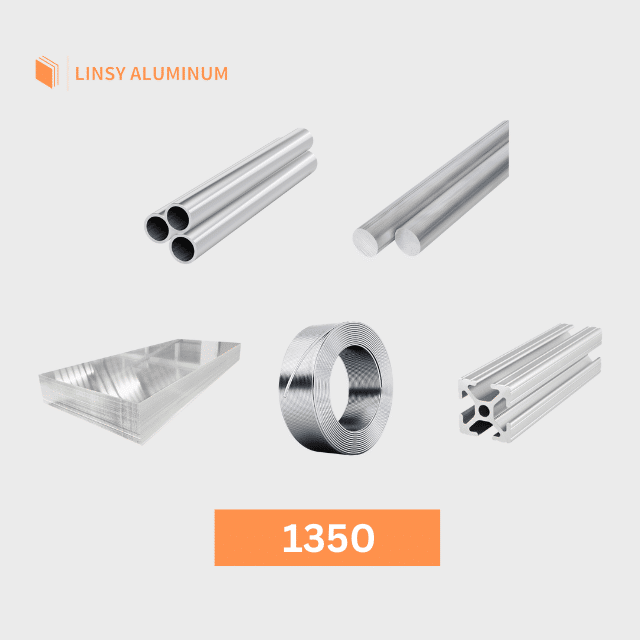
1350 알루미늄 합금

1350 aluminum alloy (UNS A91350) is a commercially pure aluminum grade with a minimum aluminum content of 99.5%. As a non-heat-treatable alloy supplied in strain-hardened tempers (O, H12, H14, H16, H18), 1350 offers excellent electrical conductivity (~62% IACS), good corrosion resistance, and high formability. Linsy supplies 1350 aluminum sheet, coil, plate, bar, tube, wire, and profiles in tempers O, H12, H14, H16, and H18, with custom sizes, surface finishing options, and MTC reports available for every order.

이용 가능한 양식: 판재 / 플레이트 / 코일 / 봉 / 튜브 / 와이어 / 형재
흔히 나타나는 기질: O / H12 / H14 / H16 / H18
처리 지원: CNC 가공 / 레이저 절단 / TIG 및 MIG 용접 / 양극 산화 처리 / 연마
품질 관련 문서: 모든 주문 시 MTC 보고서 제공, 요청 시 SGS 검사 실시

What Is 1350 Aluminum Alloy?

1350 aluminum alloy (UNS A91350) is a commercially pure aluminum grade with a minimum aluminum content of 99.5%. Classified as a 1000 series alloy, 1350 is not heat-treatable and derives its strength through strain hardening (H tempers). It is the primary alloy designation for electrical conductor applications in North America, offering excellent electrical conductivity—typically approximately 62% IACS in the H12 temper—along with good corrosion resistance and high formability. Linsy supplies 1350 aluminum in sheet, coil, plate, bar, tube, wire, and custom profiles in tempers O, H12, H14, H16, and H18, with MTC reports available for every order.

1350 is specified under several key standards including ASTM B230/B230M (aluminum 1350 drawn wire for electrical purposes), ASTM B233 (aluminum 1350 bus conductor), ASTM B609 (aluminum 1350 sheet and plate for electrical bus), and ASTM B491 (aluminum 1350 extruded tube for electrical bus). It is also designated as EN AW-1350 (Al99.5) under European standards.

Available 1350 Aluminum Products

Linsy supplies 1350 aluminum in the full range of standard and custom product forms. Length, width, and dimensional tolerances can be tailored to your project requirements. As 1350 is a pure aluminum grade supplied in strain-hardened tempers (O, H12, H14, H16, H18), typical applications favor formability and electrical conductivity over high mechanical strength.

1350 Aluminum Sheet & Coil

양식 성질 두께(mm) 너비(mm) 길이(mm)
1350 Sheet / Coil O, H12, H14, H16, H18 0.3 – 6.0 500 – 2600 500 – 16000

1350 Aluminum Plate

양식 성질 두께(mm) 너비(mm) 길이(mm)
1350 Plate O, H12, H14, H112 6.0 – 80 500 – 2600 500 – 16000

1350 Aluminum Bar

양식 성질 지름(mm) 길이(mm)
1350 Round Bar O, H12, H14 6 – 300 1000 – 6000

1350 Aluminum Tube

양식 성질 외경(mm) 벽 두께 (mm) 길이(mm)
1350 Tube O, H12 6 – 300 1 – 50 1000 – 6000

1350 Aluminum Wire

양식 성질 지름(mm) 무게/코일
1350 Wire / Rod O, H12, H14, H19 0.8 – 20 최소 50kg

참고: All dimensions can be customized. Contact us with your required specifications for a quotation.

1350 Aluminum Specifications & Equivalent Designations

표준 명칭
UNS A91350
AA (알루미늄 협회) 1350
EN (European) EN AW-1350 / Al99.5
ISO Al99.5
ASTM B230, B233, B609, B491
Common alternative names Al99.5, EC aluminum, electrical conductor aluminum

1350 알루미늄의 화학 성분

요소 콘텐츠(%)
알루미늄(Al) 99.50 min
실리콘(Si) 최대 0.10
철(Fe) 0.40 최대
구리(Cu) 최대 0.05
망간(Mn) 0.01 max
마그네슘(Mg) 0.01 max
아연(Zn) 최대 0.05
티타늄(Ti) 0.02 max
바나듐(V) 최대 0.05
갈륨(Ga) 0.03 max
기타(각) 0.03 max
기타(합계) 최대 0.10

The high aluminum content (99.5% minimum) is what gives 1350 its excellent electrical conductivity. Iron and silicon are the most significant impurities; their levels are controlled to maintain conductivity while allowing sufficient formability for drawing and forming operations.

열처리 상태에 따른 기계적 특성

성질 인장 강도(MPa) 항복 강도(MPa) 연신율 (%) 일반적인 사용
O(어닐링) 55 – 83 20 – 34 15 – 35 Maximum formability, busbar forming
H12 (1/4 hard) 90 – 110 70 – 95 5 – 15 Electrical busbars, general forming
H14 (1/2 hard) 110 – 130 90 – 110 3 – 8 Structural bus, stamped parts
H16 (3/4 hard) 125 – 150 105 – 125 2 – 5 Wire drawing stock, formed parts
H18 (Full hard) 150 – 180 125 – 145 1 – 3 Drawn wire, rigid bus supports

Electrical conductivity: Approximately 61.0 – 62.5% IACS (International Annealed Copper Standard) depending on temper and impurity levels. H12 temper is the most common condition for electrical bus conductor applications.

템퍼 선택 가이드

성질 주요 특징 최상의 대상
O Fully annealed, maximum ductility, lowest strength Complex forming operations, busbar bending
H12 1/4 hard, good balance of formability and strength, optimal electrical conductivity Electrical busbars, general electrical fabrication
H14 1/2 hard, higher strength with moderate formability Structural bus bars, stamped electrical components
H16 3/4 hard, good strength, limited formability Wire drawing preparation, rigid bus supports
H18 Full hard, highest strength, lowest ductility Drawn wire, final-form electrical conductors

Key Characteristics of 1350 Aluminum

Excellent Electrical Conductivity

1350 aluminum is the standard grade for electrical conductor applications in North America. With typical electrical conductivity of 61–63% IACS, it provides a cost-effective alternative to copper in power distribution, electrical bus systems, and transformer windings. The conductivity is optimized in the H12 temper, which is the standard supply condition for electrical bus applications.

내식성

As a pure aluminum grade, 1350 offers very good corrosion resistance in atmospheric and many chemical environments. A protective oxide layer forms naturally on the surface, providing long-term durability in indoor and outdoor electrical installations. For harsh environments, anodizing can provide additional protection.

성형성

1350 aluminum in the O and H12 tempers exhibits excellent formability. It can be bent, stamped, spun, and drawn without difficulty. This makes it well-suited for busbar fabrication, where complex bending operations are routinely required. The O temper provides maximum formability; H12 offers a practical balance for most busbar applications.

열처리 불가

1350 aluminum is a strain-hardening alloy. Strength is developed through cold working (H tempers), not heat treatment. This simplifies processing and allows for custom strain-hardened tempers to be specified for specific forming or strength requirements.

일반적인 애플리케이션

Industry / Sector 일반적인 애플리케이션 Why 1350 Is Used
Electrical Power Distribution Busbars, bus ducts, electrical switchgear components High electrical conductivity, good formability for busbar bending
Transformers Transformer windings, coil wire Consistent electrical properties, drawable to fine wire
Electrical Wiring Overhead conductor wire, building wire (in appropriate designs) Lightweight, good conductivity, lower material cost vs. copper
General Engineering Pins, rivets, fasteners, wire shapes, clips Good formability, corrosion resistance, low cost
열교환기 Fin stock, heat transfer plates Pure aluminum grade, good thermal conductivity

가공 및 표면 마감 참고 사항

Linsy provides in-house processing and surface treatment services for 1350 aluminum products. As a pure, non-heat-treatable alloy, 1350 is straightforward to process, but the following notes apply:

  • Cutting & Machining: 1350 machines well in H12–H18 tempers. CNC machining, laser cutting, and precision sawing are available for custom busbar and component fabrication.
  • Forming & Bending: O and H12 tempers offer excellent bend characteristics. Minimum bend radii should be confirmed for H14–H18 tempers to avoid cracking.
  • 용접: 1350 can be welded using TIG or MIG processes with 1350 or 4043 filler wire. As a non-heat-treatable alloy, weld strength is not reduced by heat-affected zone softening (unlike heat-treatable alloys). Post-weld annealing may be used to restore maximum ductility if required.
  • 양극 산화 처리: 1350 anodizes to a clear or slightly gray finish. As a pure grade, the anodized layer is uniform but may show minor variation due to impurity levels. For decorative anodizing, 1350 is less commonly specified than 5000 or 6000 series alloys.
  • Surface finish options: Mill finish (standard), anodized, polished, PVC protective film. Powder coating (RAL 9016) is available on request.

품질 문서 및 검사

Linsy issues an MTC (Material Test Certificate) report with every 1350 aluminum order, documenting chemical composition, mechanical properties, and dimensional inspection results. The following additional quality documents are available:

  • MTC report: Issued per order, includes composition analysis and mechanical test results.
  • SGS test reports: Available on request (additional testing cost applies). Available report types include SGS Chemical Composition Report, SGS Mechanical Properties Report, SGS Dimensional Inspection Report, and SGS RoHS + REACH Report.
  • Dimensional inspection: Full dimensional reports available for precision busbar and custom-machined components.
  • Traceability: Material traceability is maintained from raw aluminum ingot to finished product.

Why Choose Linsy for 1350 Aluminum

Linsy Aluminum is a Shenzhen-based aluminum factory with more than 20 years of industry experience. We specialize in supplying a full range of aluminum alloys in standard and custom specifications, with particular capability in pure aluminum grades for electrical and general engineering applications.

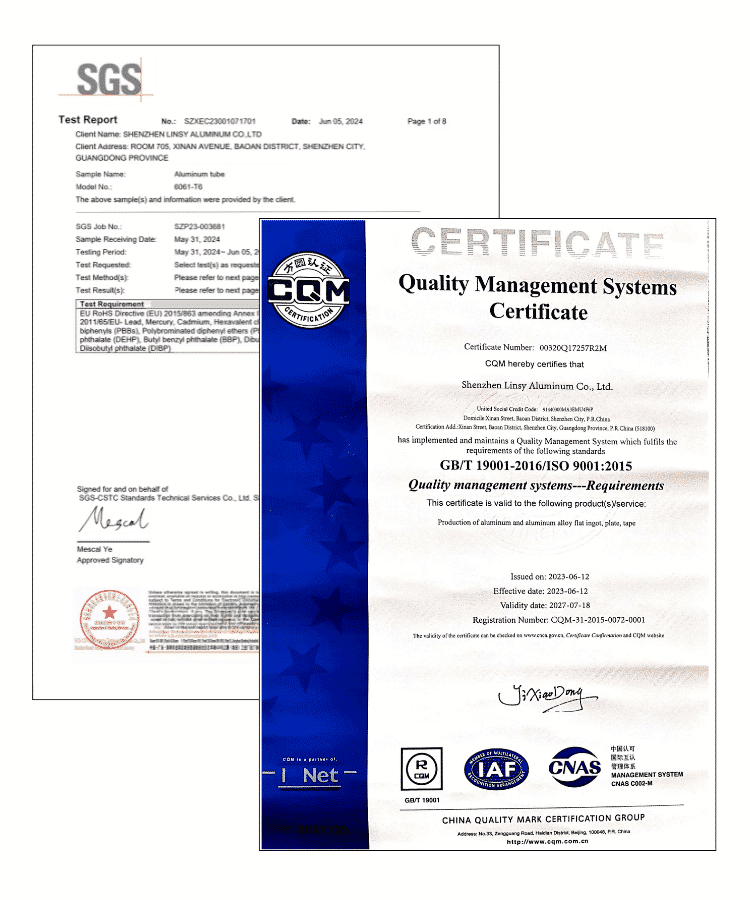
  • ISO-certified quality: Linsy operates under ISO 9001, ISO 14001, and ISO 45001 certified management systems.
  • Broad product coverage: 1350 aluminum is supplied in sheet, coil, plate, bar, tube, wire, and custom profiles to match your project requirements.
  • Custom sizes and tempers: Low-MOQ custom production is available for non-stock items, with typical lead time of 10–60 days depending on alloy, dimensions, and processing requirements.
  • In-house processing: CNC machining, laser cutting, TIG and MIG welding, anodizing, polishing, and PVC film application are available in-house to support finished-component supply.
  • 품질 관련 문서: MTC report provided with every order. SGS test reports are available on request.
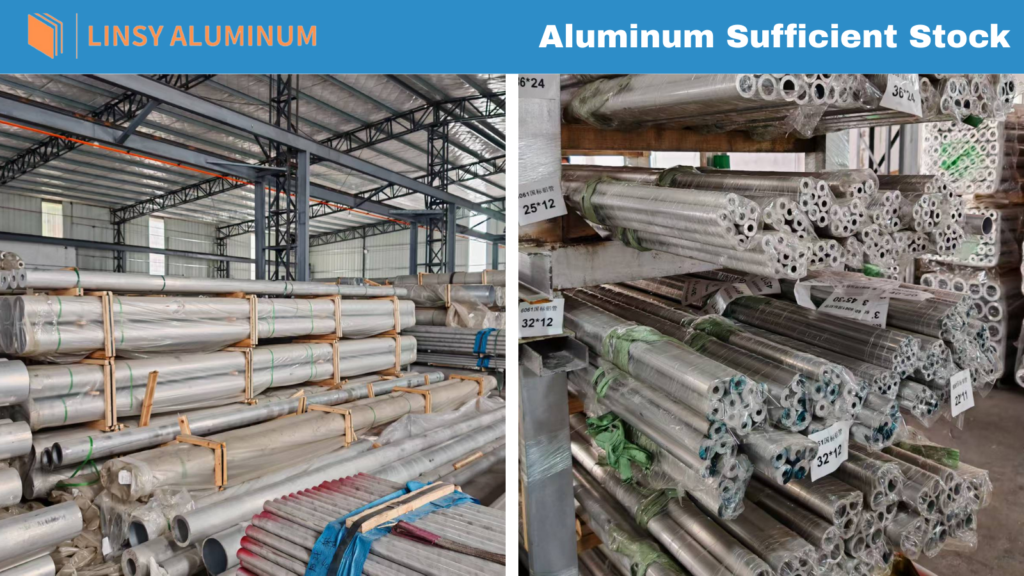
  • Inventory and delivery: Broad stock coverage across multiple product forms, with faster response for common specifications and project purchasing requirements.

관련 자료

Learn more about 1350 aluminum properties and applications in our detailed guide:

1350 Aluminum FAQ

What is 1350 aluminum alloy used for?
1350 aluminum is primarily used for electrical applications including busbars, transformer windings, and electrical conductor wire. It is also used for pins, rivets, fasteners, and general engineering components where high formability and corrosion resistance are required rather than high strength.
Is 1350 aluminum heat-treatable?
No. 1350 is a non-heat-treatable, commercially pure aluminum alloy. Strength is developed through strain hardening (H12, H14, H16, H18 tempers) or by supplying in the fully annealed O temper for maximum formability.
What is the electrical conductivity of 1350 aluminum?
1350 aluminum typically offers electrical conductivity of 61–63% IACS (International Annealed Copper Standard), depending on temper and impurity levels. The H12 temper is the standard condition for electrical bus conductor applications and provides optimal conductivity.
What tempers are available for 1350 aluminum?
Linsy supplies 1350 aluminum in O (annealed), H12 (1/4 hard), H14 (1/2 hard), H16 (3/4 hard), and H18 (full hard) tempers. H12 is the most common temper for electrical busbar applications.
Can 1350 aluminum wire be drawn to fine sizes?
Yes. 1350 is the standard alloy for aluminum electrical wire and is readily drawable to fine wire sizes. Linsy supplies 1350 wire in diameters from 0.8 mm to 20 mm in O, H12, H14, and H19 tempers.
Do you provide MTC for 1350 aluminum orders?
Yes. Linsy issues an MTC (Material Test Certificate) report with every order, documenting chemical composition, mechanical properties, and dimensional inspection results. SGS test reports are available on request with additional testing cost.
What is the difference between 1350 and 1100 aluminum?
Both are pure aluminum grades, but 1350 is specifically controlled for electrical conductivity (max Si 0.10%, max Cu 0.05%) and is the standard grade for electrical applications. 1100 allows higher Si and Cu and is more commonly used for general sheet metal and forming applications where electrical conductivity is not the primary requirement.
Can 1350 aluminum be welded?
Yes. 1350 can be welded using TIG or MIG welding processes. Recommended filler wires are 1350 (for like-alloy welding) or 4043 (for improved crack resistance in some joint designs). As a non-heat-treatable alloy, welding does not cause heat-affected zone strength loss.

주문 관련 일반적인 자주 묻는 질문

What is the minimum order quantity (MOQ) for 1350 aluminum?
Linsy supports low-MOQ custom production for non-stock items. Standard in-stock sizes are available with flexible order quantities. Contact us with your requirements for a specific MOQ.
What is the typical lead time for custom 1350 aluminum orders?
Typical custom lead time is 10–60 days, depending on alloy, dimensions, processing requirements, and order complexity. In-stock standard sizes can be delivered faster.
Can I request a sample before placing a full order?
Yes. Sample pieces or small trial orders are available. Please contact our sales team to discuss your sampling requirements.
What payment methods does Linsy accept?
Linsy accepts T/T, L/C, and other standard international payment methods. Specific terms can be confirmed during quotation.
Does Linsy ship internationally?
Yes. Linsy supplies aluminum products to customers in Europe, South Asia, the Middle East, and other global markets. Shipping terms and incoterms can be specified during ordering.

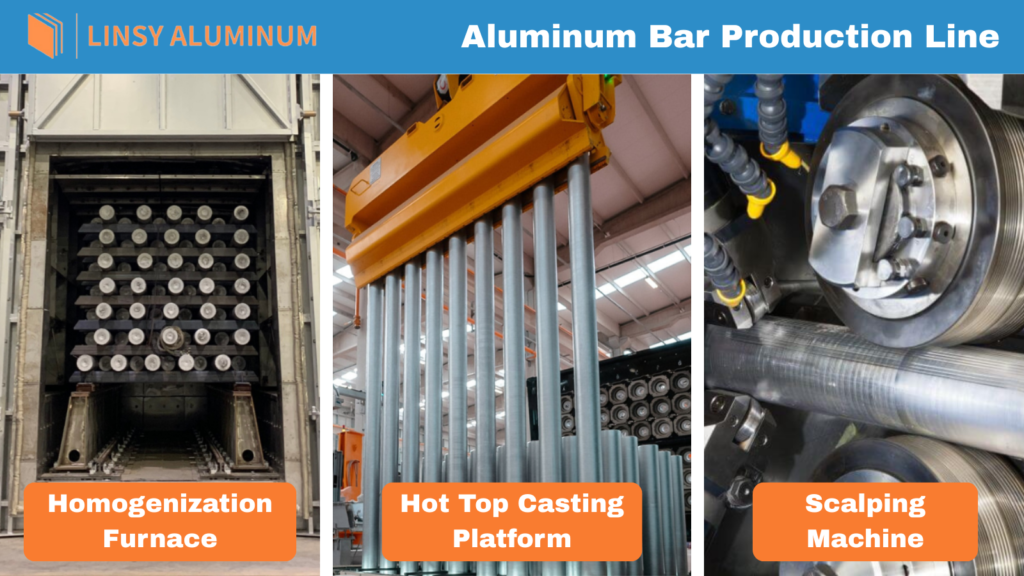
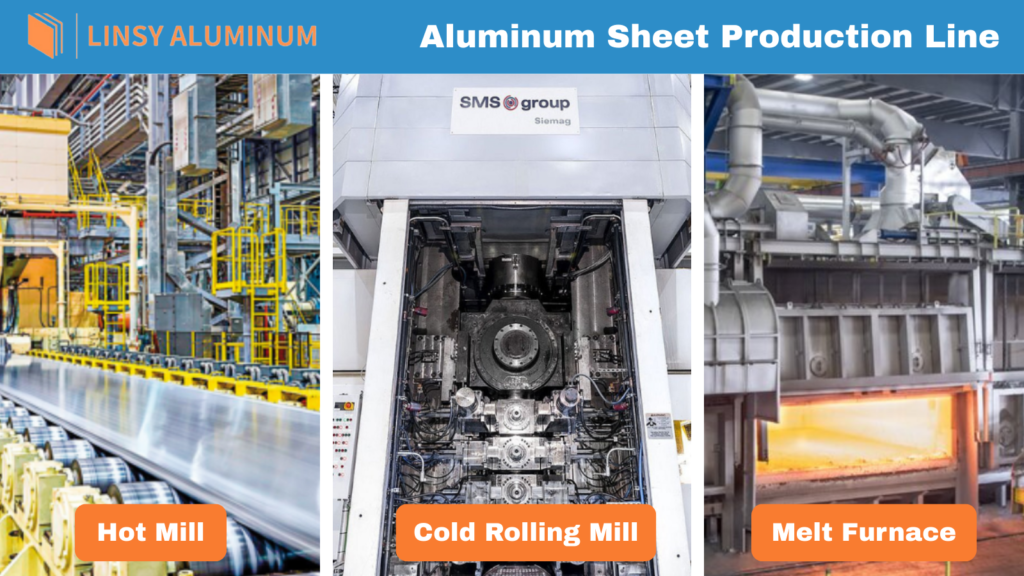
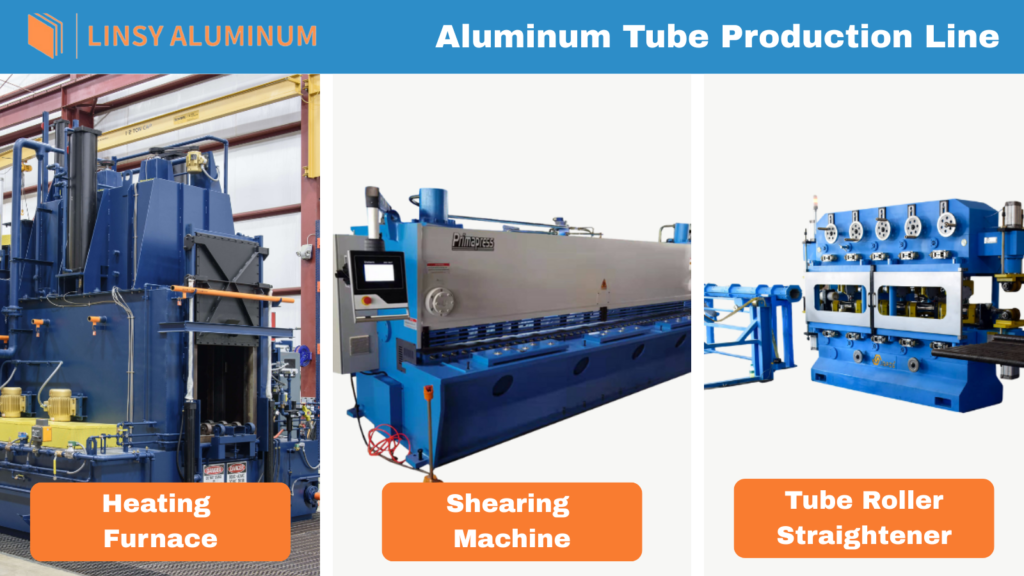
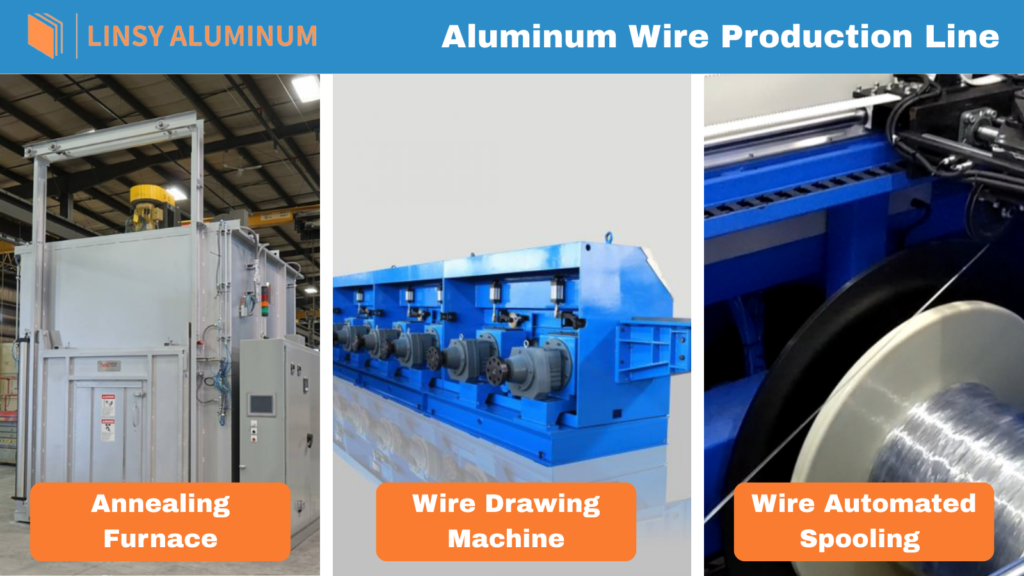
생산 장비

인증

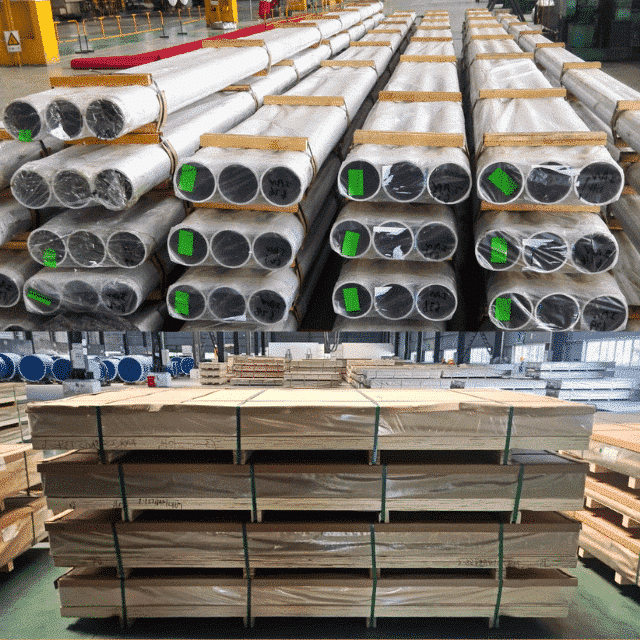
창고 및 재고

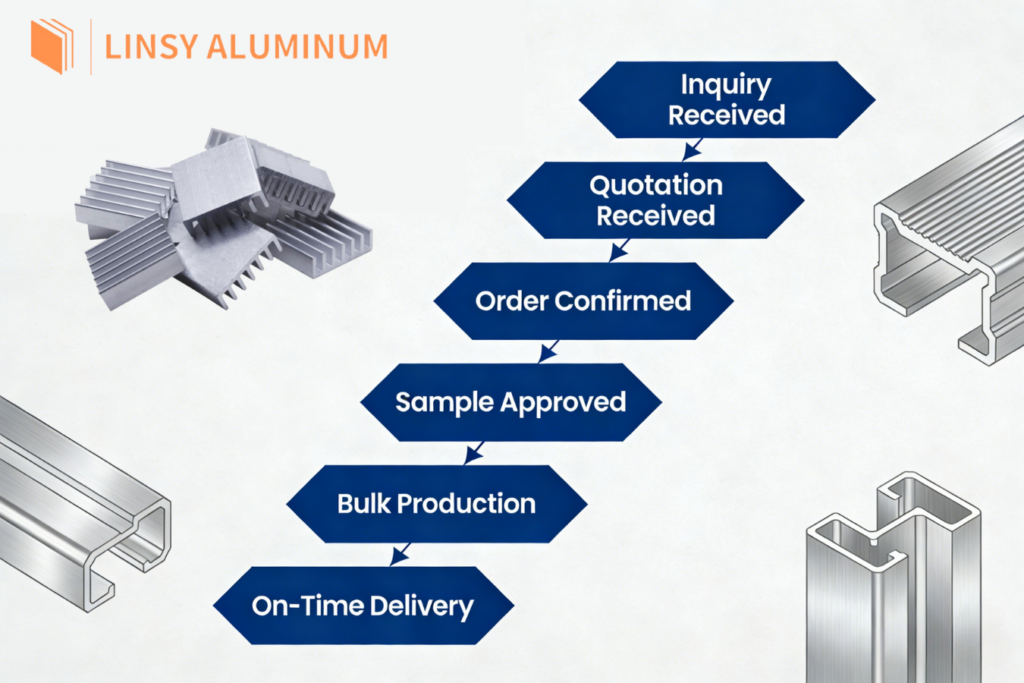
주문 프로세스

린시의 장점

린시 알루미늄은 항공우주, 일반 엔지니어링, 자동차, 해양, 조선 및 기타 특수 산업 분야를 포함한 다양한 산업 분야에 서비스를 제공하는 알루미늄 가공 제품의 선도적인 공급업체입니다.

당사는 인증에서 알 수 있듯이 최고 수준의 품질과 환경적 책임을 유지하기 위해 최선을 다하고 있습니다: ISO 9001:2008, ISO 14001:2004 및 SGS.
오늘 양식을 등록하세요! 린시 알루와 함께 프리미엄 알루미늄 솔루션을 만나보세요.

WhatsApp 전화