5056 알루미늄 합금

5056 알루미늄 합금 (EN AW-5056 / AlMg5) is a high-magnesium wrought alloy in the 5xxx series, containing 4.5–5.6% Mg for superior corrosion resistance in marine and industrial environments. Linsy Aluminum supplies 5056 in sheet, plate, bar, tube, profile, and wire forms across O, H32, H34, H38, and H111 tempers, with custom dimensions cut to specification. The alloy is widely specified for rivets, welded marine structures, pressure vessels, and chemical equipment where a non-heat-treatable, weldable material with reliable strength is required. Every order ships with a mill test certificate (MTC), and SGS third-party test reports are available on request.

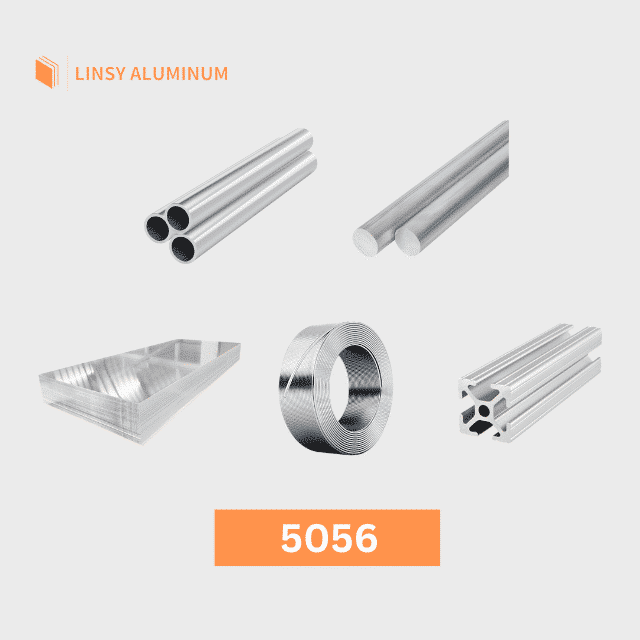
이용 가능한 양식: sheet / coil / plate / bar / tube / wire / profile
흔히 나타나는 기질: O / H32 / H34 / H38 / H111
처리 지원: CNC machining / laser cutting / TIG & MIG welding / polishing / anodizing
품질 관련 문서: 모든 주문 시 MTC 보고서 제공

What Is 5056 Aluminum Alloy?

5056 알루미늄 합금 is a wrought aluminum-magnesium alloy in the 5xxx series with a nominal magnesium content of 5.0% (range 4.5–5.6%). Its European designation is EN AW-5056 또는 AlMg5, reflecting the high Mg content that gives it outstanding corrosion resistance — particularly in seawater and chloride-rich environments. Unlike the 2xxx, 6xxx, and 7xxx series, 5056 is a 열처리 불가 alloy: its strength is developed through cold working (strain hardening), and tempers carry an H-prefix (H32, H34, H38, etc.).

Compared to the more common 5052 (2.2–2.8% Mg), 5056 offers roughly 15–20% higher tensile strength at equivalent cold-work levels, along with a stronger resistance to alkaline and marine corrosion. Compared to 5083 (4.0–4.9% Mg), 5056 sits slightly higher in magnesium content and is frequently chosen for rivet stock and wire applications where 5083 is less common. It is not intended for structural aerospace applications — for those, 2024 or 7075 are preferred — but it remains a staple alloy in marine hardware, pressure vessels, chemical tanks, and industrial wire products.

Available 5056 Aluminum Products

Linsy stocks and supplies 5056 aluminum in the following product forms. Custom dimensions are available on request with lead times typically ranging from 10 to 60 days for non-standard sizes.

5056 Aluminum Sheet & Coil

5056 sheet and coil are produced to ASTM B209 and EN 485 standards. Standard tempers include O (annealed) for deep-drawing applications and H32/H34 for general service. Coil widths up to 2,600 mm are available for high-volume slitting and blanking programs.

합금 성질 두께(mm) 너비(mm) 길이(mm)
5056 Sheet O, H32, H34, H111 0.5–6.0 500–2,600 1,000–6,000
5056 Coil O, H32, H34 0.5–4.0 500–2,600 Coil

5056 Aluminum Bar

5056 round and square bar stock is suitable for machined components in marine and chemical processing equipment. Standard lengths are 1,000–6,000 mm with optional cut-to-length service.

합금 성질 Diameter / Width (mm) 길이(mm)
5056 Round Bar O, H32, H34, H111 3–200 1,000–6,000
5056 Square Bar O, H32, H34, H111 6–150 1,000–6,000

5056 Aluminum Tube

5056 round and square tube is supplied in O, H32, H34, and H111 tempers. Tube is produced to ASTM B210 / EN 754 standards. Wall thickness can be specified separately for round tube; square tube dimensions are given as outer dimensions.

합금 성질 Outer Diameter / Side (mm) 길이(mm)
5056 Round Tube O, H32, H34, H111 6–200 1,000–6,000
5056 Square Tube O, H32, H34, H111 10–150 1,000–6,000

5056 알루미늄 와이어

5056 is one of the most important wire alloys in the 5xxx series, primarily used for rivet manufacturing. Wire is drawn to tight diameter tolerances (±0.02 mm) and supplied in coils with a minimum weight of 50 kg per coil. The alloy’s combination of high shear strength and good cold-heading characteristics makes it the preferred material for aluminum structural rivets.

합금 성질 지름(mm) 중량 / 코일 Tolerance
5056 Wire O, H32, H34, H111 0.8–12.0 최소 50kg ±0.02 mm

5056 Aluminum Profile & Custom Forms

Custom extruded profiles, flat bar, and cut-to-size plate in 5056 are available by enquiry. Contact our sales team with your drawing or specification for a quote.

5056 Aluminum Specifications & Equivalent Designations

5056 is recognized under multiple national and international standards. The table below lists the most commonly referenced equivalent designations.

표준 명칭
EN (European) EN AW-5056 / Al Mg5
UNS (USA) A95056
ISO Al Mg5
JIS (일본) A5056
DIN (Germany, superseded) AlMg5
BS (UK, superseded) N5

Applicable product standards include:

  • ASTM B209 / B209M — Sheet and plate
  • ASTM B210 / B210M — Drawn seamless tube
  • ASTM B211 / B211M — Bar, rod, and wire
  • EN 485 — Sheet, strip, and plate
  • EN 754 — Cold-drawn rod, bar, and tube
  • EN 573-3 — Chemical composition

Chemical Composition of 5056 Aluminum

The chemical composition of 5056 aluminum alloy conforms to EN 573-3 and ASTM B209 requirements. The table below shows the nominal composition limits in weight percent.

요소 Content (wt %)
실리콘(Si) 0.30 Max
철(Fe) 0.40 최대
구리(Cu) 0.10 최대
망간(Mn) 0.05–0.20
마그네슘(Mg) 4.5–5.6
크롬(Cr) 0.05–0.20
아연(Zn) 0.10 최대
티타늄(Ti) 최대 0.15
Others, Each 0.05 최대
Others, Total 최대 0.15
알루미늄(Al) 잔액

Mechanical Properties of 5056 Aluminum by Temper

Mechanical properties vary significantly with temper condition. The table below shows typical tensile and hardness values for the most commonly supplied 5056 tempers. Values are representative for sheet and plate products per ASTM B209; wire and tube properties may differ slightly under their respective product standards.

성질 인장 강도(MPa) 항복 강도(MPa) 연신율 (%) 경도(HB)
O(어닐링) 290 152 35 65
H32 (Strain-hardened, 1/4 hard) 315 228 25 85
H34 (Strain-hardened, 1/2 hard) 345 283 15 95
H38 (Strain-hardened, full hard) 414 345 7 105
H111 (Annealed & slightly strain-hardened) 305 180 30 75

참고: Actual mechanical properties will vary with product form (sheet, plate, bar, tube, wire) and section thickness. For critical applications, request a material test certificate with lot-specific values. H38 and H18 tempers are typically available only in thin-gauge sheet and wire products. The values above represent typical mid-range properties; minimum guaranteed values per applicable ASTM or EN standards may be lower.

5056 Temper Selection Guide

Choosing the right temper for 5056 aluminum depends on your forming, strength, and service requirements. Because 5056 is non-heat-treatable, temper selection controls the trade-off between formability and strength.

성질 Recommended For 성형성 대표적인 사용 사례
O Maximum ductility and deep drawing 우수 Spun parts, deep-drawn pressure vessel heads, complex formed components
H32 Moderate forming with good strength Good Marine panels, welded tanks, general sheet metal work
H34 Higher strength, limited forming 공정 Structural brackets, machine frames, boat hull stiffeners
H38 Maximum strength, minimal forming Limited Rivet wire, spring components, high-wear guides
H111 Annealed with slight stiffening for flatness 매우 좋음 Welded fabrications where post-weld strength recovery is not required

Important: Welding will reduce strength in the heat-affected zone for all strain-hardened tempers (H32, H34, H38). For welded structures, design to the O-temper properties in the weld region, or specify a post-weld stress-relief treatment. The H111 temper is often preferred for welded assemblies because it starts close to the annealed condition and minimizes property mismatch across the weld zone.

Key Characteristics of 5056 Aluminum

뛰어난 내식성

The 4.5–5.6% magnesium content in 5056 provides exceptional resistance to seawater, salt spray, and alkaline industrial environments. It outperforms 5052 and most 6xxx alloys in marine atmospheric exposure. 5056 does not require cladding or protective coatings for most service conditions, though anodizing can further enhance surface durability and appearance. Unlike some 5xxx alloys with lower Mg content, 5056 also resists corrosion in mildly alkaline chemical environments such as soap and detergent processing lines.

뛰어난 용접성

5056 is readily weldable by TIG (GTAW) and MIG (GMAW) processes using 5356 or 5183 filler wire. The alloy’s high magnesium content means it retains good post-weld corrosion resistance even without post-weld heat treatment — a significant advantage over heat-treatable alloys like 6061, where the weld zone strength can drop substantially. 5056 welds are generally free of hot-cracking susceptibility when proper filler selection and joint design are used. Resistance spot welding and seam welding are also feasible.

Good Strength-to-Weight Ratio (Non-Heat-Treatable)

In the H34 temper, 5056 achieves approximately 345 MPa tensile strength at a density of 2.66 g/cm³, yielding a specific strength comparable to some mild steels at roughly one-third the weight. It will not match the strength of heat-treated 7075 or 2024, but for applications where weldability and corrosion resistance are the primary concerns, 5056 delivers a well-balanced performance profile. The alloy maintains useful strength at moderately elevated temperatures up to approximately 150°C.

Superior Cold-Working and Riveting Characteristics

5056 is widely specified as a rivet alloy because it combines high shear strength (approximately 220 MPa in H34 temper) with excellent cold-heading ductility. Rivets made from 5056 wire can be driven in the as-received H34 condition without cracking, making it the standard choice for aluminum structural rivets in marine, rail, and general engineering applications. The alloy’s cold formability also supports bending, flanging, and moderate stretch forming in the O and H32 tempers.

Non-Heat-Treatable — Relies on Cold Work for Strength

Unlike 2xxx, 6xxx, and 7xxx series alloys, 5056 cannot be strengthened by solution heat treatment and aging. Its mechanical properties are controlled entirely by the degree of cold work (strain hardening). This has practical implications: sections that are welded or heavily formed will soften to near-O temper properties in the affected region. However, this also means 5056 does not require post-forming heat treatment to recover properties — simplifying manufacturing for many marine and industrial fabricators.

Common Applications of 5056 Aluminum

5056 aluminum alloy is specified across marine, industrial, and transportation sectors where corrosion resistance and weldability are priorities:

  • Marine structures: Boat hulls, decks, superstructures, handrails, and partition panels exposed to saltwater environments
  • Rivets and fasteners: Structural aluminum rivets for rail cars, truck bodies, marine vessels, and industrial equipment — 5056 is one of the most widely used rivet alloys
  • Pressure vessels: Welded tanks and pressure containers for chemical storage and processing, particularly in mildly alkaline service
  • 화학 장비: Piping, heat exchanger shells, and reactor components in chemical and food processing plants
  • Vehicle frames: Truck and trailer body panels, rail car skins, and bus body components where weight savings and corrosion resistance matter
  • Welded fabrications: General structural weldments, machine guards, platforms, and catwalks in corrosive industrial environments
  • Furniture and architectural: Outdoor furniture frames, architectural panels, and decorative elements requiring weathering resistance

Processing & Surface Finish Notes

Welding

5056 is weldable by all standard arc processes (TIG/GTAW, MIG/GMAW). Recommended filler metals are ER5356 (standard) or ER5183 (for maximum joint strength). Do not use ER4043 filler — the silicon content can promote brittle intermetallic formation with the high-magnesium base metal. Preheat is generally not required for sections under 10 mm. For thicker sections, a preheat of 60–100°C can reduce weld cracking risk. Post-weld cleaning is essential: remove all oxide and flux residue to prevent localized corrosion in the weld area. Design welded structures to O-temper properties in the heat-affected zone unless post-weld treatment is applied.

가공

5056 in the O temper has fair machinability — it is gummy and tends to produce long chips. In the H34 and H38 tempers, machinability improves significantly. Use sharp carbide tooling with high rake angles, adequate coolant flow, and moderate cutting speeds. For production machining of 5056 components, the H34 or H38 temper is recommended for best results.

Forming

5056 in the O temper offers excellent formability for deep drawing, spinning, and complex bending operations. The H32 and H34 tempers support moderate forming with larger bend radii. The H111 temper provides a good compromise — annealed ductility with slightly improved shape retention. Minimum bend radii for H32 temper are approximately 1.5–2T (where T = material thickness); for O temper, 0.5–1T.

표면 마감

5056 accepts anodizing well, producing a protective oxide layer that enhances already-strong corrosion resistance. Clear (natural) anodizing is most common for marine applications; colored anodizing is feasible but may show slight tone variations due to the alloy’s Mg content. Mechanical finishing options include polishing (mill, brushed, mirror), glass bead blasting, and chemical brightening. Powder coating and liquid painting are also compatible with 5056 substrates when proper pre-treatment (chromate conversion or thin-film anodizing) is applied.

품질 문서 및 검사

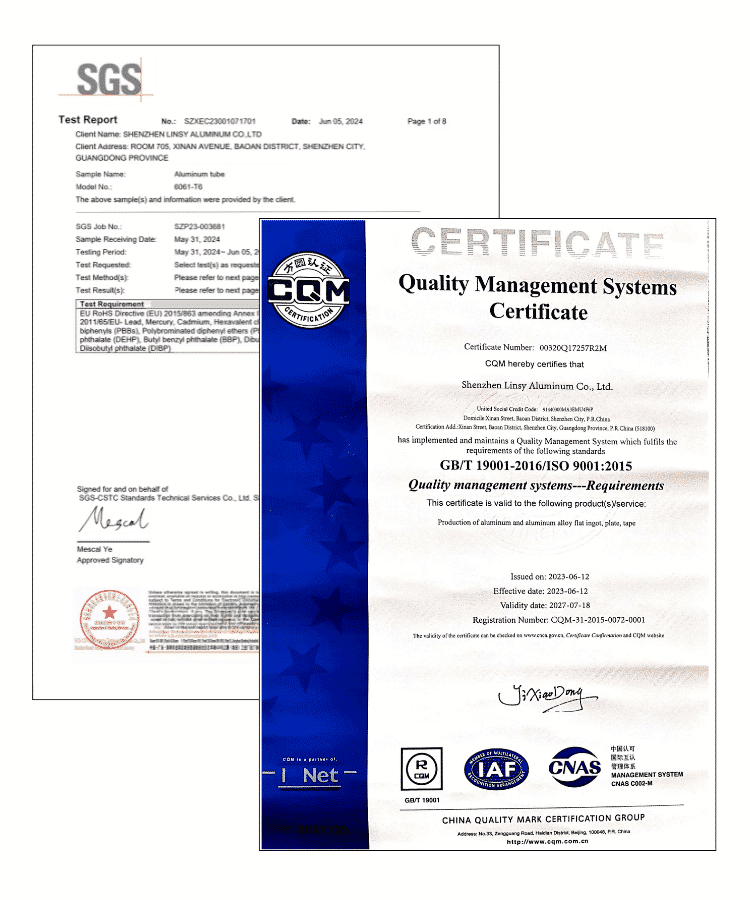
Linsy Aluminum maintains a quality management system certified to ISO 9001. For every 5056 order, we provide:

  • Mill Test Certificate (MTC / EN 10204 3.1): Verifies chemical composition and mechanical properties for the supplied lot. Standard with every shipment.
  • SGS Third-Party Test Reports: Available on request for independent verification of material properties, composition, and corrosion resistance.
  • Dimensional Inspection Reports: Provided for cut-to-size and machined orders, confirming thickness, width, length, flatness, and tolerance compliance.
  • Certificate of Origin: Available for export shipments requiring customs documentation.
  • Marine Classification Society Approvals: Material certification to DNV, Lloyd’s Register, ABS, or BV standards available on request for shipbuilding projects.

Our facility operates under ISO 14001 environmental management and ISO 45001 occupational health and safety management systems.

Why Choose Linsy for 5056 Aluminum

Linsy Aluminum is a Shenzhen-based aluminum factory with over 20 years of experience supplying 1000-series through 8000-series alloys to global markets. We are not a trading company — we control production, quality, and logistics in-house.

  • Full product form range: Sheet, coil, plate, bar, tube, wire, profile, and block in 5056 — one supplier, one purchase order
  • Custom dimensions: Cut to your exact specification; typical custom lead times are 10–60 days depending on form and quantity
  • In-house processing: CNC machining, laser cutting, TIG and MIG welding, polishing, and anodizing services reduce your need for secondary vendors
  • MTC with every order: Lot-traceable material certification gives you confidence in the alloy grade and temper you specified
  • Export-ready packaging: Seaworthy crating, coil packaging, and bundle wrapping suitable for ocean freight to Europe, Asia, the Middle East, and the Americas
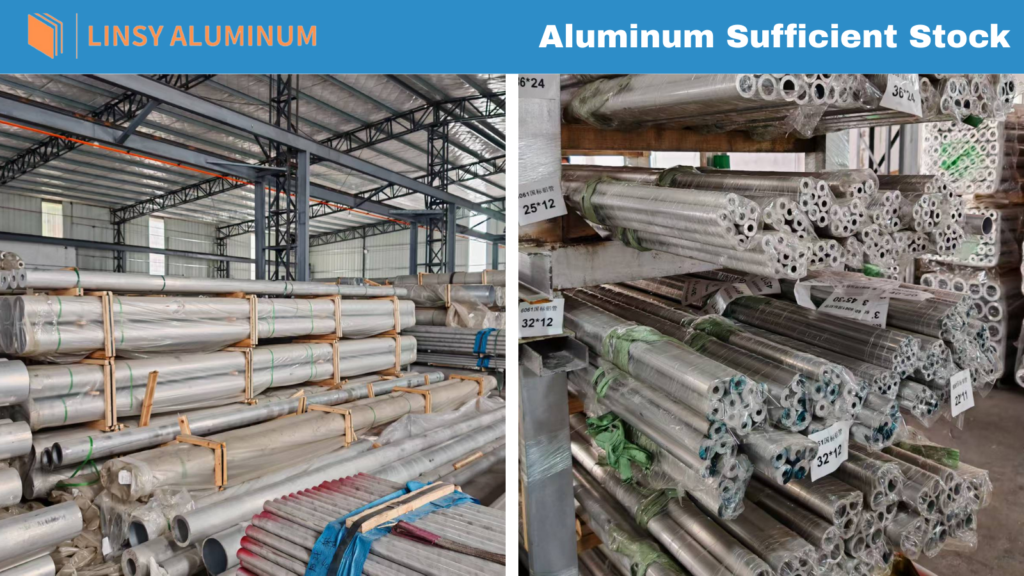
  • Consistent supply: Regular production scheduling for 5056 ensures availability for both trial orders and long-term contract volumes

관련 자료

For deeper technical background on 5056 aluminum and related alloys, see the following resources from Linsy’s knowledge library:

  • Ultimate Guide to Aluminum 5056 — Comprehensive overview of 5056 alloy properties, tempers, and applications
  • 5056 vs 5083 Aluminum: Which to Choose? — Side-by-side comparison of two high-Mg 5xxx alloys for marine and structural work
  • 5xxx Series Aluminum Alloys: A Buyer’s Guide — How to select the right Al-Mg alloy for your project requirements
  • Understanding Aluminum Tempers: O, H, and T Designations — What temper codes mean and how to choose the right one
  • Marine-Grade Aluminum: Complete Material Selection Guide — Which alloys are approved for which marine service conditions

5056 Aluminum FAQ

Q: What is the difference between 5056 and 5052 aluminum?
A: The key difference is magnesium content: 5052 contains 2.2–2.8% Mg, while 5056 contains 4.5–5.6% Mg. The higher magnesium level gives 5056 roughly 15–20% greater tensile strength, improved corrosion resistance in alkaline and marine environments, and higher shear strength — which is why 5056 is preferred for structural rivets. 5052 is more widely stocked and often more economical; choose 5052 for general sheet metal and 5056 when you need the extra corrosion performance or rivet-grade properties.

Q: Is 5056 suitable for marine use?
A: Yes. 5056 is considered a marine-grade aluminum alloy with excellent resistance to seawater corrosion. It is used in boat hulls, decks, superstructures, and welded marine fabrications. For the highest seawater corrosion resistance in the 5xxx series, 5083 and 5383 are sometimes preferred for fully submerged hull plating, but 5056 performs well in splash-zone and atmospheric marine exposure. H116 or H321 tempers (which offer enhanced intergranular corrosion resistance) may not be commonly available in 5056; for long-term immersion, discuss material selection with our technical team.

Q: Can 5056 aluminum be welded?
A: Yes, 5056 is readily weldable by TIG and MIG processes using ER5356 or ER5183 filler. The alloy exhibits low hot-cracking susceptibility and good post-weld corrosion resistance. Note that welding will reduce strength in the heat-affected zone to approximately O-temper levels; for critical welded structures, base your design calculations on O-temper properties in the weld region.

Q: Can 5056 be heat treated to increase strength?
A: No. 5056 is a non-heat-treatable alloy. Its strength comes from cold working (strain hardening). The only way to increase 5056’s strength after annealing is to cold-work it — e.g., by rolling, drawing, or stretching. If your application requires a heat-treatable alloy with similar corrosion resistance, consider 6061-T6 (lower corrosion resistance, higher strength) or consult our team about 5083 with H321 temper.

Q: What temper should I order 5056 wire in for rivet production?
A: 5056 rivet wire is typically supplied in H34 or H38 temper. H34 provides a good balance of cold-heading formability and driven-rivet shear strength. H38 delivers maximum shear strength for applications where the rivet heads can be driven without cracking. Our team can advise on the best temper based on your rivet diameter, head style, and driven condition requirements.

주문 관련 일반적인 자주 묻는 질문

Q: What is the minimum order quantity (MOQ) for 5056 aluminum?
A: MOQ depends on the product form. Sheet and plate orders typically start from 500 kg; bar and tube from 100 kg; wire from 50 kg per coil. Smaller trial quantities for sampling and qualification are available — contact us for details.

Q: How long does delivery take?
A: Stock items typically ship within 7–15 days. Custom-cut or non-standard dimensions require 10–60 days depending on the product form and quantity involved. We provide a confirmed delivery schedule with every quotation.

Q: Do you provide material certificates?
A: Yes. Every order ships with a Mill Test Certificate (MTC / EN 10204 3.1) showing the chemical composition and mechanical properties of the supplied lot. SGS third-party test reports, Certificates of Origin, and marine classification society certification (DNV, LR, ABS, BV) are available on request.

Q: Can Linsy ship 5056 aluminum internationally?
A: Yes. We supply 5056 to customers in Europe, Southeast Asia, the Middle East, Africa, and the Americas. Export packaging (seaworthy crates, protective wrapping) is standard for all international shipments. We can quote FOB Shenzhen, CIF destination port, or DAP terms based on your preference.

Q: Which payment methods do you accept?
A: We accept T/T (telegraphic transfer) and irrevocable L/C at sight. For new customers, a 30% deposit with the balance against shipping documents is standard. Long-term contract terms are negotiable.

Request a 5056 Aluminum Quote →

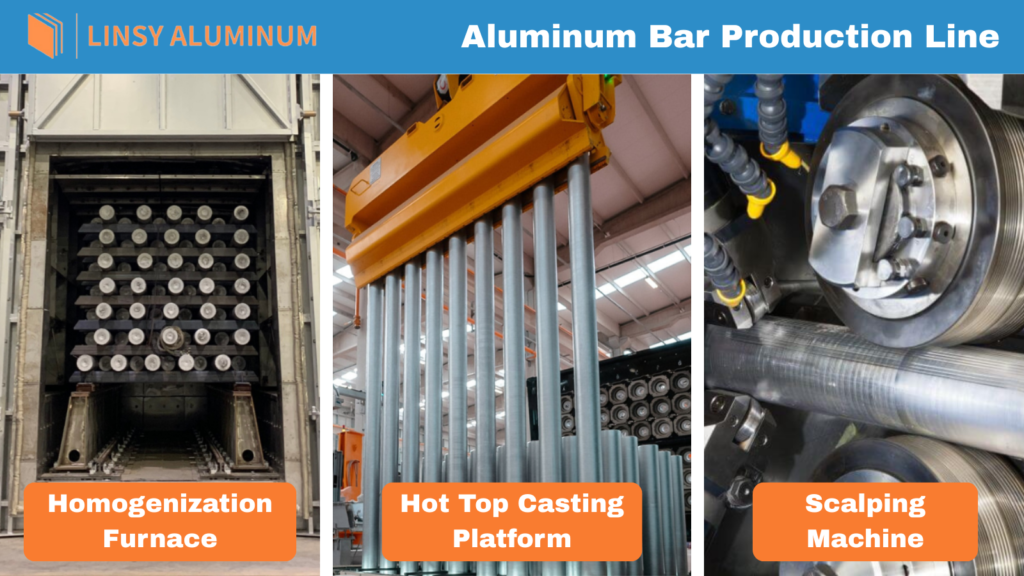
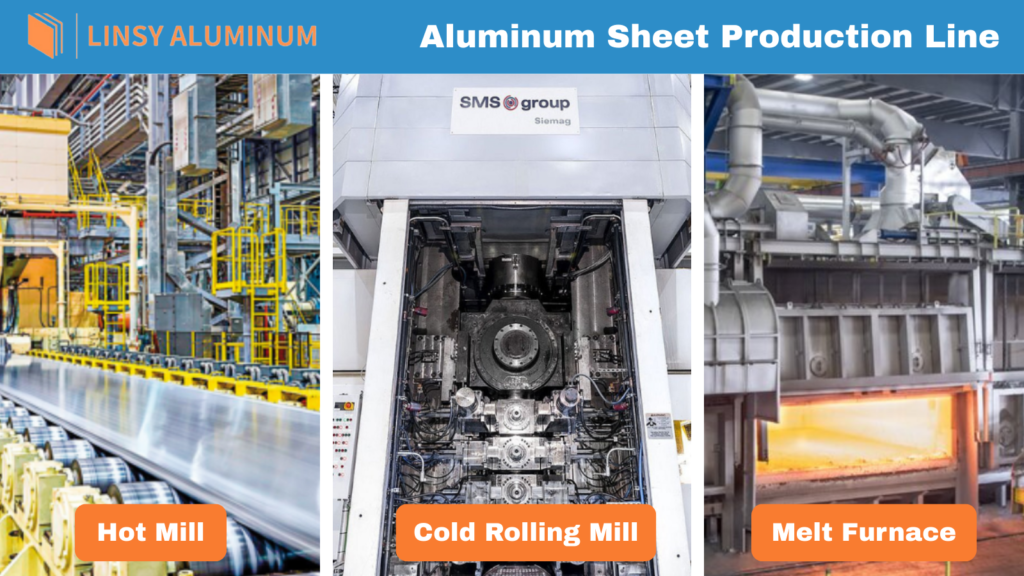
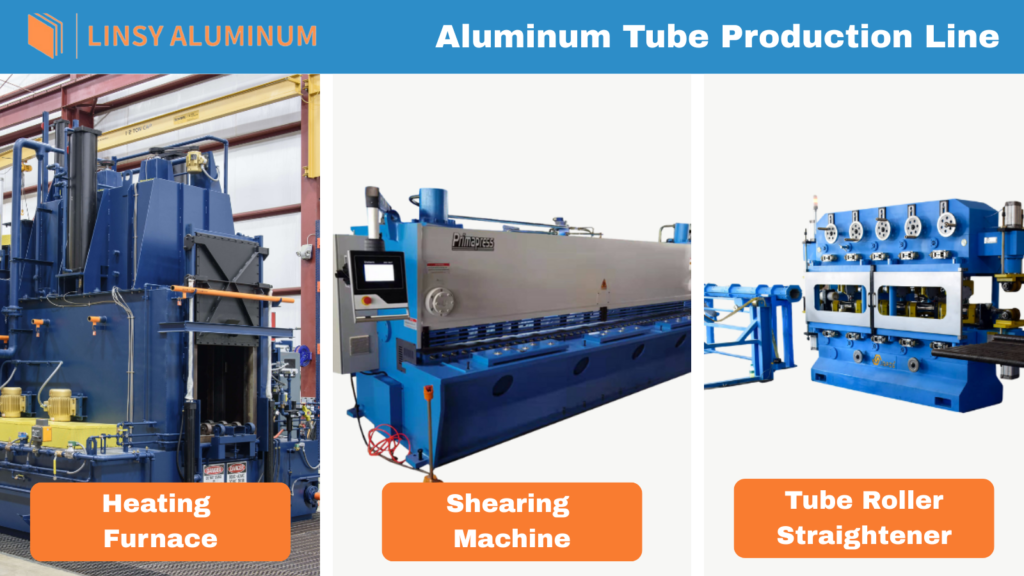
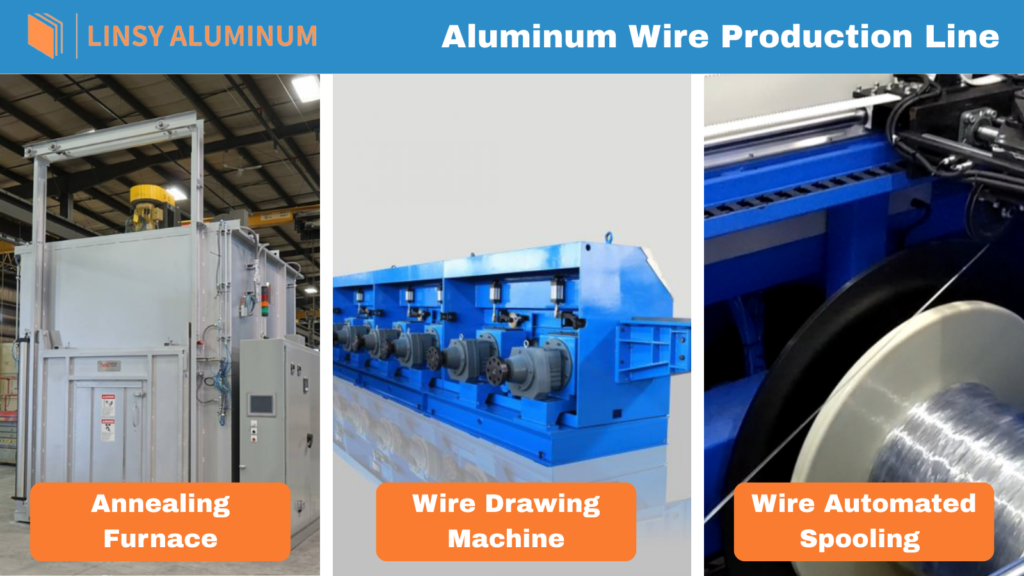
생산 장비

인증

창고 및 재고

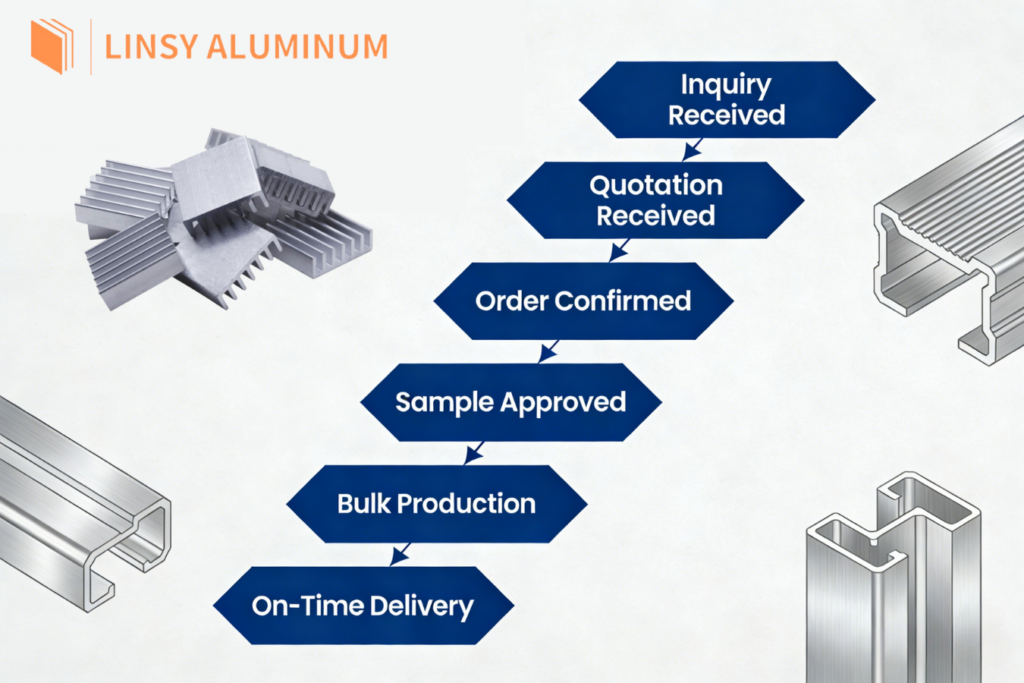
주문 프로세스

린시의 장점

린시 알루미늄은 항공우주, 일반 엔지니어링, 자동차, 해양, 조선 및 기타 특수 산업 분야를 포함한 다양한 산업 분야에 서비스를 제공하는 알루미늄 가공 제품의 선도적인 공급업체입니다.

당사는 인증에서 알 수 있듯이 최고 수준의 품질과 환경적 책임을 유지하기 위해 최선을 다하고 있습니다: ISO 9001:2008, ISO 14001:2004 및 SGS.
오늘 양식을 등록하세요! 린시 알루와 함께 프리미엄 알루미늄 솔루션을 만나보세요.

WhatsApp 전화