

1350-Aluminiumlegierung (UNS A91350) ist eine handelsübliche Reinaluminiumgüte mit einem Mindestaluminiumgehalt von 99,5 %. Als nicht wärmebehandelbare Legierung, die in kaltverfestigten Zuständen (O, H12, H14, H16, H18) geliefert wird, bietet 1350 eine ausgezeichnete elektrische Leitfähigkeit (~62 % IACS), gute Korrosionsbeständigkeit und hohe Umformbarkeit. Linsy liefert 1350-Aluminiumblech, -band, -platte, -stange, -rohr, -draht und -profile in den Zuständen O, H12, H14, H16 und H18, mit kundenspezifischen Abmessungen, Oberflächenbearbeitungsoptionen und MTC-Prüfzeugnissen für jede Bestellung.
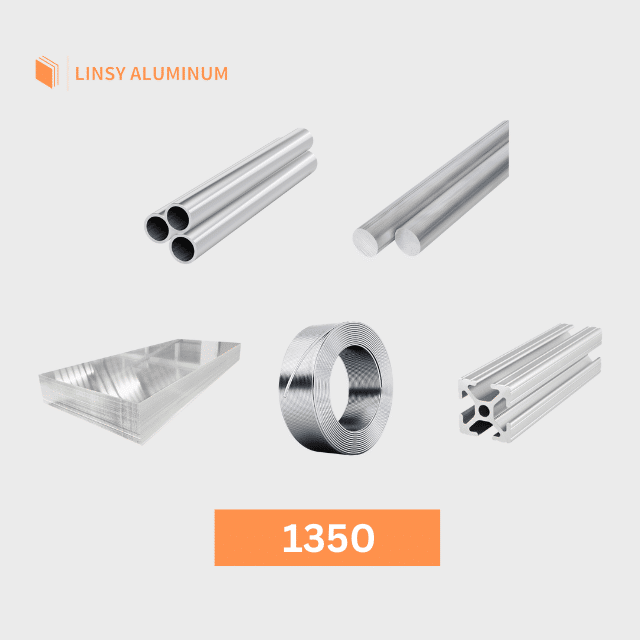
Verfügbare Formulare: Blech / Platte / Coil / Stab / Rohr / Draht / Profil
Häufige Temperamente: O / H12 / H14 / H16 / H18
Unterstützung bei der Bearbeitung: CNC-Bearbeitung / Laserschneiden / WIG- und MIG-Schweißen / Eloxieren / Polieren
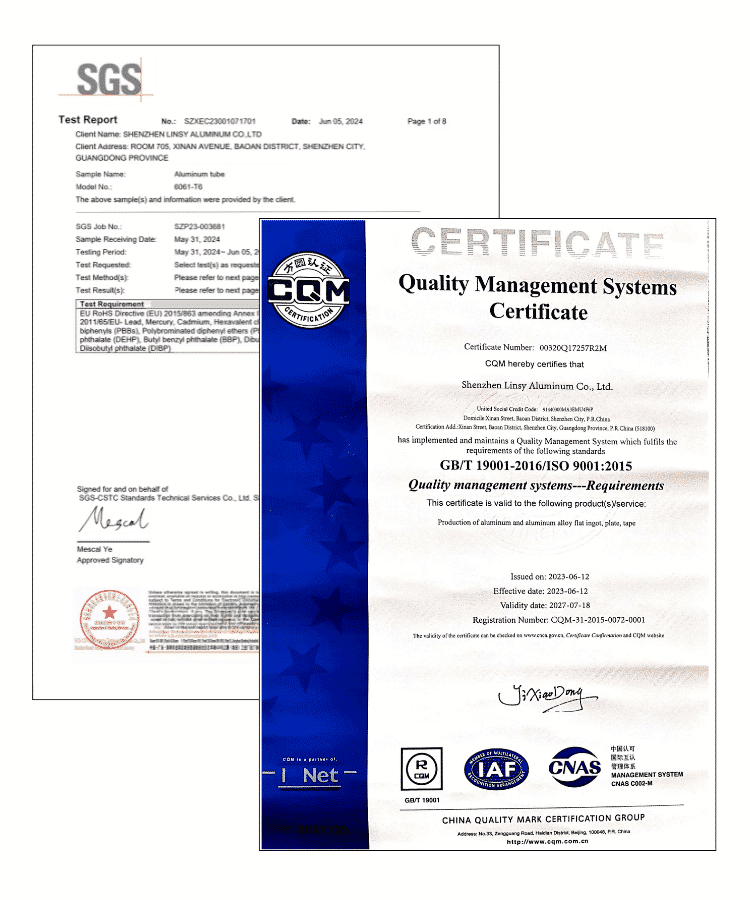
Qualitätsdokumente: MTC-Bericht bei jeder Bestellung, SGS-Prüfung auf Anfrage
1350-Aluminiumlegierung (UNS A91350) ist eine handelsübliche Reinaluminiumgüte mit einem Mindestaluminiumgehalt von 99,5 %. Als Legierung der 1000er-Serie ist 1350 nicht wärmebehandelbar und erhält seine Festigkeit durch Kaltverfestigung (H-Zustände). Sie ist die primäre Legierungsbezeichnung für elektrische Leiteranwendungen in Nordamerika und bietet eine ausgezeichnete elektrische Leitfähigkeit – typischerweise etwa 62 % IACS im H12-Zustand – sowie gute Korrosionsbeständigkeit und hohe Umformbarkeit. Linsy liefert 1350-Aluminium in Blech, Band, Platte, Stange, Rohr, Draht und kundenspezifischen Profilen in den Zuständen O, H12, H14, H16 und H18, mit MTC-Prüfzeugnissen für jede Bestellung.
1350 ist unter mehreren wichtigen Normen spezifiziert, darunter ASTM B230/B230M (Aluminium-1350-Ziehdraht für elektrische Zwecke), ASTM B233 (Aluminium-1350-Sammelschienenleiter), ASTM B609 (Aluminium-1350-Blech und -Platte für elektrische Sammelschienen) und ASTM B491 (Aluminium-1350-Strangpressrohr für elektrische Sammelschienen). Gemäß europäischen Normen wird sie auch als EN AW-1350 (Al99,5) bezeichnet.
Linsy liefert 1350-Aluminium in der gesamten Palette standardmäßiger und kundenspezifischer Produktformen. Länge, Breite und Maßtoleranzen können an Ihre Projektanforderungen angepasst werden. Da 1350 eine Reinaluminiumgüte ist, die in kaltverfestigten Zuständen (O, H12, H14, H16, H18) geliefert wird, begünstigen typische Anwendungen Umformbarkeit und elektrische Leitfähigkeit gegenüber hoher mechanischer Festigkeit.
| Formular | Temperament | Dicke (mm) | Breite (mm) | Länge (mm) |
|---|---|---|---|---|
| 1350 Blech / Band | O, H12, H14, H16, H18 | 0.3 – 6.0 | 500 – 2600 | 500 – 16000 |
| Formular | Temperament | Dicke (mm) | Breite (mm) | Länge (mm) |
|---|---|---|---|---|
| 1350 Platte | O, H12, H14, H112 | 6.0 – 80 | 500 – 2600 | 500 – 16000 |
| Formular | Temperament | Durchmesser (mm) | Länge (mm) |
|---|---|---|---|
| 1350 Rundstange | O, H12, H14 | 6 – 300 | 1000 – 6000 |
| Formular | Temperament | Äußerer Durchmesser (mm) | Wandstärke (mm) | Länge (mm) |
|---|---|---|---|---|
| 1350 Rohr | O, H12 | 6 – 300 | 1 – 50 | 1000 – 6000 |
| Formular | Temperament | Durchmesser (mm) | Gewicht/Spule |
|---|---|---|---|
| 1350 Draht / Stab | O, H12, H14, H19 | 0.8 – 20 | Mindestens 50 kg |
Anmerkung: Alle Abmessungen können kundenspezifisch angepasst werden. Kontaktieren Sie uns mit Ihren geforderten Spezifikationen für ein Angebot.
| Standard | Bezeichnung |
|---|---|
| UNS | A91350 |
| AA (Aluminiumverband) | 1350 |
| EN (Europäisch) | EN AW-1350 / Al99,5 |
| ISO | Al99.5 |
| ASTM | B230, B233, B609, B491 |
| Gebräuchliche alternative Bezeichnungen | Al99,5, EC-Aluminium, elektrischer Leiteraluminium |
| Element | Inhalt (%) |
|---|---|
| Aluminium (Al) | 99,50 min |
| Silizium (Si) | 0,10 max |
| Eisen (Fe) | 0,40 max. |
| Kupfer (Cu) | 0,05 max |
| Mangan (Mn) | 0,01 max |
| Magnesium (Mg) | 0,01 max |
| Zink (Zn) | 0,05 max |
| Titan (Ti) | 0,02 max |
| Vanadium (V) | 0,05 max |
| Gallium (Ga) | 0,03 max. |
| Sonstige (jeweils) | 0,03 max. |
| Sonstige (insgesamt) | 0,10 max |
Der hohe Aluminiumgehalt (mindestens 99,5 %) ist der Grund für die ausgezeichnete elektrische Leitfähigkeit von 1350. Eisen und Silizium sind die bedeutendsten Verunreinigungen; ihre Gehalte werden kontrolliert, um die Leitfähigkeit aufrechtzuerhalten und gleichzeitig ausreichende Umformbarkeit für Zieh- und Formgebungsprozesse zu gewährleisten.
| Temperament | Zugfestigkeit (MPa) | Streckgrenze (MPa) | Dehnung (%) | Typische Verwendung |
|---|---|---|---|---|
| O (geglüht) | 55 – 83 | 20 – 34 | 15 – 35 | Maximale Umformbarkeit, Sammelschienenformung |
| H12 (1/4 hart) | 90 – 110 | 70 – 95 | 5 – 15 | Elektrische Sammelschienen, allgemeine Umformung |
| H14 (1/2 hart) | 110 – 130 | 90 – 110 | 3 – 8 | Strukturelle Sammelschienen, Stanzteile |
| H16 (3/4 hart) | 125 – 150 | 105 – 125 | 2 – 5 | Drahtziehvorprodukt, Formteile |
| H18 (Vollhart) | 150 – 180 | 125 – 145 | 1 – 3 | Gezogener Draht, starre Sammelschienenstützen |
Elektrische Leitfähigkeit: Etwa 61,0 – 62,5 % IACS (International Annealed Copper Standard), abhängig von Zustand und Verunreinigungsgehalt. Der H12-Zustand ist der gebräuchlichste Zustand für elektrische Sammelschienenleiteranwendungen.
| Temperament | Wesentliche Merkmale | Am besten für |
|---|---|---|
| O | Vollständig weichgeglüht, maximale Duktilität, geringste Festigkeit | Komplexe Umformoperationen, Sammelschienenbiegung |
| H12 | 1/4 hart, gutes Gleichgewicht zwischen Umformbarkeit und Festigkeit, optimale elektrische Leitfähigkeit | Elektrische Sammelschienen, allgemeine elektrische Fertigung |
| H14 | 1/2 hart, höhere Festigkeit mit mäßiger Umformbarkeit | Strukturelle Sammelschienen, gestanzte elektrische Komponenten |
| H16 | 3/4 hart, gute Festigkeit, begrenzte Umformbarkeit | Drahtziehvorbereitung, starre Sammelschienenstützen |
| H18 | Vollhart, höchste Festigkeit, geringste Duktilität | Gezogener Draht, elektrische Leiter in Endform |
1350-Aluminium ist die Standardgüte für elektrische Leiteranwendungen in Nordamerika. Mit einer typischen elektrischen Leitfähigkeit von 61–63 % IACS bietet es eine kostengünstige Alternative zu Kupfer in der Stromverteilung, elektrischen Sammelschienensystemen und Transformatorenwicklungen. Die Leitfähigkeit ist im H12-Zustand optimiert, der den Standardlieferzustand für elektrische Sammelschienenanwendungen darstellt.
Als Reinaluminiumgüte bietet 1350 eine sehr gute Korrosionsbeständigkeit in atmosphärischen und vielen chemischen Umgebungen. Auf der Oberfläche bildet sich natürlicherweise eine schützende Oxidschicht, die langfristige Haltbarkeit in Innen- und Außeninstallationen gewährleistet. Für raue Umgebungen kann Eloxieren zusätzlichen Schutz bieten.
1350-Aluminium in den Zuständen O und H12 weist eine ausgezeichnete Umformbarkeit auf. Es kann ohne Schwierigkeiten gebogen, gestanzt, gedrückt und gezogen werden. Dies macht es besonders geeignet für die Sammelschienenfertigung, bei der komplexe Biegevorgänge routinemäßig erforderlich sind. Der O-Zustand bietet maximale Umformbarkeit; H12 bietet ein praktisches Gleichgewicht für die meisten Sammelschienenanwendungen.
1350-Aluminium ist eine kaltverfestigende Legierung. Die Festigkeit wird durch Kaltumformung (H-Zustände) entwickelt, nicht durch Wärmebehandlung. Dies vereinfacht die Verarbeitung und ermöglicht die Spezifikation kundenspezifischer kaltverfestigter Zustände für bestimmte Umform- oder Festigkeitsanforderungen.
| Industrie / Sektor | Typische Anwendungen | Warum wird der Wert 1350 verwendet? |
|---|---|---|
| Elektrische Energieverteilung | Sammelschienen, Schienenverteiler, elektrische Schaltanlagenkomponenten | Hohe elektrische Leitfähigkeit, gute Umformbarkeit für Sammelschienenbiegung |
| Transformatoren | Transformatorenwicklungen, Spulendraht | Konsistente elektrische Eigenschaften, ziehbar zu Feindraht |
| Elektrische Verdrahtung | Freileitungsleiter, Gebäudeverdrahtung (in geeigneten Ausführungen) | Geringes Gewicht, gute Leitfähigkeit, geringere Materialkosten gegenüber Kupfer |
| Allgemeiner Maschinenbau | Stifte, Nieten, Verbindungselemente, Drahtformen, Klemmen | Gute Umformbarkeit, Korrosionsbeständigkeit, geringe Kosten |
| Wärmetauscher | Lamellenmaterial, Wärmeübertragungsplatten | Reinaluminium-Sorte, gute Wärmeleitfähigkeit |
Linsy bietet hauseigene Verarbeitungs- und Oberflächenbehandlungsdienste für 1350-Aluminiumprodukte an. Als reine, nicht aushärtbare Legierung ist 1350 einfach zu verarbeiten, jedoch gelten folgende Hinweise:
Linsy stellt mit jeder Bestellung von 1350-Aluminium einen MTC-Bericht (Material Test Certificate) aus, der die chemische Zusammensetzung, mechanische Eigenschaften und Maßprüfungsergebnisse dokumentiert. Die folgenden zusätzlichen Qualitätsdokumente sind verfügbar:
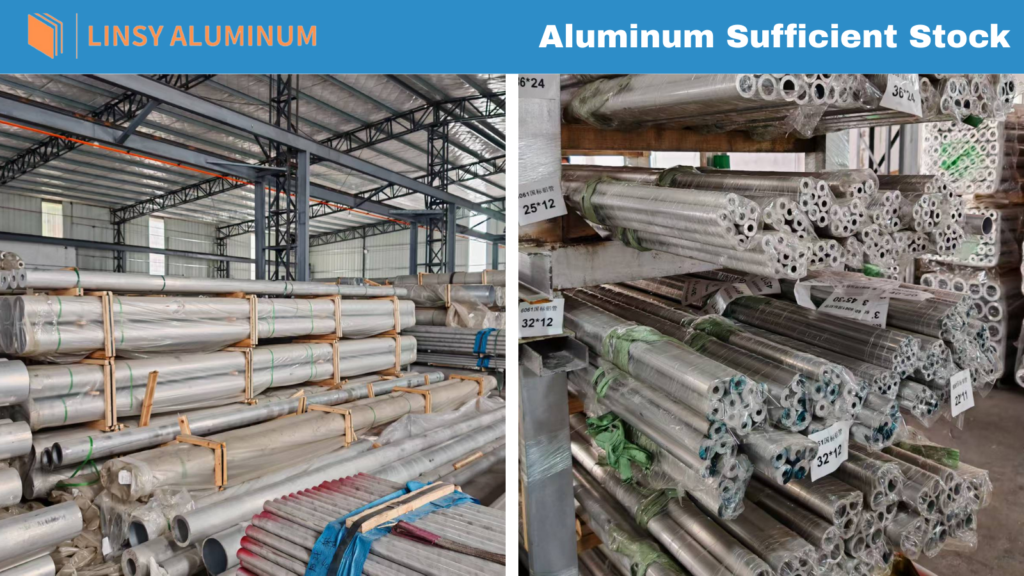
Linsy Aluminum ist ein in Shenzhen ansässiger Aluminiumhersteller mit mehr als 20 Jahren Branchenerfahrung. Wir sind spezialisiert auf die Lieferung eines vollständigen Sortiments an Aluminiumlegierungen in Standard- und Sonderabmessungen, mit besonderer Kompetenz bei Reinaluminium-Sorten für elektrische und allgemeine technische Anwendungen.
Erfahren Sie mehr über die Eigenschaften und Anwendungen von 1350-Aluminium in unserem ausführlichen Leitfaden:
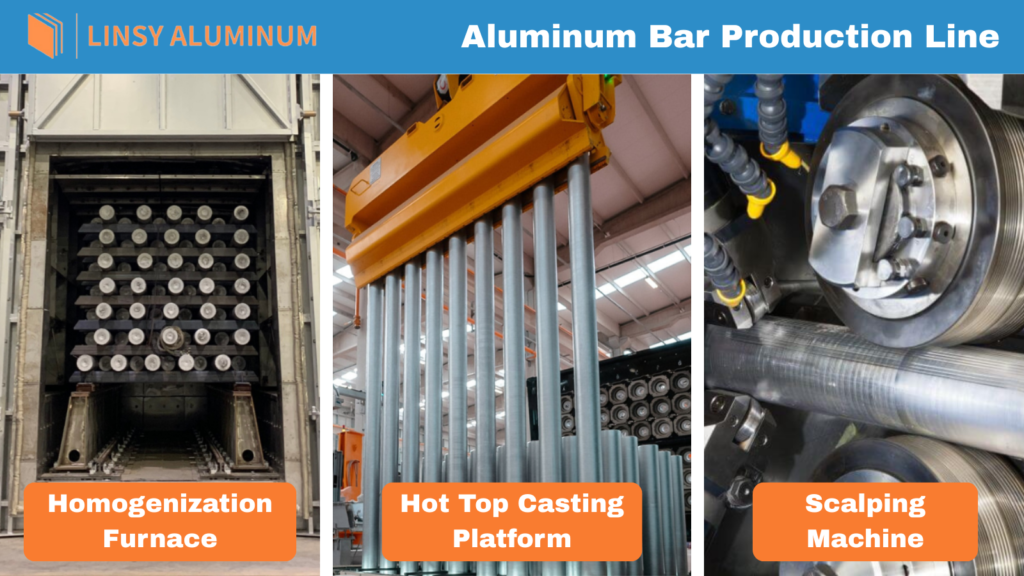
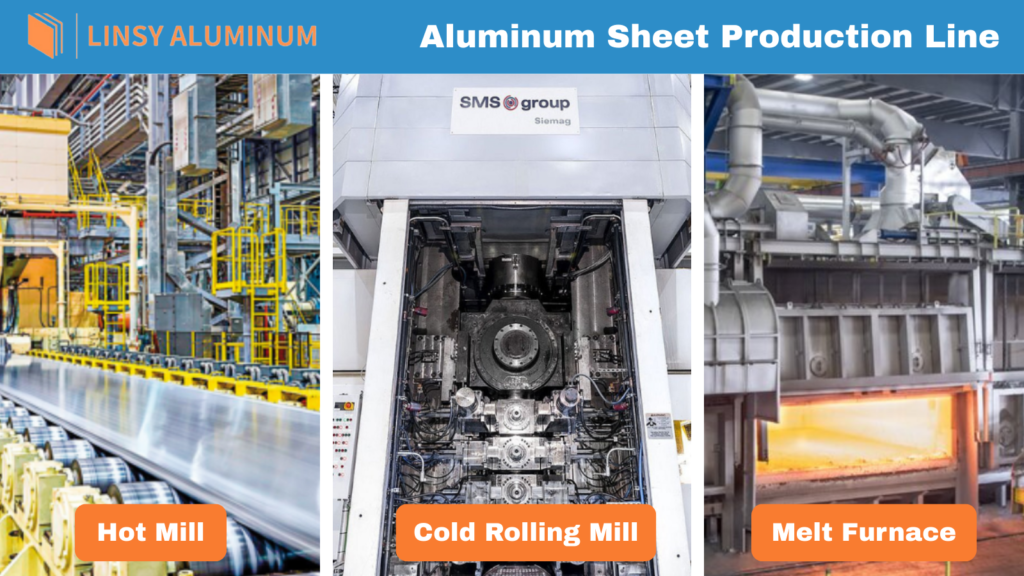
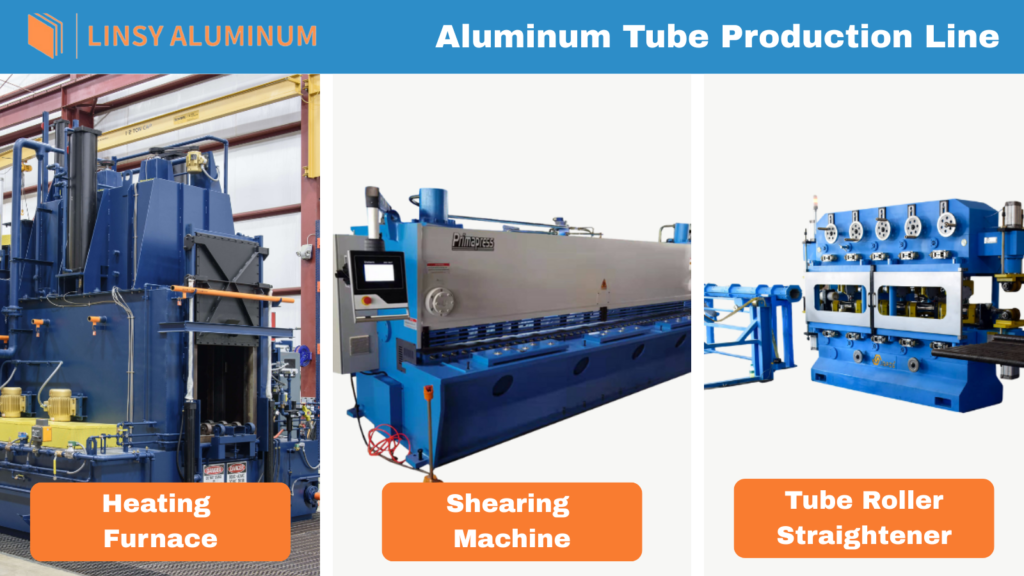
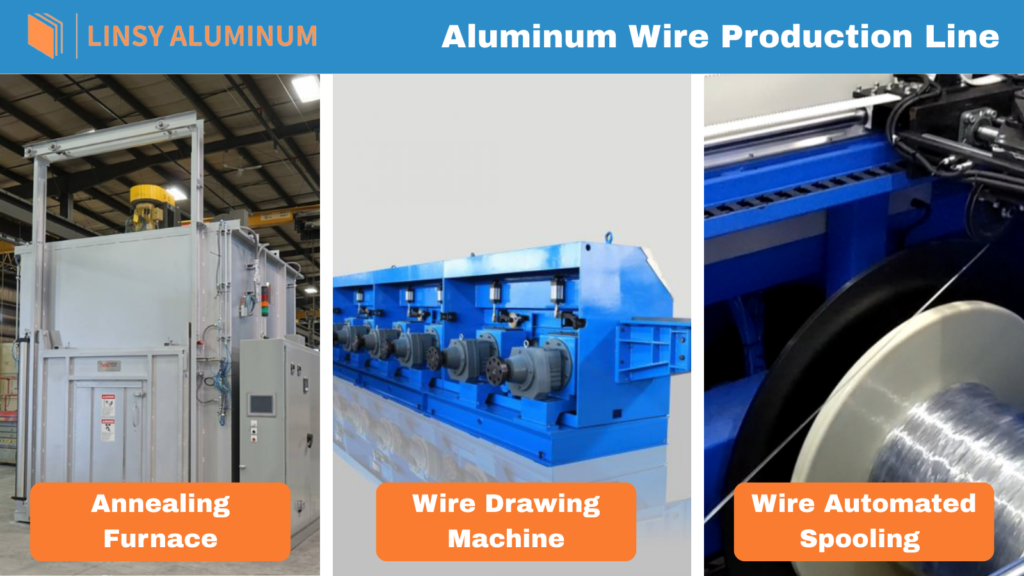
Linsy Vorteile
Linsy Aluminum ist ein führender Anbieter von Produkten für die Aluminiumverarbeitung und beliefert verschiedene Branchen wie die Luft- und Raumfahrt, den allgemeinen Maschinenbau, die Automobilindustrie, die Schifffahrt, den Schiffbau und andere spezialisierte industrielle Anwendungen.
Wir verpflichten uns, die höchsten Qualitäts- und Umweltstandards einzuhalten, was durch unsere Zertifizierungen belegt wird: ISO 9001:2008, ISO 14001:2004 und SGS.