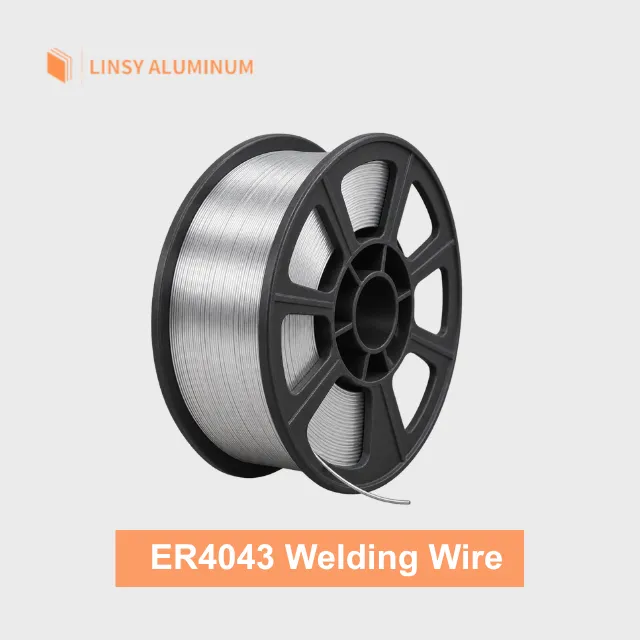
ER4043 aluminum welding wire (spooled, for MIG) and welding rod (straight cut, for TIG) are the same Al-Si filler metal — AlSi5, classified to AWS A5.10 ER4043 and EN ISO 18273 S Al 4043. It flows well and resists hot cracking on 6061, 6063, 6005 and cast A356/A357, which is why it is the default filler for general 6xxx fabrication. It is niet recommended for 5xxx alloys or for parts anodized after welding — the silicon-rich weld zone anodizes dark grey to black.
MIG welding wire: 0.8 / 1.0 / 1.2 / 1.6 / 2.0 / 2.4 mm spools or drums
TIG welding rod: 1.6 / 2.4 / 3.2 mm × 914 mm, 5 or 10 kg tube packs
Alternates: 5356 for anodized or 5xxx work, 4643 where both are needed
Kwaliteitsdocumenten: MTC with heat and lot number
ER4043 aluminum welding wire is an Al-Si filler metal for MIG and TIG welding. It flows well and resists hot cracking on 6xxx and cast aluminium, which is why it is the default filler for general fabrication in those alloys. It is not recommended for 5xxx alloys or for parts requiring post-weld anodizing. Classified as ER4043 to AWS A5.10 and S Al 4043 to EN ISO 18273. Alloy data: 4043 aluminiumlegering.
The two names describe the same ER4043 alloy in different delivery forms, and buyers search for both. Welding wire is continuous and spooled, feeding through a MIG torch. Welding rod is cut to straight lengths and fed by hand in TIG. The classification is identical — only the form and the process change.
| Formulier | Diameters (mm) | Verpakking | Typisch gebruik |
|---|---|---|---|
| MIG welding wire (spooled) | 0.8, 1.0, 1.2, 1.6, 2.0, 2.4 | Standard spools or drums | Production welding, semi-automatic and robotic |
| TIG welding rod (straight cut) | 1.6, 2.4, 3.2 (2.0, 4.0, 5.0 on request) | 914 mm length, 5 kg or 10 kg tube packs | Manual TIG, repair work, small assemblies |
0.8–1.6 mm MIG and 1.6–3.2 mm TIG are the sizes we hold most often; larger diameters and non-standard spool weights are quoted on request. Tell us what your feeder accepts rather than assuming a standard.
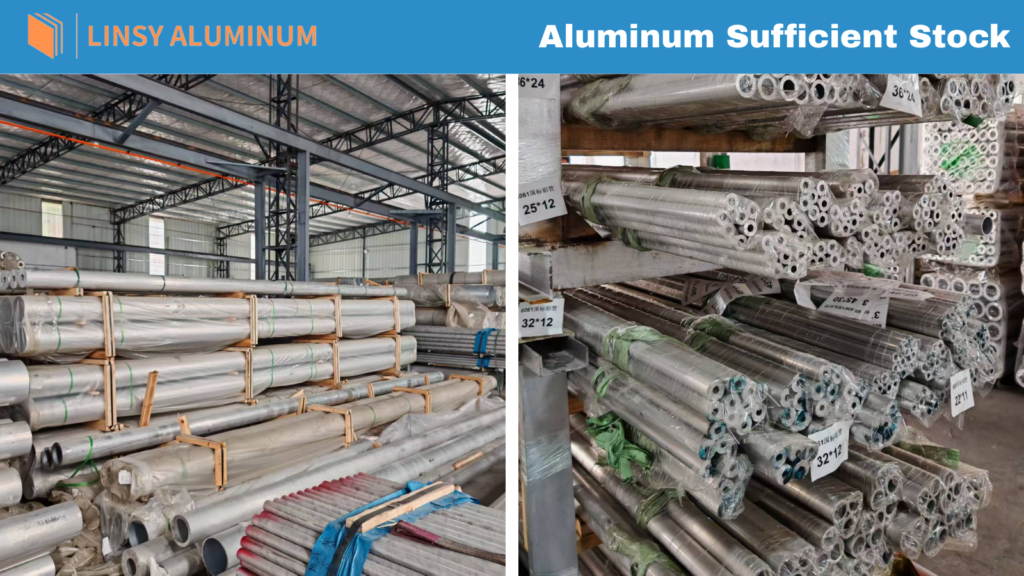
Op voorraad of op bestelling. Not every diameter is held at all times. Anything in stock ships directly with no minimum order quantity; the rest is produced or sourced to order with a MOQ — tell us the form, diameter and quantity and we will confirm which applies.
Most welding problems with 4043 come from using it where it should not be used. This table is the decision, in one place.
| Onedel metaal | 4043 suitability | Waarom |
|---|---|---|
| 6061, 6063, 6005, 6082 (6xxx) | Recommended | The standard filler: good flow, resists hot cracking, tolerant of fit-up gaps |
| Cast aluminium A356 / A357 | Recommended | Matches the silicon level of the casting; used widely for repair |
| 5052, 5754, 5083, 5086 (5xxx) | Niet aanbevolen | Silicon plus magnesium forms brittle intermetallic phases in the weld; use 5356 |
| Any part anodized after welding | Niet aanbevolen | The silicon-rich weld zone anodizes dark grey to black against the base metal; use 5356 or 4643 |
That last row is the one buyers miss. If the finished weldment is going to be anodized for appearance, 4043 will show a visible dark band along every weld no matter how good the welding is — it is a metallurgical result of the silicon content, not a process fault.
| Eigendom | 4043 (Al-Si 5%) | 5356 (Al-Mg 5%) |
|---|---|---|
| Hot cracking resistance | Better — the reason it is chosen for 6xxx | Good, but less forgiving on crack-sensitive joints |
| Post-weld anodizing | Weld zone turns dark grey or black | Anodizes close to the base metal — the choice for visible work |
| Weld strength | Softer deposit, roughly 170–190 MPa | Higher strength deposit |
| Welding 5xxx base metal | Niet aanbevolen | The correct filler |
| Colour match on mill finish | Good, close to 6xxx | Goed |
The short version: 4043 for strength-generic 6xxx work on parts that will not be anodized, 5356 where the weld will be visible, anodized, or the base metal is 5xxx. Both are stocked; the mistake is treating them as interchangeable. Filler detail: 5356 aluminum specifications.
Where an anodized finish is needed and the joint must stay strong on 6xxx, 4643 — Al-Si with a magnesium addition — is the usual compromise.
| Element | Specificatie | Element | Specificatie |
|---|---|---|---|
| Silicium (Si) | 4.5 – 6.0 | IJzer (Fe) | 0,8 max |
| Koper (Cu) | 0,30 max | Mangaan (Mn) | 0,05 max |
| Magnesium (Mg) | 0,05 max | Zink (Zn) | 0,10 max |
| Titanium (Ti) | maximaal 0,20 | Overige, elk / totaal | 0.05 / 0.15 |
Weight percent; aluminum is the balance. The deliberately low magnesium limit is what makes the alloy incompatible with 5xxx base metals.
| Eigendom | Waarde |
|---|---|
| Tensile strength, all-weld metal | 170 – 190 MPa |
| Rek | 17 – 23% |
| Melting range (solidus / liquidus) | 575 – 630 °C |
| Dichtheid | 2.68 g/cm³ |
Deposit values are measured on all-weld-metal specimens to AWS A5.10; joint strength depends on base metal, joint design and parameters, not on the filler alone.
Practice: remove oxide and contamination first — aluminium oxide melts far above the metal and is the usual cause of porosity and lack of fusion. Preheat to 100–200 °C on sections over 10 mm. Use AC TIG or DCEP MIG with pure argon or argon-helium at 12–25 L/min. Post-weld heat treatment does not strengthen 4043, because the alloy is non-heat-treatable — if the joint needs strength, change the filler, not the heat treatment.
Bicycle frames and 6xxx structural frames, cast aluminium repair (A356 / A357), heat exchangers and radiators, automotive cast parts, cabinet and enclosure housings, general sheet-metal fabrication of 6xxx, ducting and tank work where the weld will be painted rather than anodized.
Every order ships with an MTC issued by Linsy after production, reporting the alloy designation, heat and lot number, chemical composition, mechanical results and a dimensional conformance check. On filler metal the lot number matters: it is what lets you trace a weld back to a coil if a joint fails or a certificate is challenged.
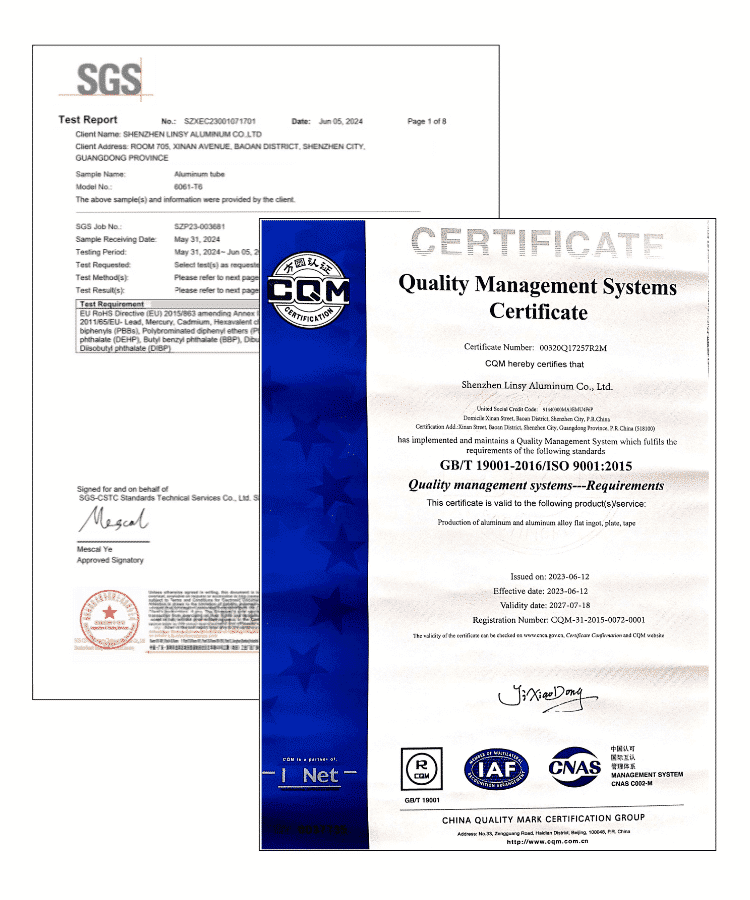
State AWS A5.10 or EN ISO 18273 on the enquiry and the certificate is issued against that classification. Third-party testing is available on request at additional cost. Production runs under ISO 9001, ISO 14001 and ISO 45001 certified systems.
Verkoop bevestigt voorraad of aangepaste levertijd voor die exacte combinatie.
Aluminiumfabriek gevestigd in Shenzhen, meer dan 20 jaar in de branche, levert 1000–8000 serie legeringen in standaardspecificaties en aangepaste maten.
Q: What is the difference between aluminum welding wire and welding rod?
A: Delivery form and process, not alloy. Welding wire is spooled and continuous, used in MIG; welding rod is cut to straight lengths, used in TIG. Both are ER4043 here — tell us which process you run and we will quote the matching form.
Q: Can I anodize a weld made with 4043?
A: You can, but the weld will anodize dark grey to black against the base metal because of the silicon content. If the finish is visible, use 5356 instead, or 4643 where strength also matters.
Q: Can 4043 be used on 5052 or 5083?
A: No. Silicon with the magnesium in 5xxx alloys forms brittle intermetallic phases in the weld. Use 5356, which is the correct filler for those base metals.
Q: What diameters do you hold?
A: MIG 0.8–1.6 mm and TIG 1.6–3.2 mm are held most often; 2.0 and 2.4 mm MIG and 4.0–5.0 mm TIG are quoted on request. Spool and pack weights vary, so tell us what your feeder or process accepts.
Q: Is 4043 heat treatable?
A: No. It is a non-heat-treatable alloy, so post-weld heat treatment will not increase weld strength. If the joint is under-designed, the answer is a different filler or more joint area, not a heat treatment cycle.
Q: What does the certificate state?
A: Alloy designation, heat and lot number, chemical composition, mechanical results and dimensional conformance, issued against AWS A5.10 or EN ISO 18273 as specified on the order.
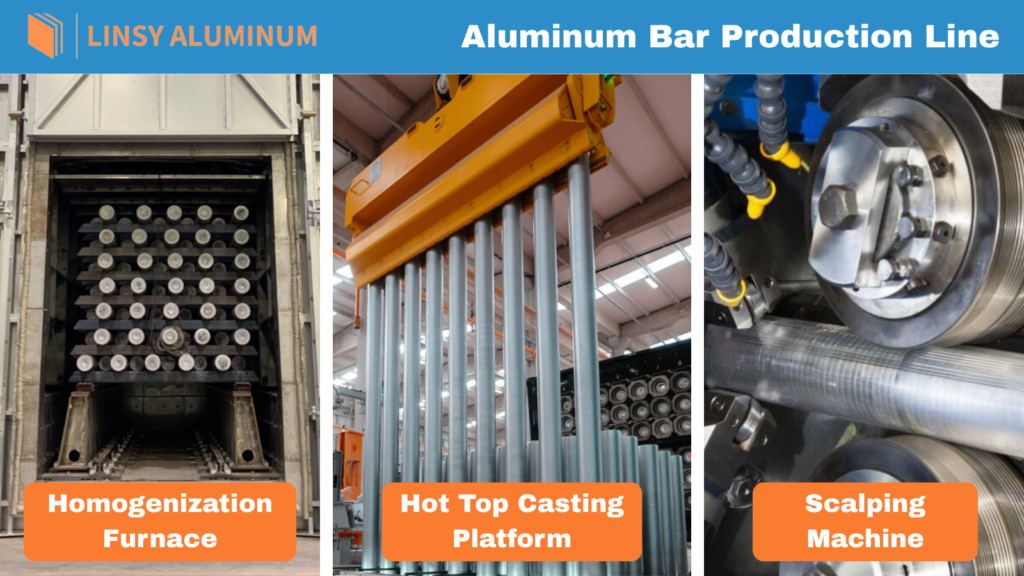
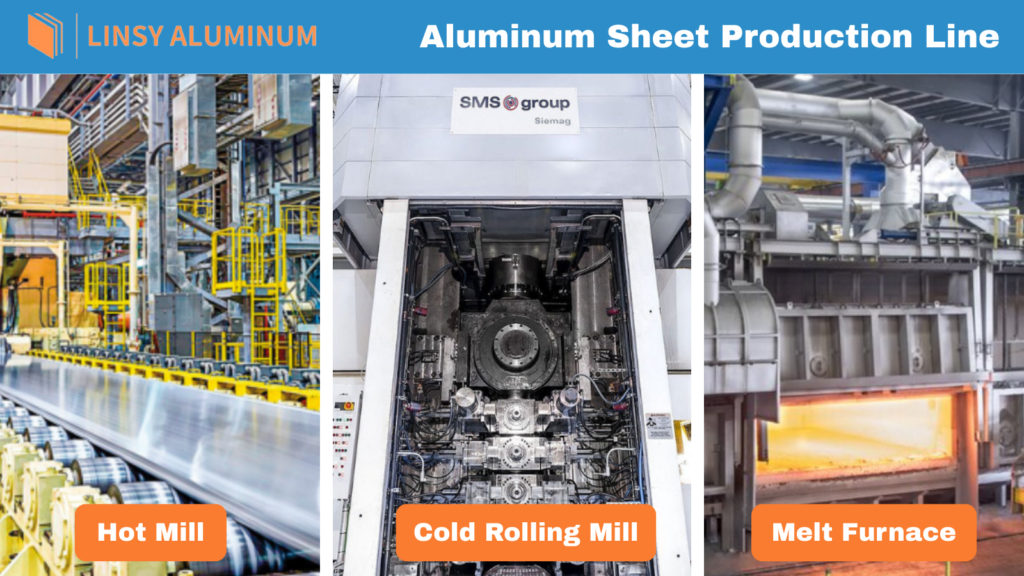
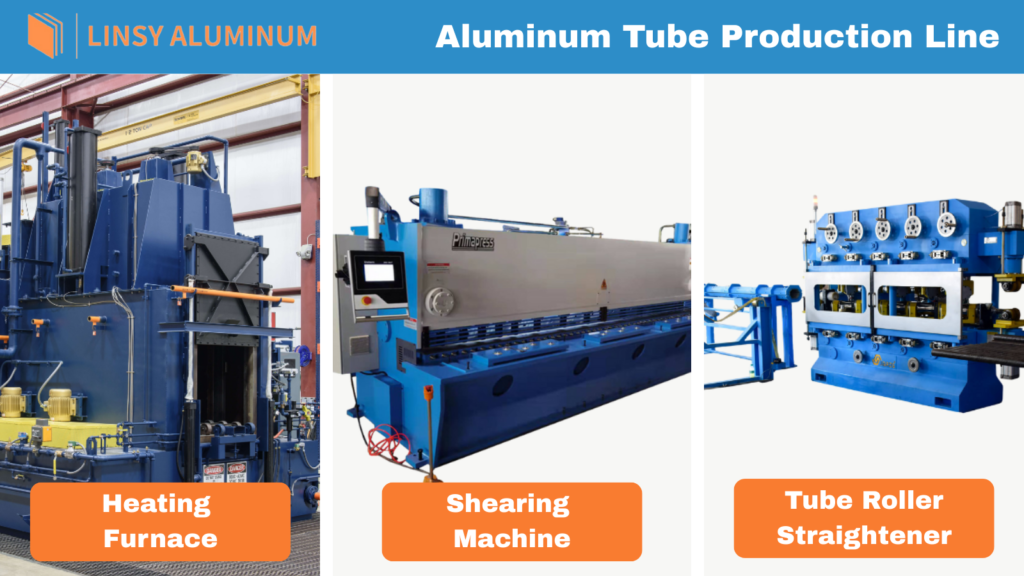
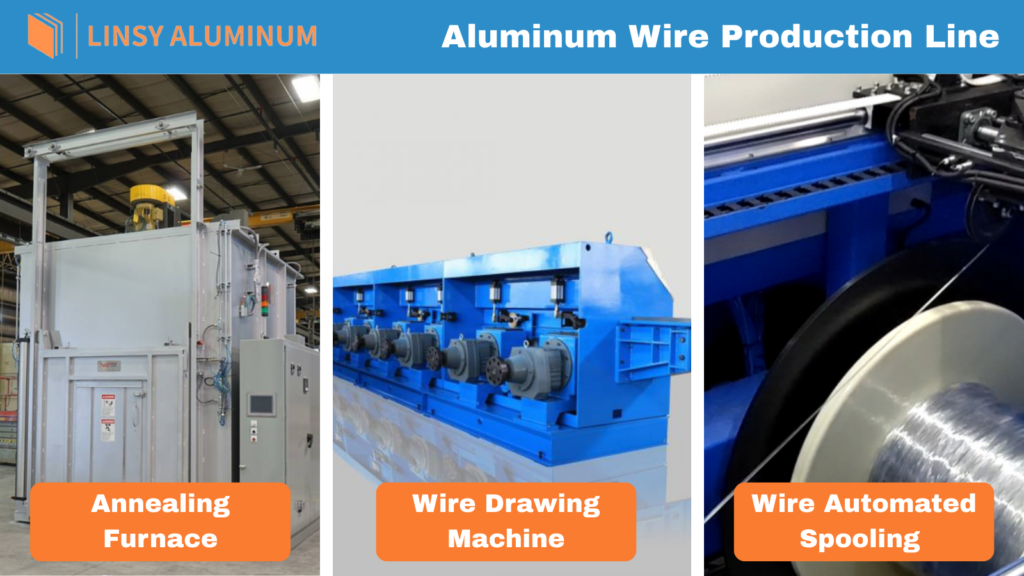
Linsy Voordelen
Linsy Aluminum is een toonaangevende leverancier van aluminiumverwerkingsproducten en levert aan diverse industrieën, waaronder de ruimtevaart, algemene machinebouw, automobielindustrie, scheepvaart, scheepsbouw en andere gespecialiseerde industriële toepassingen.
We zetten ons in om de hoogste kwaliteits- en milieunormen te handhaven, zoals blijkt uit onze certificeringen: ISO 9001:2008, ISO 14001:2004 en SGS.