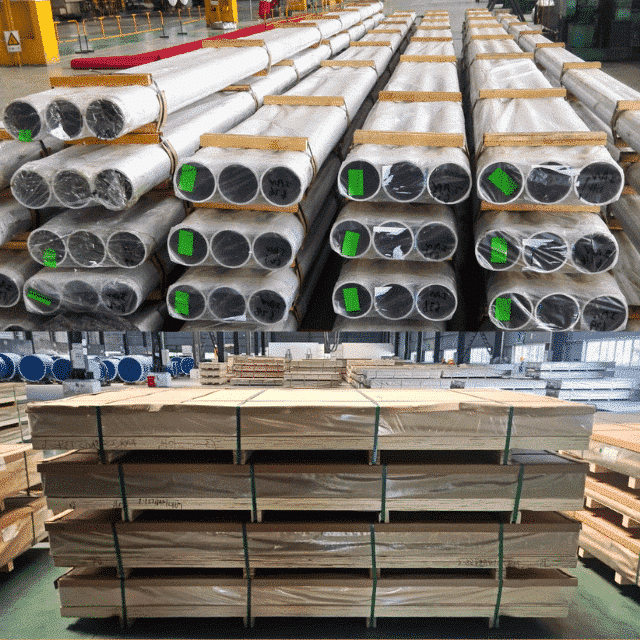

2219 aluminiumlegering (AlCu6Mn) is een warmtebehandelbare 2000-serie smeedaluminiumlegering die voornamelijk is gelegeerd met koper (5,8–6,8%), met toevoegingen van mangaan, vanadium, zirkonium en titanium. Het onderscheidt zich van andere 2xxx-legeringen door zijn uitzonderlijke lasbaarheid, uitstekende cryogene taaiheid en hoge sterktebehoud bij verhoogde temperaturen. 2219 is de primaire constructielegering voor ruimtelanceervoertuigen, cryogene brandstoftanks en structurele componenten voor hoge temperaturen. Linsy levert 2219 aluminiumplaat, -platen, -staven, -buizen en smeedmateriaal in de tempers O, T31, T62, T81, T851 en T8511, met aangepaste afmetingen, verwerkingsondersteuning en MTC-rapporten beschikbaar.
Beschikbare formulieren: plaat / dikke plaat / rol / staaf / buis / smeedmateriaal / draad
Veelvoorkomende temperamenten: O / T31 / T62 / T81 / T851 / T8511
Ondersteuning bij de verwerking: CNC-bewerking / snijden / lassen / oppervlakteafwerking
Kwaliteitsdocumenten: MTC-rapport bij elke bestelling, SGS-testrapporten op verzoek verkrijgbaar
2219 aluminiumlegering (UNS A92219) is een precipitatiegeharde 2000-serie smeedaluminiumlegering waarin koper het primaire legeringselement is met 5,8–6,8%. De Europese aanduiding is EN AW-2219 / AlCu6Mn, wat het dominante koper- en mangaangehalte weerspiegelt. Wat 2219 onderscheidt van andere hoogsterkte 2xxx-legeringen zoals 2014 en 2024 is de doelbewuste toevoeging van vanadium (0,05–0,15%) en zirkonium (0,10–0,25%), die fijne dispersoïdefasen vormen die de korrelstructuur beheersen en weerstand bieden tegen vergroving bij verhoogde temperaturen.
2219 is opmerkelijk vanwege drie prestatiekenmerken die het een voorkeurslegering maken in veeleisende ruimtevaart- en cryogene toepassingen. Ten eerste vertoont het een uitzonderlijke lasbaarheid voor een 2xxx-serie legering — zowel gaswolfraambooglassen (GTAW/TIG) als gasmetaalbooglassen (GMAW/MIG) zijn praktisch met 2319 vuldraad, wat verbindingen oplevert met een mechanisch rendement van ongeveer 60–70% van de sterkte van het basismateriaal. Ten tweede behoudt 2219 uitstekende breuktaaiheid en ductiliteit bij cryogene temperaturen tot −252 °C (−423 °F), waardoor het geschikt is voor toepassingen in vloeibare zuurstof- en vloeibare waterstofbrandstoftanks. Ten derde behoudt de legering bruikbare mechanische sterkte bij bedrijfstemperaturen tot ongeveer 300 °C (570 °F), met name in de T8-type tempers.
In de T8-temperfamilie (T81, T851, T8511, T87) ontwikkelt 2219 zijn hoogste sterkte door een reeks van oplossingsgloeien, gecontroleerd koudvervormen en kunstmatig verouderen. Deze tempers bieden ook uitstekende weerstand tegen spanningscorrosie (SCC). De legering valt onder AMS 4066 (dikke plaat en plaat), AMS 4143 (staaf en rondstaaf) en AMS 4162/4163 (smeedstukken), met aanvullende dekking onder ASTM B209, B211 en B221 voor algemene productvormen.
Linsy levert 2219 aluminiumlegering in een reeks standaard- en aangepaste productvormen. Lengte, breedte, diameter en maattoleranties kunnen worden afgestemd op de vereisten van uw project.
| Formulier | Temper | Dikte (mm) | Breedte (mm) | Lengte (mm) |
|---|---|---|---|---|
| 2219 Plaat / Rol | O, T31, T81, T851 | 0.3 – 6.0 | 500 – 2600 | 500 – 16000 |
| Formulier | Temper | Dikte (mm) | Breedte (mm) | Lengte (mm) |
|---|---|---|---|---|
| 2219 Dikke plaat | O, T62, T81, T851 | 6.0 – 200 | 500 – 2600 | 500 – 12000 |
| Formulier | Temper | Diameter (mm) | Lengte (mm) |
|---|---|---|---|
| 2219 Staaf (rond) | O, T62, T851, T8511 | 10 – 500 | 1000 – 6000 |
| Formulier | Temper | OD (mm) | ID (mm) | Lengte (mm) |
|---|---|---|---|---|
| 2219 Buis | O, T62, T851, T8511 | 10 – 500 | 5 – 450 | 1000 – 6000 |
| Formulier | Temper | Diameter (mm) | Lengte (mm) |
|---|---|---|---|
| 2219 Smeedmateriaal | O, T62 | 20 – 600 | 500 – 6000 |
| Formulier | Temper | Diameter (mm) | Gewicht / Rol |
|---|---|---|---|
| 2219 Draad | O, T62 | 0.8 – 30 | Min. 50 kg |
Lengte, breedte, diameter en maattoleranties kunnen worden aangepast. Neem contact met ons op met uw tekening of specificatie voor 2219 aluminiumprofielen, aangepaste smeedvoorvormen of technische platen met strikte samenstellingscontroles.
| Element | Samenstelling (gew. %) |
|---|---|
| Koper (Cu) | 5.8 – 6.8 |
| Mangaan (Mn) | 0.20 – 0.40 |
| Vanadium (V) | 0.05 – 0.15 |
| Zirkonium (Zr) | 0.10 – 0.25 |
| Titanium (Ti) | 0.02 – 0.10 |
| Silicium (Si) | 0,20 Max |
| IJzer (Fe) | 0,30 Max |
| Magnesium (Mg) | 0,02 Max |
| Zink (Zn) | 0,10 Max. |
| Overige, Elk | 0,05 Max. |
| Overige, Totaal | 0,15 Max. |
| Aluminium (Al) | Saldo |
Onderstaande waarden zijn typisch voor 2219 aluminium in gangbare tempers. Werkelijke eigenschappen zijn afhankelijk van productvorm, sectiedikte en verwerkingsgeschiedenis. Neem contact op met Linsy voor specificatiekwaliteitgegevens voor uw specifieke bestelling.
| Eigendom | Typische waarde |
|---|---|
| Treksterkte, ultiem | ~170 MPa |
| Treksterkte, Vloeigrens (0,2% offset) | ~75 MPa |
| Rek | ~18% |
| Hardheid (HB) | ~45 |
| Eigendom | Typische waarde |
|---|---|
| Treksterkte, ultiem | ~400 MPa |
| Treksterkte, Vloeigrens (0,2% offset) | ~290 MPa |
| Rek | ~10% |
| Hardheid (HB) | ~110 |
| Eigendom | Typische waarde |
|---|---|
| Treksterkte, ultiem | ~455 MPa |
| Treksterkte, Vloeigrens (0,2% offset) | ~380 MPa |
| Rek | ~10% |
| Hardheid (HB) | ~130 |
| Eigendom | Typische waarde |
|---|---|
| Treksterkte, ultiem | ~455 MPa |
| Treksterkte, Vloeigrens (0,2% offset) | ~380 MPa |
| Rek | ~10% |
| Hardheid (HB) | ~130 |
| Temper | Beste voor | Typische toepassingen |
|---|---|---|
| 2219-O | Maximale ductiliteit en vervormbaarheid. Uitgangsconditie voor vormen, buigen en daaropvolgende warmtebehandeling. | Vormbewerkingen, lasvulmateriaal, bewerkingsmateriaal vóór precipitatieharden |
| 2219-T31 | Oplossingsgloeibehandeld en natuurlijk verouderd met lichte koudvervorming. Gebruikt voor onderdelen die matige sterkte vereisen vóór definitieve kunstmatige veroudering. | Tussentemper voor onderdelen die verder worden verwerkt of opnieuw warmtebehandeld |
| 2219-T62 | Oplossingsgloeibehandeld en kunstmatig verouderd zonder voorafgaande koudvervorming. Standaardtemper voor dikke plaat en staaf die goede sterkte met uniforme eigenschappen vereisen. | Constructieplaten, bewerkte componenten, ruimtevaartbeugels en fittingen |
| 2219-T81 | Oplossingsgloeibehandeld, koudvervormd (~3%), vervolgens kunstmatig verouderd. Hogere sterkte dan T62 met uitstekende SCC-weerstand. | Ruimtevaartconstructiecomponenten, brandstoftankhuiden, hoogsterkte bewerkte onderdelen |
| 2219-T851 | Oplossingsgloeibehandeld, spanningsvrij gemaakt door strekken, vervolgens kunstmatig verouderd. Biedt dimensionale stabiliteit voor het bewerken van dikke platen. | Dikke plaat voor precisiebewerkte ruimtevaartcomponenten, cryogene tankconstructie, gereedschapsplaten |
| 2219-T8511 | Oplossingsgloeibehandeld, spanningsvrij gemaakt door strekken en comprimeren, vervolgens kunstmatig verouderd. Voorkeur voor geëxtrudeerde staaf en buis. | Geëxtrudeerde staven en buizen voor precisiebewerkte componenten die nauwe toleranties vereisen |
| Standaard | Benaming |
|---|---|
| UNS | A92219 |
| EN / Europees | EN AW-2219 / AlCu6Mn |
| AMS (Aerospace Material Specification) | AMS 4066 (dikke plaat en plaat), AMS 4143 (staaf en rondstaaf), AMS 4162 (smeedstukken), AMS 4163 (matrijssmeedstukken) |
| ASTM | ASTM B209 (plaat / dikke plaat), B211 (staaf / rondstaaf), B221 (geëxtrudeerde profielen) |
| Federale specificatie (verouderd) | QQ-A-250/30 |
In tegenstelling tot de meeste legeringen uit de 2000-serie is 2219 goed lasbaar. Met 2319 lasdraad leveren gaswolfraambooglassen (GTAW/TIG) en gasmetaalbooglassen (GMAW/MIG) degelijke lassen op met een mechanisch rendement van ongeveer 60–70% van de sterkte van het basismetaal in de lasconditie, en door warmtebehandeling na het lassen en kunstmatige veroudering kan tot 90% van de basismetaaleigenschappen worden hersteld. Deze lasbaarheid is een cruciale reden waarom 2219 werd geselecteerd als primaire constructielegering voor de externe tank van de Space Shuttle en moderne draagraketten — grote gelaste constructies vereisen betrouwbare, inspecteerbare verbindingen.
2219 aluminium behoudt uitstekende breuktaaiheid en ductiliteit bij cryogene temperaturen tot −252 °C (−423 °F), de temperatuur van vloeibare waterstof. In tegenstelling tot veel legeringen die bros worden bij extreme lage temperaturen, behoudt 2219 zijn taaiheid bij cryogene omstandigheden of verbetert deze zelfs licht. Dit maakt het het voorkeursmateriaal voor vloeibare zuurstof (LOX) en vloeibare waterstof (LH2) brandstoftanks, cryogene leidingen en constructies voor ruimtelanceervoertuigen.
2219 behoudt nuttige mechanische sterkte bij gebruikstemperaturen tot ongeveer 300 °C (570 °F). De toevoegingen van vanadium en zirkonium vormen fijne Al₃(V,Zr)-dispersoïdfasen die korrelgrenzen vastzetten en weerstand bieden tegen groei bij thermische blootstelling. In de T8-type verouderingstoestanden (T81, T851, T87) biedt 2219 de beste combinatie van sterkte bij verhoogde temperatuur en weerstand tegen spanningscorrosie.
In de T8-verouderingsfamilie vertoont 2219 uitstekende weerstand tegen spanningscorrosie (SCC). De gecontroleerde koudvervorming die wordt toegepast tussen de oplossingswarmtebehandeling en kunstmatige veroudering wijzigt de precipitatiestructuur en de restspanningsverdeling, waardoor de gevoeligheid voor SCC aanzienlijk wordt verminderd in vergelijking met de T6-toestand. Dit is bijzonder belangrijk voor ruimtevaartconstructietoepassingen waarbij een lange levensduur onder belasting vereist is.
2219 heeft een redelijke algemene corrosiebestendigheid, typisch voor hoogkoperhoudende legeringen uit de 2xxx-serie. Het is minder corrosiebestendig dan legeringen uit de 5xxx- en 6xxx-serie. Voor toepassingen die worden blootgesteld aan corrosieve omgevingen kunnen beschermende coatings of Alclad-behandeling worden gespecificeerd. De weerstand van de legering tegen spanningscorrosie in T8-toestanden is echter superieur aan die van 2024-T3, waardoor 2219 een voorkeurskeuze is voor structureel belaste ruimtevaartcomponenten.
In de T8-verouderingstoestand biedt 2219 goede bewerkbaarheid met hardmetalen gereedschap. Het produceert goed gebroken spanen en accepteert fijne oppervlakteafwerkingen. De O-toestand is zachter en produceert langere spanen — bewerking in de O-toestand is mogelijk maar minder efficiënt. Voor precisiebewerkte componenten worden T851-plaat of T8511-geëxtrudeerde staaf aanbevolen vanwege hun dimensionale stabiliteit onder bewerkingsspanning.
| Industrie | Typische toepassingen | Waarom 2219 wordt gebruikt |
|---|---|---|
| Ruimtevaart & ruimtelancering | Brandstoftanks voor lanceervoertuigen (LOX/LH2), externe tank van de space shuttle, raketmotorbehuizingen, structurele rompcomponenten, vleugelpanelen | Uitzonderlijke lasbaarheid voor grote tankconstructies; cryogene taaiheid voor opslag van vloeibare drijfgassen; hoge sterkte-gewichtsverhouding; AMS 4066-gekwalificeerd |
| Cryogene systemen | Cryogene drukvaten, LOX/LH2-opslagtanks, cryogene leidingen en fittingen, koudeboxconstructies | Behoudt ductiliteit en breuktaaiheid bij −252 °C; betrouwbare lasverbindingsprestaties bij cryogene temperaturen |
| Defensie & militair | Pantsercomponenten voor militaire voertuigen, structurele raketonderdelen, structurele samenstellingen voor defensieplatforms | Hoge sterkte in T8-toestanden, SCC-weerstand en bewezen ballistische prestaties in specifieke configuraties |
| Constructies voor hoge temperaturen | Beugels voor hoge temperaturen, structurele motorcomponenten, behuizingen voor warmtewisselaars, steunen voor thermische beschermingssystemen | Sterktebehoud tot ~300 °C; V- en Zr-dispersoïdfasen weerstaan microstructuurgroei onder thermische cycli |
| Gelaste constructies & drukvaten | Gelaste drukvaten, grote structurele samenstellingen, gelaste buisframeworks | Een van de best lasbare 2xxx-legeringen — 2319-vulmateriaal produceert verbindingen met hoog mechanisch rendement en inspecteerbare kwaliteit |
| Proces | Geschiktheid | Opmerkingen |
|---|---|---|
| CNC-bewerking | Goed | Beste resultaten in T851- of T8511-toestanden met hardmetalen gereedschap met positieve spaanhoeken en voldoende koelmiddel. De O-toestand produceert langere spanen en is minder efficiënt voor bewerking. |
| Lassen (TIG / MIG) | Uitstekend | 2219 is een van de best lasbare 2xxx-legeringen. Gebruik 2319 lasdraad voor het beste verbindingsrendement. Warmtebehandeling na het lassen en kunstmatige veroudering kunnen tot 90% van de basismetaaleigenschappen herstellen. Dit is een belangrijk voordeel van 2219 ten opzichte van 2024 en 2014. |
| Frictieroerlassen | Uitstekend | FSW produceert hoogwaardige verbindingen in 2219 met minimale vervorming en zonder vulmateriaal. Wordt op grote schaal gebruikt in de productie van ruimtevaarttanks. |
| Smeden | Goed | 2219 kan worden gesmeed in de O-toestand. Oplossingsbehandeling en kunstmatige veroudering na het smeden bereiken T62- of T81-eigenschappen volgens AMS 4162/4163. |
| Anodiseren | Matig | Het hoge kopergehalte beperkt de anodiseerrespons. Hard anodiseren is mogelijk maar kan een donkerdere, minder uniforme afwerking produceren dan 6061 of 5052. Chroomaatconversiecoating is een alternatief voor corrosiebescherming. |
| Polijsten | Goed | Mechanisch polijsten is mogelijk. Het oppervlak moet in corrosieve omgevingen worden beschermd met een coating. |
Elke 2219 aluminium bestelling van Linsy wordt geleverd met een Mill Test Certificate (MTC) dat de chemische samenstelling en mechanische eigenschappen van uw specifieke partij documenteert. Aanvullende documentatie- en testdiensten zijn op verzoek beschikbaar:
| Eigendom | 2219 | 2024 |
|---|---|---|
| Primaire legeringselementen | Cu + Mn + V + Zr + Ti | Cu + Mg + Mn |
| Lasbaarheid | Uitstekend (TIG/MIG met 2319 vulmateriaal) | Slecht (gevoeligheid voor hete scheuren) |
| Cryogene taaiheid | Uitstekend (tot −252 °C) | Goed maar niet geoptimaliseerd voor cryogeen gebruik |
| Sterkte bij kamertemperatuur (piekveroudering) | ~455 MPa UTS (T81/T851) | ~470 MPa UTS (T3/T351) |
| Hogetemperatuursterkte | Goed (tot ~300 °C) | Beperkt (verzwakt boven ~150 °C) |
| SCC-weerstand (T8) | Uitstekend | Goed (T81); redelijk (T3) |
| Typisch gebruik | Lanceervoertuigen, cryogene tanks, gelaste constructies | Vliegtuigromphuid, vleugelconstructies, fittingen |
Voor een uitgebreide gids over 2219 eigenschappen, verwerking en inkoopoverwegingen, lees onze 2219 legeringsgids.
Linsy Aluminium is een aluminiumfabriek in Shenzhen met meer dan 20 jaar industriële ervaring, gespecialiseerd in een volledig assortiment aluminiumlegeringen in de series 1000–8000. Wij leveren 2219 aluminium in meerdere productvormen — plaat, dikke plaat, staaf, buis, smeedmateriaal en draad — met standaard- en aangepaste afmetingen die voldoen aan projectspecificaties.
Wat Linsy onderscheidt voor de inkoop van 2219 aluminium:
Neem contact met ons op met uw 2219 aluminium specificatie of tekening voor een offerte — ons technisch team geeft dezelfde werkdag reactie op standaardaanvragen.
2219-aluminium wordt voornamelijk toegepast in lucht- en ruimtevaart en ruimtelanceertoepassingen, waaronder brandstoftanks voor lanceerraketten (vloeibare zuurstof en vloeibare waterstof), raketmotoromhulsels en structurele rompcomponenten. Het wordt ook gebruikt voor cryogene drukvaten, gelaste constructiedelen en hogetemperatuurconstructieonderdelen. De unieke combinatie van lasbaarheid, cryogene taaiheid en hogetemperatuursterkte maakt dit de voorkeurslegering voor deze veeleisende toepassingen.
Ja. 2219 is een van de best lasbare 2000-serie aluminiumlegeringen — een belangrijk voordeel ten opzichte van 2024 en 2014. Met 2319-lasdraad leveren zowel TIG- (GTAW) als MIG-lassen (GMAW) degelijke verbindingen op met ongeveer 60–70% van de sterkte van het basismetaal in de lasconditie. Warmtebehandeling na het lassen en kunstmatige veroudering kunnen tot 90% van de basismetaaleigenschappen herstellen. Friction stir welding (FSW) wordt ook veelvuldig toegepast voor 2219 in de productie van ruimtevaarttanks.
T62 is oplossingsgegloeid en kunstmatig verouderd zonder voorafgaande koude vervorming, wat goede sterkte biedt met uniforme eigenschappen. T851 is oplossingsgegloeid, spanningsvrij gemaakt door rekken (doorgaans 1,5–3% permanente vervorming), en vervolgens kunstmatig verouderd. De rekvrijvingsoperatie vermindert interne restspanningen en biedt superieure dimensionale stabiliteit tijdens bewerking — waardoor T851 de voorkeurstempering is voor dikke plaat die precisiebewerkt wordt tot ruimtevaartcomponenten.
2219-aluminium behoudt uitstekende breuktaaiheid en ductiliteit bij cryogene temperaturen tot −252 °C (−423 °F), de temperatuur van vloeibare waterstof. In tegenstelling tot veel constructielegeringen die bros worden bij extreme lage temperaturen, behoudt 2219 zijn taaiheid of verbetert deze zelfs licht onder cryogene omstandigheden. Gecombineerd met de uitzonderlijke lasbaarheid — essentieel voor de constructie van grote afgedichte tankstructuren — is 2219 het voorkeursmateriaal voor vloeibare brandstoftanks in lanceervoertuigen.
2219 en 2024 zijn beide hoogsterke 2xxx-serie koperlegeringen, maar ze dienen verschillende doeleinden. 2024 is iets sterker bij kamertemperatuur (~470 MPa vs ~455 MPa treksterkte) en heeft de voorkeur voor vliegtuigromphuiden en vleugelconstructies. 2219 biedt superieure lasbaarheid, cryogene taaiheid, hogetemperatuursterkte (tot ~300 °C) en betere SCC-bestendigheid in T8-temparingen — waardoor het de keuze is voor lanceervoertuigen, cryogene tanks en gelaste ruimtevaartconstructies.
2219-aluminium valt onder meerdere AMS-specificaties: AMS 4066 (plaat en plaatmateriaal), AMS 4143 (staaf en rondstaaf), AMS 4162 (handsmidstukken) en AMS 4163 (matrijssmidstukken). ASTM-normen omvatten B209 (plaat/vel), B211 (staaf/rondstaaf) en B221 (geëxtrudeerde profielen). De UNS-aanduiding is A92219 en de Europese equivalent is EN AW-2219 / AlCu6Mn.
2319-lasdraad is de aanbevolen toevoegdraad voor het lassen van 2219-aluminium. Deze is nauw afgestemd op de samenstelling van het basismetaal (Cu ~6,0%, met Mn-, V- en Zr-toevoegingen) en biedt goede lasmetaalcompatibiliteit en mechanische eigenschappen van de verbinding. Voor toepassingen die warmtebehandeling na het lassen vereisen, zorgt 2319-lasdraad ervoor dat de lasverbinding reageert op oplossingsgloeien en kunstmatige veroudering, waardoor tot 90% van de basismetaalsterkte wordt hersteld.
Ja. Linsy levert 2219-aluminium smeedmateriaal in de O-temperatuurtoestand, doorgaans in staaf- of blokvorm met diameters van 20 mm tot 600 mm. Smeedmateriaal kan op uw gespecificeerde lengte worden gezaagd en worden geleverd met MTC-documentatie. Neem contact met ons op met uw smeedvoorvormafmetingen en de gewenste temperingsspecificatie voor een offerte.
2219-aluminium behoudt bruikbare mechanische sterkte bij gebruikstemperaturen tot ongeveer 300 °C (570 °F). De vanadium- en zirkoniumtoevoegingen vormen fijne dispersoïdefasen die korrelgrensvergroving onder thermische belasting weerstaan. Voor langdurige hogetemperatuurtoepassingen biedt de T8-temperfamilie (T81, T851, T87) de beste combinatie van sterkte bij verhoogde temperatuur en bestendigheid tegen spanningscorrosie.
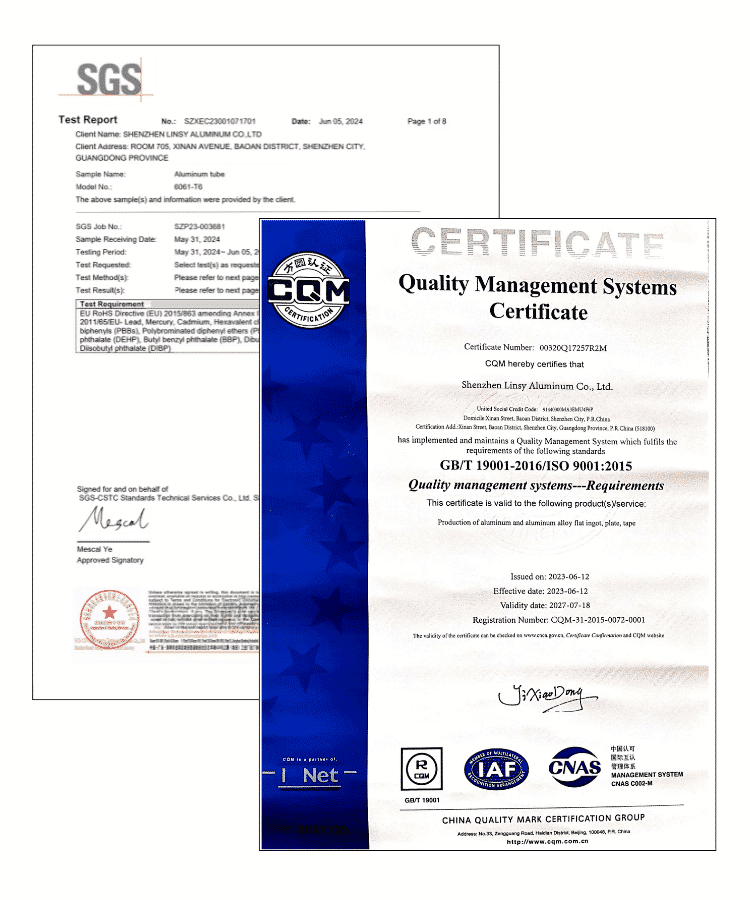
Elke 2219-aluminiumbestelling van Linsy wordt geleverd met een Mill Test Certificate (MTC) dat de chemische samenstelling en mechanische eigenschappen van uw specifieke productiepartij documenteert. Op verzoek zijn aanvullende documenten beschikbaar, waaronder SGS-testrapporten (chemische samenstelling, mechanische eigenschappen, ultrasoon onderzoek voor dikke plaat en smeedmateriaal, RoHS/REACH-conformiteit en dimensionale verificatierapporten).
Ja. AlCu6Mn is de Europese aanduiding voor 2219-aluminiumlegering volgens de EN 573-3-naamgevingsconventie. De aanduiding verwijst naar de primaire legeringselementen: aluminium-koper-mangaan. De UNS-equivalent is A92219 en de legering wordt ook gespecificeerd onder AMS 4066 (plaat/vel), AMS 4143 (staaf/rondstaaf) en AMS 4162/4163 (smidstukken). Alle nomenclatuur verwijst naar hetzelfde materiaal.
Linsy ondersteunt zowel grootschalige bestellingen als bestellingen met lage minimale afnamehoeveelheden. Standaardspecificaties kunnen in kleine hoeveelheden uit voorraad worden besteld. Voor maatwerkspecificaties bieden wij productie met lage MOQ om projectmatige behoeften en prototyping te ondersteunen. Neem contact met ons op met uw specificatie om beschikbaarheid en minimale hoeveelheden voor uw specifieke 2219-aluminiumvereisten te bevestigen.
Ja, monsters zijn beschikbaar voor evaluatie. Standaard monsterafmetingen worden gratis verstrekt; de klant betaalt de vrachtkosten voor verzending vanuit onze Shenzhen-faciliteit. Monsters met aangepaste afmetingen kunnen een nominale voorbereidingskosten met zich meebrengen. Neem contact op met ons team met uw monstervereisten.
Wij accepteren T/T (bankoverschrijving) en L/C (Letter of Credit). Standaard betalingsvoorwaarden worden besproken tijdens de offerte. Voor nieuwe klantrelaties bieden we flexibele voorwaarden om langdurige leverancierspartnerschappen te helpen opbouwen.
Linsy exporteert aluminiumproducten naar markten in Europa, Noord-Amerika, Zuid-Afrika, Brazilië, Singapore, Turkije, Japan, Zuid-Korea en andere regio's. Wij regelen internationaal vrachtvervoer met grote vervoerders en kunnen CIF-, FOB- en EXW-leveringsvoorwaarden aanpassen aan uw voorkeur.
Stuur uw specificatie — legering, temper, productvorm, afmetingen en hoeveelheid — via ons contactformulier of e-mail. Ons technisch team reageert doorgaans binnen één werkdag met prijsinformatie, beschikbaarheid en levertijd.
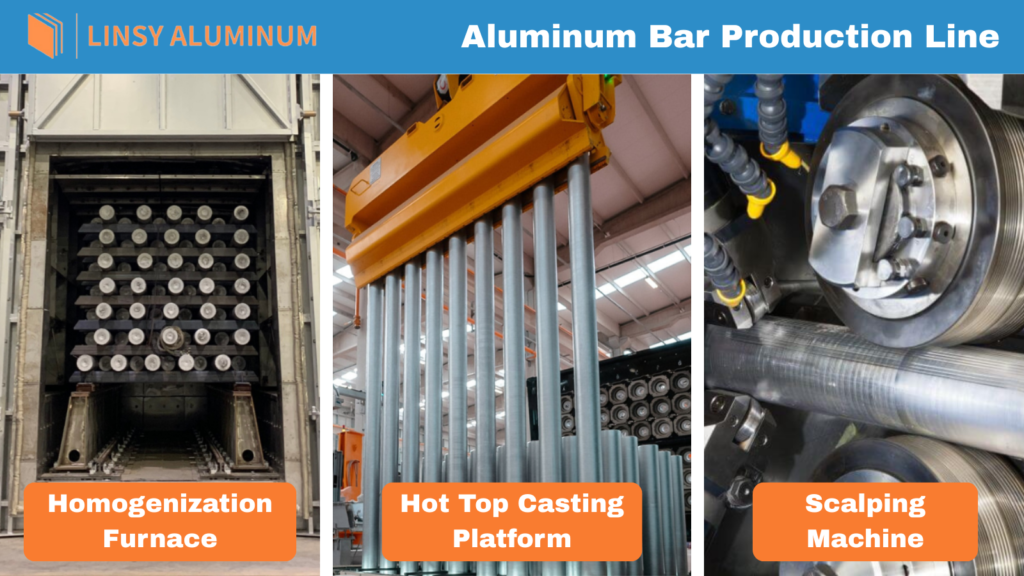
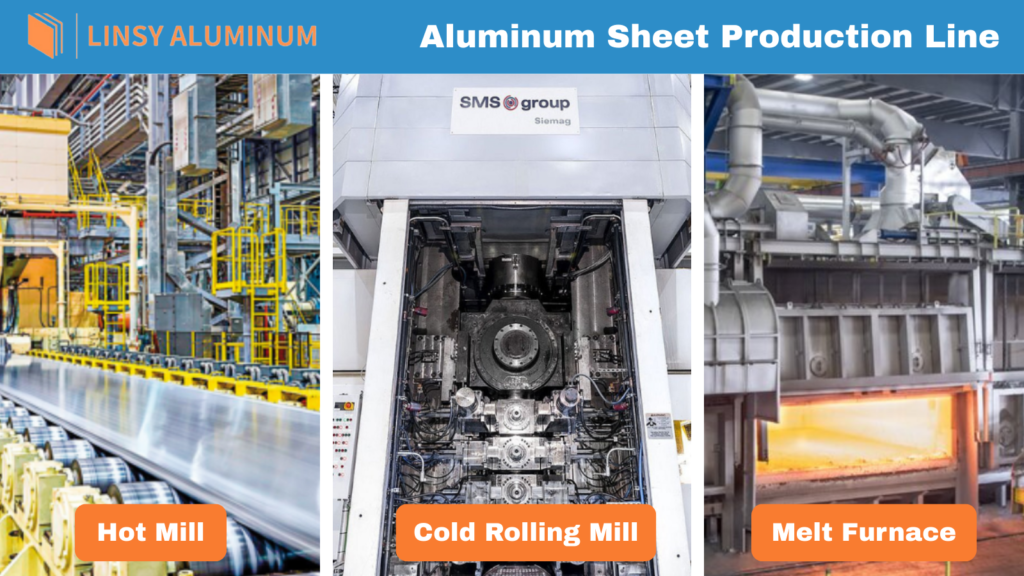
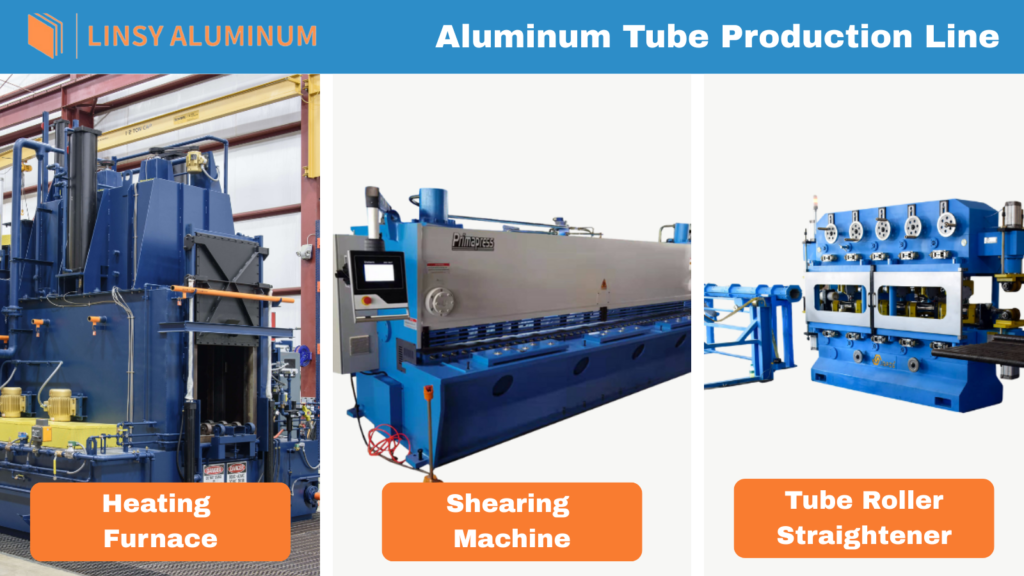
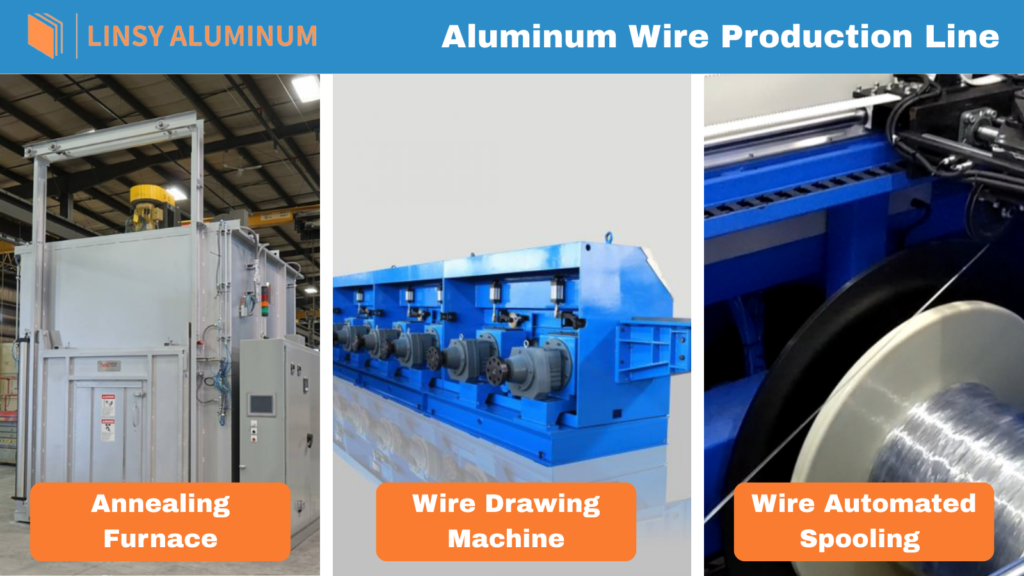
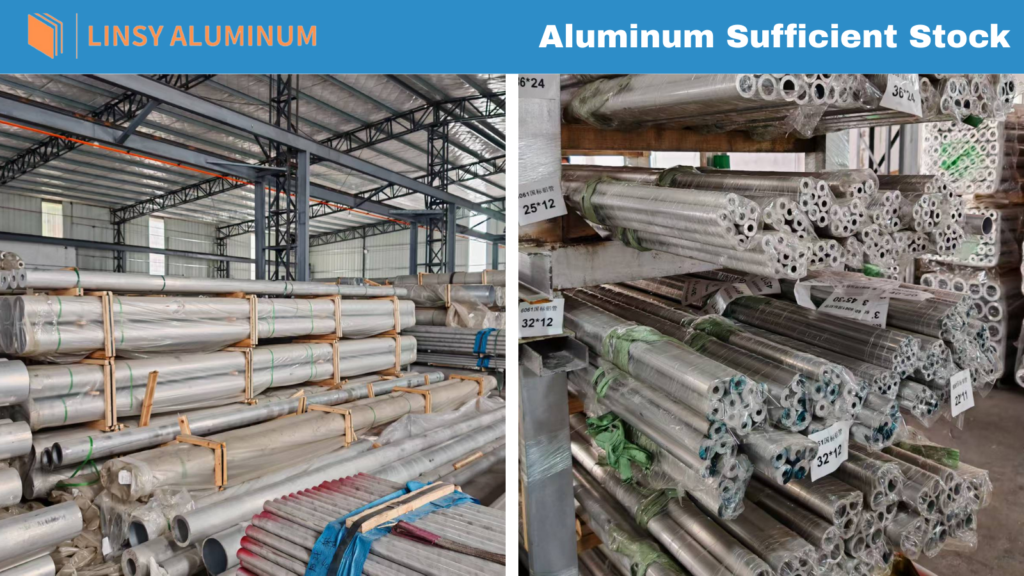
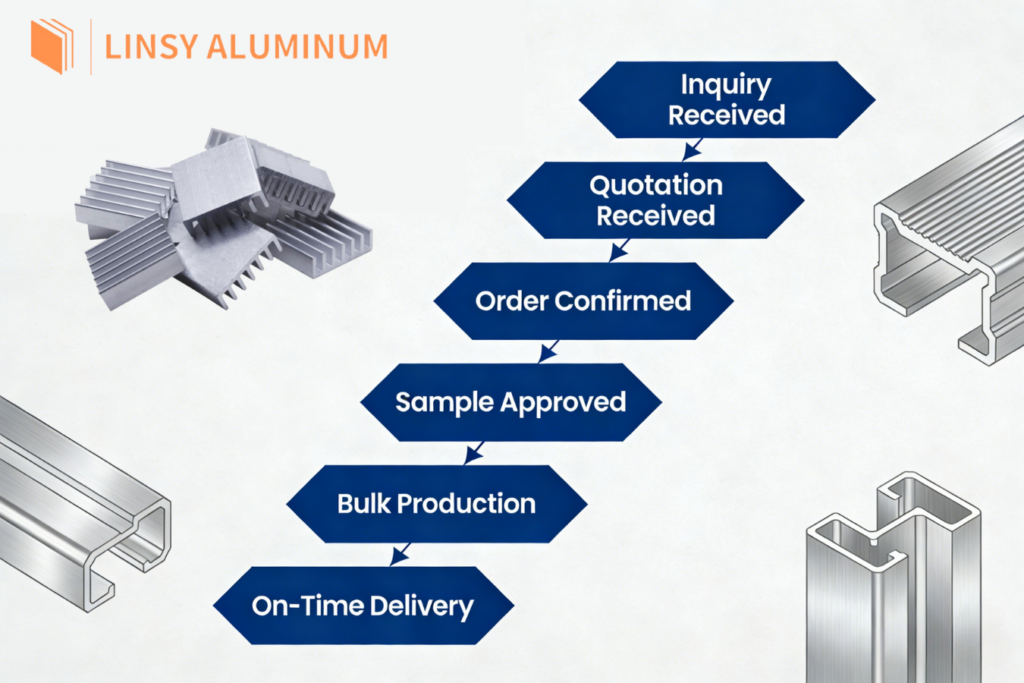
Linsy Voordelen
Linsy Aluminum is een toonaangevende leverancier van aluminiumverwerkingsproducten en levert aan diverse industrieën, waaronder de ruimtevaart, algemene machinebouw, automobielindustrie, scheepvaart, scheepsbouw en andere gespecialiseerde industriële toepassingen.
We zetten ons in om de hoogste kwaliteits- en milieunormen te handhaven, zoals blijkt uit onze certificeringen: ISO 9001:2008, ISO 14001:2004 en SGS.