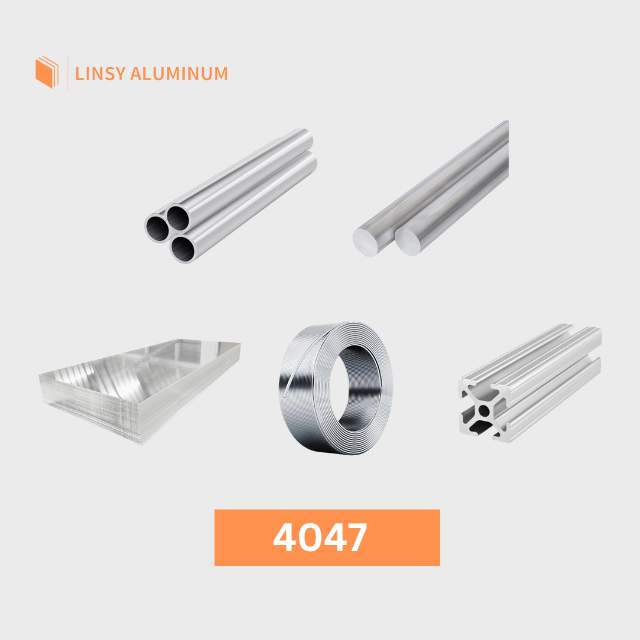



4047 aluminiumlegering (AlSi12) is een 4000-serie aluminium-siliciumlegering met ongeveer 11–13% silicium, die veel wordt gebruikt als hardsoldeermetaal en lasverbruiksmateriaal. De bijna-eutectische samenstelling geeft het een laag smeltpunt (~577–582 °C), uitstekende vloeibaarheid en minimale krimping bij stolling — waardoor het de meest gebruikelijke keuze is voor het hard solderen van aluminium in warmtewisselaars voor de automobielsector, HVAC-componenten en algemene verbindingstoepassingen. Linsy levert 4047-aluminium als hardsoldeerplaat/-strip, vuldraad en folie in O- en F-uitvoeringen, met aangepaste afmetingen, oppervlakteafwerking en MTC-rapporten op aanvraag.
Beschikbare formulieren: hardsoldeerplaat / -strip / vuldraad / folie
Veelvoorkomende temperamenten: O / F
Ondersteuning bij de verwerking: CNC-bewerking / laserbewerking / oppervlakteafwerking
Kwaliteitsdocumenten: MTC-rapport bij elke bestelling, SGS-keuring op verzoek
4047-aluminiumlegering (UNS A94047, EN AW-4047, ook bekend als AlSi12) is een niet-warmtebehandelbare vervormingslegering uit de 4000-serie, gekenmerkt door een hoog siliciumgehalte van ongeveer 11–13%. Deze bijna-eutectische Al-Si-samenstelling geeft 4047 een smelttraject van ongeveer 577–582 °C — lager dan dat van de meeste andere aluminiumlegeringen — samen met uitstekende vloeibaarheid, lage viscositeit in gesmolten toestand en minimale krimping bij stolling. Deze eigenschappen maken 4047 tot de dominante vullegering voor het hard solderen van aluminium en een veelvuldig gespecificeerde lasdraad voor het verbinden van aluminiumcomponenten.
In tegenstelling tot constructieve aluminiumkwaliteiten zoals 6061 of 7075 wordt 4047 voornamelijk gebruikt als verbruiksmateriaal en niet voor dragende toepassingen. Het wordt doorgaans geleverd in dunne diktes — als hardsoldeerplaat (vaak geplateerd op een kernlegering), strip, folie of vuldraad — en is goedgekeurd volgens normen waaronder AWS A5.10, EN ISO 18273 en ASTM B211.
Linsy levert 4047-aluminium in de productvormen die het meest worden gebruikt voor hardsoldeer- en lastoepassingen. Alle afmetingen kunnen worden aangepast aan uw productievereisten.
| Formulier | Temper | Dikte (mm) | Breedte (mm) |
|---|---|---|---|
| 4047 hardsoldeerplaat / -strip | O, F | 0.05 – 3.0 | 10 – 1200 |
| 4047 geplateerde hardsoldeerplaat | O, F | 0.1 – 2.0 | 10 – 1200 |
| Formulier | Temper | Diameter (mm) | Verpakking |
|---|---|---|---|
| 4047 vuldraad (TIG) | O | 1.0 – 5.0 | Spoel / lengte op maat |
| 4047 vuldraad (MIG) | O | 0.8 – 1.6 | Spoel |
| 4047 hardsoldeerstaaf | O | 1.6 – 4.0 | Lengte op maat |
| Formulier | Temper | Dikte (mm) | Breedte (mm) |
|---|---|---|---|
| 4047 hardsoldeerfolie | O, F | 0.02 – 0.2 | 5 – 600 |
Aangepaste afmetingen, spoelgewichten en verpakkingsspecificaties zijn op aanvraag beschikbaar. Voor toepassingen die 4047 in staaf-, buis- of plaatvorm vereisen, kunt u contact met ons opnemen voor beschikbaarheid en levertijd.
| Norm / Systeem | Benaming |
|---|---|
| UNS | A94047 |
| EN (Europees) | EN AW-4047 / EN AW-AlSi12 |
| ISO | AlSi12 |
| AWS (lassen) | ER4047 / R4047 (AWS A5.10) |
| Algemene benaming | AlSi12, 12% siliciumaluminium |
| Element | Inhoud (%) |
|---|---|
| Silicium (Si) | 11.0 – 13.0 |
| IJzer (Fe) | ≤ 0,8 |
| Koper (Cu) | ≤ 0,30 |
| Mangaan (Mn) | ≤ 0.15 |
| Magnesium (Mg) | ≤ 0,10 |
| Zink (Zn) | ≤ 0,20 |
| Overige (elk) | ≤ 0,05 |
| Overige (totaal) | ≤ 0.15 |
| Aluminium (Al) | Saldo |
4047 is een niet-warmtebehandelbare legering; de sterkte wordt voornamelijk bepaald door koudvervorming en gloeien. De onderstaande waarden gelden voor O-uitvoering (gegloeid) materiaal — de meest gebruikelijke conditie voor hardsoldeer- en lasverbruiksmaterialen.
| Temper | Treksterkte (MPa) | Opbrengststerkte (MPa) | Rek (%) | Typisch gebruik |
|---|---|---|---|---|
| O | 120 – 150 | 50 – 70 | 15 – 20 | Hardsoldeervulmateriaal, lasdraad |
| F (zoals vervaardigd) | 130 – 180* | 60 – 120* | 10 – 18* | Strip / plaat in gewalste toestand |
* Varieert met de mate van koudvervorming tijdens de fabricage. Neem contact op met Linsy voor uitvoeringsspecifieke testgegevens.
| Temper | Beschrijving | Belangrijkste Voordeel | Beste voor |
|---|---|---|---|
| O | Gegloeid (volledig zacht) | Maximale ductiliteit en vervormbaarheid; gemakkelijk te voeden als draad | Vulmateriaal, hardsoldeerstaaf, folie voor stampen |
| F | Zoals vervaardigd (geen speciale thermische controle) | Geleverde toestand met matige sterkte; meest economisch | Strip en plaat voor niet-kritisch hard solderen |
4047 is niet warmtebehandelbaar; hoogsterkte-uitvoeringen (T6, T651, etc.) zijn niet van toepassing. De legering bereikt haar optimale prestatie door haar laagsmeltende, hoogvloeiende karakteristieken in plaats van mechanische sterkte.
De bijna-eutectische Al-Si-samenstelling geeft 4047 een smelttraject dat ongeveer 50–80 °C lager ligt dan gangbare basismaterialen zoals 3003 of 6061. Hierdoor kan het vloeien en hardsoldeerverbindingen vullen voordat het basismetaal zijn solidus-temperatuur bereikt — essentieel voor gecontroleerde-atmosfeer hard solderen (CAB) en vacuümhardsoldeerprocessen.
4047 vertoont minimale volumetrische krimping tijdens stolling, wat het risico op hete scheuren en porositeit in hardsoldeerverbindingen vermindert. Dit is een belangrijk voordeel ten opzichte van vullegeringen met bredere stollingstrajecten.
4047 biedt adequate algemene corrosiebestendigheid, hoewel het niet specifiek is geformuleerd voor maritieme of chemische omgevingen. In combinatie met een corrosiebestendige kernlegering (bijv. 3003 of 6063 geplateerde hardsoldeerplaat) voldoet de totale samenstelling aan typische corrosie-eisen voor de automobielsector en HVAC.
4047 biedt matige elektrische geleidbaarheid (~35–40% IACS) en goede thermische geleidbaarheid, wat voordelig is in gehardsoldeerde warmtewisselaars en elektrische geleidertoepassingen waar het vulmateriaal geen thermische of elektrische barrière bij de verbinding mag vormen.
| Industrie | Typische toepassingen | Waarom 4047 wordt gebruikt |
|---|---|---|
| Automotive | Radiatoren, condensors, verdampers, laadluchtkoelers, oliekoelers | Laag smeltpunt en goede vloei maken hoogvolume CAB-hardsolderen van warmtewisselaarkernen mogelijk |
| HVAC & Koeling | Warmtewisselaarspiralen, microkanaalbuizen, verdeelstukconstructies | Compatibel met standaard aluminium hardsoldeerprocessen; vormt lekdichte verbindingen |
| Algemeen verbinden | Reparatie- en onderhoudshardsolderen van aluminium onderdelen; aluminium-op-aluminium en aluminium-op-koper verbindingen (met geschikt vloeimiddel) | Gemakkelijk aan te brengen als draad of staaf; lagere werktemperatuur beschermt het basismetaal tegen oververhitting |
| Vermogenselektronica | Railverbindingen, koellichamen, vloeistofkoelplaten | Goede thermische geleidbaarheid zorgt voor minimale thermische weerstand bij gehardsoldeerde interfaces |
| Lasverbruiksmaterialen | TIG- en MIG-vulmateriaal voor het verbinden van 6000-serie en 3000-serie legeringen | Hoog siliciumgehalte verbetert de vloeibaarheid van het lasbad en vermindert de gevoeligheid voor hete scheurvorming |
Het verwerkingsgedrag van 4047 verschilt aanzienlijk van constructieve aluminiumkwaliteiten:
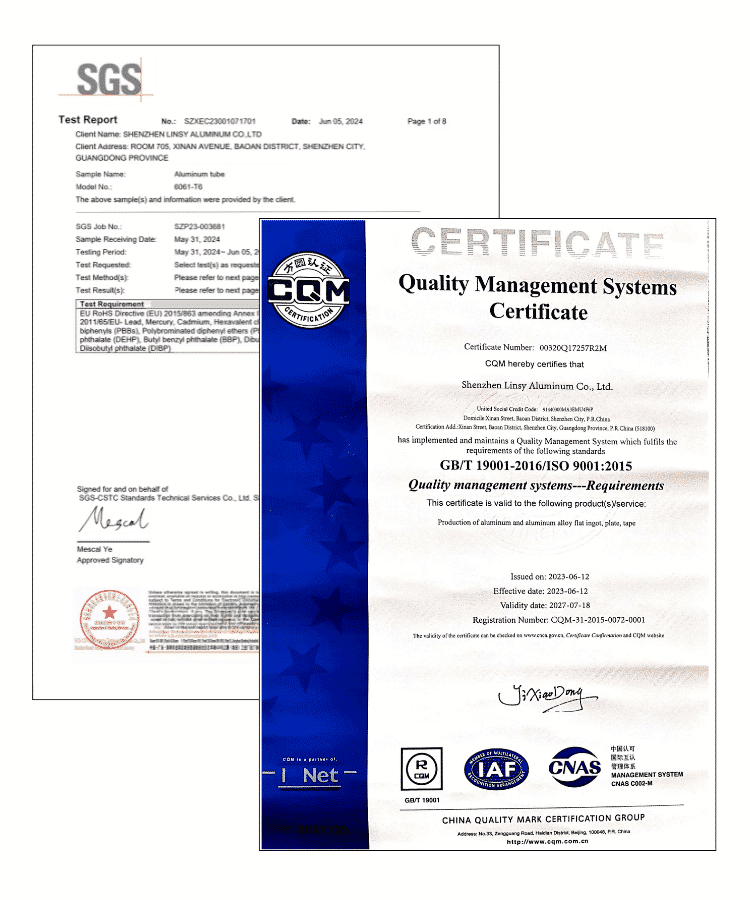
Elke 4047-bestelling van Linsy wordt geleverd met een Materiaal Test Certificaat (MTC) dat de chemische samenstelling en mechanische eigenschappen van de geleverde partij documenteert. SGS-detectie door derden — inclusief chemische analyse, verificatie van mechanische eigenschappen, RoHS/REACH-conformiteit en dimensionale inspectie — is op verzoek beschikbaar.
Linsy werkt onder ISO 9001-, ISO 14001- en ISO 45001-managementsystemen. Inkomende grondstoffen en uitgaande eindproducten worden geïnspecteerd om conformiteit met de gespecificeerde legeringssamenstelling, temperatuurtoestand en dimensionale toleranties te waarborgen.
Linsy Aluminum is een in Shenzhen gevestigde aluminiumfabriek met meer dan 20 jaar industriële ervaring en bedient kopers in de automobielsector, HVAC, vermogenselektronica en algemene industriële markten in Europa, Zuidoost-Azië, het Midden-Oosten en Zuid-Amerika.
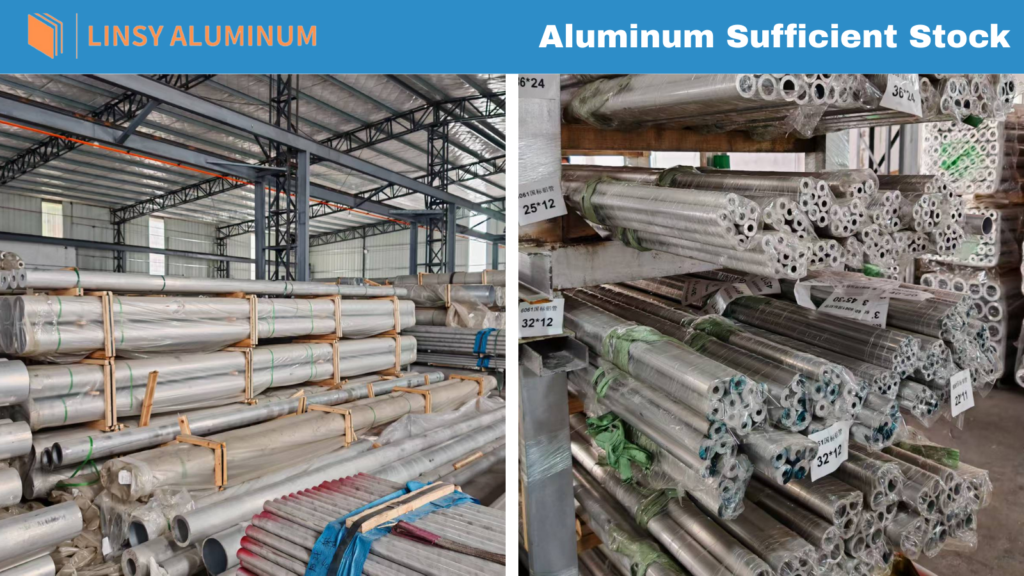
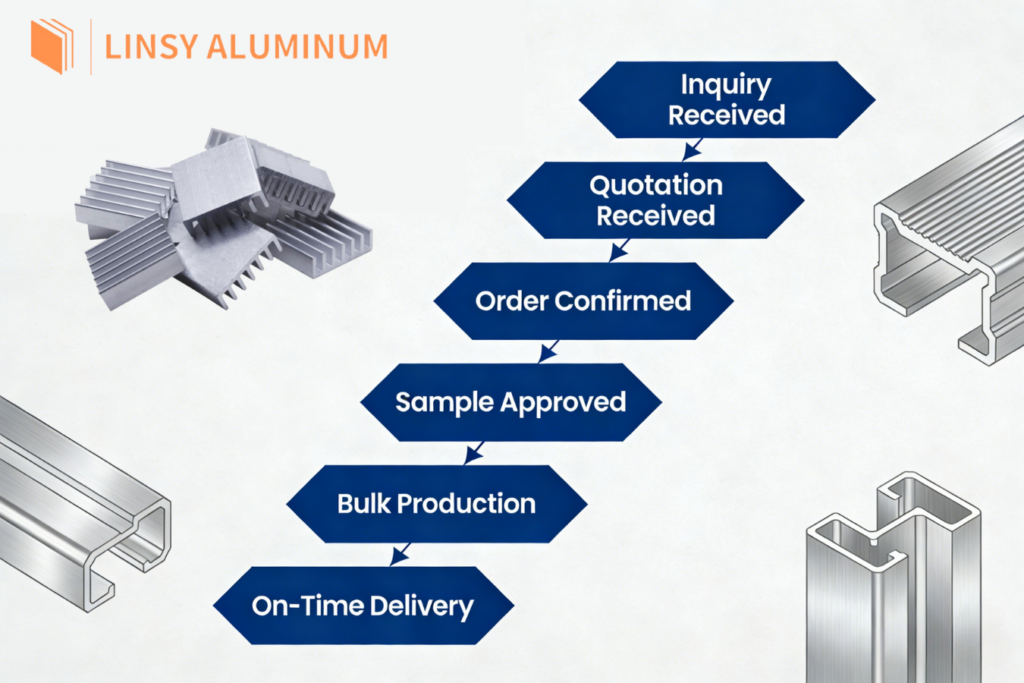
Wij leveren 4047 soldeerplaat, strip, vulmateriaal en folie in standaard- en aangepaste afmetingen. Onze brede voorraaddekking maakt snelle doorlooptijden mogelijk voor gangbare specificaties, en onze productie met lage minimale bestelhoeveelheid (MOQ) biedt ruimte voor niet-standaard artikelen met een typische levertijd van 10–60 dagen, afhankelijk van legering, afmetingen en verwerkingseisen.
Met eigen verwerkingscapaciteiten en uitgebreide kwaliteitsdocumentatie ondersteunt Linsy kopers die zowel materiaallevering als verdere verwerking nodig hebben — van soldeerfolie gesneden op exacte breedte, tot vulmateriaal gesneden op gespecificeerde lengte en opgewikkeld voor geautomatiseerde toevoer.
Waarvoor wordt 4047-aluminium gebruikt?
4047-aluminium wordt voornamelijk gebruikt als soldeervulmetaal en TIG/MIG-lasdraad. Het lage smeltpunt en de hoge vloeibaarheid maken het de standaardkeuze voor het solderen van aluminium warmtewisselaars in de automobielsector, HVAC-componenten en algemeen aluminiumverbindingswerk.
Wat is het verschil tussen 4043 en 4047 aluminium vulmateriaal?
4043 bevat ongeveer 4,5–6,0% silicium, terwijl 4047 11–13% silicium bevat. Het hogere siliciumgehalte in 4047 geeft een lager smelttraject en betere vloeibaarheid, waardoor het de voorkeur geniet voor solderen. 4043 wordt vaker gebruikt voor algemeen lassen waar een hogere verbindingssterkte nodig is.
Kan 4047-aluminium warmtebehandeld worden?
Nee. 4047 is een niet-warmtebehandelbare legering. De eigenschappen worden bepaald door het siliciumgehalte en koudvervorming. Als een hogere sterkte bij de verbinding vereist is, overweeg dan de keuze van het basismetaal in plaats van de vullegering.
Wat is het smeltpunt van 4047-aluminium?
4047 heeft een smelttraject van ongeveer 577–582 °C, wat 50–80 °C lager is dan gangbare basislegeringen zoals 3003 (643–654 °C) of 6061 (582–652 °C). Dit temperatuurverschil maakt het effectief als soldeervulmetaal — de 4047 smelt en vloeit voordat het basismetaal zijn solidus bereikt.
Levert u 4047 als soldeerplaat geplateerd op een kernlegering?
Ja. Linsy levert 4047 geplateerd soldeerplaatmateriaal waarbij een dunne laag 4047 metallurgisch is verbonden aan één of beide zijden van een kernlegering (doorgaans 3003 of 6063). Vermeld uw kernlegering, plateerverhouding en afmetingen bij het aanvragen van een offerte.
Kan 4047-vulmateriaal voor alle aluminiumlegeringen worden gebruikt?
4047-vulmateriaal is compatibel met de meeste gangbare aluminium basislegeringen, met name 3000-serie, 6000-serie en veel gietlegeringen. Het wordt niet aanbevolen voor het lassen van 5000-serie legeringen met een hoog magnesiumgehalte (boven ~2,5% Mg), omdat overmatige Mg₂Si-vorming de las bros kan maken. Het wordt ook niet aanbevolen voor verbindingen die zullen worden geanodiseerd, omdat het hoge siliciumgehalte de anodische laag verkleurt.
Welke documentatie levert u bij 4047-bestellingen?
Elke bestelling wordt geleverd met een Materiaal Test Certificaat (MTC) van Linsy met de chemische samenstelling en mechanische eigenschappen van de geleverde partij. SGS-testrapporten (chemische analyse, mechanische tests, RoHS/REACH-conformiteit) zijn op verzoek beschikbaar tegen extra testkosten.
Wat is de typische levertijd voor 4047-producten?
Standaarddikte 4047 soldeerplaat en gangbare diameters vulmateriaal uit onze voorraad kunnen binnen 10–15 dagen worden verzonden. Aangepaste afmetingen, geplateerd soldeerplaatmateriaal en niet-standaard specificaties vereisen doorgaans 15–60 dagen, afhankelijk van de specifieke kenmerken van de bestelling.
Wat is uw minimale bestelhoeveelheid (MOQ)?
Linsy ondersteunt bestellingen met lage MOQ. Voor standaardspecificaties uit voorraad worden kleine hoeveelheden geaccepteerd. Voor maatwerkproductie varieert de MOQ per legering, productvorm en verwerkingseisen. Neem contact met ons op met uw specificaties voor een specifieke MOQ-offerte.
Levert u monsters?
Ja. Monsterstukken van 4047 soldeerplaat, strip of vulmateriaal zijn beschikbaar voor evaluatie. Neem contact met ons op met uw vereiste afmetingen en legeringsspecificatie.
Welke betaalmethoden accepteert u?
Wij accepteren T/T (bankoverschrijving) en L/C (Letter of Credit). Betalingsvoorwaarden zijn doorgaans 30% aanbetaling bij bestelling en 70% saldo vóór verzending, maar voorwaarden kunnen worden besproken voor langdurige samenwerkingen.
Welke verzendmethoden zijn beschikbaar?
Wij verzenden per zeevracht (FCL/LCL), luchtvracht en koeriersdiensten (DHL, FedEx, UPS, TNT), afhankelijk van orderomvang, urgentie en bestemming. Verpakking is versterkt voor internationaal transport om schade te voorkomen.
Biedt u vervanging of een kwaliteitsgarantie?
Alle producten worden vóór verzending geïnspecteerd en verzonden met een MTC. Als materiaal bij ontvangst niet-conform blijkt te zijn aan de overeengekomen specificatie, regelen wij vervanging of restitutie, onder voorbehoud van verificatie.
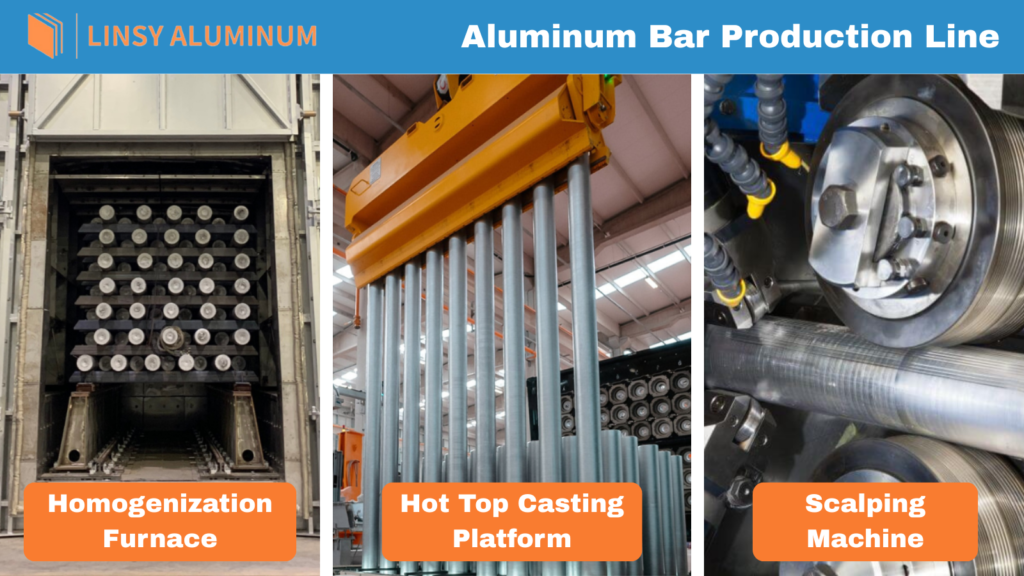
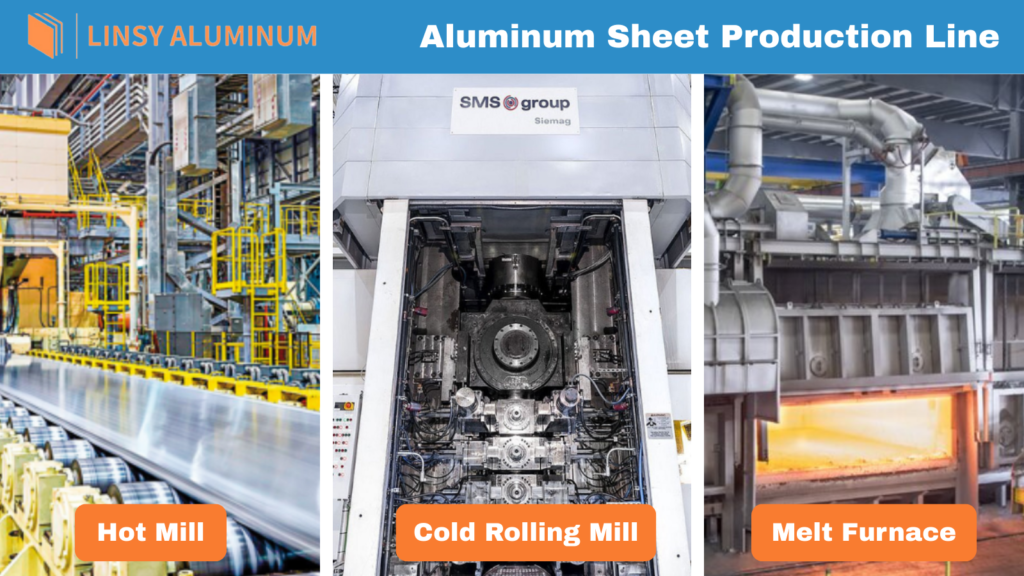
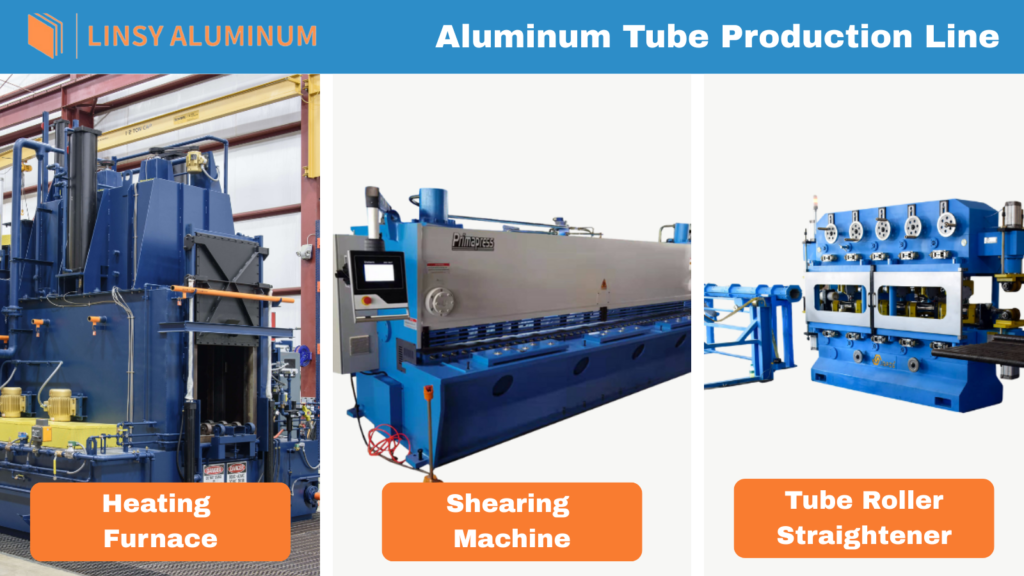
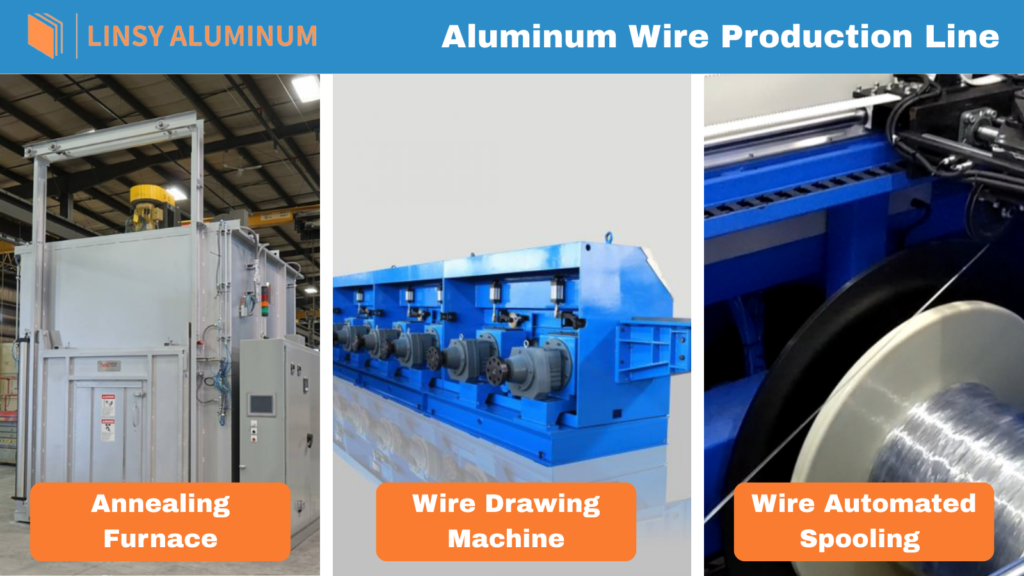
Linsy Voordelen
Linsy Aluminum is een toonaangevende leverancier van aluminiumverwerkingsproducten en levert aan diverse industrieën, waaronder de ruimtevaart, algemene machinebouw, automobielindustrie, scheepvaart, scheepsbouw en andere gespecialiseerde industriële toepassingen.
We zetten ons in om de hoogste kwaliteits- en milieunormen te handhaven, zoals blijkt uit onze certificeringen: ISO 9001:2008, ISO 14001:2004 en SGS.