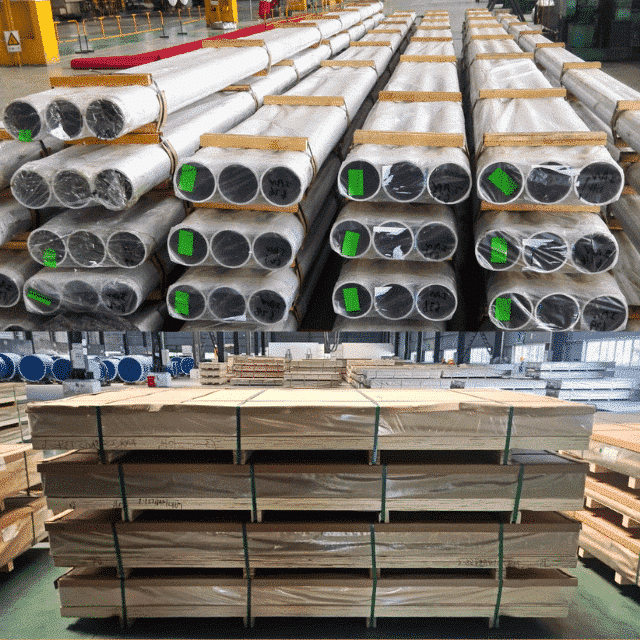

A liga de alumínio 6061 é uma liga de alumínio da série 6000 endurecida por precipitação, ligada principalmente com magnésio e silício. Conhecida como um dos graus de alumínio de uso geral mais versáteis, a 6061 oferece um excelente equilíbrio entre resistência, soldabilidade, resistência à corrosão e usinabilidade. A Linsy fornece chapa, placa, bobina, barra, tubo, fio e perfis de alumínio 6061 nos temperos O, T4, T6, T651 e T6511, com dimensões personalizadas, acabamento de superfície e relatórios MTC disponíveis.
Formulários disponíveis: chapa / placa / bobina / barra / tubo / fio / perfil
Temperamentos comuns: O / T4 / T6 / T651 / T6511
Suporte ao processamento: Usinagem CNC / corte a laser / soldagem TIG & MIG / anodização / polimento
Documentos de qualidade: Relatório MTC com cada pedido, teste SGS mediante solicitação
A liga de alumínio 6061 (UNS A96061) é uma das ligas de alumínio tratáveis termicamente mais amplamente utilizadas. Originalmente desenvolvida em 1935 como “Liga 61S”, é um grau endurecido por precipitação ligado principalmente com magnésio (Mg) e silício (Si), que formam siliceto de magnésio (Mg₂Si) durante o envelhecimento artificial. Esta composição confere à 6061 sua combinação característica de resistência moderada a alta, excelente soldabilidade, boa resistência à corrosão e usinabilidade excepcional — tornando-a o grau de alumínio de uso geral mais comum em engenharia estrutural, transporte e componentes usinados de precisão.
A 6061 é a segunda liga de alumínio mais extrudada depois da 6063, e é fornecida em quase todas as formas de produto — desde chapa, placa e bobina até barra, tubo, fio e perfis personalizados complexos. Aceita conformação a frio e a quente, responde bem à anodização e é aprovada sob as principais normas internacionais, incluindo ASTM B209, B210, B211, B221, ISO 6361 e EN 573-3.
A Linsy fornece alumínio 6061 em toda a gama de formas de produto padrão e personalizadas. Comprimento, largura e tolerâncias dimensionais podem ser adaptados aos requisitos do seu projeto.
| Formulário | Temperamento | Espessura (mm) | Largura (mm) | Comprimento (mm) |
|---|---|---|---|---|
| Chapa / Bobina 6061 | F, O, T4, T6, T651, H112 | 0.3 – 6.0 | 500 – 2600 | Personalizado |
| Formulário | Temperamento | Espessura (mm) | Largura (mm) | Comprimento (mm) |
|---|---|---|---|---|
| Placa 6061 | F, O, T6, T651, H112 | 6.0 – 150 | 500 – 2600 | 500 – 6000 |
| Formulário | Temperamento | Diâmetro (mm) | Comprimento (mm) |
|---|---|---|---|
| Barra Redonda 6061 | F, O, T6, T651, T6511, H112 | 3 – 300 | 1000 – 6000 |
| Formulário | Temperamento | Diâmetro externo (mm) | Espessura da parede (mm) | Comprimento (mm) |
|---|---|---|---|---|
| Tubo 6061 (Sem Costura / Soldado) | F, O, T4, T6, T651, H112 | 6 – 300 | 1 – 50 | 1000 – 6000 |
| Parâmetro | Especificação |
|---|---|
| Diâmetro | 0,8 – 30 mm |
| Temperamento | F, O, T4, T6, H112 |
| Peso da bobina | Mínimo de 50 kg |
| Tolerância de tamanho | ± 0,02 mm |
A 6061 é uma das ligas de alumínio mais comumente extrudadas e está amplamente disponível em formatos de perfil personalizados. A Linsy fornece tarugos de 6061 grau extrusão e trabalha com parceiros downstream para perfis estruturais, cantoneiras, canais e seções transversais sob medida. Aplicações comuns incluem cantoneiras, canais e vigas I em 6061-T6 usados em fabricação estrutural.
| Sistema de Norma | Designação |
|---|---|
| UNS | A96061 |
| EN AW | EN AW-6061 / AlMg1SiCu |
| ISO | Al Mg1SiCu |
| AA / SAE | 6061 |
| JIS (Japão) | A6061 |
| GB / Chinês | 6061 (LD30) |
Normas aplicáveis comuns:
Limites típicos de composição (conforme normas ASTM / EN, peso %):
| Elemento | Mín % | Máx % |
|---|---|---|
| Magnésio (Mg) | 0.80 | 1.20 |
| Silício (Si) | 0.40 | 0.80 |
| Ferro (Fe) | — | 0.70 |
| Cobre (Cu) | 0.15 | 0.40 |
| Cromo (Cr) | 0.04 | 0.35 |
| Zinco (Zn) | — | 0.25 |
| Manganês (Mn) | — | 0.15 |
| Titânio (Ti) | — | 0.15 |
| Outros, cada | — | 0.05 |
| Outros, total | — | 0.15 |
| Alumínio (Al) | Saldo (≈ 95,85 – 98,56) | |
As propriedades apresentadas são valores típicos para a 6061 em três temperos comuns. Especificações da ASTM B221 e normas equivalentes regem os valores mínimos.
| Propriedade | O (recozido) | T4 (Solução + Envelhecimento Natural) | T6 / T651 (Solução + Envelhecimento Artificial) |
|---|---|---|---|
| Resistência à tração | ≤ 150 MPa (≤ 22 ksi) | ≥ 180 – 210 MPa (26 – 30 ksi) | ≥ 290 MPa (≥ 42 ksi), típico 310 MPa |
| Resistência ao Escoamento (0,2%) | ≤ 83 – 110 MPa (12 – 16 ksi) | ≥ 110 MPa (≥ 16 ksi) | ≥ 240 MPa (≥ 35 ksi), típico 270 MPa |
| Alongamento na ruptura | 10 – 18 % | 10 – 16 % | 8 – 12 % (depende da espessura) |
| Resistência ao cisalhamento | ≈ 84 MPa | ≈ 110 MPa | ≈ 210 MPa |
| Resistência à fadiga | — | — | ≈ 97 MPa (5×10⁸ ciclos) |
| Módulo de elasticidade | 69 GPa (10.000 ksi) | ||
A escolha do tempero certo depende se você necessita de conformabilidade, soldabilidade, resistência máxima ou estabilidade dimensional após usinagem.
| Temperamento | Melhor para | Notas |
|---|---|---|
| 6061-O (Recozido) | Estampagem profunda, conformação complexa, recalque a frio | Menor resistência, máxima ductilidade. Condição mais macia e mais conformável. |
| 6061-T4 | Peças dobradas ou conformadas que envelhecerão naturalmente | Resistência moderada. Usado para peças que precisam de conformação antes do envelhecimento final. |
| 6061-T6 | Componentes estruturais, engenharia geral, peças usinadas | Resistência máxima após envelhecimento artificial. Tempero mais comum para peças acabadas. |
| 6061-T651 | Peças usinadas com precisão e tolerância dimensional apertada | Alívio de tensões por estiramento após tratamento de solução. Reduz empenamento durante a usinagem. |
| 6061-T6511 | Barra, redondo e perfil extrudados com estabilidade dimensional | Condição extrudada com alívio de tensões. Padrão para estoque de usinagem de precisão. |
| 6061-H112 | Produtos com propriedades endurecidas por deformação a quente | Utilizado para chapas e barras em seções pesadas. Resistência entre O e T6. |
O 6061-T6 atinge resistência à tração acima de 290 MPa com densidade de 2,70 g/cm³ — aproximadamente um terço do peso de seções equivalentes em aço. Essa vantagem de resistência por peso é o motivo pelo qual o 6061 domina quadros de bicicletas, estruturas secundárias de aeronaves, componentes de chassis automotivos e robótica.
O 6061 é uma das ligas de alumínio tratáveis termicamente mais soldáveis. Processos padrão de TIG (GTAW) e MIG (GMAW) funcionam bem com fio de adição 4043 ou 5356. Observe que a zona de solda amolece para propriedades aproximadas do 6061-T4, com redução típica de resistência de cerca de 40%. Projetos que precisam manter a resistência total T6 em uma solda devem considerar re-tratamento térmico pós-solda ou aceitar uma tensão de projeto de 165 MPa na zona afetada pelo calor.
O 6061 oferece boa resistência à corrosão atmosférica e moderada, sendo adequado para aplicações marítimas, arquitetônicas e externas. Não é tão resistente à corrosão quanto as ligas da série 5xxx em exposição prolongada à água do mar; portanto, para ambientes marinhos altamente corrosivos, 5083 ou 5052 podem ser preferidos.
O 6061 produz excelentes características de cavaco nas condições T6 e T651 e é classificado como “Bom (A)” na escala de usinabilidade do alumínio. O T651 é o temper preferido para peças usinadas por CNC, pois o processo de alívio de tensões minimiza a distorção durante a remoção de material.
O 6061 aceita tratamentos padrão de anodização (Tipo II) e anodização dura (Tipo III), embora o 6063 geralmente produza um acabamento anodizado decorativo mais claro e uniforme. A Linsy oferece opções internas de anodização, polimento, pintura eletrostática e filme protetor de PVC para componentes acabados em 6061.
O 6061 é a liga de alumínio mais especificada para aplicações gerais de engenharia e estruturais:
O 6061 é uma das ligas de alumínio mais fáceis de processar, mas algumas notas específicas ajudarão a obter os melhores resultados:
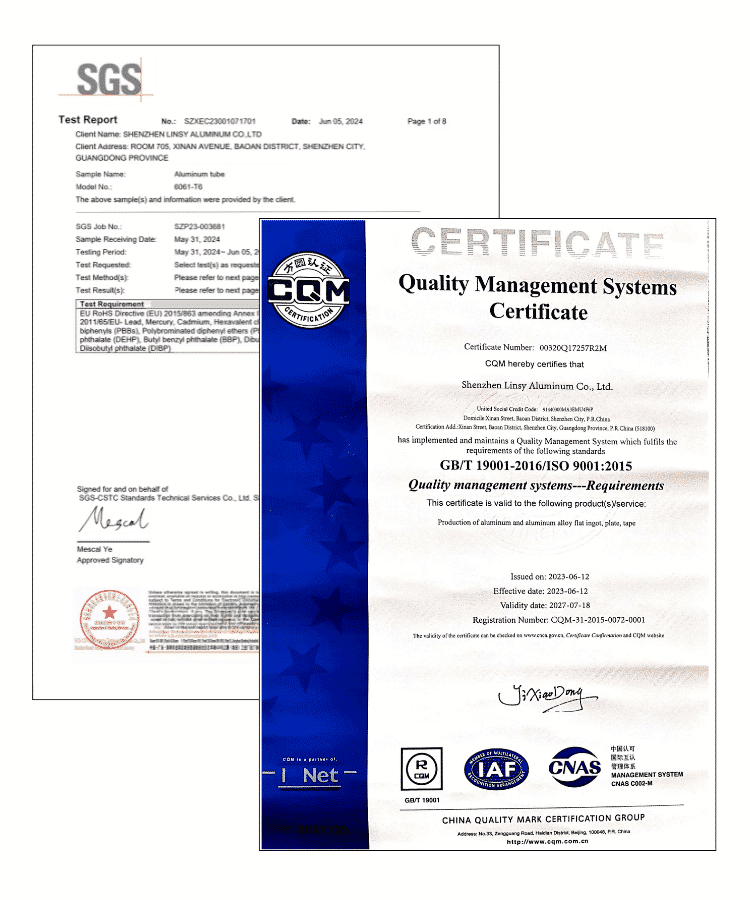
O controle de qualidade na Linsy vai desde a seleção da matéria-prima até a inspeção do produto acabado. Cada pedido é fornecido com um MTC (Certificado de Teste de Material) emitido pela Linsy Aluminum após a produção, incluindo composição química e resultados de propriedades mecânicas do lote real.
Para clientes que exigem verificação por terceiros, relatórios de teste SGS estão disponíveis mediante solicitação, com custo adicional de teste. Os relatórios SGS disponíveis incluem:
A Linsy Aluminum é uma fábrica de alumínio sediada em Shenzhen com mais de 20 anos de experiência no setor, fornecendo 6061 e outras ligas das séries 1000–8000 para clientes em engenharia geral, automotivo, marítimo, construção naval, construção civil, manufatura e eletrônica de potência.
Para o seu fornecimento de 6061, isso significa:
Use estes guias para tomar a decisão correta sobre o 6061 para sua aplicação:
O 6061 é ligado principalmente com magnésio (0,8–1,2%) e silício (0,4–0,8%), que se combinam durante o tratamento térmico para formar precipitados de Mg₂Si. Quantidades menores de ferro, cobre, cromo, zinco, manganês e titânio proporcionam controle adicional de grão e efeitos de fortalecimento.
Sim, o 6061 é uma das ligas de alumínio tratáveis termicamente mais soldáveis. Use fio de enchimento 4043 ou 5356 e processos padrão TIG ou MIG. Esteja ciente de que a zona afetada pelo calor da solda amolece para aproximadamente a resistência T4 — cerca de 40% menor que o material T6 original.
T6 é a condição padrão de tratamento térmico de solução e envelhecimento artificial. T651 adiciona uma etapa de alívio de tensões (estiramento do material após têmpera) para reduzir tensões residuais. Para usinagem CNC de precisão onde planeza e estabilidade dimensional são importantes, T651 é a escolha preferida.
O 6061 é mais resistente e mais adequado para aplicações estruturais e de suporte de carga, enquanto o 6063 possui ligeiramente melhor conformabilidade, acabamento superficial e resposta à anodização. O 6063 é tipicamente usado para extrusões arquitetônicas (molduras de janelas, tubos decorativos), enquanto o 6061 é usado para peças estruturais e usinadas.
O 7075 é uma liga de resistência muito maior (à base de zinco) com aproximadamente 1,5× a resistência à tração do 6061-T6, mas é significativamente mais difícil de soldar e mais caro. O 6061 é preferido quando se necessita de um equilíbrio entre resistência, soldabilidade, resistência à corrosão e custo. O 7075 é preferido para aplicações aeroespaciais e peças estruturais de alta tensão.
Sim, o 6061 aceita tanto anodização Tipo II (decorativa) quanto Tipo III (dura). Para aparência premium com cor uniforme, o 6063 é frequentemente preferido por produzir um acabamento anodizado mais limpo. A Linsy oferece anodização interna para componentes de 6061.
Normas comuns incluem ASTM B209 (chapa/placa), B210 (tubo sem costura trefilado), B211 (barra/vergalhão/fio), B221 (produtos extrudados), B308 (perfis estruturais), ISO 6361 e EN 573-3. EN AW-6061 (AlMg1SiCu) é a designação europeia, e UNS A96061 é o sistema de numeração unificado.
O 6061 tem densidade de 2,70 g/cm³ (0,0975 lb/in³), idêntica à maioria das outras ligas de alumínio. A vantagem de peso vem da resistência do material, não de uma densidade diferente.
A Linsy envia globalmente, com cobertura de fornecimento estabelecida na Europa, África do Sul, Brasil, Singapura, Turquia, Japão, Coreia do Sul e Sul da Ásia.
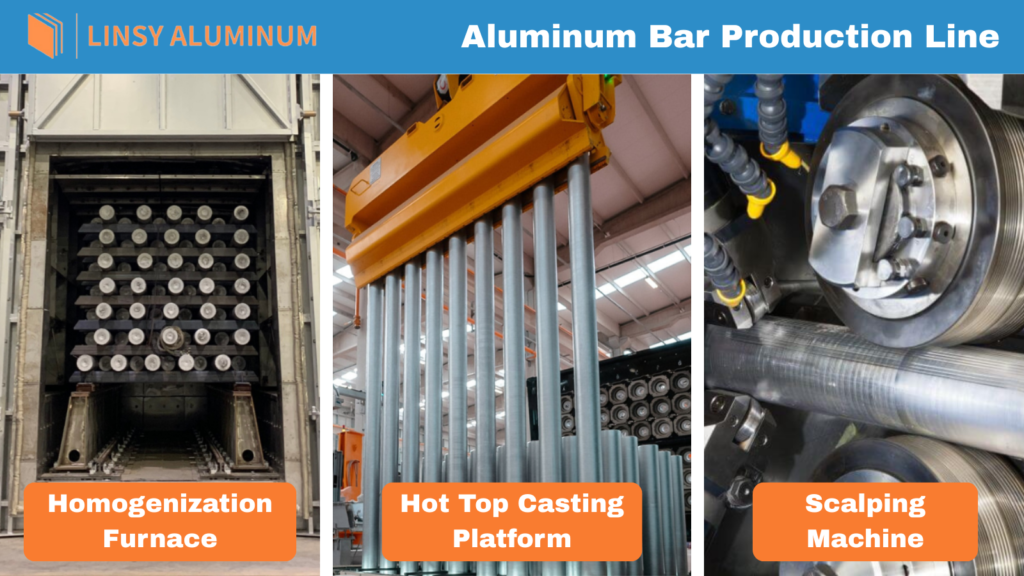
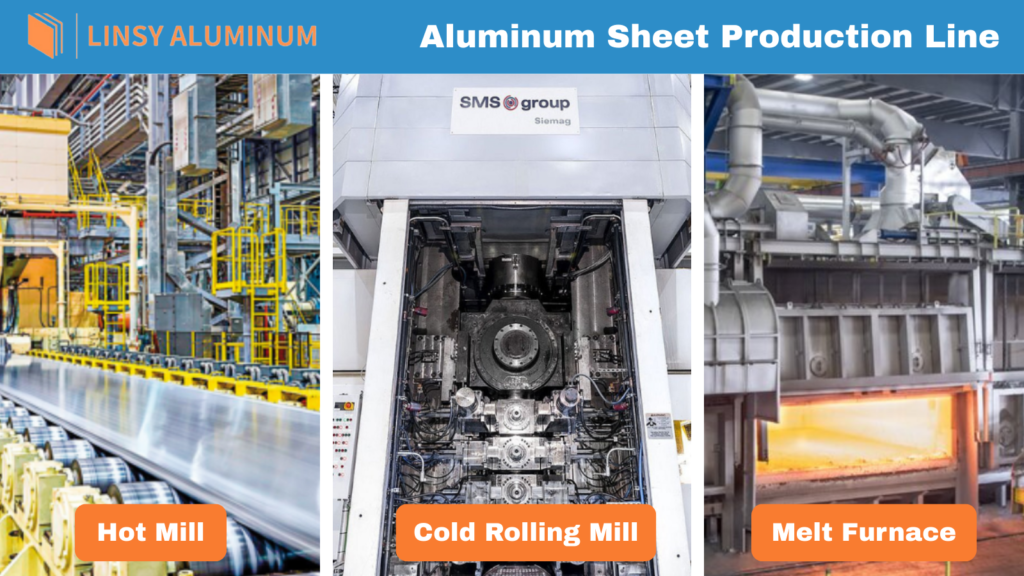
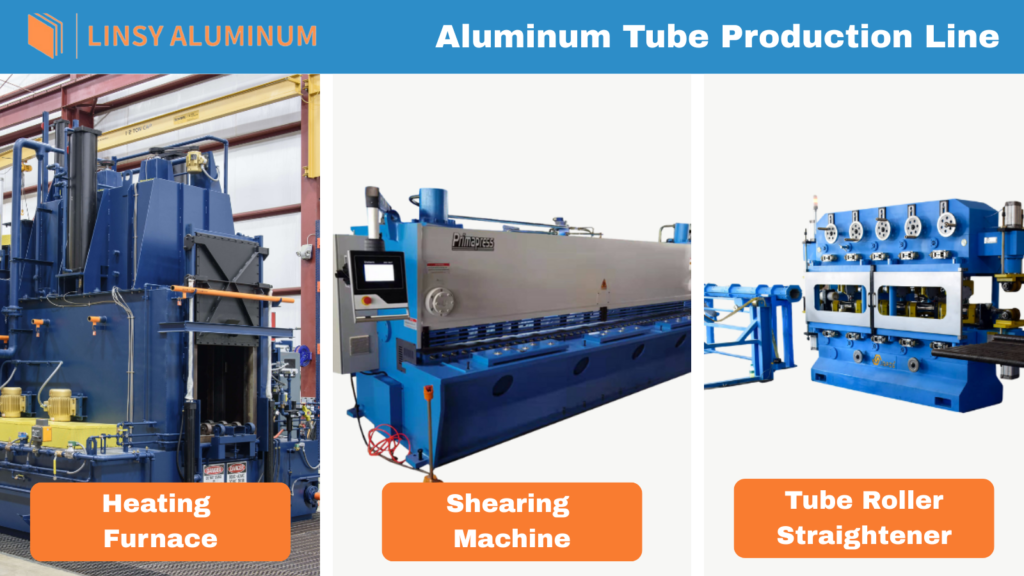
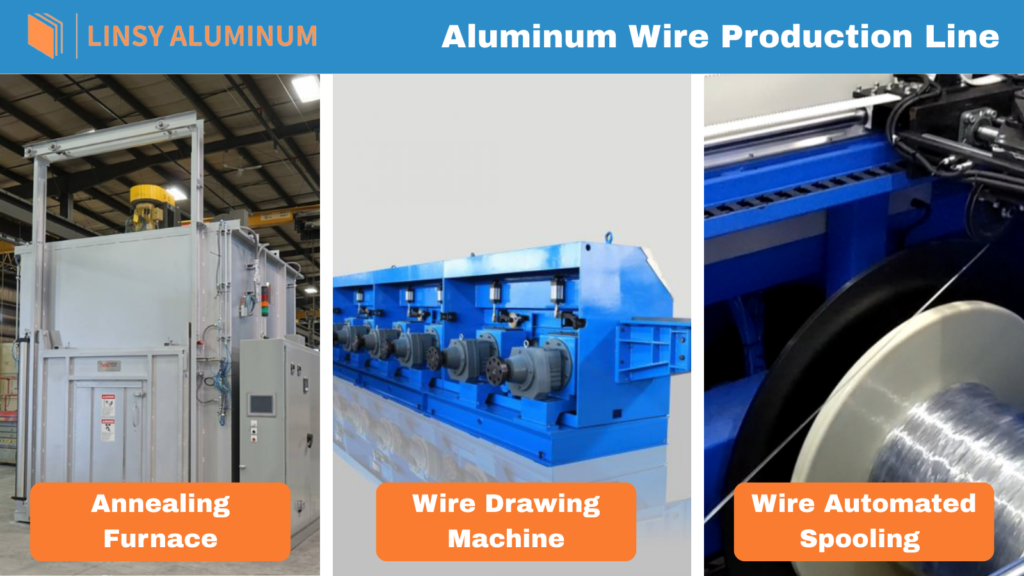
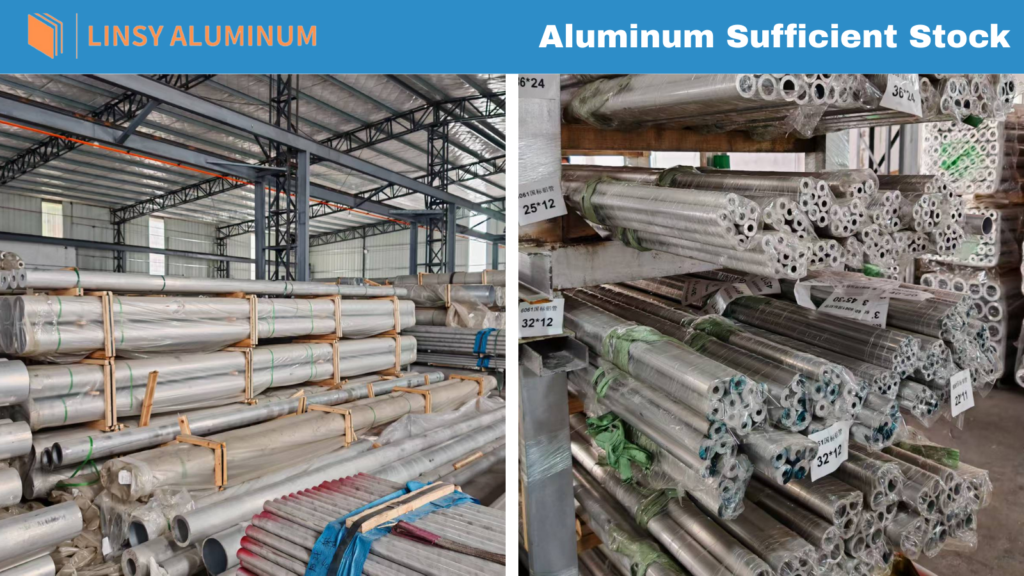
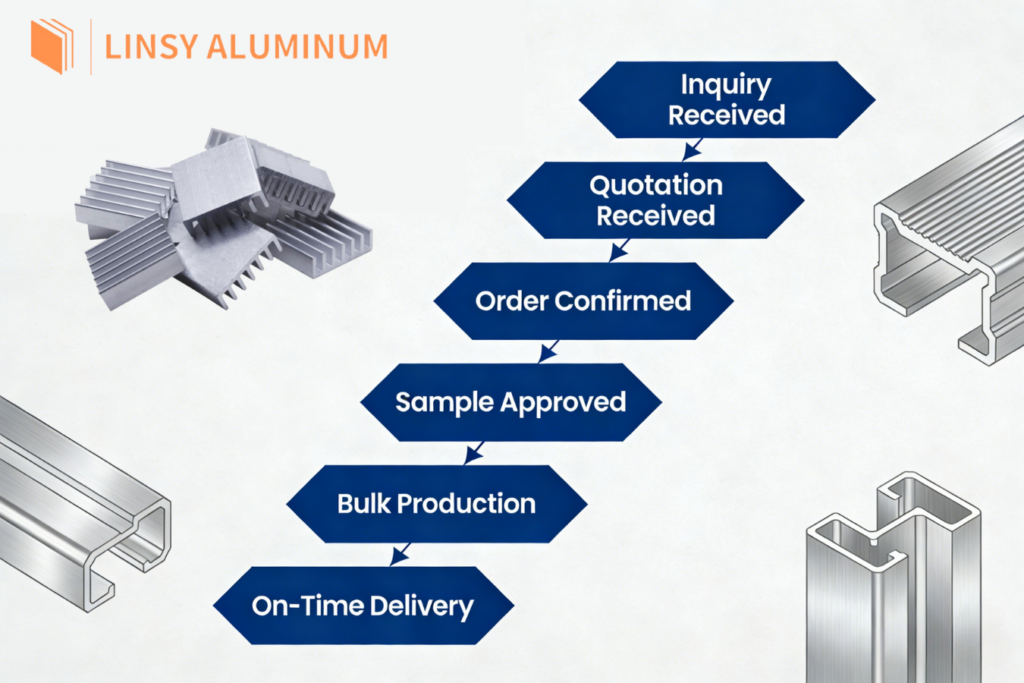
Vantagens da Linsy
A Linsy Aluminum é uma fornecedora líder de produtos de processamento de alumínio, atendendo a diversos setores, incluindo aeroespacial, engenharia geral, automotivo, marítimo, construção naval e outras aplicações industriais especializadas.
Temos o compromisso de manter os mais altos padrões de qualidade e responsabilidade ambiental, conforme demonstrado por nossas certificações: ISO 9001:2008, ISO 14001:2004 e SGS.