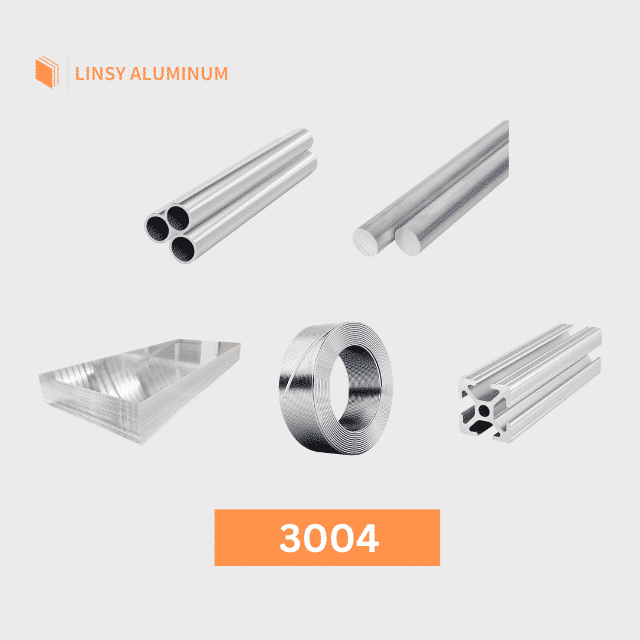



Die Aluminiumlegierung 3004 ist eine mittelfeste Al-Mn-Mg-Legierung, die eine etwa 20 % höhere Festigkeit als 3003 bietet und dabei eine vergleichbare Korrosionsbeständigkeit beibehält. Weit verbreitet für Dosenkörperband, Bauprodukte (Dach- und Wandverkleidungen) sowie Kochgeschirr ist 3004 bei Linsy in Form von Blech, Coil, Rohr, Stange und Draht erhältlich. Wir liefern die Standardzustände O, H12, H14, H16, H18 und H19 mit kundenspezifischen Abmessungen, Ablängen und MTC-Berichterstattung gemäß EN 10204. Ob Sie Coil für die Getränkedosenproduktion oder Blech für architektonische Verkleidungen benötigen, Linsy liefert ISO-9001-zertifiziertes Material mit flexiblen Mindestbestellmengen und einer Lieferzeit von 10–60 Tagen.
Verfügbare Formulare: Blech / Coil / Rohr / Stange / Draht / Sonderprofil
Häufige Temperamente: O / H12 / H14 / H16 / H18 / H19
Unterstützung bei der Bearbeitung: Ablängen / Spalten / Präzisionssägen / Kantenbeschneiden
Qualitätsdokumente: Werkszeugnis (MTC) mit jeder Bestellung gemäß EN 10204
3004 ist eine Aluminium-Mangan-Magnesium-Legierung der 3xxx-Serie, die als höherfeste Alternative zu der weit verbreiteten Legierung entwickelt wurde. Legierung 3003. Mit einer nominellen Zusammensetzung von Al–1,2Mn–1,0Mg bietet 3004 eine etwa 20 % höhere Zug- und Streckgrenze als 3003, während eine vergleichbare Korrosionsbeständigkeit und ausgezeichnete Umformbarkeit im weichgeglühten Zustand erhalten bleiben.
Diese Legierung ist vor allem als Werkstoff für den Aluminium-Getränkedosenkörper bekannt — eine Anwendung, die ein präzises Gleichgewicht zwischen Umformbarkeit für das Tiefziehen, Festigkeit für den Innendruck und Oberflächenqualität für Druck und Lackierung erfordert. Über die Verpackung hinaus wird 3004 häufig für Bauprodukte, Kochgeschirr, chemische Anlagen und allgemeine Blechanwendungen spezifiziert.
3004 ist eine nicht aushärtbare, kaltverfestigende Legierung. Ihre mechanischen Eigenschaften werden durch Kaltverfestigung (H-Zustände) und nicht durch Lösungsglühen entwickelt. Dies macht die Auswahl des Zustands entscheidend: Der O-Zustand bietet maximale Umformbarkeit für das Tiefziehen, während H14 und H16 die strukturelle Festigkeit liefern, die für Dächer, Verkleidungen und Lagertankanwendungen erforderlich ist.
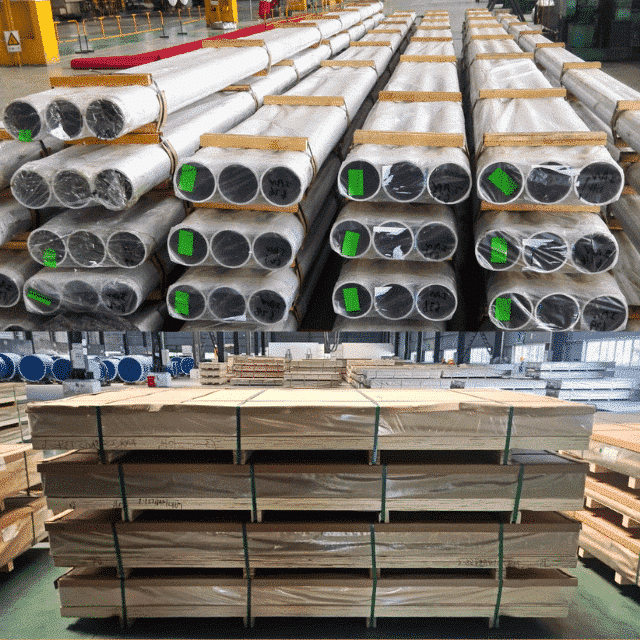
Die dominierenden Produktformen für 3004. Blech und Coil sind das Kernangebot für Dosenkörperband, Bauplatten und allgemeine Fertigung. Linsy führt 3004 in den Zuständen O, H14, H16, H18 und H19 mit Spalten, Ablängen und Kantenbeschneiden als Standardbearbeitungsoptionen.
| Formular | Temperament | Dicke (mm) | Breite (mm) | Länge (mm) |
|---|---|---|---|---|
| 3004-Blech | O, H12, H14, H16, H18, H19 | 0.3 – 6.0 | 500 – 2600 | 1000 – 6000 |
| 3004-Coil | O, H12, H14, H16, H18, H19 | 0.3 – 4.0 | 500 – 2600 | Band (nach Gewicht) |
Kundenspezifische Dicken, Breiten und Längen auf Anfrage erhältlich. Bandinnendurchmesser: 508 mm Standard.
3004-Rundrohr ist für Fluidhandhabung, Wärmetauscher und strukturelle Anwendungen erhältlich, bei denen mittlere Festigkeit und Korrosionsbeständigkeit erforderlich sind. Lieferung in den Zuständen O, H14 und H16.
| Formular | Temperament | Äußerer Durchmesser (mm) | Wandstärke (mm) | Länge (mm) |
|---|---|---|---|---|
| 3004-Rundrohr | O, H14, H16 | 6 – 200 | 0.5 – 20 | 1000 – 6000 |
Vierkant- und Rechteckrohr auf Anfrage als Sonderanfertigung. Kontaktieren Sie uns mit Ihrer Profilzeichnung.
3004-Rundstange für die Bearbeitung, Verbindungselemente und allgemeine mechanische Komponenten. Erhältlich in kaltverfestigten Zuständen für Anwendungen mit mittlerer Festigkeit.
| Formular | Temperament | Durchmesser (mm) | Länge (mm) |
|---|---|---|---|
| 3004-Rundstange | O, H14, H16 | 3 – 200 | 1000 – 6000 |
Vierkant- und Flachstange auf Anfrage als Sonderanfertigung.
3004-Draht für Nieten, Verbindungselemente und allgemeine Drahtformanwendungen. Kaltgezogen auf H14, H16 oder H18 für Festigkeit.
| Formular | Temperament | Durchmesser (mm) | Gewicht der Spule | Toleranz |
|---|---|---|---|---|
| 3004-Draht | O, H14, H16, H18 | 0.8 – 10 | Mindestens 50 kg | ±0,02 mm |
Sonderprofile, Strangpressprofile und gefertigte Teile auf Anfrage erhältlich. Kontaktieren Sie unser Vertriebsteam mit Ihrer Zeichnung oder Spezifikation für eine Machbarkeitsbewertung und ein Angebot.
| Standard | Bezeichnung |
|---|---|
| EN / EN AW | EN AW-AlMn1Mg1 / EN AW-3004 |
| UNS | A93004 |
| ISO | AlMn1Mg1 |
| GB (China) | 3004 |
| JIS (Japan) | A3004 |
| AA (Aluminiumverband) | 3004 |
3004 ist abgedeckt unter ASTM B209 (Blech und Platte), DE 485 (Blech, Band und Platte), GB/T 3880 (Knetaluminium und Aluminiumlegierungsblech) sowie zugehörigen Produktformnormen.
| Element | Zusammensetzung (%) |
|---|---|
| Silizium (Si) | 0,30 max. |
| Eisen (Fe) | 0,70 max. |
| Kupfer (Cu) | 0,25 max |
| Mangan (Mn) | 1.0 - 1.5 |
| Magnesium (Mg) | 0.8 – 1.3 |
| Zink (Zn) | 0,25 max |
| Andere, jeweils | ≤0,05 |
| Sonstige, insgesamt | ≤0,15 |
| Aluminium (Al) | Bilanz |
Zusammensetzung gemäß ASTM B209 / EN 573-3. Die primären Legierungselemente sind Mangan (für Festigkeit durch Mischkristallverfestigung) und Magnesium (für zusätzliche Festigkeit und Kaltverfestigungsverhalten).
Die mechanischen Eigenschaften von 3004 variieren erheblich mit dem Zustand. Die folgende Tabelle zeigt typische Werte für Blech bei 1,3 mm Dicke gemäß ASTM B209. Tatsächliche Werte können je nach Produktform und Dicke variieren.
| Temperament | Zugfestigkeit (MPa) | Streckgrenze (MPa, min.) | Bruchdehnung (%, min) |
|---|---|---|---|
| O | 155 – 200 | ≥60 | ≥14 |
| H12 | 190 – 240 | ≥145 | ≥4 |
| H14 | 220 – 265 | ≥170 | ≥3 |
| H16 | 240 – 285 | ≥190 | ≥3 |
| H18 | ≥260 | ≥210 | ≥2 |
| H19 | ≥275 | ≥230 | ≥2 |
Die angegebenen Werte sind typisch für 1,3 mm Blech gemäß ASTM B209. Dünneres Material kann höhere Festigkeit und geringere Dehnung aufweisen. H2x-Zustände (kaltverfestigt und teilweise geglüht) bieten mittlere Festigkeiten mit verbesserter Duktilität im Vergleich zu H1x-Äquivalenten — kontaktieren Sie uns für die Verfügbarkeit von H22/H24/H26.
| Temperament | Festigkeitsniveau | Verformbarkeit | Typische Anwendungen |
|---|---|---|---|
| O | Niedrigste | Hervorragend – Tiefziehen, Streckziehen | Dosenkörper, tiefgezogenes Kochgeschirr, komplexe Stanzteile |
| H12 | Niedrig – Mittel | Gut – mäßige Umformbarkeit | Allgemeines Blech, leicht umgeformte Paneele |
| H14 | Mittel | Mäßig – begrenztes Biegen | Dächer, Verkleidungen, LKW-Paneele, Lagertanks |
| H16 | Mittel – Hoch | Begrenzt – nur sanftes Biegen | Hochfeste Bauplatten, strukturelle Verkleidungen |
| H18 | Hoch | Minimal – flache Anwendungen | Dosendeckel, Versteifungsbleche, flache Zuschnitte |
| H19 | Höchste | Minimal — nur flach | Anwendungen mit maximaler Steifigkeit |
3004 bietet ausgezeichneten Widerstand gegen atmosphärische Korrosion, Süßwasser und viele milde chemische Umgebungen — vergleichbar mit 3003 und anderen Legierungen der 3xxx-Serie. Der Mangangehalt trägt zu einem gleichmäßigen, schützenden Oberflächenoxid bei. Für Anwendungen mit alkalischen oder stark sauren Bedingungen konsultieren Sie bitte unser technisches Team für eine Kompatibilitätsbewertung.
Im O-Zustand zeigt 3004 herausragende Umformbarkeit, geeignet für Tiefziehen, Strecken und Biegen — ein Hauptgrund, warum es die Standardlegierung für Getränkedosenkörper ist. Kaltverfestigte Zustände (H1x) reduzieren die Umformbarkeit zunehmend, können aber mit geeigneten Werkzeugen und Biegeradien weiterhin gebogen, rollgeformt und gestanzt werden.
Mit einer Dichte von 2,72 g/cm³ erreicht 3004 eine etwa 20 % höhere Festigkeit als 3003 ohne Gewichtsnachteil — was es zur bevorzugten Aufwertung macht, wenn die Festigkeit von 3003 nicht ausreicht, aber die Umformbarkeit und Korrosionsbeständigkeit der 3xxx-Serie weiterhin erforderlich sind.
3004 kann durch Gasschweißen und Widerstandsschweißverfahren geschweißt werden. Es wird nicht für Lichtbogenschweißen (WIG/MIG) empfohlen, da die Gefahr von Heißrissen in der Schweißzone besteht. Hart- und Weichlöten sind mit geeignetem Flussmittel möglich. Mechanische Verbindungen (Nieten, Verschrauben) funktionieren in allen Zuständen zuverlässig.
Als nicht aushärtbare Legierung bezieht 3004 seine gesamte Festigkeit aus der Kaltverfestigung. Die Kaltverfestigungsrate ist moderat — schneller als bei reinem Aluminium, aber langsamer als bei 5xxx-Legierungen. Das Glühen bei 345 °C mit anschließender langsamer Abkühlung stellt die vollständige Weichheit für die Weiterverarbeitung wieder her.
Schneiden: 3004-Blech und -Platte können mit Standard-Aluminiumwerkzeugen geschert, geschlitzt oder sägegeschnitten werden. Präzisionssägeschnitte werden für enge Maßtoleranzen bei Stangen und Rohren empfohlen. Linsy bietet Abläng- und Schlitzdienste für Blech und Coil an.
Formung: Für Tiefziehen und starke Umformung den O-Zustand angeben. Für Rollformen und mäßiges Biegen sind H14 oder H16 geeignet. Der minimale Biegeradius für den H14-Zustand beträgt bei 90°-Biegungen etwa das 1-fache der Dicke – bei härteren Zuständen erhöhen.
Glühen: Auf 345 °C erhitzen, ausreichend lange halten, um eine vollständige Durchwärmung zu gewährleisten, und langsam abkühlen (Ofenabkühlung oder ruhende Luft). Schnelles Abschrecken vermeiden, da dies bei dünnem Blech zu Verzug führen kann.
Oberflächengüte: Walzhaut ist Standard. 3004 kann chemisch gereinigt, geätzt oder konversionsbeschichtet werden, um die Lackhaftung zu verbessern. Mechanische Oberflächenbearbeitung (Bürsten, Polieren) ist möglich, aber die Legierung wird typischerweise nicht für dekoratives Eloxieren spezifiziert – für eloxierte Anwendungen sollten stattdessen Legierungen der 5xxx- oder 6xxx-Serie in Betracht gezogen werden.
Jede 3004-Lieferung von Linsy umfasst eine Werksprüfzeugnis (MTC) gemäß EN 10204 Typ 3.1, das Folgendes dokumentiert:
Zusätzliche Prüfungen auf Anfrage verfügbar: Korngrenzenkorrosionstest, Leitfähigkeitsmessung, Gefügeuntersuchung und Ultraschallprüfung für dickere Querschnitte.
Linsy Aluminum beliefert seit über 20 Jahren internationale Industriekäufer und liefert Aluminiumlegierungen für die Bereiche Verpackung, Bauwesen, Automobilindustrie und allgemeinen Maschinenbau. Wir verstehen, dass 3004-Käufer mehr benötigen als einen Standard-Walzbetrieb – sie benötigen den richtigen Zustand, präzise Dickenkontrolle und zuverlässige Dokumentation für ihre Produktionslinie.
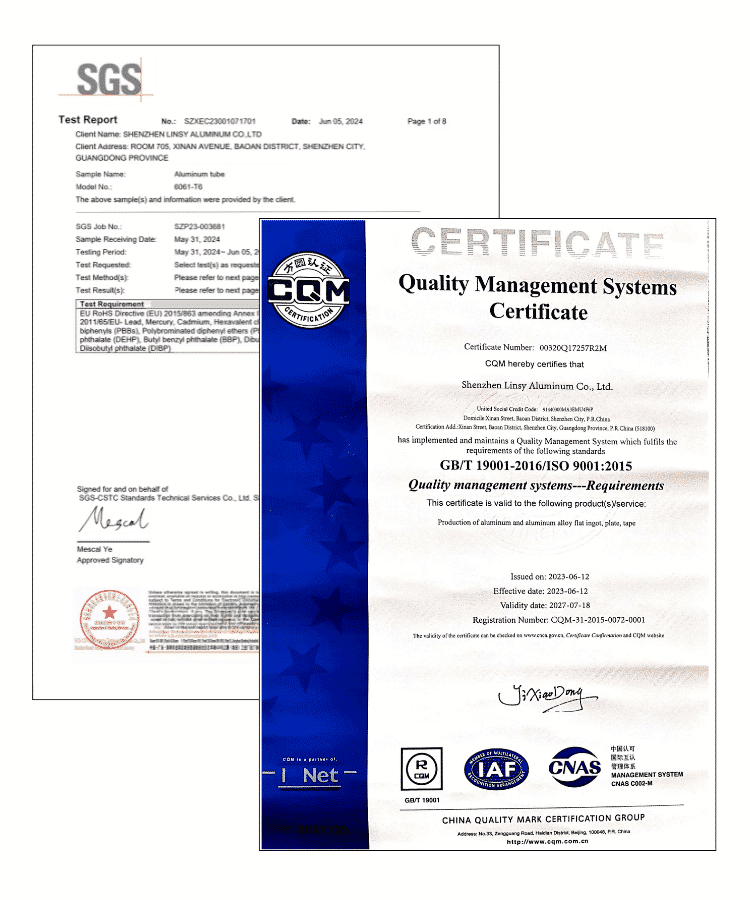
Unser Qualitätsmanagementsystem ist zertifiziert nach ISO 9001, Umweltmanagement nach ISO 14001, und Arbeitssicherheit und Gesundheitsschutz nach ISO 45001. Das Material wird von ISO-zertifizierten Werken mit vollständiger Chargenrückverfolgbarkeit vom Guss bis zum Versand bezogen.
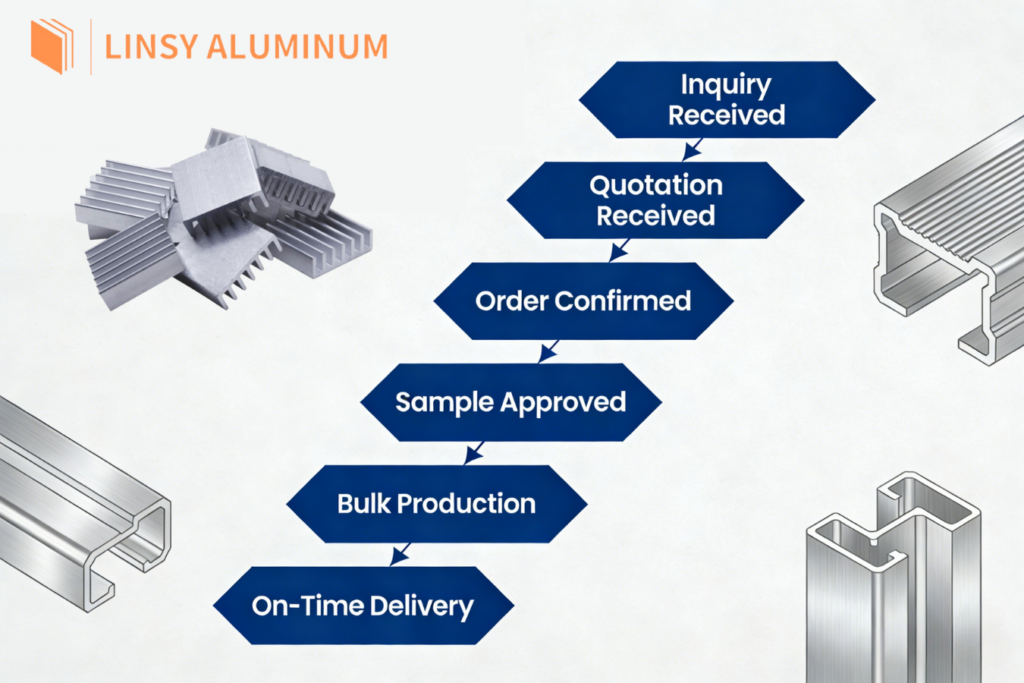
Wir liefern 3004-Blech, Coil, Rohr, Stange und Draht an Kunden in Europa, Südostasien, dem Nahen Osten, Südamerika und Afrika. Kundenspezifische Abmessungen, flexible Mindestbestellmengen und Lieferzeiten von 10–60 Tagen sind Standard. Kontaktieren Sie uns mit Ihrer Anfrage – unser Team antwortet mit einem Angebot und einem technischen Datenblatt innerhalb eines Werktages.
F: Wie schneidet 3004 im Vergleich zu 3003-Aluminium ab?
A: 3004 enthält 0,8–1,31 TP3T Magnesium, während 3003 praktisch kein Magnesium enthält (~0,051 TP3T). Dies verleiht 3004 eine etwa 201 TP3T höhere Zug- und Streckgrenze als 3003. Korrosionsbeständigkeit, Dichte und allgemeine Verarbeitbarkeit sind vergleichbar. Wählen Sie 3004, wenn die Festigkeit von 3003 nicht ausreicht, Sie aber dennoch Umformbarkeit und Korrosionsbeständigkeit der 3xxx-Serie benötigen.
F: Wofür wird 3004 am häufigsten verwendet?
A: Die dominierende Anwendung ist der Aluminium-Getränkedosenkörper, bei dem jährlich Hunderte Milliarden Dosen aus 3004-Blech hergestellt werden. Bauprodukte (Dachbahnen, Wandverkleidungen), Kochgeschirr und allgemeine Blechfertigung sind die weiteren Hauptmärkte.
F: Kann 3004-Aluminium geschweißt werden?
A: Gasschweißen und Widerstandsschweißen funktionieren gut mit 3004. Lichtbogenschweißen (WIG/MIG) wird aufgrund der Heißrissempfindlichkeit durch den Mangan- und Magnesiumgehalt nicht empfohlen. Für geschweißte Konstruktionen sollten Sie stattdessen 5052 oder 5083 in Betracht ziehen. Mechanisches Befestigen und Hartlöten sind zuverlässige Alternativen.
F: Ist 3004 zum Eloxieren geeignet?
A: 3004 ist keine bevorzugte Eloxierlegierung. Der Mangangehalt kann eine graue oder fleckige anodische Beschichtung erzeugen, anstatt des klaren, hellen Finishs, das von 5xxx- oder 6xxx-Legierungen erwartet wird. Für dekoratives oder architektonisches Eloxieren sollten Sie 5005, 5052 oder 6063 in Betracht ziehen.
F: Wie hoch ist die Mindestbestellmenge für 3004-Blech?
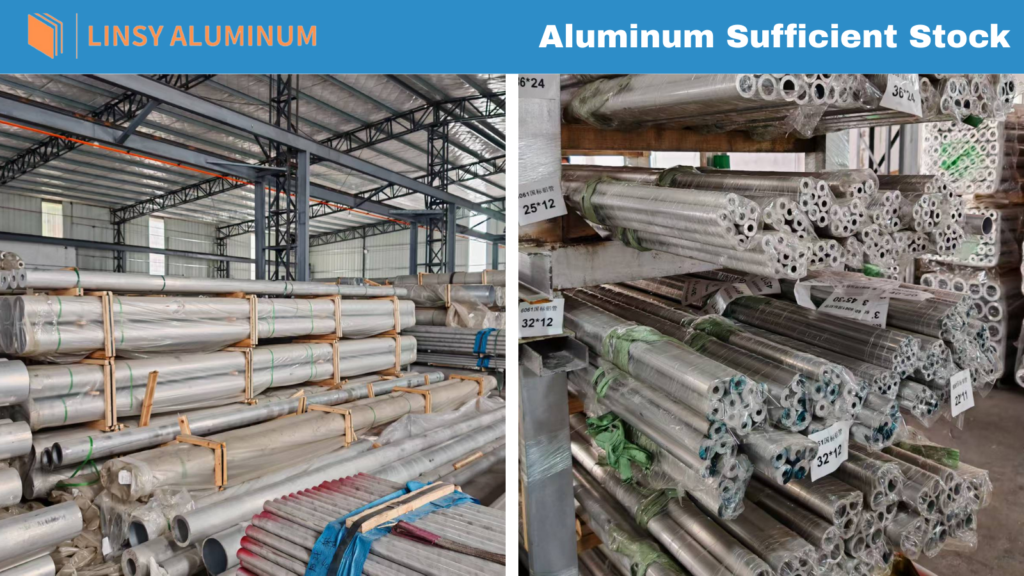
A: Linsy arbeitet mit flexiblen Mindestbestellmengen. Standardlagergrößen sind ab Einzelblechen erhältlich; kundenspezifische Abmessungen und nicht vorrätige Zustände können ein Produktionsminimum erfordern. Kontaktieren Sie uns mit Ihrer Spezifikation und wir werden Ihnen innerhalb eines Werktages ein Angebot unterbreiten.
F: Stellen Sie Werksprüfzeugnisse aus?
A: Ja. Jede Bestellung umfasst ein Werkszeugnis gemäß EN 10204 Typ 3.1 mit vollständigen chemischen und mechanischen Ergebnissen, die auf die Schmelznummer zurückführbar sind.
F: Wie sind Ihre Lieferzeiten?
A: Standard: 10–60 Tage, abhängig von Produktform, Härtegrad, Menge und aktueller Produktionsplanung. Lagerartikel werden schneller versendet. Kontaktieren Sie uns für ein verbindliches Lieferdatum zusammen mit Ihrem Angebot.
F: Können Sie Sondermaße liefern?
A: Ja. Kundenspezifische Kombinationen aus Dicke, Breite, Länge und Härtegrad sind auf Anfrage erhältlich. Nicht standardisierte Größen können eine Produktionsmindestmenge erfordern, wir erfüllen jedoch die meisten Anforderungen.
F: Über welche Zertifizierungen verfügt Linsy?
A: Linsy ist nach ISO 9001 (Qualitätsmanagement), ISO 14001 (Umweltmanagement) und ISO 45001 (Arbeitssicherheit und Gesundheitsschutz) zertifiziert. Auf Anfrage stellen wir Kopien der aktuellen Zertifikate zur Verfügung.
F: Wie kann ich ein Angebot anfordern?
A: Kontaktieren Sie uns über das Anfrageformular auf dieser Seite oder senden Sie eine E-Mail direkt an unser Vertriebsteam. Geben Sie Ihre gewünschte Legierung, Härtegrad, Abmessungen, Menge und Bestimmungsort an, und wir senden Ihnen innerhalb eines Werktages ein Angebot mit technischem Datenblatt zurück.
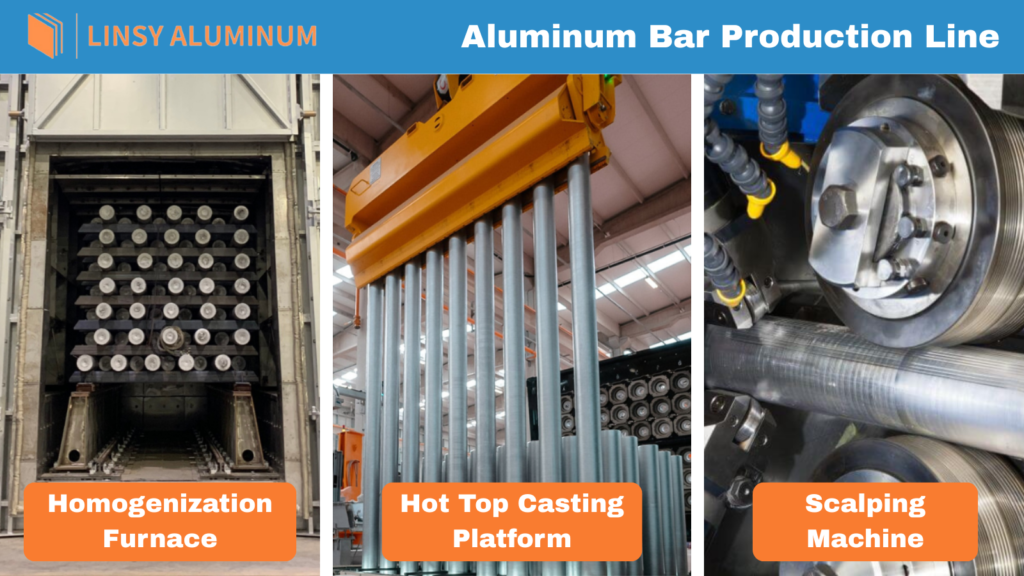
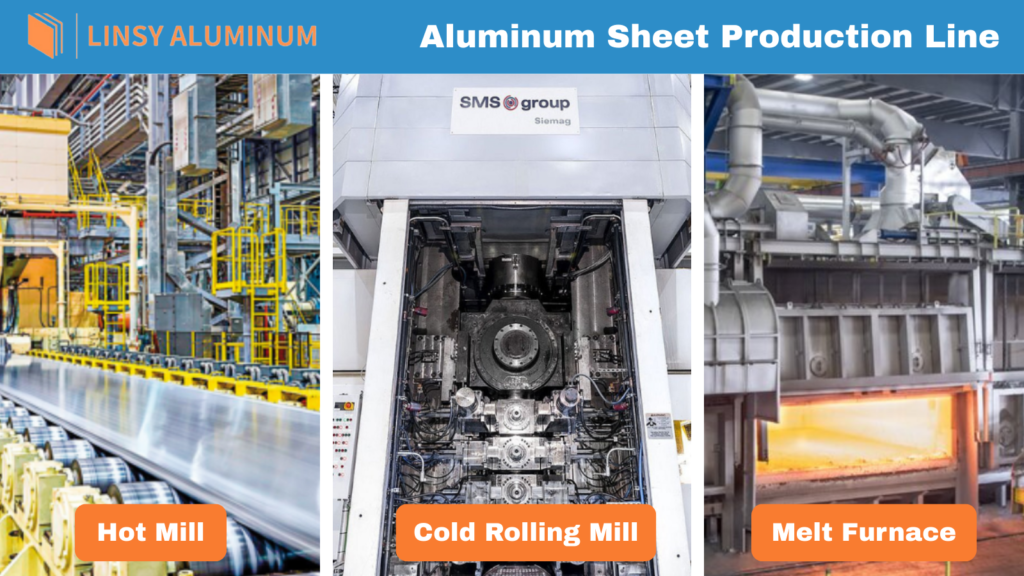
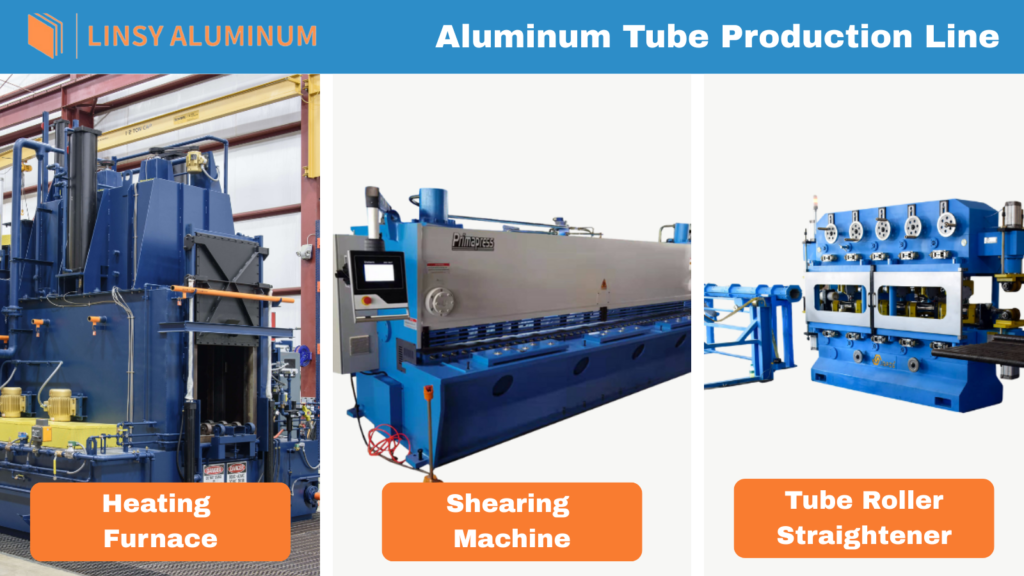
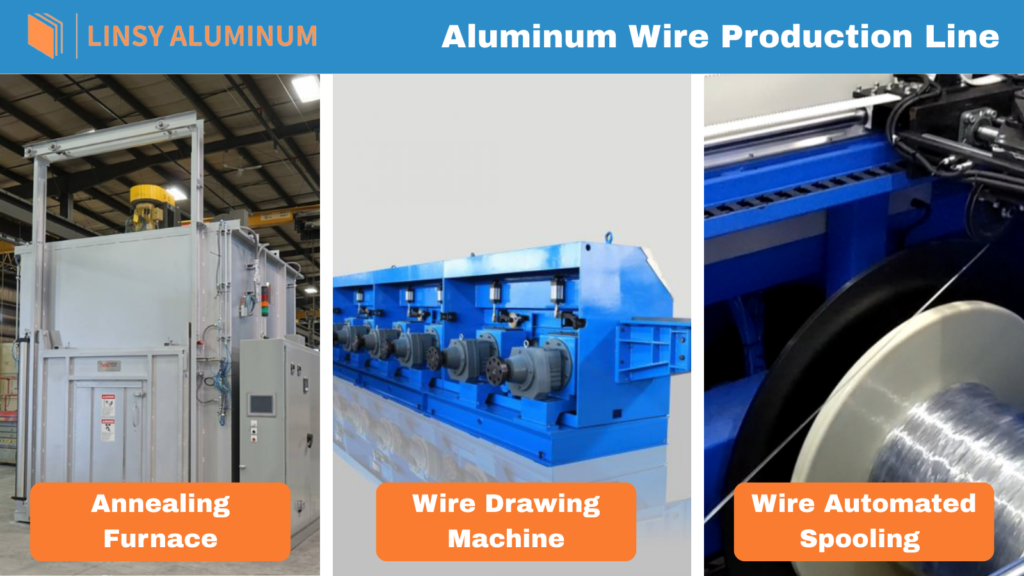
Linsy Vorteile
Linsy Aluminum ist ein führender Anbieter von Produkten für die Aluminiumverarbeitung und beliefert verschiedene Branchen wie die Luft- und Raumfahrt, den allgemeinen Maschinenbau, die Automobilindustrie, die Schifffahrt, den Schiffbau und andere spezialisierte industrielle Anwendungen.
Wir verpflichten uns, die höchsten Qualitäts- und Umweltstandards einzuhalten, was durch unsere Zertifizierungen belegt wird: ISO 9001:2008, ISO 14001:2004 und SGS.