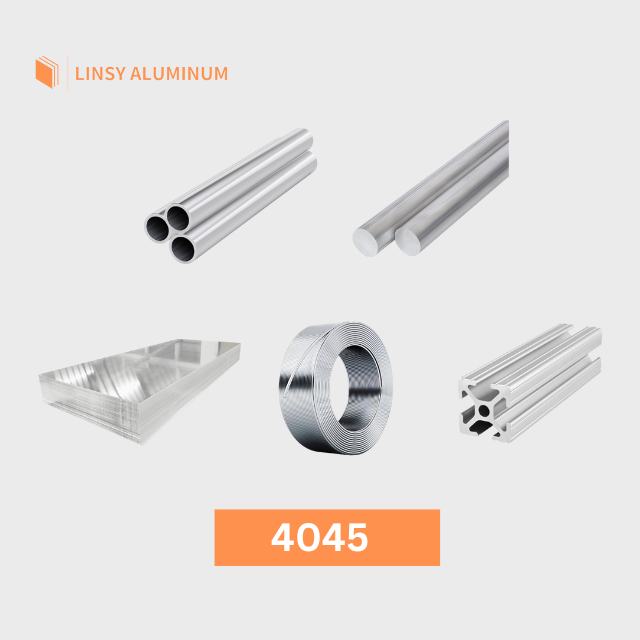



4045-Aluminiumlegierung (UNS A94045, EN AW-AlSi10) ist eine schmiedbare Aluminiumlegierung der 4000er-Serie, die hauptsächlich mit Silizium (9–11 %) legiert ist. Der hohe Siliziumgehalt verleiht eine ausgezeichnete Fließfähigkeit und geringe Erstarrungsschrumpfung, was sie zu einer bevorzugten Zusatz- und Plattierungslegierung für Hartlöt- und Schweißanwendungen macht. Linsy liefert 4045-Aluminium als Hartlötblech, Coil, Schweißdraht, Folie und Stange in den Zuständen O und F, mit kundenspezifischen Abmessungen, Oberflächenbearbeitung und MTC-Zertifikaten.
Verfügbare Formulare: Hartlötblech / Coil / Schweißdraht / Folie / Stange
Häufige Temperamente: O / F
Unterstützung bei der Bearbeitung: CNC-Bearbeitung / Laserschneiden / Spalten / Oberflächenbearbeitung
Qualitätsdokumente: MTC-Bericht bei jeder Bestellung, SGS-Prüfung auf Anfrage
4045-Aluminiumlegierung (UNS A94045, EN AW-4045 / AlSi10) ist eine wärmebehandelbare schmiedbare Aluminiumlegierung der 4000er-Serie, die hauptsächlich mit Silizium zu 9–11 % legiert ist. Der hohe Siliziumgehalt senkt den Schmelzbereich und bietet während des Hartlötens eine ausgezeichnete Fließfähigkeit, während die Erstarrungsschrumpfung reduziert wird – Eigenschaften, die 4045 zu einer der am häufigsten verwendeten Aluminium-Hartlot- und Zusatzlegierungen machen.
Im Gegensatz zu strukturellen Legierungen wie 6061 oder 7075 ist 4045 nicht für tragende Anwendungen ausgelegt. Sein Wert liegt im metallurgischen Verhalten als Zusatzwerkstoff: Er fließt sauber in Fügestellen, benetzt Aluminiumsubstrate gut und erzeugt einwandfreie Hartlötverbindungen mit minimaler Rissbildung. 4045 wird üblicherweise als Hartlötblech (häufig als Plattierungsschicht auf 3003-, 3005- oder 6951-Kernlegierungen), als Schweißdraht für Gasschweißen und Hartlöten sowie als Folie für die Herstellung von Wärmetauschern geliefert.
4045 ist in wichtigen internationalen Normen abgedeckt, darunter ASTM B209 (Blech und Platte), ASTM B211 (Stange, Rundstange und Draht), ISO 6361 und EN 573-3. Die europäische Bezeichnung lautet EN AW-4045 / AlSi10(A).
Linsy liefert 4045-Aluminium in Standard- und kundenspezifischen Produktformen, die auf Hartlöt-, Schweiß- und Wärmetauscheranwendungen zugeschnitten sind. Abmessungen und Toleranzen können an Ihre Projektanforderungen angepasst werden.
| Formular | Temperament | Dicke (mm) | Breite (mm) | Länge (mm) |
|---|---|---|---|---|
| 4045 Hartlötblech / Coil | F, O | 0.1 – 4.0 | 500 – 1600 | 500 – 6000 |
4045-Hartlötblech wird häufig als plattierter Verbundwerkstoff (4045 auf einem 3xxx- oder 6xxx-Kern) für die Wärmetauscherherstellung geliefert. Sowohl einseitige als auch beidseitige Plattierungskonstruktionen können auf Anfrage angeboten werden.
| Parameter | Spezifikation |
|---|---|
| Durchmesser | 0,8 – 5,0 mm |
| Temperament | F, O |
| Gewicht der Spule | Mindestens 20 kg |
| Größentoleranz | ± 0,03 mm |
| Oberfläche | Sauber, trocken, gespult oder gestreckt |
4045-Schweißdraht wird zum Hartlöten und Gasschweißen von Aluminiumbaugruppen verwendet, bei denen eine gute Fließfähigkeit und Fugenfüllung erforderlich sind. Er ist eine Alternative zu 4047 (höherer Siliziumgehalt, niedrigerer Schmelzbereich), wenn ein etwas breiteres Schmelzintervall akzeptabel ist.
| Formular | Temperament | Dicke (mm) | Breite (mm) |
|---|---|---|---|
| 4045-Folie | O | 0.05 – 0.3 | 50 – 1200 |
| Formular | Temperament | Durchmesser (mm) | Länge (mm) |
|---|---|---|---|
| 4045-Rundstange | F, O | 3 – 100 | 1000 – 6000 |
4045-Stange ist weniger verbreitet als Blech oder Draht, aber für Anwendungen verfügbar, die Bearbeitungsmaterial oder Hartlötvorformen erfordern. Kontaktieren Sie Linsy, um die Verfügbarkeit für Ihren benötigten Größenbereich zu bestätigen.
4045-Rohr und kundenspezifische Profile können auf Anfrage für spezielle Hartlötbaugruppen oder Vorformanwendungen angeboten werden. Da 4045 in erster Linie eine Zusatz- und Plattierungslegierung ist, ist die Rohrverfügbarkeit im Vergleich zu strukturellen Güten begrenzt. Bitte teilen Sie uns Ihre Zeichnung oder Spezifikation zur Machbarkeitsprüfung mit.
| Standardsystem | Bezeichnung |
|---|---|
| UNS | A94045 |
| EN AW | EN AW-4045 / AlSi10(A) |
| ISO | Al Si10 |
| AA / SAE | 4045 |
| JIS (Japan) | A4045 |
| GB / Chinesisch | 4045 |
Allgemein geltende Normen:
Zusammensetzungsgrenzen gemäß ASTM / EN-Normen (Gewichts-%):
| Element | Min % | Max % |
|---|---|---|
| Silizium (Si) | 9.0 | 11.0 |
| Eisen (Fe) | — | 0.8 |
| Kupfer (Cu) | — | 0.30 |
| Mangan (Mn) | — | 0.30 |
| Magnesium (Mg) | — | 0.30 |
| Zink (Zn) | — | 0.20 |
| Titan (Ti) | — | 0.20 |
| Andere, jeweils | — | 0.05 |
| Sonstige, insgesamt | — | 0.15 |
| Aluminium (Al) | Rest (≈ 87,0 – 89,5) | |
Der hohe Siliziumgehalt ist das bestimmende Merkmal von 4045. Silizium senkt den Schmelzbereich auf ca. 577–632 °C (1071–1170 °F), wodurch 4045 vor der Kernlegierung in Hartlötbaugruppen schmilzt und fließt – dies ist der Grund, warum es häufig als Plattierungs- und Zusatzmaterial verwendet wird.
4045 ist eine Zusatz- und Hartlotlegierung, keine strukturelle Güte. Die mechanischen Eigenschaften sind moderat und selten das primäre Auswahlkriterium. Typische Werte für 4045 im weichgeglühten Zustand (O) sind unten aufgeführt.
| Eigentum | Typischer Wert (O-Zustand) |
|---|---|
| Zugfestigkeit (Ultimate) | ≈ 124 MPa (≈ 18 ksi) |
| Streckgrenze (0,2%) | ≈ 60–80 MPa (ungefähr) |
| Dehnung beim Bruch | ≈ 15 % |
| Härte (Brinell) | ≈ 40–50 HB (ungefähr) |
| Dichte | 2,67 g/cm³ (0,096 lb/in³) |
| Schmelzbereich | 577 – 632 °C (1071 – 1170 °F) |
| Elastizitätsmodul | ≈ 70 GPa (10.150 ksi) |
Die angegebenen Werte sind typisch für weichgeglühtes 4045. Streckgrenze und Härte sind indikativ – 4045 wird normalerweise nicht für strukturelle tragende Anwendungen spezifiziert. Für Anwendungen, bei denen mechanische Leistung entscheidend ist, erwägen Sie 6061, 5052 oder andere strukturelle Legierungen.
4045 wird in einer begrenzten Anzahl von Zuständen geliefert, da es sich um eine Zusatzlegierung handelt, nicht um eine strukturelle Güte, die von Ausscheidungshärtung profitiert.
| Temperament | Am besten für | Anmerkungen |
|---|---|---|
| 4045-O (Weichgeglüht) | Hartlötblech, Folie, Schweißdraht, die maximale Duktilität erfordern | Weichster Zustand. Beste Umformbarkeit und Hartlotfließfähigkeit. Häufigster Zustand für 4045-Produkte. |
| 4045-F (Wie hergestellt) | Stange, Rundstange und Draht, bei denen keine Endglühung spezifiziert ist | Eigenschaften hängen von der Produktionsmethode ab. Wird verwendet, wenn der weichgeglühte Zustand nicht erforderlich ist. |
Im Gegensatz zu 2xxx-, 6xxx- oder 7xxx-Legierungen verwendet 4045 keine T-Zustände (T4, T6 usw.), da es im Einsatz nicht durch Ausscheidungshärtung verstärkt wird. Seine metallurgische Rolle besteht darin, während des Hartlötens zu schmelzen und zu fließen, nicht strukturelle Lasten zu tragen.
Der Siliziumgehalt von 9–11 % verleiht 4045 einen niedrigen und engen Schmelzbereich (577–632 °C). Dies ermöglicht es, während des Hartlötens sauber in Fugenspalte zu schmelzen und zu fließen, wobei Aluminiumsubstrate ohne übermäßige Erosion benetzt werden. 4045 ist einer der Standard-Zusatzwerkstoffe für das Aluminiumhartlöten in der Wärmetauscherherstellung.
Der hohe Siliziumgehalt reduziert die Erstarrungsschrumpfung im Vergleich zu reinem Aluminium. Dies hilft, Schrumpfrisse und Porosität in Hartlötverbindungen zu minimieren und erzeugt stabilere Baugruppen – besonders wichtig bei langen Hartlötnähten und komplexen Wärmetauscherkernen.
Der Siliziumzusatz verbessert die Schmelzfließfähigkeit, sodass 4045 enge Fugenspalte und komplexe Hartlötverbindungen füllen kann. Diese Eigenschaft macht es auch für Guss- und Gießereianwendungen geeignet, bei denen dünne Abschnitte oder komplexe Geometrien beteiligt sind.
4045 bietet eine akzeptable Korrosionsbeständigkeit in typischen Betriebsumgebungen von Hartlötbaugruppen. Da es jedoch häufig als Plattierung oder Zusatzwerkstoff und nicht als exponierte Oberfläche verwendet wird, hängt die Korrosionsbeständigkeit der fertigen Baugruppe normalerweise mehr von der Kernlegierung (z. B. 3003 oder 6951) ab als von der 4045-Schicht selbst.
4045 ist eine Legierung mit niedriger bis moderater Festigkeit. Die Zugfestigkeit im weichgeglühten Zustand beträgt ca. 124 MPa – weit unter strukturellen Güten wie 6061-T6 (≈ 310 MPa) oder 7075-T6 (≈ 572 MPa). Es sollte nicht für tragende Anwendungen spezifiziert werden. Die Auswahl wird durch Hartlot-/Zusatzleistung bestimmt, nicht durch mechanische Festigkeit.
4045 wird überall dort eingesetzt, wo Aluminiumlöten, Schweißzusatz oder Plattierungseigenschaften gefordert sind:
4045 erfordert eine andere Verarbeitungsweise als Strukturlegierungen. Seine primäre Funktion besteht darin, beim Löten zu schmelzen und zu fließen — Handhabung und Fertigung sollten Oberflächenreinheit und Maßgenauigkeit erhalten.
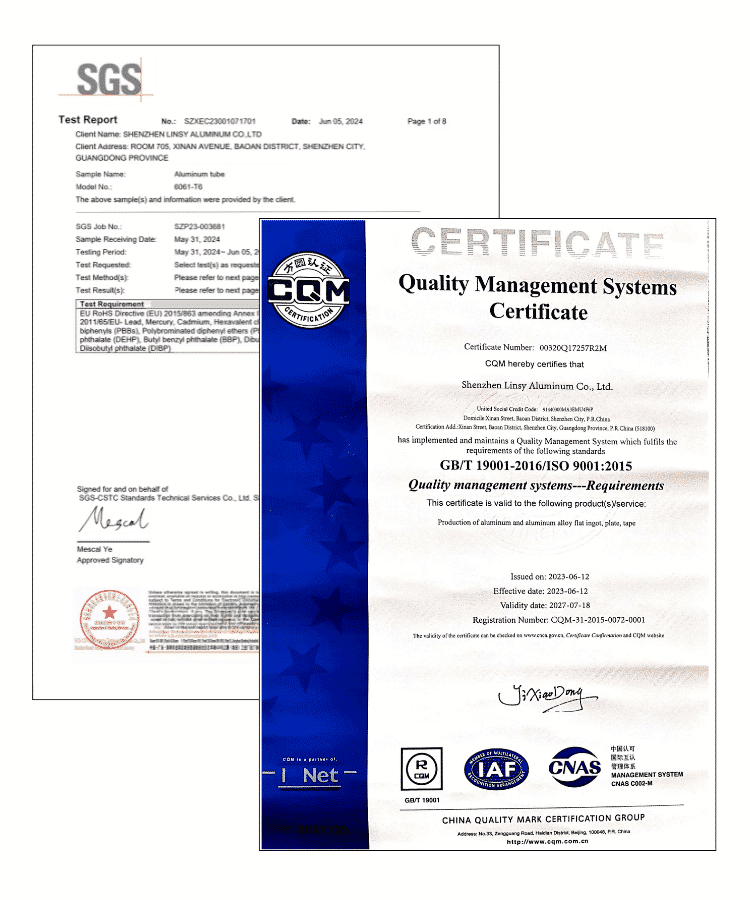
Die Qualitätskontrolle bei Linsy erstreckt sich von der Rohstoffauswahl bis zur Endproduktprüfung. Jede Bestellung wird mit einem MTC (Material Test Certificate) geliefert, das nach der Produktion von Linsy Aluminum ausgestellt wird, einschließlich der chemischen Zusammensetzung der tatsächlichen Charge.
Für Kunden, die eine Überprüfung durch einen unabhängigen Dritten benötigen, sind SGS-Prüfberichte auf Anfrage gegen eine zusätzliche Prüfgebühr erhältlich. Zu den verfügbaren SGS-Berichten gehören:
Linsy Aluminum ist ein Aluminiumwerk mit Sitz in Shenzhen und mehr als 20 Jahren Branchenerfahrung. Das Unternehmen beliefert Kunden aus den Bereichen Automobil-Thermomanagement, HLK, allgemeiner Maschinenbau, Fertigung und Leistungselektronik mit 4045 und anderen Legierungen der Serien 1000–8000.
Für Ihre 4045-Beschaffung bedeutet dies:
4045 ist eine Spezial-Löt- und Fülllegierung. Spezielle 4045-Anwendungsleitfäden werden hier verlinkt, sobald sie veröffentlicht werden. In der Zwischenzeit können diese verwandten Ressourcen bei der Legierungsauswahl helfen:
4045 wird hauptsächlich als Lot- und Plattierungslegierung verwendet. Die Hauptanwendungen sind gelötete Aluminium-Wärmetauscher (Kühler, Kondensatoren, Verdampfer), Lotdraht für Gasschweißen und Löten sowie plattiertes Blech für ofengelötete Baugruppen. Es handelt sich nicht um eine tragende Strukturlegierung.
Beide sind 4xxx-Serie Aluminium-Silizium-Fülllegierungen. 4045 enthält 9–11 % Silizium; 4047 enthält 11–13 % Silizium. Der höhere Siliziumgehalt in 4047 ergibt einen etwas niedrigeren und engeren Schmelzbereich, was den Lotfluss in engen Verbindungen verbessern kann. 4045 wird häufig dort verwendet, wo ein etwas breiteres Schmelzintervall akzeptabel ist.
4043 enthält 4,5–6,0 % Silizium, während 4045 9–11 % Silizium enthält. 4043 ist ein universeller Schweißzusatzdraht mit moderatem Siliziumgehalt. 4045 hat einen höheren Siliziumgehalt, was bessere Fließfähigkeit und einen niedrigeren Schmelzbereich ergibt — wodurch es besser für Löt-Anwendungen geeignet ist. 4043 wird häufiger für allgemeines Gasschweißen und WIG-Schweißzusatz verwendet.
4045 wird in einigen Referenznormen als aushärtbare Legierung eingestuft, wird jedoch im praktischen Einsatz nicht durch Ausscheidungshärtung verstärkt. Es verwendet keine T4-, T6- oder andere T-Zustände. Seine metallurgische Rolle besteht darin, beim Löten zu schmelzen und zu fließen, nicht darin, Festigkeit durch Wärmebehandlung zu erzielen.
Nein. 4045 hat eine niedrige bis moderate Festigkeit (Zugfestigkeit ≈ 124 MPa im weichgeglühten Zustand). Es ist eine Füll- und Lötlegierung, keine Strukturqualität. Für tragende Anwendungen erwägen Sie 6061, 6063, 5052 oder 7075, je nach Ihren Anforderungen an Festigkeit, Schweißbarkeit und Korrosionsbeständigkeit.
4045-Lötblech ist Aluminiumblech (häufig dünn, 0,1–4,0 mm), das in der Fertigung gelöteter Wärmetauscher verwendet wird. Es wird häufig als plattierter Verbundwerkstoff geliefert — 4045 auf einer oder beiden Seiten eines 3003-, 3005- oder 6951-Kernwerkstoffs. Beim Ofenlöten schmilzt die 4045-Plattierung und bildet die Lötverbindung, während der höher schmelzende Kern seine Form behält.
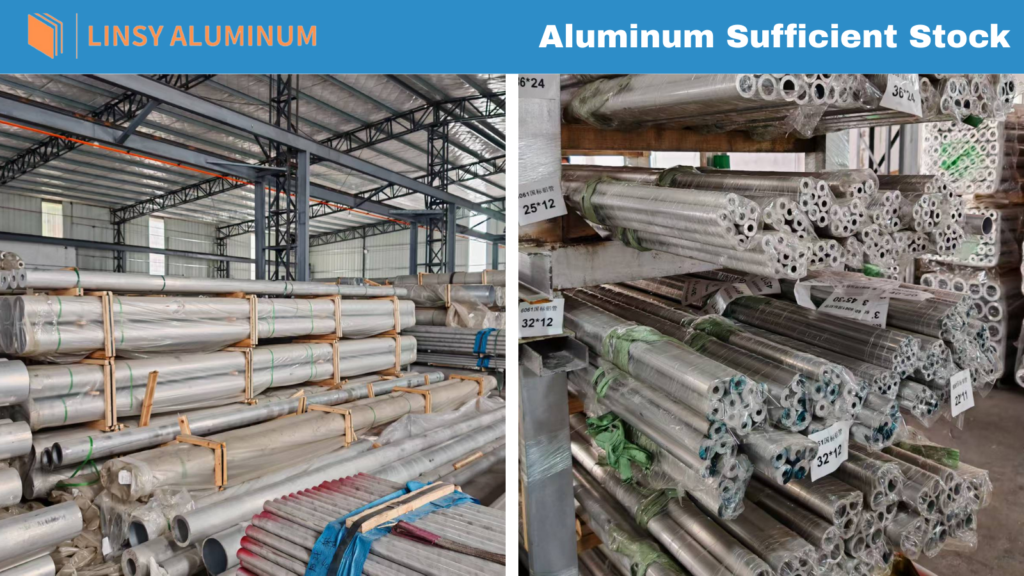
Linsy liefert 4045 als Lötblech und Coil, Lotdraht, Folie und Stangen. Rohre und kundenspezifische Profile können auf Anfrage angeboten werden. Da 4045 eine Spezial-Fülllegierung ist, ist die Verfügbarkeit einiger Formen begrenzter als bei Strukturqualitäten wie 6061.
Der Schmelzbereich von 4045 liegt bei ca. 577–632 °C (1071–1170 °F). Der Siliziumzusatz senkt den Schmelzpunkt unter den von reinem Aluminium (660 °C), weshalb 4045 in gelöteten Baugruppen vor der Kernlegierung schmilzt und fließt.
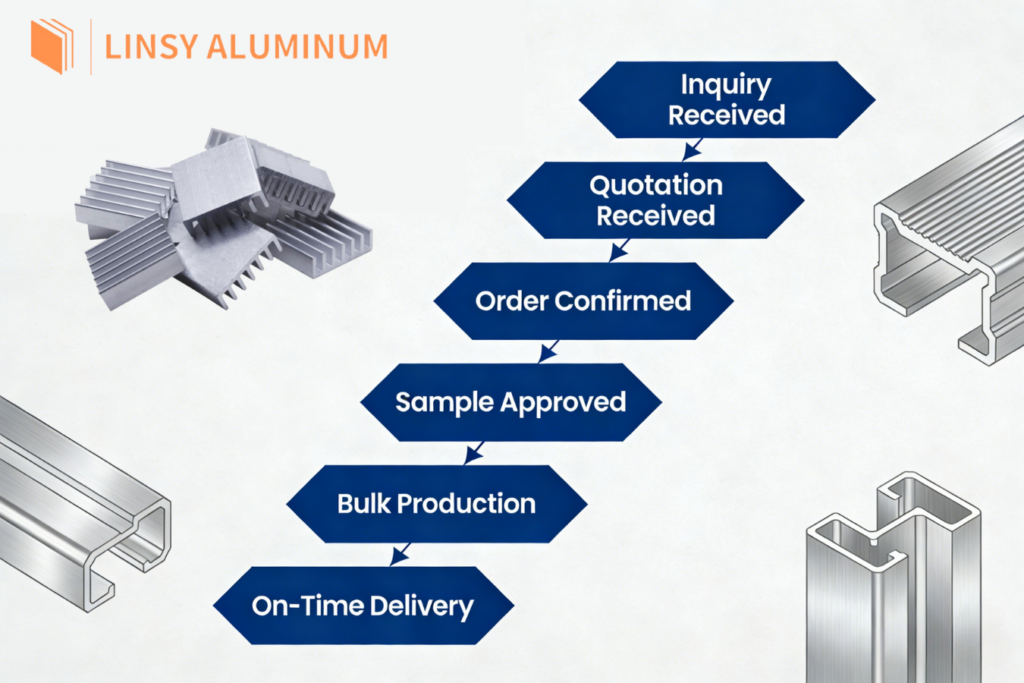
Für nicht auf Lager befindliche Abmessungen oder kundenspezifische Spezifikationen beträgt die typische Lieferzeit 10–60 Tage, abhängig von Legierung, Abmessungen, Verarbeitungsanforderungen und Auftragskomplexität. Standard-Spezifikationen ab Lager können schneller versendet werden — kontaktieren Sie unser Team für ein konkretes Angebot.
Linsy unterstützt kundenspezifische Produktion mit niedriger Mindestbestellmenge (MOQ) für nicht auf Lager befindliche 4045-Artikel. Die MOQ variiert je nach Form, Größe und Verarbeitungsumfang; teilen Sie uns bitte Ihre Anforderungen mit, und wir bestätigen die Machbarkeit.
Jede Bestellung wird mit einem MTC (Materialprüfzertifikat) geliefert, das von Linsy Aluminum nach der Produktion ausgestellt wird. Optionale SGS-Prüfberichte von Dritten sind auf Anfrage gegen zusätzliche Prüfkosten erhältlich.
Ja, Muster können für die meisten Standard- und kundenspezifischen Spezifikationen arrangiert werden. Musterkosten und Lieferzeit hängen von Größe und Verarbeitungsanforderungen ab.
Linsy versendet weltweit und verfügt über ein etabliertes Liefernetz in Europa, Südafrika, Brasilien, Singapur, der Türkei, Japan, Südkorea und Südasien.
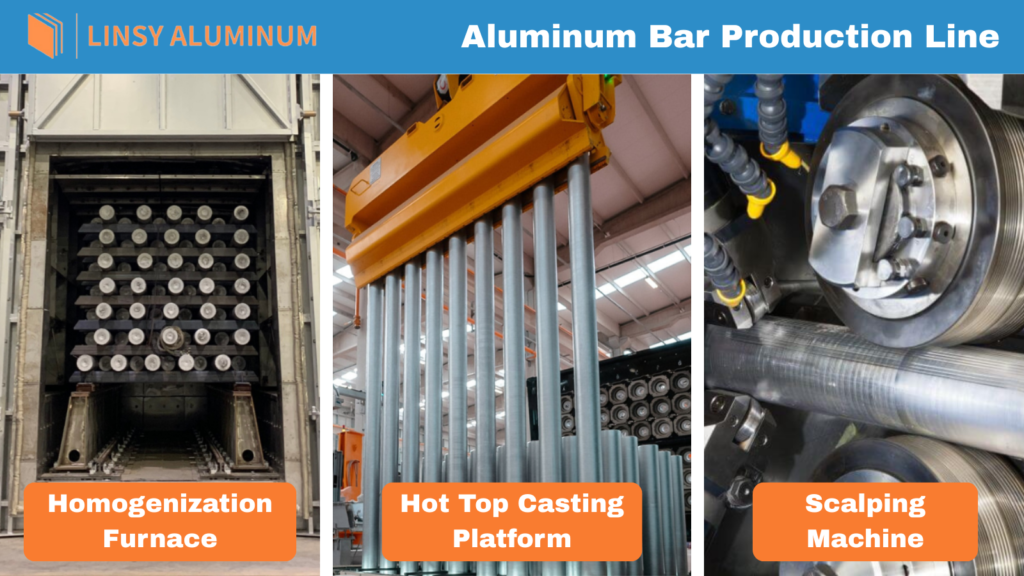
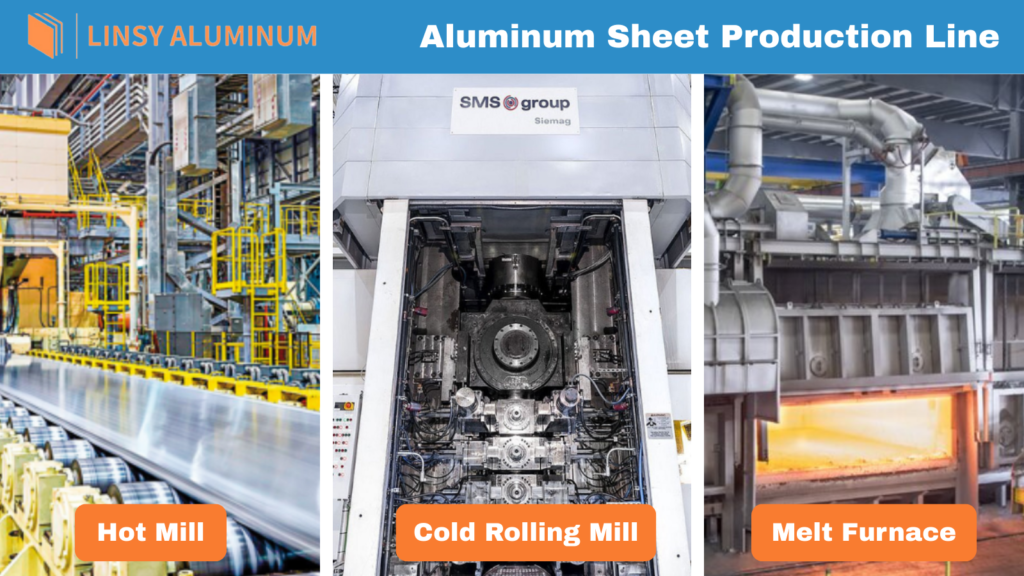
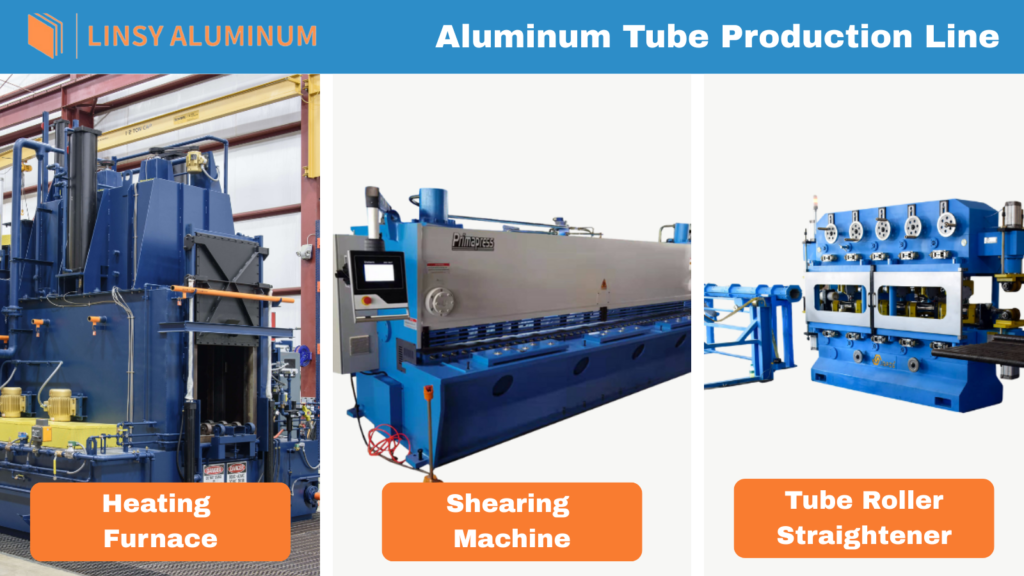
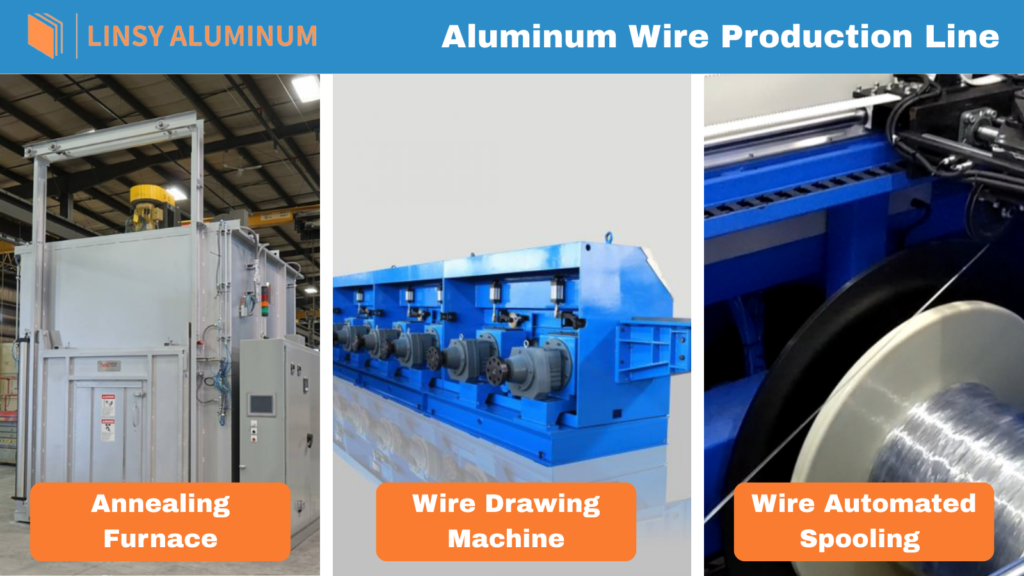
Linsy Vorteile
Linsy Aluminum ist ein führender Anbieter von Produkten für die Aluminiumverarbeitung und beliefert verschiedene Branchen wie die Luft- und Raumfahrt, den allgemeinen Maschinenbau, die Automobilindustrie, die Schifffahrt, den Schiffbau und andere spezialisierte industrielle Anwendungen.
Wir verpflichten uns, die höchsten Qualitäts- und Umweltstandards einzuhalten, was durch unsere Zertifizierungen belegt wird: ISO 9001:2008, ISO 14001:2004 und SGS.