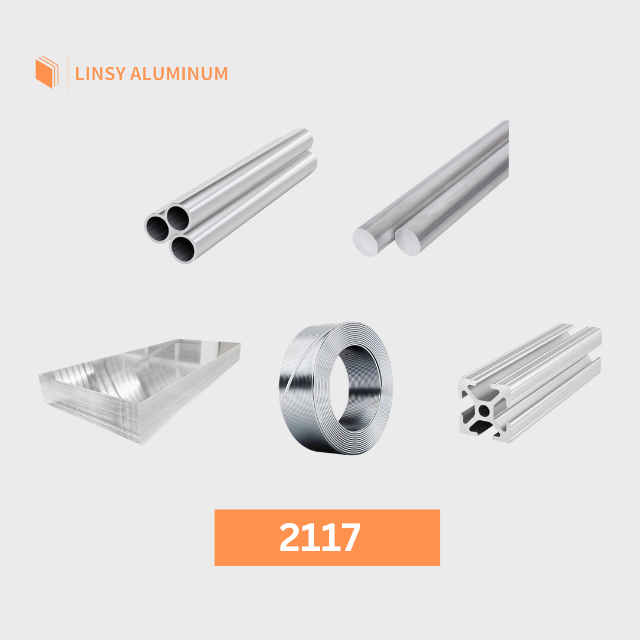



O alumínio 2117 é uma liga da série 2xxx à base de cobre, mais conhecida como a liga padrão para rebites na construção aeroespacial. Sua combinação de resistência moderada, excelente ductilidade e desempenho confiável ao cisalhamento a torna a escolha preferida para rebites e fixadores estruturais. A Linsy fornece o 2117 em barras, fios, chapas e tubos — todos acompanhados de certificados de ensaio da fábrica.
Formulários disponíveis: barra / fio / chapa / tubo / perfil
Temperamentos comuns: T4 / T42 / T3
Suporte ao processamento: rebitagem / cravação / usinagem CNC / conformação a frio
Documentos de qualidade: Relatório MTC em cada pedido
O alumínio 2117 (também designado EN AW-2117 / UNS A92117) é uma liga da série 2xxx com baixo teor de cobre, contendo aproximadamente 2,2–3,0% de cobre, com pequenas adições de silício, magnésio e manganês. Foi especificamente desenvolvido para aplicações em rebites e fixadores onde é essencial um equilíbrio entre resistência e ductilidade.
O 2117 é a liga padrão para rebites sólidos na construção de aeronaves — oferece resistência ao cisalhamento adequada, mantendo ductilidade suficiente para cravação a frio e aplicação de rebites sem trincas. Também é utilizado para fixadores de uso geral, contrapinos e componentes conformados a frio.
No tempera T4 (tratamento térmico de solução e envelhecimento natural), o 2117 atinge sua melhor combinação de resistência ao cisalhamento e ductilidade. Isso o torna o material padrão para rebites na maioria das especificações aeroespaciais.
Barra redonda e fio para rebites são as formas principais da liga 2117. Disponível no tempera T4 para desempenho ideal de rebitagem.
| Liga metálica | Temperamento | Diâmetro (mm) | Comprimento (mm) |
|---|---|---|---|
| 2117 | T4, T42, T3 | 3–50 | 1,000–6,000 |
O fio para rebites está disponível em diâmetros menores (1,5–10 mm) para operações de cravação. Corte personalizado sob consulta.
Fio para cravação de rebites, contrapinos e fixadores conformados a frio.
| Liga metálica | Temperamento | Diâmetro (mm) | Peso/Bobina (kg) | Tolerância |
|---|---|---|---|---|
| 2117 | T4, T3 | 0.8–12 | Mín 50 | ± 0,02 mm |
Chapa para suportes conformados, reforços e remendos de reparo em estruturas de aeronaves.
| Liga metálica | Temperamento | Espessura (mm) | Largura (mm) | Comprimento (mm) |
|---|---|---|---|---|
| 2117 | T4 | 0.3–50 | 500–1,500 | 1,000–4,000 |
Tubo para buchas e anéis estruturais.
| Liga metálica | Temperamento | DE (mm) | Parede (mm) | Comprimento (mm) |
|---|---|---|---|---|
| 2117 | T4 | 6–80 | 1–8 | 1,000–6,000 |
| Padrão | Designação |
|---|---|
| EN AW | AW-2117 |
| UNS | A92117 |
| ASTM (Fio para Rebites) | B316 |
| ASTM (Barra) | B211 |
| ISO | AlCu2.5Mg0.2 |
| Federal | QQ-A-430 (fio para rebites) |
Conforme EN 573-3 / ASTM B316:
| Elemento | Peso % |
|---|---|
| Si | 0.8–1.2 |
| Fe | 0,7 máximo |
| Cu | 2.2–3.0 |
| Mn | 0,20 máx |
| Mg | 0.20-0.50 |
| Cr | 0,10 máximo |
| Zn | 0,25 máximo |
| Ti | 0,15 máximo |
| Outros (cada) | 0,05 máximo |
| Outros (total) | 0,15 máximo |
| Al | Equilíbrio |
| Temperamento | Resistência à tração (MPa) | Resistência ao escoamento (MPa) | Alongamento A50 (%) | Resistência ao cisalhamento (MPa) |
|---|---|---|---|---|
| T4 | 295–340 | 165–200 | 15–22 | 185–210 |
| T42 | 290–330 | 160–190 | 15–20 | 180–205 |
| T3 | 260–310 | 140–175 | 18–25 | 165–195 |
Nota: A resistência ao cisalhamento é uma propriedade crítica para ligas de rebites e está incluída na tabela acima. Os valores são faixas típicas; confirme com o MTC para pedidos específicos.
T4 (tratamento térmico de solução e envelhecimento natural) é o tempera padrão para fio e barra de rebites 2117. Proporciona o equilíbrio ideal de resistência ao cisalhamento e ductilidade para operações de cravação a frio e aplicação de rebites. A maioria das especificações aeroespaciais para rebites exige 2117-T4.
T42 é o 2117 que passou por tratamento térmico de solução e envelhecimento natural para atender a faixas específicas de propriedades mecânicas acordadas entre comprador e fornecedor. Utilizado quando é necessário um controle mais rigoroso dos valores de cisalhamento ou tração.
T3 oferece maior ductilidade com resistência ligeiramente inferior — adequado para aplicações que exigem mais conformação antes do envelhecimento final.
| Temperamento | Melhor para | Principais Vantagens |
|---|---|---|
| T4 | Rebites padrão, fixadores estruturais | Melhor equilíbrio cisalhamento/ductilidade para aplicação de rebites |
| T42 | Rebites com especificação controlada | Faixas de propriedades rigorosas conforme acordo do comprador |
| T3 | Peças conformadas que necessitam de ductilidade extra | Maior alongamento antes do envelhecimento |
O 2117-T4 é a liga padrão da indústria para rebites. Sua resistência ao cisalhamento (~185–210 MPa) é suficiente para juntas estruturais, enquanto seu alongamento (15–22%) garante cravação a frio e aplicação confiáveis sem trincas — as duas propriedades essenciais para o desempenho de rebites.
O teor de cobre relativamente baixo (2,2–3,0%) confere ao 2117 melhor ductilidade que o 2024 ou 2014. Isso o torna adequado para operações de cravação, recalque e conformação a frio comuns na fabricação de fixadores.
O 2117 não é uma liga estrutural de alta resistência. Sua resistência à tração (295–340 MPa em T4) é adequada para juntas carregadas ao cisalhamento, mas insuficiente para membros estruturais primários. Para aplicações de alta resistência, utilize 2024 ou 7075.
O 2117 possui resistência moderada à corrosão — melhor que o 2024, mas não adequado para ambientes marinhos sem proteção. Na construção aeroespacial, os rebites 2117 são tipicamente usados com chapa Alclad 2024, onde o rebite e a pele circundante formam uma junta compatível de metais dissimilares.
O alumínio 2117 é utilizado onde o desempenho de rebites e fixadores é crítico:
Todo pedido da Linsy inclui:
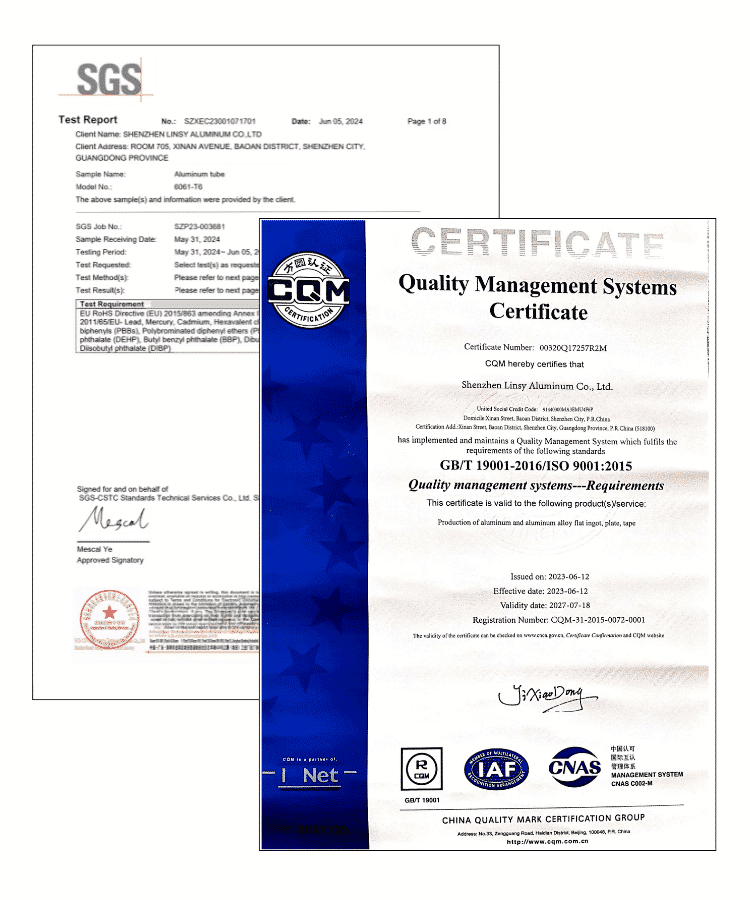
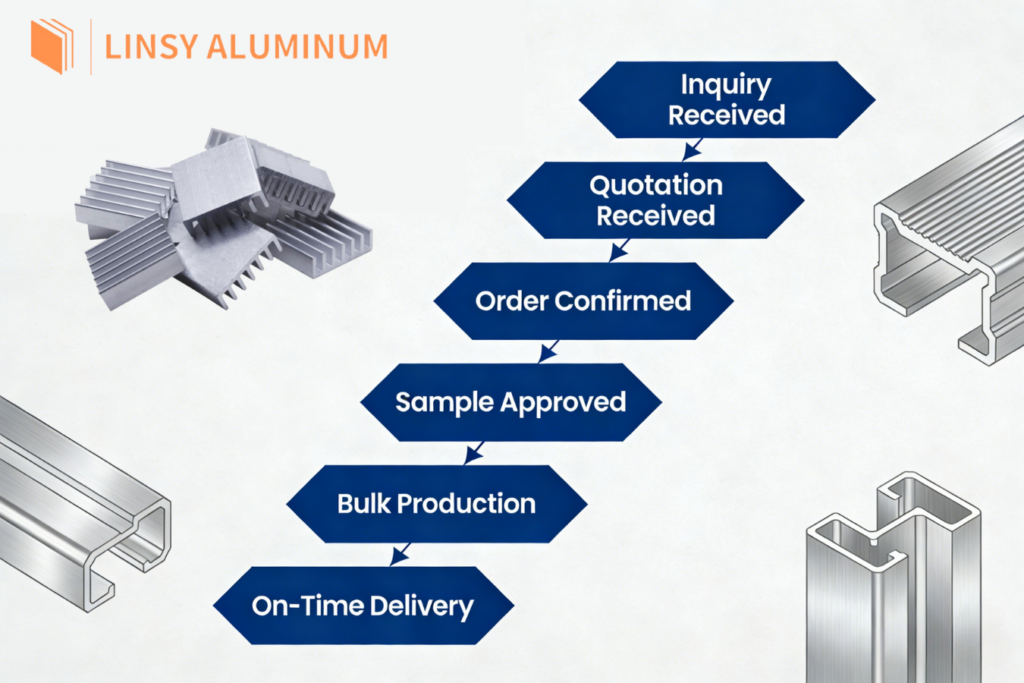
A Linsy opera sob os sistemas de gestão ISO 9001, ISO 14001 e ISO 45001. Os prazos de produção variam de 10 a 60 dias, dependendo da forma do produto e da complexidade do pedido.
A Linsy Aluminum fornece ligas para rebites e fixadores para compradores dos setores aeroespacial e industrial em todo o mundo. Para a liga 2117:
O 2117-T4 oferece o equilíbrio ideal entre resistência ao cisalhamento (~185–210 MPa) e ductilidade (15–22% de alongamento) para recalcamento a frio e cravação de rebites. A liga pode ser recalcada e conformada em cabeças de rebite sem trincas, e o rebite cravado proporciona desempenho confiável sob carga de cisalhamento.
O 2017 (liga de rebite AD) tem maior resistência ao cisalhamento, mas menor ductilidade que o 2117. O 2117 (liga de rebite A) é mais tolerante durante a cravação e é preferido para juntas estruturais padrão. O 2017 é usado onde é necessária maior resistência ao cisalhamento.
Sim. Os rebites 2117-T4 são comumente usados com chapas de 2024-T3 e Alclad 2024-T3 na construção de aeronaves. O potencial de corrosão galvânica entre metais diferentes é mínimo e é tratado pelas normas de projeto (MIL-HDBK-5 / MMPDS).
Não recomendado para soldagem estrutural. A soldagem TIG é possível para reparos não críticos, mas a rebitagem ou fixação mecânica é o método de união padrão para componentes de liga 2117.
T42 é a liga 2117 que foi tratada termicamente para atender a faixas específicas de propriedades mecânicas negociadas entre o comprador e o fornecedor, em vez dos mínimos padrão do T4. Proporciona um controle mais rigoroso das propriedades para aplicações críticas.
O QMP depende da forma do produto. O fio para rebites geralmente tem um QMP menor que a barra ou a placa. Entre em contato com a Linsy para obter detalhes específicos.
Sim. O peso padrão da bobina é de no mínimo 50 kg. Pesos de bobina personalizados estão disponíveis mediante solicitação.
Cada remessa inclui um Certificado de Teste de Fábrica (MTC) com valores de composição química, resistência à tração, limite de escoamento, alongamento e resistência ao cisalhamento. Relatórios de terceiros SGS estão disponíveis mediante solicitação.
O prazo de produção é de 10 a 60 dias, dependendo da forma do produto, dimensões e quantidade do pedido.
Sim. A Linsy fornece produtos de alumínio para compradores em todo o mundo. Os termos de envio e as opções de frete são confirmados durante a colocação do pedido.
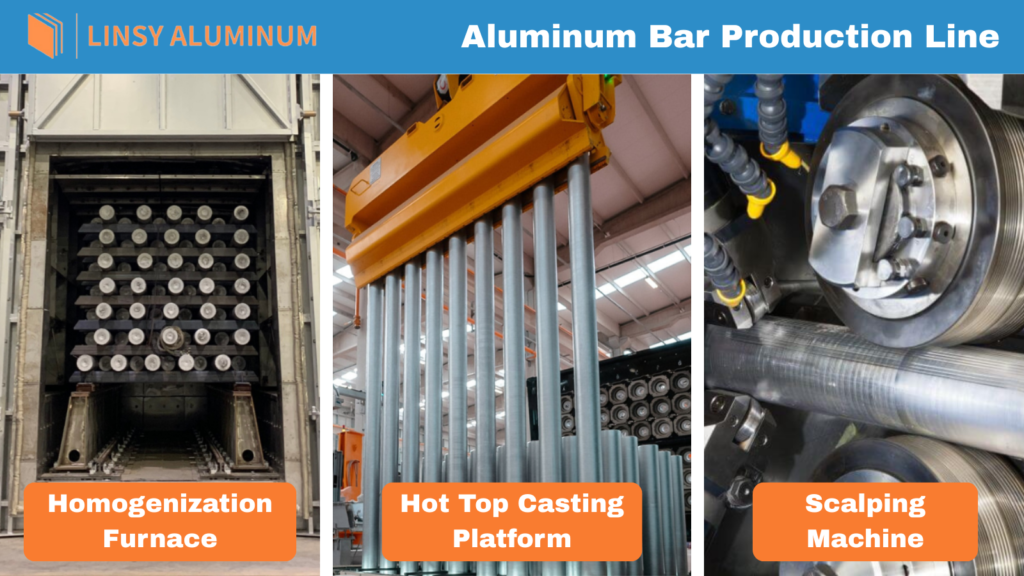
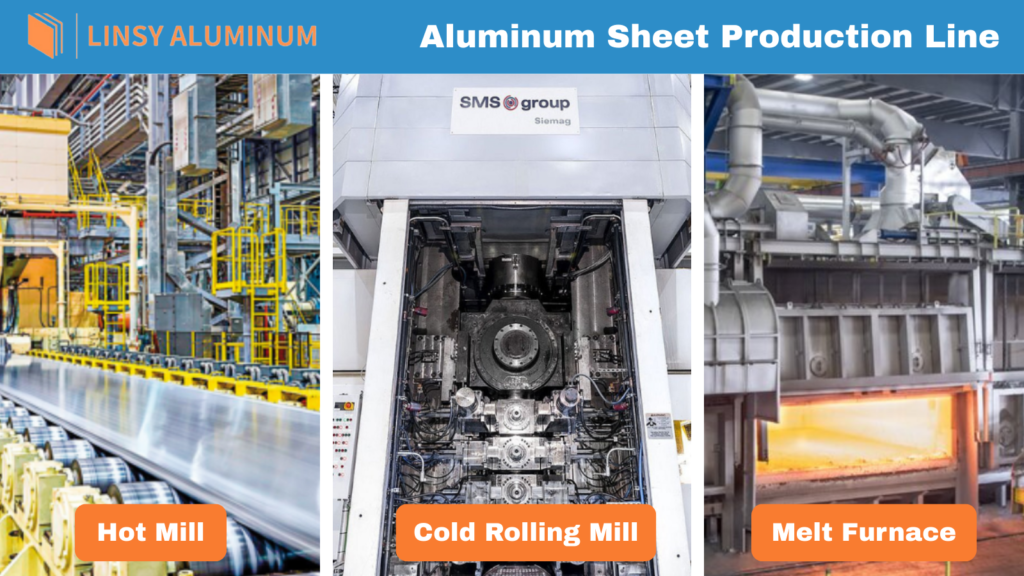
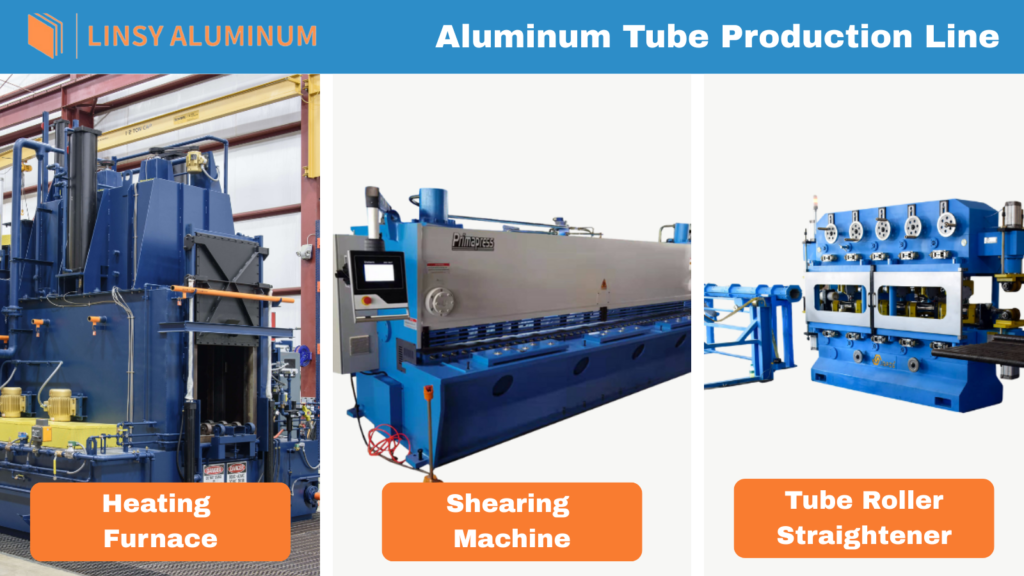
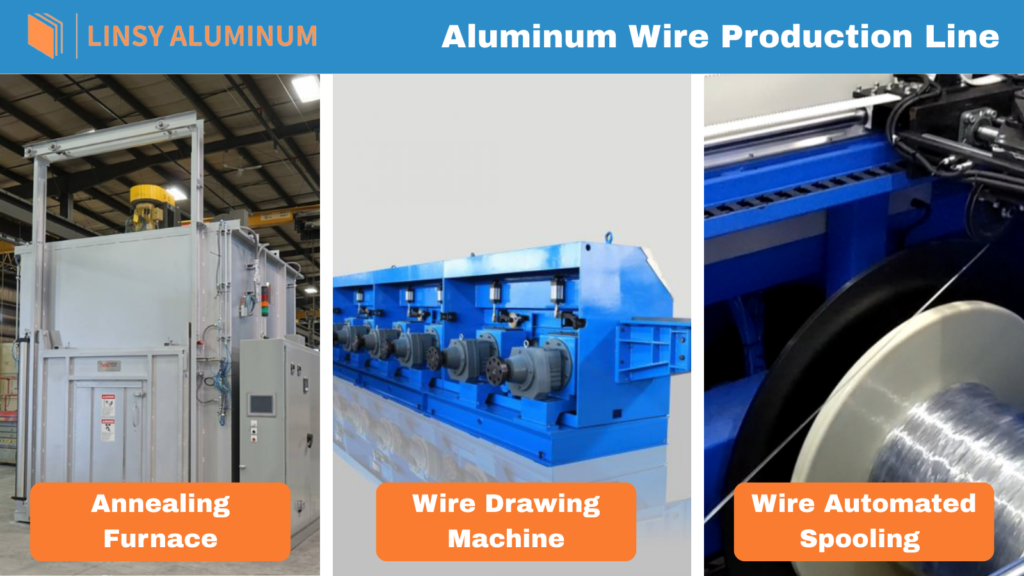
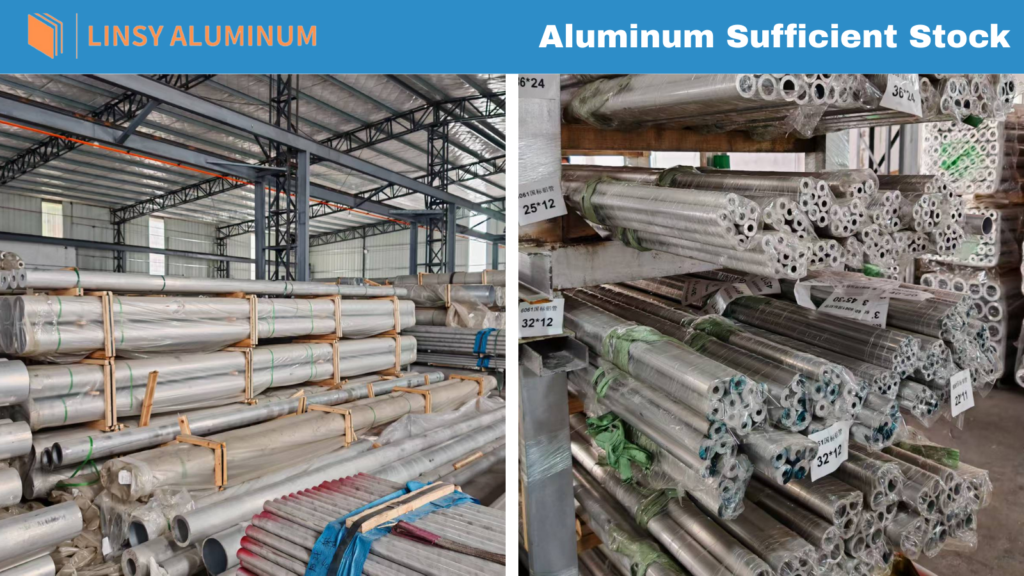
Vantagens da Linsy
A Linsy Aluminum é uma fornecedora líder de produtos de processamento de alumínio, atendendo a diversos setores, incluindo aeroespacial, engenharia geral, automotivo, marítimo, construção naval e outras aplicações industriais especializadas.
Temos o compromisso de manter os mais altos padrões de qualidade e responsabilidade ambiental, conforme demonstrado por nossas certificações: ISO 9001:2008, ISO 14001:2004 e SGS.