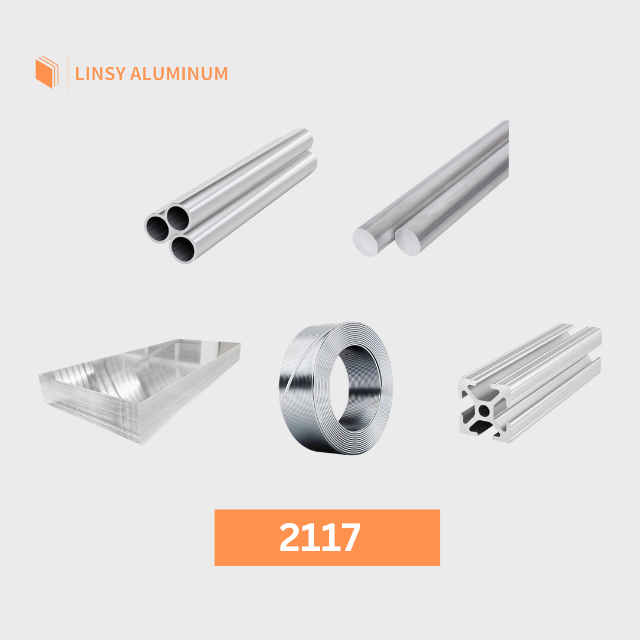



2117 aluminium to stop na bazie miedzi z serii 2xxx, znany przede wszystkim jako standardowy stop na nity w konstrukcjach lotniczych. Połączenie umiarkowanej wytrzymałości, doskonałej ciągliwości i niezawodnych właściwości na ścinanie czyni go preferowanym wyborem do nitów konstrukcyjnych i elementów złącznych. Firma Linsy dostarcza stop 2117 w postaci prętów, drutu, blach i rur — wszystkie produkty są objęte certyfikatami badań hutniczych.
Dostępne formularze: pręt / drut / blacha / rura / profil
Typowe temperamenty: T4 / T42 / T3
Wsparcie w zakresie przetwarzania: nitowanie / spęczanie / obróbka CNC / kucie na zimno
Dokumenty dotyczące jakości: Raport MTC dołączany do każdego zamówienia
Stop aluminium 2117 (oznaczenie EN AW-2117 / UNS A92117) to stop z serii 2xxx o niskiej zawartości miedzi, zawierający około 2,2–3,0% miedzi z niewielkimi dodatkami krzemu, magnezu i manganu. Został opracowany specjalnie do zastosowań na nity i elementy złączne, gdzie kluczowa jest równowaga między wytrzymałością a ciągliwością.
Stop 2117 jest standardowym materiałem na nity pełne w konstrukcjach lotniczych — zapewnia odpowiednią wytrzymałość na ścinanie, zachowując wystarczającą ciągliwość do spęczania na zimno i wbijania nitów bez pękania. Jest również stosowany na elementy złączne ogólnego przeznaczenia, zawleczki i elementy formowane na zimno.
W stanie T4 (przesycanie i naturalne starzenie) stop 2117 osiąga najlepsze połączenie wytrzymałości na ścinanie i ciągliwości. To czyni go domyślnym materiałem na nity w większości specyfikacji lotniczych.
Pręty okrągłe i drut na nity to podstawowe formy stopu 2117. Dostępne w stanie T4 dla optymalnych właściwości nitowania.
| Stop | Temperament | Średnica (mm) | Długość (mm) |
|---|---|---|---|
| 2117 | T4, T42, T3 | 3–50 | 1,000–6,000 |
Drut na nity jest dostępny w mniejszych średnicach (1,5–10 mm) do operacji spęczania. Na życzenie dostępne jest przycinanie na wymiar.
Drut do spęczania nitów, zawleczek i elementów złącznych formowanych na zimno.
| Stop | Temperament | Średnica (mm) | Masa/szpula (kg) | Tolerancja |
|---|---|---|---|---|
| 2117 | T4, T3 | 0.8–12 | Min. 50 | ± 0,02 mm |
Blacha do formowanych wsporników, wzmocnień i łat naprawczych w konstrukcjach lotniczych.
| Stop | Temperament | Grubość (mm) | Szerokość (mm) | Długość (mm) |
|---|---|---|---|---|
| 2117 | T4 | 0.3–50 | 500–1,500 | 1,000–4,000 |
Rura na tuleje konstrukcyjne i panewki.
| Stop | Temperament | OD (mm) | Grubość ścianki (mm) | Długość (mm) |
|---|---|---|---|---|
| 2117 | T4 | 6–80 | 1–8 | 1,000–6,000 |
| Standard | Oznaczenie |
|---|---|
| EN AW | AW-2117 |
| UNS | A92117 |
| ASTM (drut na nity) | B316 |
| ASTM (pręt) | B211 |
| ISO | AlCu2,5Mg0,2 |
| Federalna | QQ-A-430 (drut na nity) |
Zgodnie z EN 573-3 / ASTM B316:
| Element | Waga % |
|---|---|
| Si | 0.8–1.2 |
| Fe | 0,7 maks |
| Cu | 2.2–3.0 |
| Mn | 0,20 maks. |
| Mg | 0.20-0.50 |
| Cr | 0,10 maks |
| Zn | 0,25 maks |
| Ti | 0,15 maks |
| Inni (każdy) | 0.05 max |
| Inne (łącznie) | 0,15 maks |
| Al | Równowaga |
| Temperament | Wytrzymałość na rozciąganie (MPa) | Granica plastyczności (MPa) | Wydłużenie A50 (%) | Wytrzymałość na ścinanie (MPa) |
|---|---|---|---|---|
| T4 | 295–340 | 165–200 | 15–22 | 185–210 |
| T42 | 290–330 | 160–190 | 15–20 | 180–205 |
| T3 | 260–310 | 140–175 | 18–25 | 165–195 |
Uwaga: Wytrzymałość na ścinanie jest kluczową właściwością stopów na nity i została uwzględniona w powyższej tabeli. Wartości są typowymi zakresami; w celu potwierdzenia dla konkretnych zamówień należy skonsultować się z certyfikatem badań hutniczych (MTC).
Stan T4 (przesycanie i naturalne starzenie) jest domyślnym stanem dla drutu i prętów ze stopu 2117 przeznaczonych na nity. Zapewnia optymalną równowagę wytrzymałości na ścinanie i ciągliwości dla operacji spęczania na zimno i wbijania nitów. Większość lotniczych specyfikacji dotyczących nitów wymaga stanu 2117-T4.
T42 to stop 2117 poddany przesycaniu i naturalnemu starzeniu w celu osiągnięcia określonych zakresów właściwości mechanicznych uzgodnionych między kupującym a dostawcą. Stosowany, gdy wymagana jest ściślejsza kontrola wartości ścinania lub rozciągania.
T3 zapewnia wyższą ciągliwość przy nieco niższej wytrzymałości — odpowiedni do zastosowań wymagających większego odkształcania przed końcowym starzeniem.
| Temperament | Najlepsze dla | Kluczowa zaleta |
|---|---|---|
| T4 | Standardowe nity, elementy złączne konstrukcyjne | Najlepsza równowaga ścinania/ciągliwości do wbijania nitów |
| T42 | Nity zgodne ze specyfikacją | Ścisłe zakresy właściwości zgodnie z umową z kupującym |
| T3 | Elementy formowane wymagające dodatkowej ciągliwości | Wyższe wydłużenie przed starzeniem |
Stop 2117-T4 to przemysłowy standard na nity. Jego wytrzymałość na ścinanie (~185–210 MPa) jest wystarczająca dla połączeń konstrukcyjnych, a wydłużenie (15–22%) zapewnia niezawodne spęczanie na zimno i wbijanie bez pękania — to dwie kluczowe właściwości decydujące o jakości nitów.
Stosunkowo niska zawartość miedzi (2,2–3,0%) zapewnia stopowi 2117 lepszą ciągliwość niż stopom 2024 czy 2014. To czyni go odpowiednim do spęczania, zgrubiania i operacji formowania na zimno powszechnych w produkcji elementów złącznych.
Stop 2117 nie jest stopem konstrukcyjnym o wysokiej wytrzymałości. Jego wytrzymałość na rozciąganie (295–340 MPa w stanie T4) jest wystarczająca dla połączeń obciążonych ścinaniem, ale niewystarczająca dla głównych elementów konstrukcyjnych. Do zastosowań wymagających wysokiej wytrzymałości należy stosować stopy 2024 lub 7075.
Stop 2117 charakteryzuje się umiarkowaną odpornością na korozję — lepszą niż stop 2024, ale niewystarczającą do środowisk morskich bez dodatkowej ochrony. W konstrukcjach lotniczych nity ze stopu 2117 są zazwyczaj stosowane z blachą Alclad 2024, gdzie nit i otaczające poszycie tworzą kompatybilne połączenie różnych metali.
Stop aluminium 2117 jest stosowany wszędzie tam, gdzie kluczowe znaczenie mają właściwości nitów i elementów złącznych:
Każde zamówienie od Linsy obejmuje:
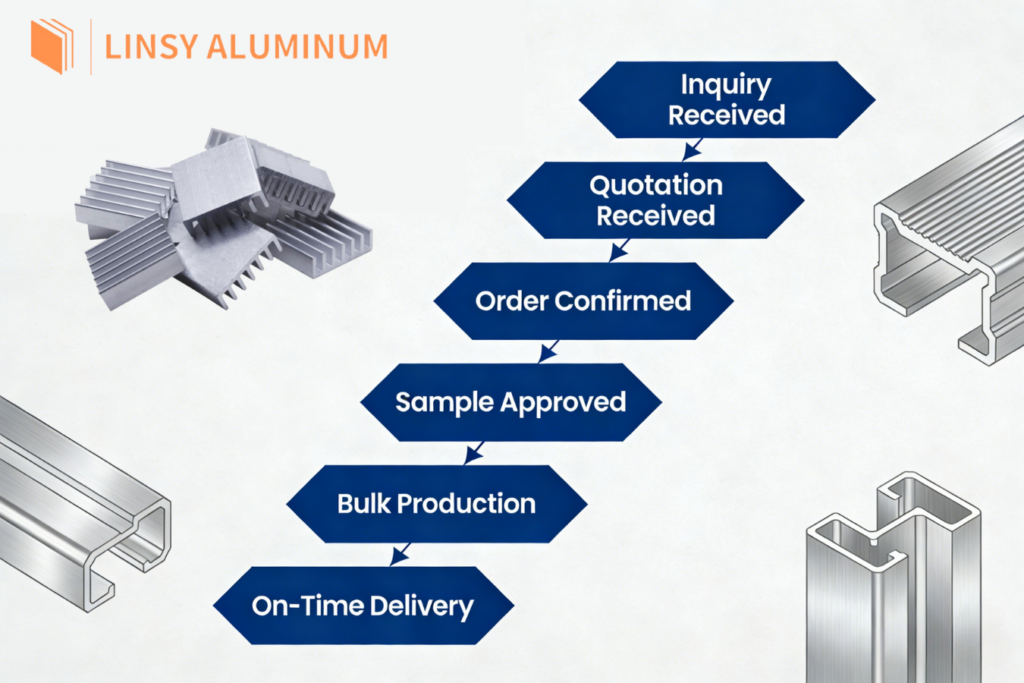
Linsy działa w oparciu o systemy zarządzania ISO 9001, ISO 14001 oraz ISO 45001. Czas realizacji produkcji wynosi od 10 do 60 dni, w zależności od formy produktu i złożoności zamówienia.
Linsy Aluminum dostarcza stopy na nity i elementy złączne odbiorcom z sektora lotniczego i przemysłowego na całym świecie. Dla stopu 2117:
2117-T4 zapewnia odpowiednią równowagę między wytrzymałością na ścinanie (~185–210 MPa) a plastycznością (wydłużenie 15–22%) dla spęczania na zimno i wbijania nitów. Stop może być spęczany i formowany w łby nitów bez pękania, a wbity nit zapewnia niezawodne działanie przy obciążeniach ścinających.
2017 (stop na nity AD) ma wyższą wytrzymałość na ścinanie, ale niższą plastyczność niż 2117. 2117 (stop na nity A) jest bardziej wybaczający podczas wbijania nitów i jest preferowany do standardowych połączeń konstrukcyjnych. 2017 jest stosowany tam, gdzie wymagana jest wyższa wytrzymałość na ścinanie.
Tak. Nity 2117-T4 są powszechnie stosowane z blachą 2024-T3 i Alclad 2024-T3 w konstrukcjach lotniczych. Potencjał korozji kontaktowej różnych metali jest minimalny i jest uwzględniony w normach projektowych (MIL-HDBK-5 / MMPDS).
Nie zaleca się do spawania konstrukcyjnego. Spawanie TIG jest możliwe w przypadku napraw niekrytycznych, ale nitowanie lub łączenie mechaniczne jest standardową metodą łączenia elementów ze stopu 2117.
T42 to stop 2117 poddany obróbce cieplnej w celu osiągnięcia określonych zakresów właściwości mechanicznych uzgodnionych między kupującym a dostawcą, zamiast standardowych wartości minimalnych dla T4. Zapewnia to ściślejszą kontrolę właściwości w zastosowaniach krytycznych.
Minimalna ilość zamówienia (MOQ) zależy od formy produktu. Drut na nity ma zazwyczaj niższe MOQ niż pręt lub płyta. Skontaktuj się z Linsy w celu uzyskania szczegółowych informacji.
Tak. Standardowa masa szpuli wynosi minimum 50 kg. Niestandardowe masy szpul są dostępne na żądanie.
Każda dostawa obejmuje świadectwo odlewu (MTC) z podanym składem chemicznym oraz wartościami wytrzymałości na rozciąganie, granicy plastyczności, wydłużenia i wytrzymałości na ścinanie. Raporty strony trzeciej SGS są dostępne na żądanie.
Czas realizacji produkcji wynosi 10–60 dni, w zależności od formy produktu, wymiarów i wielkości zamówienia.
Tak. Linsy dostarcza produkty aluminiowe do odbiorców na całym świecie. Warunki dostawy i opcje frachtu są potwierdzane podczas składania zamówienia.
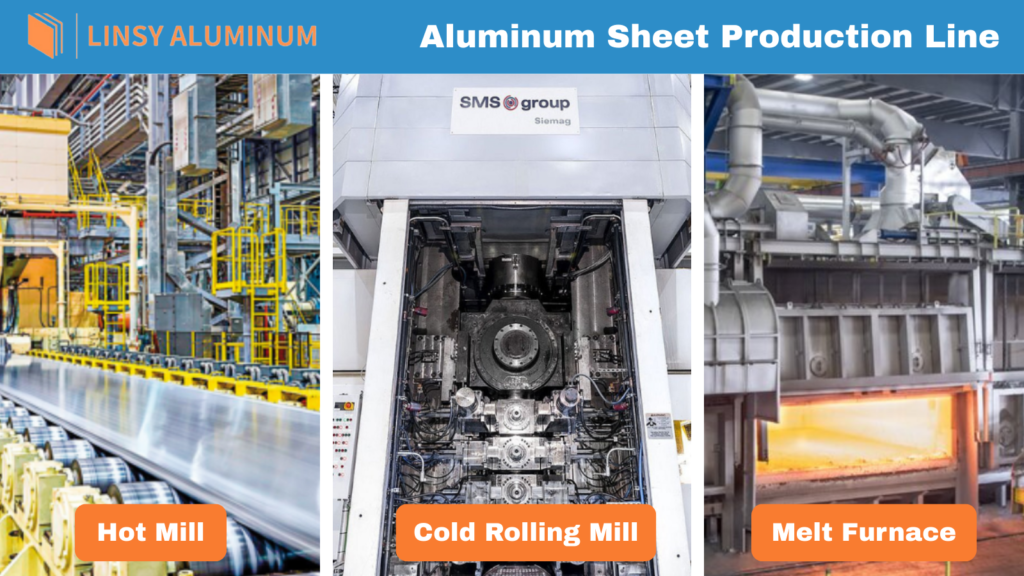
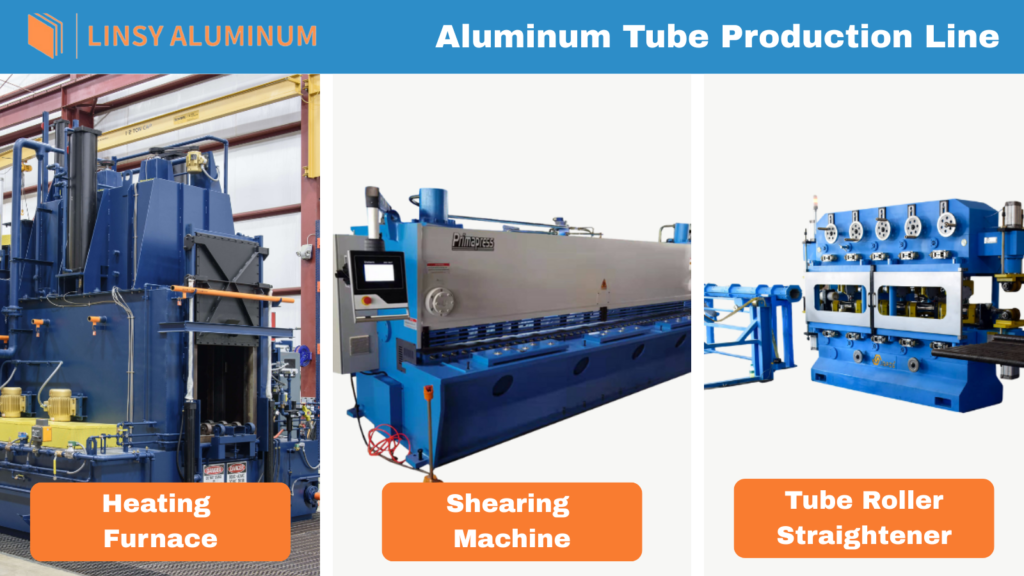
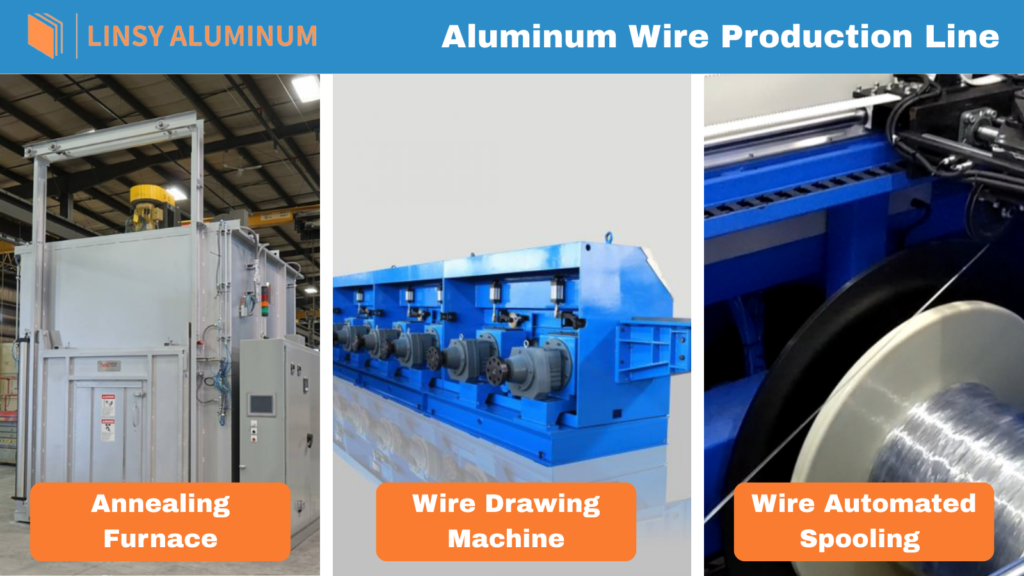
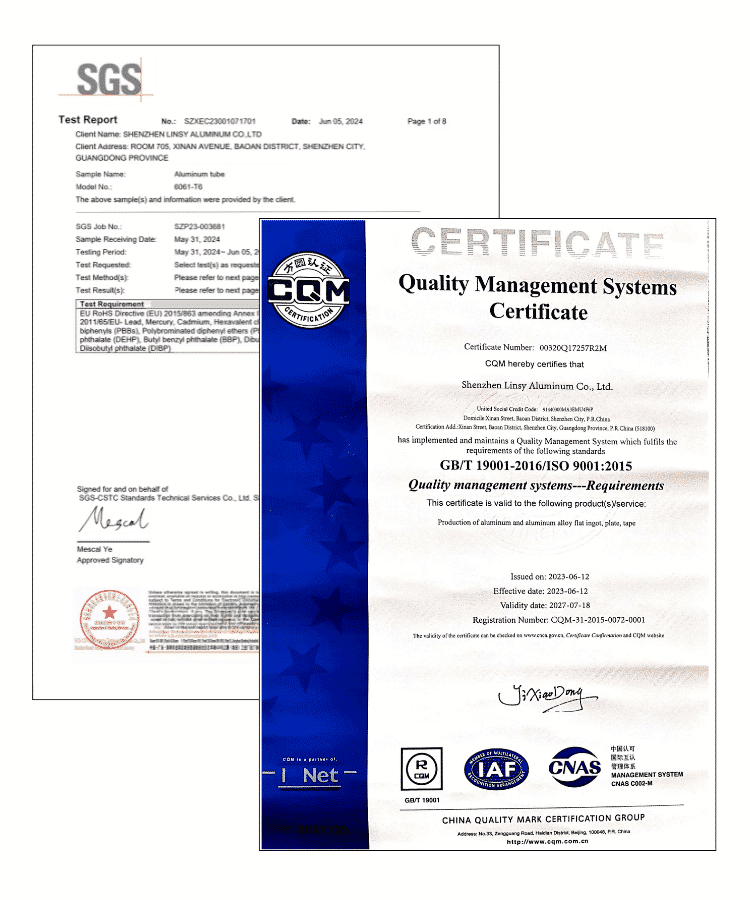
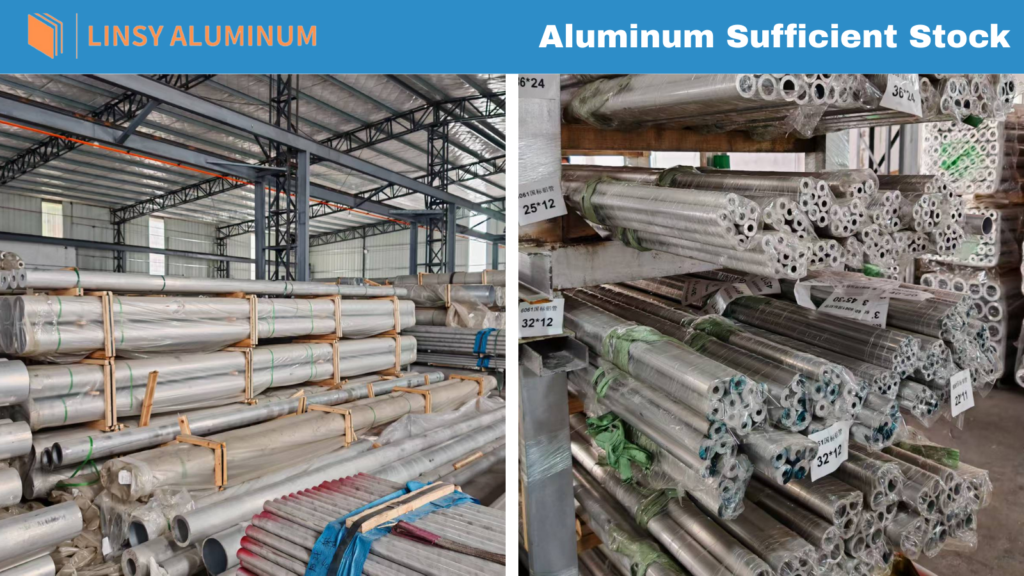
Zalety Linsy
Linsy Aluminium jest wiodącym dostawcą produktów do obróbki aluminium, obsługującym różne branże, w tym lotnictwo, inżynierię ogólną, motoryzację, przemysł morski, stoczniowy i inne specjalistyczne zastosowania przemysłowe.
Dążymy do utrzymania najwyższych standardów jakości i odpowiedzialności za środowisko, o czym świadczą nasze certyfikaty: ISO 9001:2008, ISO 14001:2004 oraz SGS.