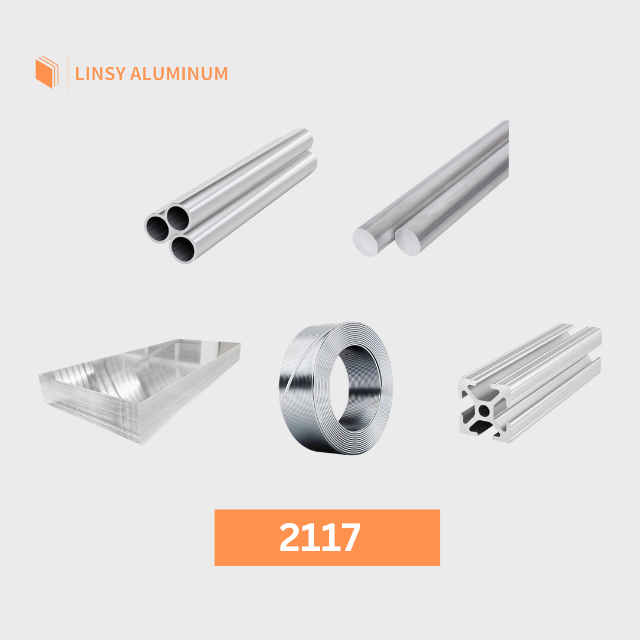



Le 2117 est un alliage d'aluminium de la série 2xxx à base de cuivre, principalement connu comme l'alliage standard pour rivets dans la construction aérospatiale. Sa combinaison de résistance modérée, d'excellente ductilité et de performances de cisaillement fiables en fait le choix privilégié pour les rivets structurels et les fixations. Linsy fournit le 2117 sous forme de barres, fils, tôles et tubes — le tout accompagné de certificats d'essai en usine.
Formulaires disponibles : barre / fil / tôle / tube / profilé
Tempéraments courants : T4 / T42 / T3
Assistance technique : rivetage / refoulage / usinage CNC / formage à froid
Documents relatifs à la qualité : Rapport MTC joint à chaque commande
Le 2117 (également désigné EN AW-2117 / UNS A92117) est un alliage de la série 2xxx à faible teneur en cuivre, contenant environ 2,2 à 3,0 % de cuivre avec de faibles ajouts de silicium, de magnésium et de manganèse. Il est spécifiquement développé pour les applications de rivets et de fixations où un équilibre entre résistance et ductilité est essentiel.
Le 2117 est l'alliage standard pour les rivets pleins dans la construction aéronautique — il offre une résistance au cisaillement adéquate tout en conservant suffisamment de ductilité pour le refoulage à froid et la pose des rivets sans fissuration. Il est également utilisé pour les fixations d'usage général, les goupilles fendues et les pièces formées à froid.
À l'état T4 (trempe de mise en solution et vieillissement naturel), le 2117 atteint la meilleure combinaison de résistance au cisaillement et de ductilité. Cela en fait le matériau de rivet par défaut dans la plupart des spécifications aérospatiales.
Les barres rondes et les fils de rivets sont les principales formes de l'alliage 2117. Disponibles à l'état T4 pour des performances de rivetage optimales.
| Alliage | Tempérer | Diamètre (mm) | Longueur (mm) |
|---|---|---|---|
| 2117 | T4, T42, T3 | 3–50 | 1,000–6,000 |
Le fil de rivets est disponible en petits diamètres (1,5 à 10 mm) pour les opérations de refoulage. Découpe sur mesure disponible sur demande.
Fil pour refoulage de rivets, goupilles fendues et fixations formées à froid.
| Alliage | Tempérer | Diamètre (mm) | Poids/Bobine (kg) | Tolérance |
|---|---|---|---|---|
| 2117 | T4, T3 | 0.8–12 | Min 50 | ± 0,02 mm |
Tôle pour supports formés, renforts et pièces de réparation dans les structures aéronautiques.
| Alliage | Tempérer | Épaisseur (mm) | Largeur (mm) | Longueur (mm) |
|---|---|---|---|---|
| 2117 | T4 | 0.3–50 | 500–1,500 | 1,000–4,000 |
Tube pour manchons structurels et bagues.
| Alliage | Tempérer | Diamètre extérieur (mm) | Paroi (mm) | Longueur (mm) |
|---|---|---|---|---|
| 2117 | T4 | 6–80 | 1–8 | 1,000–6,000 |
| Standard | Désignation |
|---|---|
| EN AW | AW-2117 |
| UNS | A92117 |
| ASTM (fil de rivets) | B316 |
| ASTM (Barre) | B211 |
| ISO | AlCu2,5Mg0,2 |
| Fédéral | QQ-A-430 (fil de rivets) |
Selon EN 573-3 / ASTM B316 :
| Élément | Poids % |
|---|---|
| Si | 0.8–1.2 |
| Fe | 0,7 max |
| Cu | 2.2–3.0 |
| Mn | 0,20 max |
| Mg | 0.20-0.50 |
| Cr | 0,10 max |
| Zn | 0,25 max |
| Ti | 0,15 max |
| Autres (chacun) | 0,05 max |
| Autres (total) | 0,15 max |
| Al | Équilibre |
| Tempérer | Résistance à la traction (MPa) | Limite d'élasticité (MPa) | Allongement A50 (%) | Résistance au cisaillement (MPa) |
|---|---|---|---|---|
| T4 | 295–340 | 165–200 | 15–22 | 185–210 |
| T42 | 290–330 | 160–190 | 15–20 | 180–205 |
| T3 | 260–310 | 140–175 | 18–25 | 165–195 |
Remarque : La résistance au cisaillement est une propriété critique pour les alliages de rivets et est incluse dans le tableau ci-dessus. Les valeurs sont des plages typiques ; veuillez confirmer avec le certificat d'essai en usine pour les commandes spécifiques.
Le T4 (trempe de mise en solution et vieillissement naturel) est l'état par défaut pour le fil et la barre de rivets 2117. Il offre l'équilibre optimal entre résistance au cisaillement et ductilité pour les opérations de refoulage à froid et de pose de rivets. La plupart des spécifications aérospatiales pour rivets exigent le 2117-T4.
Le T42 est du 2117 ayant subi une trempe de mise en solution et un vieillissement naturel pour répondre à des plages de propriétés mécaniques spécifiques négociées entre l'acheteur et le fournisseur. Utilisé lorsque un contrôle plus strict des valeurs de cisaillement ou de traction est requis.
Le T3 offre une ductilité plus élevée avec une résistance légèrement inférieure — adapté aux applications nécessitant davantage de formage avant le vieillissement final.
| Tempérer | Meilleur pour | Avantage clé |
|---|---|---|
| T4 | Rivets standard, fixations structurelles | Meilleur équilibre cisaillement/ductilité pour la pose de rivets |
| T42 | Rivets sous spécification | Plages de propriétés strictes selon l'accord de l'acheteur |
| T3 | Pièces formées nécessitant une ductilité supplémentaire | Allongement plus élevé avant vieillissement |
Le 2117-T4 est l'alliage de rivets standard de l'industrie. Sa résistance au cisaillement (~185 à 210 MPa) est suffisante pour les joints structurels, tandis que son allongement (15 à 22 %) garantit un refoulage à froid et une pose fiables sans fissuration — les deux propriétés essentielles pour les performances des rivets.
La teneur en cuivre relativement faible (2,2 à 3,0 %) confère au 2117 une meilleure ductilité que le 2024 ou le 2014. Cela le rend adapté aux opérations de refoulage, de matriçage et de formage à froid courantes dans la fabrication de fixations.
Le 2117 n'est pas un alliage structurel à haute résistance. Sa résistance à la traction (295 à 340 MPa à l'état T4) est adéquate pour les joints sollicités au cisaillement mais insuffisante pour les éléments structurels primaires. Pour les applications à haute résistance, utilisez plutôt le 2024 ou le 7075.
Le 2117 présente une résistance à la corrosion modérée — meilleure que le 2024 mais non adapté aux environnements marins sans protection. Dans la construction aérospatiale, les rivets en 2117 sont généralement utilisés avec des tôles en Alclad 2024, où le rivet et la peau environnante forment un joint de métaux dissemblables compatible.
L'aluminium 2117 est utilisé partout où les performances des rivets et des fixations sont critiques :
Chaque commande auprès de Linsy comprend :
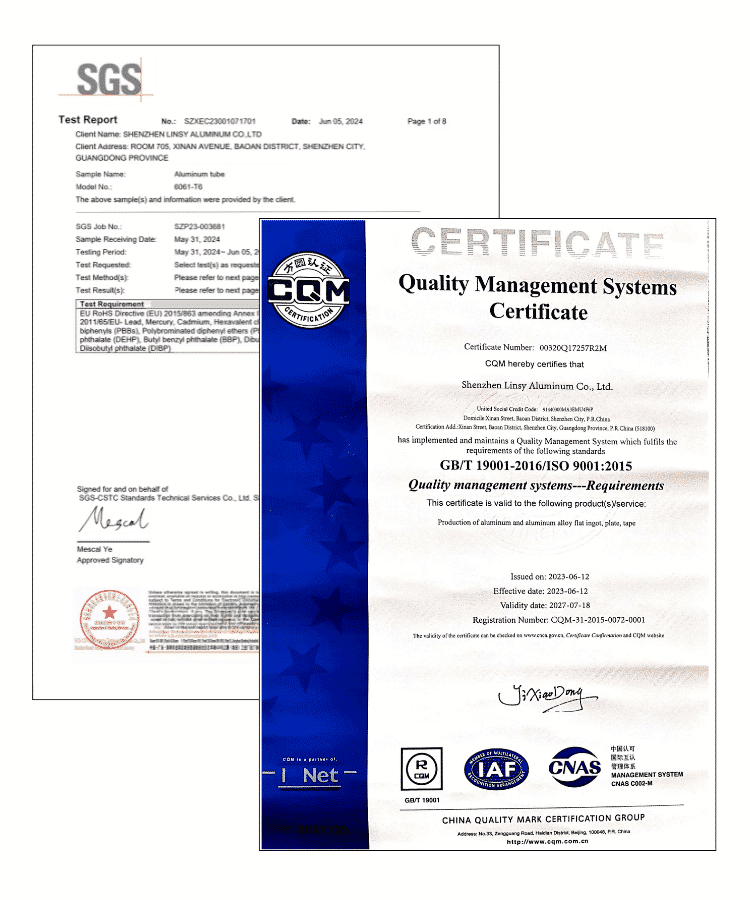
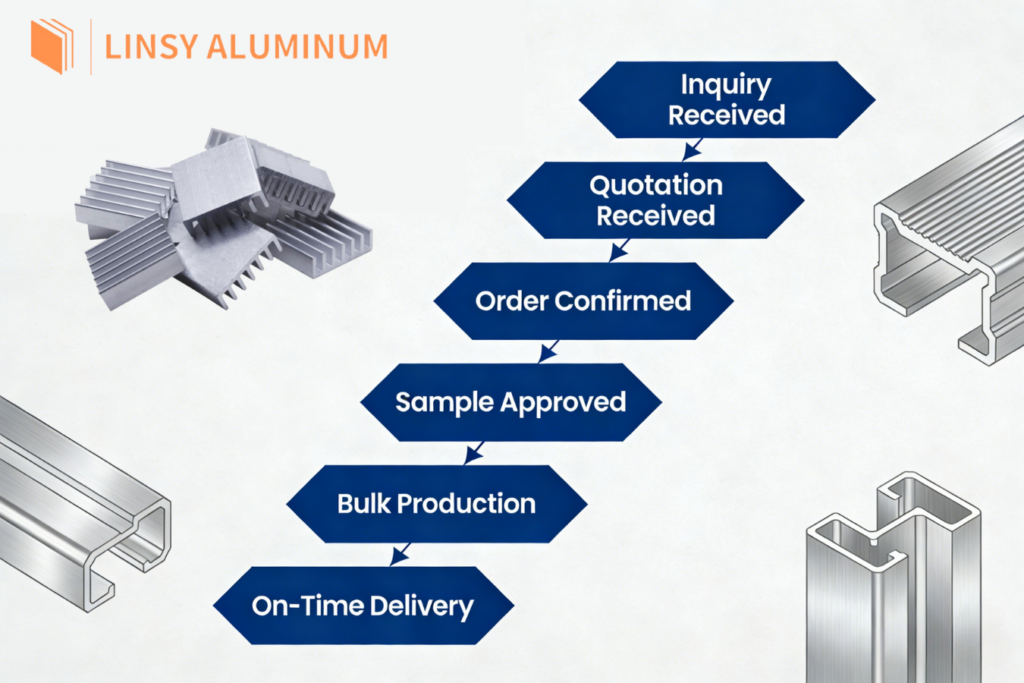
Linsy opère selon les systèmes de management ISO 9001, ISO 14001 et ISO 45001. Les délais de production varient de 10 à 60 jours selon la forme du produit et la complexité de la commande.
Linsy Aluminum fournit des alliages pour rivets et fixations aux acheteurs de l'aérospatiale et de l'industrie dans le monde entier. Pour l'alliage 2117 :
Le 2117-T4 offre le bon équilibre entre résistance au cisaillement (~185–210 MPa) et ductilité (allongement de 15–22 %) pour le refoulage à froid et la pose des rivets. L'alliage peut être refoulé et formé en tête de rivet sans fissuration, et le rivet posé offre une performance fiable en charge de cisaillement.
Le 2017 (alliage pour rivets AD) présente une résistance au cisaillement plus élevée mais une ductilité inférieure à celle du 2117. Le 2117 (alliage pour rivets A) est plus tolérant lors de la pose des rivets et est préféré pour les assemblages structurels standard. Le 2017 est utilisé lorsque une résistance au cisaillement plus élevée est requise.
Oui. Les rivets en 2117-T4 sont couramment utilisés avec les tôles en 2024-T3 et Alclad 2024-T3 dans la construction aéronautique. Le potentiel de corrosion galvanique est minime et est traité par les normes de conception (MIL-HDBK-5 / MMPDS).
Non recommandé pour le soudage structurel. Le soudage TIG est possible pour les réparations non critiques, mais le rivetage ou la fixation mécanique constitue la méthode d'assemblage standard pour les composants en 2117.
Le T42 est du 2117 ayant subi un traitement thermique pour répondre à des plages de propriétés mécaniques spécifiques négociées entre l'acheteur et le fournisseur, plutôt qu'aux minimums standard T4. Il permet un contrôle plus strict des propriétés pour les applications critiques.
La quantité minimale de commande (MOQ) dépend de la forme du produit. Le fil pour rivets a généralement une MOQ inférieure à celle des barres ou des plaques. Contactez Linsy pour plus de détails.
Oui. Le poids standard de bobine est de 50 kg minimum. Des poids de bobines personnalisés sont disponibles sur demande.
Chaque expédition comprend un certificat de contrôle en usine (MTC) avec la composition chimique, les valeurs de résistance à la traction, de limite d'élasticité, d'allongement et de résistance au cisaillement. Des rapports tiers SGS sont disponibles sur demande.
Le délai de production est de 10 à 60 jours selon la forme du produit, les dimensions et la quantité commandée.
Oui. Linsy fournit des produits en aluminium à des acheteurs du monde entier. Les conditions d’expédition et les options de fret sont confirmées lors de la passation de commande.
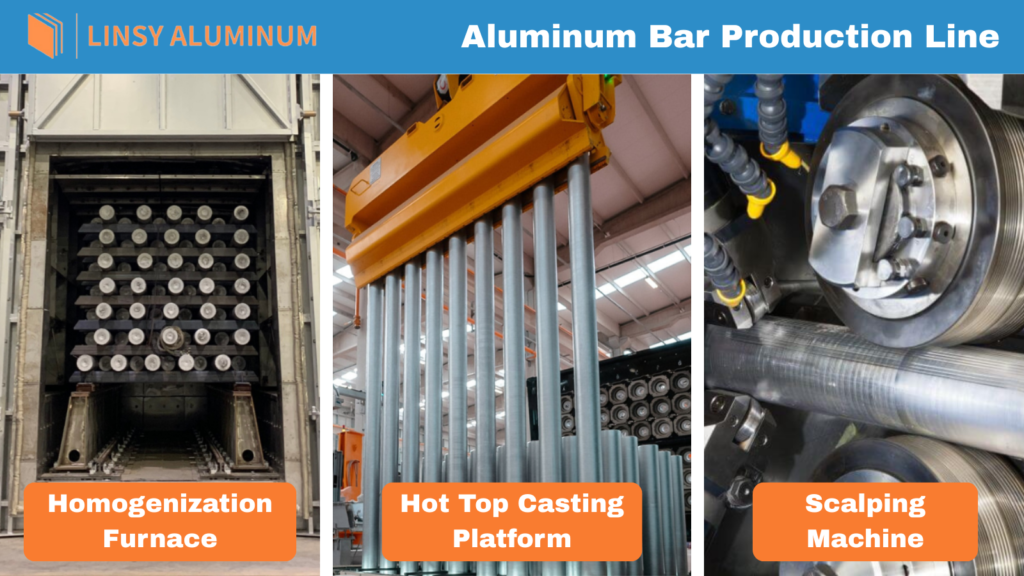
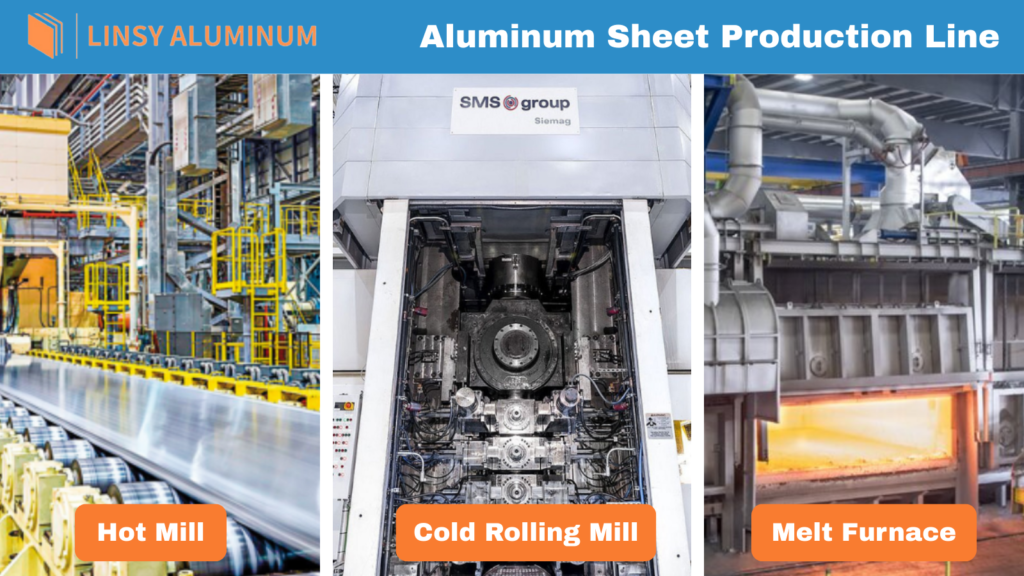
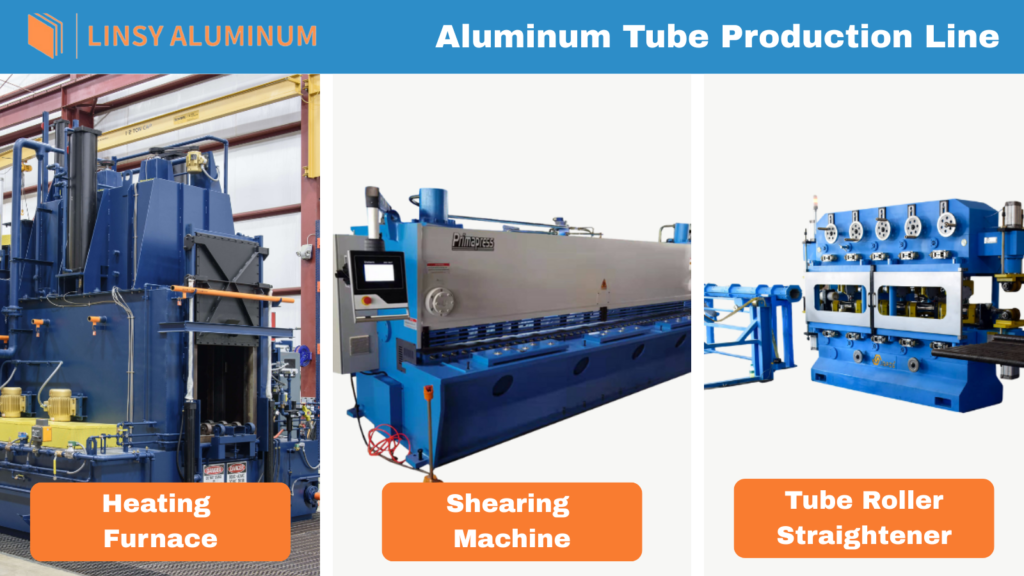
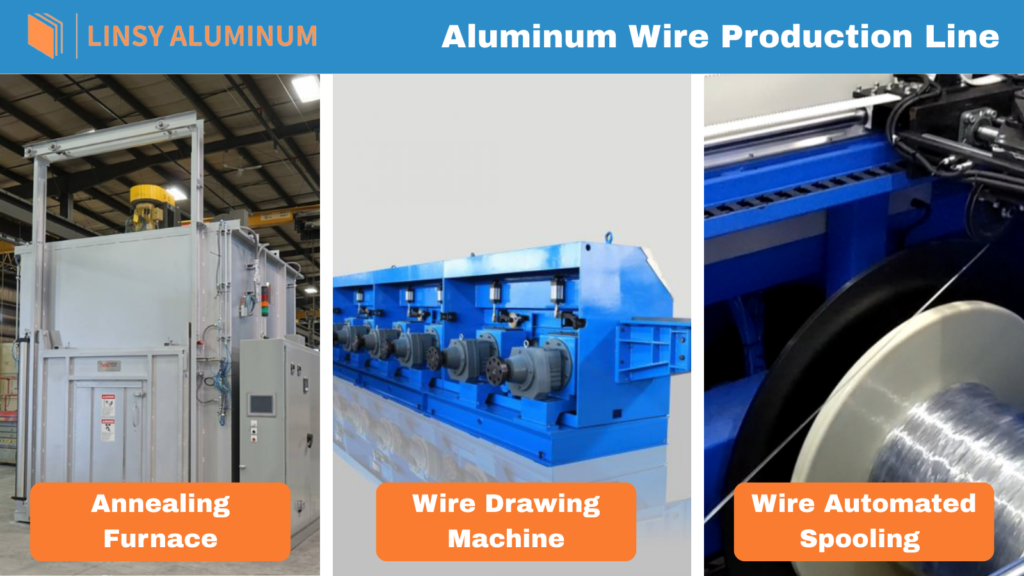
Avantages pour Linsy
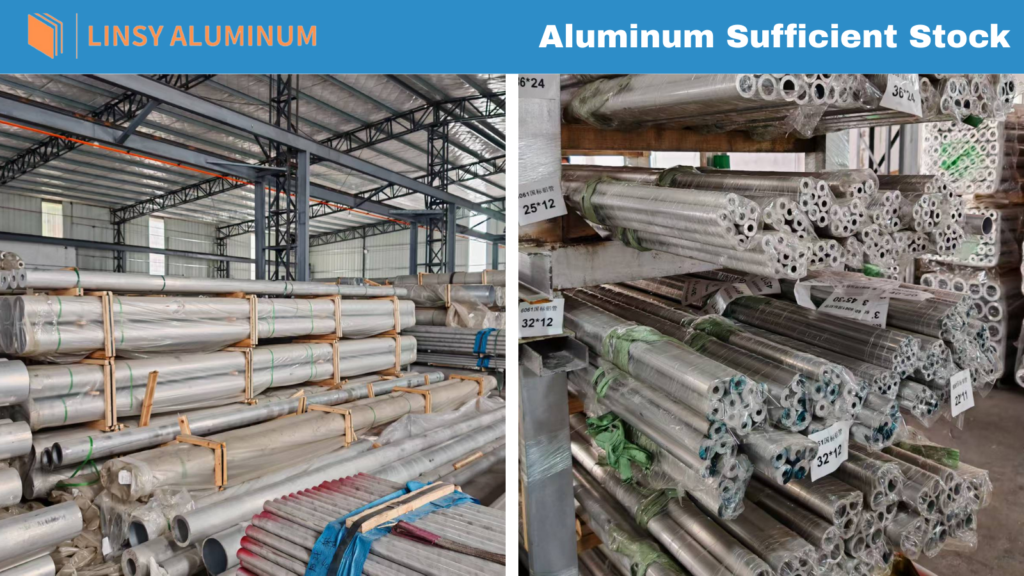
Linsy Aluminum est un fournisseur de premier plan de produits de transformation de l'aluminium, au service de diverses industries, notamment l'aérospatiale, l'ingénierie générale, l'automobile, la marine, la construction navale et d'autres applications industrielles spécialisées.
Nous nous engageons à respecter les normes les plus strictes en matière de qualité et de responsabilité environnementale, comme en témoignent nos certifications : ISO 9001:2008, ISO 14001:2004 et SGS.