


La lega di alluminio 3103 è una lega da lavorazione plastica Al-Mn a media resistenza appartenente alla serie 3xxx, designata EN AW-3103 (AlMn1). Sostanzialmente la controparte europea della 3003, offre buona formabilità, eccellente resistenza alla corrosione e resistenza moderata ottenuta tramite incrudimento. Ampiamente utilizzata nella fabbricazione di lamiere, coperture, scambiatori di calore e utensili da cucina, la 3103 è fornita da Linsy in forme di lamiera, bobina, tubo, barra e profilato — disponibile nelle tempere O, H12, H14, H16 e H18. Offriamo taglio longitudinale, taglio a misura e segatura di precisione con certificati di collaudo completi secondo EN 10204. Che tu abbia bisogno di bobina per alette di radiatori o lamiera per rivestimenti architettonici, Linsy fornisce materiale certificato ISO 9001 con quantità minime d'ordine flessibili e tempi di consegna di 10–60 giorni.
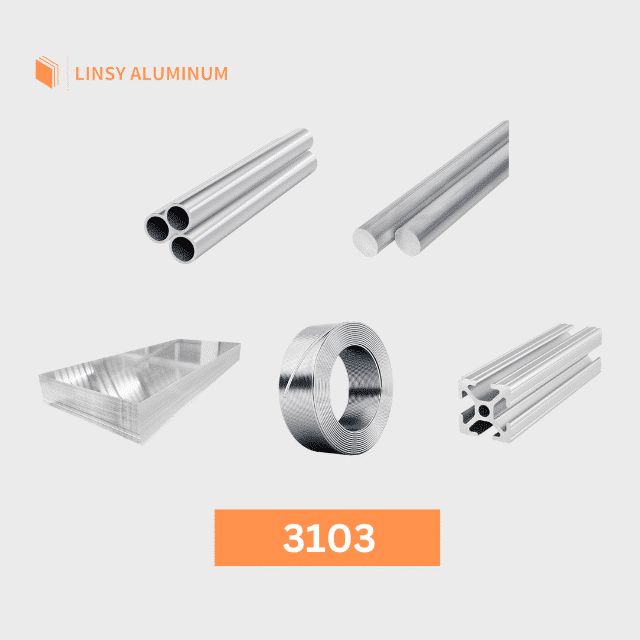
Moduli disponibili: lamiera / bobina / tubo / barra / profilato
Temperamenti comuni: O / H12 / H14 / H16 / H18
Supporto per l'elaborazione: taglio a misura / taglio longitudinale / tranciatura / segatura di precisione
Documenti di qualità: MTC con ogni ordine secondo EN 10204
La 3103 è una lega da lavorazione plastica alluminio-manganese designata EN AW-3103 (AlMn1) secondo la norma europea EN 573-3. È la controparte europea della più nota lega 3003 — condividendo la stessa base Al-Mn, ma con un limite di rame leggermente più restrittivo (max 0,10%) per migliori prestazioni di corrosione in determinati ambienti.
Appartenente alla serie 3xxx, la 3103 è una lega non trattabile termicamente, indurente per deformazione. Le sue proprietà meccaniche sono sviluppate interamente tramite incrudimento (tempere H) piuttosto che tramite trattamento termico ad alta temperatura. Ciò rende la selezione della tempera la leva principale per regolare resistenza e formabilità: la tempera O offre la massima duttilità per l'imbutitura profonda, mentre H14 e H16 forniscono resistenza strutturale per coperture, rivestimenti e componenti sagomati.
La 3103 corrisponde alla 3003 in praticamente tutte le caratteristiche prestazionali — resistenza alla corrosione, densità, conducibilità termica ed elettrica — rendendola la specifica predefinita nei mercati europei dove è richiesta la designazione EN. È ampiamente utilizzata in coperture ondulate, scambiatori di calore, apparecchiature chimiche, utensili da cucina e fabbricazione generale di lamiere.
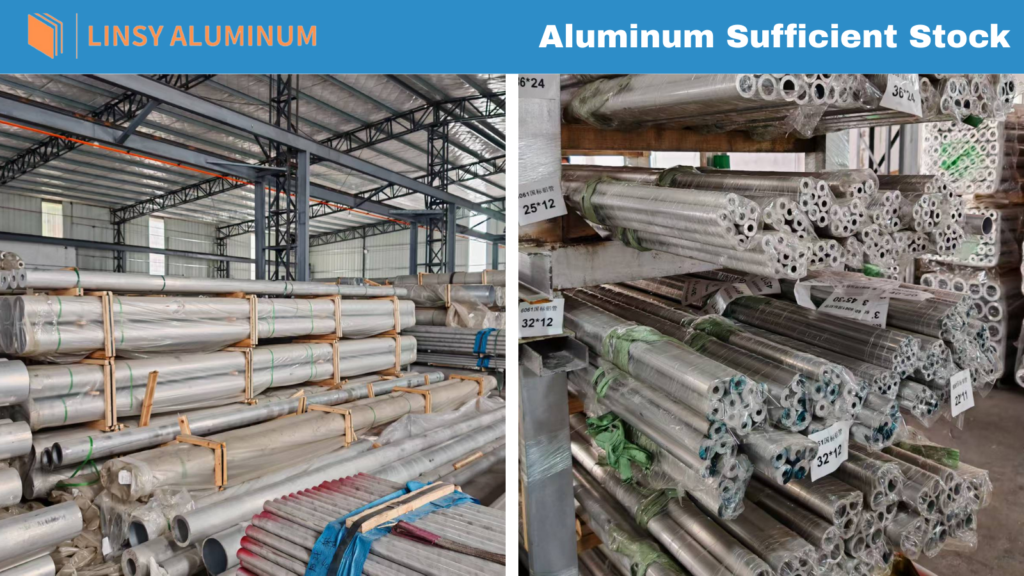
Lamiera e bobina sono le forme di fornitura predominanti per la 3103. Linsy detiene in magazzino la 3103 nelle tempere O, H12, H14, H16 e H18, con taglio a misura, taglio longitudinale e tranciatura come opzioni di lavorazione standard.
| Forma | Temperamento | Spessore (mm) | Larghezza (mm) | Lunghezza (mm) |
|---|---|---|---|---|
| Lamiera 3103 | O, H12, H14, H16, H18 | 0.3 – 6.0 | 500 – 2600 | 1000 – 6000 |
| Bobina 3103 | O, H12, H14, H16, H18 | 0.3 – 4.0 | 500 – 2600 | Bobina (a peso) |
Spessore, larghezza e lunghezza personalizzati disponibili su richiesta. Diametro interno bobina: 508 mm standard.
Il tubo tondo 3103 è adatto per scambiatori di calore, movimentazione di fluidi e applicazioni strutturali leggere. Fornito nelle tempere O, H14 e H16.
| Forma | Temperamento | Diametro esterno (mm) | Spessore della parete (mm) | Lunghezza (mm) |
|---|---|---|---|---|
| Tubo tondo 3103 | O, H14, H16 | 6 – 200 | 0.5 – 20 | 1000 – 6000 |
Tubo quadrato e rettangolare disponibile come ordine personalizzato. Contattateci con il vostro disegno di sezione.
Barra tonda 3103 per lavorazioni meccaniche, elementi di fissaggio e componenti meccanici generici in applicazioni a media resistenza.
| Forma | Temperamento | Diametro (mm) | Lunghezza (mm) |
|---|---|---|---|
| Barra tonda 3103 | O, H14, H16 | 3 – 200 | 1000 – 6000 |
Barra quadrata e piatta disponibile come ordine personalizzato.
Profilati personalizzati, sezioni formate e parti fabbricate disponibili su richiesta. Contatta il nostro team vendite con il tuo disegno o specifica per una valutazione di fattibilità e un preventivo.
| Standard | Denominazione |
|---|---|
| EN / EN AW | EN AW-3103 / EN AW-AlMn1 |
| UNS | A93103 |
| ISO | AlMn1 |
| DIN (Germania) | AlMn1 |
| BS (Regno Unito) | 3103 (sostituisce la precedente N3) |
| NF (Francia) | A-M1 |
| GB (Cina) | 3103 / 3003 (funzionalmente equivalente) |
La 3103 è coperta dalla norma IT 485 (lamiera, nastro e piastra), 1060-O (Ricotto) (composizione chimica), EN 754 (barre/tondini e tubi trafilati a freddo) e relative norme di prodotto. Per i mercati che utilizzano la nomenclatura AA / ASTM, 3003 è l'equivalente funzionale.
| Elemento | Composizione (%) |
|---|---|
| Silicio (Si) | 0,50 max |
| Ferro (Fe) | 0,70 max |
| Rame (Cu) | 0,10 max |
| Manganese (Mn) | 0.9 – 1.5 |
| Magnesio (Mg) | 0,30 max |
| Altri, ciascuno | ≤0,05 |
| Altri, totale | ≤0,15 |
| Alluminio (Al) | Equilibrio |
Composizione secondo EN 573-3. L'elemento di lega principale è il manganese, che fornisce resistenza tramite indurimento in soluzione solida. Il limite di rame più restrittivo (max 0,10% rispetto allo 0,05–0,20% della 3003) conferisce alla 3103 una resistenza alla corrosione leggermente migliore in ambienti specifici. Gli elementi in tracce cromo, zinco e titanio sono controllati entro i limiti ’Altri“ sopra indicati.
Le proprietà meccaniche della 3103 variano significativamente con la tempera. La tabella seguente mostra i valori tipici secondo EN 485-2 per lamiera di spessore 1,2 mm. I valori effettivi possono variare in base alla forma del prodotto, allo spessore e alla storia di lavorazione.
| Temperamento | Resistenza alla trazione (MPa) | 0,20 max | Allungamento (%, min) |
|---|---|---|---|
| O | 100 – 150 | ≥35 | ≥23 |
| H12 | 130 – 180 | ≥90 | ≥6 |
| H14 | 145 – 200 | ≥120 | ≥5 |
| H16 | 165 – 220 | ≥150 | ≥4 |
| H18 | ≥185 | ≥165 | ≥3 |
I valori mostrati sono tipici per lamiera da 1,2 mm secondo EN 485-2. Il materiale di spessore inferiore può mostrare maggiore resistenza e minore allungamento. Le tempere H2x (incrudite e parzialmente ricotte) offrono resistenze intermedie con duttilità migliorata rispetto alle equivalenti H1x — contattaci per la disponibilità.
| Temperamento | Livello di resistenza | Formabilità | Applicazioni tipiche |
|---|---|---|---|
| O | Il più basso | Eccellente — imbutitura profonda, stiratura | Pentolame imbutito profondo, stampaggi complessi, parti imbutite |
| H12 | Basso – Medio | Buono — formatura moderata | Lamiere generali, pannelli leggermente formati, involucri |
| H14 | Medio | Moderato — piegatura limitata | Coperture ondulate, rivestimenti laterali, pannelli per camion, serbatoi di stoccaggio |
| H16 | Medio – Alto | Limitato — solo piegatura delicata | Rivestimenti ad alta resistenza, pannelli irrigidenti, lamiera strutturale |
| H18 | Il più alto | Minimo — solo applicazioni piane | Alette per scambiatori, grezzi piatti, requisiti di massima rigidità |
La 3103 offre eccellente resistenza alla corrosione atmosferica, all'acqua dolce e a molti ambienti chimici moderati — paragonabile alla 3003 e ad altre leghe della serie 3xxx. Il contenuto di manganese contribuisce a un ossido superficiale protettivo uniforme. Il limite di rame più restrittivo (max 0,10% rispetto alla 3003) fornisce prestazioni leggermente migliori in determinati ambienti leggermente acidi o soggetti a condensa.
Nella tempera O, la 3103 presenta una formabilità eccezionale adatta per imbutitura profonda, stiro e piegatura. Le tempere incrudite (H1x) riducono progressivamente la formabilità ma possono ancora essere piegate, profilate a rulli e stampate con attrezzature e raggi di piega appropriati. Il raggio di piega minimo per la tempera H14 è di circa 0,5–1× lo spessore per pieghe a 90°.
La 3103 può essere saldata mediante saldatura a gas, saldatura per resistenza e brasatura. La saldatura TIG e MIG è fattibile ma può richiedere metalli d'apporto (ad es., 4043 o 4047) per ridurre il rischio di cricche a caldo. La brasatura e la saldobrasatura funzionano bene con flusso appropriato. Il fissaggio meccanico (rivettatura, bullonatura) è affidabile in tutte le tempere. Per strutture saldate che richiedono saldature di fusione costantemente sane, considerare le leghe della serie 5xxx come alternativa.
Come altre leghe Al-Mn, la 3103 offre buona conducibilità termica (circa 160 W/m·K a temperatura ambiente) e conducibilità elettrica moderata (circa 40% IACS nella tempera O). Queste proprietà, combinate con formabilità e resistenza alla corrosione, la rendono una scelta popolare per scambiatori di calore e applicazioni per radiatori.
Essendo una lega non trattabile termicamente, la 3103 acquisisce tutta la sua resistenza dall'incrudimento. Il tasso di incrudimento è moderato — più rapido dell'alluminio puro (1xxx) ma più lento delle leghe 5xxx. La ricottura a 345°C seguita da raffreddamento lento ripristina la completa morbidezza per rilavorazione.
finiture e rivestimenti visibili dove la finitura è importante La lamiera e la piastra in 3103 possono essere tagliate a cesoia, refilate o segate con utensili standard per alluminio. Linsy fornisce servizi di taglio a misura e refilatura per lamiera e coil. Il taglio di precisione con sega è disponibile per barre e tubi.
Formazione: Per l'imbutitura profonda e la formatura severa, specificare il temper O. Per la profilatura a rulli, la piegatura a pressa e la curvatura moderata, sono adatti i temper H14 o H16. Il tasso di incrudimento è moderato — la formatura multistadio con ricottura intermedia a 345°C è una pratica standard per geometrie complesse.
Ricottura: Riscaldare a 345°C, mantenere per un tempo sufficiente a garantire il riscaldamento completo, e raffreddare lentamente (raffreddamento in forno o aria ferma). Evitare la tempra rapida, che può causare distorsioni in lamiere sottili.
Finitura superficiale: La finitura di laminazione è standard. Il 3103 può essere pulito chimicamente, decapato o sottoposto a conversione chimica per migliorare l'adesione della vernice. Non è raccomandato per l'anodizzazione decorativa — il contenuto di manganese può produrre un rivestimento anodico grigio o maculato. Per applicazioni anodizzate, considerare le leghe della serie 5xxx o 6xxx.
Ogni spedizione di 3103 da Linsy include un Certificato di prova del laminatoio (MTC) secondo EN 10204 Tipo 3.1, che documenta:
Prove aggiuntive disponibili su richiesta: prova di corrosione intergranulare, misurazione della conducibilità, esame microstrutturale e ispezione ultrasonica per sezioni più spesse.
Linsy Aluminum serve acquirenti industriali internazionali da oltre 20 anni, fornendo leghe di alluminio nei settori dell'edilizia, automobilistico, dell'imballaggio e dell'ingegneria generale. Comprendiamo che gli acquirenti di 3103 necessitano del temper corretto, di un controllo preciso dello spessore e di documentazione affidabile per la loro linea di produzione — sia che si tratti di coil per la produzione di radiatori o di lamiera per un progetto di copertura.
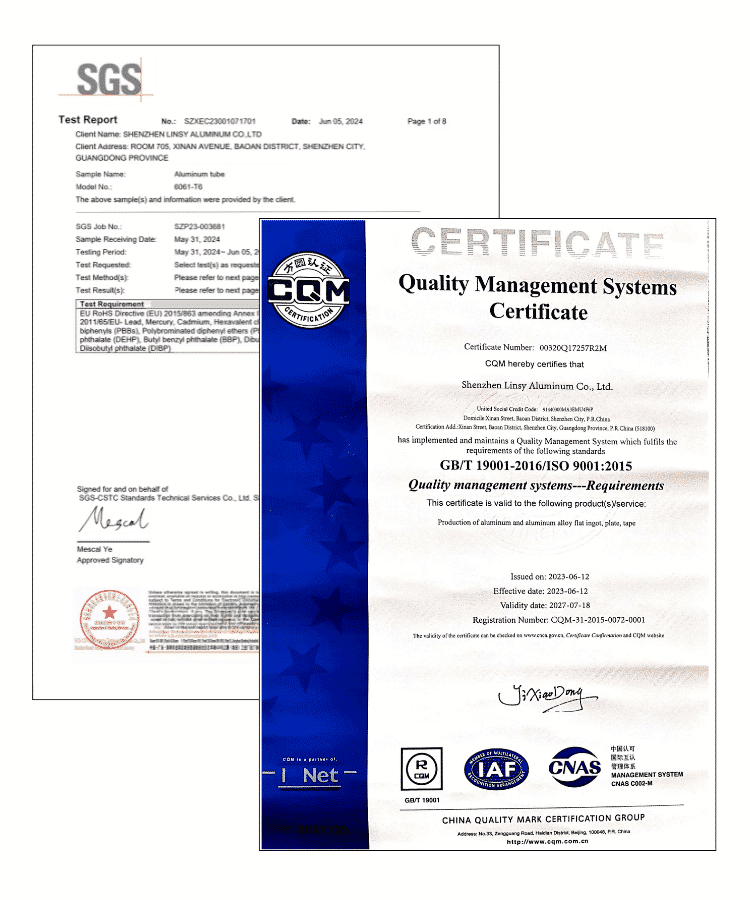
Il nostro sistema di gestione della qualità è certificato secondo ISO 9001, la gestione ambientale secondo ISO 14001, e la salute e sicurezza sul lavoro secondo ISO 45001. Il materiale proviene da stabilimenti certificati ISO con piena rintracciabilità del lotto dalla colata alla spedizione.
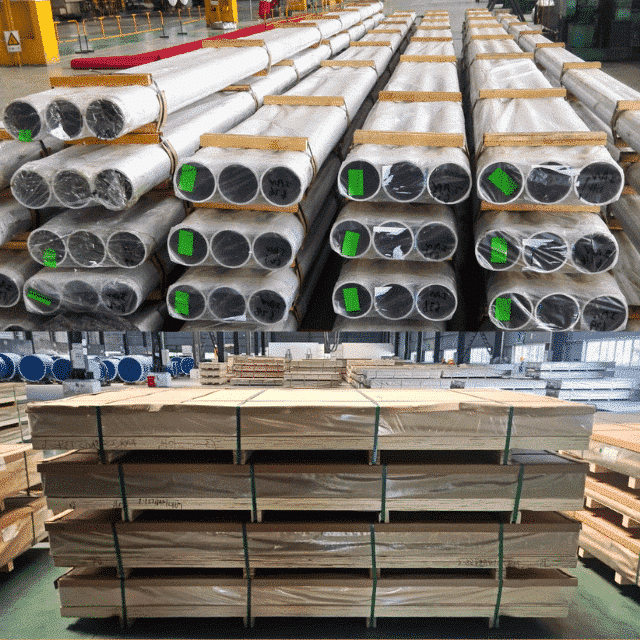
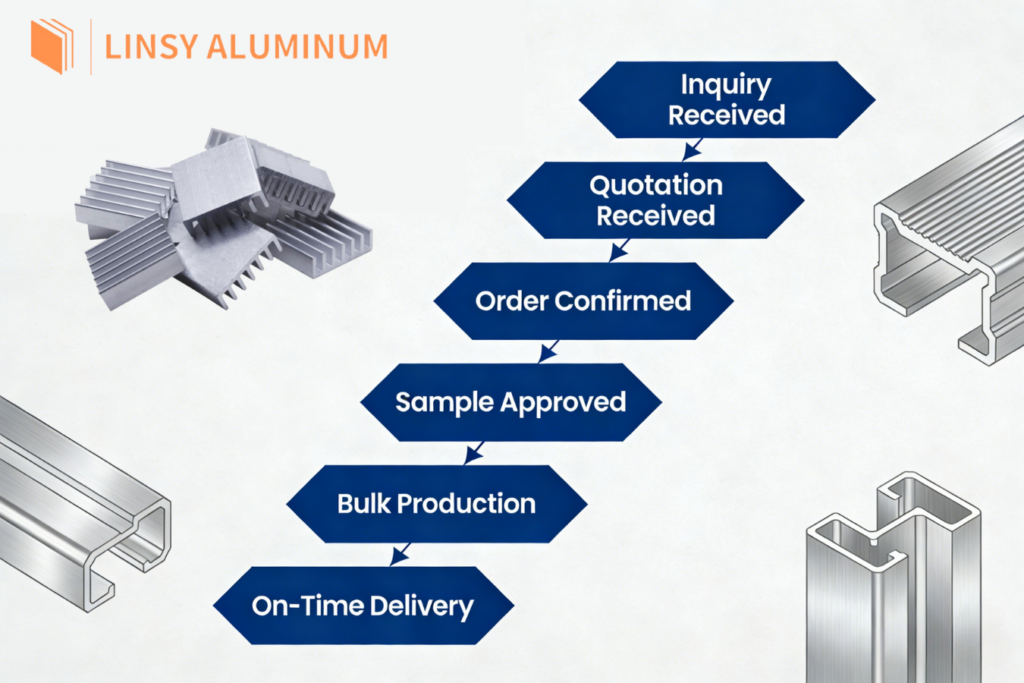
Spediamo lamiera, coil, tubi e barre in 3103 a clienti in Europa, Sud-Est asiatico, Medio Oriente, Sud America e Africa. Dimensioni personalizzate, quantità minime d'ordine flessibili e tempi di consegna di 10–60 giorni sono standard. Contattateci con la vostra richiesta — il nostro team risponde con un preventivo e una scheda tecnica entro un giorno lavorativo.
D: Come si confronta il 3103 con l'alluminio 3003?
R: Il 3103 e il 3003 condividono la stessa base Al-Mn e offrono proprietà meccaniche, resistenza alla corrosione e formabilità praticamente identiche. La differenza chiave è chimica: il 3103 limita il rame allo 0,10% max (secondo EN 573-3), mentre il 3003 consente 0,05–0,20% di Cu (secondo ASTM B209). Il 3103 è la designazione europea (EN AW-3103); il 3003 è la designazione americana (AA 3003). Entrambi sono intercambiabili nella maggior parte delle applicazioni.
D: Qual è l'equivalente del 3103 negli standard cinesi?
R: Secondo GB/T 3190, la lega 3003 è l'equivalente funzionale del 3103. Entrambe sono leghe Al-Mn con intervalli di composizione sovrapposti. Per progetti sul mercato cinese che specificano “3003”, il materiale 3103 può generalmente essere sostituito con accordo reciproco. Confermare con la specifica dell'utente finale prima della sostituzione.
D: L'alluminio 3103 può essere anodizzato?
R: Il 3103 non è una lega preferita per l'anodizzazione. Il contenuto di manganese può produrre un rivestimento anodico grigio o maculato piuttosto che la finitura chiara e brillante attesa dalle leghe 5xxx o 6xxx. Per l'anodizzazione decorativa o architettonica, considerare 5005, 5052 o 6063.
D: Il 3103 è adatto alla saldatura?
R: Il 3103 si salda bene con saldatura a gas, saldatura a resistenza e brasatura. La saldatura TIG e MIG è fattibile ma può richiedere metallo d'apporto (es. 4043) per mitigare il rischio di cricche a caldo. Per strutture saldate in modo costante, considerare 5052 o 5083 come alternativa.
D: Qual è la quantità minima d'ordine?
R: Linsy opera con quantità minime d'ordine flessibili. Le dimensioni standard di magazzino sono disponibili a partire da singoli fogli; dimensioni personalizzate e temper non standard possono richiedere un minimo di produzione. Contattateci con la vostra specifica per un preventivo entro un giorno lavorativo.
D: Fornite certificati di collaudo del materiale (Mill Test Certificates)?
R: Sì. Ogni ordine include un MTC conforme a EN 10204 Tipo 3.1 con risultati chimici e meccanici completi, rintracciabili al numero di colata.
D: Quali sono i vostri tempi di consegna?
R: Standard: 10–60 giorni, a seconda della forma del prodotto, della tempera, della quantità e del programma di produzione corrente. Gli articoli in magazzino vengono spediti più rapidamente. Contattateci per una data di consegna confermata insieme al preventivo.
D: Potete fornire dimensioni personalizzate?
R: Sì. Spessore, larghezza, lunghezza e combinazioni di tempera personalizzate sono disponibili su richiesta. Le dimensioni non standard possono richiedere un minimo di produzione, ma soddisfiamo la maggior parte delle esigenze.
D: Quali certificazioni possiede Linsy?
R: Linsy è certificata ISO 9001 (gestione della qualità), ISO 14001 (gestione ambientale) e ISO 45001 (salute e sicurezza sul lavoro). Possiamo fornire copie dei certificati correnti su richiesta.
D: Come posso richiedere un preventivo?
R: Contattateci tramite il modulo di richiesta presente in questa pagina o inviate un'email direttamente al nostro team vendite. Fornite lega, tempera, dimensioni, quantità e destinazione richieste, e vi restituiremo un preventivo con scheda tecnica entro un giorno lavorativo.
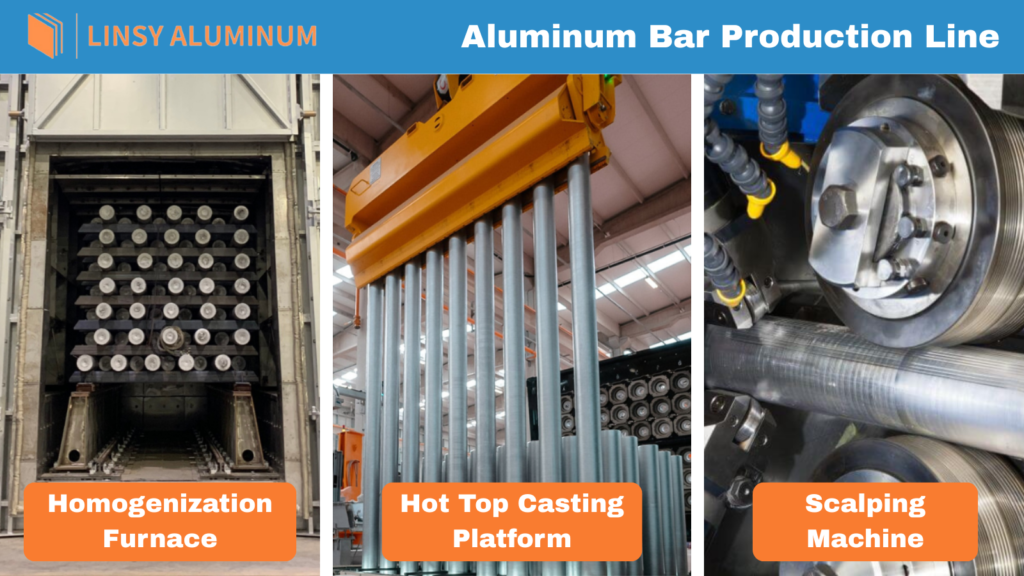
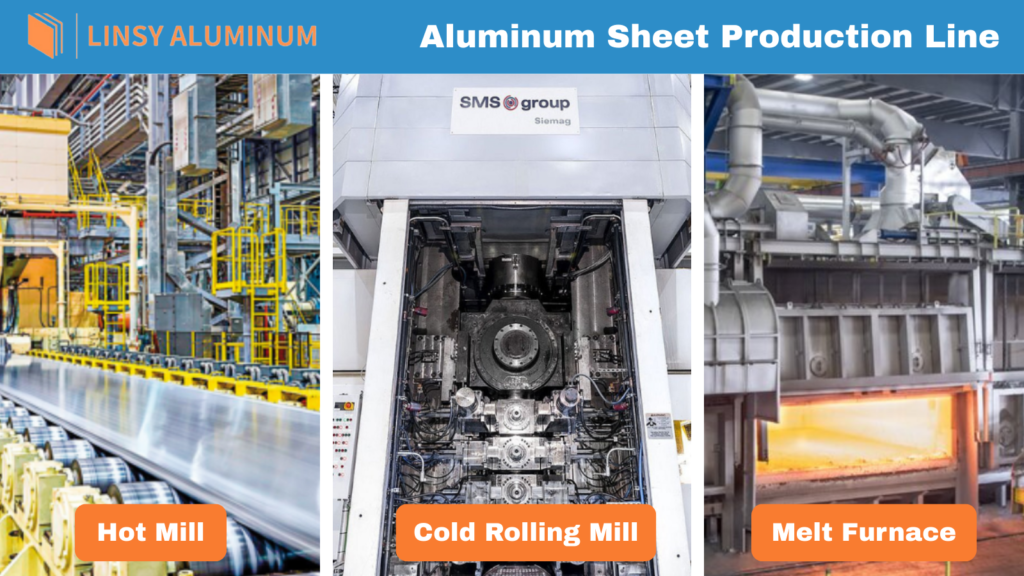
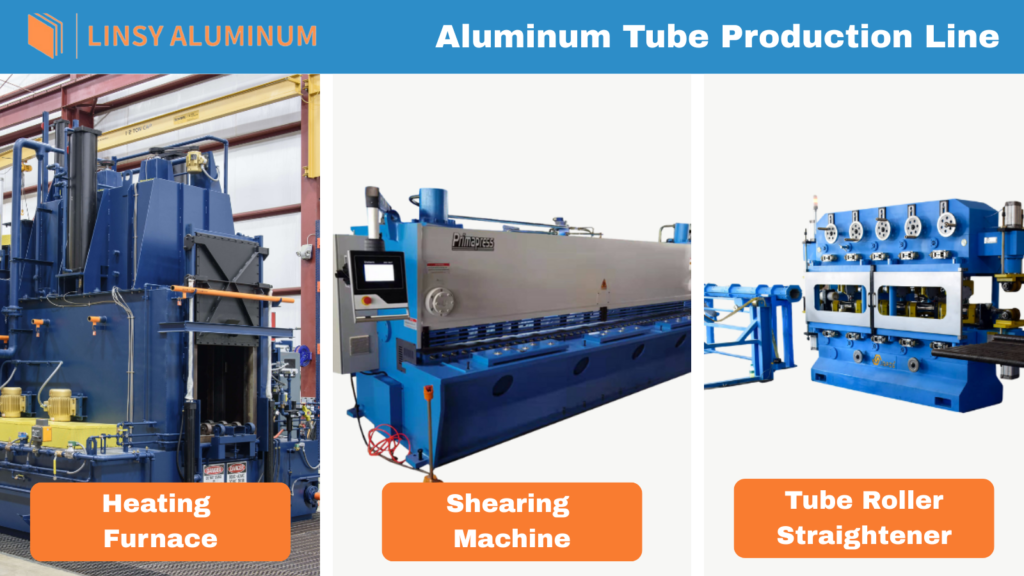
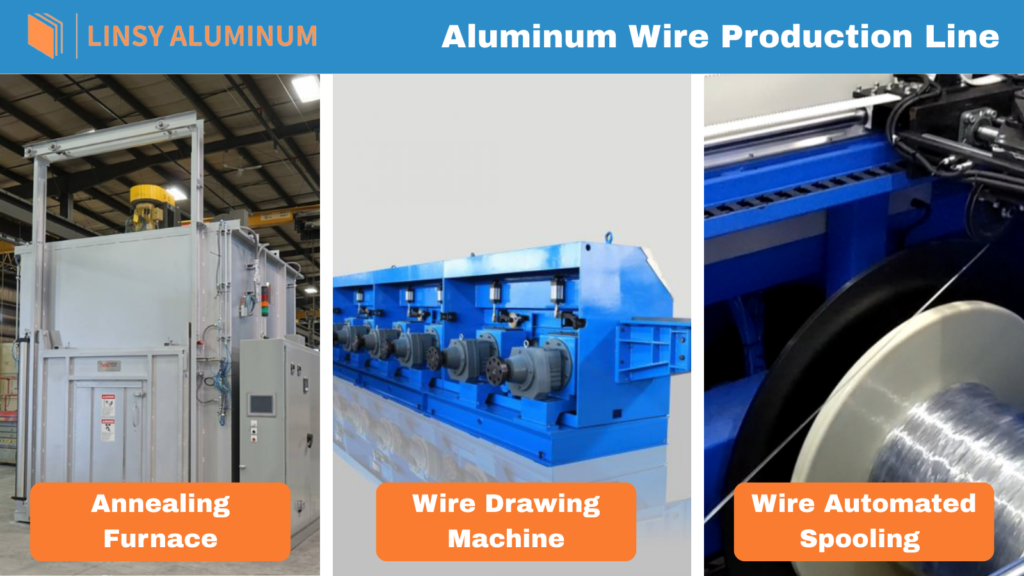
Vantaggi Linsy
Linsy Aluminum è un fornitore leader di prodotti per la lavorazione dell'alluminio, che serve diversi settori, tra cui quello aerospaziale, dell'ingegneria generale, automobilistico, marittimo, navale e altre applicazioni industriali specializzate.
Ci impegniamo a mantenere i più alti standard di qualità e responsabilità ambientale, come dimostrano le nostre certificazioni: ISO 9001:2008, ISO 14001:2004 e SGS.