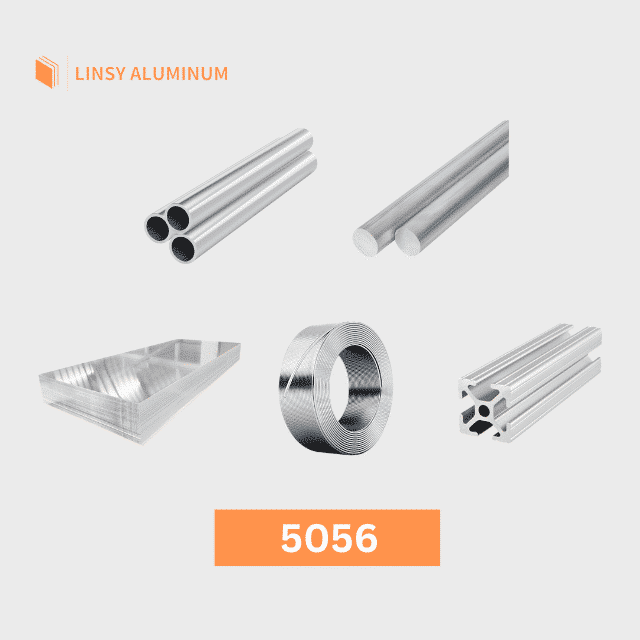


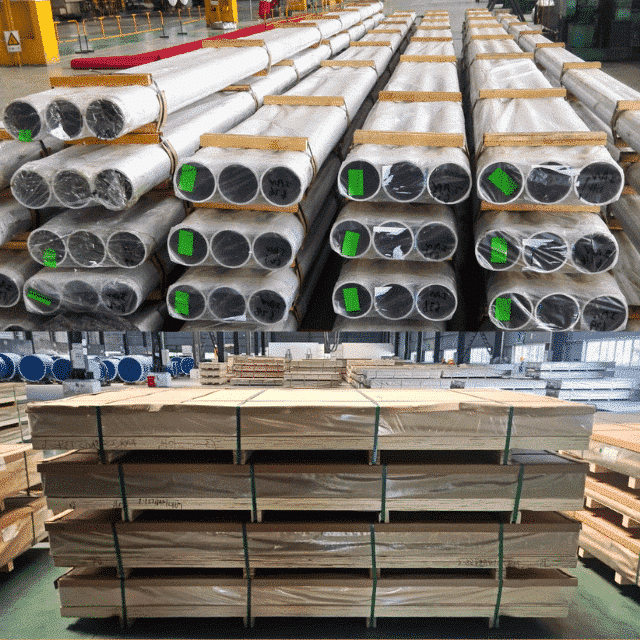

5056 Aluminiumlegierung (EN AW-5056 / AlMg5) ist eine hochmagnesiumhaltige Knetlegierung der 5xxx-Serie mit einem Magnesiumgehalt von 4,5–5,6 %, die eine hervorragende Korrosionsbeständigkeit in marinen und industriellen Umgebungen bietet. Linsy Aluminum liefert 5056 in Form von Blech, Platte, Stange, Rohr, Profil und Draht in den Zuständen O, H32, H34, H38 und H111, mit kundenspezifischen Abmessungen nach Spezifikation. Die Legierung wird häufig für Nieten, geschweißte Meeresstrukturen, Druckbehälter und chemische Anlagen spezifiziert, wo ein nicht aushärtbares, schweißbares Material mit zuverlässiger Festigkeit erforderlich ist. Jede Bestellung wird mit einem Werkszeugnis (MTC) geliefert; SGS-Prüfberichte von Dritten sind auf Anfrage erhältlich.
Verfügbare Formulare: Blech / Band / Platte / Stange / Rohr / Draht / Profil
Häufige Temperamente: O / H32 / H34 / H38 / H111
Unterstützung bei der Bearbeitung: CNC-Bearbeitung / Laserschneiden / WIG- & MIG-Schweißen / Polieren / Eloxieren
Qualitätsdokumente: MTC-Bericht bei jeder Bestellung
5056 Aluminiumlegierung ist eine Knet-Aluminium-Magnesium-Legierung der 5xxx-Serie mit einem nominalen Magnesiumgehalt von 5,0 % (Bereich 4,5–5,6 %). Ihre europäische Bezeichnung lautet EN AW-5056 oder AlMg5, was den hohen Mg-Gehalt widerspiegelt, der ihr eine herausragende Korrosionsbeständigkeit verleiht — insbesondere in Meerwasser und chloridreichen Umgebungen. Im Gegensatz zu den Serien 2xxx, 6xxx und 7xxx ist 5056 eine nicht wärmebehandelbar Legierung: Ihre Festigkeit wird durch Kaltverformung (Kaltverfestigung) entwickelt, und die Zustände tragen ein H-Präfix (H32, H34, H38 usw.).
Im Vergleich zur gebräuchlicheren Legierung 5052 (2,2–2,8 % Mg) bietet 5056 eine etwa 15–20 % höhere Zugfestigkeit bei gleichem Kaltverformungsgrad sowie einen stärkeren Widerstand gegen alkalische und marine Korrosion. Im Vergleich zu 5083 (4,0–4,9 % Mg) liegt 5056 im Magnesiumgehalt geringfügig höher und wird häufig für Nietdraht und Drahtanwendungen gewählt, bei denen 5083 weniger gebräuchlich ist. Sie ist nicht für strukturelle Luft- und Raumfahrtanwendungen vorgesehen — hierfür werden 2024 oder 7075 bevorzugt — bleibt jedoch eine Standardlegierung für Meeresbeschläge, Druckbehälter, Chemietanks und industrielle Drahtprodukte.
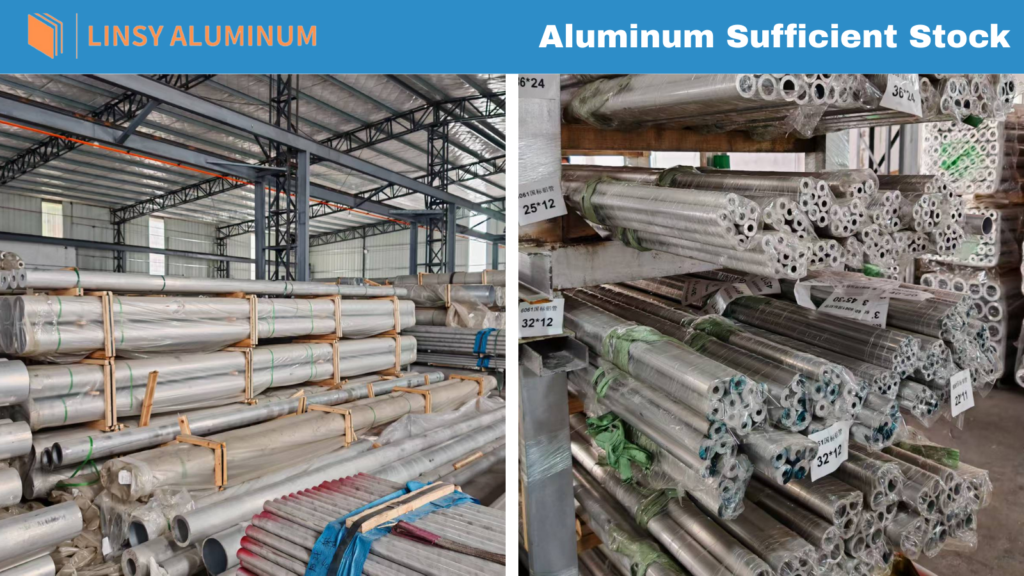
Linsy führt und liefert 5056-Aluminium in den folgenden Produktformen. Kundenspezifische Abmessungen sind auf Anfrage erhältlich, mit Lieferzeiten von in der Regel 10 bis 60 Tagen für Sondergrößen.
5056-Blech und -Band werden nach ASTM B209 und EN 485 hergestellt. Standardzustände umfassen O (weichgeglüht) für Tiefzieh-Anwendungen und H32/H34 für den allgemeinen Einsatz. Bandbreiten bis 2.600 mm sind für umfangreiche Spalt- und Stanzprogramme verfügbar.
| Legierung | Temperament | Dicke (mm) | Breite (mm) | Länge (mm) |
|---|---|---|---|---|
| 5056-Blech | O, H32, H34, H111 | 0.5–6.0 | 500–2,600 | 1,000–6,000 |
| 5056-Band | O, H32, H34 | 0.5–4.0 | 500–2,600 | Spule |
5056-Rund- und Vierkantstangen sind für maschinell bearbeitete Komponenten in Meeres- und Chemieanlagen geeignet. Standardlängen betragen 1.000–6.000 mm, mit optionalem Zuschnitt auf Maß.
| Legierung | Temperament | Durchmesser / Breite (mm) | Länge (mm) |
|---|---|---|---|
| 5056-Rundstange | O, H32, H34, H111 | 3–200 | 1,000–6,000 |
| 5056-Vierkantstange | O, H32, H34, H111 | 6–150 | 1,000–6,000 |
5056-Rund- und Vierkantrohre werden in den Zuständen O, H32, H34 und H111 geliefert. Rohre werden nach ASTM B210 / EN 754 hergestellt. Die Wanddicke kann für Rundrohre separat angegeben werden; Vierkantrohre werden mit Außenabmessungen angegeben.
| Legierung | Temperament | Außendurchmesser / Seitenlänge (mm) | Länge (mm) |
|---|---|---|---|
| 5056-Rundrohr | O, H32, H34, H111 | 6–200 | 1,000–6,000 |
| 5056-Vierkantrohr | O, H32, H34, H111 | 10–150 | 1,000–6,000 |
5056 ist eine der wichtigsten Drahtlegierungen der 5xxx-Serie und wird hauptsächlich für die Nietherstellung verwendet. Der Draht wird mit engen Durchmessertoleranzen (±0,02 mm) gezogen und in Coils mit einem Mindestgewicht von 50 kg pro Coil geliefert. Die Kombination aus hoher Scherfestigkeit und guten Kaltstauch-Eigenschaften macht die Legierung zum bevorzugten Werkstoff für strukturelle Aluminiumnieten.
| Legierung | Temperament | Durchmesser (mm) | Gewicht / Coil | Toleranz |
|---|---|---|---|---|
| 5056-Draht | O, H32, H34, H111 | 0.8–12.0 | Mindestens 50 kg | ±0,02 mm |
Kundenspezifische Strangpressprofile, Flachstangen und Plattenzuschnitte aus 5056 sind auf Anfrage erhältlich. Kontaktieren Sie unser Vertriebsteam mit Ihrer Zeichnung oder Spezifikation für ein Angebot.
5056 ist unter mehreren nationalen und internationalen Normen anerkannt. Die folgende Tabelle listet die am häufigsten referenzierten äquivalenten Bezeichnungen auf.
| Standard | Bezeichnung |
|---|---|
| EN (Europäisch) | EN AW-5056 / Al Mg5 |
| UNS (USA) | A95056 |
| ISO | Al Mg5 |
| JIS (Japan) | A5056 |
| DIN (Deutschland, ersetzt) | AlMg5 |
| BS (Großbritannien, ersetzt) | N5 |
Anwendbare Produktnormen umfassen:
Die chemische Zusammensetzung der Aluminiumlegierung 5056 entspricht den Anforderungen von EN 573-3 und ASTM B209. Die folgende Tabelle zeigt die nominalen Zusammensetzungsgrenzen in Gewichtsprozent.
| Element | Gehalt (Gew.-%) |
|---|---|
| Silizium (Si) | 0,30 max. |
| Eisen (Fe) | 0,40 Maximal |
| Kupfer (Cu) | 0,10 Maximal |
| Mangan (Mn) | 0.05–0.20 |
| Magnesium (Mg) | 4.5–5.6 |
| Chrom (Cr) | 0.05–0.20 |
| Zink (Zn) | 0,10 Maximal |
| Titan (Ti) | 0,15 Maximal |
| Sonstiges, Sonstiges | 0,05 Max |
| Sonstige, Gesamt | 0,15 Maximal |
| Aluminium (Al) | Bilanz |
Die mechanischen Eigenschaften variieren erheblich mit dem Zustand. Die folgende Tabelle zeigt typische Zugfestigkeits- und Härtewerte für die am häufigsten gelieferten 5056-Zustände. Die Werte sind repräsentativ für Blech- und Plattenprodukte gemäß ASTM B209; Draht- und Rohreigenschaften können gemäß ihren jeweiligen Produktnormen geringfügig abweichen.
| Temperament | Zugfestigkeit (MPa) | Streckgrenze (MPa) | Dehnung (%) | Härte (HB) |
|---|---|---|---|---|
| O (geglüht) | 290 | 152 | 35 | 65 |
| H32 (Kaltverfestigt, 1/4 hart) | 315 | 228 | 25 | 85 |
| H34 (Kaltverfestigt, 1/2 hart) | 345 | 283 | 15 | 95 |
| H38 (Kaltverfestigt, vollhart) | 414 | 345 | 7 | 105 |
| H111 (Geglüht & leicht kaltverfestigt) | 305 | 180 | 30 | 75 |
Anmerkung: Die tatsächlichen mechanischen Eigenschaften variieren je nach Produktform (Blech, Platte, Stange, Rohr, Draht) und Querschnittsdicke. Für kritische Anwendungen fordern Sie ein Materialprüfzeugnis mit chargenspezifischen Werten an. Die Zustände H38 und H18 sind in der Regel nur in dünnem Blech und Drahtprodukten verfügbar. Die oben genannten Werte stellen typische Mittelbereichswerte dar; Mindestgarantiewerte gemäß den geltenden ASTM- oder EN-Normen können niedriger sein.
Die Wahl des richtigen Zustands für 5056-Aluminium hängt von Ihren Umform-, Festigkeits- und Einsatzanforderungen ab. Da 5056 nicht wärmebehandelbar ist, steuert die Zustandsauswahl den Kompromiss zwischen Umformbarkeit und Festigkeit.
| Temperament | Empfohlen für | Verformbarkeit | Typischer Anwendungsfall |
|---|---|---|---|
| O | Maximale Duktilität und Tiefziehen | Ausgezeichnet | Spinnteile, tiefgezogene Druckbehälterböden, komplexe Umformbauteile |
| H32 | Mäßige Umformbarkeit bei guter Festigkeit | Gut | Marinepaneele, geschweißte Tanks, allgemeine Blechbearbeitung |
| H34 | Höhere Festigkeit, begrenzte Umformbarkeit | Messe | Strukturelle Konsolen, Maschinengestelle, Bootsrumpfversteifungen |
| H38 | Maximale Festigkeit, minimale Umformbarkeit | Begrenzt | Nietdraht, Federkomponenten, hochverschleißfeste Führungen |
| H111 | Geglüht mit leichter Verfestigung für Ebenheit | Sehr gut | Geschweißte Konstruktionen, bei denen keine Festigkeitswiederherstellung nach dem Schweißen erforderlich ist |
Wichtig: Das Schweißen reduziert die Festigkeit in der Wärmeeinflusszone bei allen kaltverfestigten Zuständen (H32, H34, H38). Für geschweißte Konstruktionen ist die Auslegung auf die Eigenschaften des O-Zustands im Schweißbereich vorzunehmen, oder eine Wärmebehandlung zur Spannungsarmglühung nach dem Schweißen ist vorzusehen. Der Zustand H111 wird häufig für Schweißbaugruppen bevorzugt, da er nahe am weichgeglühten Zustand beginnt und Eigenschaftsunterschiede über die Schweißzone minimiert.
Der Magnesiumgehalt von 4,5–5,6 % in 5056 bietet eine außergewöhnliche Beständigkeit gegen Meerwasser, Salzsprühnebel und alkalische Industrieumgebungen. Es übertrifft 5052 und die meisten 6xxx-Legierungen bei maritimer Atmosphäreneinwirkung. 5056 benötigt für die meisten Einsatzbedingungen keine Plattierung oder Schutzbeschichtungen, obwohl Eloxieren die Oberflächenhaltbarkeit und das Erscheinungsbild weiter verbessern kann. Im Gegensatz zu einigen 5xxx-Legierungen mit niedrigerem Mg-Gehalt widersteht 5056 auch Korrosion in schwach alkalischen chemischen Umgebungen wie Seifen- und Waschmittelverarbeitungsanlagen.
5056 ist gut schweißbar mit WIG- (GTAW) und MIG- (GMAW) Verfahren unter Verwendung von 5356- oder 5183-Schweißdraht. Der hohe Magnesiumgehalt der Legierung bedeutet, dass sie auch ohne Wärmebehandlung nach dem Schweißen eine gute Korrosionsbeständigkeit nach dem Schweißen behält – ein erheblicher Vorteil gegenüber aushärtbaren Legierungen wie 6061, bei denen die Festigkeit der Schweißzone erheblich abfallen kann. 5056-Schweißnähte sind bei richtiger Schweißzusatzauswahl und Verbindungsgestaltung im Allgemeinen unempfindlich gegen Heißrissbildung. Widerstandspunktschweißen und Rollnahtschweißen sind ebenfalls möglich.
Im Zustand H34 erreicht 5056 eine Zugfestigkeit von ca. 345 MPa bei einer Dichte von 2,66 g/cm³, was eine spezifische Festigkeit ergibt, die mit einigen Baustählen vergleichbar ist, bei etwa einem Drittel des Gewichts. Es erreicht nicht die Festigkeit von wärmebehandeltem 7075 oder 2024, aber für Anwendungen, bei denen Schweißbarkeit und Korrosionsbeständigkeit im Vordergrund stehen, bietet 5056 ein ausgewogenes Leistungsprofil. Die Legierung behält eine nutzbare Festigkeit bei mäßig erhöhten Temperaturen bis ca. 150 °C.
5056 wird häufig als Nietlegierung spezifiziert, da sie hohe Scherfestigkeit (ca. 220 MPa im Zustand H34) mit ausgezeichneter Kaltstauchduktilität verbindet. Niete aus 5056-Draht können im Anlieferungszustand H34 ohne Rissbildung gesetzt werden, was sie zur Standardwahl für strukturelle Aluminiumniete im Marine-, Schienen- und allgemeinen Maschinenbau macht. Die Kaltumformbarkeit der Legierung unterstützt auch Biegen, Bördeln und mäßiges Streckziehen in den Zuständen O und H32.
Im Gegensatz zu Legierungen der Serien 2xxx, 6xxx und 7xxx kann 5056 nicht durch Lösungsglühen und Auslagern verstärkt werden. Seine mechanischen Eigenschaften werden vollständig durch den Grad der Kaltverformung (Kaltverfestigung) bestimmt. Dies hat praktische Auswirkungen: Geschweißte oder stark umgeformte Bereiche erweichen im betroffenen Bereich auf nahezu O-Zustand-Eigenschaften. Dies bedeutet jedoch auch, dass 5056 keine Wärmebehandlung nach der Umformung zur Wiederherstellung der Eigenschaften benötigt – was die Fertigung für viele Marine- und Industriekonstruktionen vereinfacht.
Die Aluminiumlegierung 5056 wird in den Bereichen Marine, Industrie und Transport spezifiziert, wo Korrosionsbeständigkeit und Schweißbarkeit Priorität haben:
5056 ist mit allen Standard-Lichtbogenschweißverfahren (WIG/GTAW, MIG/GMAW) schweißbar. Empfohlene Schweißzusätze sind ER5356 (Standard) oder ER5183 (für maximale Verbindungsfestigkeit). ER4043-Schweißzusatz darf nicht verwendet werden – der Siliziumgehalt kann die Bildung spröder intermetallischer Phasen mit dem magnesiumreichen Grundwerkstoff fördern. Eine Vorwärmung ist für Querschnitte unter 10 mm in der Regel nicht erforderlich. Bei dickeren Querschnitten kann eine Vorwärmung von 60–100 °C das Schweißrissrisiko verringern. Die Reinigung nach dem Schweißen ist unerlässlich: Entfernen Sie sämtliche Oxide und Flussmittelrückstände, um lokale Korrosion im Schweißbereich zu verhindern. Geschweißte Konstruktionen sind auf die Eigenschaften des O-Zustands in der Wärmeeinflusszone auszulegen, sofern keine Nachbehandlung erfolgt.
5056 im Zustand O hat eine mäßige Zerspanbarkeit – es ist zäh und neigt zur Bildung langer Späne. In den Zuständen H34 und H38 verbessert sich die Zerspanbarkeit erheblich. Verwenden Sie scharfe Hartmetallwerkzeuge mit hohen Spanwinkeln, ausreichender Kühlmittelzufuhr und mäßigen Schnittgeschwindigkeiten. Für die Serienbearbeitung von 5056-Bauteilen wird der Zustand H34 oder H38 für beste Ergebnisse empfohlen.
5056 im Zustand O bietet ausgezeichnete Umformbarkeit für Tiefziehen, Drücken und komplexe Biegeoperationen. Die Zustände H32 und H34 unterstützen mäßige Umformung mit größeren Biegeradien. Der Zustand H111 bietet einen guten Kompromiss – geglühte Duktilität mit leicht verbesserter Formstabilität. Minimale Biegeradien für den Zustand H32 betragen ca. 1,5–2T (wobei T = Materialdicke); für den Zustand O 0,5–1T.
5056 lässt sich gut eloxieren und erzeugt eine schützende Oxidschicht, die die bereits starke Korrosionsbeständigkeit weiter verbessert. Klares (natürliches) Eloxieren ist bei Meeresanwendungen am gebräuchlichsten; farbiges Eloxieren ist möglich, kann jedoch aufgrund des Mg-Gehalts der Legierung leichte Farbtonschwankungen aufweisen. Mechanische Oberflächenbearbeitungsoptionen umfassen Polieren (Walz-, Bürst-, Spiegelglanz), Glasperlenstrahlen und chemisches Glänzen. Pulverbeschichtung und Flüssiglackierung sind ebenfalls mit 5056-Substraten kompatibel, wenn eine geeignete Vorbehandlung (Chromatierung oder Dünnschicht-Eloxierung) angewendet wird.
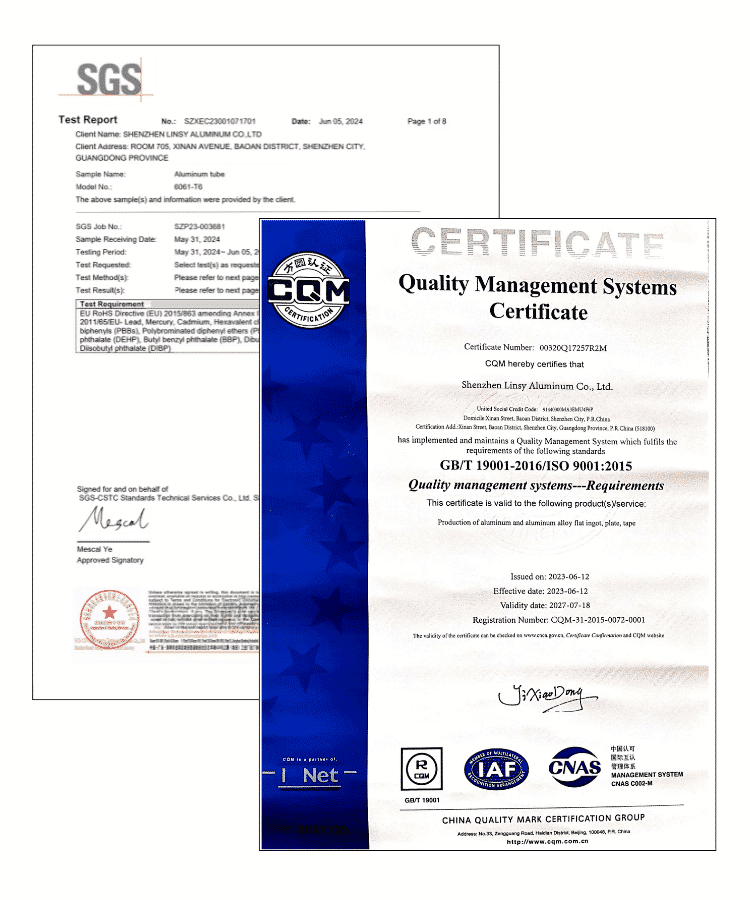
Linsy Aluminum unterhält ein Qualitätsmanagementsystem, das nach ISO 9001 zertifiziert ist. Für jede 5056-Bestellung liefern wir:
Unser Werk arbeitet nach dem Umweltmanagementsystem ISO 14001 und dem Arbeitssicherheitsmanagementsystem ISO 45001.
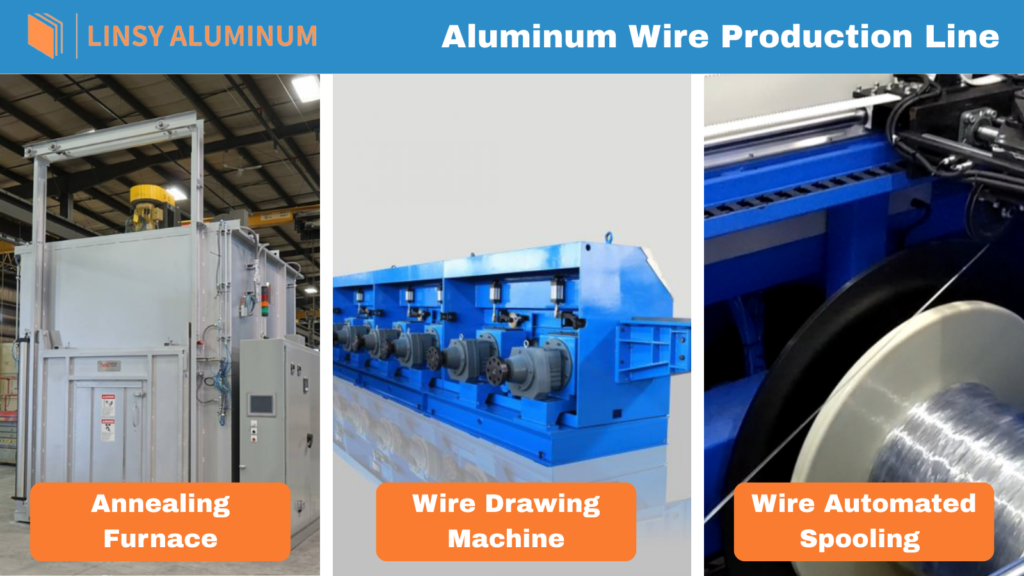
Linsy Aluminum ist eine in Shenzhen ansässige Aluminiumfabrik mit über 20 Jahren Erfahrung in der Lieferung von Legierungen der Serien 1000 bis 8000 an globale Märkte. Wir sind kein Handelsunternehmen – wir kontrollieren Produktion, Qualität und Logistik im eigenen Haus.
Für weitere technische Hintergrundinformationen zu 5056 Aluminium und verwandten Legierungen siehe die folgenden Ressourcen aus der Wissensbibliothek von Linsy:
F: Was ist der Unterschied zwischen 5056 und 5052 Aluminium?
A: Der Hauptunterschied liegt im Magnesiumgehalt: 5052 enthält 2,2–2,8% Mg, während 5056 4,5–5,6% Mg enthält. Der höhere Magnesiumgehalt verleiht 5056 eine etwa 15–20% höhere Zugfestigkeit, verbesserte Korrosionsbeständigkeit in alkalischen und marinen Umgebungen sowie eine höhere Scherfestigkeit — weshalb 5056 für Strukturnieten bevorzugt wird. 5052 ist breiter verfügbar und oft wirtschaftlicher; wählen Sie 5052 für allgemeine Blechanwendungen und 5056, wenn Sie die zusätzliche Korrosionsbeständigkeit oder Nietqualität benötigen.
F: Ist 5056 für den Marineeinsatz geeignet?
A: Ja. 5056 gilt als marinegeeignete Aluminiumlegierung mit hervorragender Beständigkeit gegen Meerwasserkorrosion. Sie wird für Bootsrümpfe, Decks, Aufbauten und geschweißte Marinekonstruktionen verwendet. Für höchste Meerwasserkorrosionsbeständigkeit innerhalb der 5xxx-Serie werden 5083 und 5383 manchmal für vollständig untergetauchte Rumpfbeplankungen bevorzugt, aber 5056 zeigt gute Leistung in Spritzwasserzonen und atmosphärischer Marineexposition. Die Vergütungszustände H116 oder H321 (die eine verbesserte Beständigkeit gegen interkristalline Korrosion bieten) sind für 5056 möglicherweise nicht allgemein verfügbar; für langfristige Untertauchung besprechen Sie die Materialauswahl mit unserem technischen Team.
F: Kann 5056 Aluminium geschweißt werden?
A: Ja, 5056 ist gut mit WIG- und MIG-Verfahren unter Verwendung von ER5356- oder ER5183-Zusatzwerkstoff schweißbar. Die Legierung weist eine geringe Heißrissempfindlichkeit und gute Korrosionsbeständigkeit nach dem Schweißen auf. Beachten Sie, dass das Schweißen die Festigkeit in der Wärmeeinflusszone auf etwa das Niveau des O-Zustands reduziert; für kritische geschweißte Konstruktionen basieren Sie Ihre Berechnungen auf den Eigenschaften des O-Zustands im Schweißbereich.
F: Kann 5056 durch Wärmebehandlung zur Festigkeitssteigerung behandelt werden?
A: Nein. 5056 ist eine nicht aushärtbare Legierung. Ihre Festigkeit resultiert aus Kaltverformung (Verfestigung). Die einzige Möglichkeit, die Festigkeit von 5056 nach dem Glühen zu erhöhen, ist Kaltverformung — z. B. durch Walzen, Ziehen oder Strecken. Wenn Ihre Anwendung eine aushärtbare Legierung mit ähnlicher Korrosionsbeständigkeit erfordert, ziehen Sie 6061-T6 in Betracht (geringere Korrosionsbeständigkeit, höhere Festigkeit) oder konsultieren Sie unser Team bezüglich 5083 im H321-Zustand.
F: In welchem Vergütungszustand sollte ich 5056-Draht für die Nietproduktion bestellen?
A: 5056-Nietdraht wird typischerweise im H34- oder H38-Zustand geliefert. H34 bietet eine gute Balance zwischen Kaltstauchbarkeit und Scherfestigkeit des gesetzten Niets. H38 liefert maximale Scherfestigkeit für Anwendungen, bei denen die Nietköpfe ohne Rissbildung gesetzt werden können. Unser Team berät Sie gerne zum optimalen Vergütungszustand basierend auf Ihrem Nietdurchmesser, der Kopfausführung und den Anforderungen an den Setzzustand.
F: Wie hoch ist die Mindestbestellmenge (MOQ) für 5056 Aluminium?
A: Die MOQ hängt von der Produktform ab. Blech und Platten beginnen typischerweise bei 500 kg; Stangen und Rohre ab 100 kg; Draht ab 50 kg pro Spule. Kleinere Probemengen für Muster und Qualifizierung sind verfügbar — kontaktieren Sie uns für Details.
F: Wie lange dauert die Lieferung?
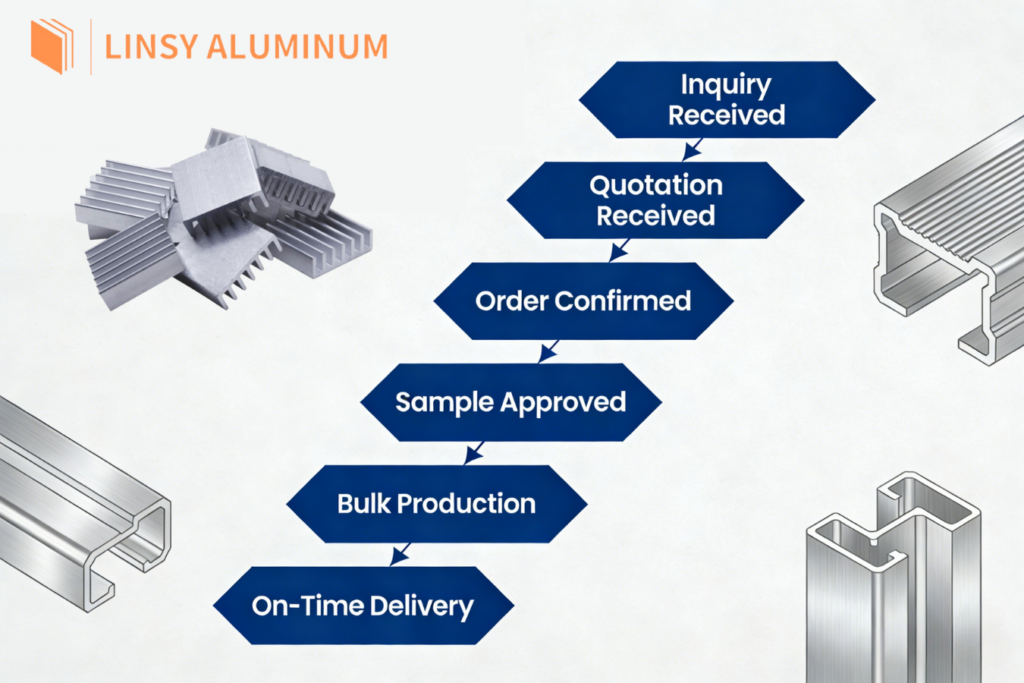
A: Lagerartikel werden in der Regel innerhalb von 7–15 Tagen versandt. Kundenspezifisch zugeschnittene oder nicht standardmäßige Abmessungen benötigen 10–60 Tage, abhängig von Produktform und Menge. Wir liefern mit jedem Angebot einen bestätigten Lieferplan.
F: Stellen Sie Materialzertifikate aus?
A: Ja. Jede Bestellung wird mit einem Werkszeugnis (MTC / EN 10204 3.1) geliefert, das die chemische Zusammensetzung und die mechanischen Eigenschaften der gelieferten Charge angibt. SGS-Prüfberichte von Dritten, Ursprungszeugnisse und Zertifizierungen durch Klassifikationsgesellschaften (DNV, LR, ABS, BV) sind auf Anfrage erhältlich.
F: Kann Linsy 5056 Aluminium international versenden?
A: Ja. Wir beliefern Kunden in Europa, Südostasien, dem Nahen Osten, Afrika und Amerika. Exportverpackung (seetüchtige Kisten, Schutzumwicklung) ist Standard für alle internationalen Sendungen. Wir können FOB Shenzhen, CIF Bestimmungshafen oder DAP-Bedingungen basierend auf Ihren Präferenzen anbieten.
F: Welche Zahlungsmethoden akzeptieren Sie?
A: Wir akzeptieren T/T (telegrafische Überweisung) und unwiderrufliches Sicht-Akkreditiv (L/C). Für Neukunden ist eine Anzahlung von 30% mit Restzahlung gegen Versanddokumente Standard. Langfristige Vertragskonditionen sind verhandelbar.
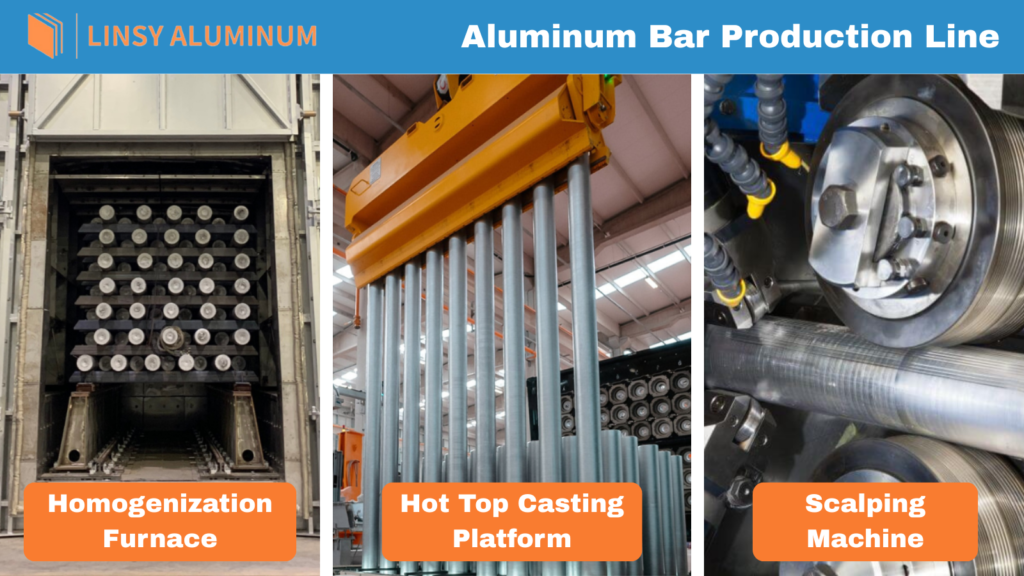
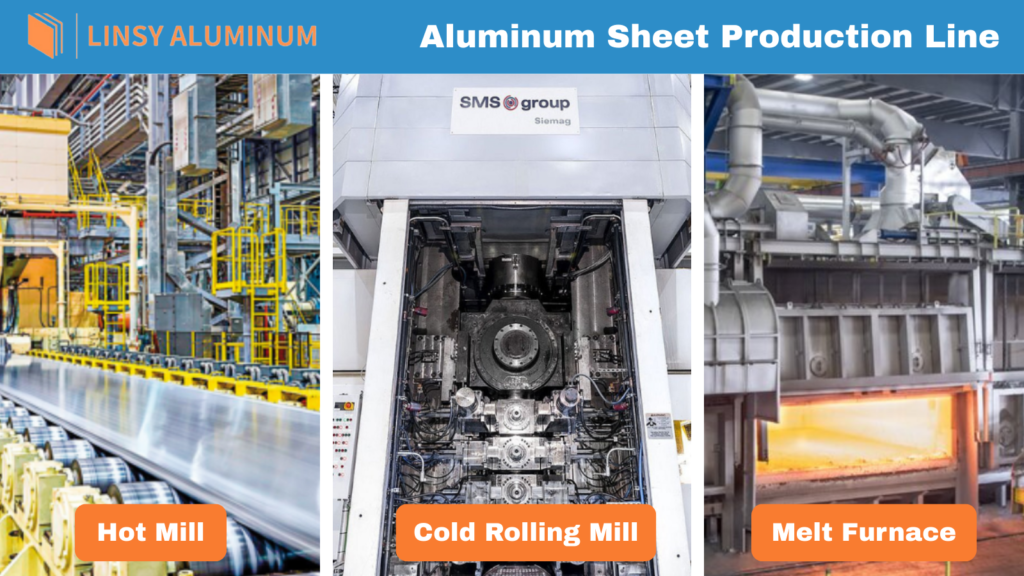
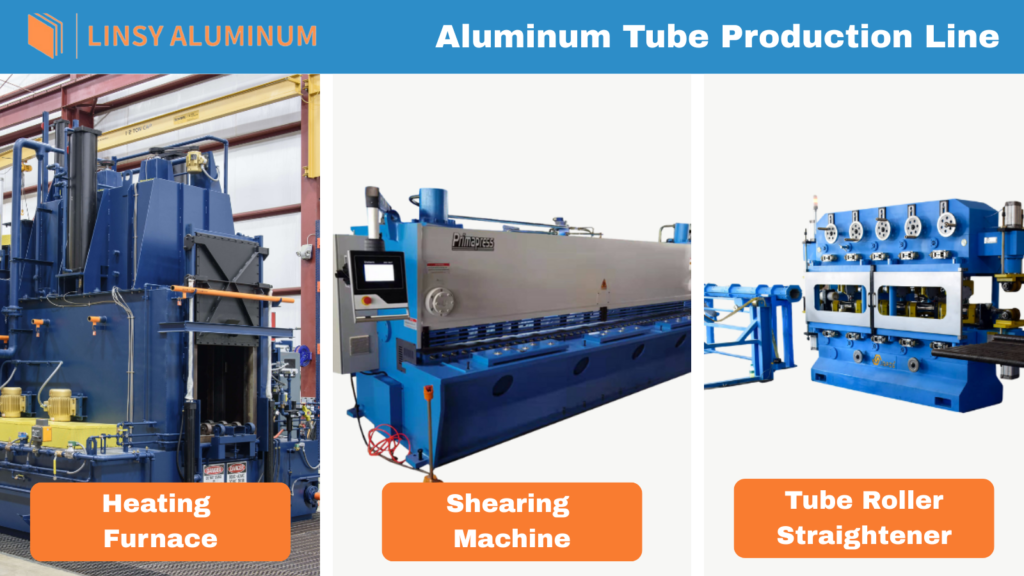
Linsy Vorteile
Linsy Aluminum ist ein führender Anbieter von Produkten für die Aluminiumverarbeitung und beliefert verschiedene Branchen wie die Luft- und Raumfahrt, den allgemeinen Maschinenbau, die Automobilindustrie, die Schifffahrt, den Schiffbau und andere spezialisierte industrielle Anwendungen.
Wir verpflichten uns, die höchsten Qualitäts- und Umweltstandards einzuhalten, was durch unsere Zertifizierungen belegt wird: ISO 9001:2008, ISO 14001:2004 und SGS.