2011 alüminyum alaşımı, öncelikli olarak bakır, kurşun ve bizmut ile alaşımlandırılmış 2000 serisi serbest işlenebilir alüminyum kalitesidir. Olağanüstü işlenebilirliğiyle bilinen—alüminyum işlenebilirlik ölçeğinde genellikle veya üzeri derecelendirilen—2011, otomatik tezgah ve CNC operasyonlarında kısa, gevrek talaşlar ve mükemmel yüzey kalitesi üretir. Linsy, 2011 alüminyum çubuk, tel ve boruyu T3, T4, T6 ve T8 temperlerinde, özel çaplar, boy kesme ölçüleri ve MTC raporları ile tedarik etmektedir.
Mevcut formlar: yuvarlak çubuk / altıgen çubuk / tel / boru
Yaygın temperler: T3 / T4 / T6 / T8
İşleme desteği: CNC işleme / hassas tornalama / boy kesme / yüzey finisajı
Kalite belgeleri: Her siparişte MTC raporu, talep üzerine SGS testi
2011 alüminyum alaşımı (UNS A92011), özellikle serbest işleme uygulamaları için tasarlanmış 2000 serisi dövme alüminyum kalitesidir. Öncelikli olarak bakır (Cu), kurşun (Pb) ve bizmut (Bi) ile alaşımlandırılan 2011, standart alüminyum kaliteleri arasında en iyi işlenebilirliği sunar—alüminyum işlenebilirlik ölçeğinde tipik olarak 'ın üzerinde derecelendirilir. Bu, daha yüksek hızlarda, daha düşük takım aşınmasıyla işlenmesini ve kesme sırasında temiz bir şekilde kopan kısa, gevrek talaşlar üretmesini sağlar; bu da onu yüksek hacimli otomatik tezgah ve CNC tornalama operasyonları için tercih edilen seçenek haline getirir.
2011 tipik olarak T3 temperinde (soğuk işlenmiş ve doğal olarak yaşlandırılmış) tedarik edilir; ancak daha yüksek mukavemet veya belirli işlenebilirlik özellikleri için T4, T6 ve T8 temperleri de mevcuttur. Başlıca ürün formları çubuk, tel ve borudur—bağlantı elemanları, konnektörler ve hassas tornalanmış bileşenler için en yaygın kullanılan şekiller.
Linsy, hassas işleme alıcılarının en çok talep ettiği standart çubuk, tel ve boru formlarında 2011 alüminyum tedarik etmektedir. Belirli çaplar ve uzunluklar, iş gereksinimlerinize göre özelleştirilebilir.
| Form | Temper | Çap (mm) | Uzunluk (mm) |
|---|---|---|---|
| 2011 Yuvarlak Çubuk | T3, T4, T6, T8 | 3 – 200 | 1000 – 6000 |
| 2011 Altıgen Çubuk | T3, T4, T6, T8 | 6 – 60 | 1000 – 6000 |
| Form | Temper | Çap (mm) | Bobin Ağırlığı |
|---|---|---|---|
| 2011 Tel | T3, T4, T6, T8 | 0.8 – 12.0 | Min 50 kg |
| Form | Temper | Dış Çap (mm) | Et Kalınlığı (mm) | Uzunluk (mm) |
|---|---|---|---|---|
| 2011 Boru (Dikişsiz) | T3, T4, T6, T8 | 6 – 150 | 1 – 20 | 1000 – 6000 |
| Standart Sistemi | Tanımlama |
|---|---|
| UNS | A92011 |
| EN AW | EN AW-2011 / AlCu6BiPb |
| ISO | Al Cu6BiPb |
| AA / SAE | 2011 |
| JIS (Japonya) | A2011 |
| GB / Çin | 2011 |
Geçerli başlıca standartlar:
ASTM B210 / B211'e göre tipik bileşim limitleri (ağırlık %):
| Element | Min % | Maks % |
|---|---|---|
| Bakır (Cu) | 5.00 | 6.00 |
| Kurşun (Pb) | 0.20 | 0.60 |
| Bizmut (Bi) | 0.20 | 0.60 |
| Silisyum (Si) | — | 0.40 |
| Demir (Fe) | — | 0.70 |
| Çinko (Zn) | — | 0.30 |
| Diğerleri, her biri | — | 0.05 |
| Diğerleri, toplam | — | 0.15 |
| Alüminyum (Al) | Denge (yaklaşık ,0 – 94,0) | |
Yaygın temperlerde 2011 alüminyum için tipik değerler. Değerler ASTM B211 ve yayınlanmış endüstri referanslarından alınmıştır. Gerçek özellikler ürün formuna ve kesit kalınlığına bağlıdır.
| Mülkiyet | T3 | T4 | T6 | T8 |
|---|---|---|---|---|
| Çekme Dayanımı | ≥ 310 MPa | ≥ 280 MPa | ≥ 345 MPa | ≥ 380 MPa |
| Akma Mukavemeti (%0,2) | ≥ 240 MPa | ≥ 205 MPa | ≥ 275 MPa | ≥ 310 MPa |
| Kopma Uzaması | 10 – 18% | 12 – 18% | 8 – 14% | 6 – 12% |
| Kesme Dayanımı | ~ 190 MPa | ~ 170 MPa | ~ 210 MPa | ~ 230 MPa |
| Sertlik (Brinell) | ~ 95 | ~ 85 | ~ 105 | ~ 115 |
| Elastisite Modülü | 70 GPa (10.200 ksi) | |||
Her temper, işlenebilirlik, mukavemet ve şekillendirilebilirlik arasında farklı bir denge sunar. 2011 ailesindeki tüm temperler olağanüstü talaş kırma özelliklerini korur; ancak nihai mekanik özellikler duruma göre değişir.
| Temper | İçin En İyisi | Notlar |
|---|---|---|
| 2011-T3 | Genel amaçlı otomatik tezgah ve CNC tornalama işleri | En yaygın tedarik edilen temper. Soğuk işlenmiş ve doğal olarak yaşlandırılmıştır. İyi işlenebilirlik ve orta düzey mukavemet dengesi sunar. |
| 2011-T4 | Son işlemeden önce orta düzeyde soğuk şekillendirme gerektiren parçalar | Çözelti ısıl işlemi uygulanmış ve doğal olarak yaşlandırılmıştır. T3'e göre hafifçe daha düşük mukavemet ancak daha iyi şekillendirme özellikleri sunar. |
| 2011-T6 | Serbest işleme özellikleriyle birlikte daha yüksek mukavemet gerektiren parçalar | Çözelti ısıl işlemi uygulanmış ve yapay olarak yaşlandırılmıştır. T3'e kıyasla işlenebilirliği bir miktar azalmış yüksek mukavemet sunar. |
| 2011-T8 | Boyutsal stabiliteyi koruması gereken yüksek mukavemetli hassas parçalar | Çözelti ısıl işlemi uygulanmış, soğuk işlenmiş ve yapay olarak yaşlandırılmıştır. En yüksek mukavemet, T3'e göre hafifçe daha düşük işlenebilirlik sunar. |
2011, işlenebilirlik açısından en yüksek derecelendirilmiş yaygın alüminyum alaşımıdır; işlenebilirlik ölçeğinde tipik olarak veya üzeri puan alır (6061-T6 yaklaşık puandadır). Kurşun ve bizmut ilaveleri temiz talaş oluşumunu teşvik eder—talaşlar kısa ve gevrektir, tornalama, delme ve frezeleme operasyonları sırasında tutarlı bir şekilde kopar. Bu, 6061 veya 2024 gibi standart alüminyum kalitelerinin işlenmesine kıyasla daha yüksek ilerleme hızları, daha düşük takım aşınması ve daha az duruş süresi anlamına gelir.
2011, temiz, ipliksi olmayan talaşlar ürettiği ve kesme sırasında düşük takım sürtünmesi oluşturduğu için, bitmiş parçalar doğrudan tezgah milinden yüksek yüzey kalitesi elde eder. Bu, ikincil bitirme operasyonlarına olan ihtiyacı azaltır veya ortadan kaldırır; bu da onu yüksek hacimli üretim için maliyet etkin hale getirir.
T6 ve T8 koşullarında, 2011, 345–380 MPa'nın üzerinde çekme mukavemeti sunar—orta mukavemetli 6000 serisi alaşımlarla karşılaştırılabilir—serbest işleme karakterini korurken. Referans olarak, işlenebilirlik ayarlı işleme uygulamalarında T3 veya T6 temperindeki 2011, 6061'den yaklaşık –40 daha güçlüdür; çünkü kazanılan zaman doğrudan üretim hızına dönüşür.
2011, işlenebilirliği teşvik etmek için kasıtlı bir alaşım ilavesi olarak kurşun (%0,2–0,6) içerir. AB ELV (Ömrünü Tamamlamış Araçlar) veya içme suyu temaslı bileşenler dahil olmak üzere RoHS kısıtlamalarına tabi uygulamalar için 2011 uygun olmayabilir. RoHS uyumlu serbest işleme uygulamaları için kurşunsuz alternatifler olarak 6026 veya 6262 alüminyum değerlendirilmelidir—rehberlik için Linsy ile iletişime geçin.
2011, neredeyse yalnızca otomatik vida tezgahlarında, CNC tornalarda ve İsviçre tipi tornalama makinelerinde üretilen parçalar için belirlenir. Uygulama alanı, yüksek verimlilikli işleme kalitesi olarak rolüyle tanımlanır:
2011, işlenmesi en kolay alüminyum alaşımı olarak kabul edilir; ancak birkaç pratik kılavuz, en iyi sonuçları almanıza yardımcı olacaktır:
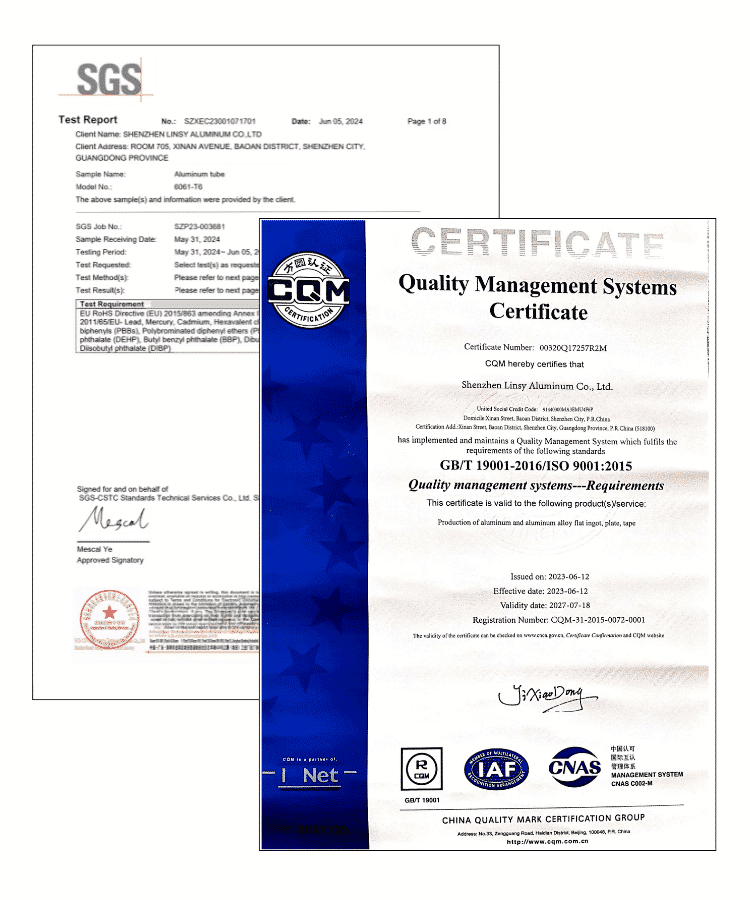
Linsy'de kalite kontrol, hammadde seçiminden bitmiş ürün muayenesine kadar uzanır. Her sipariş, üretim sonrasında Linsy Aluminum tarafından düzenlenen ve fiili partiye ait kimyasal bileşim ve mekanik özellik sonuçlarını içeren bir MTC (Malzeme Test Sertifikası) ile teslim edilir.
Üçüncü taraf doğrulaması gerektiren müşteriler için, ek test ücreti karşılığında talep üzerine SGS test raporları sunulabilir. Mevcut SGS raporları şunları içerir:
Linsy Aluminum, 20 yılı aşkın sektör deneyimine sahip, Shenzhen merkezli bir alüminyum fabrikasıdır; genel mühendislik, otomotiv, elektronik, imalat ve hassas işleme endüstrilerindeki müşterilere 2011 ve diğer 1000–8000 serisi alaşımları tedarik etmektedir.
2011 tedarikiniz için bu şu anlama gelir:
2011 alüminyumdan daha fazla verim almak için bu kılavuzları kullanın:
2011, otomatik tezgahlarda, CNC tornalarda ve İsviçre tipi makinelerde yüksek hızlı serbest işleme uygulamaları için tasarlanmıştır. Ana pazarı hassas tornalanmış bileşenlerdir: bağlantı elemanları, ara parçalar, burçlar, elektrik konnektörleri ve yüksek hacimlerde üretilen küçük dişli parçalar.
“Serbest işleme” terimi, alaşımın yüksek hızlarda mükemmel talaş kontrolü ve düşük takım aşınması ile işlenebilme yeteneğini ifade eder. Kurşun ve bizmut alaşım ilaveleri talaş kırıcı görevi görür—talaşların makineleri tıkayabilecek veya parçaları çizebilecek uzun, dolaşık zincirler oluşturmak yerine küçük parçalara kırılmasına neden olan mikroskobik kalıntılar oluştururlar.
Hayır. 2011 kaynaklanamaz olarak kabul edilir. Ona üstün işlenebilirlik kazandıran kurşun ve bizmut, kaynak sırasında ciddi sıcak çatlamaya, gözenekliliğe ve zayıf füzyon bölgelerine de neden olur. Kaynaklanabilen işlenebilir bir alaşıma ihtiyacınız varsa, 6061 veya 6082'yi değerlendirin. Kaynaklanması gereken serbest işleme alaşımına ihtiyacınız varsa, ekibimizle görüşün—alternatif alaşım seçenekleri mevcut olabilir.
2011-T3 soğuk işlenmiş ve doğal olarak yaşlandırılmıştır—en yaygın mizaçtır ve standart otomatik tezgah işleri için en iyi işlenebilirlik ve mukavemet dengesini sunar. 2011-T6, çözelti ısıl işlemi ve yapay yaşlandırmaya tabi tutulur; daha yüksek çekme ve akma mukavemeti sağlar (yaklaşık 345+ MPa'ya karşı 310+ MPa), ancak işlenebilirlik T3'ten biraz daha düşüktür. Çevrim süresinin en önemli olduğu yüksek hacimli tornalamada T3 tipik olarak tercih edilir. İşleme sonrası ek mekanik mukavemet gerektiren parçalar için T6 veya T8 daha iyi seçenekler olabilir.
2011 standart eloksal işlemlerini kabul eder; ancak yüzey kalitesi ve renk homojenliği tipik olarak 6061 veya 6063'te elde edilebilenden daha az tutarlıdır. Kozmetik eloksal görünümü önemliyse, üretim miktarlarına geçmeden önce bir numune test edin.
Evet, 2011, işlenebilirlik için bilinçli bir alaşım ilavesi olarak %0,2–0,6 oranında kurşun içerir. Bu, 2011'in belirli uygulamalar için (örn. AB'de satılan tüketici elektroniği, otomotiv ELV bileşenleri) RoHS kısıtlamalarına uyumlu olmayabileceği anlamına gelir. RoHS uyumlu serbest işleme seçenekleri için 6026 veya 6262 alüminyum yaygın alternatiflerdir. Stok durumu ve rehberlik için Linsy ile iletişime geçin.
2011, hem 2024 hem de 7075'ten çok daha iyi işlenir. Alüminyum işlenebilirlik ölçeğinde 2011 yaklaşık oranında derecelendirilirken, 2024-T3 yaklaşık ve 7075-T6 yaklaşık oranında derecelendirilir. Bununla birlikte, 2024 ve 7075 çok daha güçlü yapısal alaşımlardır—her biri 2011-T3'ten yaklaşık 1,3–1,5 kat daha güçlüdür. İşlenebilirlik ve verimlilik önceliğiniz olduğunda 2011'i seçin; nihai mukavemet pazarlık konusu olmadığında 2024 veya 7075'i seçin.
2011 tipik olarak yuvarlak çubuk, altıgen çubuk, tel ve dikişsiz boru olarak tedarik edilir. Alaşımın tasarım amacı otomatik tezgah ve tornalama işleri olduğundan, sac, levha veya bobin olarak yaygın şekilde üretilmez. Uygulamanız 2011'in standart dışı bir formda kullanılmasını gerektiriyorsa, fizibilite kontrolü için Linsy ile iletişime geçin.
Stokta olmayan boyutlar veya özel spesifikasyonlar için tipik teslim süresi; alaşıma, boyutlara, işleme gereksinimlerine ve sipariş karmaşıklığına bağlı olarak 10–60 gündür. Stokta bulunan standart spesifikasyonlar daha hızlı sevk edilebilir—belirli bir teklif için ekibimizle iletişime geçin.
Linsy, stokta olmayan 2011 ürünleri için düşük minimum sipariş adetli (MOQ) özel üretimi destekler. MOQ; forma, boyuta ve işleme kapsamına göre değişir; lütfen gereksinimlerinizi paylaşın, fizibiliteyi doğrulayalım.
Her sipariş, üretim sonrasında Linsy Aluminum tarafından düzenlenen bir MTC (Malzeme Test Sertifikası) ile sevk edilir. Talep üzerine, ek test ücreti karşılığında isteğe bağlı SGS üçüncü taraf test raporları temin edilebilir.
Evet, çoğu standart ve özel spesifikasyon için numune temin edilebilir. Numune maliyeti ve teslim süresi, boyut ve işleme gereksinimlerine bağlıdır.
Linsy küresel olarak sevkiyat yapmakta olup; Avrupa, Güney Afrika, Brezilya, Singapur, Türkiye, Japonya, Güney Kore ve Güney Asya'da yerleşik tedarik kapsamına sahiptir.
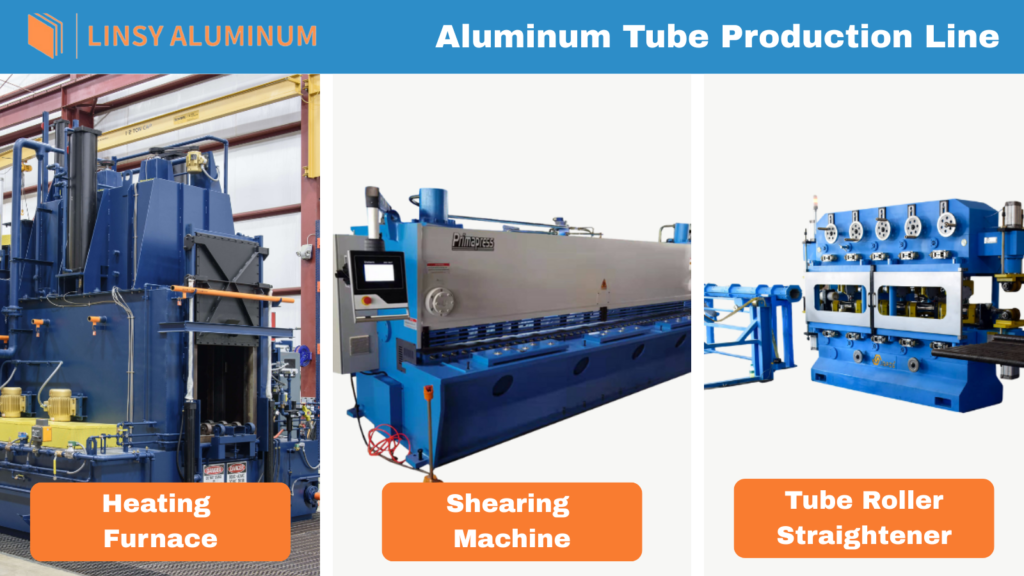
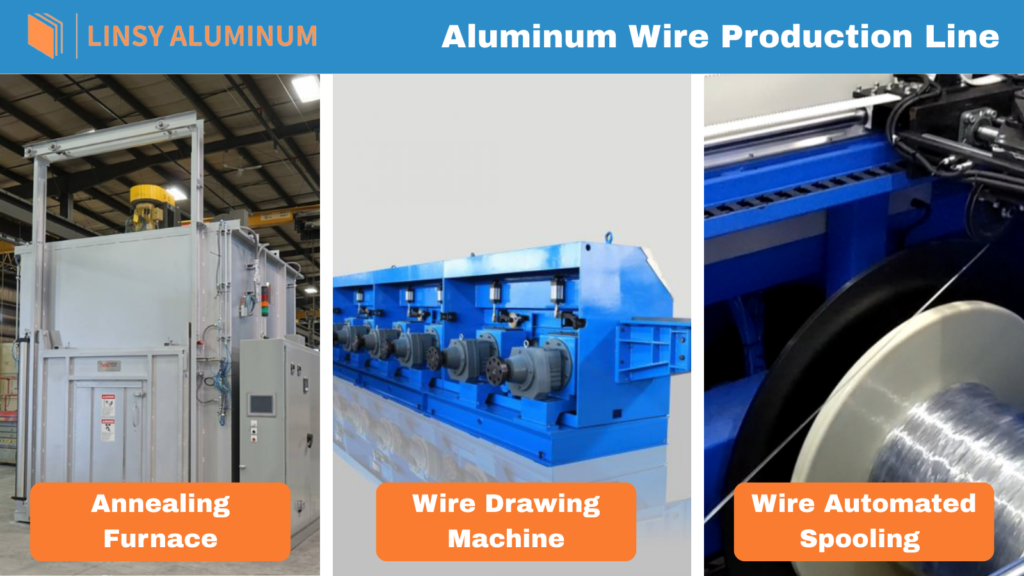
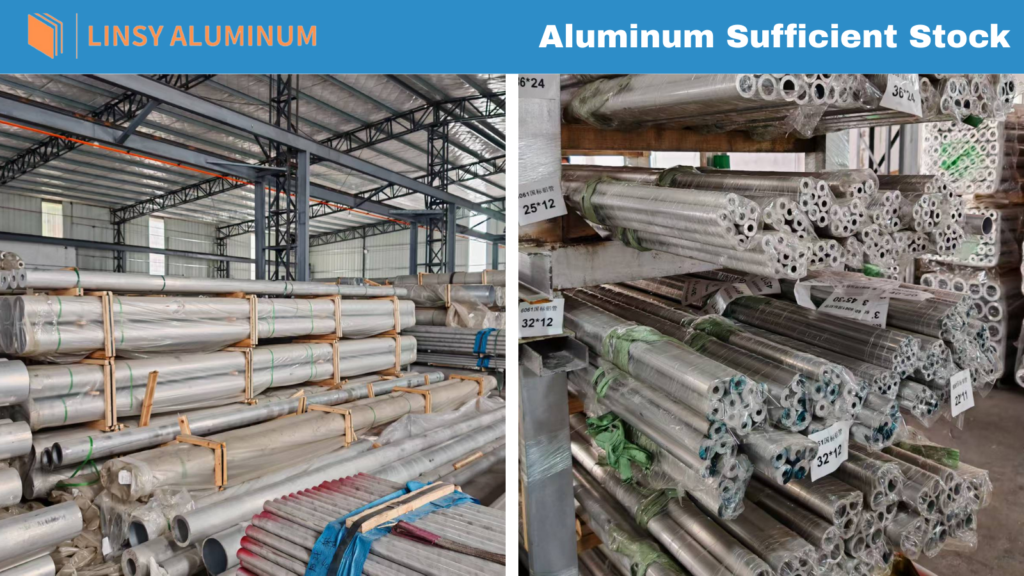
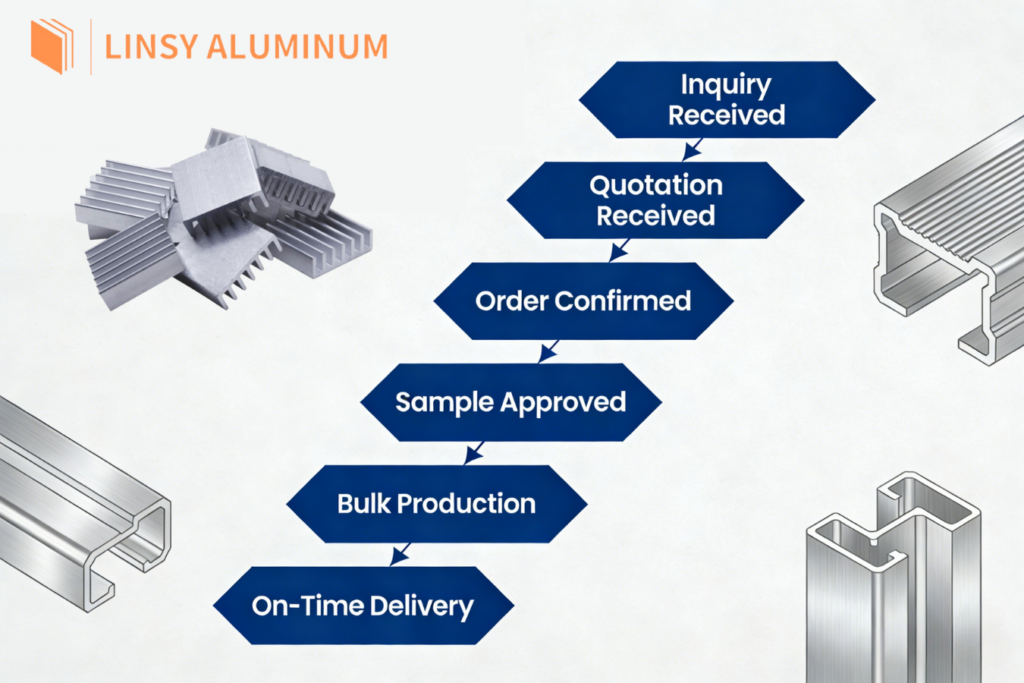
Linsy Avantajları
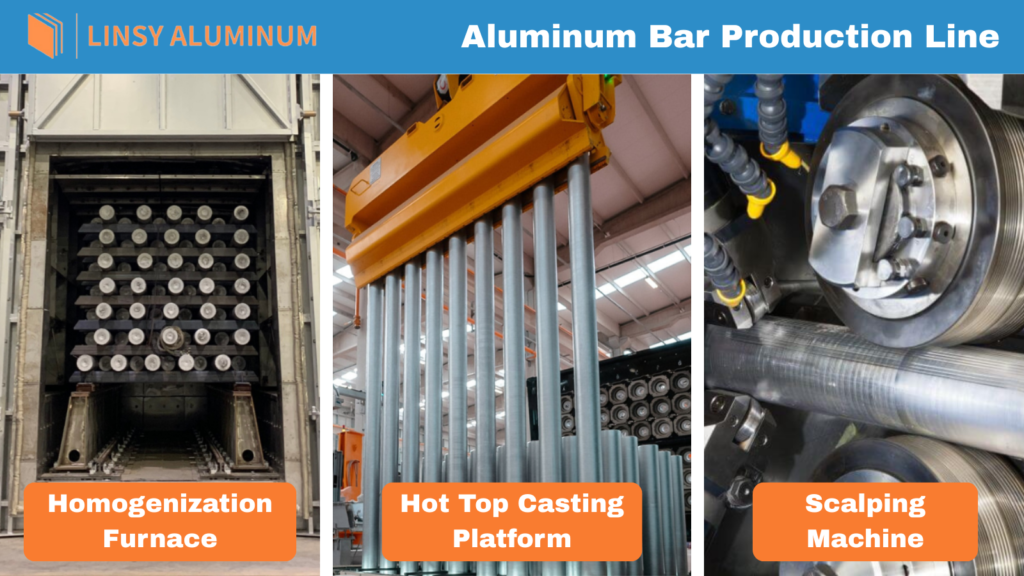
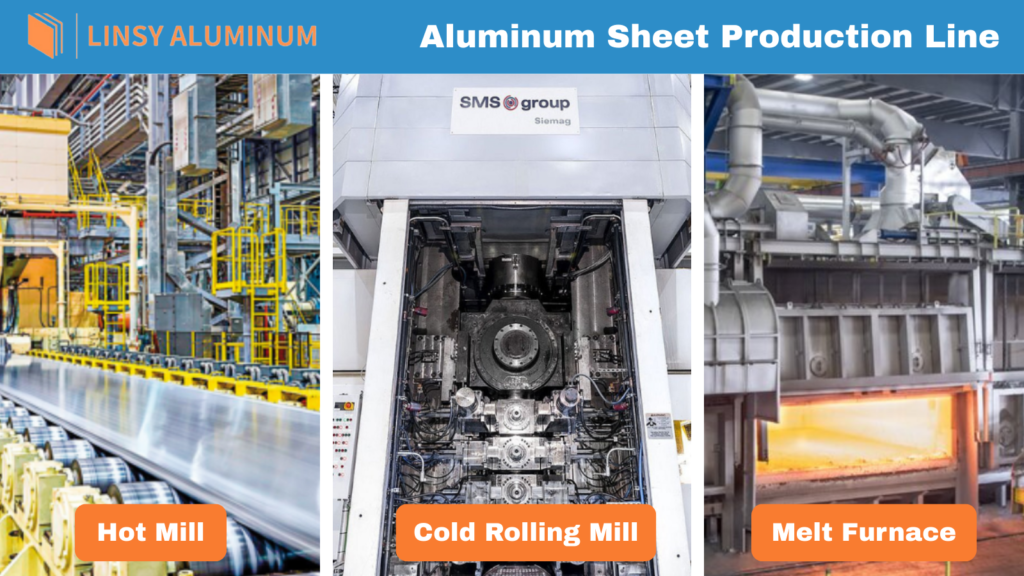
Linsy Alüminyum, havacılık, genel mühendislik, otomotiv, denizcilik, gemi yapımı ve diğer özel endüstriyel uygulamalar dahil olmak üzere çeşitli endüstrilere hizmet veren lider bir alüminyum işleme ürünleri tedarikçisidir.
Sertifikalarımızın da gösterdiği gibi, en yüksek kalite ve çevresel sorumluluk standartlarını sürdürmeye kararlıyız: ISO 9001:2008 , ISO 14001:2004 ve SGS.