2011 알루미늄 합금

2011 aluminum alloy is a 2000 series free-machining aluminum grade alloyed primarily with copper, lead, and bismuth. Known for its outstanding machinability—often rated at 90% or above on the aluminum machinability scale—2011 produces short, brittle chips and an excellent surface finish in screw-machine and CNC operations. Linsy supplies 2011 aluminum bar, wire, and tube in tempers T3, T4, T6, and T8, with custom diameters, cut-to-length sizes, and MTC reports available.

이용 가능한 양식: round bar / hex bar / wire / tube
흔히 나타나는 기질: T3 / T4 / T6 / T8
처리 지원: CNC machining / precision turning / cut-to-length / surface finishing
품질 관련 문서: 모든 주문 시 MTC 보고서 제공, 요청 시 SGS 검사 실시

2011 알루미늄 합금이란?

2011 aluminum alloy (UNS A92011) is a 2000 series wrought aluminum grade specifically designed for free-machining applications. Alloyed primarily with copper (Cu), lead (Pb), and bismuth (Bi), 2011 delivers the best machinability of any standard aluminum grade—typically rated above 90% on the aluminum machinability scale. This means it machines at higher speeds with lower tool wear and produces clean, short, brittle chips that break away cleanly during cutting, making it the preferred choice for high-volume screw-machine and CNC turning operations.

2011 is typically supplied in T3 temper (cold-worked and naturally aged), but T4, T6, and T8 tempers are also available for higher strength or specific machinability characteristics. Its primary product forms are bar, wire, and tube—the shapes most commonly used for fasteners, connectors, and precision turned components.

Available 2011 Aluminum Products

Linsy supplies 2011 aluminum in the standard bar, wire, and tube forms most commonly demanded by precision machining buyers. Specific diameters and lengths can be customized to your job requirements.

2011 Aluminum Bar

양식 성질 지름(mm) 길이(mm)
2011 Round Bar T3, T4, T6, T8 3 – 200 1000 – 6000
2011 Hex Bar T3, T4, T6, T8 6 – 60 1000 – 6000

2011 Aluminum Wire

양식 성질 지름(mm) 코일 중량
2011 Wire T3, T4, T6, T8 0.8 – 12.0 최소 50kg

2011 Aluminum Tube

양식 성질 외경(mm) 벽 두께 (mm) 길이(mm)
2011 Tube (Seamless) T3, T4, T6, T8 6 – 150 1 – 20 1000 – 6000

2011 Specifications & Equivalent Designations

표준 시스템 명칭
UNS A92011
EN AW EN AW-2011 / AlCu6BiPb
ISO Al Cu6BiPb
AA / SAE 2011
JIS (일본) A2011
GB / 중국어 2011

일반적으로 적용되는 표준:

  • ASTM B210 — 알루미늄 및 알루미늄 합금 인발 무이음관
  • ASTM B211 — 알루미늄 및 알루미늄 합금 봉, 막대 및 선재
  • EN 573-3 — 가공 제품의 화학 성분 및 형태

2011년 알루미늄의 화학 성분

Typical composition limits per ASTM B210 / B211 (weight %):

요소 Min % Max %
구리(Cu) 5.00 6.00
납(Pb) 0.20 0.60
비스무트(Bi) 0.20 0.60
실리콘(Si) 0.40
철(Fe) 0.70
아연(Zn) 0.30
그 외, 각각 0.05
기타, 합계 0.15
알루미늄(Al) Balance (approx. 92.0 – 94.0)

열처리 상태에 따른 기계적 특성

Typical values for 2011 aluminum in common tempers. Values are from ASTM B211 and published industry references. Actual properties depend on product form and section thickness.

속성 T3 T4 T6 T8
인장 강도 ≥ 310 MPa ≥ 280 MPa ≥ 345 MPa ≥ 380 MPa
항복강도 (0.2%) ≥ 240 MPa ≥ 205 MPa ≥ 275 MPa ≥ 310 MPa
휴식 시 신장 10 – 18% 12 – 18% 8 – 14% 6 – 12%
전단 강도 ~ 190 MPa ~ 170 MPa ~ 210 MPa ~ 230 MPa
경도(브리넬) ~ 95 ~ 85 ~ 105 ~ 115
탄성 계수 70 GPa (10,200 ksi)

Temper Selection Guide for 2011 Aluminum

Each temper offers a different balance between machinability, strength, and formability. All tempers in the 2011 family retain exceptional chip-breaking characteristics, but final mechanical properties vary by condition.

성질 최상의 대상 참고
2011-T3 General-purpose screw-machine and CNC turning work Most commonly supplied temper. Cold-worked and naturally aged. Good balance of machinability and moderate strength.
2011-T4 Parts requiring moderate cold-forming before final machining Solution heat-treated and naturally aged. Slightly lower strength than T3 but better forming properties.
2011-T6 Parts requiring higher strength with free-machining characteristics Solution heat-treated and artificially aged. High strength with machinability somewhat reduced vs T3.
2011-T8 High-strength precision parts that must maintain dimensional stability Solution heat-treated, cold-worked, and artificially aged. Highest strength, slightly lower machinability than T3.

Key Characteristics of 2011 Aluminum

탁월한 가공성

2011 is the highest-rated common aluminum alloy for machinability, typically scored at 90% or above on the machinability scale (with 6061-T6 at approximately 50%). The lead and bismuth additions promote clean chip formation—chips are short and brittle, breaking away consistently during turning, drilling, and milling operations. This means higher feed rates, reduced tool wear, and less downtime compared to machining standard aluminum grades like 6061 or 2024.

Excellent Surface Finish

Because 2011 produces clean, non-stringy chips and generates low tool friction during cutting, finished parts typically achieve high surface quality directly from the machine spindle. This reduces or eliminates the need for secondary finishing operations, making it cost-effective for high-volume production.

Good Strength After Machining

In T6 and T8 conditions, 2011 offers tensile strengths above 345–380 MPa—comparable to mid-strength 6000-series alloys—while retaining its free-machining character. For reference, 2011 in T3 or T6 is roughly 30–40% stronger than 6061 in machinability-adjusted machining applications, because the time saved translates directly to throughput.

Lead-Containing Grade — Regulatory Awareness

2011 contains lead (0.2–0.6%) as an intentional alloying addition to promote machinability. For applications subject to RoHS restrictions, including EU ELV (End of Life Vehicles) or drinking-water contact components, 2011 may not be suitable. For RoHS-compatible free-machining applications, consider 6026 or 6262 aluminum as lead-free alternatives—contact Linsy for guidance.

Common Applications of 2011 Aluminum

2011 is specified almost exclusively for parts manufactured on automatic screw machines, CNC lathes, and Swiss-type turning machines. Its application domain is defined by its role as a high-productivity machining grade:

  • Automatic screw machine products: Threaded fasteners, standoffs, spacers, bushings, and turned sleeves produced in high volumes
  • Fasteners and rivets: Precision screws, bolts, machine screws, blind rivets, and threaded inserts
  • Electrical connectors: Terminal pins, contact bodies, connector shells, and bus-rail connectors where electrical conductivity plus machinability is required
  • Gears and bushings: Small-diameter gears, timing pulleys, and bearing bushings produced on turning machines
  • Optical and camera components: Lens mounts, adjustment rings, barrel bodies, and other precision tubular parts
  • Pneumatic and hydraulic fittings: Small threaded couplings, adapters, and barb fittings
  • Medical and dental instrument parts: Handpiece bodies, connector components, and small machined housings (non-body-contact)

Machining & Processing Notes for 2011 Aluminum

2011 is arguably the easiest aluminum alloy to machine, but a few practical guidelines will help you get the best results:

  • CNC turning: Use sharp carbide or high-speed steel tooling. Recommended cutting speeds of 200–400 m/min with carbide, depth of cut starting from 1.0 mm. Chips are short and controllable—no built-up edge concerns typical of 6061.
  • Screw machines: 2011-T3 is the standard temper for automatic screw machines. Tooling setups optimised for brass can typically accommodate 2011 with minimal adjustment.
  • Drilling and tapping: Standard twist drills produce clean holes. Use light cutting oil or water-miscible coolant—2011 responds well to both.
  • 용접: 2011 is generally considered not weldable. The lead and bismuth that make it machine so well also cause severe hot cracking and porosity during welding. If your part requires welding, select a different alloy (e.g., 6061 or 5052).
  • Surface finishing: 2011 accepts anodizing but surface appearance is typically less uniform than 6061 or 6063 due to the alloying elements. For applications requiring cosmetic anodizing, confirm expectations with your supplier.
  • Cut-to-length: Linsy provides bar and tube cut to your exact length requirements to reduce in-house sawing.

품질 문서 및 검사

Linsy의 품질 관리는 원자재 선정부터 완제품 검사에 이르기까지 전 과정을 아우릅니다. 모든 주문품에는 생산 후 Linsy Aluminum에서 발급한 MTC(재료 시험 증명서)가 함께 제공되며, 여기에는 해당 로트의 화학 성분 및 기계적 특성 검사 결과가 포함됩니다.

제3자 검증이 필요한 고객의 경우, 요청 시 추가 시험 비용을 지불하고 SGS 시험 보고서를 발급받을 수 있습니다. 제공 가능한 SGS 보고서에는 다음이 포함됩니다:

  • SGS 화학 성분 분석 보고서
  • SGS 기계적 특성 보고서
  • SGS 치수 검사 보고서
  • SGS RoHS 및 REACH 보고서

Why Choose Linsy for 2011 Aluminum

Linsy Aluminum is a Shenzhen-based aluminum factory with more than 20 years of industry experience, supplying 2011 and other 1000–8000 series alloys to customers across general engineering, automotive, electronics, manufacturing, and precision machining industries.

For your 2011 sourcing, this means:

  • Reliable free-machining stock — bar, wire, and tube in the tempers and diameters that screw-machine shops and CNC jobbers need
  • 유연한 주문 지원 — standard and mixed-spec orders, including cut-to-length and custom sizes
  • 소량 주문 가능한 맞춤형 생산 재고가 없는 사이즈의 경우, 일반적인 맞춤 제작 소요 기간은 10~60일입니다.
  • In-house CNC machining and surface treatment — precision turning, cut-to-length, anodizing, polishing, and PVC protective film
  • 모든 주문 시 MTC 제공, 또한 요청 시 선택적으로 SGS 검사도 실시합니다
  • ISO 9001, ISO 14001 및 ISO 45001에 부합하는 경영 시스템 표준

관련 자료

Use these guides to get more from 2011 aluminum:

2011 Aluminum FAQ

What is 2011 aluminum alloy primarily used for?

2011 is designed for high-speed free-machining applications on automatic screw machines, CNC lathes, and Swiss-type machines. Its major market is precision turned components: fasteners, standoffs, bushings, electrical connectors, and small threaded parts produced in high volumes.

Why is 2011 aluminum called a “free-machining” alloy?

The term “free-machining” refers to the alloy’s ability to be machined at high speeds with excellent chip control and low tool wear. The lead and bismuth alloying additions act as chip breakers—they form microscopic inclusions that cause chips to fracture into small pieces rather than forming long, tangled strings that can jam machines or scratch parts.

Can 2011 aluminum be welded?

No. 2011 is considered non-weldable. The lead and bismuth that give it outstanding machinability also cause severe hot cracking, porosity, and weak fusion zones during welding. If you need a machinable alloy that can be welded, consider 6061 or 6082. If you need a free-machining alloy that must be welded, discuss with our team—there may be alternative alloy options.

What is the difference between 2011-T3 and 2011-T6?

2011-T3 is cold-worked and naturally aged—it is the most common temper and offers the best balance of machinability and strength for standard screw-machine work. 2011-T6 is solution heat-treated and artificially aged, yielding higher tensile and yield strength (approx. 345+ MPa vs 310+ MPa), but machinability is slightly lower than T3. For high-volume turning where cycle time matters most, T3 is typically preferred. For parts that need extra mechanical strength post-machining, T6 or T8 may be better choices.

Is 2011 aluminum suitable for anodizing?

2011 accepts standard anodizing treatments, but the surface finish and color uniformity are typically less consistent than what can be achieved on 6061 or 6063. If cosmetic anodized appearance is important, test a sample before committing to production quantities.

Does 2011 aluminum contain lead? Is it RoHS compliant?

Yes, 2011 contains 0.2–0.6% lead as an intentional alloying addition for machinability. This means 2011 may not comply with RoHS restrictions for certain applications (e.g., consumer electronics sold in the EU, automotive ELV components). For RoHS-compliant free-machining options, 6026 or 6262 aluminum are common alternatives. Contact Linsy for availability and guidance.

How does 2011 compare to 2024 and 7075 for machining?

2011 machines far better than both 2024 and 7075. On the aluminum machinability scale, 2011 rates approximately 90%, while 2024-T3 rates around 70% and 7075-T6 around 70%. However, 2024 and 7075 are much stronger structural alloys—each about 1.3–1.5 times stronger than 2011-T3. Choose 2011 when machinability and throughput are your priority; choose 2024 or 7075 when ultimate strength is non-negotiable.

What product forms are available for 2011 aluminum?

2011 is typically supplied as round bar, hex bar, wire, and seamless tube. It is not commonly produced as sheet, plate, or coil, because the alloy’s design purpose is screw-machine and turning work. If your application requires 2011 in a non-standard form, contact Linsy to check feasibility.

주문 관련 일반적인 자주 묻는 질문

What is the typical lead time for custom 2011 orders?

For non-stock sizes or custom specifications, typical lead time is 10–60 days depending on alloy, dimensions, processing requirements, and order complexity. In-stock standard specifications can ship faster—contact our team for a specific quote.

What is the minimum order quantity (MOQ)?

Linsy supports low-MOQ custom production for non-stock 2011 items. MOQ varies by form, size, and processing scope; please share your requirements and we will confirm feasibility.

What documents accompany each shipment?

Every order ships with an MTC (Material Test Certificate) issued by Linsy Aluminum after production. Optional SGS third-party test reports are available on request at an additional testing cost.

Do you offer sample pieces before bulk order?

Yes, samples can be arranged for most standard and custom specifications. Sample cost and lead time depend on size and processing requirements.

어느 지역으로 배송해 주시나요?

Linsy는 전 세계로 배송하며, 유럽, 남아프리카, 브라질, 싱가포르, 터키, 일본, 한국 및 남아시아 지역에 안정적인 공급망을 구축하고 있습니다.
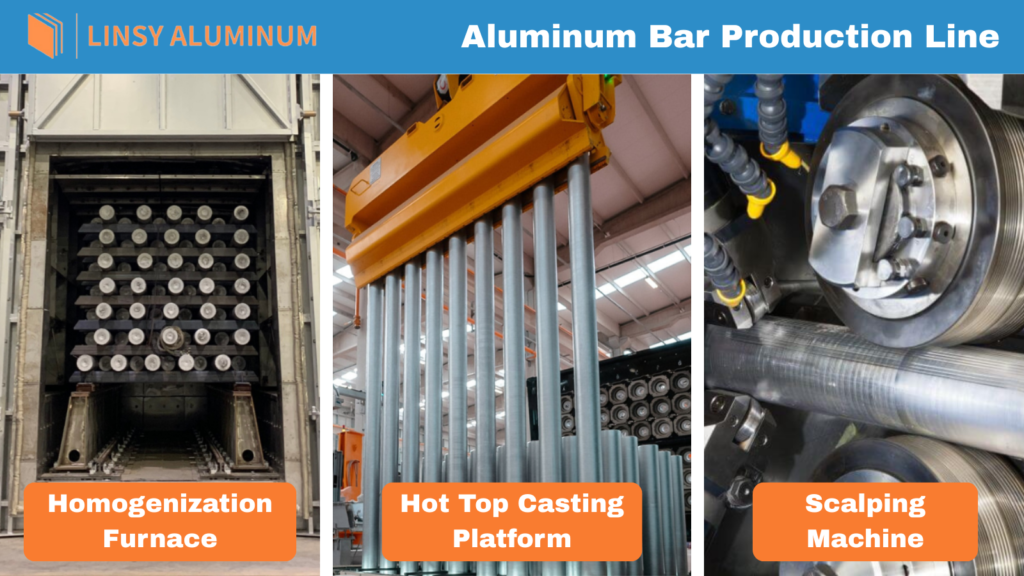
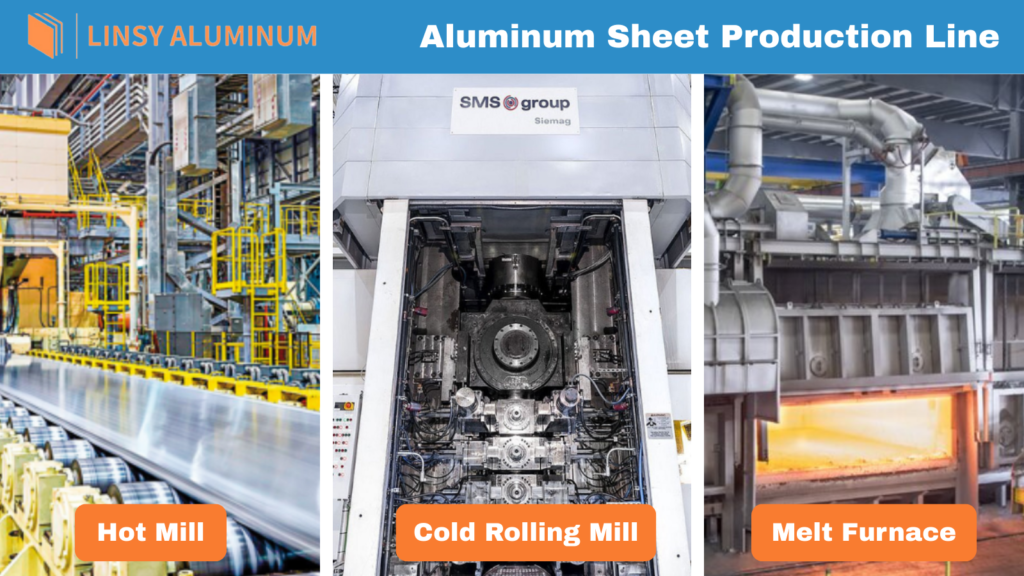
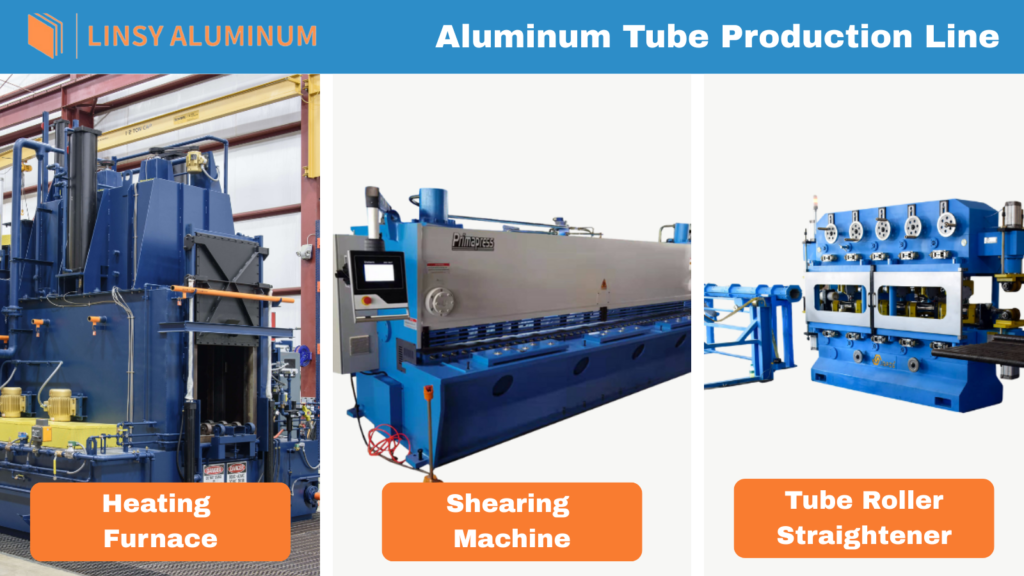
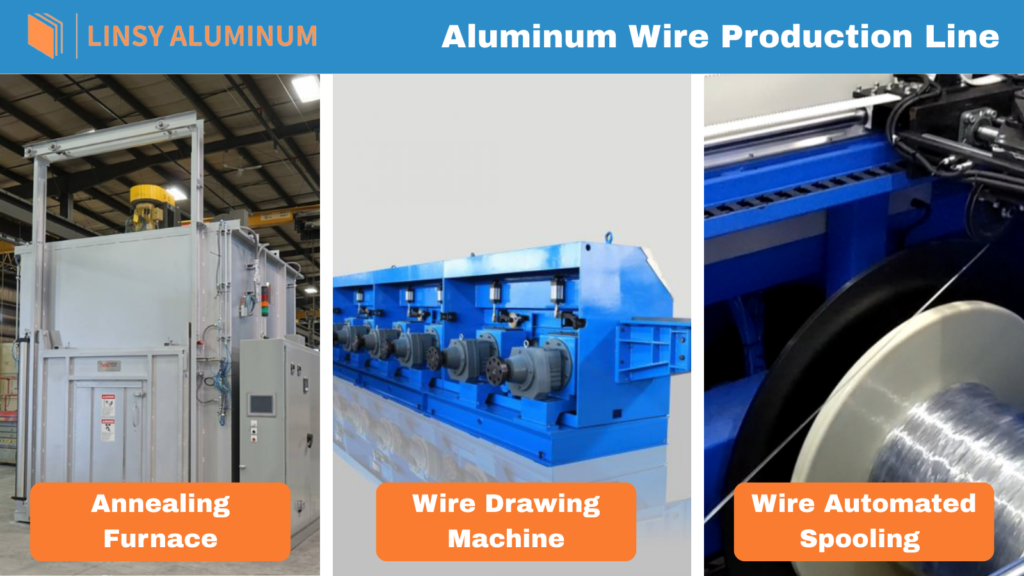
생산 장비

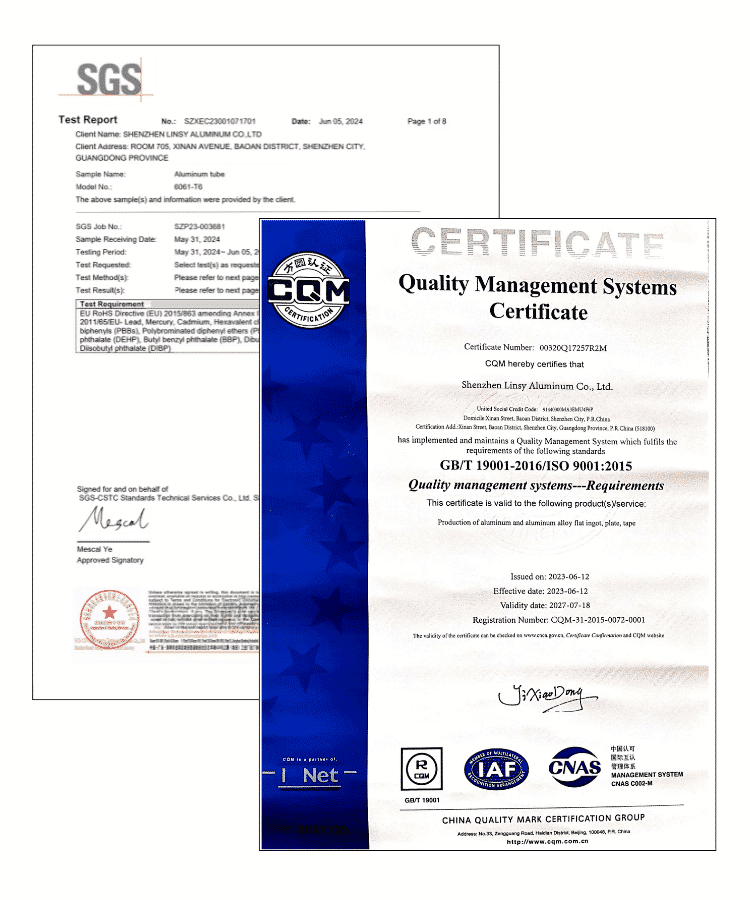
인증

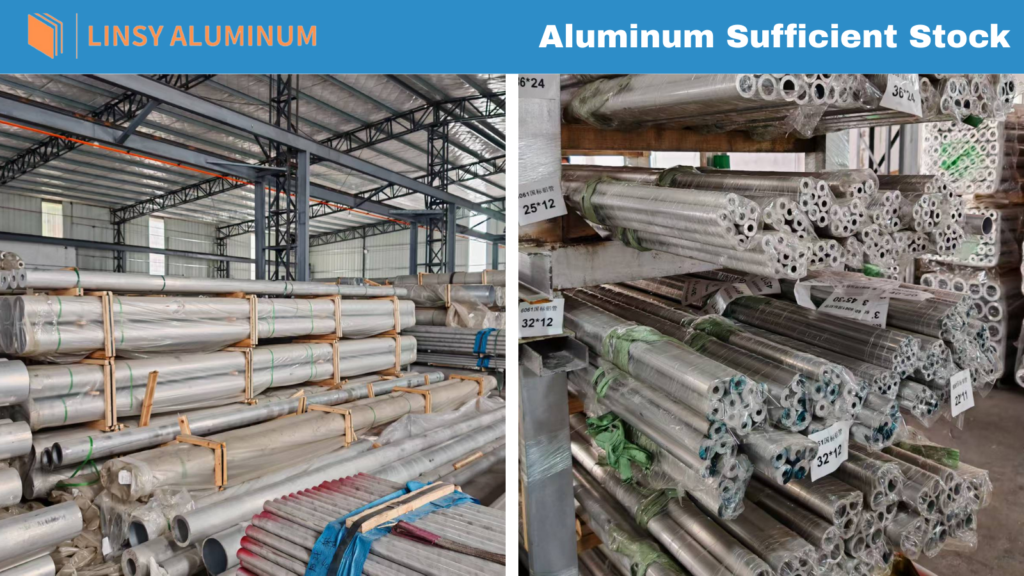
창고 및 재고

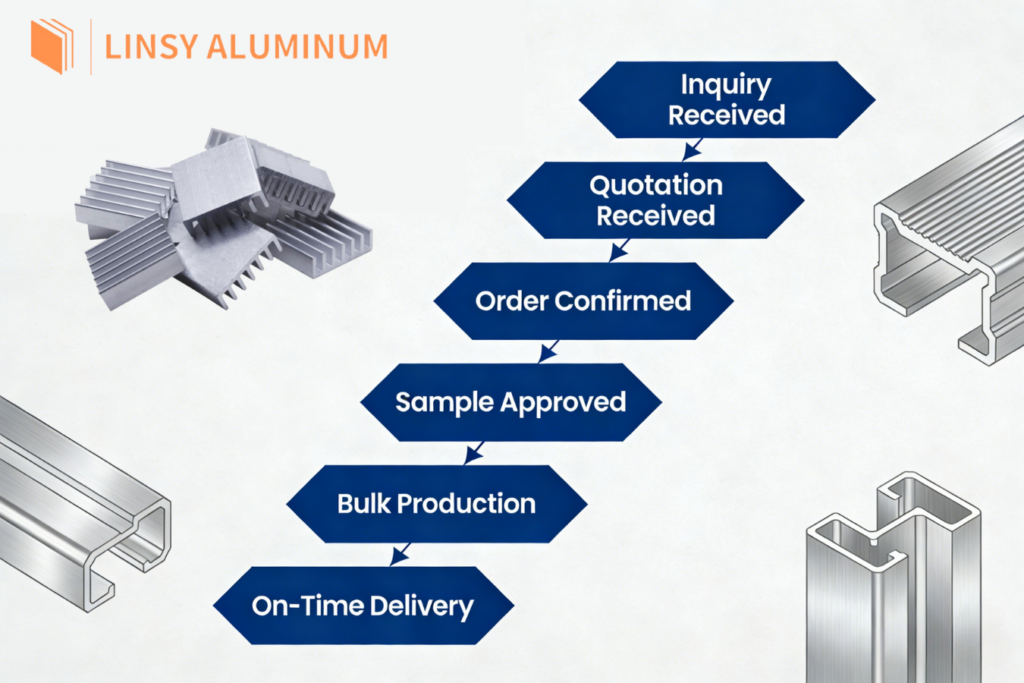
주문 프로세스

린시의 장점

린시 알루미늄은 항공우주, 일반 엔지니어링, 자동차, 해양, 조선 및 기타 특수 산업 분야를 포함한 다양한 산업 분야에 서비스를 제공하는 알루미늄 가공 제품의 선도적인 공급업체입니다.

당사는 인증에서 알 수 있듯이 최고 수준의 품질과 환경적 책임을 유지하기 위해 최선을 다하고 있습니다: ISO 9001:2008, ISO 14001:2004 및 SGS.
오늘 양식을 등록하세요! 린시 알루와 함께 프리미엄 알루미늄 솔루션을 만나보세요.

WhatsApp 전화