A liga de alumínio 2011 é um grau de alumínio de usinagem livre da série 2000, ligado principalmente com cobre, chumbo e bismuto. Conhecida por sua excepcional usinabilidade — frequentemente avaliada em 90% ou mais na escala de usinabilidade do alumínio — a 2011 produz cavacos curtos e quebradiços e excelente acabamento superficial em operações de máquinas de parafusos e CNC. A Linsy fornece barra, fio e tubo de alumínio 2011 nos temperos T3, T4, T6 e T8, com diâmetros personalizados, tamanhos cortados sob medida e relatórios de teste de material (MTC) disponíveis.
Formulários disponíveis: barra redonda / barra sextavada / fio / tubo
Temperamentos comuns: T3 / T4 / T6 / T8
Suporte ao processamento: Usinagem CNC / torneamento de precisão / corte sob medida / acabamento superficial
Documentos de qualidade: Relatório MTC com cada pedido, teste SGS mediante solicitação
A liga de alumínio 2011 (UNS A92011) é um grau de alumínio forjado da série 2000, projetado especificamente para aplicações de usinagem livre. Ligada principalmente com cobre (Cu), chumbo (Pb) e bismuto (Bi), a 2011 oferece a melhor usinabilidade de qualquer grau padrão de alumínio — tipicamente avaliada acima de 90% na escala de usinabilidade do alumínio. Isso significa que ela é usinada em velocidades mais altas com menor desgaste de ferramenta e produz cavacos limpos, curtos e quebradiços que se soltam facilmente durante o corte, tornando-a a escolha preferida para operações de alto volume em máquinas de parafusos e tornos CNC.
A 2011 é tipicamente fornecida no tempero T3 (trabalhado a frio e envelhecido naturalmente), mas os temperos T4, T6 e T8 também estão disponíveis para maior resistência ou características específicas de usinabilidade. Suas principais formas de produto são barra, fio e tubo — os formatos mais comumente utilizados para fixadores, conectores e componentes torneados de precisão.
A Linsy fornece alumínio 2011 nas formas padrão de barra, fio e tubo, as mais demandadas por compradores de usinagem de precisão. Diâmetros e comprimentos específicos podem ser personalizados de acordo com os requisitos do seu projeto.
| Formulário | Temperamento | Diâmetro (mm) | Comprimento (mm) |
|---|---|---|---|
| Barra Redonda 2011 | T3, T4, T6, T8 | 3 – 200 | 1000 – 6000 |
| Barra Sextavada 2011 | T3, T4, T6, T8 | 6 – 60 | 1000 – 6000 |
| Formulário | Temperamento | Diâmetro (mm) | Peso da bobina |
|---|---|---|---|
| Fio 2011 | T3, T4, T6, T8 | 0.8 – 12.0 | Mínimo de 50 kg |
| Formulário | Temperamento | Diâmetro externo (mm) | Espessura da parede (mm) | Comprimento (mm) |
|---|---|---|---|---|
| Tubo 2011 (Sem Costura) | T3, T4, T6, T8 | 6 – 150 | 1 – 20 | 1000 – 6000 |
| Sistema de Norma | Designação |
|---|---|
| UNS | A92011 |
| EN AW | EN AW-2011 / AlCu6BiPb |
| ISO | Al Cu6BiPb |
| AA / SAE | 2011 |
| JIS (Japão) | A2011 |
| GB / Chinês | 2011 |
Normas aplicáveis comuns:
Limites típicos de composição conforme ASTM B210 / B211 (percentual em peso):
| Elemento | Mín % | Máx % |
|---|---|---|
| Cobre (Cu) | 5.00 | 6.00 |
| Chumbo (Pb) | 0.20 | 0.60 |
| Bismuto (Bi) | 0.20 | 0.60 |
| Silício (Si) | — | 0.40 |
| Ferro (Fe) | — | 0.70 |
| Zinco (Zn) | — | 0.30 |
| Outros, cada | — | 0.05 |
| Outros, total | — | 0.15 |
| Alumínio (Al) | Balanceamento (aproximadamente 92,0 – 94,0) | |
Valores típicos para o alumínio 2011 em temperos comuns. Os valores são provenientes da ASTM B211 e referências industriais publicadas. As propriedades reais dependem da forma do produto e da espessura da seção.
| Propriedade | T3 | T4 | T6 | T8 |
|---|---|---|---|---|
| Resistência à tração | ≥ 310 MPa | ≥ 280 MPa | ≥ 345 MPa | ≥ 380 MPa |
| Resistência ao Escoamento (0,2%) | ≥ 240 MPa | ≥ 205 MPa | ≥ 275 MPa | ≥ 310 MPa |
| Alongamento na ruptura | 10 – 18% | 12 – 18% | 8 – 14% | 6 – 12% |
| Resistência ao cisalhamento | ~ 190 MPa | ~ 170 MPa | ~ 210 MPa | ~ 230 MPa |
| Dureza (Brinell) | ~ 95 | ~ 85 | ~ 105 | ~ 115 |
| Módulo de elasticidade | 70 GPa (10.200 ksi) | |||
Cada tempero oferece um equilíbrio diferente entre usinabilidade, resistência e conformabilidade. Todos os temperos da família 2011 mantêm características excepcionais de quebra de cavaco, mas as propriedades mecânicas finais variam conforme a condição.
| Temperamento | Melhor para | Notas |
|---|---|---|
| 2011-T3 | Trabalho geral em máquinas de parafusos e tornos CNC | Tempero mais comumente fornecido. Trabalhado a frio e envelhecido naturalmente. Bom equilíbrio entre usinabilidade e resistência moderada. |
| 2011-T4 | Peças que exigem conformação a frio moderada antes da usinagem final | Tratado termicamente por solução e envelhecido naturalmente. Resistência ligeiramente inferior ao T3, mas melhores propriedades de conformação. |
| 2011-T6 | Peças que exigem maior resistência com características de usinagem livre | Tratado termicamente por solução e envelhecido artificialmente. Alta resistência com usinabilidade um pouco reduzida em comparação ao T3. |
| 2011-T8 | Peças de precisão de alta resistência que devem manter estabilidade dimensional | Tratado termicamente por solução, trabalhado a frio e envelhecido artificialmente. Maior resistência, usinabilidade ligeiramente inferior ao T3. |
A 2011 é a liga de alumínio comum com a maior classificação de usinabilidade, tipicamente avaliada em 90% ou mais na escala de usinabilidade (com a 6061-T6 em aproximadamente 50%). As adições de chumbo e bismuto promovem formação limpa de cavacos — os cavacos são curtos e quebradiços, soltando-se de forma consistente durante operações de torneamento, furação e fresamento. Isso significa maiores taxas de avanço, menor desgaste de ferramenta e menos tempo de inatividade em comparação com a usinagem de graus padrão de alumínio como 6061 ou 2024.
Como a 2011 produz cavacos limpos e não fibrosos e gera baixo atrito de ferramenta durante o corte, as peças acabadas geralmente alcançam alta qualidade superficial diretamente do fuso da máquina. Isso reduz ou elimina a necessidade de operações secundárias de acabamento, tornando-a econômica para produção em alto volume.
Nos temperos T6 e T8, a 2011 oferece resistências à tração acima de 345–380 MPa — comparáveis a ligas de média resistência da série 6000 — mantendo seu caráter de usinagem livre. Para referência, a 2011 nos temperos T3 ou T6 é aproximadamente 30–40% mais resistente que a 6061 em aplicações de usinagem ajustadas pela usinabilidade, pois o tempo economizado se traduz diretamente em produtividade.
A 2011 contém chumbo (0,2–0,6%) como adição intencional de liga para promover usinabilidade. Para aplicações sujeitas a restrições RoHS, incluindo ELV da UE (Diretiva de Veículos em Fim de Vida) ou componentes em contato com água potável, a 2011 pode não ser adequada. Para aplicações de usinagem livre compatíveis com RoHS, considere o alumínio 6026 ou 6262 como alternativas sem chumbo — entre em contato com a Linsy para orientação.
A 2011 é especificada quase exclusivamente para peças fabricadas em máquinas automáticas de parafusos, tornos CNC e tornos tipo suíço. Seu domínio de aplicação é definido por seu papel como grau de usinagem de alta produtividade:
O 2011 é, sem dúvida, a liga de alumínio mais fácil de usinar, mas algumas diretrizes práticas ajudarão você a obter os melhores resultados:
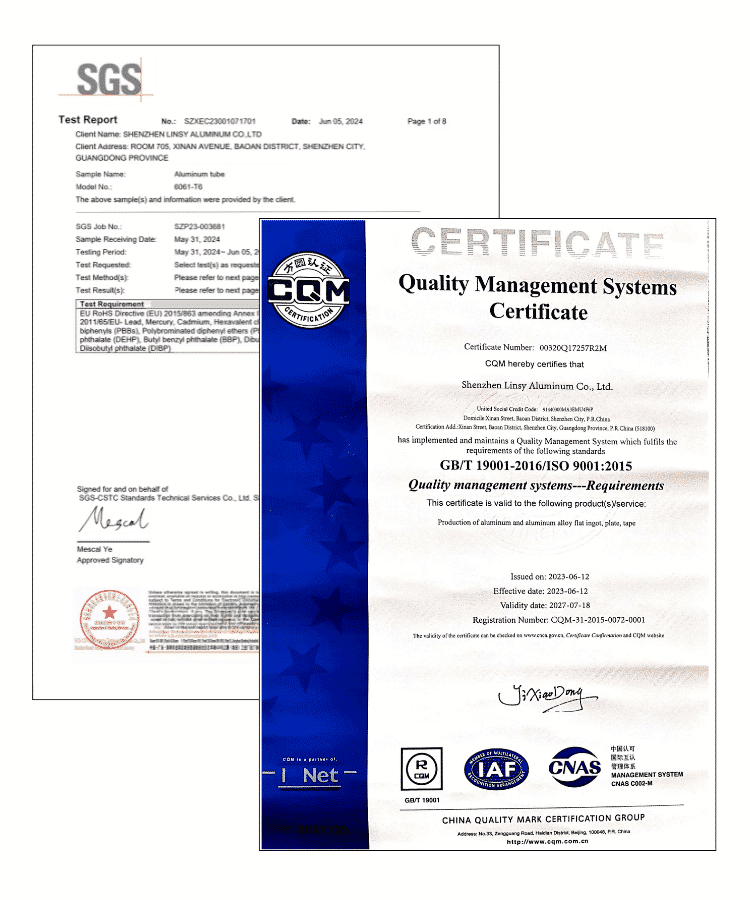
O controle de qualidade na Linsy vai desde a seleção da matéria-prima até a inspeção do produto acabado. Cada pedido é fornecido com um MTC (Certificado de Teste de Material) emitido pela Linsy Aluminum após a produção, incluindo composição química e resultados de propriedades mecânicas do lote real.
Para clientes que exigem verificação por terceiros, relatórios de teste SGS estão disponíveis mediante solicitação, com custo adicional de teste. Os relatórios SGS disponíveis incluem:
A Linsy Aluminum é uma fábrica de alumínio sediada em Shenzhen com mais de 20 anos de experiência no setor, fornecendo 2011 e outras ligas das séries 1000–8000 para clientes nos setores de engenharia geral, automotivo, eletrônico, manufatura e usinagem de precisão.
Para o seu fornecimento de 2011, isso significa:
Use estes guias para obter mais do alumínio 2011:
O 2011 é projetado para aplicações de usinagem livre em alta velocidade em máquinas de barra automáticas, tornos CNC e máquinas tipo suíço. Seu principal mercado são componentes torneados de precisão: fixadores, espaçadores, buchas, conectores elétricos e pequenas peças roscadas produzidas em alto volume.
O termo “usinagem livre” refere-se à capacidade da liga de ser usinada em altas velocidades com excelente controle de cavacos e baixo desgaste de ferramenta. As adições de chumbo e bismuto atuam como quebradores de cavaco — formam inclusões microscópicas que fazem os cavacos se fraturarem em pequenos pedaços, em vez de formar fios longos e emaranhados que podem travar máquinas ou riscar peças.
Não. O 2011 é considerado não soldável. O chumbo e o bismuto que lhe conferem excelente usinabilidade também causam severa fissuração a quente, porosidade e zonas de fusão fracas durante a soldagem. Se você precisar de uma liga usinável que possa ser soldada, considere 6061 ou 6082. Se precisar de uma liga de usinagem livre que deva ser soldada, converse com nossa equipe — pode haver opções alternativas de liga.
O 2011-T3 é trabalhado a frio e envelhecido naturalmente — é o temperamento mais comum e oferece o melhor equilíbrio entre usinabilidade e resistência para trabalhos padrão em screw machine. O 2011-T6 é tratado termicamente por solubilização e envelhecido artificialmente, resultando em maior resistência à tração e ao escoamento (aprox. 345+ MPa vs 310+ MPa), mas a usinabilidade é ligeiramente inferior à do T3. Para torneamento de alto volume onde o tempo de ciclo é o mais importante, o T3 é tipicamente preferido. Para peças que precisam de resistência mecânica extra após a usinagem, T6 ou T8 podem ser melhores opções.
O 2011 aceita tratamentos padrão de anodização, mas o acabamento superficial e a uniformidade de cor são tipicamente menos consistentes do que o que pode ser alcançado no 6061 ou 6063. Se a aparência anodizada cosmética for importante, teste uma amostra antes de se comprometer com quantidades de produção.
Sim, o 2011 contém 0,2–0,6% de chumbo como adição intencional de liga para usinabilidade. Isso significa que o 2011 pode não estar em conformidade com as restrições RoHS para certas aplicações (por exemplo, eletrônicos de consumo vendidos na UE, componentes automotivos ELV). Para opções de usinagem livre em conformidade com RoHS, os alumínios 6026 ou 6262 são alternativas comuns. Entre em contato com a Linsy para disponibilidade e orientação.
O 2011 usina muito melhor que ambos, 2024 e 7075. Na escala de usinabilidade do alumínio, o 2011 é classificado em aproximadamente 90%, enquanto o 2024-T3 fica em torno de 70% e o 7075-T6 em torno de 70%. No entanto, 2024 e 7075 são ligas estruturais muito mais resistentes — cada uma cerca de 1,3–1,5 vezes mais forte que o 2011-T3. Escolha o 2011 quando usinabilidade e produtividade forem sua prioridade; escolha 2024 ou 7075 quando a resistência máxima for inegociável.
O 2011 é tipicamente fornecido como barra redonda, barra hexagonal, fio e tubo sem costura. Não é comumente produzido como chapa, placa ou bobina, porque o propósito de design da liga é trabalho em screw machine e torneamento. Se sua aplicação exigir 2011 em uma forma não padronizada, entre em contato com a Linsy para verificar a viabilidade.
Para tamanhos fora de estoque ou especificações personalizadas, o prazo de entrega típico é de 10 a 60 dias, dependendo da liga, dimensões, requisitos de processamento e complexidade do pedido. Especificações padrão em estoque podem ser enviadas mais rapidamente — entre em contato com nossa equipe para uma cotação específica.
A Linsy apoia produção personalizada com MOQ baixo para itens de 2011 fora de estoque. O MOQ varia conforme forma, tamanho e escopo de processamento; compartilhe seus requisitos e confirmaremos a viabilidade.
Cada pedido é enviado com um MTC (Certificado de Teste de Material) emitido pela Linsy Aluminum após a produção. Relatórios opcionais de testes de terceiros SGS estão disponíveis mediante solicitação, com custo adicional de teste.
Sim, amostras podem ser providenciadas para a maioria das especificações padrão e personalizadas. O custo e o prazo de entrega das amostras dependem do tamanho e dos requisitos de processamento.
A Linsy envia globalmente, com cobertura de fornecimento estabelecida na Europa, África do Sul, Brasil, Singapura, Turquia, Japão, Coreia do Sul e Sul da Ásia.
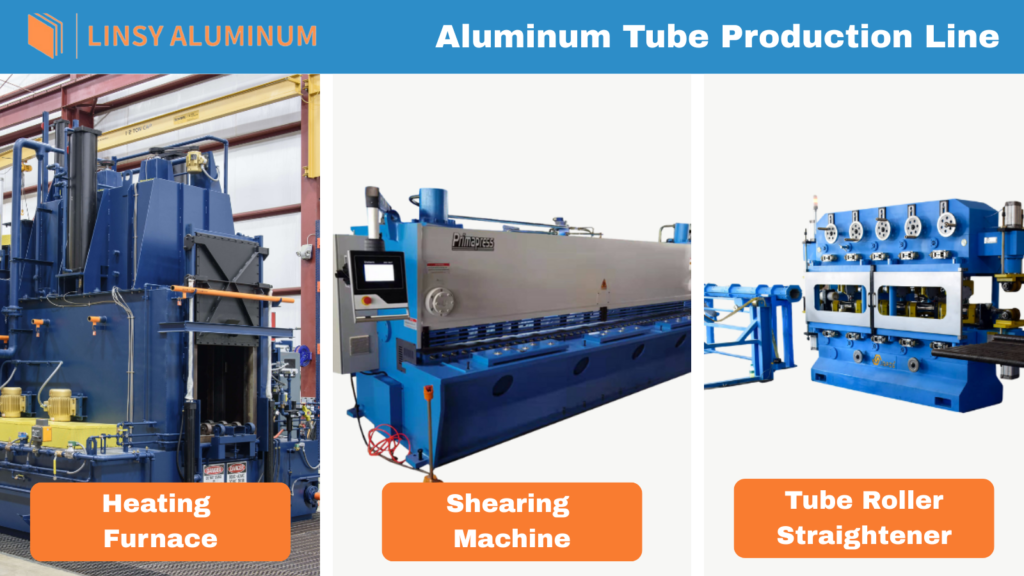
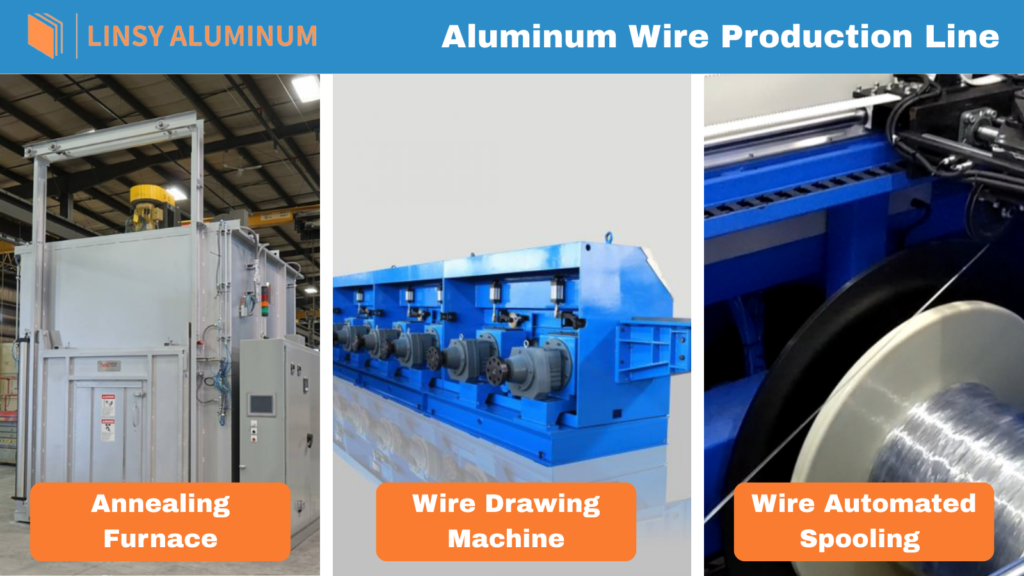
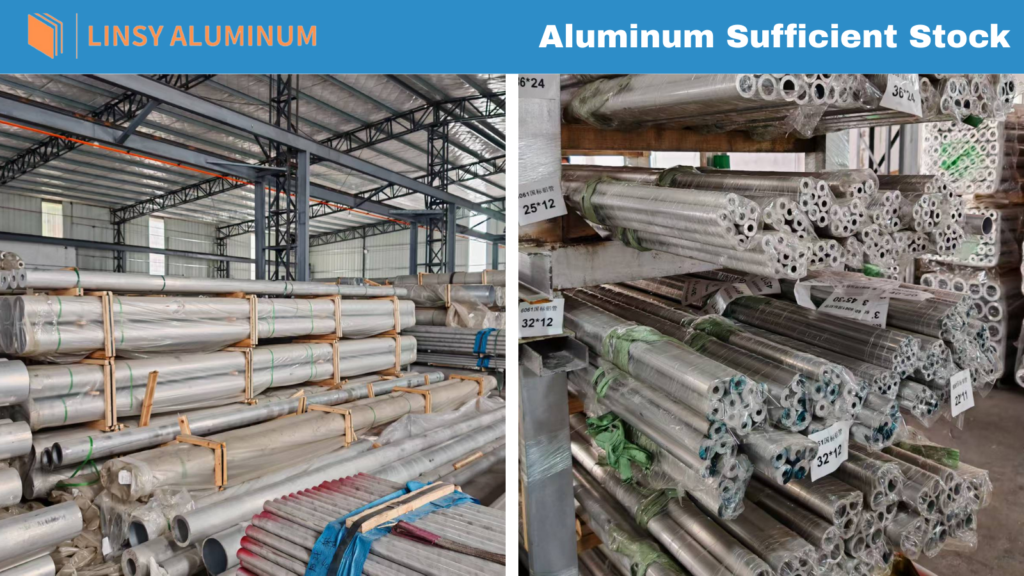
Vantagens da Linsy
A Linsy Aluminum é uma fornecedora líder de produtos de processamento de alumínio, atendendo a diversos setores, incluindo aeroespacial, engenharia geral, automotivo, marítimo, construção naval e outras aplicações industriais especializadas.
Temos o compromisso de manter os mais altos padrões de qualidade e responsabilidade ambiental, conforme demonstrado por nossas certificações: ISO 9001:2008, ISO 14001:2004 e SGS.