La lega di alluminio 2011 è un grado di alluminio da lavorazione automatica della serie 2000, legato principalmente con rame, piombo e bismuto. Nota per la sua eccezionale lavorabilità—spesso valutata al 90% o superiore sulla scala di lavorabilità dell'alluminio—la 2011 produce trucioli corti e fragili e un'ottima finitura superficiale nelle operazioni di macchina automatica e CNC. Linsy fornisce barre, fili e tubi in alluminio 2011 nelle tempere T3, T4, T6 e T8, con diametri personalizzati, tagli su misura e report MTC disponibili.
Moduli disponibili: barra tonda / barra esagonale / filo / tubo
Temperamenti comuni: T3 / T4 / T6 / T8
Supporto per l'elaborazione: Lavorazione CNC / tornitura di precisione / taglio su misura / finitura superficiale
Documenti di qualità: Rapporto MTC allegato a ogni ordine, test SGS su richiesta
La lega di alluminio 2011 (UNS A92011) è un grado di alluminio lavorato della serie 2000 specificamente progettato per applicazioni di lavorazione automatica. Legata principalmente con rame (Cu), piombo (Pb) e bismuto (Bi), la 2011 offre la migliore lavorabilità di qualsiasi grado di alluminio standard—tipicamente valutata sopra il 90% sulla scala di lavorabilità dell'alluminio. Ciò significa che viene lavorata a velocità più elevate con minore usura degli utensili e produce trucioli puliti, corti e fragili che si staccano nettamente durante il taglio, rendendola la scelta preferita per operazioni di macchina automatica e tornitura CNC ad alto volume.
La 2011 è tipicamente fornita nella tempera T3 (lavorata a freddo e invecchiata naturalmente), ma sono disponibili anche le tempere T4, T6 e T8 per una maggiore resistenza o specifiche caratteristiche di lavorabilità. Le sue forme primarie di prodotto sono barra, filo e tubo—le forme più comunemente utilizzate per elementi di fissaggio, connettori e componenti torniti di precisione.
Linsy fornisce alluminio 2011 nelle forme standard di barra, filo e tubo più comunemente richieste dagli acquirenti di lavorazioni di precisione. Diametri e lunghezze specifici possono essere personalizzati in base ai requisiti del vostro lavoro.
| Forma | Temperamento | Diametro (mm) | Lunghezza (mm) |
|---|---|---|---|
| Barra tonda 2011 | T3, T4, T6, T8 | 3 – 200 | 1000 – 6000 |
| Barra esagonale 2011 | T3, T4, T6, T8 | 6 – 60 | 1000 – 6000 |
| Forma | Temperamento | Diametro (mm) | Peso della bobina |
|---|---|---|---|
| Filo 2011 | T3, T4, T6, T8 | 0.8 – 12.0 | Min. 50 kg |
| Forma | Temperamento | Diametro esterno (mm) | Spessore della parete (mm) | Lunghezza (mm) |
|---|---|---|---|---|
| Tubo 2011 (senza saldatura) | T3, T4, T6, T8 | 6 – 150 | 1 – 20 | 1000 – 6000 |
| Sistema standard | Denominazione |
|---|---|
| UNS | A92011 |
| EN AW | EN AW-2011 / AlCu6BiPb |
| ISO | Al Cu6BiPb |
| AA / SAE | 2011 |
| JIS (Giappone) | A2011 |
| GB / Cinese | 2011 |
Norme comunemente applicabili:
Limiti di composizione tipici secondo ASTM B210 / B211 (peso %):
| Elemento | Min % | Max % |
|---|---|---|
| Rame (Cu) | 5.00 | 6.00 |
| Piombo (Pb) | 0.20 | 0.60 |
| Bismuto (Bi) | 0.20 | 0.60 |
| Silicio (Si) | — | 0.40 |
| Ferro (Fe) | — | 0.70 |
| Zinco (Zn) | — | 0.30 |
| Altri, ciascuno | — | 0.05 |
| Altri, totale | — | 0.15 |
| Alluminio (Al) | Bilanciamento (circa 92,0 – 94,0) | |
Valori tipici per l'alluminio 2011 nelle tempere comuni. I valori provengono da ASTM B211 e riferimenti industriali pubblicati. Le proprietà effettive dipendono dalla forma del prodotto e dallo spessore della sezione.
| Proprietà | T3 | T4 | T6 | T8 |
|---|---|---|---|---|
| Resistenza alla trazione | ≥ 310 MPa | ≥ 280 MPa | ≥ 345 MPa | ≥ 380 MPa |
| Limite di snervamento (0,2%) | ≥ 240 MPa | ≥ 205 MPa | ≥ 275 MPa | ≥ 310 MPa |
| Allungamento a rottura | 10 – 18% | 12 – 18% | 8 – 14% | 6 – 12% |
| Resistenza al taglio | ~ 190 MPa | ~ 170 MPa | ~ 210 MPa | ~ 230 MPa |
| Durezza (Brinell) | ~ 95 | ~ 85 | ~ 105 | ~ 115 |
| Modulo di elasticità | 70 GPa (10.200 ksi) | |||
Ogni tempera offre un diverso equilibrio tra lavorabilità, resistenza e formabilità. Tutte le tempere della famiglia 2011 mantengono eccezionali caratteristiche di rottura del truciolo, ma le proprietà meccaniche finali variano in base alla condizione.
| Temperamento | Il migliore per | Note |
|---|---|---|
| 2011-T3 | Lavorazione generica con macchina automatica e tornitura CNC | Tempera più comunemente fornita. Lavorata a freddo e invecchiata naturalmente. Buon equilibrio tra lavorabilità e resistenza moderata. |
| 2011-T4 | Parti che richiedono una moderata formatura a freddo prima della lavorazione finale | Trattata termicamente in soluzione e invecchiata naturalmente. Resistenza leggermente inferiore rispetto alla T3 ma migliori proprietà di formatura. |
| 2011-T6 | Parti che richiedono maggiore resistenza con caratteristiche di lavorabilità automatica | Trattata termicamente in soluzione e invecchiata artificialmente. Elevata resistenza con lavorabilità leggermente ridotta rispetto alla T3. |
| 2011-T8 | Parti di precisione ad alta resistenza che devono mantenere la stabilità dimensionale | Trattata termicamente in soluzione, lavorata a freddo e invecchiata artificialmente. Massima resistenza, lavorabilità leggermente inferiore rispetto alla T3. |
La 2011 è la lega di alluminio comune con la più alta valutazione di lavorabilità, tipicamente classificata al 90% o superiore sulla scala di lavorabilità (con la 6061-T6 a circa il 50%). Le aggiunte di piombo e bismuto favoriscono una formazione pulita del truciolo—i trucioli sono corti e fragili, staccandosi in modo costante durante le operazioni di tornitura, foratura e fresatura. Ciò significa velocità di avanzamento più elevate, ridotta usura degli utensili e minori tempi di fermo rispetto alla lavorazione di gradi di alluminio standard come 6061 o 2024.
Poiché la 2011 produce trucioli puliti e non filamentosi e genera un basso attrito degli utensili durante il taglio, le parti finite raggiungono tipicamente un'elevata qualità superficiale direttamente dal mandrino della macchina. Ciò riduce o elimina la necessità di operazioni di finitura secondarie, rendendola conveniente per la produzione ad alto volume.
Nelle condizioni T6 e T8, la 2011 offre resistenze a trazione superiori a 345–380 MPa—paragonabili alle leghe della serie 6000 a media resistenza—mantenendo al contempo il suo carattere di lavorabilità automatica. Per riferimento, la 2011 in T3 o T6 è circa il 30–40% più resistente della 6061 nelle applicazioni di lavorazione adattate alla lavorabilità, poiché il tempo risparmiato si traduce direttamente in produttività.
La 2011 contiene piombo (0,2–0,6%) come aggiunta di lega intenzionale per favorire la lavorabilità. Per applicazioni soggette a restrizioni RoHS, inclusi ELV UE (veicoli a fine vita) o componenti a contatto con acqua potabile, la 2011 potrebbe non essere adatta. Per applicazioni di lavorazione automatica compatibili con RoHS, considerare l'alluminio 6026 o 6262 come alternative senza piombo—contattare Linsy per una consulenza.
La 2011 è specificata quasi esclusivamente per parti prodotte su macchine automatiche, torni CNC e macchine di tornitura di tipo svizzero. Il suo dominio applicativo è definito dal suo ruolo come grado di lavorazione ad alta produttività:
Il 2011 è probabilmente la lega di alluminio più facile da lavorare, ma alcune linee guida pratiche aiuteranno a ottenere i migliori risultati:
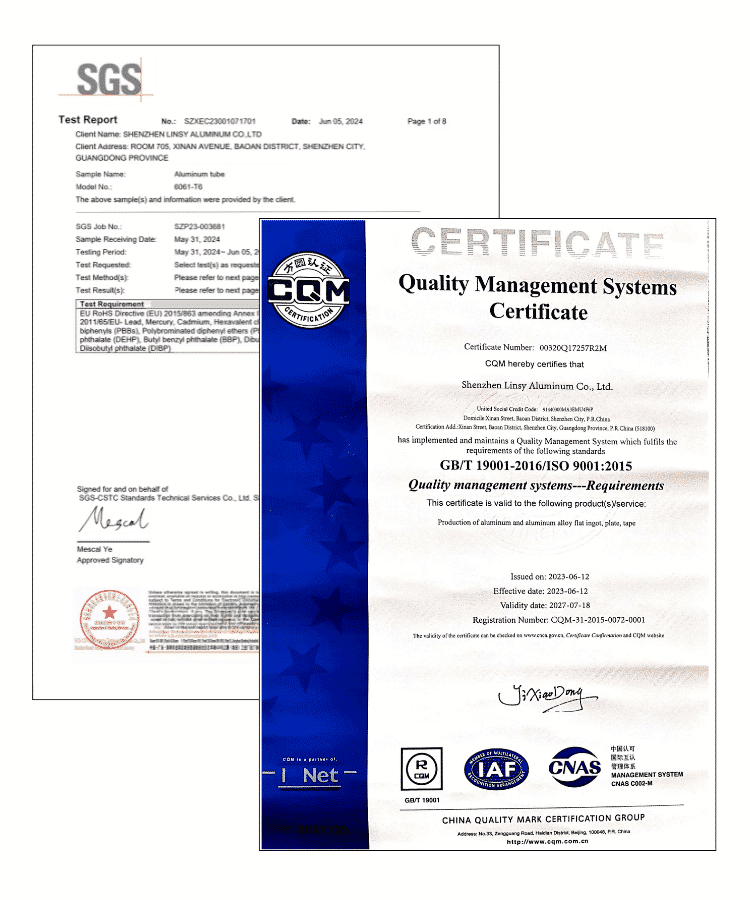
Il controllo qualità presso Linsy va dalla selezione delle materie prime fino al collaudo del prodotto finito. Ogni ordine viene accompagnato da un MTC (Certificato di analisi dei materiali) rilasciato da Linsy Aluminum al termine della produzione, che riporta i risultati relativi alla composizione chimica e alle proprietà meccaniche del lotto specifico.
Per i clienti che necessitano di una verifica da parte di terzi, i rapporti di prova SGS sono disponibili su richiesta a un costo aggiuntivo. I rapporti SGS disponibili includono:
Linsy Aluminum è una fabbrica di alluminio con sede a Shenzhen con oltre 20 anni di esperienza nel settore, che fornisce il 2011 e altre leghe delle serie 1000–8000 a clienti nei settori dell'ingegneria generale, automotive, elettronica, manifattura e lavorazioni di precisione.
Per il vostro approvvigionamento di 2011, questo significa:
Utilizzate queste guide per ottenere di più dall'alluminio 2011:
Il 2011 è progettato per applicazioni di lavorazione a taglio libero ad alta velocità su macchine a vite automatiche, torni CNC e macchine a testa mobile. Il suo mercato principale è costituito da componenti torniti di precisione: elementi di fissaggio, distanziali, boccole, connettori elettrici e piccole parti filettate prodotte in grandi volumi.
Il termine “a lavorabilità libera” si riferisce alla capacità della lega di essere lavorata ad alte velocità con un eccellente controllo del truciolo e un basso usura degli utensili. Le aggiunte di piombo e bismuto agiscono come rompitruciolo—formano inclusioni microscopiche che causano la frattura dei trucioli in piccoli pezzi anziché formare lunghi intrecci che possono inceppare le macchine o graffiare i pezzi.
No. Il 2011 è considerato non saldabile. Il piombo e il bismuto che gli conferiscono un'eccezionale lavorabilità causano anche gravi cricche a caldo, porosità e zone di fusione deboli durante la saldatura. Se avete bisogno di una lega lavorabile che possa essere saldata, considerate il 6061 o il 6082. Se avete bisogno di una lega a lavorabilità libera che debba essere saldata, discutetene con il nostro team—potrebbero esserci opzioni alternative di leghe.
Il 2011-T3 è incrudito e invecchiato naturalmente—è la tempra più comune e offre il miglior equilibrio tra lavorabilità e resistenza per il lavoro standard su macchine a vite. Il 2011-T6 è trattato termicamente in soluzione e invecchiato artificialmente, producendo una resistenza a trazione e a snervamento più elevata (circa 345+ MPa contro 310+ MPa), ma la lavorabilità è leggermente inferiore rispetto al T3. Per la tornitura ad alto volume dove il tempo di ciclo è prioritario, il T3 è tipicamente preferito. Per parti che necessitano di resistenza meccanica aggiuntiva post-lavorazione, il T6 o il T8 possono essere scelte migliori.
Il 2011 accetta i trattamenti di anodizzazione standard, ma la finitura superficiale e l'uniformità del colore sono tipicamente meno costanti rispetto a quanto ottenibile su 6061 o 6063. Se l'aspetto estetico anodizzato è importante, testate un campione prima di impegnarvi in quantità di produzione.
Sì, il 2011 contiene 0,2–0,6% di piombo come aggiunta intenzionale di lega per la lavorabilità. Ciò significa che il 2011 potrebbe non essere conforme alle restrizioni RoHS per determinate applicazioni (ad es., elettronica di consumo venduta nell'UE, componenti ELV automobilistici). Per opzioni a lavorabilità libera conformi alla RoHS, l'alluminio 6026 o 6262 sono alternative comuni. Contattate Linsy per disponibilità e consulenza.
Il 2011 si lavora molto meglio sia del 2024 che del 7075. Sulla scala di lavorabilità dell'alluminio, il 2011 ottiene circa 90%, mentre il 2024-T3 ottiene circa 70% e il 7075-T6 circa 70%. Tuttavia, il 2024 e il 7075 sono leghe strutturali molto più resistenti—ciascuna circa 1,3–1,5 volte più resistente del 2011-T3. Scegliete il 2011 quando lavorabilità e produttività sono la vostra priorità; scegliete il 2024 o il 7075 quando la resistenza massima è non negoziabile.
Il 2011 è tipicamente fornito come barra tonda, barra esagonale, filo e tubo senza saldatura. Non è comunemente prodotto come lamiera, piastra o coil, poiché lo scopo progettuale della lega è il lavoro su macchine a vite e tornitura. Se la vostra applicazione richiede il 2011 in una forma non standard, contattate Linsy per verificare la fattibilità.
Per dimensioni non standard o specifiche personalizzate, il tempo di consegna tipico è di 10–60 giorni a seconda della lega, delle dimensioni, dei requisiti di lavorazione e della complessità dell'ordine. Le specifiche standard in magazzino possono essere spedite più rapidamente—contattate il nostro team per un preventivo specifico.
Linsy supporta la produzione personalizzata con MOQ basso per articoli 2011 non standard. Il MOQ varia in base a forma, dimensione e ambito di lavorazione; condividete i vostri requisiti e confermeremo la fattibilità.
Ogni ordine viene spedito con un MTC (Material Test Certificate) emesso da Linsy Aluminum dopo la produzione. Rapporti di prova di terze parti SGS opzionali sono disponibili su richiesta a un costo aggiuntivo per le prove.
Sì, i campioni possono essere organizzati per la maggior parte delle specifiche standard e personalizzate. Il costo del campione e il tempo di consegna dipendono dalle dimensioni e dai requisiti di lavorazione.
Linsy effettua spedizioni in tutto il mondo, con una rete di distribuzione consolidata in Europa, Sudafrica, Brasile, Singapore, Turchia, Giappone, Corea del Sud e Asia meridionale.
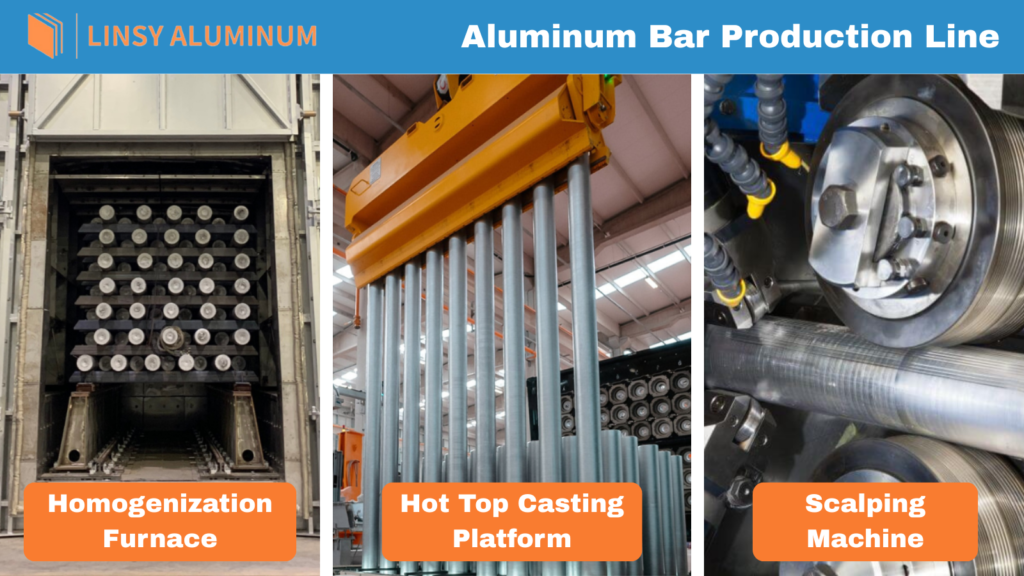
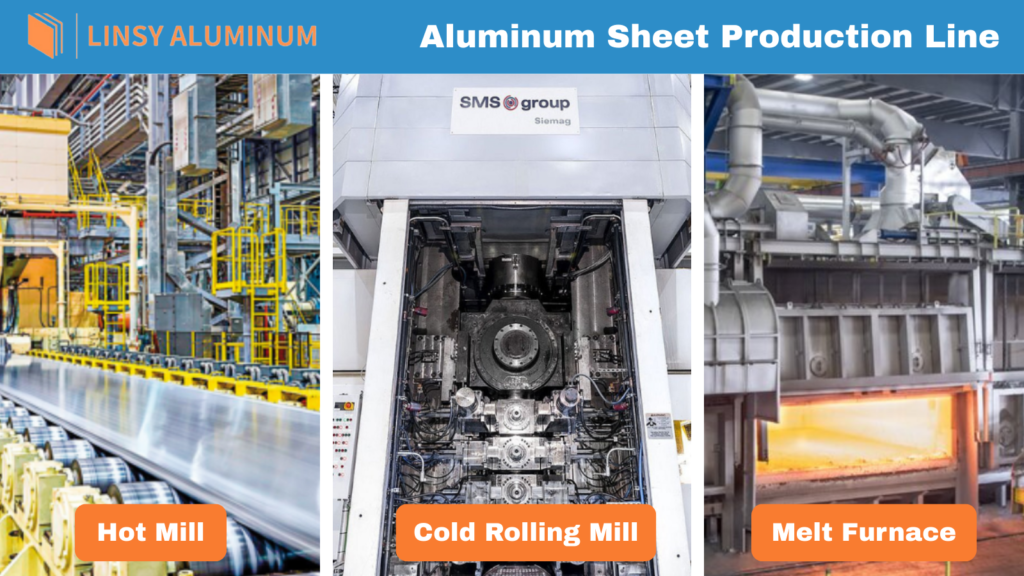
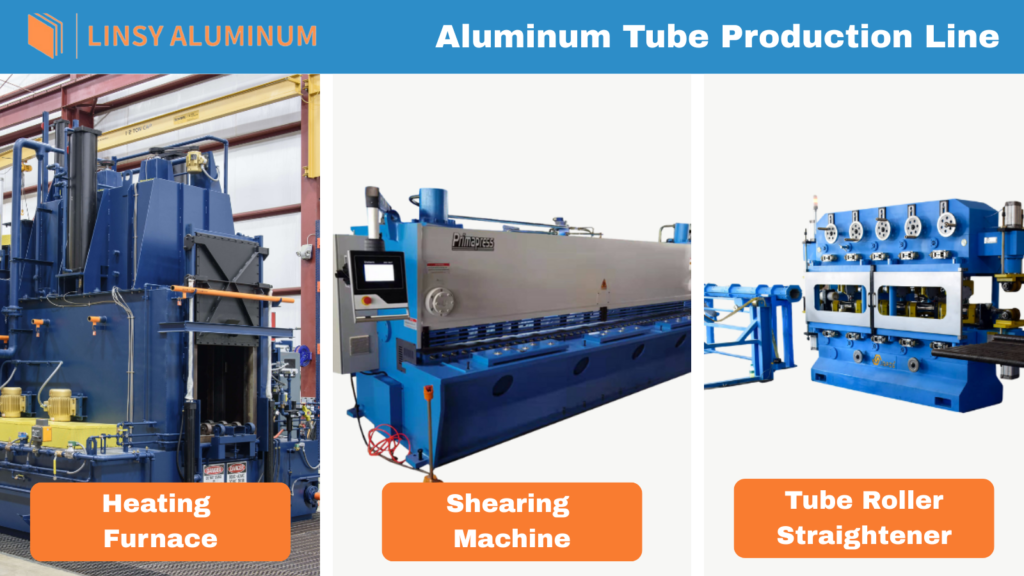
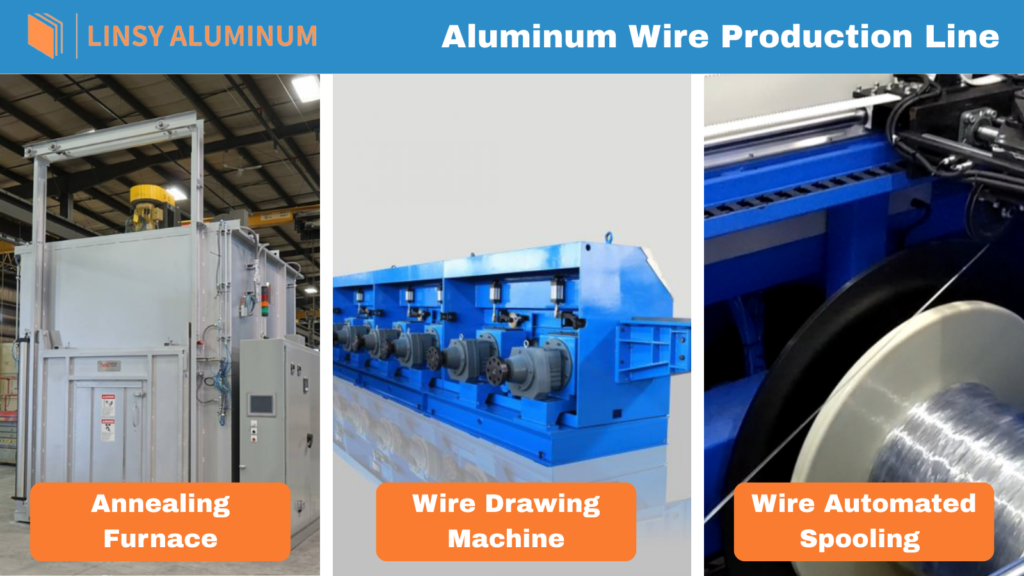
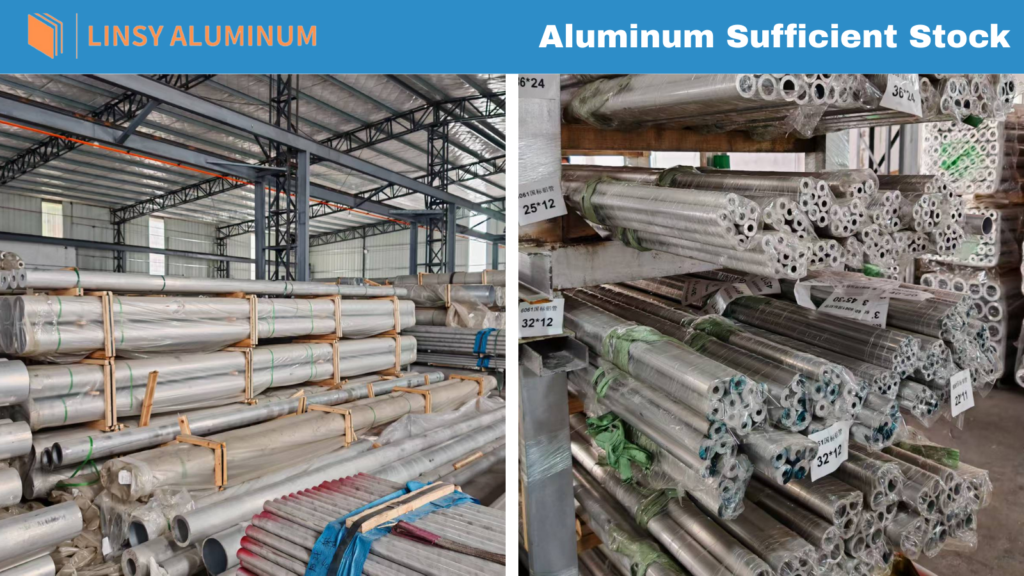
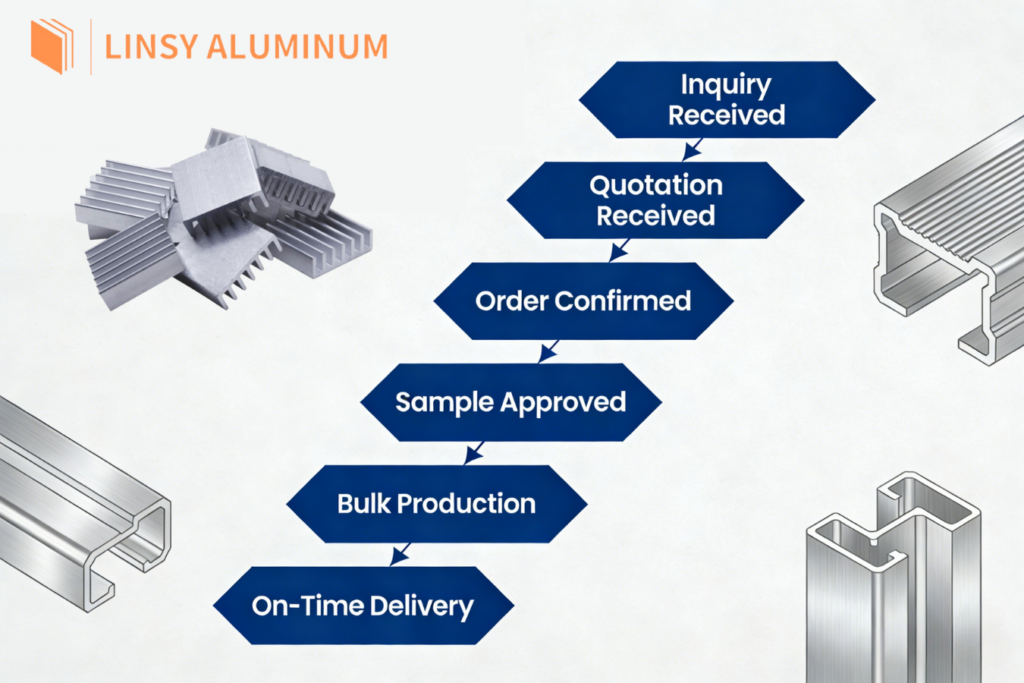
Vantaggi Linsy
Linsy Aluminum è un fornitore leader di prodotti per la lavorazione dell'alluminio, che serve diversi settori, tra cui quello aerospaziale, dell'ingegneria generale, automobilistico, marittimo, navale e altre applicazioni industriali specializzate.
Ci impegniamo a mantenere i più alti standard di qualità e responsabilità ambientale, come dimostrano le nostre certificazioni: ISO 9001:2008, ISO 14001:2004 e SGS.